How To Know When Your Florida Soil Is Ready For Warm Season Crops
Every spring in Florida brings the same mix of excitement and second guessing. One warm afternoon makes it feel like planting season has arrived, while the next cool morning raises doubts all over again.
Garden centers are stocked, tomato plants look healthy and ready, and the urge to get everything in the ground is hard to resist. Many gardeners rely on calendar dates or daytime temperatures to decide when to plant, but those signals can be misleading.
Florida weather changes quickly, and what feels warm above ground does not always match what is happening below the surface. Seeds and roots respond to soil conditions first, long before they care about sunshine or warm breezes.
Planting too early often leads to slow growth, weak plants, and disappointing harvests that never seem to catch up.
Waiting for the right moment can feel frustrating, but it often makes the difference between struggling plants and a garden that takes off quickly.
The key to knowing when to plant is not the date or the forecast. The real answer is already in your garden, right beneath your feet.
1. Florida Soil Warms On Its Own Schedule
Every region across Florida experiences soil warming at a different pace depending on sunlight exposure, rainfall patterns, and proximity to the coast. South Florida gardeners may notice their beds reaching planting temperature as early as late February, while North Florida soils often take until mid April to catch up.
Central Florida falls somewhere in between, usually ready by late March when conditions cooperate.
Sandy soils common throughout the state tend to warm faster than heavier clay or organic rich ground because they drain quickly and allow sunlight to penetrate.
Raised beds also heat up sooner than in ground plots since air circulates around all sides and water moves through them rapidly.
Shaded areas under trees or near buildings lag behind by several weeks compared to spots receiving full sun all day.
Understanding your specific microclimate helps you avoid planting too early or waiting longer than necessary. Walk your garden in the morning and notice which beds feel warmer to the touch or dry out first after rain.
These subtle differences add up and give you clues about where to start planting and which spots need more patience before they’re truly ready for warm season crops.
Organic-rich soils may warm more slowly in early spring but tend to retain heat better once temperatures stabilize.
2. Why Air Temperature Can Be Misleading
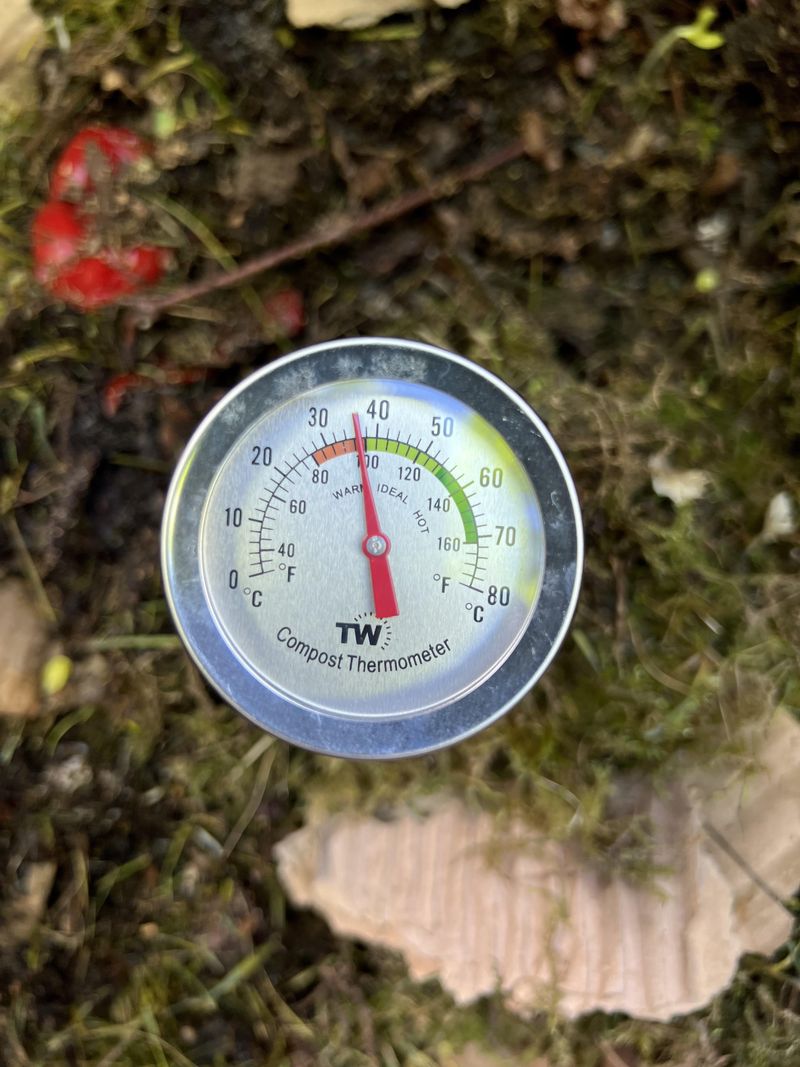
A beautiful 80 degree afternoon in March feels like summer and makes every gardener eager to plant, but air temperature shifts constantly throughout the day and night.
Soil temperature changes much more slowly and provides a far more reliable indicator of whether your warm season crops will actually thrive or just sit there struggling.
Warm air can trick you into thinking conditions are perfect when the ground remains too cool for seeds to sprout or transplants to establish roots.
Nighttime lows matter just as much as daytime highs when it comes to soil conditions. Even if afternoons reach the upper 70s, cool evenings can keep the ground chilled well into spring across much of Florida.
Seeds planted in cold soil often rot before they ever have a chance to germinate, and young transplants experience shock that stunts their growth for weeks.
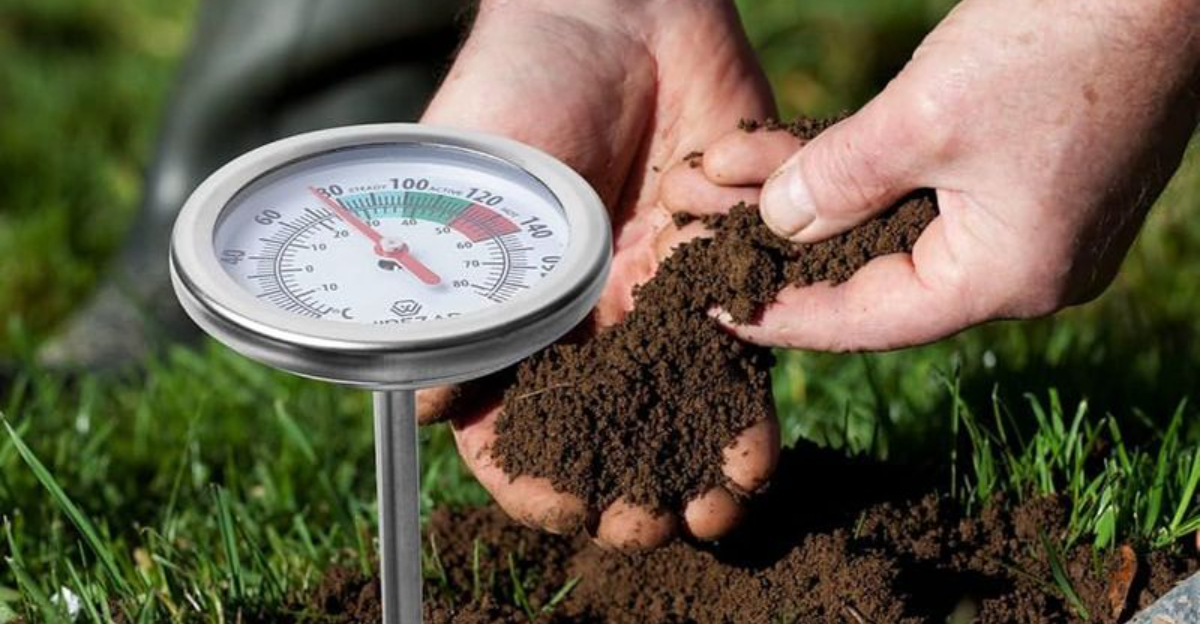
Checking soil temperature at root depth gives you accurate information that air readings simply cannot provide. A soil thermometer inserted three to four inches down will tell you exactly what your plants will experience once they go in the ground.
This simple step removes guesswork and helps you time your planting when conditions truly support healthy growth instead of relying on how the day feels.
3. What Warm Season Crops Actually Respond To

Tomatoes, peppers, squash, cucumbers, and beans all originated in tropical or subtropical climates where soil stays consistently warm year round. Their root systems developed to function best when surrounded by temperatures above 60 degrees, and growth slows dramatically when soil temperatures fall below that threshold.
Cold soil slows nutrient uptake, weakens root development, and leaves plants vulnerable to stress and disease pressure.
Seed germination depends entirely on soil warmth triggering the chemical reactions inside each seed that begin the sprouting process. Even when seeds do sprout in cool soil, emergence is often slow and uneven, leading to weaker plants overall.
Tomato seeds need soil temperatures around 70 degrees to germinate reliably within a week, while cucumber and squash seeds prefer even warmer conditions closer to 75 degrees.
Planting before the soil reaches these temperatures means seeds sit dormant or decay instead of sprouting quickly and establishing strong seedlings.
Transplants experience similar challenges when moved into cool soil because their roots stop growing and cannot anchor the plant or absorb water and nutrients effectively. Young plants may survive but will not thrive until soil temperatures rise, wasting precious weeks of the growing season.
Waiting for proper soil warmth ensures your warm season crops start strong and reach productive size faster than those planted prematurely into less than ideal conditions.
4. How Soil Temperature Signals Plant Readiness
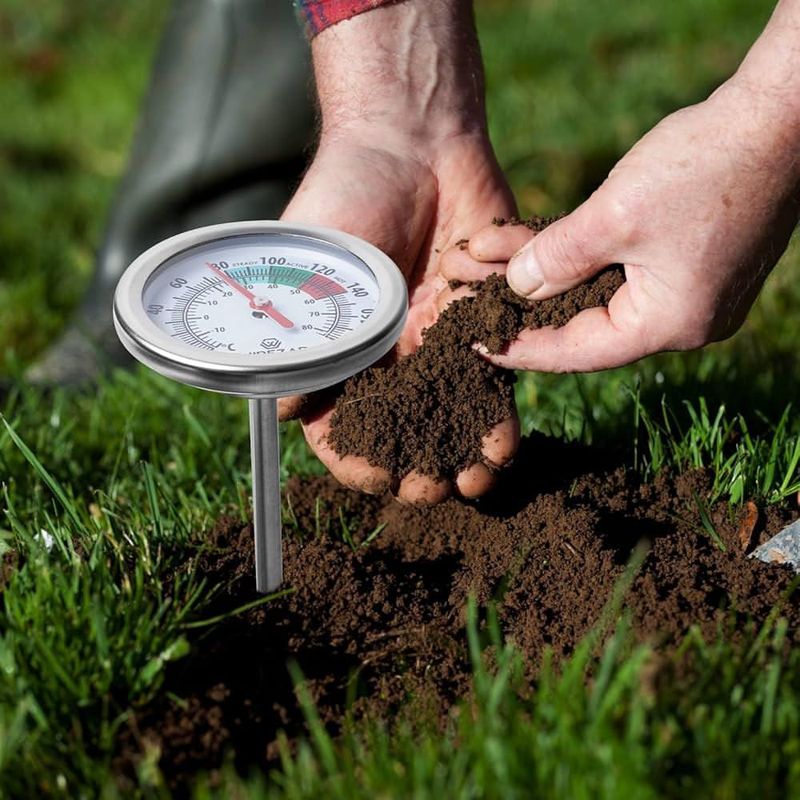
Most warm season vegetables need consistent soil temperatures between 60 and 70 degrees, measured at planting depth in the morning, before they can grow successfully in Florida gardens.
University of Florida IFAS Extension research confirms that tomatoes and peppers perform best when soil reaches at least 60 degrees, while cucumbers, squash, melons, and beans prefer 65 degrees or warmer for optimal germination and root growth.
These thresholds represent the minimum temperatures needed, and warmer soil produces even better results with faster establishment and healthier plants.
Measuring soil temperature over several consecutive days gives you a much clearer picture than a single reading on one warm afternoon. Soil conditions fluctuate less dramatically than air temperature, but they still vary slightly from day to day based on recent weather patterns.
Taking readings at the same time each morning for three to five days and averaging those numbers provides reliable data you can trust when making planting decisions.
Once your soil consistently reaches the appropriate temperature range for the crops you want to grow, you can plant with confidence knowing conditions support healthy development.
Nighttime soil temperatures are especially important, since warm afternoons alone are not enough to support reliable early growth.
Tracking these patterns year after year also helps you predict when your garden will be ready in future seasons and plan your planting schedule more accurately based on your specific location and garden conditions.
Gardeners who want to plant slightly earlier can safely warm soil by covering beds with black plastic or landscape fabric one to two weeks before planting. These materials absorb sunlight and raise soil temperatures without risking cold damage.
Row covers or low tunnels can also help protect young plants, but they work best after soil has already reached minimum planting temperatures.
5. Simple Ways Gardeners Can Check Their Soil
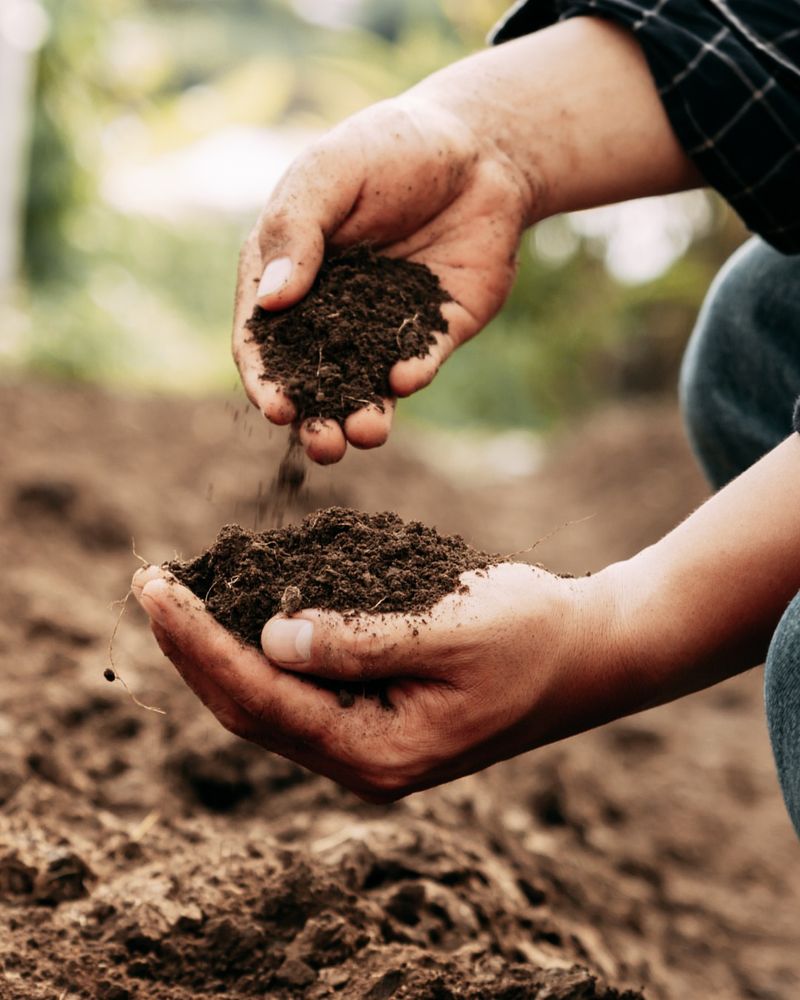
A basic soil thermometer costs less than fifteen dollars and provides accurate readings that take all the guesswork out of planting timing. Insert the probe three to four inches deep into your garden bed and wait about a minute for the reading to stabilize.
Check the temperature in several different spots since sunny areas warm faster than shaded sections, and raised beds heat up sooner than ground level plots.
Gardeners without a thermometer can still gather useful information by observing their soil and paying attention to how it feels and behaves.
Soil that’s ready for warm season planting feels noticeably warmer to your hand than it did a few weeks earlier and dries out more quickly after rain or watering.
You might also notice weeds beginning to sprout more actively as the ground warms, signaling that conditions favor seed germination.
Another reliable indicator involves watching your lawn and landscape plants for signs of active spring growth. When grass greens up and starts growing vigorously, and trees and shrubs push out new leaves, soil temperatures have typically risen enough to support warm season vegetable planting.
These natural signals happen in response to the same soil warming that your garden crops need, making them trustworthy guides even without specialized equipment or precise measurements.
6. Why Planting Too Early Causes Setbacks
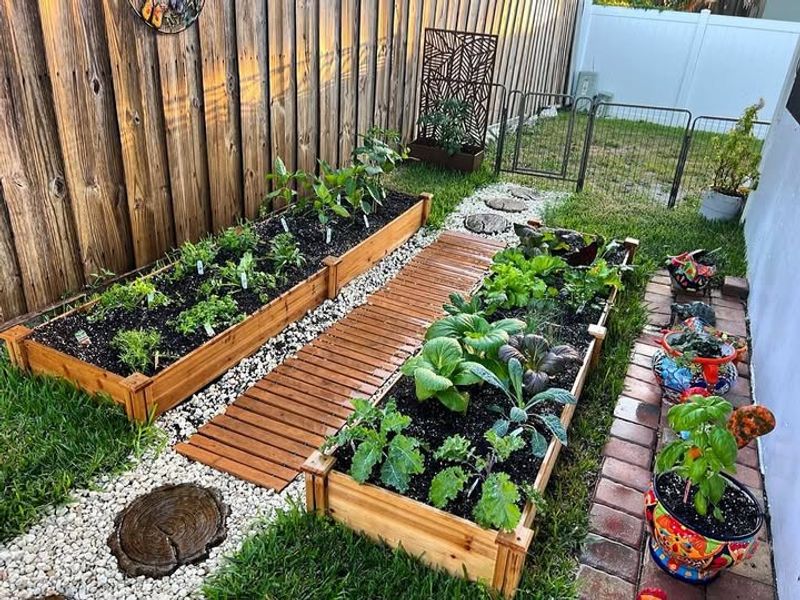
Seeds placed in cold soil often sit dormant for weeks waiting for conditions to improve, and during that time they become vulnerable to rot, fungal issues, and hungry insects. Even if some seeds eventually sprout, they emerge weak and uneven, creating a garden full of plants at different stages that never quite catch up to where they should be.
The time you think you’re gaining by planting early actually gets lost to poor germination and slow development that holds your entire garden back.
Transplants moved into cool soil experience transplant shock that stops their growth completely until conditions improve.
Their roots cannot function properly in cold ground, so they sit there looking stunted and pale while plants set out just two weeks later in warmer soil race past them.
Young plants stressed by cold soil also become more susceptible to pests and diseases because they lack the vigor needed to defend themselves or recover quickly from damage.
Patience pays off in Florida gardening more than rushing the season ever will. Waiting for proper soil warmth means your seeds sprout quickly and uniformly, and your transplants establish strong roots within days instead of struggling for weeks.
The result is a healthier, more productive garden that catches up to and surpasses anything planted prematurely into less than ideal conditions.