How To Make Begonias Bloom In Your Texas Home
Want to see your begonias burst into bloom inside your Texas home? You’re not alone.
These lush, colorful plants are loved for their bright flowers and bold foliage. But getting them to bloom indoors takes more than just water and hope. The good news? It’s totally doable, even without a green thumb.
With the right light, timing, and a little bit of care, your begonias can put on a floral show that rivals anything you’d see outside.
Whether you’re growing wax begonias, tuberous types, or rex hybrids, understanding what they need indoors makes all the difference.
Texas homes often get plenty of sunshine, but managing that light (and heat!) is key to helping your begonias thrive. If your plant is growing lots of leaves but no flowers, or just looks a little “meh,” don’t give up.
Here’s how to make your begonias bloom beautifully in your Texas home, without the guesswork.
1. Provide Your Begonias With The Right Amount Of Light
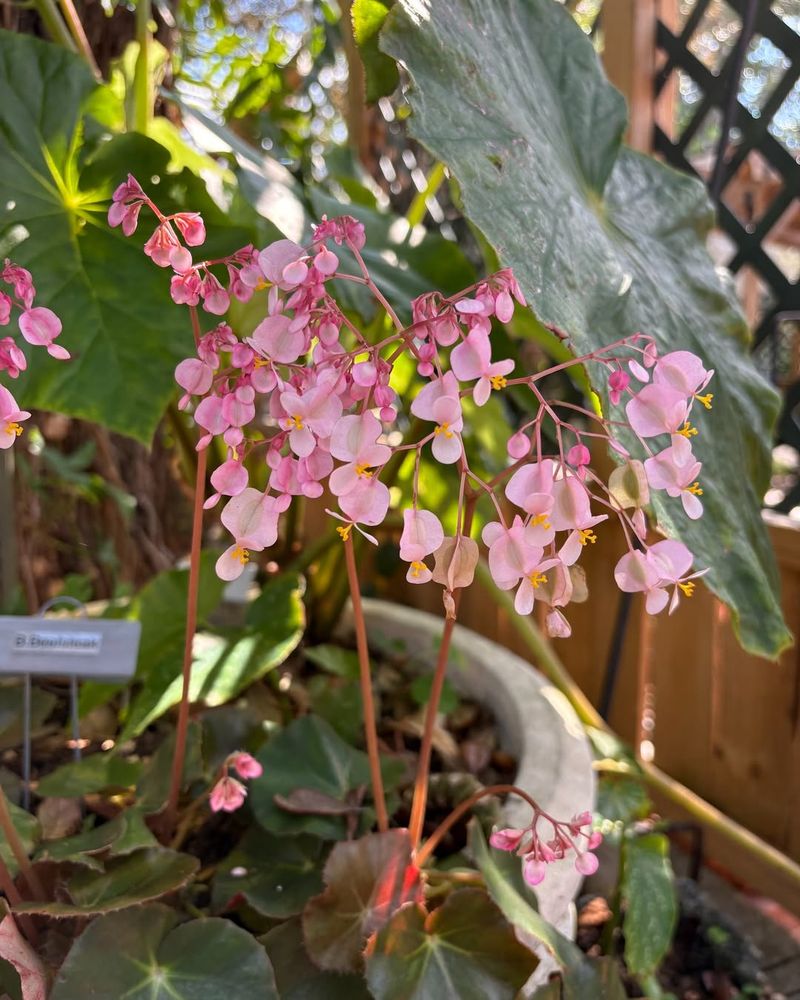
Light plays a crucial role in triggering begonias to produce flowers. Too much direct sunlight can scorch the leaves and stress the plant, while too little light results in leggy growth with few or no blooms.
Finding that sweet spot is essential for Texas gardeners who deal with intense summer sun. Most begonias prefer bright, indirect light for about four to six hours daily.
Place your plants near east-facing windows where they’ll receive gentle morning sun, or use sheer curtains to filter harsh afternoon rays.
In Texas, the summer sun can be particularly brutal, so providing some shade during peak afternoon hours prevents leaf burn and keeps plants flowering.
Outdoor begonias in Texas gardens benefit from planting them under trees or near structures that provide dappled shade. The filtered light mimics their natural habitat and encourages consistent blooming.
If your begonias aren’t flowering, consider whether they’re getting enough light without being exposed to scorching direct sun. Indoor begonias need rotation every few days to ensure all sides receive equal light exposure.
This prevents lopsided growth and promotes even flowering throughout the plant. During shorter winter days in Texas, you might need to move plants closer to windows or supplement with grow lights to maintain blooming.
Watch your plants for signs of light issues. Pale leaves and stretched stems indicate insufficient light, while brown, crispy edges suggest too much direct sun exposure.
2. Feed Your Begonia Regularly
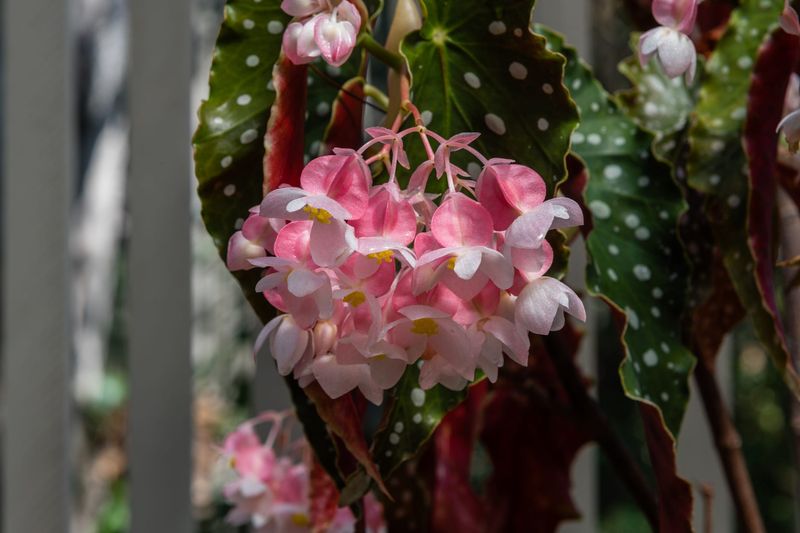
Nutrition is fundamental to encouraging begonias to produce abundant blooms. Without proper feeding, these plants may survive but won’t have the energy reserves needed to create flowers.
Regular fertilization provides the essential nutrients that fuel bloom production throughout the growing season. Use a balanced, water-soluble fertilizer diluted to half strength every two weeks during the active growing season.
Look for formulas with equal parts nitrogen, phosphorus, and potassium, or choose one slightly higher in phosphorus to promote flowering. Texas gardeners should begin fertilizing in early spring when new growth appears and continue through fall.
Begonias are considered light feeders, so avoid over-fertilizing, which causes excessive leaf growth at the expense of flowers. Too much fertilizer also leads to salt buildup in the soil, especially in container plants, which damages roots and reduces blooming.
Flush pots with plain water monthly to prevent salt accumulation. Organic options like compost tea or fish emulsion work wonderfully for begonias and provide gentle, slow-release nutrition.
These natural fertilizers improve soil health while supporting steady bloom production. Apply them every three weeks during the growing season for best results.
During the hot Texas summer, reduce fertilizer frequency slightly as plants may slow their growth during extreme heat. Resume regular feeding when temperatures moderate in early fall, giving begonias a boost for their second flowering period before winter arrives.
3. Maintain Warm Temperature
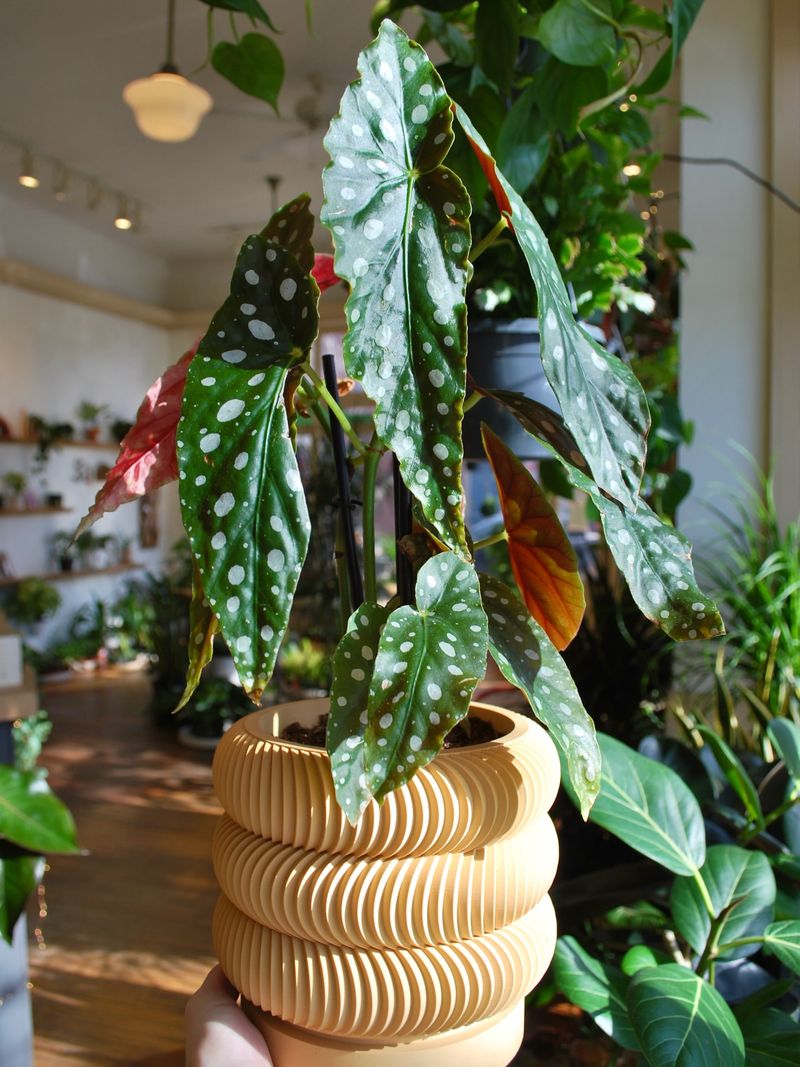
Temperature control is vital for begonia blooming success. These tropical plants thrive in warm conditions but struggle when exposed to temperature extremes common in Texas.
Understanding their temperature preferences helps you create an environment where flowers appear consistently. Begonias flourish when daytime temperatures range between 65 and 75 degrees Fahrenheit, with nighttime temperatures staying above 55 degrees.
Texas summers often exceed these ideal ranges, so providing afternoon shade or bringing container plants indoors during heat waves protects them from stress that halts flowering.
Cold sensitivity is another concern for Texas gardeners, particularly in northern regions where late spring or early fall frosts occur.
Begonias stop blooming when temperatures drop below 50 degrees and suffer damage below 40 degrees. Move outdoor containers to protected areas or indoors when cold snaps are forecast.
Indoor begonias in Texas homes benefit from consistent temperatures away from heating vents, air conditioning drafts, and exterior doors. Temperature fluctuations stress plants and cause flower buds to drop before opening.
Position plants in stable environments where temperatures remain relatively constant day and night. During Texas summer heat waves, misting begonias in the morning helps cool leaves through evaporation.
Avoid misting in the evening, as wet foliage overnight invites fungal problems. Good air circulation also helps plants cope with high temperatures while maintaining their blooming cycle throughout the challenging summer months in Texas.
4. Use Well-Draining Soil
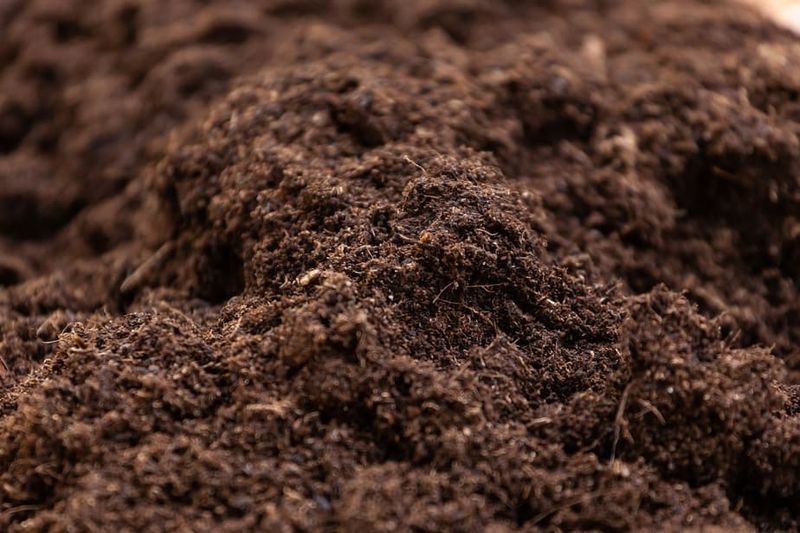
Soil quality directly impacts begonia health and flowering ability. These plants demand excellent drainage because their delicate roots rot quickly in waterlogged conditions.
Using the right soil mixture is especially important in Texas, where heavy clay soils dominate many regions. Create an ideal growing medium by mixing equal parts peat moss, perlite, and quality potting soil.
This combination provides the light, airy texture begonias need while retaining just enough moisture for healthy growth. The mixture allows water to flow through freely, preventing the soggy conditions that lead to root problems and reduced flowering.
For container begonias, avoid using garden soil, which compacts easily and drains poorly. Commercial potting mixes labeled for African violets or begonias work perfectly because they’re formulated with the drainage these plants require.
Adding extra perlite or coarse sand improves drainage further if your mix seems too dense. Texas gardeners planting begonias in garden beds should amend heavy clay soil generously with compost and perlite.
Work these amendments into the top 12 inches of soil to create a raised, well-draining planting area. This preparation prevents water from pooling around begonia roots during Texas thunderstorms.
Replace potting soil annually for container begonias to maintain optimal drainage and nutrition. Old soil becomes compacted and depleted, reducing its ability to support vigorous growth and abundant flowering.
Fresh soil each spring gives your begonias the best foundation for producing beautiful blooms throughout the season.
5. Water Your Begonia The Right Way
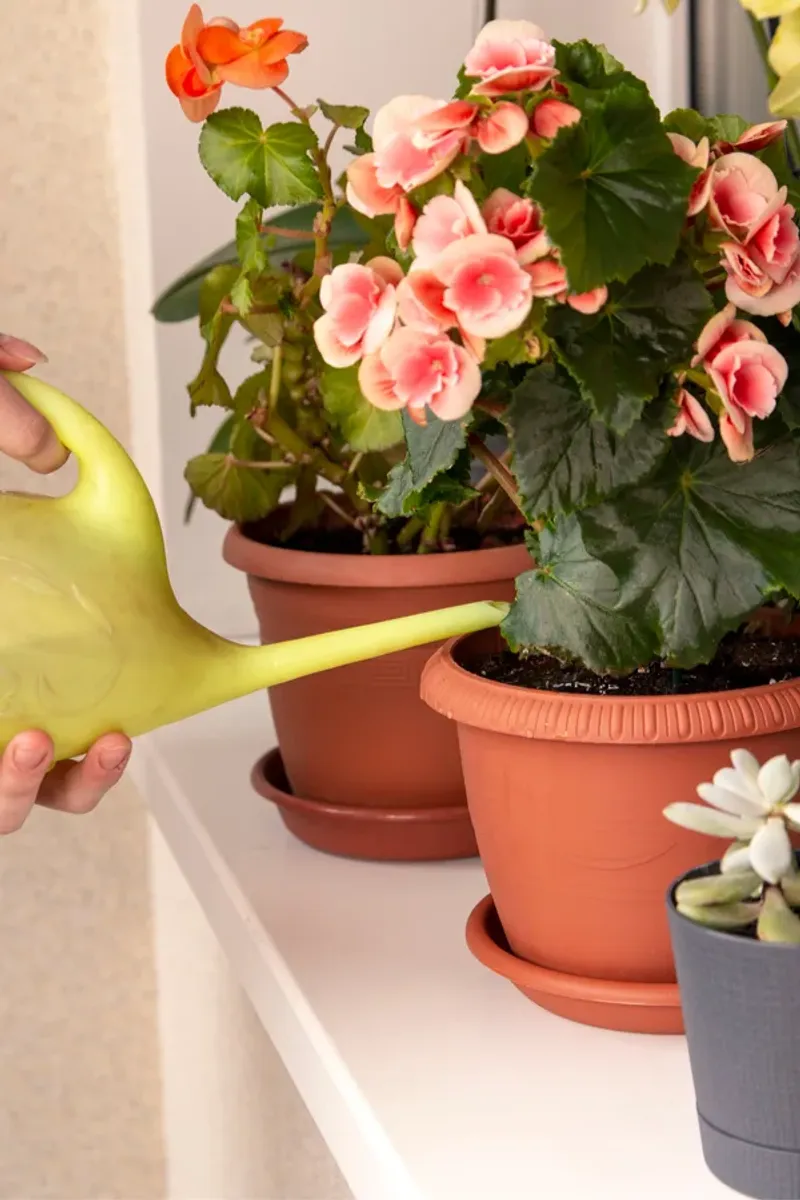
Proper watering technique makes the difference between a thriving, blooming begonia and a struggling plant.
These flowers are sensitive to both overwatering and underwatering, so developing a consistent routine tailored to Texas conditions is essential for continuous flowering.
Water begonias when the top inch of soil feels dry to the touch. Insert your finger into the soil to check moisture levels rather than following a rigid schedule.
Texas climate varies significantly by season and region, so watering needs change throughout the year. Plants may need water daily during hot summer months but only weekly during cooler periods.
Always water at the soil level rather than from above. Wet leaves and flowers invite fungal diseases that damage plants and reduce blooming.
Use a watering can with a narrow spout or a drip irrigation system to deliver water directly to the roots where it’s needed most. Ensure containers have drainage holes and empty saucers after watering to prevent roots from sitting in standing water.
This practice is crucial in humid Texas regions where excess moisture lingers. Root rot develops quickly in waterlogged soil and causes plants to stop flowering as they struggle to survive.
Morning watering is ideal because it gives foliage time to dry before evening. This timing reduces disease risk while ensuring plants have adequate moisture during the day.
Adjust your watering routine during Texas rainstorms, reducing frequency when nature provides natural irrigation to prevent overwatering that stops bloom production.
6. Keep Humidity Moderate
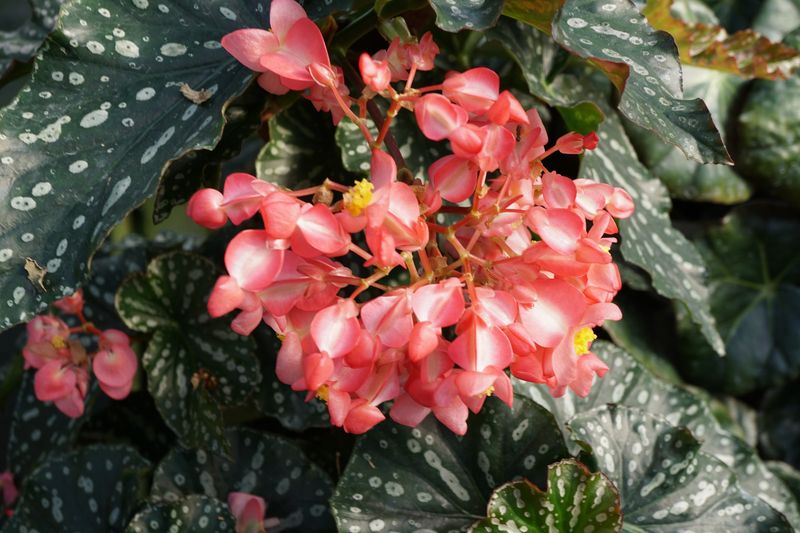
Humidity levels significantly influence begonia flowering success. These tropical plants appreciate moderate humidity but struggle in extremely dry or overly humid conditions.
Texas humidity varies dramatically from the muggy Gulf Coast to the arid western regions, so adjusting your approach based on location is important. Begonias bloom best when humidity levels stay between 40 and 60 percent.
In dry areas of Texas, increase humidity around plants by grouping them together, which creates a microclimate as they release moisture through transpiration. Placing containers on trays filled with pebbles and water also raises local humidity without wetting the soil.
Avoid misting begonia foliage as a humidity solution because wet leaves promote fungal and bacterial diseases. Instead, use a cool-mist humidifier near your plants to increase ambient moisture levels.
This method provides consistent humidity without the disease risks associated with wet foliage. In humid Texas regions, especially along the coast, focus on air circulation to prevent excessive moisture buildup around plants.
Use fans to keep air moving, which reduces humidity-related problems while maintaining the moderate levels begonias prefer. Good airflow prevents the stagnant, overly humid conditions that stop flowering and encourage disease.
Monitor your plants for signs of humidity problems. Brown, crispy leaf edges indicate air that’s too dry, while soft, mushy spots suggest excessive humidity.
Adjust your humidity management strategies based on these signals to maintain the moderate levels that encourage abundant blooming throughout the growing season in your Texas home.
7. Prune Regularly To Encourage More Blooms
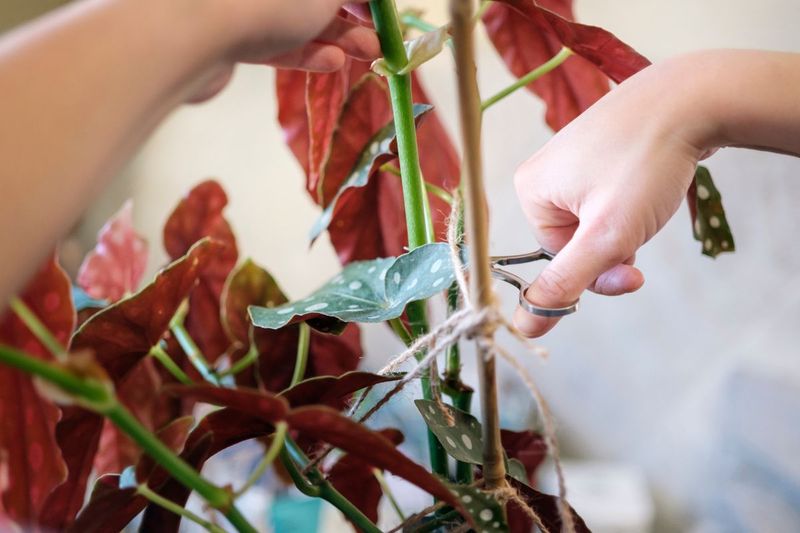
Strategic pruning stimulates begonias to produce more flowers by redirecting energy from old growth into new bloom production. Regular trimming keeps plants compact, bushy, and covered with flowers rather than becoming leggy with sparse blooming.
Texas gardeners who prune consistently enjoy longer flowering periods and more abundant displays. Remove spent flowers immediately by pinching them off at the stem.
This deadheading process prevents seed formation, which signals the plant to stop producing new blooms. By removing faded flowers, you trick the begonia into continuing its flowering cycle to attempt reproduction.
Deadhead every few days during peak blooming season for best results. Trim leggy stems back by one-third to encourage branching and bushier growth.
Each cut stimulates the plant to produce multiple new shoots, and each new branch can produce flowers. Make cuts just above a leaf node using clean, sharp scissors or pruning shears to prevent disease transmission.
Remove any yellowing or damaged leaves promptly because they drain energy the plant could use for flowering. These declining leaves also attract pests and diseases that can spread to healthy tissue and reduce overall blooming.
Keep your begonias clean and tidy for optimal flower production. In Texas, perform major pruning in early spring before new growth begins and again in late summer to stimulate fall blooming.
Light maintenance pruning continues throughout the growing season. Always use sterilized tools to prevent spreading diseases between plants, and avoid pruning during extreme heat when plants are already stressed.
8. Avoid Stress On The Plant
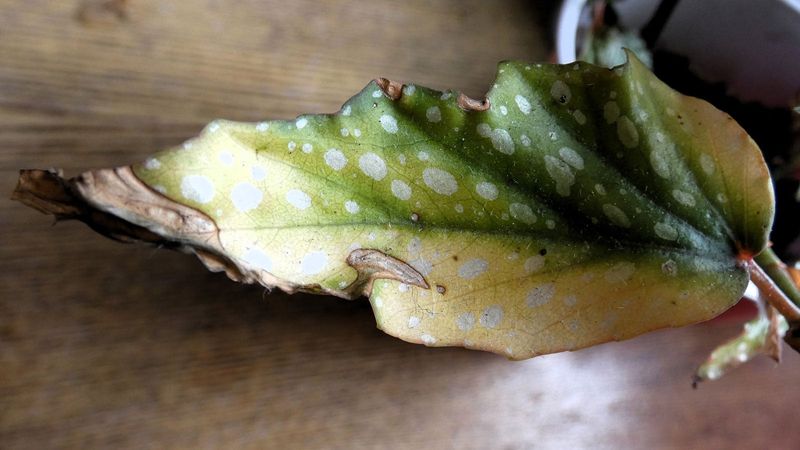
Stress prevention is fundamental to maintaining continuous begonia blooming. When plants experience stress from environmental changes, pests, or improper care, they redirect energy from flowering to survival.
Creating stable, comfortable conditions allows begonias to focus on producing the beautiful blooms you want. Avoid moving begonias frequently once they’re established in a location.
These plants dislike change and may drop buds or stop flowering when relocated. Choose permanent spots carefully, considering light, temperature, and convenience for care.
If you must move a plant, do so gradually over several days to minimize shock. Pest infestations stress begonias and reduce flowering significantly.
Check plants regularly for aphids, spider mites, and mealybugs, which are common in Texas. Address pest problems immediately using insecticidal soap or neem oil to prevent populations from exploding.
Healthy, pest-free plants produce far more blooms than infested ones struggling to survive. Repotting causes temporary stress, so only repot when absolutely necessary, typically when roots completely fill the container.
Choose pots only one size larger than the current container to avoid overwhelming plants with too much soil. Use fresh, well-draining mix and water thoroughly after repotting to help plants recover quickly.
Protect begonias from extreme weather events common in Texas, including hailstorms, high winds, and temperature swings. Bring containers indoors or move them to sheltered locations when severe weather threatens.
Consistent, stress-free conditions allow your begonias to maintain their blooming cycle throughout the growing season, rewarding you with continuous colorful displays in your Texas home.