How To Make Thanksgiving Cactus Flowers Last Longer In 8 Steps
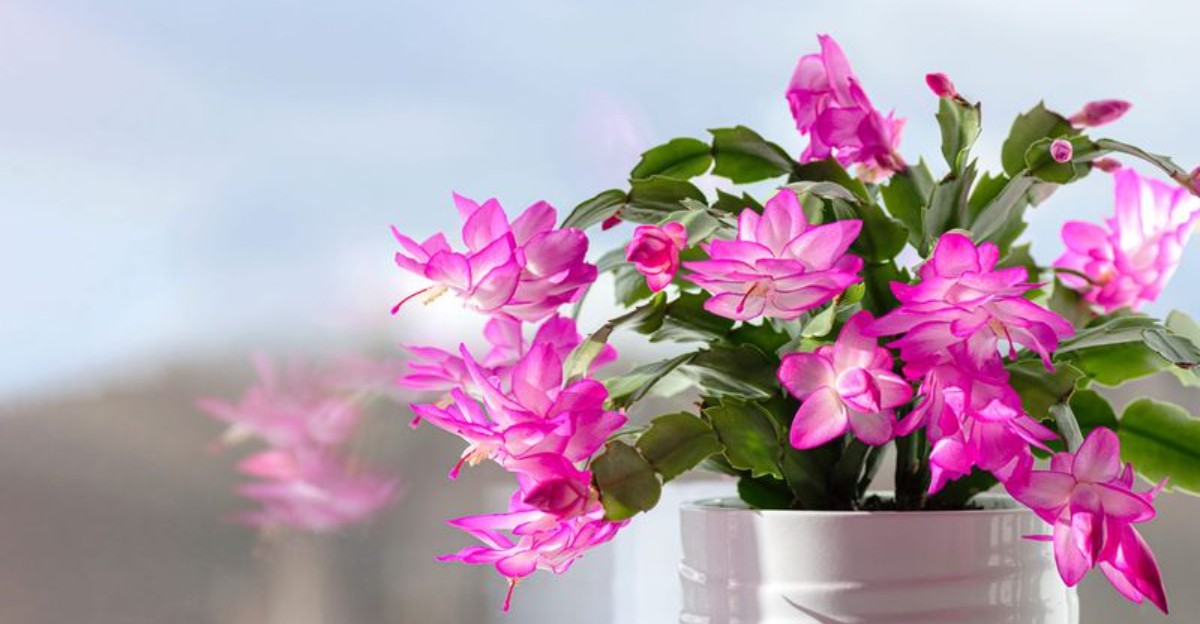
My windowsill bloomer comes from ancestors that cling to mossy tree branches in the coastal mountains of Brazil. That cool, misty forest home explains why my old desert tricks failed so badly the first few years.
Each single flower on the plant usually lasts only several days before it wilts and drops away. Buds open in waves, though, so a happy plant can stay colorful for several weeks in a row.
I learned the hard way that warm rooms and careless moves can shorten that show by a lot. One chilly year, half my buds hit the kitchen floor after I carried the pot across the house.
Truth is, a few small habits made a bigger difference than any fancy fertilizer I ever bought. Truth is, a few small habits made a bigger difference than any fancy fertilizer I ever bought, and they cost almost nothing to try this season.
1. Keep Your Thanksgiving Cactus In A Cool Room
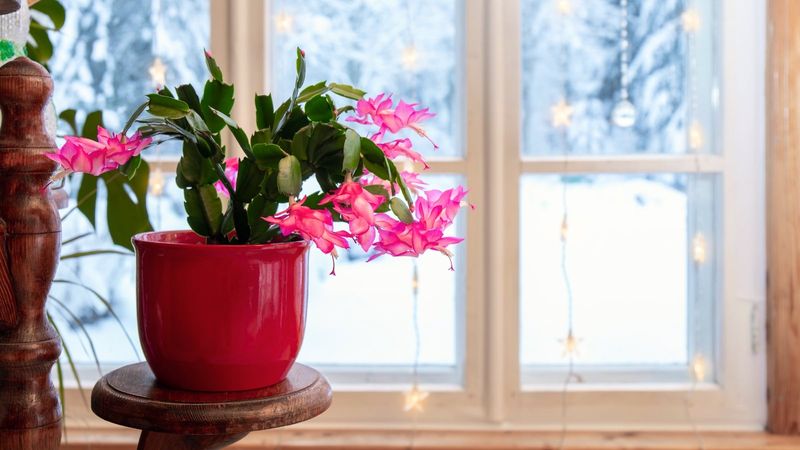
Cool rooms are the quiet trick most people overlook, and I wish someone had told me years sooner. My blooms faded fast near the warm living room fireplace, then lasted much longer in a chilly guest room.
University extension experts suggest daytime temperatures around 60 to 70 degrees Fahrenheit while the plant is in bloom. Nights a bit cooler, around 55 to 65 degrees, help each flower hold its shape for longer.
Warmth speeds up everything inside the plant, including how fast those tender petals open and fade away. Think of a cool room like a refrigerator for cut flowers, slowing the clock on every blossom.
Heating vents are sneaky troublemakers during the holidays, since they blast dry, warm air right across the stems. Fireplaces and space heaters cause similar trouble, so give your pot a few feet of breathing room.
Cold drafts matter too, especially near outside doors or old single-pane windows on frosty late autumn nights. Sudden swings in temperature are one of the most common reasons buds and flowers drop too early.
I keep a cheap thermometer near my plant, and it has surprised me more than once this fall. Spots that feel comfy to me sometimes read five degrees warmer than the rest of the house.
A bright spare bedroom or a cooler hallway near a window often makes a fine home during bloom time. Just keep the plant above 50 degrees, since chilly extremes can stress this tropical forest native.
2. Give Those Pink Blooms Bright But Indirect Light
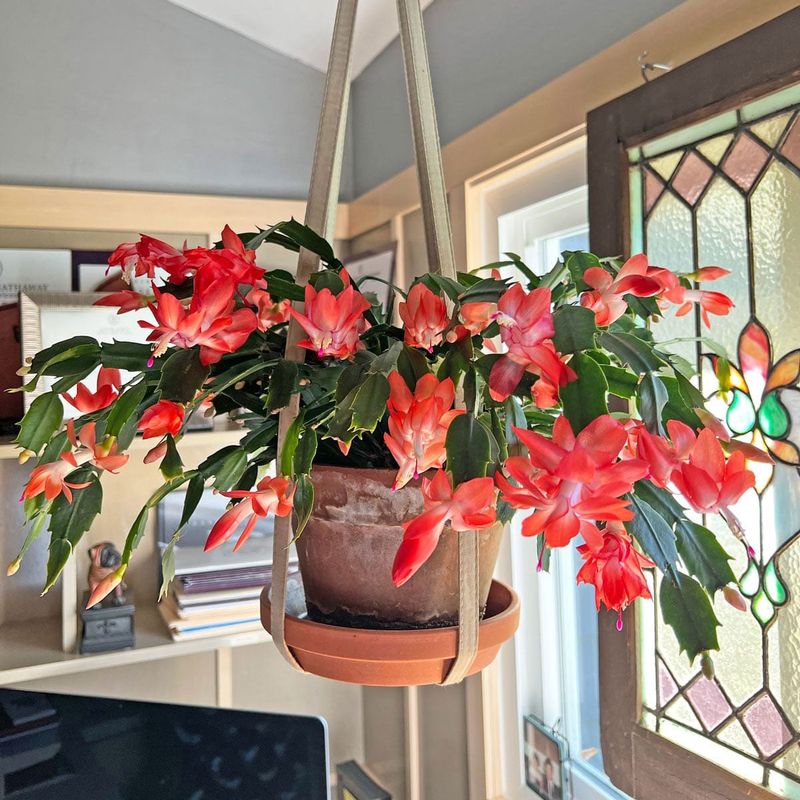
Those glowing pink and red flowers look like tiny fireworks, but harsh sun can bleach them surprisingly fast. I once parked my plant in a hot south window and watched the petals fade within days.
In the wild, these plants grow under a canopy of tall trees, catching speckled light through the leaves. Your goal indoors is to copy that soft, filtered brightness as closely as your windows allow.
East-facing windows are my favorite choice, since gentle morning sun warms the room without scorching the stems. A west or south window works fine too when a sheer curtain softens the afternoon glare.
Dim corners cause their own trouble, because a plant short on light may struggle to support its buds. Plants in deep shade often open fewer flowers, and some buds may shrivel before they open.
Window glass can also get cold at night, so leave a small gap between the pot and the pane. Petals touching icy glass may bruise or brown along the edges, which spoils the pretty display.
Not going to lie, I fuss over my plant’s spot more than I fuss over my own furniture. Once the light looks right, I try to settle on that spot for the whole blooming season.
Remember that the long dark nights of early fall are what triggered those buds in the first place. Now that flowers are open, steady daytime brightness matters more than keeping strict darkness at night.
3. Water The Holiday Cactus Soil When The Top Inch Dries
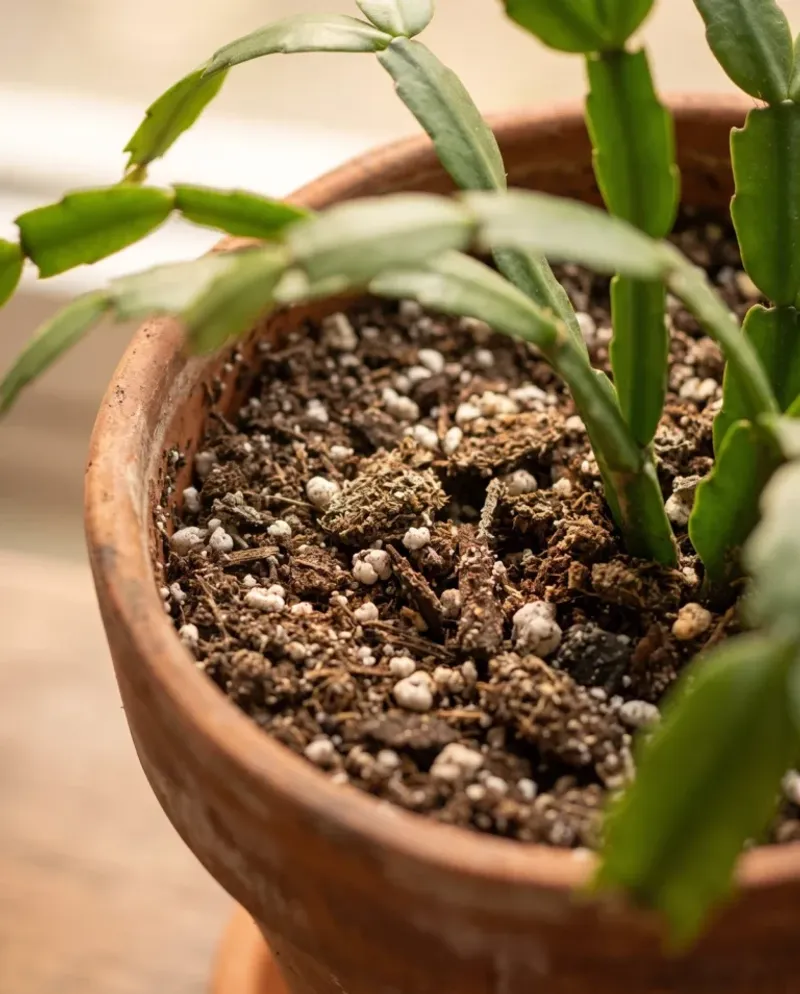
Despite the word cactus in its name, this plant sulks when its soil turns bone dry for long. Its rainforest roots expect regular drinks, especially while it pours energy into a big flush of flowers.
My simple test is poking a finger into the soil up to the first knuckle every few days. When the top inch feels dry, it is time to water thoroughly until some drains from the bottom.
Thirsty plants tend to drop buds and flowers early, which is the opposite of what we want. Limp, wrinkled stem segments are another clue that your plant has gone too long without a drink.
Soggy soil causes bigger problems, though, because roots sitting in water can rot quickly in cool rooms. Empty the saucer about fifteen minutes after watering so the pot is not standing in a puddle.
Room temperature water is kinder than icy tap water, which can shock the roots during a chilly week. I fill my watering can the night before so it slowly warms up on the kitchen counter.
Aiming the spout at the soil keeps water off the open flowers, which helps those petals stay fresh. Wet petals in a cool room can develop spots or mold, especially when air barely moves.
Every home dries out at its own pace, so skip the strict calendar and trust the soil. Once you learn your plant’s rhythm, watering becomes a quick, relaxing habit instead of a guessing game.
4. Boost Humidity Around Your Blooming Holiday Cactus
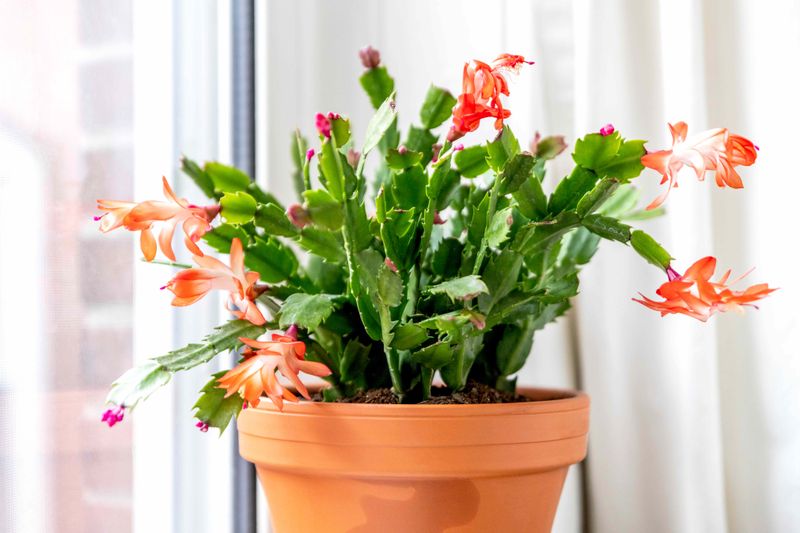
Winter air inside a heated house can get surprisingly dry, and those delicate flowers feel it right away. Petals may crisp at the edges, and fat buds sometimes shrivel up before they get a chance to open.
Back home in the Brazilian mountains, these plants enjoy moist forest air and plenty of rain. Many care guides suggest aiming for around 50 to 60 percent humidity indoors during steady bloom time.
A pebble tray is my favorite cheap fix, and it takes about five minutes to set up. Fill a shallow dish with pebbles and water, then rest the pot on top without touching the water.
Evaporation from the tray creates a little bubble of moist air right around the stems and blossoms. Grouping houseplants together helps too, since their leaves release moisture that nearby plant neighbors can quietly share.
A small room humidifier works even better if your whole home feels like a dry sponge in winter. I run one near my plant shelf, and my dry winter skin seems happier about it too.
Misting gets a lot of buzz, but its effect fades within minutes as the droplets evaporate. Spraying open flowers can also leave ugly water spots, so I skip misting while the plant blooms.
Bathrooms and kitchens tend to hold more moisture naturally, making them sneaky good spots if the light allows. Just keep the pot away from steamy stovetops, since sudden heat can undo all that careful work.
5. Pause The Fertilizer While Holiday Cactus Flowers Open
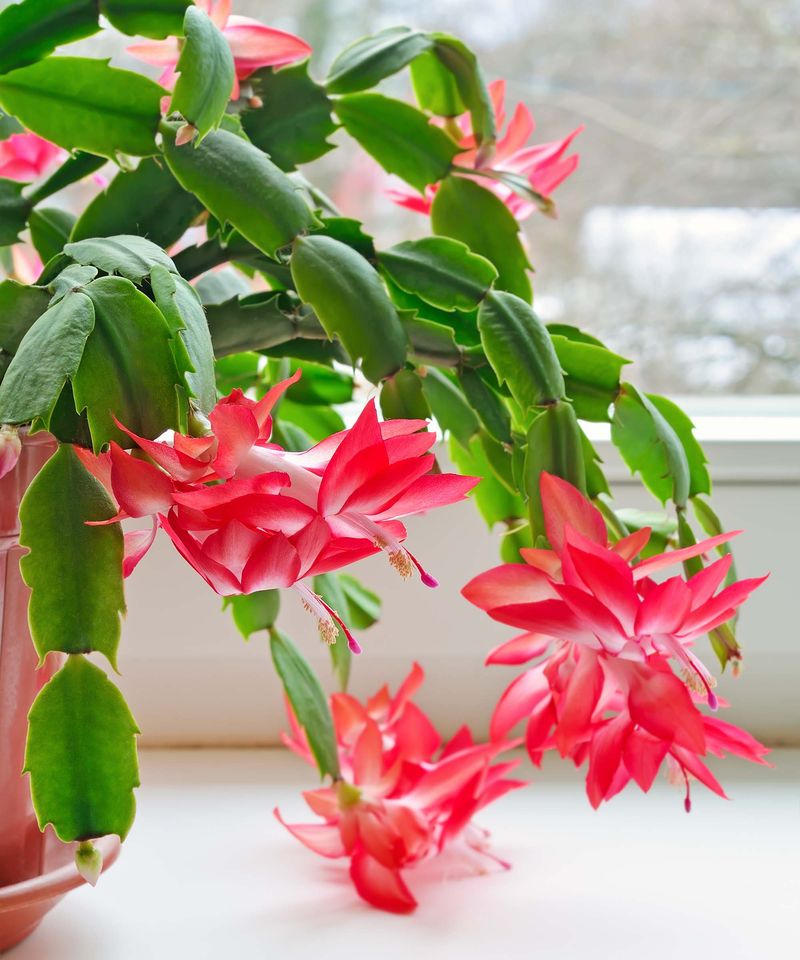
Feeding a plant in full bloom feels generous, but it is a bit like serving dessert to someone already stuffed. Guilty as charged, I used to pour plant food on mine every week and wonder why nothing improved.
Extension specialists generally recommend stopping fertilizer once buds form, then waiting patiently until the flowering season wraps up. The plant needs very little extra food during this stage, since growth slows while flowers take center stage.
Extra fertilizer salts can build up in the soil when the plant is not actively growing. Those salts may burn tender roots, and stressed roots struggle to keep flowers plump and fresh.
Spring through late summer is the real feeding window, when new stem segments are busy growing. A balanced houseplant fertilizer mixed at half strength once or twice a month keeps things happy during warm months.
Healthy summer growth builds the stems where next year’s buds will appear, so that feeding pays off later. Think of it as packing a lunch now for a party that happens months down the road.
I stop feeding my plant in late summer so it can settle into its budding routine. Some growers suggest a gentle feed with less nitrogen then, but I keep things simple and skip it.
Once the last flowers fade and fresh green segments start appearing, you can bring back regular meals. Until then, plain water and patience give those blossoms the calm conditions they seem to love.
6. Leave The Budding Thanksgiving Cactus In One Spot
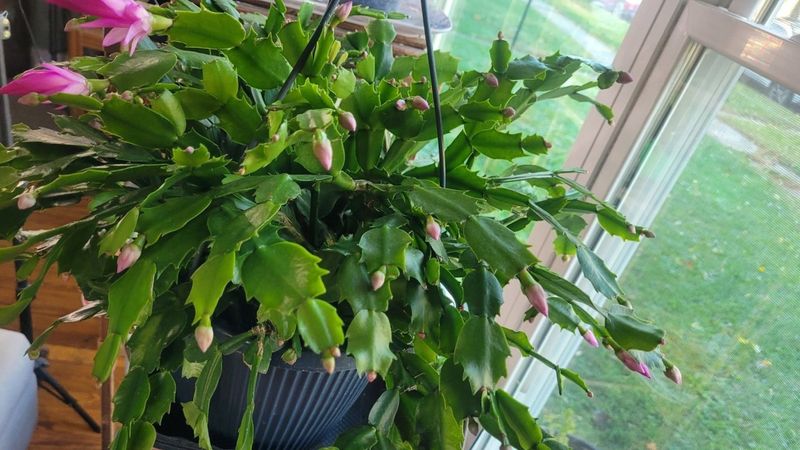
Call me superstitious, but I treat a budding plant like a sleeping toddler and tiptoe right past it. These plants are famous for dropping buds when their surroundings suddenly shift, and the drama is real.
Buds react to sudden changes in light and temperature, which often happen when a pot moves rooms. Even carrying it from a cool porch into a warm living room can trigger a shower of buds.
Turning the pot can cause trouble too, because flower buds tend to orient toward their light source. Spinning the plant around makes those buds try to readjust, and some simply let go and fall instead.
Store-bought plants already endure a long trip from the greenhouse before they ever reach your kitchen table. Some bud drop after bringing one home is normal, so give it a quiet week to adjust.
Choose its holiday spot before the buds swell, ideally somewhere bright and safely out of busy foot traffic. Bumps from swinging doors or curious pets can knock loose the most fragile buds in seconds.
I learned this lesson when I moved my plant to the dinner table for one festive afternoon. It looked lovely for the photos, but a dozen buds landed on the tablecloth over the next week.
Once flowers fully open, the plant seems to handle small moves a little better than during budding. Still, I keep the pot where it settled and enjoy the show from my favorite reading chair.
7. Pinch Off Faded Thanksgiving Cactus Flowers
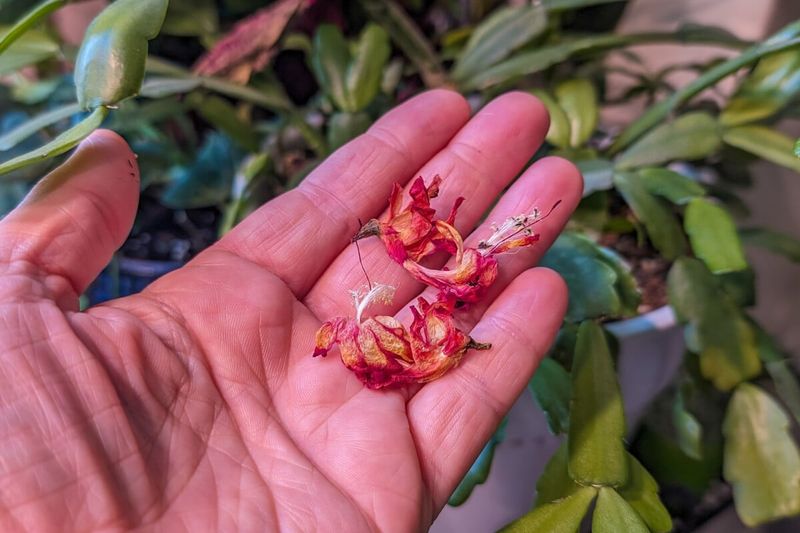
Spent blossoms dangle like crumpled tissue paper once they fade, and they can drag down the whole display. Pinching them off takes seconds, and it is oddly satisfying, like popping bubble wrap for patient gardeners.
Grab the wilted flower near its base and give a gentle twist until it releases from the stem. Watch closely for tiny new buds nearby, because they are easy to knock off by accident.
Removing old flowers keeps the plant from spending energy on possible seed pods it does not need. That saved energy can support the remaining buds, so the show may stretch out a little longer.
Fallen petals sitting on damp soil can also invite mold, especially in cool rooms with still air. Sweeping them away every few days keeps the pot looking tidy and helps discourage pesky fungus gnats.
Fair warning, a single flower usually lasts around a week at best, even with excellent care. The real magic comes from new buds opening in steady waves, which pinching helps you see more clearly.
I keep a small bowl near my plant for the faded blooms, and it fills up surprisingly fast. Clean fingers work fine here, but small snips help if the flower clings tightly to its segment.
Pinching faded flowers will not force a second full bloom, so keep your hopes cheerful but realistic. It does keep the plant looking fresh and polished through the holidays, which feels like plenty to me.
8. Keep Ripening Fruit Away From Thanksgiving Cactus Blooms
That festive fruit bowl on your counter could be quietly shortening your flower show, and I had no clue. Ripening apples and bananas give off ethylene, a natural gas that speeds up aging in many flowers.
Research on holiday cactus has found that ethylene exposure can cause buds and flowers to drop early. Florists know this trick well, which is why they often keep fresh flowers away from stored fruit.
Kitchens are tempting spots for a holiday plant, since they are bright and often a bit humid. Just keep the pot several feet from fruit bowls, especially when bananas start showing brown freckles.
Fumes from older gas appliances can add traces of ethylene to indoor air, according to plant researchers. Good ventilation helps, so open an inside door now and then if your kitchen feels stuffy.
Fresh holiday arrangements deserve a quick look too, because some include fruit or greenery that is already aging. Wilting cut flowers release ethylene as they fade, so give your potted plant some extra distance.
I’m the first to admit my centerpiece used to sit right beside a basket of pears. Moving the fruit across the room seemed to help, and my flowers held on noticeably longer that year.
This step costs nothing and takes seconds, which makes it my favorite trick on the whole list. Pair it with cool temperatures and steady watering, and your blooms get their best chance at a long, lovely run.