Should You Use Pine Needles As Mulch Around Your Plants?
A single mature pine can shed a thick carpet of needles every year, and gardeners in the South actually pay money for bales of the stuff.
I used to rake every last needle into bags for the curb. Call me stubborn, but I was sure they would sour my soil and ruin my flower beds.
Truth is, a lot of us grew up hearing the same warning from parents, neighbors, and garden center chatter. University researchers have tested that idea, and their results surprised me. The old rule turned out to be far shakier than I expected.
So what happens when those slender brown needles stay in the garden instead of the trash? I finally let them stay, and my beds looked tidier, stayed moister, and needed less weeding. Maybe the free mulch was falling right outside my door the whole time.
That Pine Straw Acid Warning Has A Twist
For decades, gardeners have passed along one stern rule about pine needles. Spread them around, the story goes, and your soil will turn sour and acidic.
Fresh green needles do carry some acidity, often testing around pH 3.2 to 3.8. Once they fall, dry, and turn brown, though, much of that acidity fades. Soil microbes break down the weak organic acids as the needles decay.
Your soil also has something called buffering capacity. Clay, minerals, and organic matter push back against sudden pH swings, so a thin layer on top rarely makes a meaningful change. Extension experts, including those at Missouri and North Carolina State, report that pine needle mulch has little effect on garden soil pH.
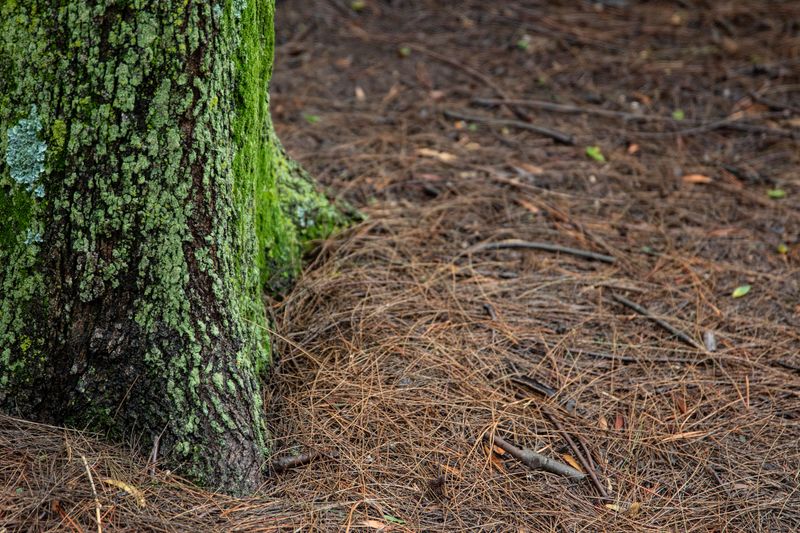
So why are forest floors under pines often bare and acidic? Pines tend to grow in soils that were acidic to begin with, and heavy shade plus thick needle layers limit what can sprout. The pines did not create that whole situation by themselves.
The takeaway feels freeing. You can use pine straw in most beds without worrying about turning them into an acid bog. If you ever have doubts, a simple soil test every few years will tell you the real story.
Yes, Pine Straw Mulch Earns A Spot In Most Garden Beds
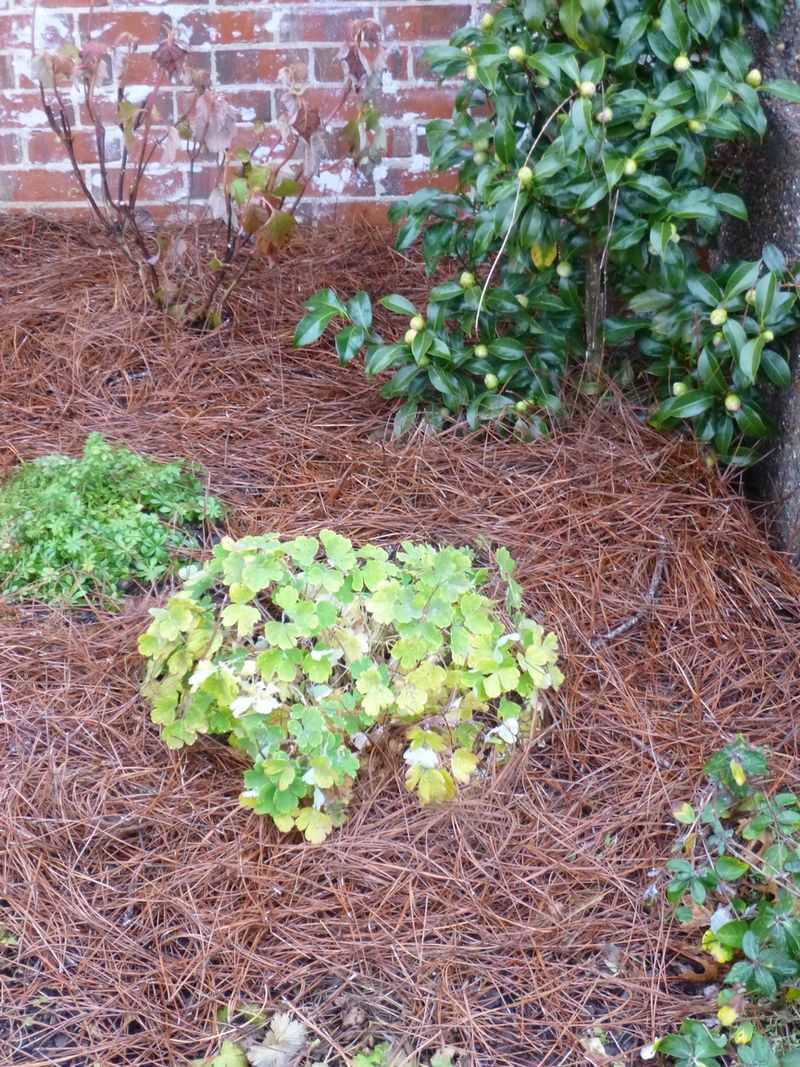
Short answer? Go for it. Pine needles make a solid, attractive mulch for most home landscapes, and they often cost nothing if you have pines nearby.
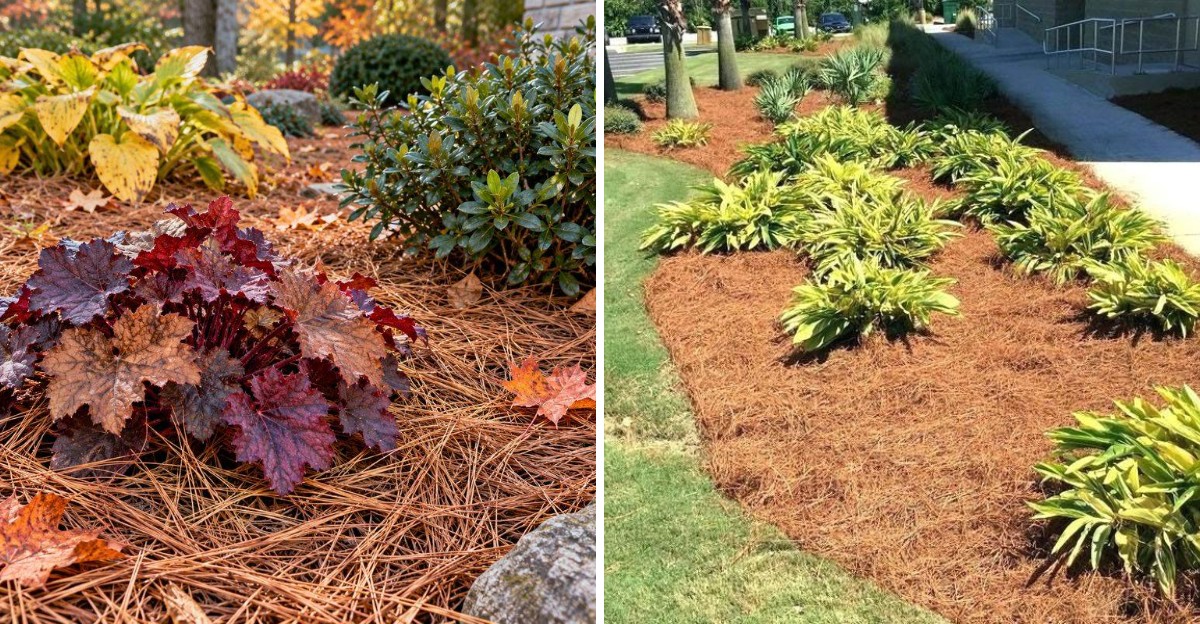
In the Southeast, pine straw is a landscaping staple. Longleaf, slash, and loblolly pines produce long needles that get raked and baled, then sold by the bundle. Homeowners from Georgia to the Carolinas tuck it around foundation shrubs every year.
Those needles do a lot of quiet work. They hold moisture in the soil, cushion rain so it soaks in gently, and slowly add organic matter as they break down. Because needles decay more slowly than shredded leaves, one layer can look fresh for months.
I love how light they are. A bale is easy to carry, and you can fluff the needles with your hands instead of hauling heavy wheelbarrow loads.
Pine straw also lets air and water move through easily. Unlike some fine mulches, it rarely forms a crust that sheds water away from roots.
For backyard gardeners, that mix of good looks, easy handling, and real soil benefits makes it a strong choice. The main exceptions come down to fire safety and a few specific spots, which come up later.
A Pine Needle Layer Keeps Roots Cool And Soil Moist
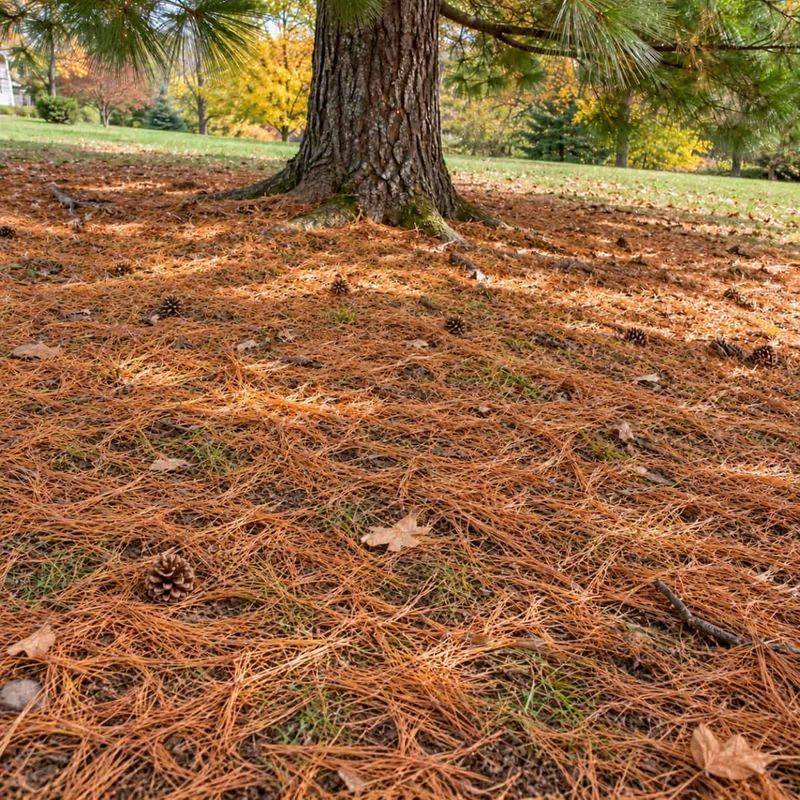
Last July, I pulled back a patch of pine straw after a week without rain. The soil underneath was dark, cool, and damp, while the bare bed next to it had cracked like an old sidewalk.
Mulch slows evaporation by shading the ground and blocking drying winds. Pine needles do this well because they knit loosely together into a breathable mat. Water still gets through, but less of it escapes back into the air.
Temperature control matters just as much. In summer, a needle layer keeps the root zone noticeably cooler than bare soil. In winter, the same layer softens freeze and thaw swings that can heave small plants right out of the ground.
Fewer swings mean less stress on feeder roots, which sit near the surface. Plants with happy roots usually handle heat waves and cold snaps with more grace.
You may also water less often. That saves time, lowers your water bill, and helps during drought restrictions.
For the best results, spread needles after the soil warms in spring, or in late fall once the ground has cooled. Top off thin areas whenever you can see bare dirt peeking through again.
Weed Seeds Struggle Under A Thick Pine Straw Mat
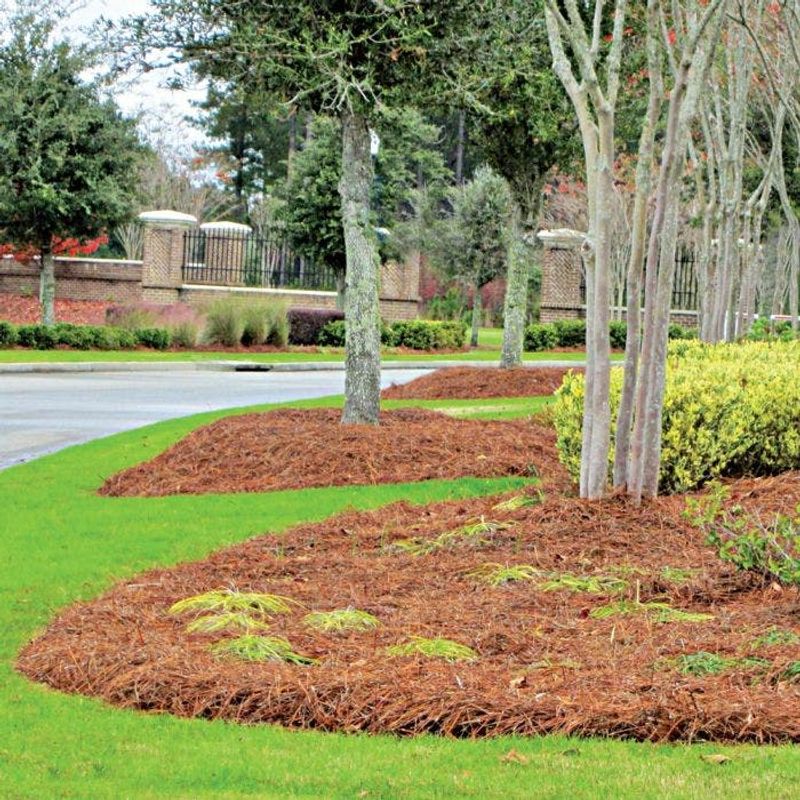
Weeding is my least favorite garden chore, hands down. Anything that cuts that job in half earns my loyalty fast.
Many weed seeds need light to sprout. A thick blanket of pine needles shades the soil surface, so fewer of those seeds ever wake up. The ones that do sprout often run out of energy before reaching daylight.
Thickness makes the difference. A skimpy half-inch layer lets plenty of light slip through, while a few inches create real shade. Needles settle and compress over time, so a fluffy fresh layer will shrink a bit within weeks.
Pine straw does have limits. Tough perennial weeds like bindweed or nutsedge can push through almost any mulch. Pull those out by the roots before you spread anything.
Wind-blown seeds can also land on top and sprout in the needles. Luckily, they usually pull out easily because their roots sit in loose material instead of firm soil.
Some gardeners compare pine straw with heavy wood chips and find chips block a bit more. Still, I have found needles hold their own, especially with a fresh top-up each season. Less bending, less pulling, more time to enjoy the garden.
Spreading Pine Needles Two To Four Inches Deep Works Best
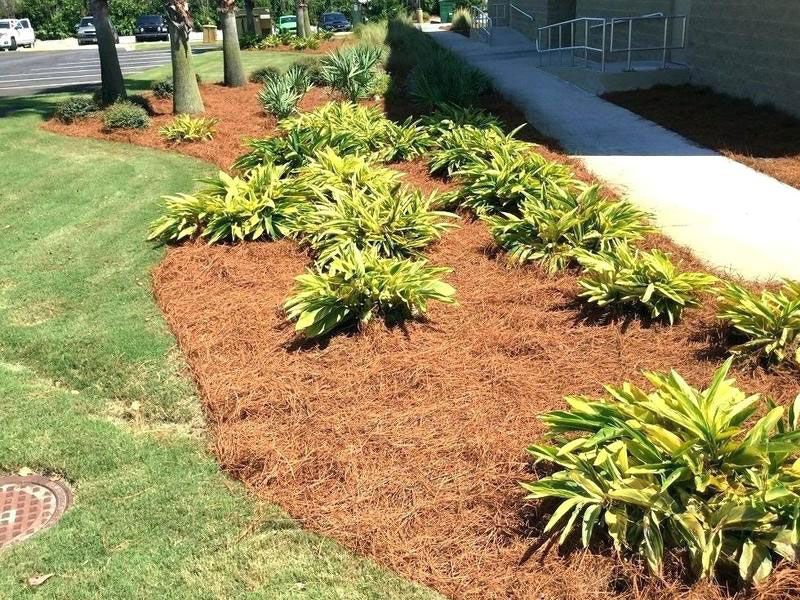
Grab a handful, shake it loose, and let it fall. Spreading pine straw feels more like fluffing a pillow than shoveling mulch.
Aim for a layer about 2 to 4 inches deep after it settles. Fresh needles look taller at first, so some gardeners start with 3 to 6 inches knowing it will compress.
Keep the mulch a few inches away from stems and tree trunks. Piling needles against bark traps moisture and invites rot, fungal trouble, and chewing critters like voles. Think of leaving a small open ring around each plant.
Before spreading, pull existing weeds and water dry soil. Mulch holds moisture in, but it will also hold dryness in if the ground starts out parched.
Slopes are where pine straw really shines. The long needles interlock like a loose woven mat, so they stay put during heavy rain far better than shredded bark or chips. That makes them handy for erosion control on banks and hillsides.
One bale typically covers around 40 to 50 square feet, depending on needle length and depth. Measure your beds first so you buy enough, and tuck edges neatly along borders for a polished finish.
Azaleas, Blueberries, And Hostas Love This Needle Blanket
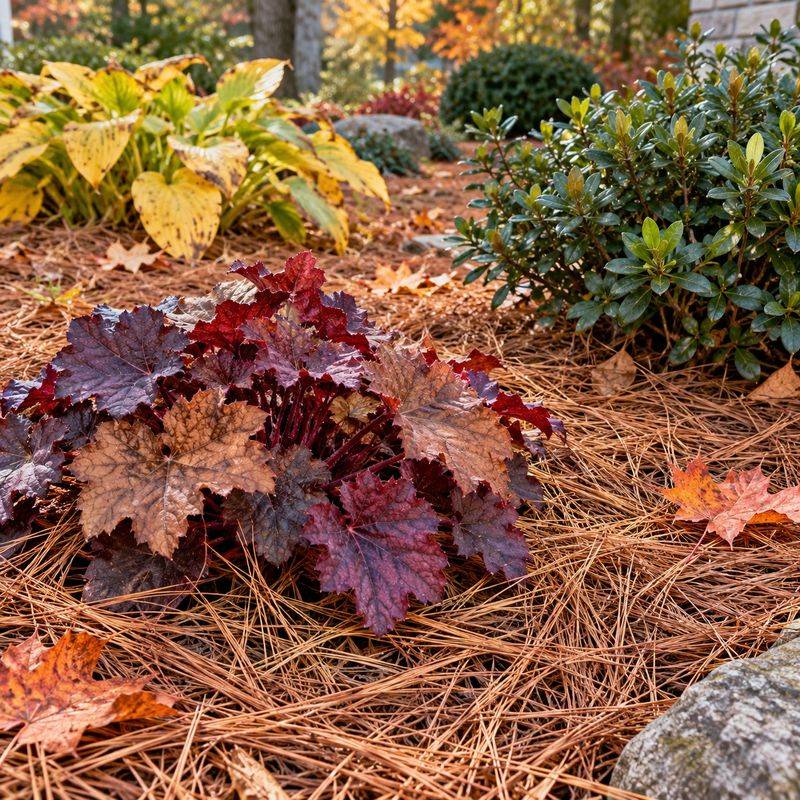
Azaleas and pine straw go together like porches and rocking chairs in the South. Spend a spring afternoon in Georgia, and you will see that pairing everywhere.
Acid-loving shrubs such as blueberries, azaleas, rhododendrons, and camellias thrive with pine needle mulch. Funny enough, the benefit has less to do with acidity and more to do with steady moisture and cool roots. These plants have shallow, fine roots that dry out quickly.
Shade plants enjoy it too. Hostas, ferns, and astilbes appreciate the moist, woodland feel that a needle layer creates.
Vegetable gardeners can use it as well. Strawberries actually earned their name, according to one popular story, from the straw tucked beneath them, and pine straw keeps berries off muddy soil just as nicely. Tomatoes and peppers also benefit from steady soil moisture.
Annual flowers like pansies, zinnias, and marigolds do fine, since young plants push through the airy layer without much effort.
Got hydrangeas? Remember that bloom color on bigleaf types depends on soil chemistry, mostly aluminum availability. Pine needles alone usually will not shift pink flowers to blue, so plan on a proper soil amendment for that.
Dry Pine Straw Near Your House Can Be A Fire Concern
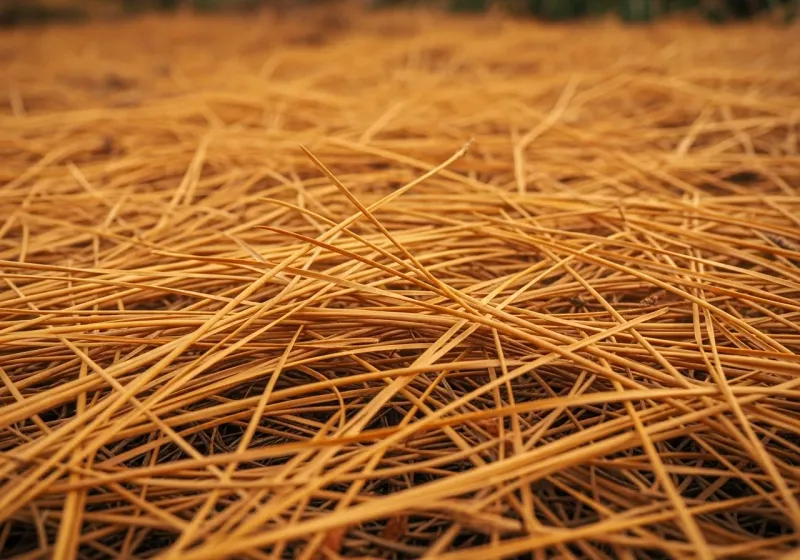
Fair warning, this part matters more than any other tip here. Dry pine straw catches fire easily and burns hot and fast.
The same airy structure that lets water soak in also feeds flames plenty of oxygen. A tossed cigarette, a stray ember, or sparks from a grill can ignite a dry bed in moments.
Fire safety experts and many extension services suggest keeping flammable mulch away from your home. Guidance often recommends keeping at least the first 5 feet around the house free of flammable mulch, especially near siding, decks, and wooden fences. Gravel, stone, or bare soil makes a safer border in that zone.
Gardeners in wildfire-prone regions, including parts of California, the Mountain West, and the Southeast, should take this seriously. Check your local fire department or state forestry agency for specific defensible space rules.
Nitrogen worries come up too. Decomposing woody material can tie up nitrogen, but with surface mulch that effect stays mostly in the thin top layer where needles touch soil. Roots below generally do not notice.
Simply avoid mixing raw needles deep into planting beds. Leave them on top, where they protect the soil without competing with your plants for nutrients.
Rake Up Those Fallen Pine Needles And Put Them To Work
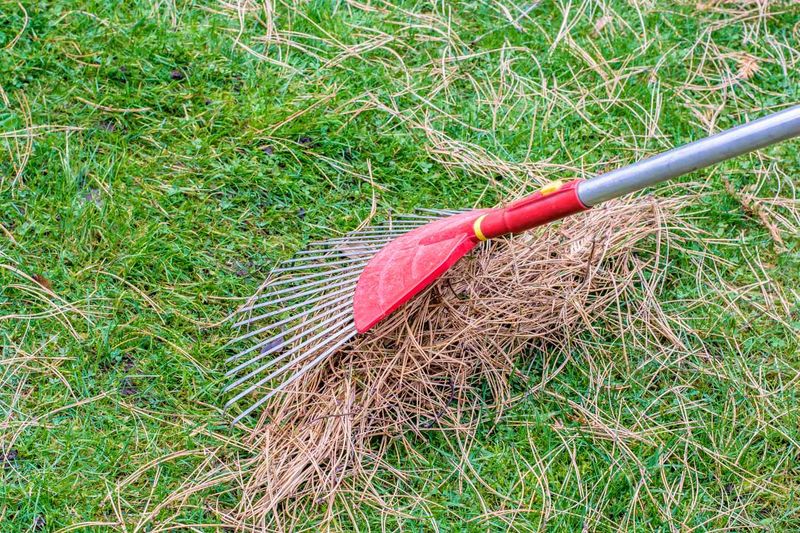
Every autumn, my pines drop a fresh crop of free mulch right on the lawn. Bagging it for the curb now feels like tossing out money.
Start by raking needles from under your own trees or a willing neighbor’s yard. Skip any pile mixed with lots of weeds, pet waste, or herbicide-treated grass clippings.
Let damp needles dry a bit before spreading if they arrive matted and soggy. Shake out pine cones and sticks so the layer stays even and easy to walk past.
No pines nearby? Garden centers and landscape suppliers sell baled pine straw, especially across the South. Long-needle bales from longleaf pine tend to last longest and look tidiest.
Plan to refresh beds once or twice a year. Needles fade from reddish-brown to gray as they age, and a light top-up brings back that warm color.
Old needles do not need removal. They break down into the soil, slowly adding organic matter that improves structure over time.
So yes, pine needles deserve a place in your garden toolkit. Keep them back from your house, spread them a few inches deep, and enjoy cooler roots with fewer weeds.