How To Make Valentine’s Flowers Last Longer In Texas Homes
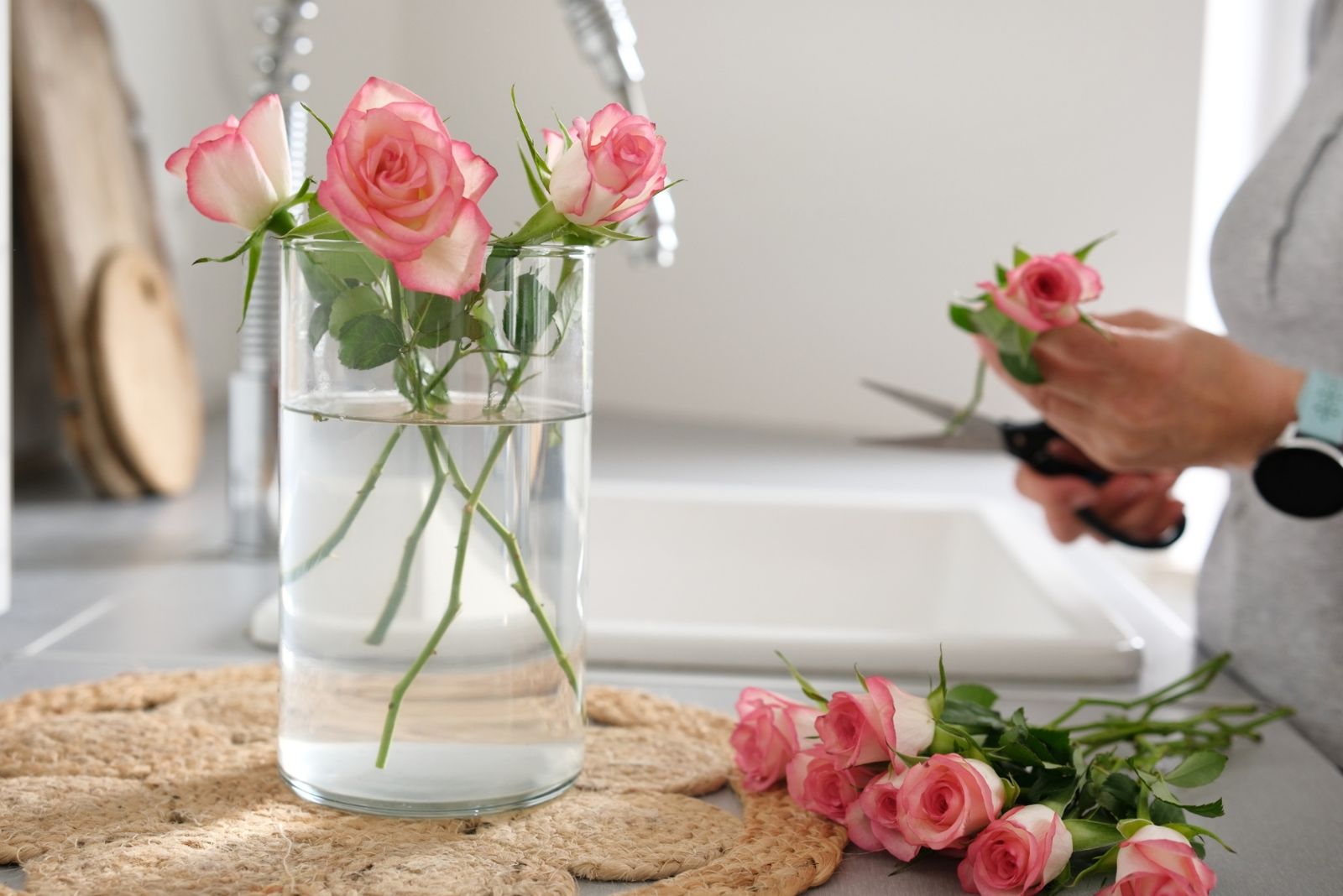
Hoping your Valentine’s flowers stay fresh long after the holiday glow fades? Texas homes can be a little tricky for bouquets, thanks to warm indoor air, bright sunlight, and quick temperature shifts.
The good news is that a few simple habits can keep those blooms looking vibrant much longer.
Cut flowers respond quickly to the environment they’re placed in, and small adjustments, like trimming stems the right way or keeping the vase away from sunny windows, make a big difference.
Clean water, the right vase, and a cool resting spot at night can also help slow wilting. Whether your bouquet is filled with roses, lilies, tulips, or a colorful mixed arrangement, the right care routine brings out their best and extends their beauty.
With a little attention, your Valentine’s flowers can brighten your Texas home well past February and stay a sweet reminder of the moment they were given.
1. Choose The Right Vase And Clean It Thoroughly
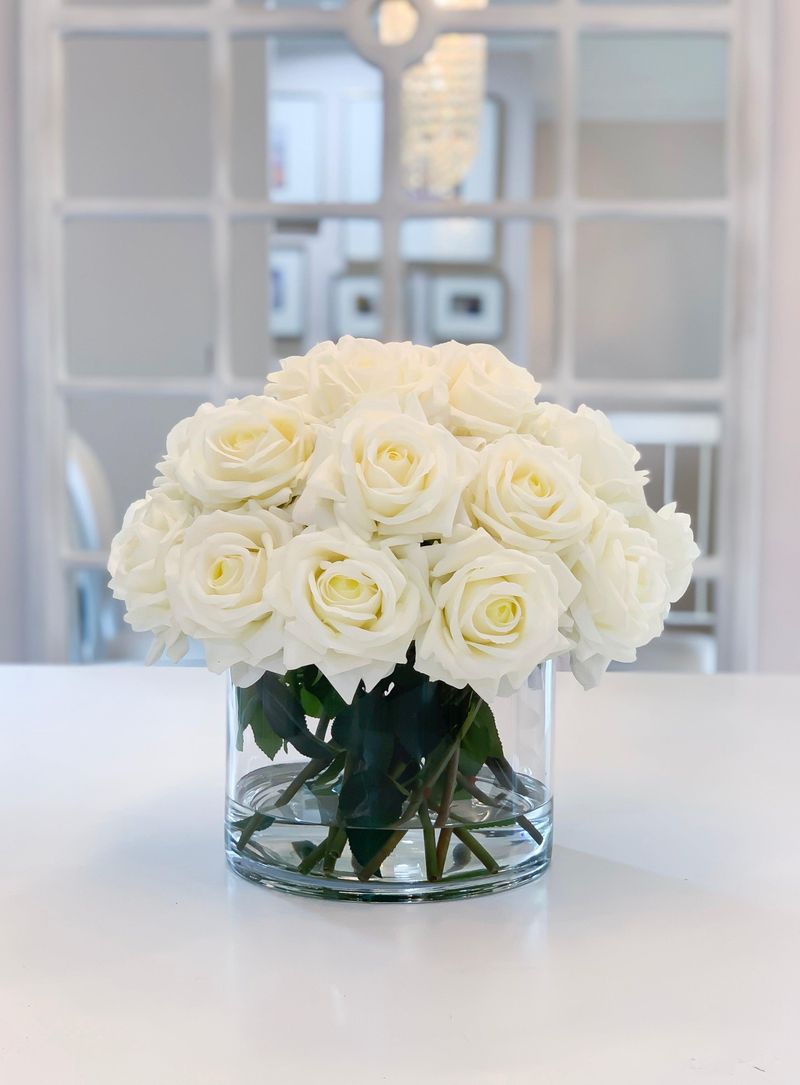
Picking the perfect vase makes a huge difference in how long your Valentine’s flowers stay beautiful. The container needs to be tall enough to support the stems without crowding them together.
Glass vases work best because you can see the water level and check for bacteria growth that clouds the water.
Before adding your flowers, wash the vase with hot soapy water and rinse it completely. Any leftover residue from previous bouquets contains bacteria that will quickly harm your fresh flowers.
Some people in Texas even add a tiny drop of bleach to the wash water for extra cleaning power.
The vase size matters more than most people realize. A container that’s too small forces stems to compete for water and nutrients. One that’s too large lets flowers flop around and bend their stems.
Make sure the vase can hold enough water to cover at least half the stem length. Roses and carnations need deeper water than tulips or daisies. Check the water daily because Texas homes can be quite warm, causing faster evaporation.
Consider the vase opening width too. A narrow neck keeps an arrangement tighter and more controlled.
A wide opening gives flowers room to spread naturally and allows better air circulation around each stem.
Crystal or decorative vases look lovely but can be harder to clean properly. Smooth glass with a simple shape remains the smartest choice for keeping Valentine’s flowers fresh longer in Texas homes.
2. Trim Stems At An Angle Every Few Days
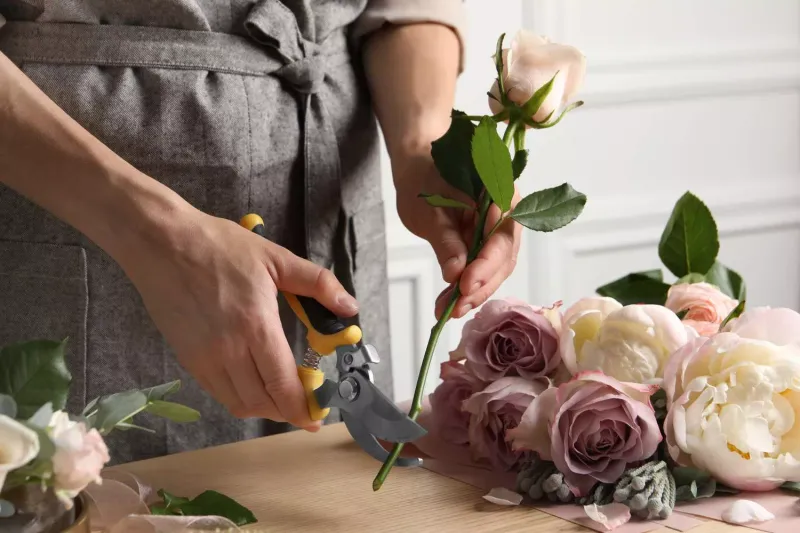
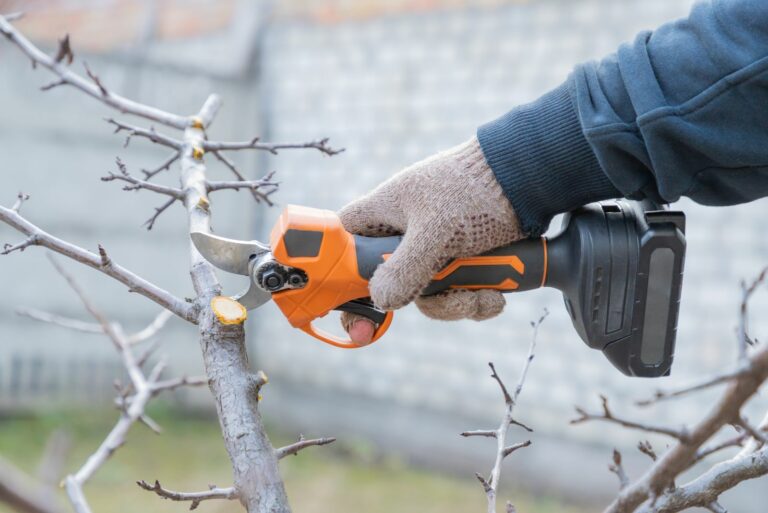
Cutting your flower stems properly gives them the best chance to absorb water efficiently. Always use sharp scissors or garden shears rather than dull kitchen knives.
A clean cut prevents crushing the delicate tubes inside the stem that carry water upward.
Angle your cuts at about 45 degrees rather than straight across. This creates more surface area for water absorption and prevents the stem from sitting flat on the vase bottom. Make your cuts while holding stems under running water when possible.
Remove at least one inch from each stem when you first get your bouquet. Flowers often sit out of water during transport and delivery, causing the cut ends to seal over. Fresh cuts reopen these pathways so water can flow freely again.
Repeat this trimming process every two to three days. Even in water, stem ends can develop bacterial buildup that blocks water uptake. Regular trimming keeps the pathways clear and your flowers hydrated.
Texas tap water works fine for most flowers, though some people prefer filtered water. The temperature matters more than the source.
Use room temperature or slightly cool water rather than ice cold, which can shock the stems.
Strip off any leaves that would sit below the water line before placing stems in the vase. Submerged foliage rots quickly in Texas heat, creating bacteria that shortens flower life. Keep only the blooms and upper leaves visible above water.
3. Keep Flowers Away From Heat Sources
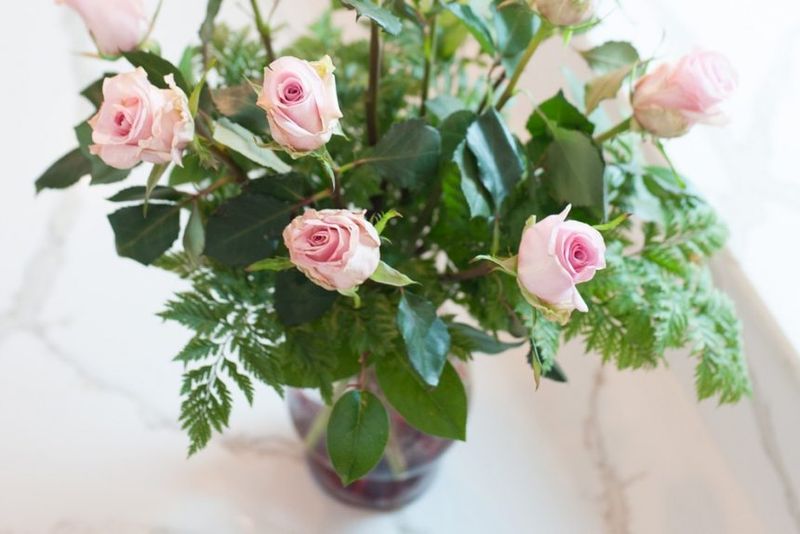
Temperature control plays a critical role in extending the life of cut flowers in Texas homes. Heat speeds up the aging process dramatically, causing petals to droop and colors to fade much faster. Your beautiful Valentine’s bouquet needs a cool spot to thrive.
Avoid placing flowers near heating vents, fireplaces, or radiators. Even in February, many Texas homes run heating systems during cooler mornings and evenings. The warm air blowing directly on flowers will dehydrate them within hours.
Direct sunlight through windows also creates problems. While flowers need light to look their best, intense afternoon sun streaming through Texas windows raises temperatures quickly. Position your vase in bright but indirect light for optimal results.
Keep flowers away from the top of televisions, computers, and other electronics that generate heat. These warm spots might seem convenient for display, but they significantly reduce how long your bouquet stays fresh. Room temperature areas work much better.
The kitchen presents special challenges despite being a popular spot for flower displays. Heat from cooking, the oven, and the dishwasher all affect nearby flowers.
If you want flowers in your Texas kitchen, place them far from appliances and cooking areas.
Ideal temperatures for cut flowers range between 65 and 72 degrees Fahrenheit. Most Texas homes stay within this range, but watch for hot spots near south-facing windows or poorly insulated areas.
Moving your vase just a few feet can add several days to its beauty.
4. Change The Water Every Two Days
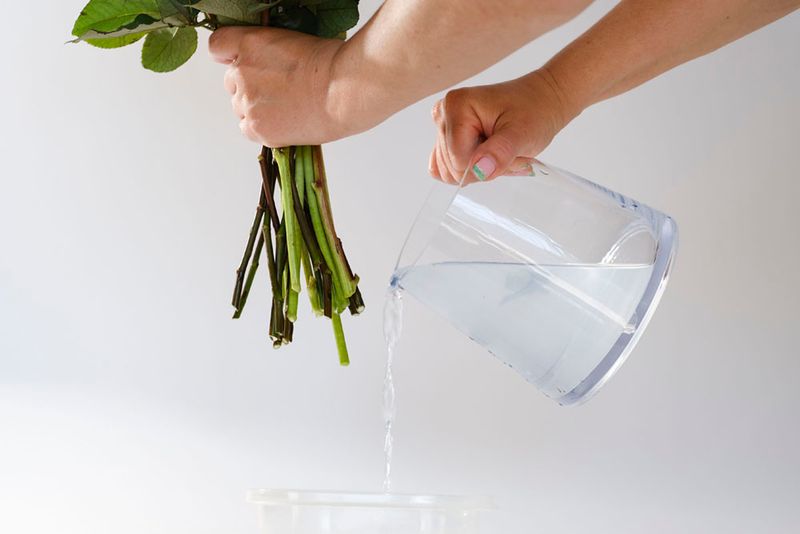
Fresh water keeps flowers healthy longer than any other single factor. Bacteria multiply rapidly in standing water, especially in warm Texas homes.
These microorganisms clog the tiny tubes in flower stems and prevent proper hydration.
Plan to completely change the water every other day at minimum. Dump out all the old water rather than just topping it off. Rinse the vase quickly to remove any slimy buildup on the sides or bottom.
When you refill the vase, add fresh flower food if you have it. The packets that come with bouquets contain sugar for energy, acid to lower pH, and bleach to fight bacteria.
These ingredients work together to extend flower life significantly. No flower food packets left? Make your own simple solution at home.
Mix one teaspoon of sugar, two teaspoons of lemon juice, and half a teaspoon of bleach into a quart of water. This homemade version works almost as well as commercial products.
Some Texas residents swear by adding a penny to the vase water. The copper supposedly prevents bacterial growth, though results vary.
A more reliable method involves adding a few drops of vodka or clear soda, which both contain ingredients that slow bacteria.
Check water levels daily even if you’re not doing a complete change. Flowers drink more water than most people expect, particularly in the first few days.
Never let the water drop below halfway down the stems or flowers will start to suffer quickly.
5. Use Flower Food Or Make Your Own Solution
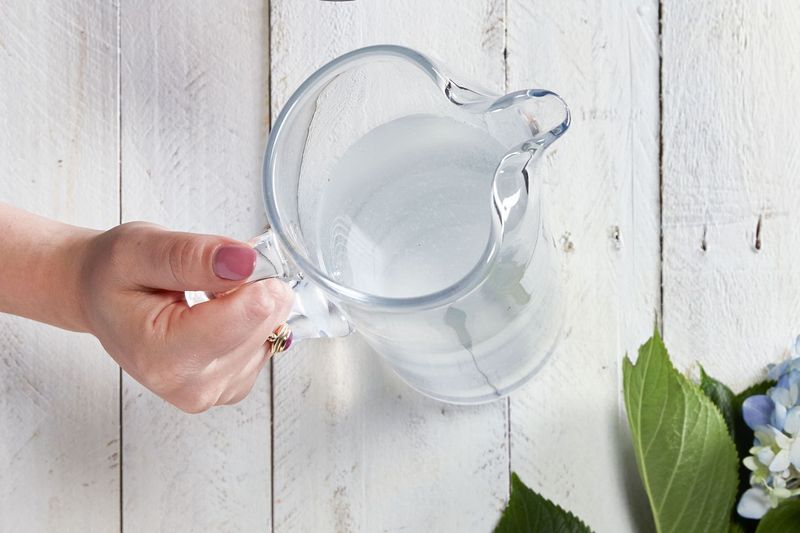
Commercial flower food packets contain scientifically balanced ingredients that genuinely help cut flowers last longer. Most florists include these packets with bouquets, but they’re easy to overlook or forget to use.
Taking a few seconds to mix in this powder can double your flower’s lifespan.
The sugar in flower food provides energy that flowers can no longer make through photosynthesis. Acid ingredients lower the water’s pH level, which helps flowers absorb water more easily.
Antibacterial agents keep the water clean and clear in warm Texas conditions.
If you’ve lost the packet or need more, florist shops and garden centers throughout Texas sell flower food separately. One large container can last through many bouquets.
Follow the mixing directions carefully because too much can actually harm flowers instead of helping them.
Creating effective homemade flower food requires just three common kitchen ingredients. Combine one quart of lukewarm water with two tablespoons of fresh lemon juice, one tablespoon of sugar, and half a teaspoon of household bleach. Mix thoroughly until the sugar dissolves completely.
The lemon juice serves two purposes in this mixture. Its acidity helps water move up stems more efficiently, and it adds a fresh scent to your arrangement. The sugar feeds the flowers while the bleach keeps bacteria from multiplying in the vase.
Replace your flower food solution completely when you change the water. Old solution loses effectiveness and can harbor bacteria despite the bleach content.
Fresh solution every two days keeps your Valentine’s flowers looking their absolute best throughout the week.
6. Remove Wilted Blooms And Damaged Petals Promptly
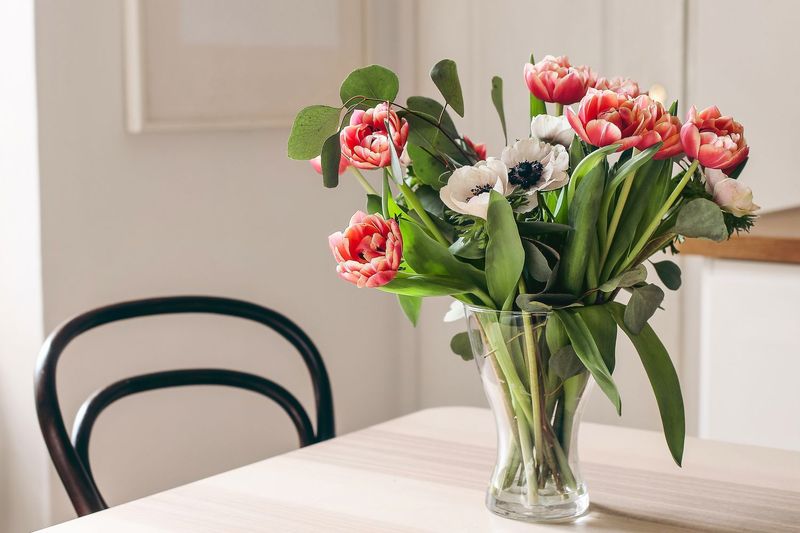
Flowers don’t all age at the same rate within an arrangement. Some blooms will start fading before others, and removing these tired flowers helps the remaining ones last longer. This simple maintenance step takes just a minute but makes a noticeable difference.
Wilted flowers release ethylene gas as they age. This natural plant hormone signals other flowers in the arrangement to start their aging process too.
By removing spent blooms quickly, you stop this chemical message from spreading through your entire bouquet.
Check your arrangement daily for flowers that look past their prime. Petals that feel papery, show brown edges, or droop significantly should come out right away.
Don’t wait until they look completely terrible because the damage to other flowers has already begun.
Individual petals sometimes get damaged while the rest of the flower remains beautiful. Gently pinch off any bruised or discolored petals you notice.
This improves the appearance of your arrangement and prevents those damaged areas from spreading or developing mold.
Leaves turn yellow and soft before flowers usually show problems. Strip away any foliage that looks unhealthy or falls below the water line.
Decaying leaves create bacteria that cloud the water and harm the remaining healthy stems.
After removing wilted pieces, give your arrangement a fresh trim and water change. The remaining flowers will have more resources available and better access to clean water.
Your Valentine’s bouquet will look tidier and last several extra days in your Texas home with this regular attention.
7. Control Humidity Levels In Your Texas Home
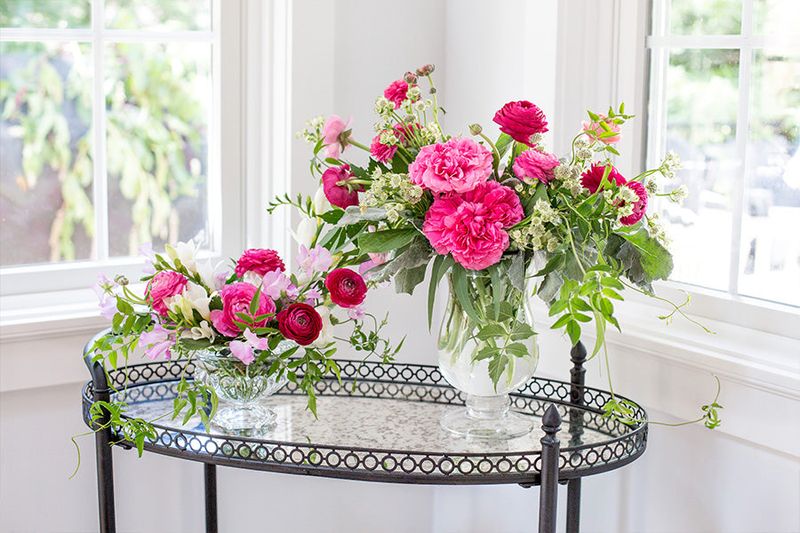
Humidity affects cut flowers more than most people realize, especially in Texas where indoor air can become quite dry. Central heating and air conditioning both remove moisture from the air.
This low humidity pulls water out of flower petals faster, causing them to wilt prematurely despite having water in their vase.
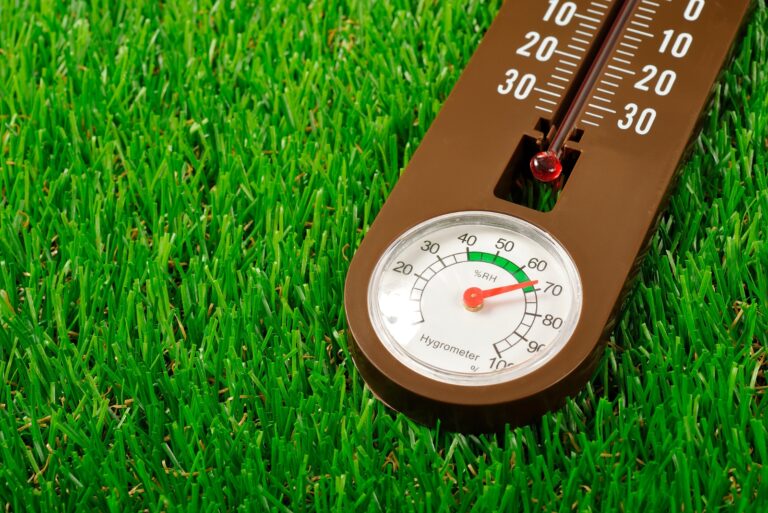
Ideal humidity for cut flowers ranges between 40 and 60 percent. Many Texas homes drop well below this level during winter months when heating systems run frequently.
You can check your home’s humidity with an inexpensive hygrometer from any hardware store.
Raising humidity around your flowers doesn’t require expensive equipment. Simply misting the blooms lightly with a spray bottle once or twice daily helps replace moisture lost to dry air. Use room temperature water and avoid soaking the petals completely.
Grouping plants near your flower arrangement creates a microclimate with higher humidity. The plants release moisture through their leaves, which benefits nearby cut flowers.
This natural method works particularly well in Texas homes where many people already keep houseplants.
Small humidifiers placed near your Valentine’s bouquet provide more consistent moisture control. These devices cost less than replacing flowers frequently and benefit your skin and respiratory health too.
Position the humidifier a few feet away rather than pointing it directly at the flowers.
Avoid placing flowers in rooms with ceiling fans running constantly. While air circulation helps prevent mold, too much airflow dries out petals quickly.
Find a balanced spot with gentle air movement but not direct fan breeze for the longest-lasting Valentine’s arrangement in your Texas home.