How To Plant And Care For These Native Texas Wildflowers
Thinking about adding a burst of natural Texas beauty to your yard? Native wildflowers are one of the easiest ways to create a colorful, low-maintenance landscape that feels both vibrant and authentic.
These plants are built for Texas weather, which means they handle heat, dry spells, and shifting seasons far better than many traditional garden picks.
With just a bit of planning, you can create a wildflower patch that comes back year after year and supports local pollinators at the same time.
Planting them isn’t complicated, but timing, soil prep, and the right care during those early stages make a big difference in how well they establish. Once they’re settled, they tend to thrive with very little attention.
From open fields to small backyard beds, native wildflowers bring movement, color, and a sense of place to any Texas garden.
1. Bluebonnet (Lupinus Texensis)
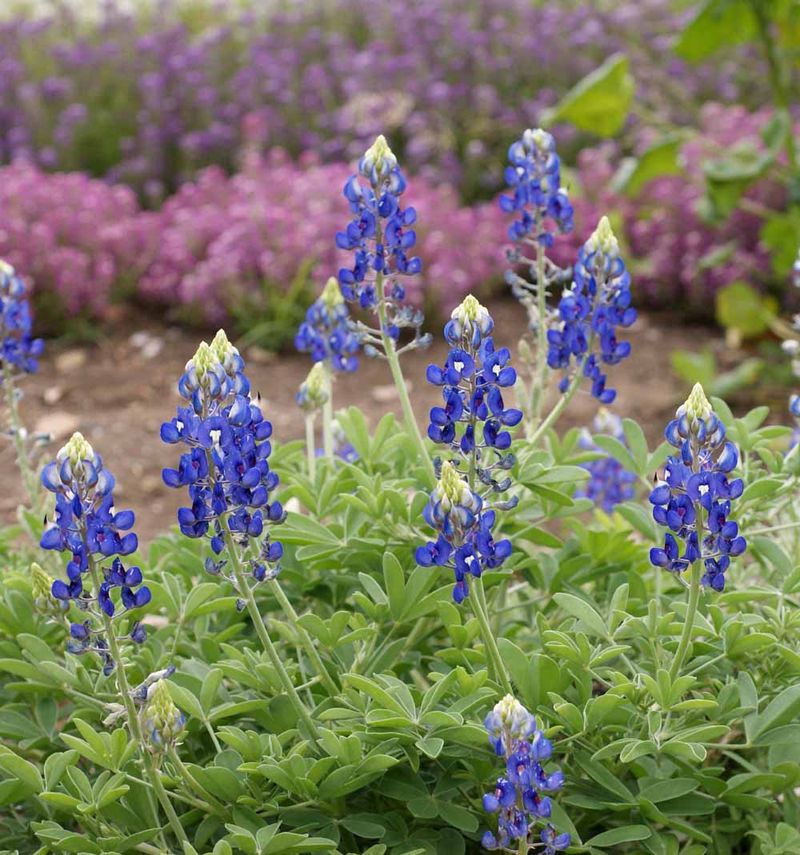
The official state flower of Texas deserves the top spot on any wildflower list. Bluebonnets blanket roadsides and pastures across central and south Texas each spring, creating those iconic photo opportunities families treasure.
These stunning flowers feature deep blue petals with white tips that sometimes turn reddish as they age.
Planting bluebonnets requires timing and patience. Scatter seeds in fall, between September and November, directly onto bare soil.
Scarify the seeds by rubbing them gently with sandpaper or nicking them with a knife to help water penetrate the hard coating. Press seeds into the ground with your foot but avoid burying them too deeply.
Bluebonnets thrive in full sun and well-drained soil. They actually prefer rocky or sandy Texas soil over rich garden beds.
Water sparingly after planting, then let nature take over. Too much moisture causes root rot and other problems. These flowers are annuals, but they reseed themselves readily when conditions are right.
Watch for blooms from March through May depending on your location in Texas. After flowers fade, let the seed pods dry completely on the plants before collecting them.
Store seeds in a cool, dry place until fall planting time. Many Texas gardeners find that established bluebonnet patches return year after year without any extra work, creating a beautiful legacy that keeps giving.
2. Indian Blanket (Gaillardia Pulchella)
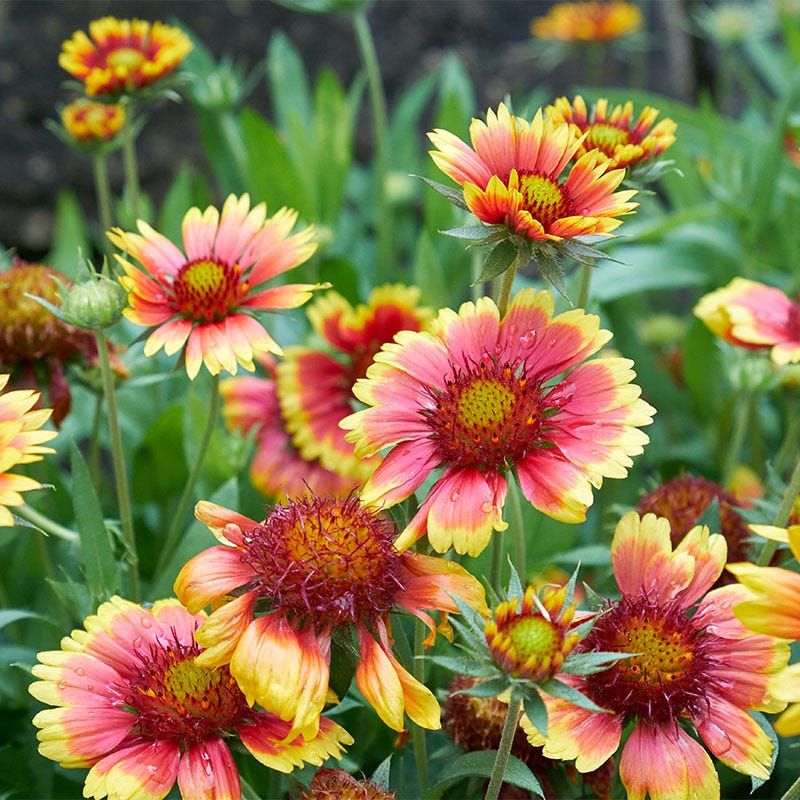
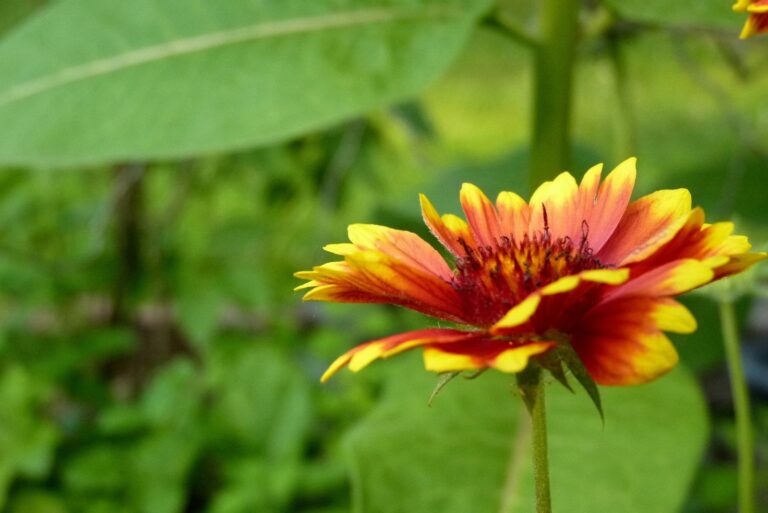
Fiery red petals tipped with bright yellow make Indian blanket one of the most eye-catching wildflowers across Texas. Also called firewheel, this cheerful bloom resembles a colorful woven blanket, which explains its common name.
The flowers attract butterflies and bees throughout the growing season, making them perfect for pollinator gardens.
Starting Indian blanket is easier than many wildflowers. Plant seeds in spring after the last frost or in fall for earlier blooms.
Rake the soil lightly to create a rough surface, scatter seeds, and barely cover them with soil. These seeds need some light to sprout, so shallow planting works best. Water gently until seedlings appear, usually within two weeks.
Indian blanket tolerates poor soil and drought conditions once established. Full sun produces the most abundant blooms, though plants handle partial shade in hotter parts of Texas.
Avoid overwatering, which leads to weak, floppy stems. These wildflowers actually bloom better when slightly stressed by dry conditions.
Expect flowers from late spring through fall, especially if you remove spent blooms regularly. Indian blanket often acts as a perennial in Texas, returning for several years.
The plants self-seed freely, spreading to create larger patches over time. Cut back dry foliage in winter to keep beds tidy and make room for fresh spring growth.
3. Black-Eyed Susan (Rudbeckia Hirta)
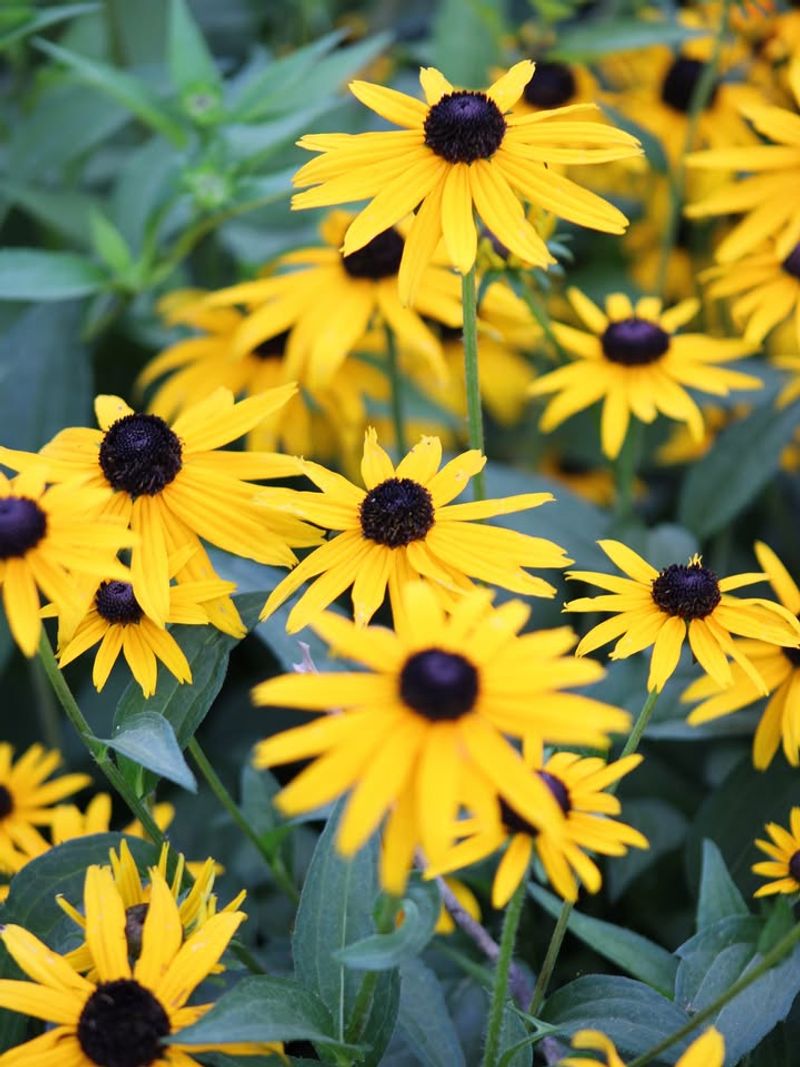
Bright golden petals surrounding dark chocolate-brown centers make Black-Eyed Susans instantly recognizable. These cheerful flowers stand tall on sturdy stems, swaying gently in the Texas breeze from summer into fall.
Birds love the seed heads that form after blooming, providing natural food sources well into winter.
Black-Eyed Susans grow easily from seed planted in spring or fall. Prepare the planting area by removing weeds and loosening the top inch of soil.
Broadcast seeds across the area and rake them in lightly. Keep the soil moist until germination occurs, typically within ten to fourteen days. Thin seedlings to about twelve inches apart once they develop true leaves.
These wildflowers adapt to various Texas soil types but prefer decent drainage. Full sun produces the most blooms, though plants tolerate light afternoon shade in extreme heat.
Water regularly during the first growing season to establish strong roots. After that, Black-Eyed Susans handle dry spells without much help.
Blooming begins in early summer and continues for months with proper care. Removing faded flowers encourages more buds to form, extending the display.
Leave some seed heads in place during fall to feed goldfinches and other wild birds. Black-Eyed Susans often reseed themselves, creating natural-looking drifts throughout Texas gardens.
Cut plants back to ground level in late winter before new growth emerges.
4. Texas Paintbrush (Castilleja Indivisa)
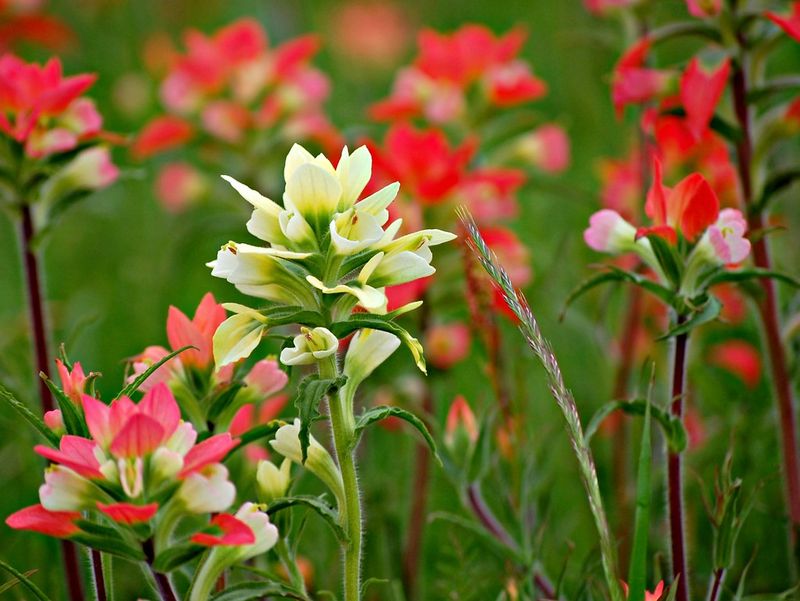
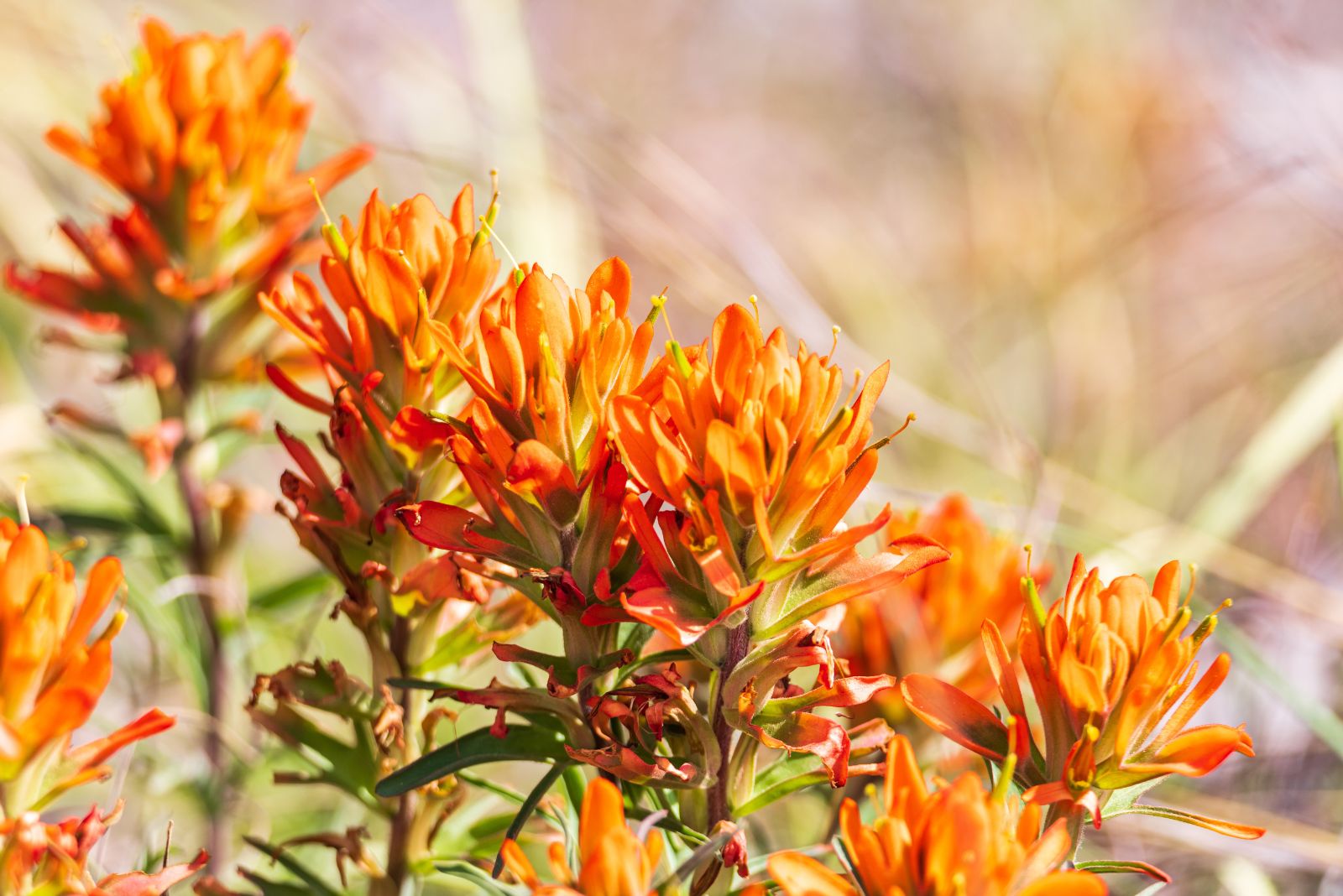
Imagine dipping a brush in bright red paint and scattering it across the Texas landscape. That visual perfectly captures the appearance of Texas paintbrush, with its vibrant scarlet bracts that look like flame-tipped brushes.
This stunning wildflower often grows alongside bluebonnets, creating spectacular red and blue combinations that stop traffic along Texas highways.
Growing paintbrush presents unique challenges because it partially depends on other plants. This wildflower is hemiparasitic, meaning its roots tap into nearby grasses for some nutrients.
Plant seeds in fall directly into existing grass areas rather than bare garden beds. Mix seeds with damp sand for easier spreading, then broadcast them where you want color next spring.
Texas paintbrush needs full sun and well-drained soil to flourish. The presence of host grasses like little bluestem or buffalo grass helps these wildflowers establish successfully.
Water lightly after planting, then rely on natural rainfall. Overwatering causes more harm than drought for this tough native plant.
Blooms appear from March through May across central and eastern Texas. The colorful parts are actually modified leaves called bracts, while the true flowers hide inside as small greenish tubes.
After flowering ends, plants set seed and complete their annual life cycle. Collect ripe seeds in late spring for replanting, or let them scatter naturally to create larger displays in future years.
5. Winecup (Callirhoe Involucrata)
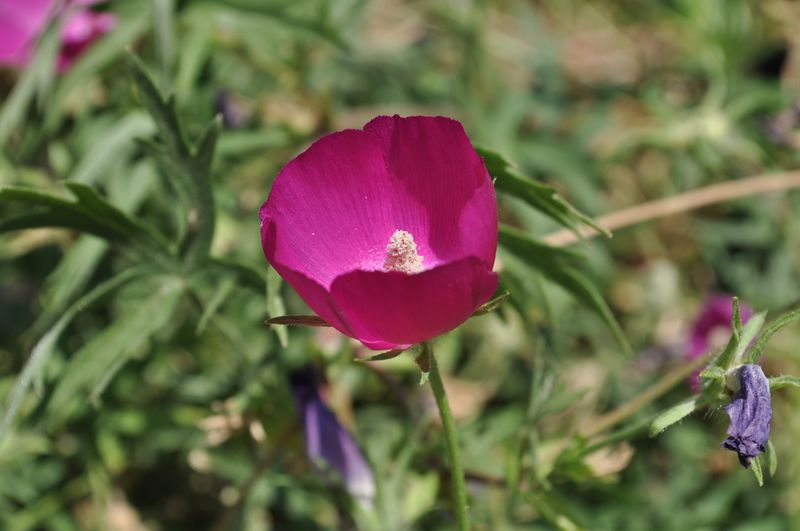
Deep magenta petals form perfect cup shapes that give winecup its descriptive name. Also known as purple poppy mallow, this low-growing wildflower spreads along the ground, creating colorful carpets across Texas prairies and roadsides.
Each bloom opens in morning sun and closes at night, repeating this cycle throughout the flowering season.
Winecup grows from a deep taproot that makes transplanting difficult but helps established plants survive Texas droughts. Start from seed in fall or very early spring.
Scarify seeds by rubbing them between two pieces of sandpaper to improve germination rates. Plant seeds about one-quarter inch deep in their permanent location since moving plants later rarely succeeds.
Choose a sunny spot with excellent drainage for best results. Winecup tolerates poor, rocky soil common throughout Texas and actually struggles in rich, moist conditions.
Water new plantings until they sprout and develop several true leaves, then cut back significantly. Mature plants need almost no supplemental water except during severe droughts.
Flowering begins in April and often continues through June in most Texas regions. The spreading growth habit makes winecup excellent for covering slopes or filling gaps between taller wildflowers.
Plants go dormant during hot summer months, with foliage disappearing completely until cooler fall weather arrives. This perennial returns reliably each spring, gradually expanding its territory through underground runners and self-seeding.
6. Coreopsis (Coreopsis tinctoria)
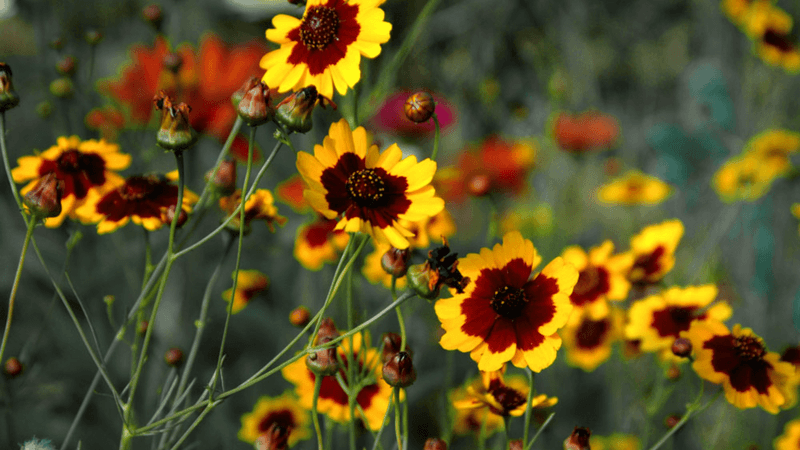
Golden yellow petals marked with burgundy centers create a cheerful display that lasts for months. Plains coreopsis, also called golden tickseed, grows wild across Texas prairies and adapts beautifully to home gardens.
These flowers dance on thin, wiry stems that bend gracefully without breaking in strong winds common throughout the state.
Coreopsis ranks among the easiest Texas wildflowers to establish from seed. Plant anytime from fall through early spring for best results.
Simply scatter seeds over prepared soil and rake them in lightly, covering with no more than one-eighth inch of soil. Water gently to settle seeds without washing them away. Germination happens quickly when soil temperatures stay above fifty degrees.
Full sun and average soil produce abundant blooms without any special treatment. Coreopsis actually blooms more profusely in somewhat lean soil compared to heavily fertilized beds.
Water regularly until plants reach about six inches tall, then reduce watering significantly. Established coreopsis handles Texas heat and drought with minimal care.
Expect continuous blooms from late spring through fall if you remove spent flowers regularly. This simple task, called deadheading, prevents seed formation and encourages new buds to develop.
For a more natural look, leave some flowers to set seed in late summer. Coreopsis self-sows readily, creating larger patches each year.
Cut plants back to about four inches in late fall to maintain a tidy appearance through winter months.
7. Mexican Hat (Ratibida columnifera)
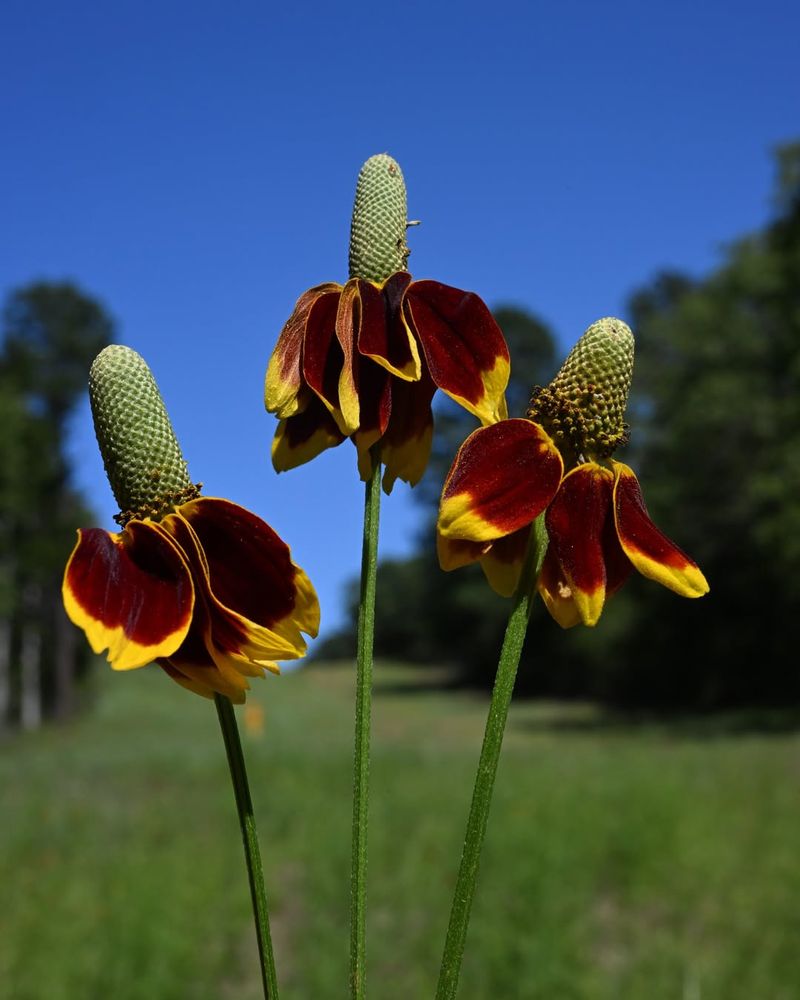
Picture a tiny sombrero sitting atop a tall stem and you will understand how Mexican hat got its memorable name. The distinctive cone-shaped center rises high above drooping petals that can be red, yellow, or a combination of both colors.
This quirky wildflower adds unique architectural interest to Texas gardens while attracting countless butterflies and beneficial insects.
Mexican hat grows easily from seed planted in fall or spring. Prepare soil by removing competing weeds and loosening the top few inches.
Scatter seeds thinly across the planting area and cover with just a dusting of soil. Press seeds down gently with your hand or a board to ensure good soil contact. Keep the area moist until seedlings emerge, usually within two to three weeks.
Choose a location with full sun and decent drainage for healthiest plants. Mexican hat tolerates clay, sand, and rocky soils found throughout Texas without complaint.
Water new plants regularly their first season, then cut back dramatically. Mature Mexican hat survives on rainfall alone in most Texas regions, making it perfect for low-maintenance landscapes.
Blooms appear from May through September, providing months of color when many other wildflowers have finished. The tall seed cones remain attractive even after petals drop, adding winter interest to gardens.
Goldfinches and other seed-eating birds flock to dried seed heads in fall. Mexican hat acts as a short-lived perennial, typically lasting two to three years while continuously reseeding itself to maintain the population.