How To Prepare Michigan Vegetable Beds With Cover Crops Before Winter
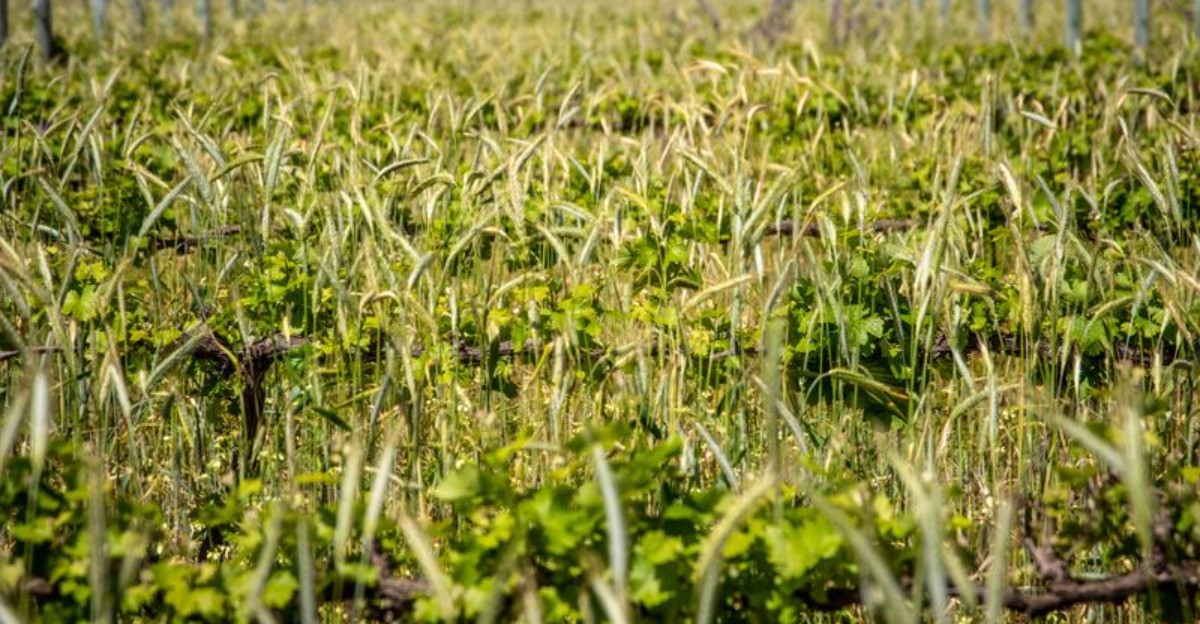
A bare garden bed in November loses a lot over winter. Rain and snowmelt wash nutrients away. Wind and water can carry off topsoil. Weeds move into empty spots.
Cover crops offer a simple fix, and fall is the time to start. Michigan gardeners have several good choices, and each behaves differently once cold weather arrives.
Some keep growing until the ground freezes. Others fade out on their own, which can make spring work easier. Timing matters more than most people expect. Plant too late and the seeds may not establish.
Choose the wrong crop and you may spend spring fighting it. A little planning now leaves your beds richer, cleaner, and ready to plant.
1. Pick The Right Cover Crop For Your Timing

Timing is everything when it comes to cover crops. The calendar date you sow seed will decide which plants can actually grow before snow arrives. Get the match right, and your beds stay green and protected all season.
Some cover crops are warm-weather lovers. They need several weeks of mild days to build roots and leaves before the cold sets in.
Others are tough little sprouters that wake up happily in chilly fall soil. If you choose a warm-season crop too late, it may barely poke through the ground, leaving your bed bare when winter storms roll in.
For late summer and early fall plantings, oats, tillage radish, and hairy vetch are excellent choices. Each one grows fast while the days are still warm and gives your soil solid coverage before hard freezes.
Once the weather turns crisp and you are pulling the final crops in mid to late fall, cereal rye becomes your best friend. It can still sprout and establish as temperatures drop, which makes it the go-to option for late gardeners.
Michigan adds an extra twist. The Upper Peninsula and northern Lower Peninsula cool off much sooner than southern counties near the Indiana and Ohio borders.
A gardener in Marquette might need oats in the ground by mid-August, while someone near Ann Arbor could have until early September or later.
Grab a notebook and jot down your average first frost date. Then count backward to see how many growing weeks you have left.
That quick bit of math will point you straight to the cover crop that fits your garden and your schedule.
2. Clear And Prepare The Bed First

A clean slate makes all the difference. Before any cover crop seed hits the ground, your vegetable bed needs a little tidying up. Think of it as making the bed before a guest arrives.
Seeds sprout best when they touch the soil directly. If they land on a tangle of old vines and stems, many will dry out and never grow.
Leftover plants can also cause trouble, because diseased tomato leaves or squash vines may carry fungus and other problems right into next season. Clearing them out helps break that cycle.
Start by pulling up spent crops, roots and all if you can. Any plants that showed spots, mold, or wilting from disease should go in the trash or a hot compost pile rather than back into the garden.
Next, rake away large debris like thick stalks, stakes, and clumps of mulch. Then loosen the top inch or two of soil with a rake or hand cultivator so it feels crumbly and soft.
Speed matters here. Once a bed sits empty, weeds are quick to move in and claim the space.
Try to sow your cover crop the same day you clear the bed, or within a day or two. That way the good plants get a head start.
In Michigan, fall cleanup and cover crop planting tend to crowd into the same few busy weeks. Work bed by bed instead of waiting to clear the whole garden at once.
As each crop finishes, clean that spot and seed it right away. Your soil gets protected sooner, and the job feels much less overwhelming.
3. Sow Oats Or Radish Early For An Easy Spring

Lazy gardeners, rejoice. Oats and tillage radish are the cover crops that practically clean up after themselves. You plant them, enjoy their green growth all fall, and let winter handle the rest.
Both crops race upward in late summer and early fall. Oats form a thick grassy carpet that shields soil from pounding rain.
Tillage radish, sometimes called daikon or forage radish, sends a fat white root deep into the ground, and that root acts like a natural drill that helps loosen compacted soil.
When the radish breaks down over winter, it leaves behind channels that let water and air move more freely.
Here comes the best part. Hard freezes usually knock both crops back for good, so they will not regrow in spring. What remains is a flat, soft layer of residue that you can plant right through with little or no digging.
To get the most from them, sow oats and radish from late summer to early fall. They need several weeks of growing time before hard freezes arrive, so earlier is better, especially up north.
Once the cold flattens them, leave that frozen residue right where it lies. It works like a winter blanket, holding soil in place and slowly feeding earthworms and soil life.
Michigan winters are reliably cold enough to end these crops, which saves you extra spring chores. One small heads-up: rotting radish can smell a bit like sulfur in late winter. The odor fades quickly, and your soil will thank you for the trouble.
4. Plant Cereal Rye When It’s Getting Late
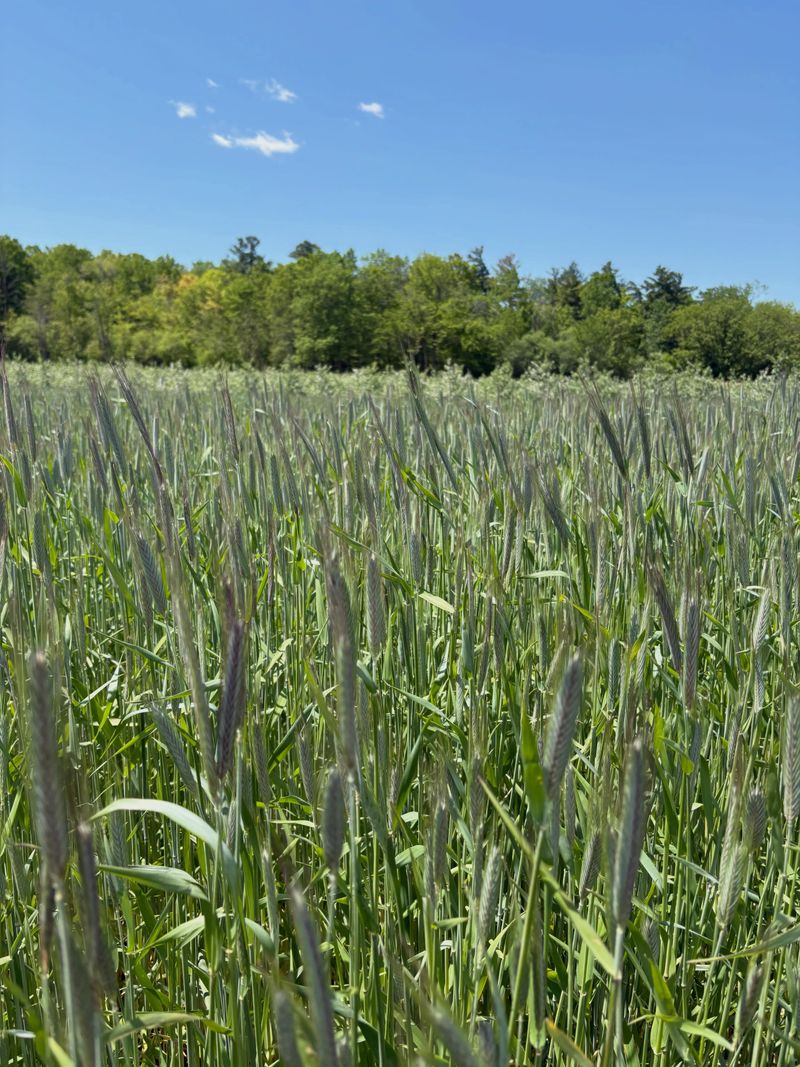
Missed the early window? No worries at all. Cereal rye is the friend who shows up late to the party and still gets everything done.
Few cover crops handle cold like cereal rye. It sprouts in cool soil when most other seeds give up, and it survives harsh Michigan winters with ease.
Its dense roots grip the soil and hold it against erosion from snowmelt and spring rain. Even better, rye soaks up leftover nitrogen and other nutrients that would otherwise wash away, then holds them until it breaks down later.
Planting is simple. Sow cereal rye right after your summer crops come out, whether that means late September or well into October across much of southern Michigan.
Northern gardeners should aim a bit earlier, but rye still offers more wiggle room than nearly any other option. Scatter the seed, rake it into the soil surface, and let nature take over.
Keep one thing in mind for later. Cereal rye does not stay quiet in spring. Once the days warm up, it regrows with serious energy and can quickly reach waist height.
You will need to cut it down before planting your vegetables, so mark that task on your spring calendar now.
There is a good reason Michigan State University Extension and many local growers recommend cereal rye for late plantings. It is affordable, easy to find at farm stores, and nearly foolproof.
For busy gardeners juggling fall harvests, school schedules, and football Saturdays, rye might just be the most dependable choice in the seed bin.
5. Add A Legume To Boost Nitrogen
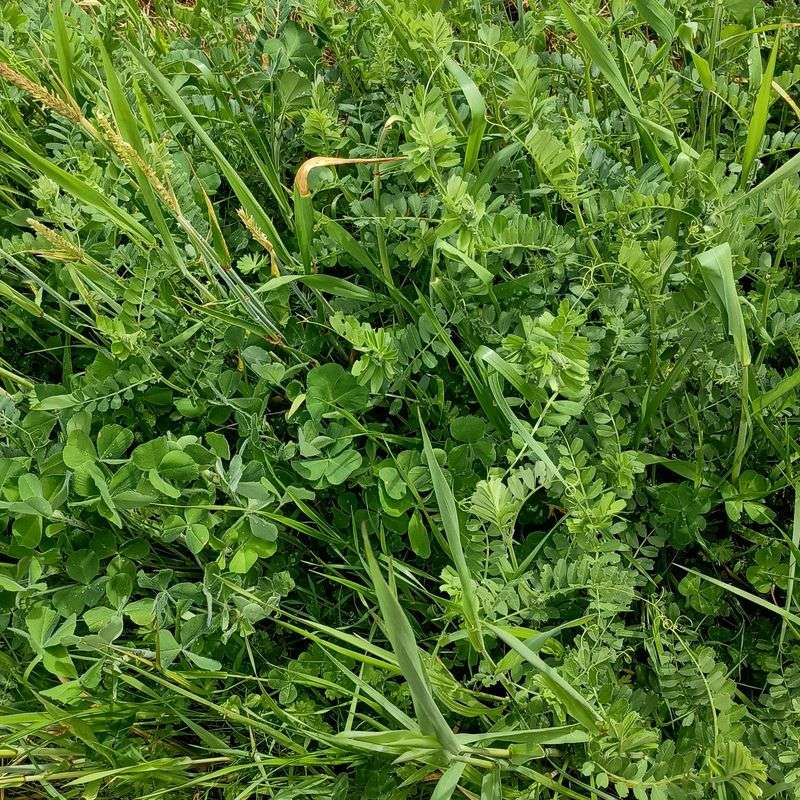
Imagine a plant that makes its own fertilizer from thin air. That is exactly what legumes like hairy vetch can do, and it is one of the coolest tricks in the garden.
Legumes team up with special soil bacteria called rhizobia. These tiny helpers live in small bumps on the roots, known as nodules, and they pull nitrogen from the air.
The plant stores that nitrogen in its roots and leaves. Later, when the cover crop breaks down, the nitrogen becomes food for your vegetables, which means hungry crops like corn, squash, and tomatoes get a natural boost.
Getting vetch started takes a bit of planning. Sow it by early fall so it has time to settle in before winter.
Coating the seed with the correct inoculant, a powder containing the right bacteria, helps the plants form those nitrogen-making nodules. Be sure to buy one labeled for hairy vetch or the pea and vetch group, since different legumes need different bacteria.
For an even stronger combo, mix hairy vetch with cereal rye. The rye gives the vining vetch something to climb on, almost like a living trellis.
Together, they produce more leafy material, called biomass, which adds extra organic matter to your soil.
Michigan gardeners are lucky here. Hairy vetch is cold hardy and can make it through winter in much of the state, then pick up growth again in spring.
That spring burst is when much of its nitrogen gets stored. A small sprinkle of seed in September can mean richer, greener beds next summer.
6. Rake Seed In And Keep It Moist
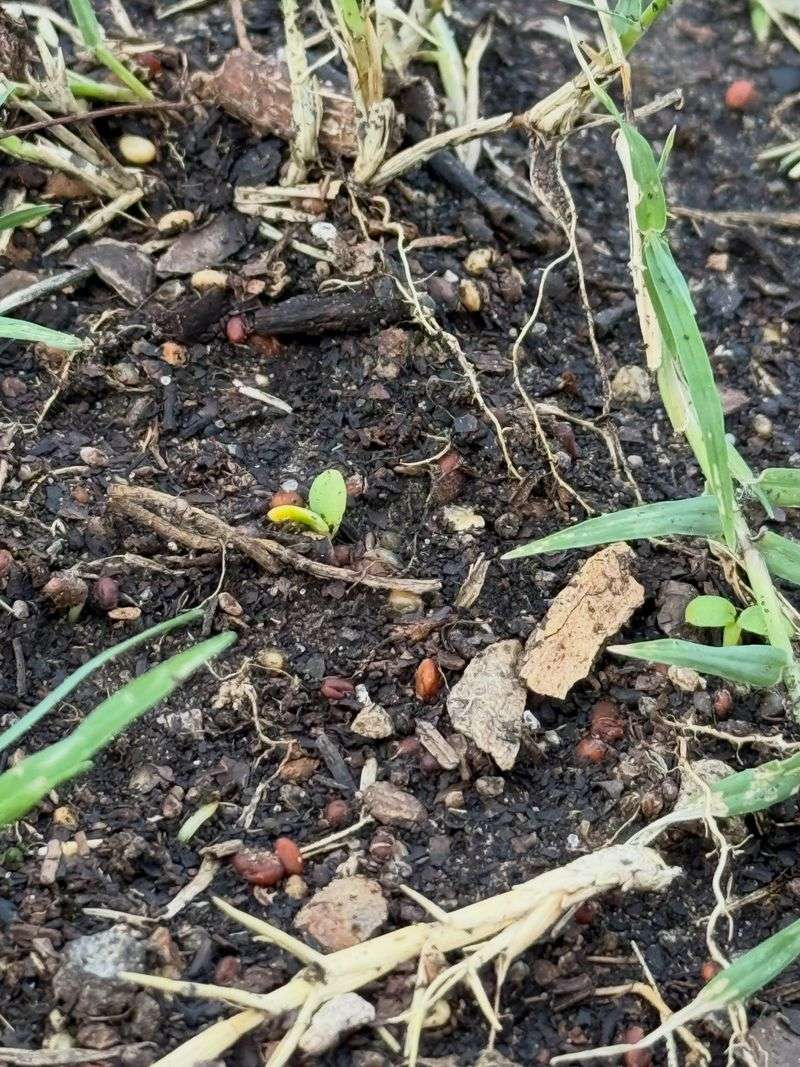
Birds love an easy snack. Toss cover crop seed on top of dry ground and leave it, and you may soon see robins and sparrows enjoying a free buffet.
Plenty of the leftover seed will also fail to sprout if it simply sits on the surface without moisture.
Seeds need two things to wake up: contact with soil and steady moisture. A light covering of earth hides them from hungry beaks and keeps them from drying out.
When seeds stay snug and damp, they sprout quickly and evenly, giving you a thick, healthy stand instead of patchy spots.
Begin by checking the seeding rate on the package. Scatter the seed evenly over the bed by hand, walking back and forth in two directions so nothing clumps.
Next, rake it gently into the top half inch to one inch of soil. Larger seeds like vetch can go toward the deeper end, while smaller ones prefer staying near the top.
After raking, press the surface lightly with the back of the rake or a flat board. That gentle tamp helps seeds hug the soil.
Then look at the forecast, and if no rain is expected within a few days, give the bed a good soaking with a hose or watering can.
Michigan falls can surprise you with dry stretches, especially in September. A week without rain can stall germination right when your seedlings need every warm day before the cold arrives.
Keep the soil lightly moist until you see green sprouts, and your cover crop will be off to a confident start.
7. Plan How To End The Cover Crop In Spring
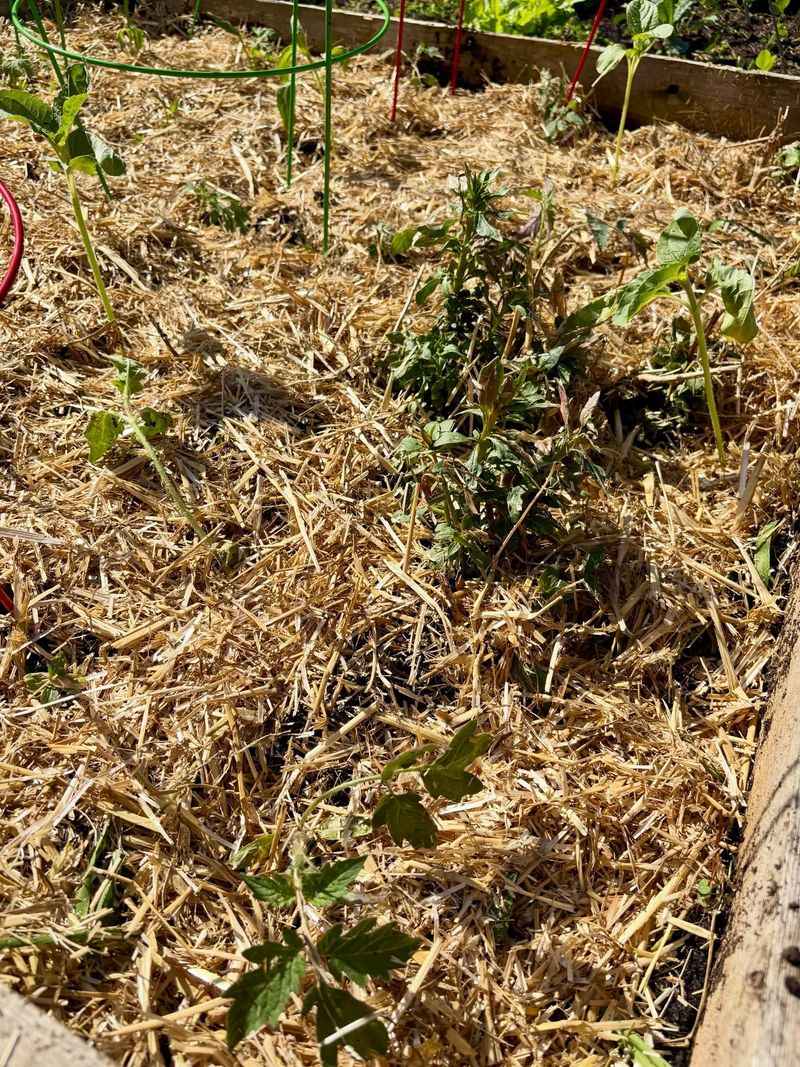
Spring has a funny way of sneaking up on gardeners. One week your rye is ankle high, and the next it is towering over your boots. A little planning now keeps that green surge from taking over your plans.
Cereal rye and hairy vetch both keep growing once the weather warms. Left alone too long, they can set seed and pop up as unwanted plants for years.
Tall rye also gets tough and stringy, making it harder to cut or dig. On top of that, rye residue releases natural compounds that can slow the sprouting of small-seeded vegetables like carrots, lettuce, and spinach.
The fix is all about timing. Cut or mow your overwintering cover crops before they flower and set seed.
Rye is easiest to manage when it starts forming seed heads, and vetch is best cut once it begins to bloom. You can turn the cut plants into the soil with a spade, or simply leave them on top as a mulch that holds moisture and smothers weeds.
After cutting, give the bed about two to three weeks before sowing small vegetable seeds where rye grew. That pause lets the residue break down and lose its sprout-slowing effect.
Feeling impatient? Plant transplants instead, since tomatoes, peppers, and cabbage seedlings shrug off rye residue with no trouble.
Michigan spring planting windows are short and often soggy. Mark a cutting date on your calendar a few weeks before your last frost.
Staying on schedule means your beds will be rich, ready, and waiting when planting day finally arrives.