How To Prepare Your Soil Before The Texas Heat Arrives
Texas heat has a way of showing up fast and turning a healthy-looking garden into a struggling one almost overnight. One week your plants seem fine, and the next the soil feels dry, hard, and impossible to work with.
That is why what you do before the hottest part of the season matters so much. If the soil is not ready, your plants end up fighting an uphill battle from the start.
Even the best flowers, herbs, vegetables, or shrubs can have a hard time pushing through when the ground is already working against them.
Getting ahead of that problem does not have to be complicated. A few smart steps can help your soil hold moisture better, stay looser longer, and give roots a much better place to grow once the temperatures start climbing.
It is one of those behind-the-scenes jobs that does not look exciting at first, but it can make a huge difference later. If you want a yard or garden that holds up better through a Texas summer, the real work starts in the dirt before the worst heat ever hits.
1. Add Plenty Of Organic Matter
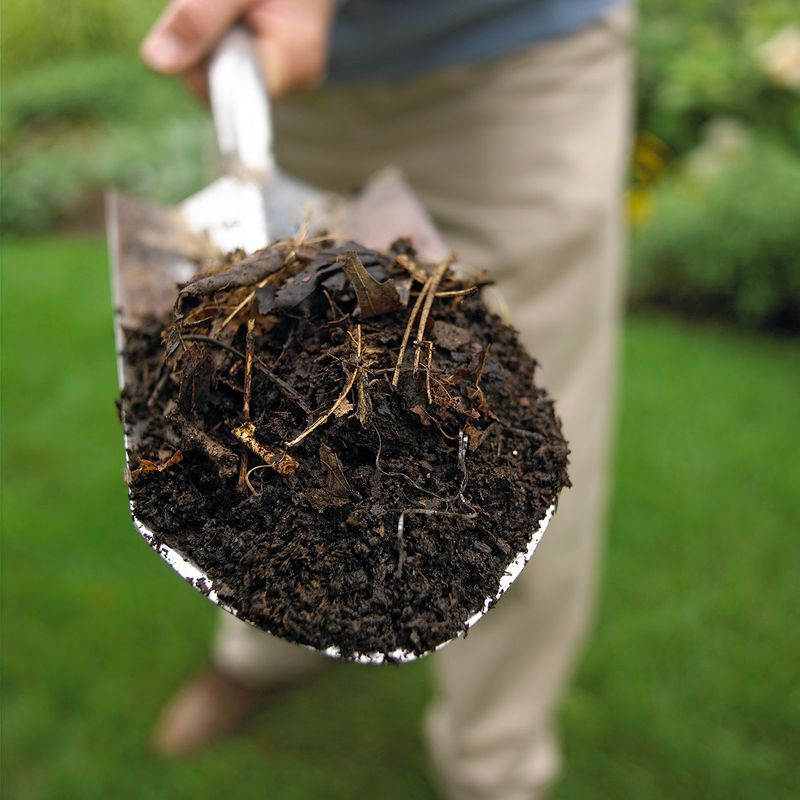
Rich, healthy soil starts with what you put into it. Mixing organic matter like compost, aged manure, or leaf mold into your garden beds is one of the best things you can do before Texas summer kicks in.
These materials break down over time and feed your soil with nutrients that plants absolutely love.
Aim to work about 2 to 4 inches of organic matter into the top 6 to 8 inches of your soil. You can use a garden fork or a tiller to blend it in evenly. The more thoroughly you mix it, the better your soil will respond when the heat arrives.
One huge benefit of organic matter is that it acts like a sponge. It holds onto water much longer than bare soil, which means your plants stay hydrated even during those brutal Texas afternoons. Sandy soils especially benefit from this added structure.
Compost is easy to find at local garden centers across Texas, or you can make your own at home using food scraps and yard waste. Aged manure from horses or cows also works great and is often available from local farms.
Leaf mold, made from decomposed leaves, is another budget-friendly option. Building up organic matter is not a one-time fix. Adding it every season keeps your soil getting better year after year. Think of it as investing in your garden’s future, one shovelful at a time.
2. Test And Balance Your Soil
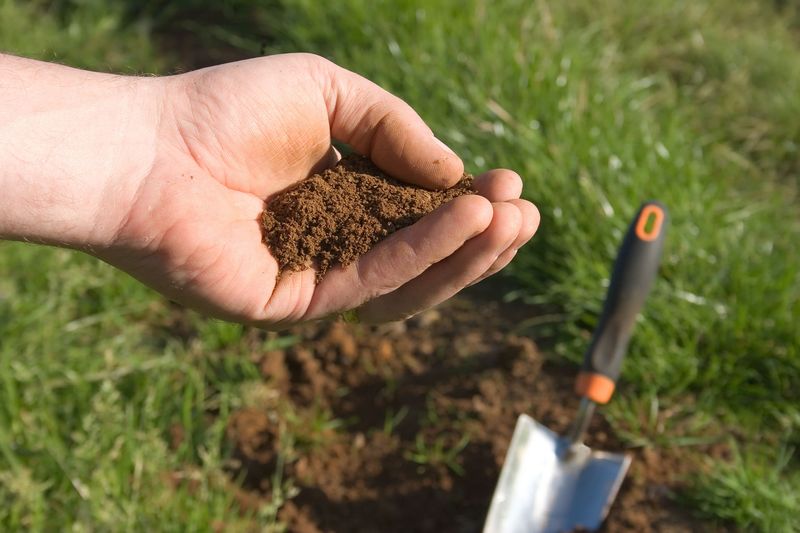
Before you plant anything, it pays to know exactly what you are working with. A soil test tells you the pH level and nutrient content of your soil, giving you a clear picture of what needs fixing before the Texas heat sets in.
Skipping this step is like cooking a recipe without reading the ingredients first.
You can buy a basic soil test kit at most garden centers for just a few dollars. For a more detailed report, your local Texas A&M AgriLife Extension office offers professional soil testing services that are affordable and very accurate.
Either way, getting this information early saves you from guessing. Most vegetables and flowers in Texas prefer a soil pH between 6.0 and 7.0. If your soil is too acidic, adding lime will help raise the pH.
If it is too alkaline, sulfur can bring it back down. Making these adjustments before summer gives the amendments time to work their way into the soil properly.
Nutrient deficiencies are also common in Texas soils. Low nitrogen, phosphorus, or potassium can stunt plant growth and make plants weaker when heat stress hits. Your soil test results will tell you exactly which nutrients to add and in what amounts.
Taking this step removes all the guesswork from your gardening routine. When you know your soil is balanced and ready, you can plant with confidence knowing your garden has the best possible foundation to handle whatever the Texas summer throws at it.
3. Mulch Early And Generously
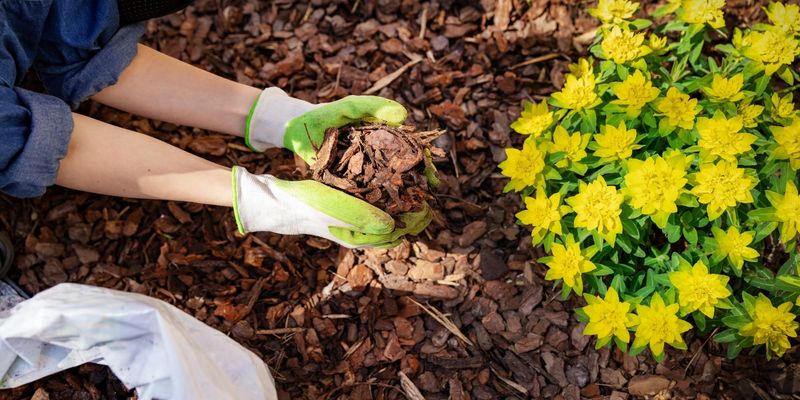
Mulch might just be the most underrated tool in a Texas gardener’s toolkit. Spreading a thick layer of organic mulch around your plants before the hot months arrive can make a dramatic difference in how well your garden survives the season.
It is simple, affordable, and incredibly effective. A layer of 2 to 4 inches of mulch on top of your soil works like a shield.
It blocks the sun from baking the soil surface directly, which keeps the ground cooler and slows down evaporation significantly.
In Texas, where summer temperatures regularly push past 95 degrees, keeping moisture in the soil is a constant battle.
Wood chips, straw, shredded leaves, and bark mulch are all great options. Each one breaks down slowly and adds organic matter to the soil over time, which is a bonus on top of the moisture-saving benefits.
Straw is especially popular among Texas vegetable gardeners because it is lightweight and easy to spread.
Apply your mulch early, before the hottest weather arrives. Putting it down in late spring gives it time to settle and start doing its job before temperatures peak.
Make sure to keep mulch a few inches away from plant stems to prevent rotting at the base.
Mulching also suppresses weeds, which compete with your plants for water and nutrients. Fewer weeds mean less work for you during the hottest part of the year. That alone makes this step well worth the effort in any Texas garden.
4. Improve Drainage And Break Up Compacted Soil
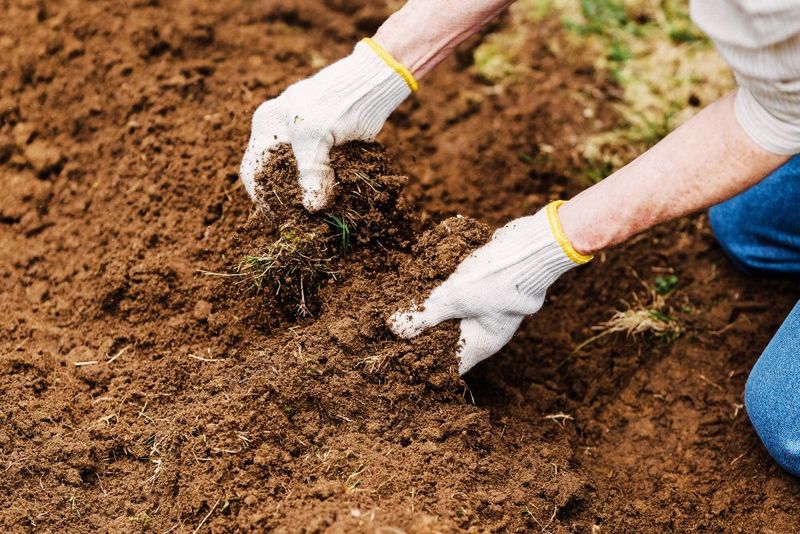
Compacted soil is a silent problem that sneaks up on many Texas gardeners. When soil gets packed down tight, water cannot soak in properly and roots struggle to push through.
Loosening your soil before summer arrives gives roots the room they need to grow deep and find water on their own.
Use a garden fork or a tiller to break up the soil to a depth of about 8 to 12 inches. This is especially important if you have not worked your garden beds in a while or if you have heavy foot traffic around your planting areas.
You will likely notice the soil feels very different after just one good pass with a fork.
Texas is well known for its heavy clay soils, especially in areas like the Dallas-Fort Worth Metroplex and Central Texas. Clay holds heat and moisture but drains poorly, which can cause roots to rot during wet spells and bake during dry ones.
Breaking it up and adding amendments like gypsum helps create a much healthier texture.
Good drainage also prevents standing water from pooling around plant roots after summer thunderstorms. Texas weather can flip quickly from scorching dry heat to sudden heavy rain, and soil that drains well handles both extremes much better.
If your garden space is small, a basic digging fork works perfectly. For larger areas, a rear-tine tiller makes the job faster and easier.
Either way, loosening compacted soil is one of the most physically impactful steps you can take to protect your garden before summer begins.
5. Incorporate Slow-Release Fertilizer
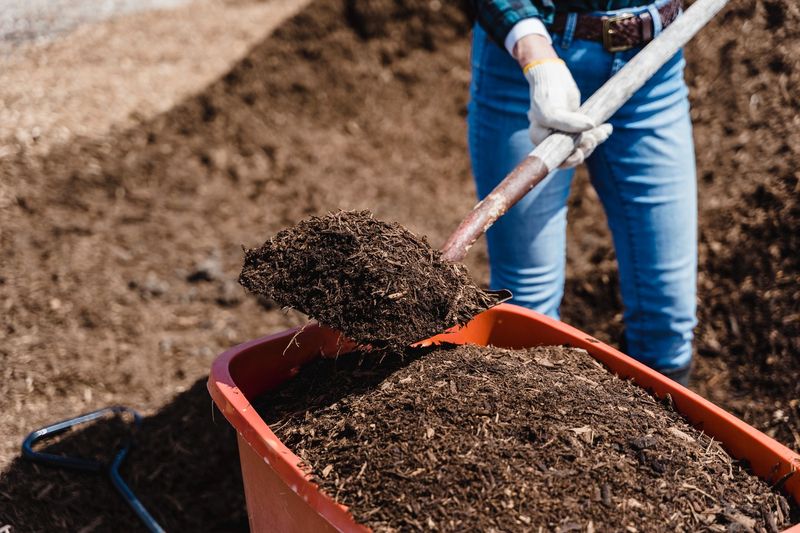
Feeding your soil the right way before summer is just as important as watering it. Slow-release fertilizers are specially designed to break down gradually over several weeks or months, giving your plants a steady supply of nutrients rather than one big burst.
That steady feeding is exactly what plants need to stay strong through the long Texas summer.
Fast-release fertilizers can actually cause problems in extreme heat. When temperatures spike, a sudden flood of nitrogen can stress plant roots and cause leaf burn.
Slow-release formulas avoid this problem entirely because they release nutrients at a pace that matches how quickly plants can absorb them.
Look for fertilizers labeled as slow-release or controlled-release at your local Texas garden center. Products with a balanced NPK ratio, like 10-10-10 or 14-14-14, work well for most vegetables and flowering plants.
Some gardeners also mix in organic fertilizers like bone meal or blood meal for an extra nutrient boost.
Work the fertilizer into the top few inches of soil before planting. This places the nutrients right where new roots will grow, making it easier for plants to access what they need as they become established.
Avoid over-applying, as too much fertilizer can do more harm than good. Starting the season with a solid nutrient foundation means you will need to fertilize less often during the summer months.
Your plants will be better equipped to handle heat stress, drought conditions, and the general challenges that come with gardening in the Texas climate.
6. Water Deeply Before Heat Sets In
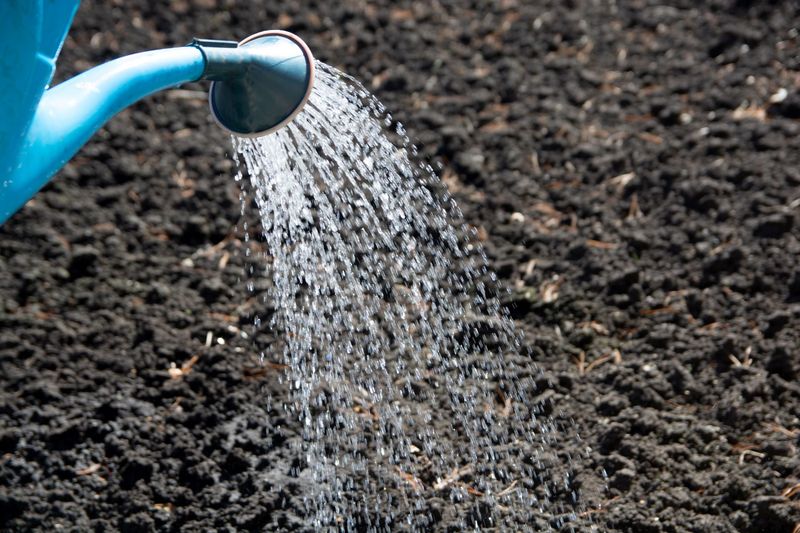
Most people wait until the heat arrives to start thinking about watering, but getting moisture deep into the soil before summer is one of the smartest moves you can make.
Pre-moistening your garden encourages plant roots to grow downward in search of water, which builds natural drought resistance over time.
Shallow watering trains roots to stay near the surface, where the soil dries out the fastest during hot Texas days.
Deep watering, on the other hand, pushes moisture down 8 to 12 inches into the ground, drawing roots deeper where temperatures stay cooler and water lasts longer. This simple habit changes how plants respond to heat stress.
Water slowly and thoroughly to give the soil time to absorb it properly. A soaker hose or drip irrigation system works especially well for this because it delivers water directly to the root zone without wasting it on the surface.
Setting it up before summer arrives in Texas is a game changer for any garden. Watering early in the morning is always the best timing. It gives the soil time to soak everything up before the afternoon heat causes rapid evaporation.
Evening watering can lead to moisture sitting on leaves overnight, which increases the risk of fungal issues.
A good deep watering session once or twice a week is far more effective than light daily sprinkles. Giving your soil a thorough soaking before the Texas heat peaks sets your entire garden up for a stronger, more resilient growing season from start to finish.
7. Build Raised Beds Or Amend Heavy Clay Soil
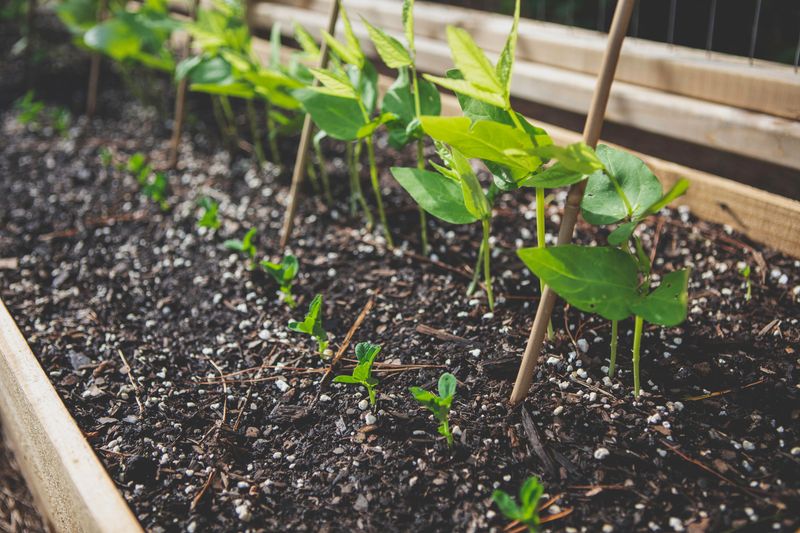
Anyone who has tried to garden in Texas clay soil knows the struggle. It bakes rock hard in the summer sun, cracks into chunks, and makes it nearly impossible for roots to spread out comfortably.
Building raised beds or amending your existing clay soil can completely transform your gardening experience in the Lone Star State.
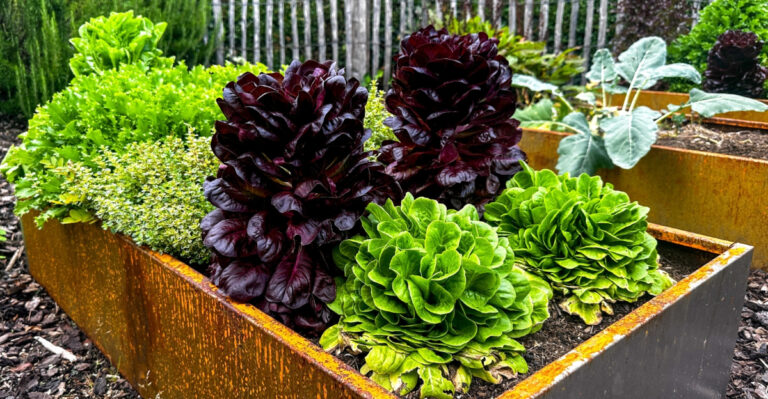
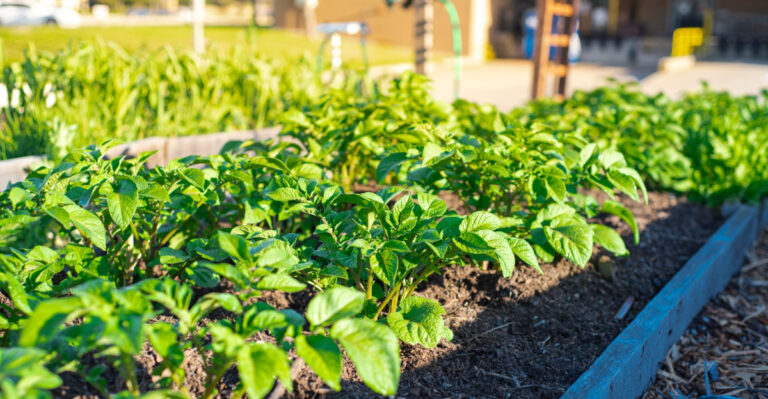
Raised beds give you full control over your soil quality from day one. You fill them with a custom mix of topsoil, compost, and other amendments, creating the perfect growing environment regardless of what the native ground looks like underneath.
Raised beds also drain better and warm up faster in the spring, giving you a longer growing window.
If building raised beds is not in your plans right now, amending your existing clay soil is the next best thing. Adding gypsum helps break up clay particles and improves drainage without changing the soil pH.
Mixing in generous amounts of compost also loosens clay over time, making it more workable and root-friendly.
Sandy soils, found in parts of East and West Texas, have the opposite problem. They drain too quickly and hold very little water or nutrients.
Adding compost and organic matter to sandy soil improves its ability to retain both, making it much more supportive of plant growth during the dry summer months.
Whether you build raised beds or amend your soil in place, the goal is the same: create a loose, well-draining, nutrient-rich environment where roots can thrive even when Texas temperatures are at their most intense. Your plants will thank you all season long.