How To Prune Fig Trees For Healthier Growth And Bigger Harvests In Texas
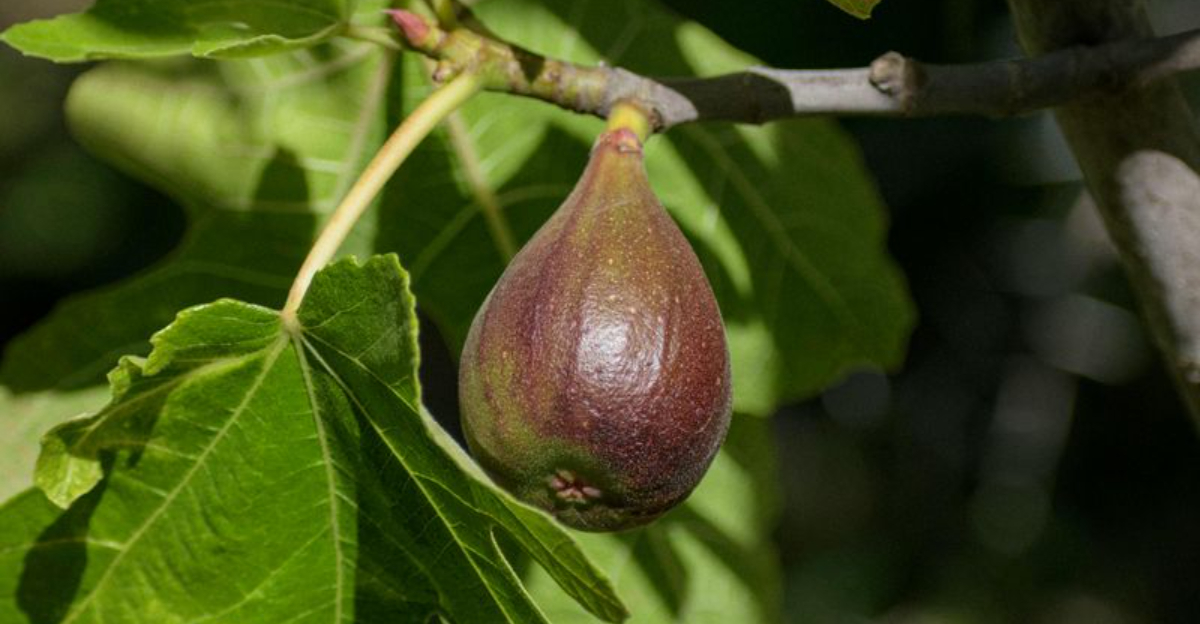
Fig trees thrive in Texas heat, but without proper pruning, they can quickly become overgrown, unproductive, or vulnerable to disease.
Many homeowners hesitate to cut back branches, worried they’ll harm the tree or reduce fruiting.
In reality, strategic pruning encourages stronger growth, improves air circulation, and leads to larger, sweeter harvests.
Texas conditions add another layer, since timing and technique matter more in regions with mild winters and intense summers.
Knowing when to prune, how much to remove, and which branches to keep makes a noticeable difference year after year.
With the right approach, fig trees stay manageable, healthier, and far more generous.
This guide breaks down practical pruning steps tailored for Texas gardeners who want thriving trees and consistently abundant fruit.
Prune During The Dormant Season For Best Results
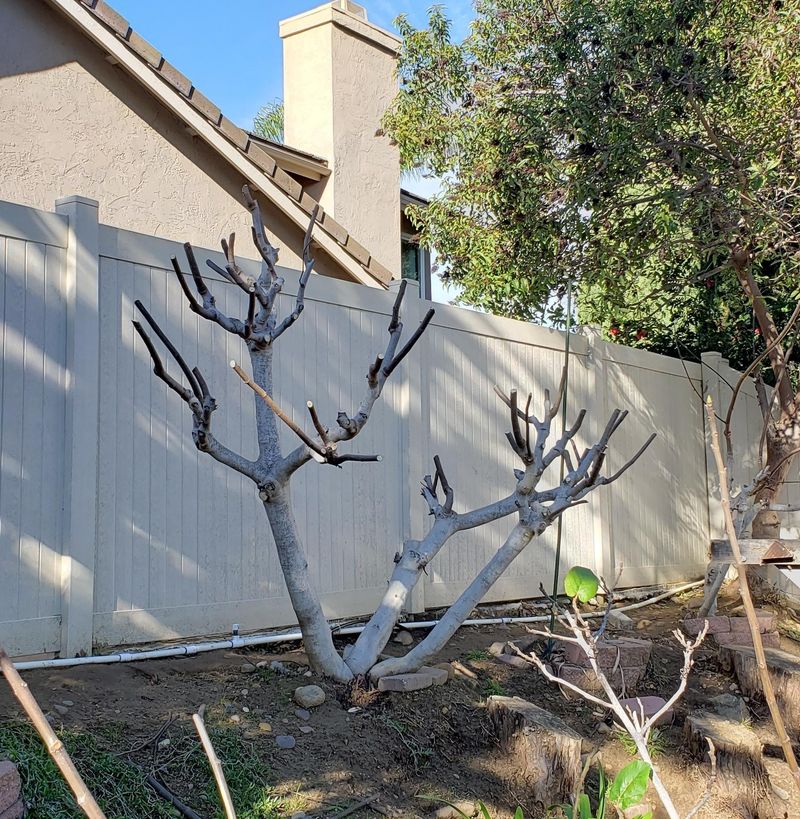
Winter offers the perfect window for pruning fig trees because the plant rests and conserves energy during these cooler months throughout Texas regions.
Cutting branches when trees are dormant minimizes stress and prevents sap loss that can weaken the plant or attract unwanted pests nearby.
Late January through early March works best in most Texas areas, though timing varies slightly depending on your specific climate zone and weather.
Avoid pruning too early when hard freezes might still occur, as fresh cuts become vulnerable to damage from unexpected cold snaps here.
Dormant pruning also lets you see the tree structure clearly without leaves blocking your view of crowded or crossing branches that need removal.
Trees bounce back faster in spring after dormant-season cuts, channeling energy directly into new growth and fruit production rather than healing wounds.
Texas gardeners find this timing particularly effective since fig trees often experience mild winters that encourage earlier spring growth compared to northern states.
Mark your calendar each year to establish a consistent pruning routine that keeps your fig tree healthy and productive season after season reliably.
Remove Withered And Damaged Wood First
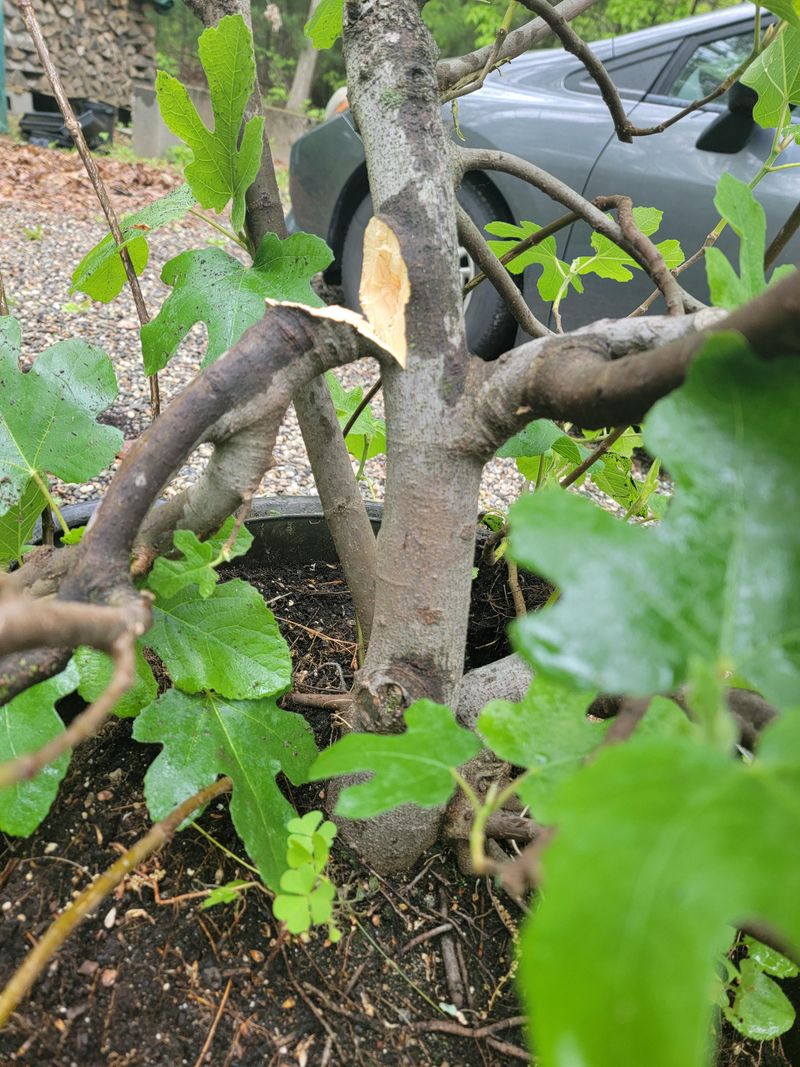
Starting with damaged branches clears away problem areas that drain resources and create entry points for diseases or harmful insects in your tree.
Withered wood appears brittle, discolored, and lacks the greenish layer underneath the bark that signals healthy living tissue in fig tree branches.
Broken limbs from storms or heavy fruit loads should go immediately since they rarely recover and often develop rot that spreads to surrounding areas.
Inspect your entire tree carefully, looking for cracks, splits, or branches that feel hollow when you tap them gently with your pruning tool.
Cutting back to healthy wood ensures the tree focuses energy on productive growth rather than trying to repair sections that cannot bounce back.
Texas weather brings intense storms and occasional ice events that damage fig branches, making this step especially important for local gardeners each year.
Use clean, sharp tools to make smooth cuts that heal quickly, preventing infection and promoting faster recovery as spring growth begins anew.
Removing compromised wood first also gives you a clearer picture of the tree’s overall shape before you start thinning or shaping remaining branches.
Thin Out Crowded Branches To Improve Airflow

Dense canopies trap moisture and block sunlight from reaching inner branches, creating conditions where fungal problems and weak growth often develop over time.
Opening up the center allows air to circulate freely, which dries leaves faster after rain and reduces the risk of diseases common in humid conditions.
Look for branches that cross over each other or grow inward toward the trunk, then remove the weaker one to eliminate rubbing that damages bark.
Spacing branches apart also ensures each limb receives adequate sunlight needed for photosynthesis, which directly impacts fruit quality and overall tree vigor here.
Texas summers bring high humidity along with heat, making good airflow essential for preventing issues like rust or leaf spot on your fig trees.
Thinning cuts should remove entire branches back to their point of origin rather than leaving stubs that look messy and invite rot or pests.
Step back frequently while working to assess your progress from different angles, ensuring you create balanced spacing throughout the entire canopy structure evenly.
Proper thinning transforms a tangled mess into an organized framework where every branch has room to thrive and produce abundant fruit each season successfully.
Cut Back Vigorous Suckers At Ground Level
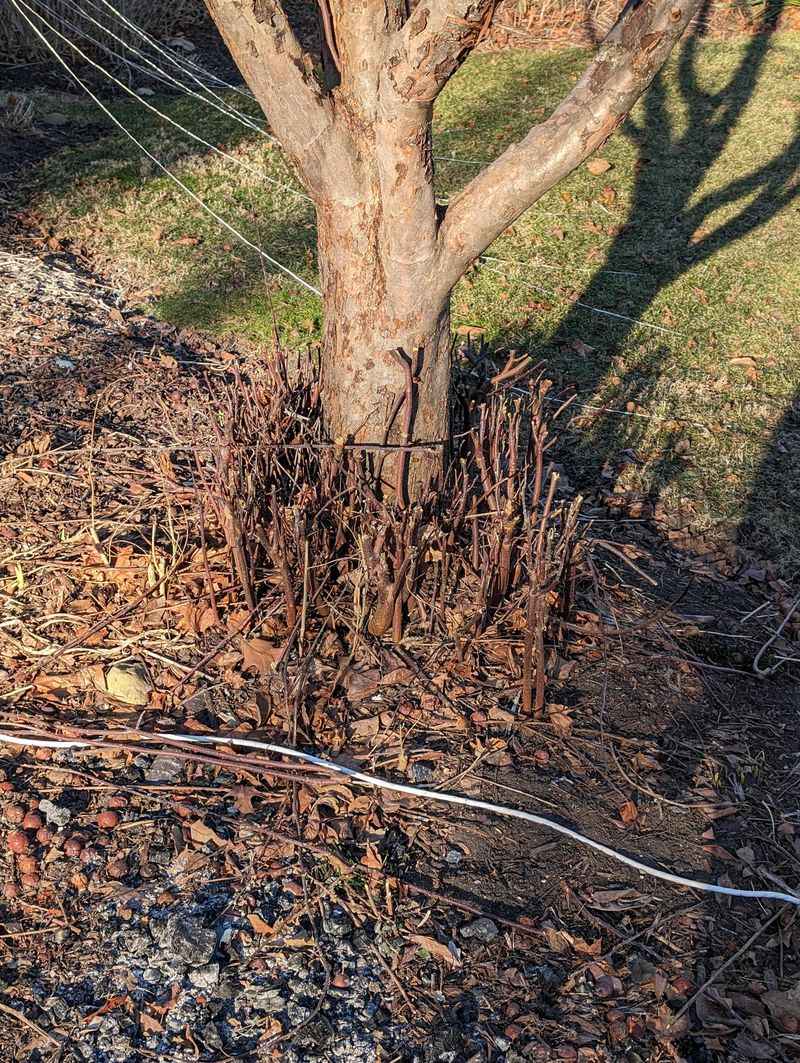
Suckers are shoots that sprout from the roots or lower trunk, stealing nutrients and energy that should support main branches and fruit production instead.
These fast-growing stems rarely produce quality fruit and create a bushy, unmanageable appearance that makes maintenance difficult as they multiply rapidly over time.
Removing suckers as soon as they appear keeps your tree focused on developing strong scaffold branches that form the permanent framework of the plant.
Cut them flush with the trunk or root surface using sharp pruners, avoiding leaving any stub that might encourage regrowth in the same spot.
Check around the tree base regularly throughout the growing season since suckers can emerge quickly, especially after pruning or when trees experience stress conditions.
Texas soil conditions and warm weather often trigger aggressive sucker growth, requiring vigilant monitoring to keep your fig tree neat and properly shaped year-round.
Some gardeners mistakenly let suckers grow, thinking they add fullness, but they actually compete with productive wood and reduce overall harvest quality significantly.
Consistent removal trains your tree to direct energy upward into fruit-bearing branches rather than wasting resources on unwanted shoots that clutter the base area.
Maintain An Open Vase Or Bush Shape

Shaping your fig tree into an open vase or multi-stemmed bush creates a strong structure that supports heavy fruit loads while allowing sunlight penetration throughout.
Select three to five main scaffold branches that radiate outward from the trunk at different angles, then remove competing stems to establish this framework early.
This shape naturally prevents overcrowding in the center while distributing weight evenly, reducing the risk of branches breaking under the burden of ripe figs.
Texas fig trees often grow vigorously due to long growing seasons, making deliberate shaping essential to prevent them from becoming unruly and difficult to manage.
Encourage outward growth by pruning back inward-facing branches and selecting cuts that promote buds pointing away from the tree’s central trunk or core.
An open structure also makes harvesting easier since you can reach fruit without fighting through tangled branches or risking damage to developing figs nearby.
Young trees benefit most from early shaping, but older specimens can be gradually reformed over several seasons with patient, strategic pruning cuts each winter.
Visualize your desired shape before making cuts, removing one branch at a time and stepping back frequently to evaluate your progress and adjust accordingly.
Limit Height For Easier Harvesting And Maintenance
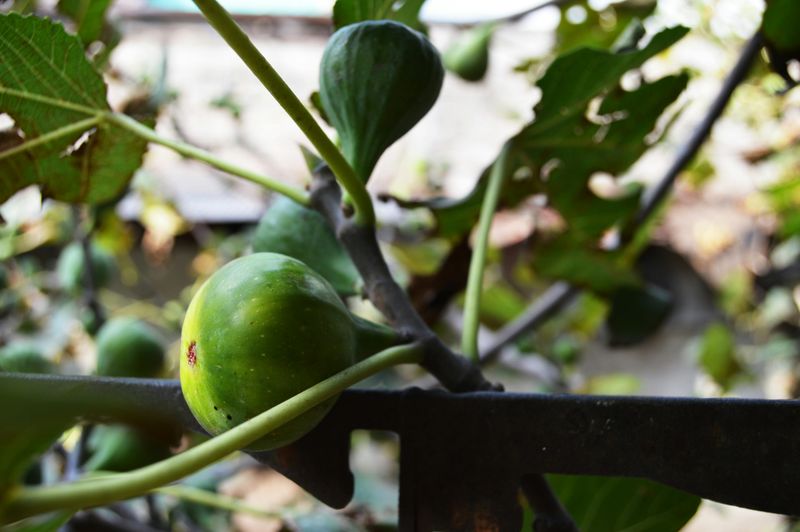
Keeping your fig tree at a manageable height makes picking fruit safer and simpler while reducing the need for ladders or special equipment during maintenance.
Most home gardeners find that maintaining trees between six and eight feet tall provides excellent production without creating accessibility challenges throughout the growing season.
Prune back tall vertical branches by cutting them to outward-facing lateral shoots, which redirects growth sideways rather than continuing upward indefinitely over time.
Texas winds can topple overly tall fig trees or break their branches, especially when loaded with heavy fruit during summer harvest periods here annually.
Lower trees also fare better during occasional winter freezes since cold air settles near ground level, making shorter specimens easier to protect with covers.
Regular height control prevents the tree from outgrowing its space in smaller yards or competing with structures, fences, and other plants planted nearby.
Don’t worry about reducing production by limiting height since proper pruning actually concentrates energy into remaining branches, improving fruit size and quality measurably each year.
Establish your preferred maximum height early and maintain it consistently through annual pruning, making small adjustments easier than drastic cuts on overgrown specimens later.
Sterilize Tools Between Cuts To Prevent Disease Spread
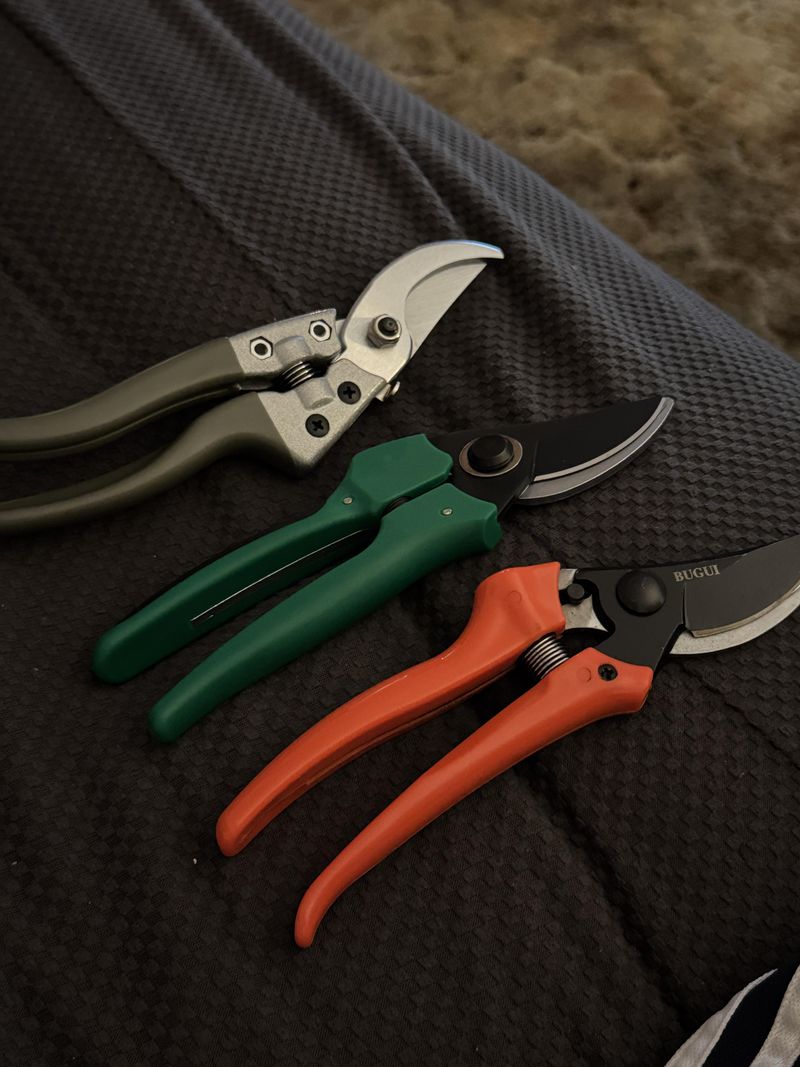
Clean tools prevent transferring diseases, fungi, or bacteria from one branch to another, which can quickly spread infections throughout your entire tree during pruning.
Wipe blades with rubbing alcohol or a diluted bleach solution between major cuts, especially when moving from diseased wood to healthy sections of the plant.
This simple step takes only seconds but dramatically reduces the risk of introducing problems that could compromise your tree’s health for entire growing seasons.
Sharp, sterilized tools also make cleaner cuts that heal faster, creating smooth surfaces less vulnerable to infection compared to ragged tears from dull blades.
Texas humidity and warmth create ideal conditions for pathogens to thrive, making tool sanitation particularly important in this climate throughout the pruning process consistently.
Keep a small spray bottle filled with rubbing alcohol in your pocket or tool belt for quick, convenient sterilization as you work around the tree.
Some gardeners prefer disposable alcohol wipes that clean blades thoroughly without needing separate bottles or cloths, offering convenience during longer pruning sessions outdoors today.
Proper tool care protects your investment in both equipment and trees, ensuring your fig remains healthy and productive for many years without preventable disease issues.
Avoid Heavy Summer Pruning In Texas Heat
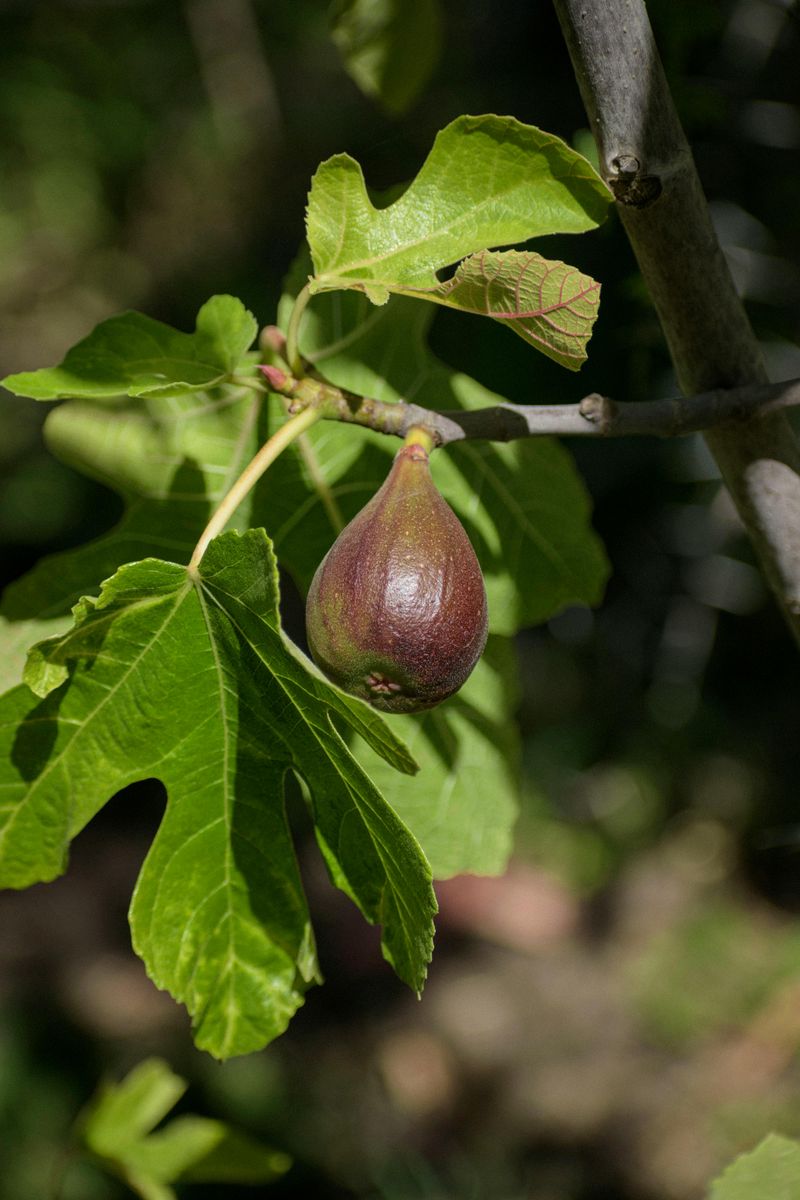
Summer pruning removes leaves that shade branches and fruit from intense Texas sun, potentially causing sunscald damage on exposed bark and developing figs below.
Trees need their full canopy during hot months to produce energy through photosynthesis and maintain adequate moisture levels in tissues throughout the plant.
Cutting branches during active growth also triggers new shoots that drain energy better spent on ripening fruit already developing on existing wood this season.
Limit summer pruning to removing broken branches or light thinning of water sprouts, saving major structural work for the dormant season when trees rest.
Texas temperatures regularly exceed ninety-five degrees during summer, creating stress conditions where pruning wounds heal slowly and become vulnerable to problems like borers or beetles.
Fresh cuts expose moist inner wood that attracts insects seeking water and breeding sites, particularly during extended dry periods common across the state annually.
If you must remove something during summer, do it early morning when temperatures are coolest and trees experience less immediate stress from the cuts.
Wait patiently for winter dormancy to tackle significant pruning tasks, allowing your tree to focus summer energy on producing the biggest, sweetest harvest possible this year.
Encourage Fruit Production On Second-Year Wood
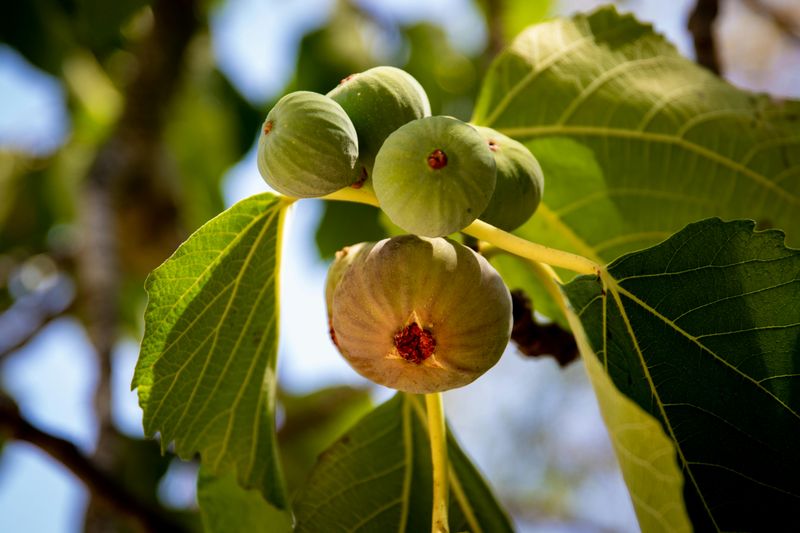
Fig trees produce their main crop on wood that grew during the previous season, making it essential to preserve these branches during your pruning sessions.
First-year shoots are typically thin, green, and flexible, while second-year wood appears thicker, woody, and develops the buds that bloom and set fruit.
Removing too much older wood reduces your harvest significantly since these branches carry the majority of fruit-producing buds that mature into figs each summer.
Focus pruning efforts on shaping the tree and removing problem areas while retaining healthy second-year branches that will deliver your best yields this season.
Texas fig varieties like Celeste and Texas Everbearing rely heavily on this pattern, though some types also produce earlier crops on current-season growth.
Balance is key since completely avoiding cuts on older wood leads to overcrowding, but removing too much sacrifices productivity you’ve worked all year to develop.
Learn to identify different wood ages by examining bark color, branch thickness, and bud development, which helps you make informed decisions while pruning carefully.
Strategic pruning that respects fruit-bearing wood ensures you enjoy abundant harvests while maintaining a healthy, well-shaped tree that performs reliably every growing season ahead.
Apply Light Fertilizer After Pruning To Support Recovery
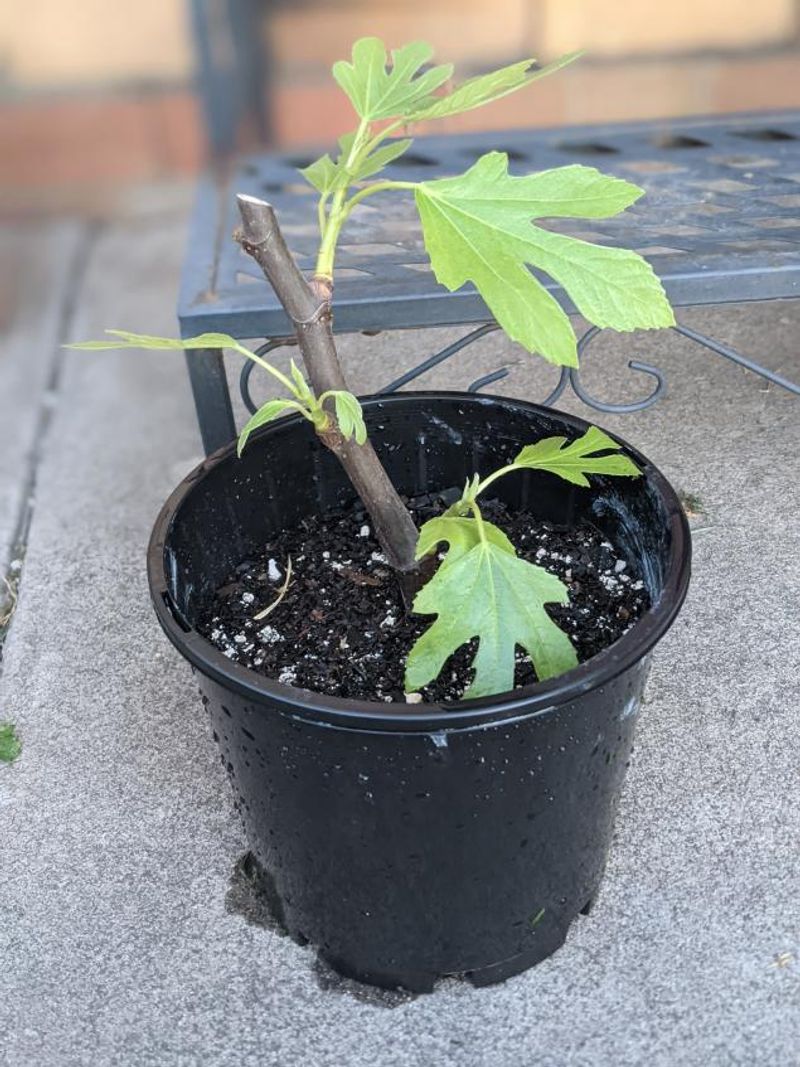
Feeding your fig tree after pruning provides nutrients that support rapid healing of cuts and encourages vigorous new growth as spring temperatures warm up.
Use a balanced fertilizer with equal nitrogen, phosphorus, and potassium ratios, applying it according to package directions around the tree’s drip line where feeder roots concentrate.
Avoid placing fertilizer directly against the trunk since concentrated nutrients can burn bark and create entry points for diseases or pests seeking vulnerable spots.
Organic options like compost or aged manure work wonderfully for fig trees, releasing nutrients slowly throughout the growing season without risking chemical burn damage.
Texas soils vary widely from alkaline clays to sandy loams, so testing your soil helps determine specific nutrient needs for optimal tree health and performance.
Water thoroughly after applying fertilizer to help nutrients penetrate the root zone where they become available for absorption and use by the recovering tree.
Timing matters since feeding too early before the last freeze risks promoting tender new growth that cold snaps can damage before spring truly arrives.
Proper post-pruning nutrition sets your fig tree up for success, fueling the strong spring growth that leads to healthy branches and the biggest harvests possible later.