The Fall Task That Determines How Many Tulips You Get Next Spring
Rushing this chilly chore can shrink your April display. Shallow planting leaves you with foliage but few flowers, or weak bulbs.
Dig deeper than feels natural, and tuck each bulb in with its pointed tip skyward. Wait until soil cools, because warm ground invites fungal disease and weak early growth.
Squirrels often notice freshly turned soil, and they return to dig. Defend your bulbs with a layer of chicken wire pressed over the soil.
Choose daffodils if you want bulbs that rodents tend to avoid. Work compost into heavy soil across the whole bed for sharper drainage.
Waterlogged bulbs can rot long before you ever spot a green tip. Water well after planting, then let winter chill prepare the blooms.
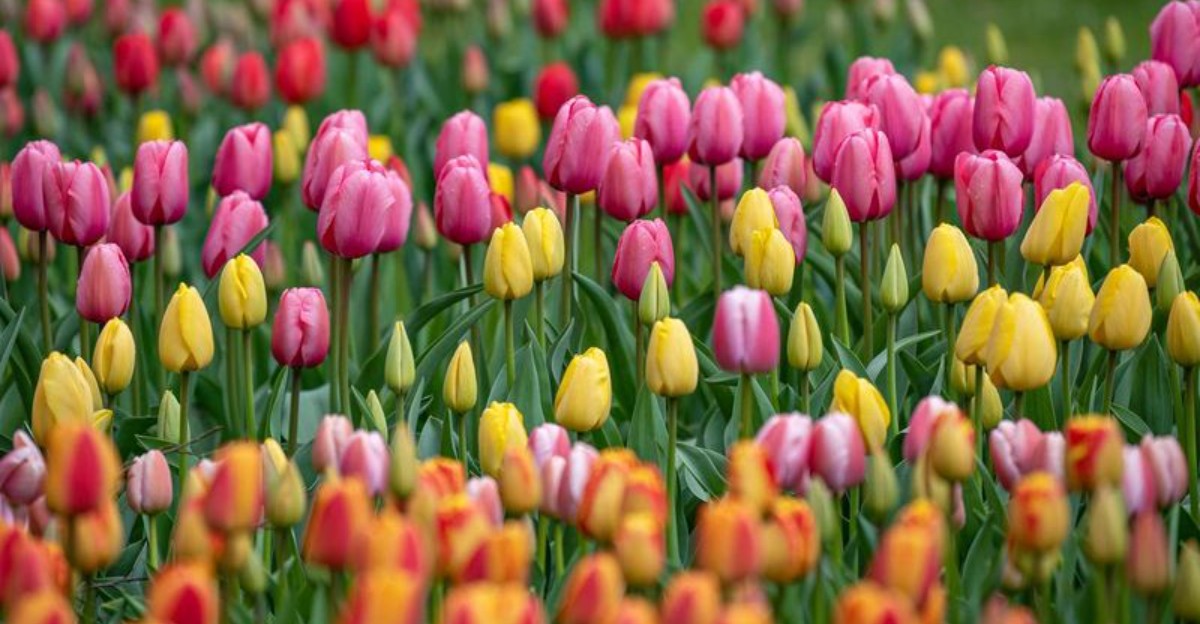
Do this job well and your neighbors may slow down to admire your beds. Picture crimson tulips glowing right at your doorstep.
Deep, Well-Timed Planting Helps Decide The Spring Count
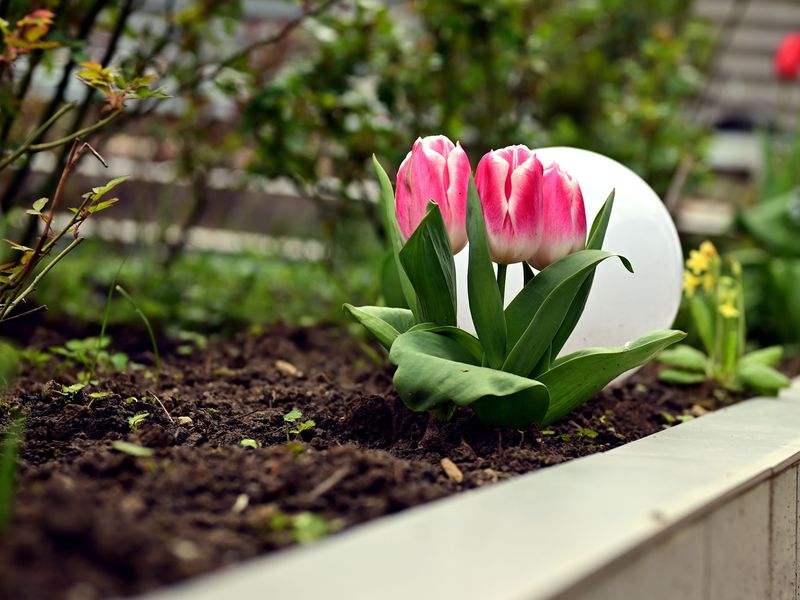
Picture a tulip bulb as a tiny packed lunchbox, stuffed with everything next year’s flower needs. How you tuck that lunchbox into the ground this fall decides how many blooms show up.
A major factor is depth, followed closely by timing and soil that drains well. Bulbs planted about six to eight inches deep give the strongest, most reliable flowers.
A good rule is to dig a hole three times as tall as the bulb itself. For many tulips, that lands around six inches from the soil surface to the bulb’s base.
Deep planting keeps bulbs cool and steady while the weather swings between warm days and frosty nights. It also makes them a little harder for some critters to reach, though barriers work better.
Shallow bulbs often send up leaves but skip the flower, or they split into small, weak bulbs. Gardeners call a leafy plant with no bloom a blind bulb.
Shallow planting is one cause, along with too little cold, weak bulbs, and heat or drought stress.
Timing matters just as much as the hole you dig with your trowel. Bulbs need roots growing before the ground freezes so they can drink and anchor themselves.
Think of fall planting as setting an alarm clock for spring. Placed at the right depth and time, the bulb wakes up rested and ready to show off.
Skip the guesswork by keeping a ruler or a marked bulb planter in your garden bucket. A few extra seconds per hole can mean a fuller display of color in April.
Cool Soil And The October Window
Experienced gardeners watch the thermometer, not the calendar, when tulip season rolls around. The magic happens when soil cools to about 55 degrees Fahrenheit or lower.
In most northern and middle parts of the country, that sweet spot lands in October. Southern gardeners may need to wait until late November or even December.
A simple soil thermometer is inexpensive and takes the mystery out of the decision. Push it about six inches down in the morning and read the number.
Planting too early, while the dirt still feels warm, can wake bulbs up before winter arrives. They may also develop disease or weak growth before the cold settles in.
Warm soil also invites fungus and mold, which love cozy, damp conditions around a fresh bulb. Cooler ground slows those organisms down and keeps your bulbs firm and healthy.
Waiting too long carries its own problems, though. Bulbs need roughly four to six weeks to grow roots before the ground freezes hard.
A handy clue is the first frost, which usually signals the window is wide open. Many gardeners aim to finish planting about six weeks before the ground locks up solid.
Bulbs bought early can wait in a cool, dry spot like a garage until the soil is ready. Keep them away from apples, which give off a gas that can harm the flower inside.
So grab a warm jacket and a mug of cider, and make a date with your flower beds. October afternoons are crisp, quiet, and just right for this job.
Shallow Holes And Other Costly Mistakes
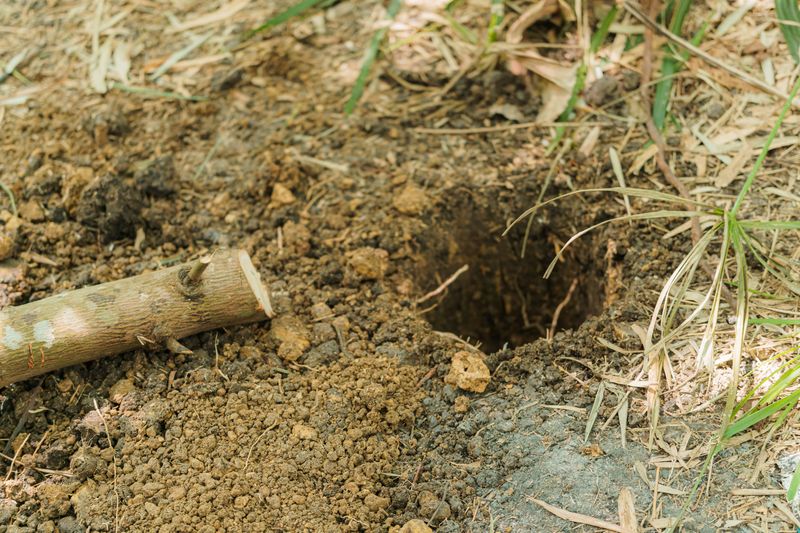
Few gardeners want to spend a chilly afternoon digging only to get a handful of flowers. Yet a few common slip-ups can reduce spring blooms.
A common mistake is digging too shallow because the ground feels hard or your arms feel tired. A four-inch hole may seem fine, but it leaves bulbs exposed and unstable.
Another classic error is planting bulbs upside down. The pointy tip should face up toward the sky, and the flat, hairy bottom faces down.
Crowding causes trouble too, since bulbs jammed together fight over water and food. Leave about four to six inches between each one for healthy growth.
Some folks toss in a big scoop of fresh manure, thinking extra food means extra flowers. Fresh manure can burn roots and invite rot, so skip it at planting time.
Forgetting to water after planting is a sneaky mistake that many beginners make. One deep drink helps settle the soil and wakes up the roots.
Then there is the bargain bin problem. Soft, moldy, or shriveled bulbs are a gamble, so squeeze each one before buying.
A healthy tulip bulb feels firm, like a small onion, with a smooth papery skin. If it squishes or smells musty, let it go.
Any gardener can make mistakes, even those with prize-winning yards. Learning them now means your spring garden can skip the disappointment.
Keep a simple checklist taped to your shovel handle if that helps you remember. Depth, direction, spacing, and water cover many of the big ones.
Drainage, Spacing, And Pointy Ends Up
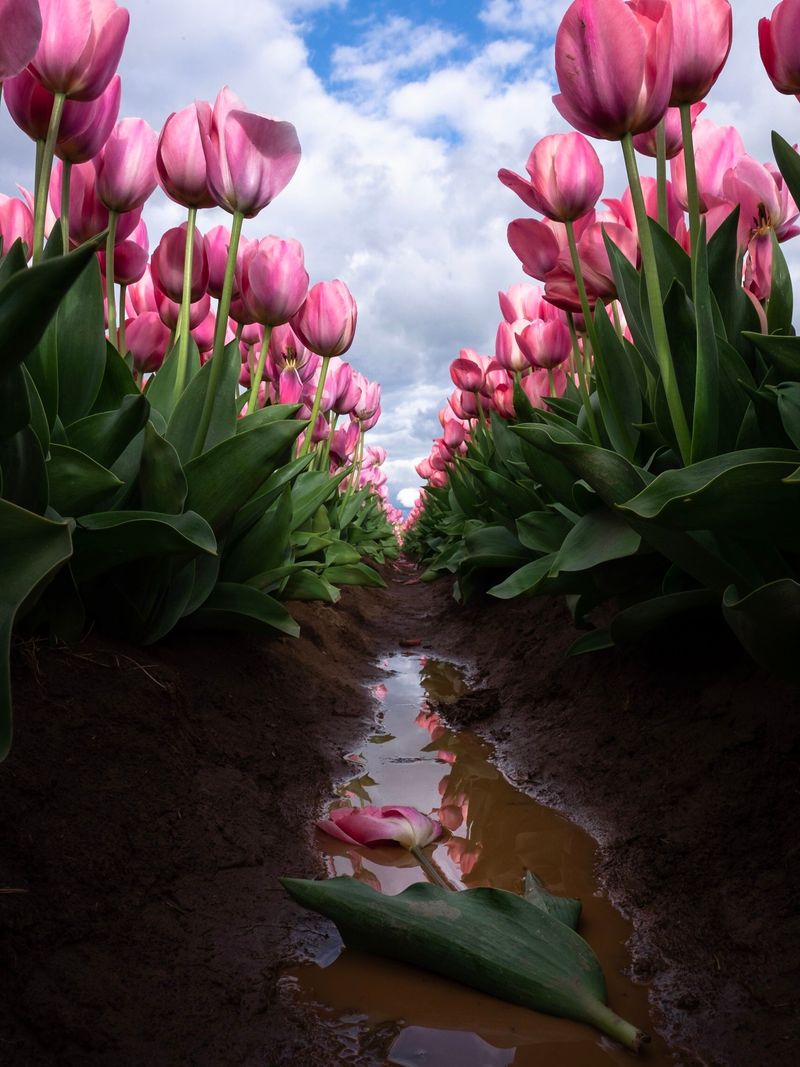
Waterlogged soil is a risk for tulip bulbs tucked into the ground. Bulbs sitting in puddles all winter often rot and fail to sprout.
Before you plant, dig a foot-deep hole and fill it with water. Let it drain, fill it again, and if the level drops about an inch per hour or faster, your drainage is in good shape.
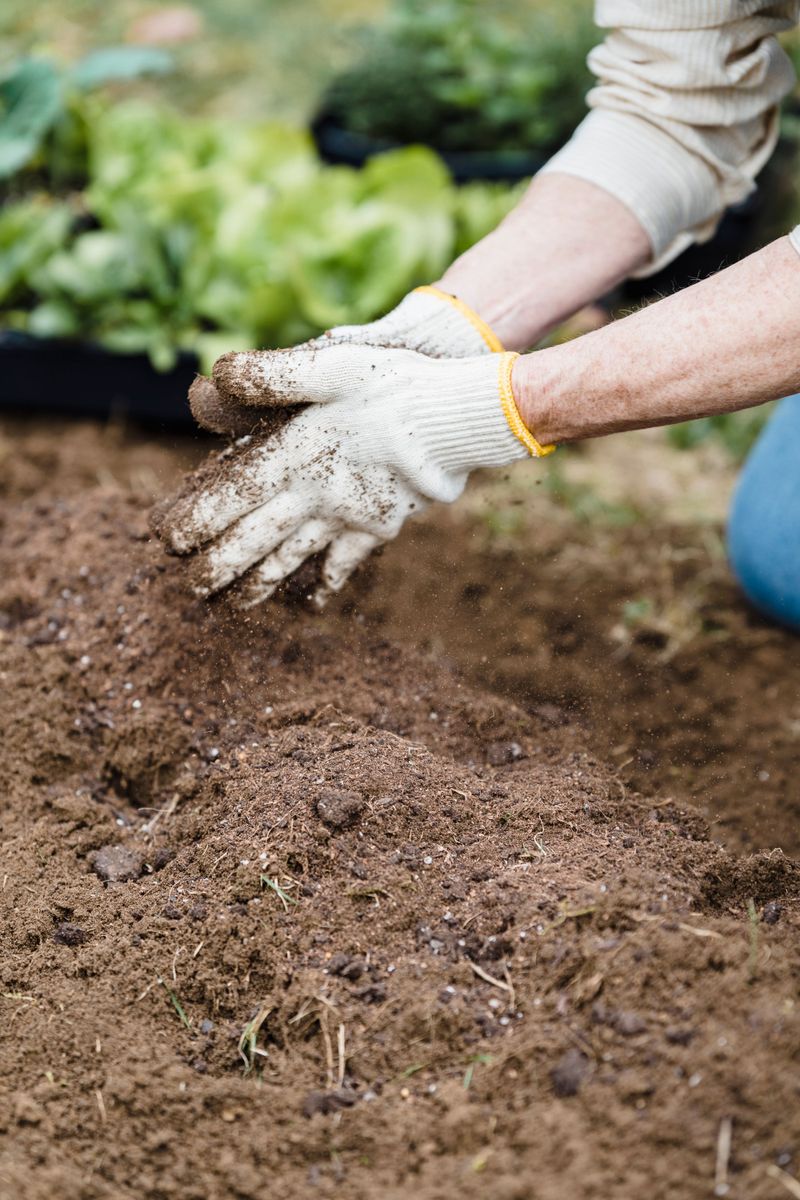
Heavy clay soil holds water like a sponge, so it needs some help. Mix in compost or fine bark to loosen it and let extra water escape.
Raised beds and large containers are smart choices for yards that stay wet. A gentle slope also works, since gravity pulls water away from the bulbs.
Once the hole is ready, sprinkle a little balanced bulb food at the bottom. Stir it into the loose soil so it does not touch the bulb directly.
Set each bulb in with the pointy end up, then press it gently into place. Leave about five inches between bulbs so roots have elbow room.
For a bold look, plant them in clusters of ten or more instead of single rows. Groups look like bouquets in spring, while long lines can look stiff.
Fill the hole, pat the soil firmly, and water deeply to remove air pockets. Finish with two inches of shredded leaves or mulch to keep the ground evenly cool.
Each of these small steps takes only minutes per hole. Your reward is sturdy stems and bright cups that stand tall when spring finally arrives.
A Cold Winter Rest Builds Strong Flowers
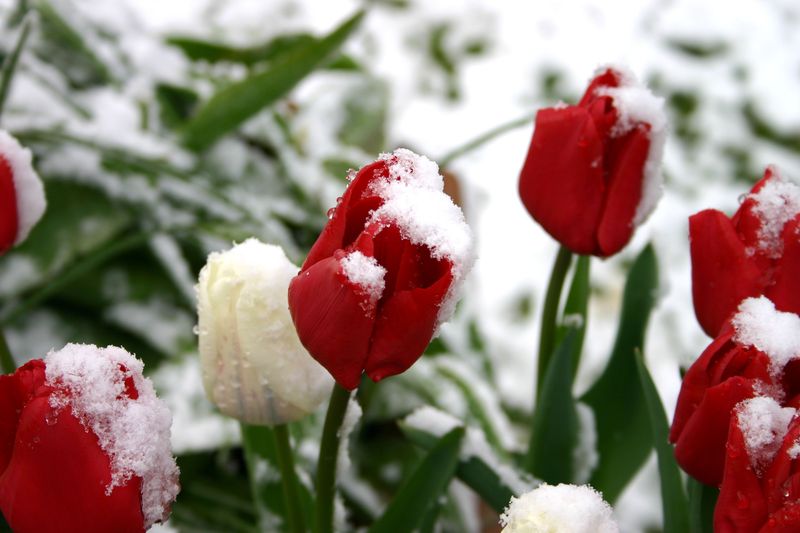
Tulips are a little like bears, because they need a long, cold nap before they perform. That chilly rest is what turns a plain bulb into a showy spring flower.
Scientists call this process vernalization, which is a fancy word for cold training. Most tulips need about twelve to sixteen weeks below roughly 45 degrees Fahrenheit.
During those weeks, the bulb sends roots down and slowly prepares its flower stem inside. Without enough cold, stems stay short and blooms may stay tucked inside the leaves.
Planting at the right depth helps here too. Deep soil protects bulbs from sudden warm spells that might trick them into growing too soon.
In warm areas, gardeners chill bulbs in the refrigerator for 10 to 12 weeks (at least eight) before planting. A paper bag in the crisper drawer works well, far from any fruit.
Back in the 1600s, tulips were so prized in Holland that single bulbs sold for a fortune. Historians call that speculative period Tulip Mania, though they debate how far it spread.
Your bulbs may not be worth a fortune, but proper care makes them feel valuable. A well-rested bulb often produces a thick stem, a big cup, and rich color.
Once spring arrives, the payoff shows up fast. In many regions, green tips poke through in March or April, and flowers open from April to May.
Leave the leaves standing after the blooms fade so they can refill the bulb with energy. That simple patience can help flowers return the following spring, though many hybrid tulips fade after the first year.
Protection From Squirrels, Voles, And Deer
Squirrels are quick to notice freshly turned soil, and fresh bulbs make an easy meal. A tidy new bed can look like an invitation to nearby critters.
Start by cleaning up after yourself. Papery bulb skins left on the ground act like breadcrumbs leading straight to your hard work.
Lay chicken wire with wide openings flat over the bed right after planting. Cover it with mulch, and the stems will grow through the gaps in spring.
For underground pests like voles, some gardeners mix sharp gravel into the soil around each bulb, though results vary. Others line holes with wire baskets, which work like tiny cages.
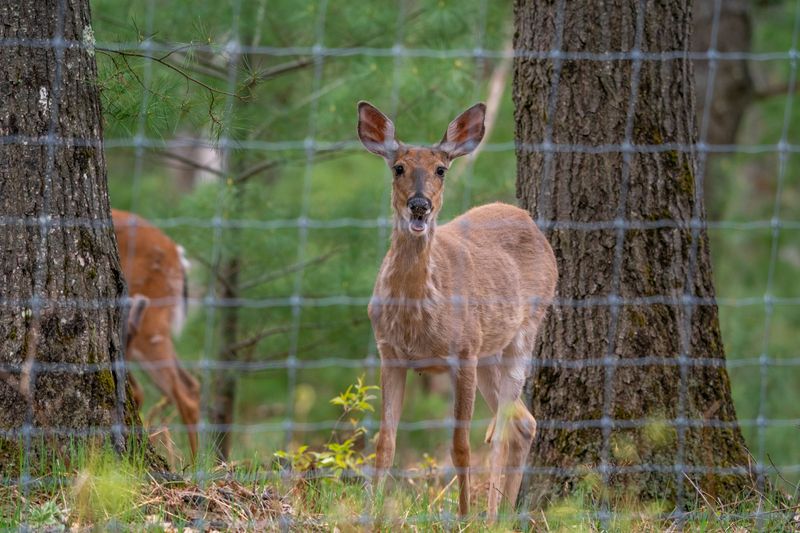
Deer usually wait until spring to nibble, munching tulip buds like candy. Repellent sprays with strong smells can help, though rain means you will need to reapply.
Planting daffodils nearby may help, since many animals avoid their bitter taste. They also add color, but keep them away from curious pets, because they are toxic.
Some gardeners sprinkle crushed red pepper on top to discourage diggers, though results vary. Skip blood meal, which can attract some animals, and refresh the pepper after storms.
Pets can be curious diggers too, especially dogs who watched you bury something. A short garden fence keeps paws away until the soil settles.
Keep an eye on your beds for the first two weeks after planting. Fresh holes or scattered soil mean something found your bulbs and needs stopping.
With a few barriers in place, your fall effort stays safe until spring. The squirrels can go find their own snacks in the oak trees.