How To Remove Freeze-Damaged Tips In Florida Gardens Without Causing More Stress
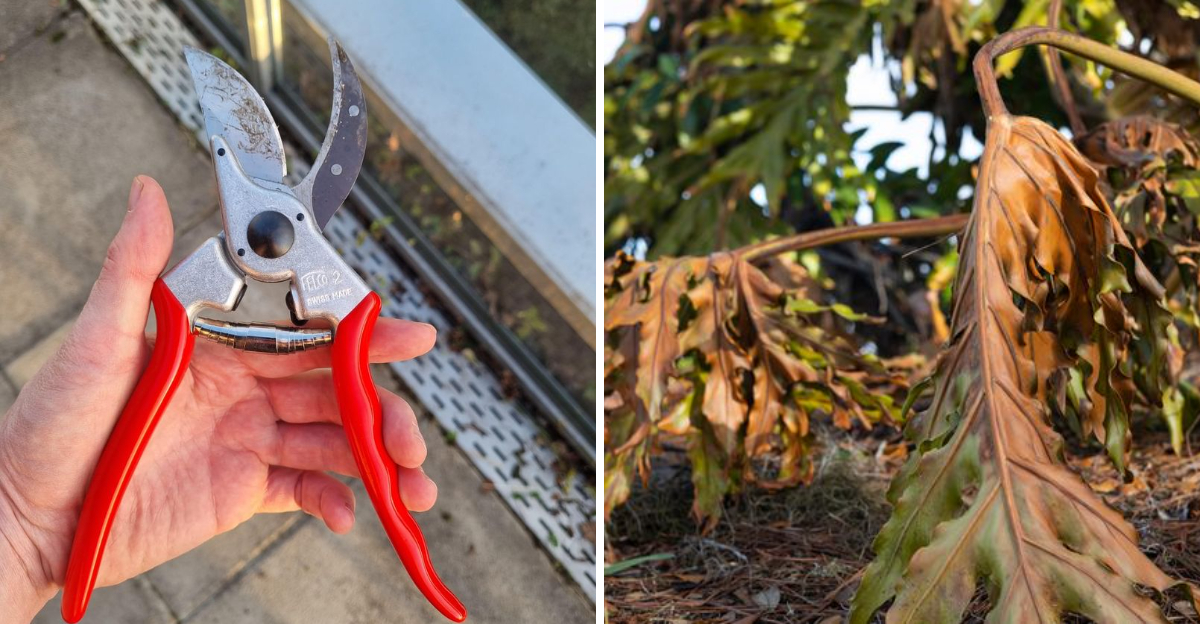
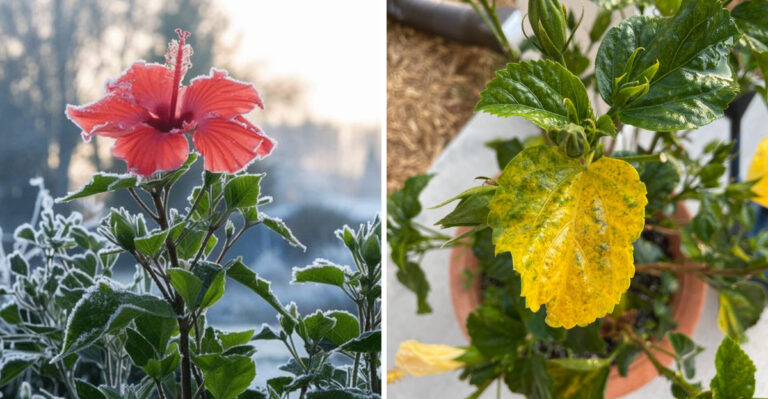
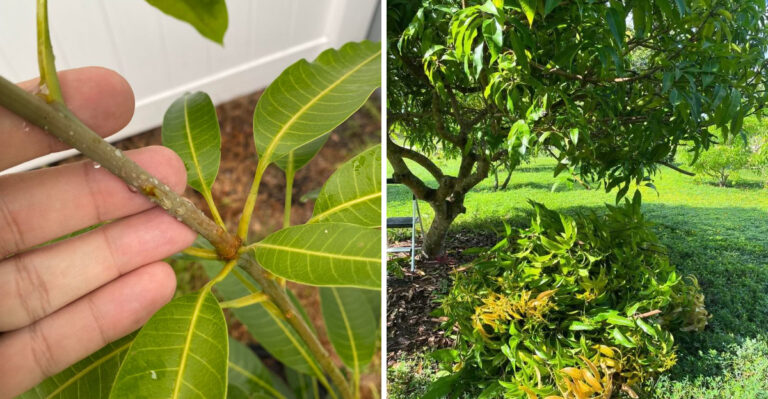
Frost just slammed your Florida garden, leaving brown, crispy tips and wilted leaves across plants that were thriving yesterday. Every frozen end is more than ugly, it slows growth, weakens stems, and steals energy from the parts that actually matter.
Grab your shears without a plan, and you risk stressing your plants even more. Handle them carefully in March, though, and those frost-bitten shrubs, perennials, and tender blooms can bounce back faster than you’d expect.
A few strategic snips remove damaged tissue, open up airflow, and give sunlight a chance to reach the healthy leaves beneath.
By taking the right steps now, your garden won’t just survive the cold, it will recover stronger, greener, and ready to explode with life once spring fully hits.
1. Assess Freeze Damage Slowly Before You Prune Anything
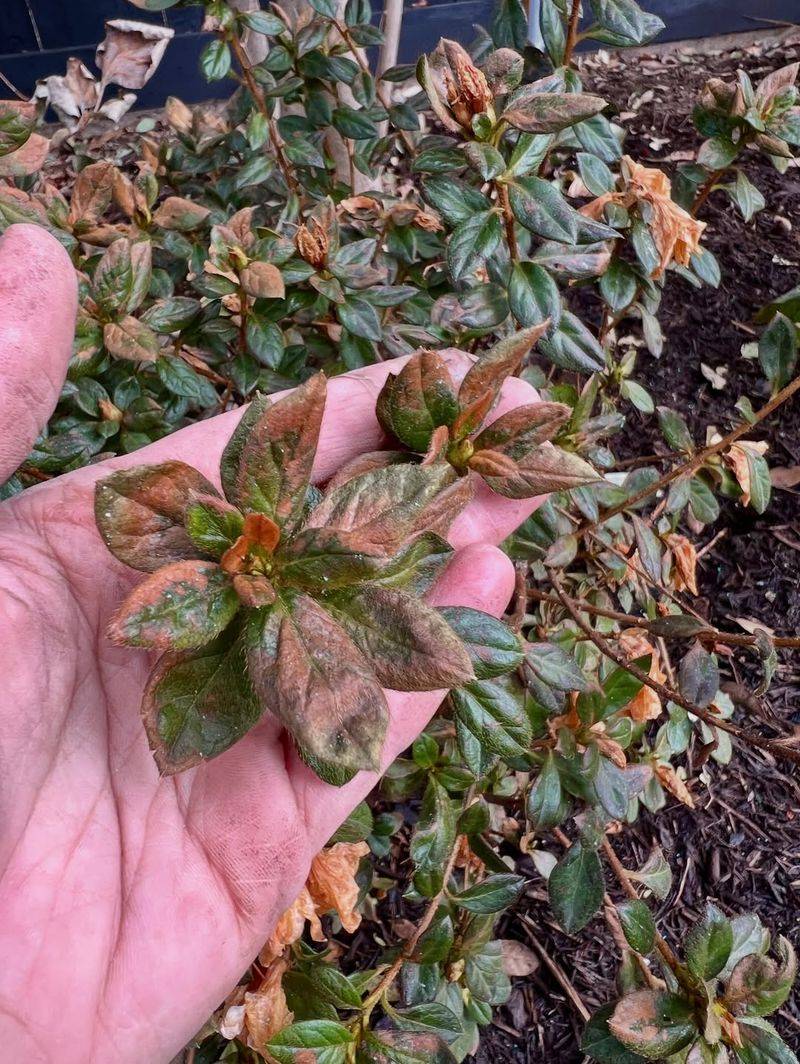
Patience is your most powerful tool after a Florida freeze. Many gardeners make the mistake of grabbing their clippers the morning after cold temperatures roll through South Florida, but that urgency can lead to unnecessary cuts that hurt the plant more than the freeze did.
According to UF/IFAS Extension, cold damage often looks far worse than it actually is during the first few days. Outer leaves and soft tips may appear completely ruined while the inner stems and roots remain perfectly healthy.
Waiting several days, or even a couple of weeks, gives you a much clearer picture of what truly needs to go.
A simple trick recommended by plant experts is to lightly scratch the bark or stem with your fingernail. Green tissue underneath means the plant is still alive and recovering.
Brown or black tissue signals actual damage. Florida gardeners who slow down during this assessment phase consistently save more of their plants and avoid the regret of cutting away growth that would have come back strong on its own.
2. Wait For New Growth To Reveal What Truly Needs Trimming
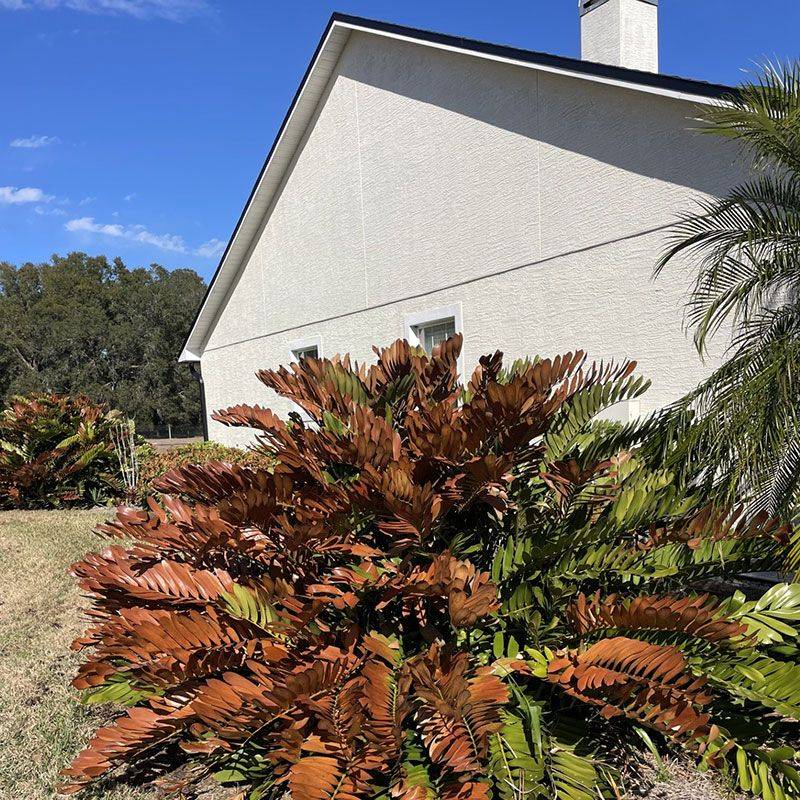
One of the smartest things a Florida gardener can do after a freeze is simply wait. New growth tells a story that no amount of visual inspection right after the freeze can match.
When fresh green shoots begin pushing out from the base or along the stems, they show you exactly where the living tissue ends and where the damaged tissue begins.
UF/IFAS Extension consistently advises homeowners across Florida to hold off on major pruning until new growth is clearly visible. This approach removes all the guesswork.
You no longer have to wonder if a stem is gone for good because the plant will show you the truth through its own recovery process.
South Florida gardeners dealing with cold-sensitive plants like bougainvillea, ixora, and croton should expect this waiting period to take anywhere from two to six weeks depending on temperatures. Rushing cuts before new growth appears risks removing buds that are quietly preparing to open.
Watching your plants slowly wake back up is genuinely one of the most rewarding parts of gardening in Florida, so enjoy the process and trust what you see.
3. Remove Only Clearly Damaged Tips To Protect Plant Health
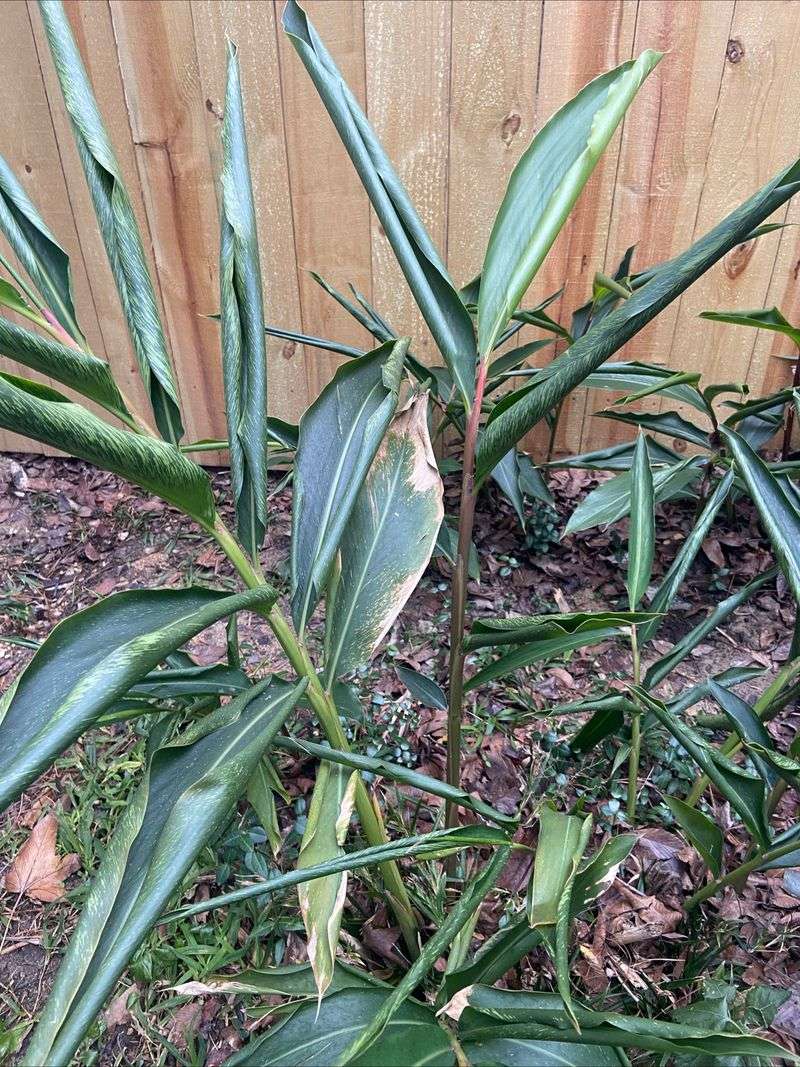
Precision matters more than speed when it comes to trimming freeze-damaged tips in Florida gardens. Once you have waited long enough to clearly identify damaged tissue, the goal is to remove only what is obviously gone, leaving every bit of healthy green growth untouched.
UF/IFAS guidance encourages gardeners to make clean cuts just above a healthy node or visible bud. Cutting too far back removes future growth points that the plant is counting on for its recovery.
South Florida plants like heliconias, gingers, and bananas often look completely destroyed on the outside but hold strong underground root systems ready to push new growth upward.
Work slowly and deliberately, removing brown, mushy, or crispy tips section by section rather than taking large chunks all at once. Step back frequently to evaluate your progress.
This mindful approach keeps the plant’s overall structure intact while clearing away the tissue that could invite fungal problems if left to sit too long. Florida’s warm humidity, while great for plant recovery, can also encourage mold on withered plant material, so timely but targeted removal strikes the right balance between caution and action.
4. Use Clean, Sharp Tools To Prevent Unnecessary Plant Stress
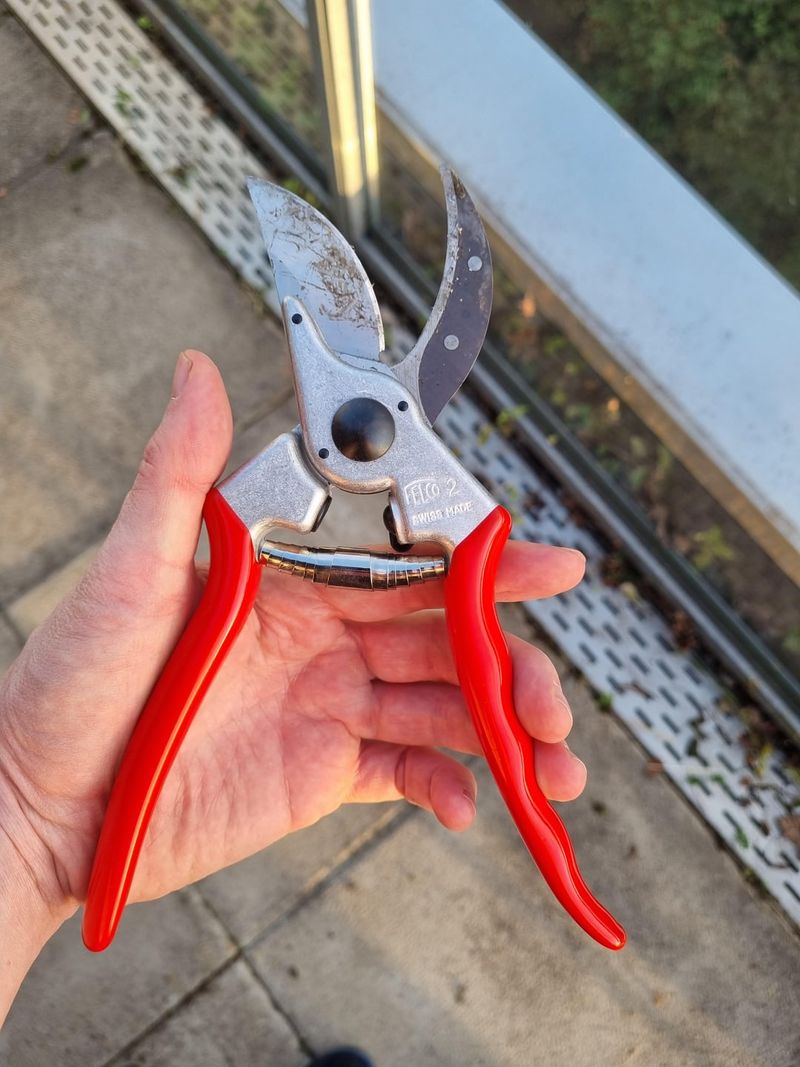
Every cut you make on a freeze-stressed plant is an open door for bacteria and fungal pathogens to enter. Using dull, dirty tools on already weakened plants in Florida’s warm, humid climate is a recipe for problems that go far beyond the original freeze damage.
Sharp blades make cleaner cuts that heal faster. Ragged edges left by dull pruners create larger wound surfaces that take longer to close up and are more vulnerable to infection.
Before you start trimming any freeze-damaged tips, wipe your blades down with rubbing alcohol or a diluted bleach solution to remove any pathogens from previous use.
UF/IFAS Extension recommends cleaning tools between plants as well, especially when moving from one visibly stressed specimen to another. South Florida gardeners dealing with multiple cold-damaged plants in a single session should keep a small spray bottle of disinfectant handy for quick cleanings between cuts.
Keeping a sharpening stone nearby to touch up blades mid-session is also a smart habit. Well-maintained tools are one of the most overlooked aspects of post-freeze garden care, but they play a surprisingly big role in how smoothly your Florida plants recover from cold stress.
5. Trim In Warm Weather Windows To Help Recovery Happen
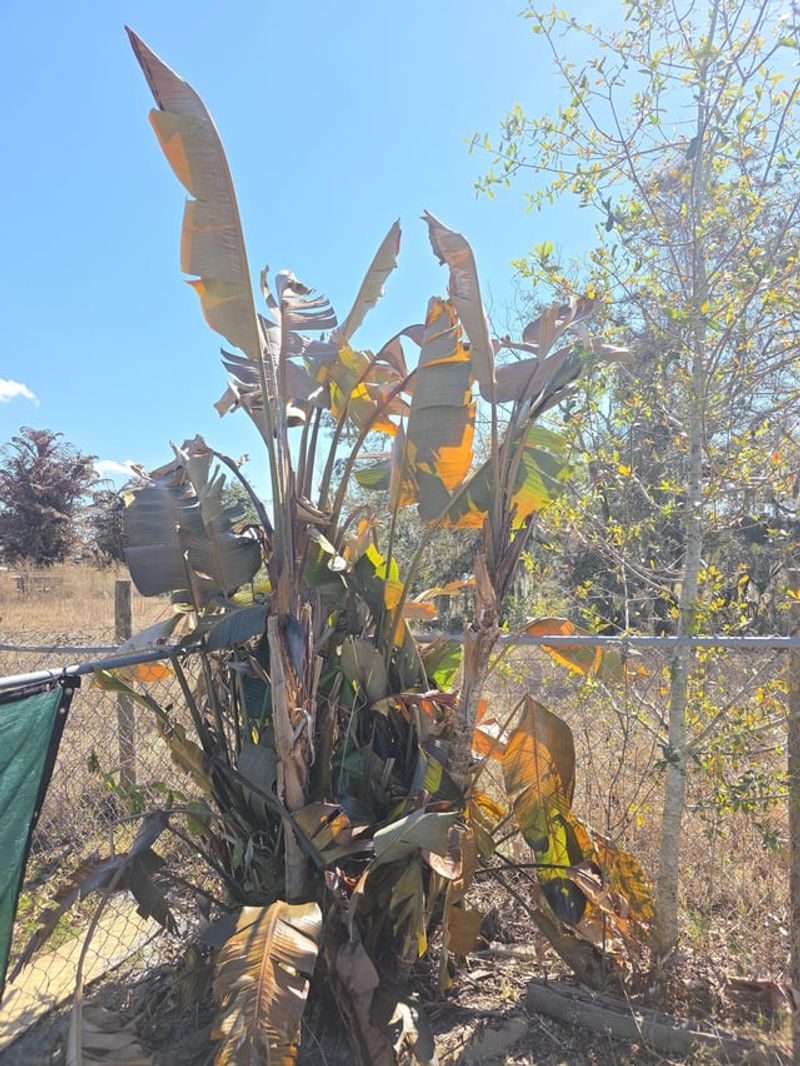
Timing your pruning sessions around warmer weather windows is one of the most practical steps Florida gardeners can take to support plant recovery after a freeze. Cold temperatures slow down every biological process in a plant, including the ability to seal wounds and push out new tissue after a cut.
UF/IFAS Extension advises waiting until the threat of additional cold nights has clearly passed before doing any meaningful pruning. In South Florida, this often means holding off until late February or early March, depending on the year.
Pruning during a brief warm spell only to have another cold front roll through can push plants back into stress just when they were starting to stabilize.
Morning is generally the best time of day to prune in Florida, when temperatures are rising and plants have had a full night of rest. Avoid pruning in the late afternoon during cooler months when overnight temperatures are unpredictable.
Watching a reliable local weather forecast for at least a ten-day window before starting significant trimming sessions gives your Florida garden the best possible conditions to respond positively and begin the steady climb back toward healthy, vigorous growth.
6. Avoid Cutting Into Healthy Tissue While Saving Buds
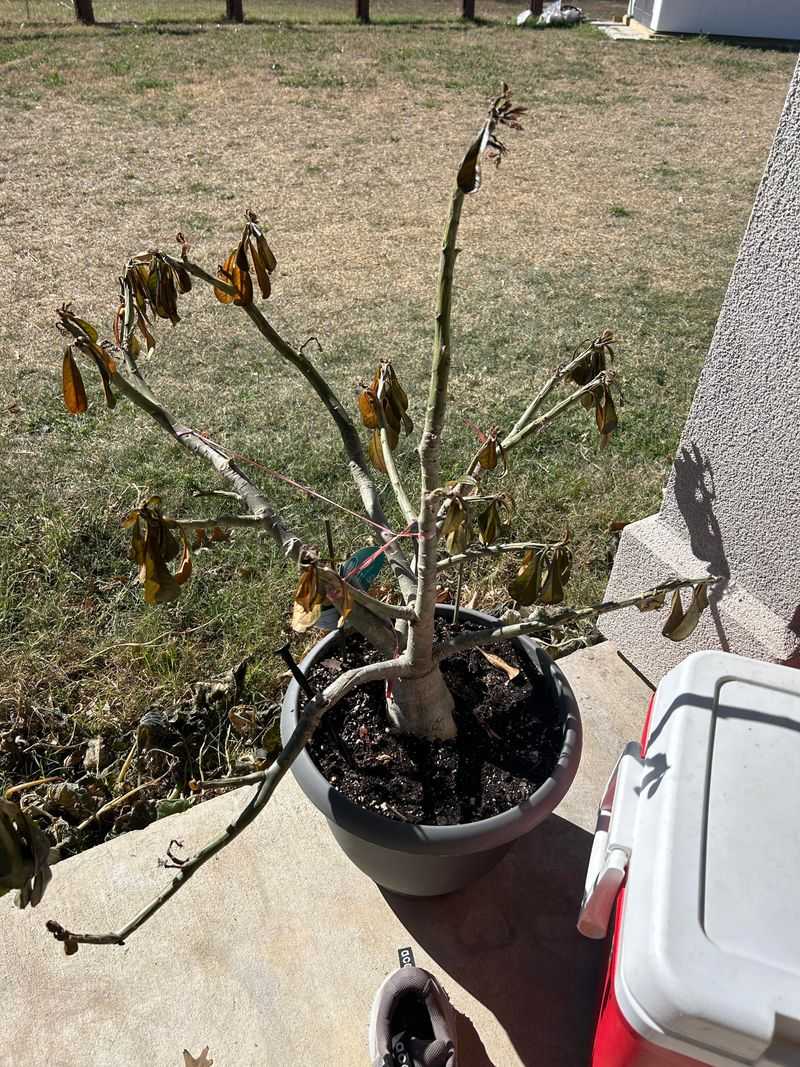
Buds are the future of your plant. Every small, rounded bump along a stem represents a potential leaf, flower, or new branch that the plant has already invested energy into forming.
Cutting through or past those buds during post-freeze cleanup is one of the most common and costly mistakes Florida gardeners make.
When trimming freeze-damaged tips, always look for the nearest healthy bud below the damaged area and make your cut just above it. This technique, recommended by UF/IFAS Extension, encourages the plant to channel its recovery energy directly into that bud rather than wasting resources trying to push growth from an awkward stub.
In South Florida, plants like plumbago, firebush, and pentas often hold their buds close to the base of damaged stems, which means you may need to cut back further than expected. That can feel alarming at first, but trusting the bud is always the right call.
A plant with intact, healthy buds will bounce back with surprising speed once warm temperatures settle in. Protecting those tiny growth points during your pruning session is one of the highest-value actions you can take for long-term garden recovery throughout Florida.
7. Support Plants With Water And Mulch After Pruning Freeze Damage
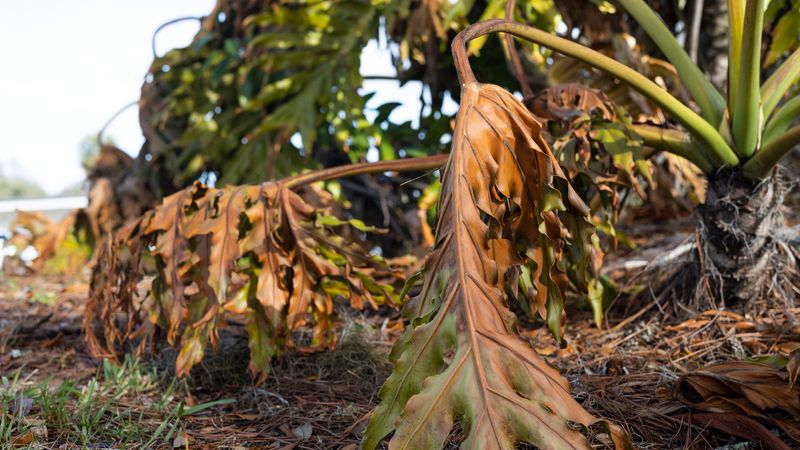
After trimming is done, your work is not finished. Freshly pruned plants in Florida need consistent moisture and root protection to fuel the recovery process, and two of the most effective tools for that are proper watering and a good layer of mulch around the base.
Cold and windy weather dries out soil faster than many gardeners expect, and a freeze-stressed plant has a reduced ability to pull water up through its damaged tissue. Watering deeply after pruning helps rehydrate the root zone and supports the cellular repair process that drives new growth.
Avoid overwatering though, as waterlogged soil in Florida’s already humid climate can create root problems that add new stress on top of existing cold damage.
Applying two to three inches of organic mulch around the base of each plant, keeping it a few inches away from the main stem, regulates soil temperature and holds in the moisture your recovering plants need. UF/IFAS Extension recommends mulching as a standard post-freeze care step for South Florida landscapes.
Pine bark, wood chips, and shredded leaves all work well. This simple combination of water and mulch creates a calm, stable environment where freeze-damaged Florida plants can quietly begin rebuilding their strength.
8. Watch For Regrowth And Adjust Care As Spring Progresses
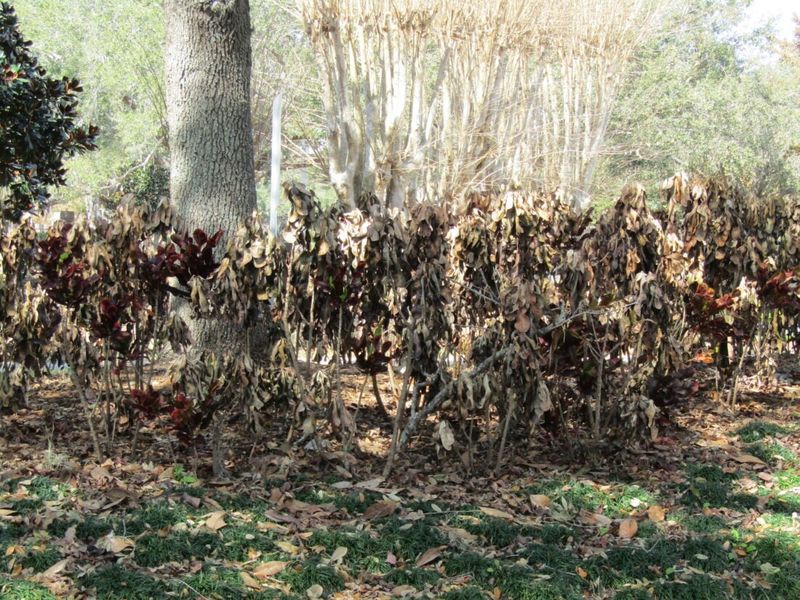
Spring is when the real reward arrives. After weeks of waiting, careful pruning, and consistent watering, the moment you spot fresh green growth pushing out from a plant you were worried about is genuinely exciting.
That new growth signals that your Florida garden is on its way back and your patient approach paid off.
As regrowth appears, adjust your care routine accordingly. Resume a light fertilization schedule once you see at least two to three inches of new growth, which indicates the plant is actively metabolizing again.
UF/IFAS Extension advises using a balanced, slow-release fertilizer to support steady recovery without pushing the plant too fast with a heavy nutrient load.
Keep monitoring throughout the spring months, because some South Florida plants recover in waves. A section that looked hopeless in February may surprise you with strong new shoots by April.
Continue checking for any remaining withered tips that were not obvious during your initial pruning session and remove them as they become clear.
Staying engaged with your garden through the full recovery arc, rather than walking away after one pruning session, is what separates thriving Florida landscapes from ones that struggle long after the freeze has been forgotten.