How To Rescue Struggling Citrus Trees In Florida
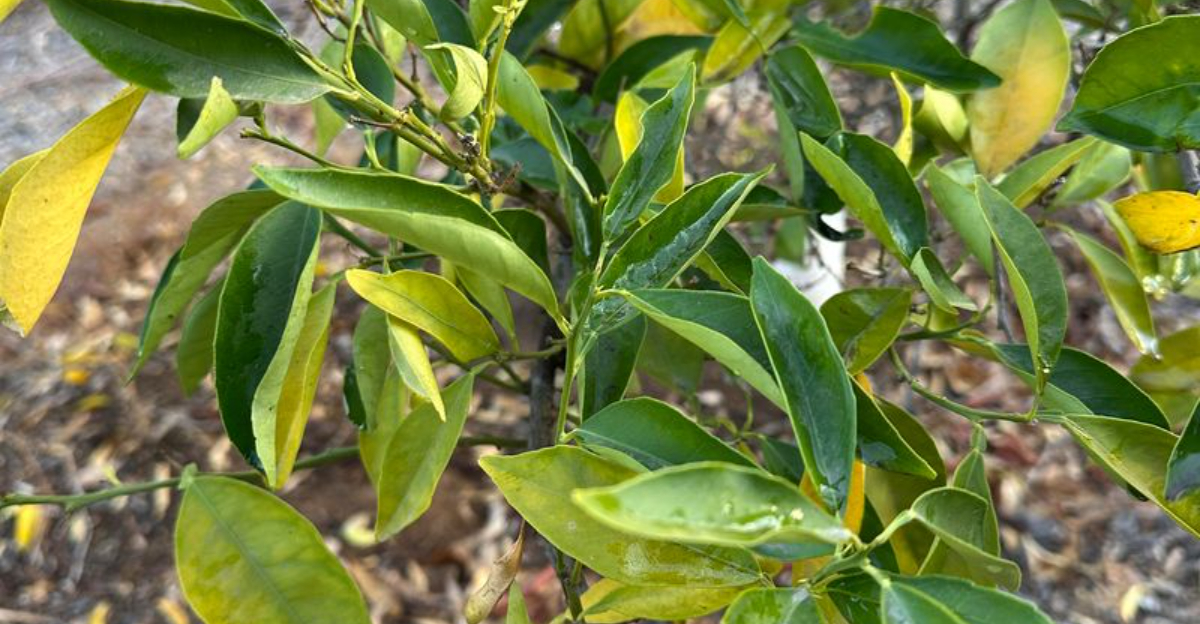
Your citrus tree did not just wake up one day and decide to struggle. Yellow leaves, weak growth, falling fruit, and bare branches usually mean something is going wrong below the surface.
In Florida, heat, sandy soil, heavy rain, and aggressive pests can quietly damage trees long before serious symptoms appear. Many backyard growers give up too early or make small mistakes that actually make the problem worse.
The truth is that most citrus trees can recover when the real cause is identified and corrected.
Simple changes to watering, soil care, pruning, and pest control often make a bigger difference than expensive products.
If your orange, lemon, or lime tree has lost its healthy look or stopped producing like it used to, this information could help you turn things around faster than you expect.
1. How To Tell If Your Citrus Tree Is Stressed Or Declining
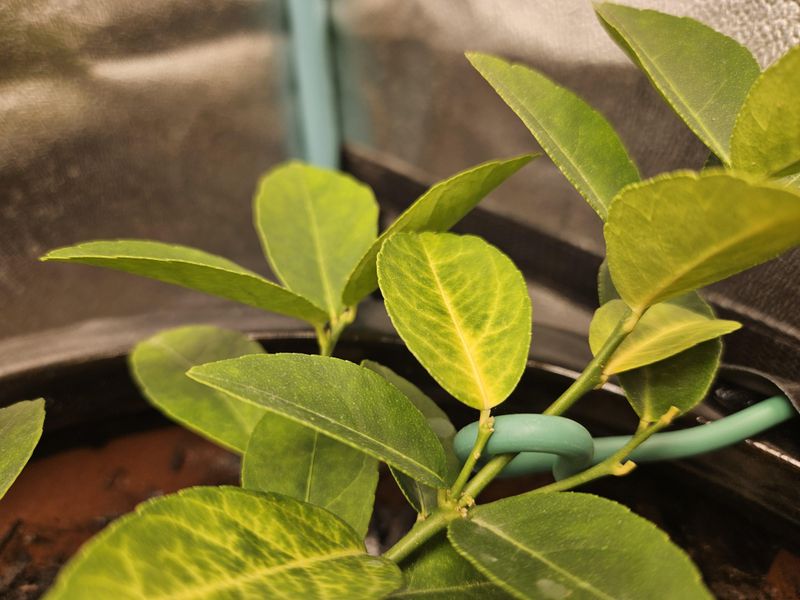
Your citrus tree talks to you every day through its leaves, branches, and fruit. Yellowing leaves that drop too early often signal nutrient deficiencies or root problems.
Curled or spotted foliage might point to pests or diseases that need your attention fast.
Branch dieback is another red flag you should not ignore. When twigs turn brown and brittle from the tips inward, your tree is struggling to move water and nutrients properly.
Sometimes you will notice fewer blossoms in spring or fruit that stays small and tastes bitter.
Pay close attention to the trunk and main branches too. Cracks in the bark, oozing sap, or soft spots can sometimes indicate disease, physical damage, or fungal infection.
Your tree might also show stunted new growth that looks pale and weak compared to healthy shoots.
Florida’s humidity and heat can mask early warning signs, so check your tree every week during the growing season. Look under leaves for insects, inspect the soil moisture level, and note any changes in overall appearance.
Catching problems early gives you the best chance to turn things around before permanent damage occurs. Remember that citrus trees are resilient, and most symptoms can be reversed with timely intervention and proper care adjustments.
2. Common Reasons Citrus Trees Struggle In Florida
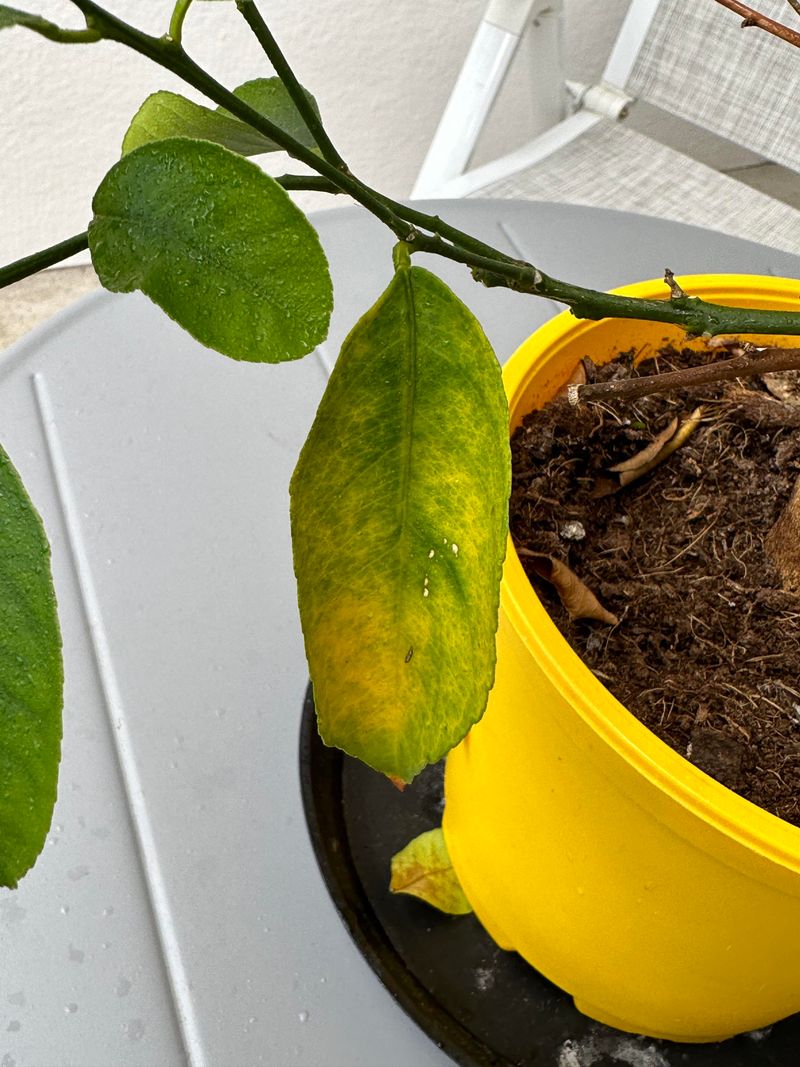
Florida’s sandy soil drains fast, which sounds great until you realize it also washes away nutrients your citrus tree desperately needs. Poor soil fertility is one of the top reasons trees look weak and produce small, tasteless fruit.
Without regular feeding, your tree simply cannot keep up with Florida’s long growing season.
Root problems often fly under the radar because they happen underground where you cannot see them. Planting too deep, compacted soil, or waterlogged roots all choke off the oxygen your tree needs to thrive.
Many homeowners accidentally bury the graft union when planting, which leads to slow decline over months or years.
Pests like aphids, scale insects, and spider mites love Florida’s warm climate just as much as citrus trees do. These tiny troublemakers suck sap from leaves and stems, weakening your tree bit by bit.
Diseases such as citrus greening and root rot spread quickly in our humid conditions, especially when trees are already stressed.
Weather extremes also take their toll. Cold snaps, even brief ones, can damage tender new growth and fruit.
Summer droughts stress trees that do not get enough supplemental water, while hurricane winds break branches and tear roots. Understanding these common challenges helps you protect your tree before problems spiral out of control.
3. Watering Mistakes That Hurt Florida Citrus Trees
Overwatering ranks as the number one mistake Florida citrus growers make, and it is easier to do than you might think. Our afternoon thunderstorms dump a lot of rain during summer, and adding irrigation on top of that drowns roots and invites fungal diseases.
Your tree needs consistent moisture, not a swimming pool around its roots.
On the flip side, underwatering during dry spells stresses your tree just as badly. Citrus roots grow shallow in sandy soil, so they dry out quickly when rain stops for more than a week.
You will notice leaves wilting in the afternoon heat or fruit dropping prematurely when your tree gets too thirsty.
The best approach is to water deeply but infrequently, encouraging roots to grow down instead of staying near the surface. During dry periods, most established citrus trees need deep watering once or twice per week, depending on soil drainage and rainfall.
Newly planted and young citrus trees need more frequent watering than mature trees until their root systems become established. Check soil moisture four inches down before watering again.
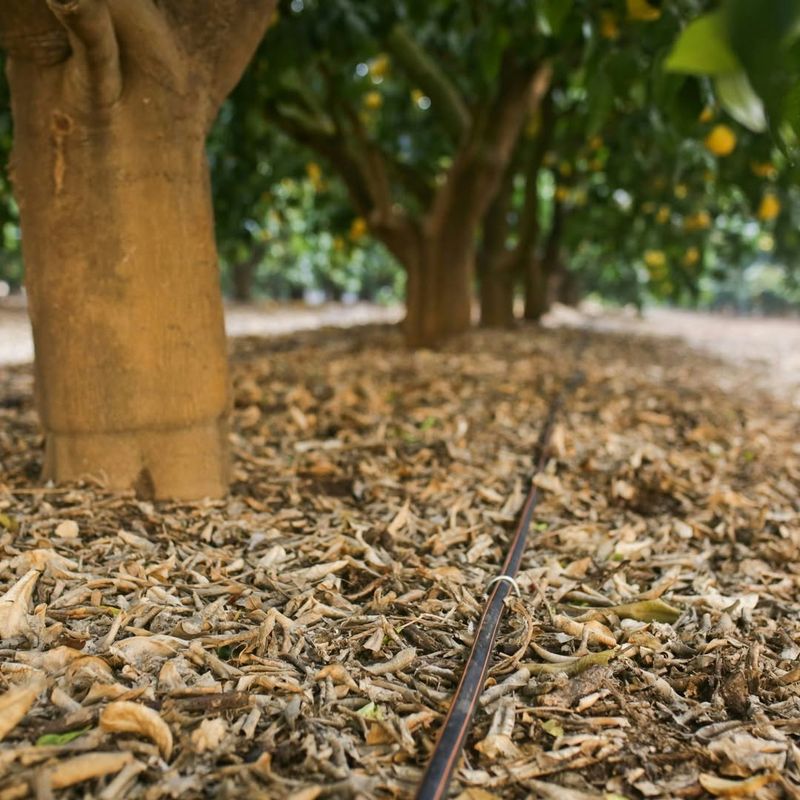
Install a simple drip irrigation system or soaker hose around the drip line, not right against the trunk. This delivers water slowly where feeder roots can absorb it efficiently.
Mulch helps too, keeping soil moisture steady and reducing evaporation. During winter, scale back watering since your tree grows slower and needs less moisture to stay healthy and strong.
4. Soil Problems That Block Citrus Tree Recovery
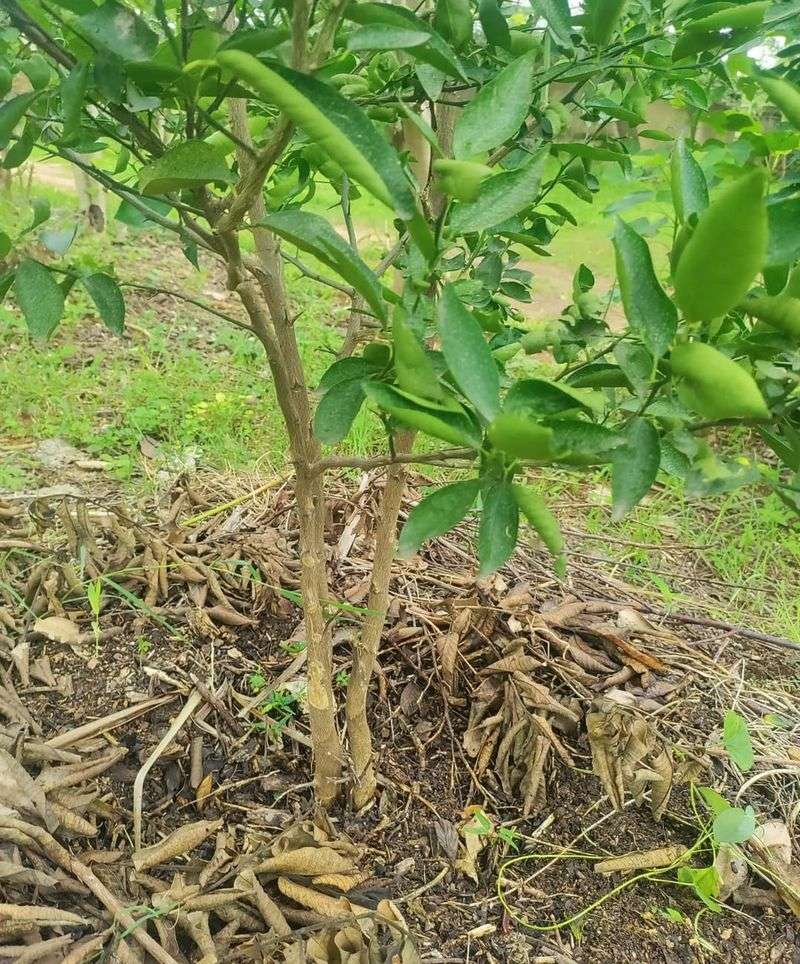
Florida’s natural soil is basically beach sand with very little organic matter or nutrients. Your citrus tree cannot pull what it needs from sand alone, no matter how much sunshine and water you provide.
Amending your soil with compost and organic matter makes a huge difference in tree health and fruit production.
Soil pH also plays a critical role that many gardeners overlook. Citrus trees prefer slightly acidic conditions between 6.0 and 7.0 on the pH scale.
When pH climbs too high, iron and other micronutrients get locked up in the soil where roots cannot access them, causing yellow leaves with green veins.
Test your soil every couple of years using a kit from your local extension office. They will tell you exactly what amendments to add and in what amounts.
Sulfur lowers pH if your soil is too alkaline, while lime raises it if needed, though that is rare in Florida.
Drainage matters just as much as fertility. If water puddles around your tree for hours after rain, you have a drainage problem that suffocates roots.
Planting on a slight mound or berm improves drainage in flat yards. Mix compost or pine bark fines into the native soil to improve structure, drainage, and moisture retention.
Good soil health is the foundation for a strong, productive citrus tree that can resist pests and diseases naturally.
5. How To Fertilize Citrus Trees For Healthy Regrowth
Citrus trees are heavy feeders that need regular meals to support their constant growth and fruit production in Florida’s long growing season. Use a fertilizer specifically formulated for citrus, which includes the right balance of nitrogen, phosphorus, and potassium plus essential micronutrients like iron, manganese, and zinc.
Generic fertilizers just do not cut it for citrus.
Apply fertilizer three to four times per year, starting in early spring when new growth begins. Space applications evenly through summer and early fall, but stop fertilizing by early fall to let your tree harden off before winter cold snaps.
Young trees need less fertilizer than mature ones, so always follow label directions based on tree size.
Spread granular fertilizer evenly under the canopy, starting a foot away from the trunk and extending past the drip line. Water thoroughly after feeding to move nutrients down into the root zone.
Slow-release formulas work great because they feed your tree steadily over several weeks instead of all at once.
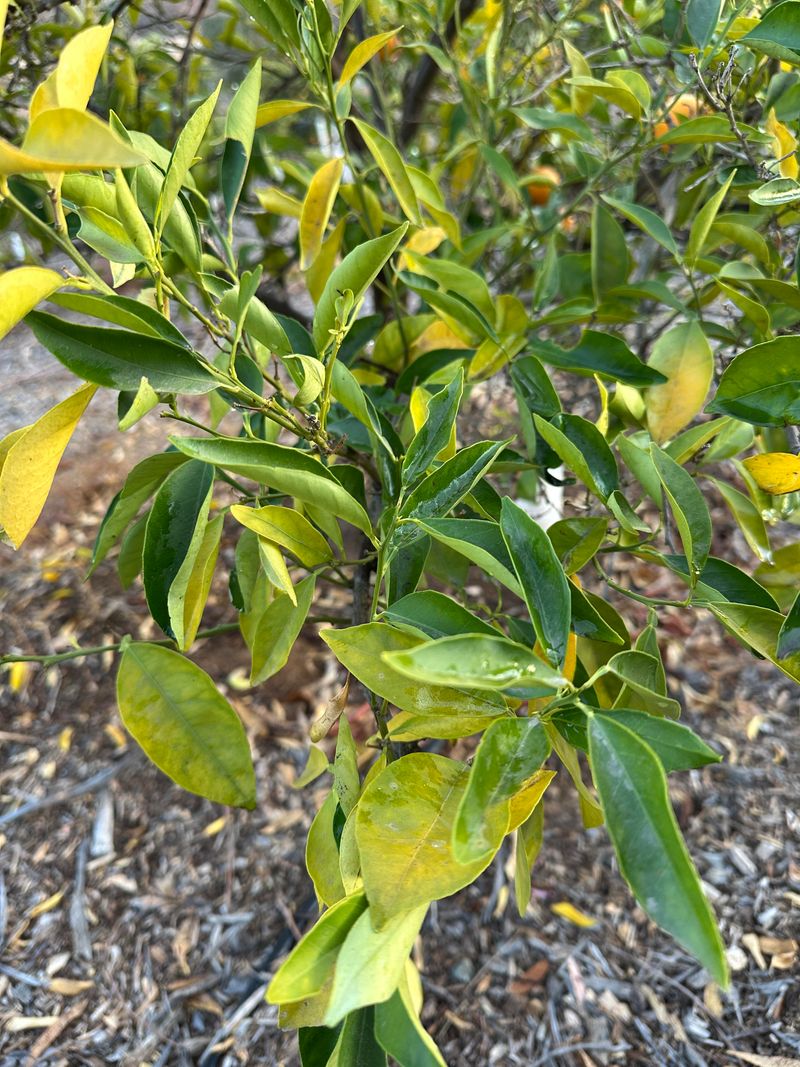
Watch for signs of nutrient deficiency like yellow leaves, small fruit, or poor growth. Foliar sprays with micronutrients can provide a quick boost while you correct underlying soil problems.
Avoid over-fertilizing, which burns roots and pushes excessive leafy growth at the expense of fruit. A well-fed citrus tree shows vibrant green leaves, strong branch growth, and abundant healthy fruit year after year.
6. Pruning Steps That Help Citrus Trees Recover
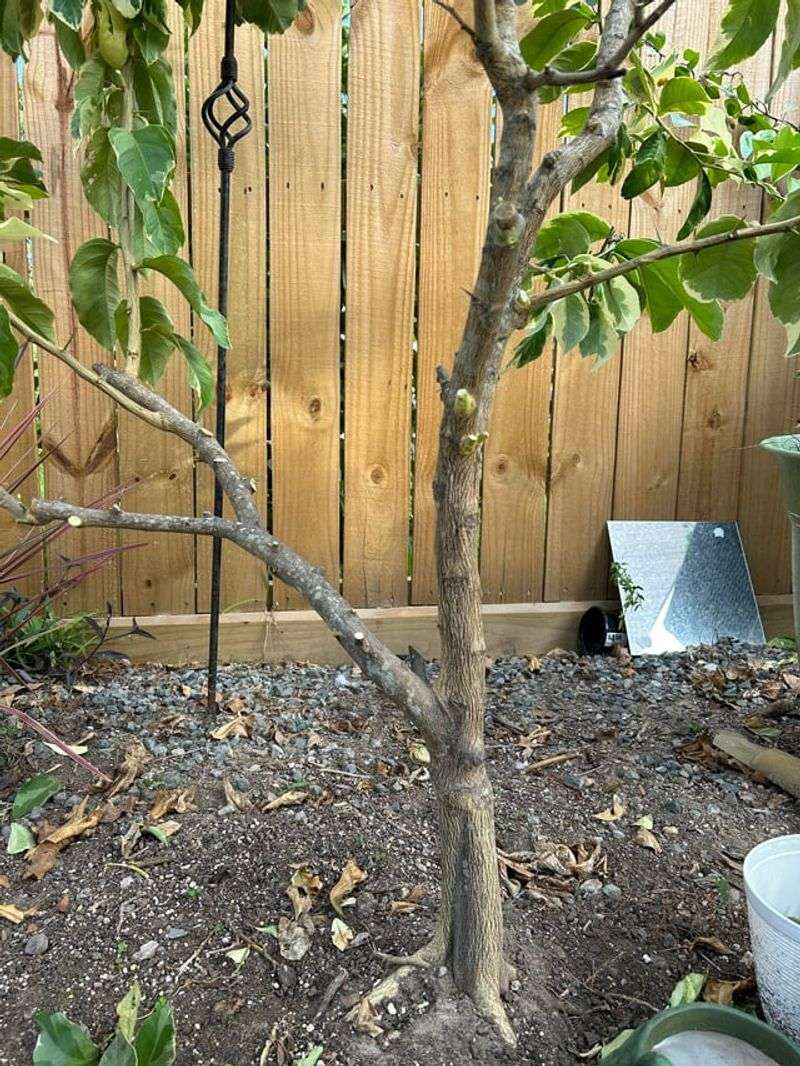
Pruning might seem scary, but it is one of the most powerful tools you have to help a struggling citrus tree bounce back. Start by removing any branches that are clearly unhealthy, broken, or rubbing against each other.
Cut back to healthy wood where you see green tissue under the bark, not brown or gray.
Thin out the canopy to improve air circulation and sunlight penetration. Florida’s humidity breeds fungal diseases in dense, crowded foliage where air cannot move freely.
Remove water sprouts that shoot straight up from main branches since they rarely produce fruit and steal energy from productive limbs.
Make clean cuts with sharp, sterilized pruning shears to prevent spreading diseases between cuts. Angle cuts slightly so water runs off instead of pooling.
Avoid removing more than one-third of the canopy in a single year, as that stresses your tree too much.
Late winter or early spring is the best time to prune citrus in Florida, right before the spring growth flush begins. This timing gives your tree the whole growing season to recover and put out new shoots.
Remove any suckers growing below the graft union immediately since they come from the rootstock and will not produce good fruit. Proper pruning redirects your tree’s energy into healthy growth and fruit production, making it stronger and more resilient against pests and diseases that target weak trees.
7. Pests And Diseases That Weaken Florida Citrus Trees
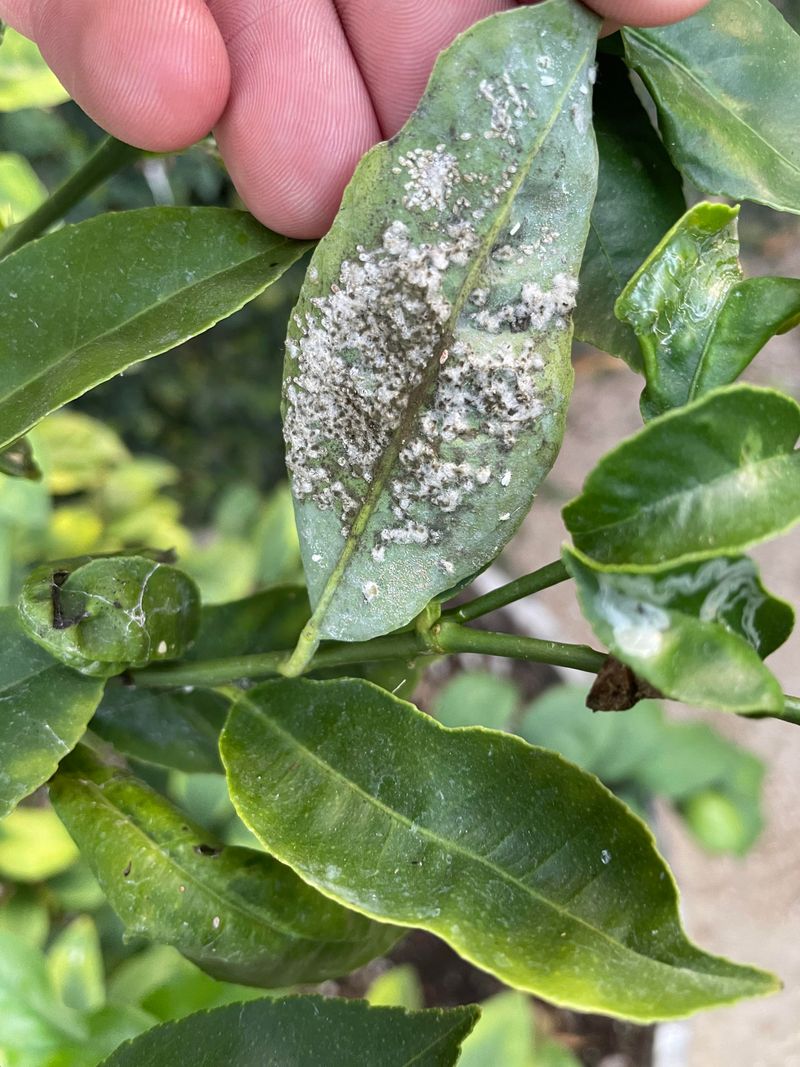
Citrus greening, also called HLB, is the most devastating disease facing Florida citrus right now. Spread by the Asian citrus psyllid, this bacterial infection causes blotchy yellow leaves, misshapen fruit, and eventual tree decline.
There is no cure. Managing Asian citrus psyllids can help slow disease spread but will not reverse infection in already infected trees.
Scale insects attach themselves to branches and leaves, looking like tiny bumps that do not move. They suck sap and excrete honeydew that attracts sooty mold, turning your tree black and sticky.
Horticultural oil sprays work well against scale when applied thoroughly and repeated as needed.
Spider mites thrive in hot, dry conditions and cause stippled, bronze-colored leaves that eventually drop. You might see fine webbing on branch tips during heavy infestations.
Use strong water sprays to knock mites off leaves and apply miticide sprays if populations explode. Aphids cluster on tender new growth, causing leaves to curl and distort.
Root rot diseases attack underground, causing above-ground symptoms like wilting, yellow leaves, and branch dieback. Improving drainage and avoiding overwatering are your best defenses.
Inspect your tree regularly for early signs of trouble. Treat problems promptly with appropriate organic or chemical controls following University of Florida recommendations.
Healthy, well-fed trees resist pests and diseases better than stressed ones, so good overall care is your first line of defense against these common Florida citrus threats.
8. What To Do Next If Your Citrus Tree Doesn’t Improve
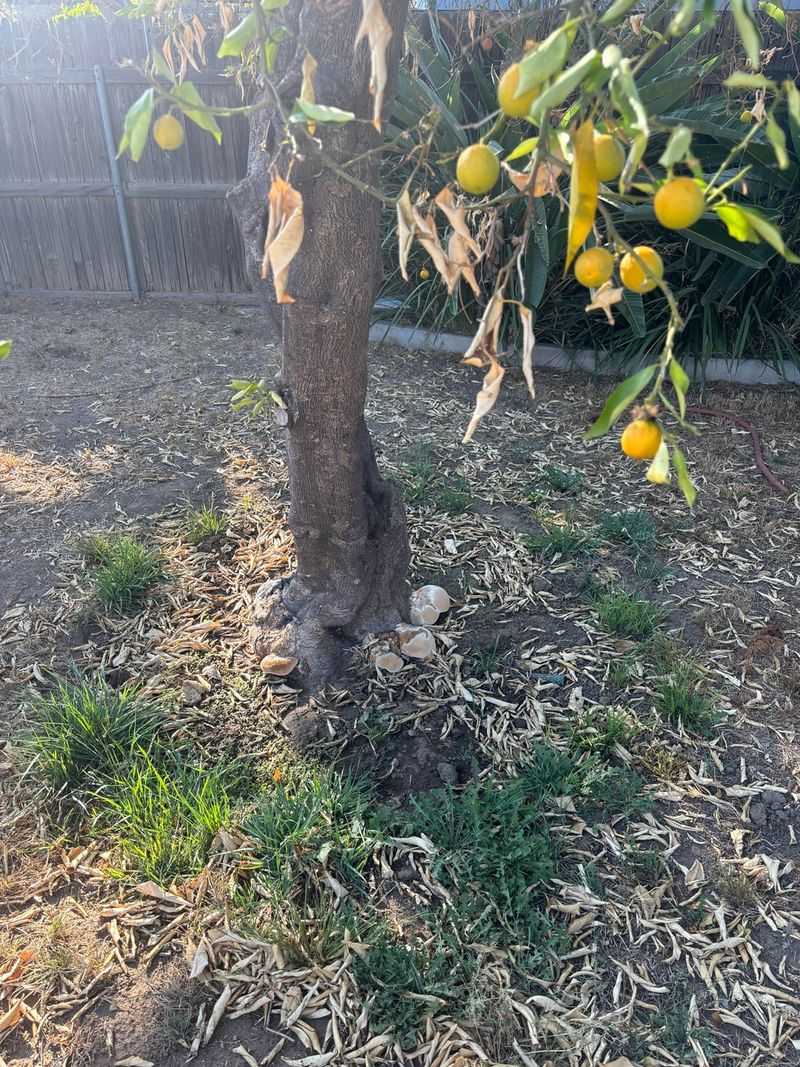
Sometimes you do everything right and your citrus tree still does not respond the way you hoped. Give your interventions time to work, since trees recover slowly and may take a full growing season to show real improvement.
Patience is hard but necessary when working with plants that operate on their own schedule.
Consider getting a professional evaluation from a certified arborist or your county extension agent if your tree continues declining despite your best efforts. They can spot problems you might miss and test for diseases that require lab diagnosis.
This expert input often saves you months of trial and error.
If your tree has citrus greening or another incurable disease, you may need to make tough decisions about removal. Keeping infected trees around spreads disease to healthy citrus in your neighborhood.
Replace lost trees with disease-resistant varieties when available, and start fresh with better planting and care practices.
Document what you tried and how your tree responded so you learn from the experience. Take photos, keep notes on fertilizer applications and watering schedules, and track symptom changes over time.
This information helps you understand what works in your specific yard conditions. Remember that even experienced growers lose trees sometimes.
Focus on prevention, catch problems early, and celebrate the successes you achieve with the trees that do recover and thrive under your care in Florida’s challenging but rewarding citrus-growing climate.