How To Ripen Green Tomatoes Indoors After The Season Ends
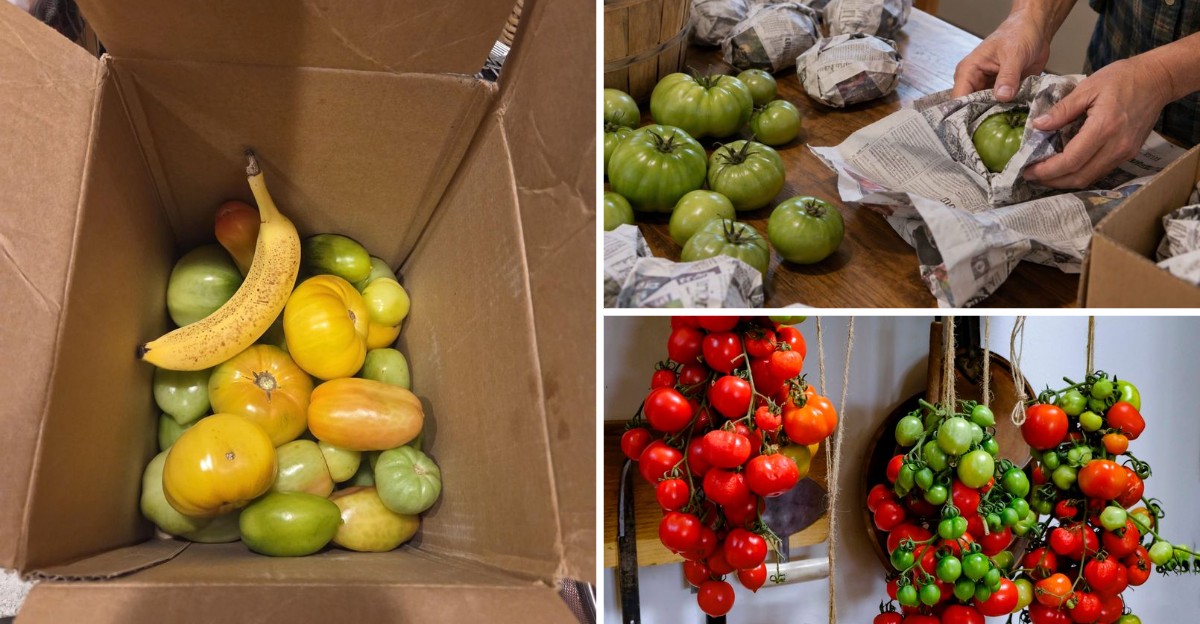
A hard green fruit picked in October can turn red on your counter weeks later, without sunlight. The color change comes from ethylene, a natural gas the fruit makes on its own inside.
I like how you can test readiness by slicing one open and checking the seeds for clear jelly. Seeds wrapped in that gel mean the fruit is mature, while firm white seeds mean it came too early.
Temperature matters more than most people expect, and extension experts suggest keeping the fruit between about 65 and 70 degrees. Below 50 degrees, ripening slows sharply, and the flavor often turns bland or mealy instead of sweet and rich.
A cardboard box, some newspaper, and a little patience are all most gardeners need to save the last of the harvest. A quiet basement shelf can turn those last green fruit into tomatoes that are good for slicing well into fall.
1. Your Green Tomatoes Hold A Hidden Ripening Clock
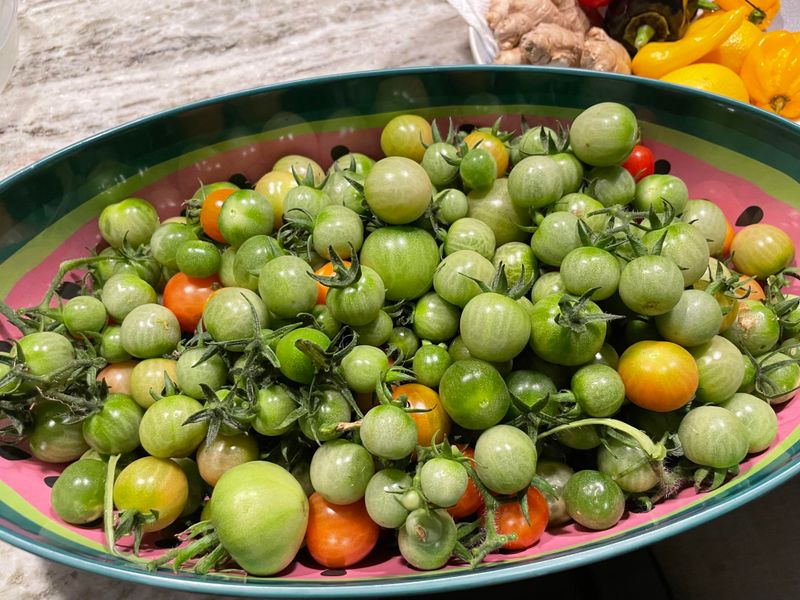
Many gardeners are surprised to learn that a mature green tomato can finish ripening indoors without help from the plant. Once the fruit reaches full size, it can finish turning red off the vine using its own stored sugars.
The full answer is simple, so pick mature green tomatoes before frost and keep them somewhere warm and dark. A room between 65 and 70 degrees Fahrenheit lets most fruit color up within two to four weeks.
Ethylene gas does the real work, because tomatoes release it naturally as they move toward the ripe stage. That gas signals the fruit to soften, build sugar, and swap green chlorophyll for red pigments called lycopene.
Light is not required for this process, which surprises many people who line fruit along sunny windowsills each fall. Direct sun can actually heat the skin unevenly, leading to blotchy color or soft spots on the exposed side.
University extension services, including programs at Penn State and Minnesota, recommend this warm and dark approach for late harvests. Their advice works for slicers, cherries, and paste types, although bigger fruit often takes a little longer to finish.
Flavor will rarely match a sun-ripened August tomato, but it usually beats the pale grocery store options in October. Many home cooks find these indoor ripeners perfect for sauces, salsas, and sandwiches well into November or December.
Your main job is sorting the fruit, choosing a good spot, and checking on progress every few days. With those three habits, a pile of hard green tomatoes can become a steady supply of red ones.
2. Pick The Right Fruit Before Frost Arrives
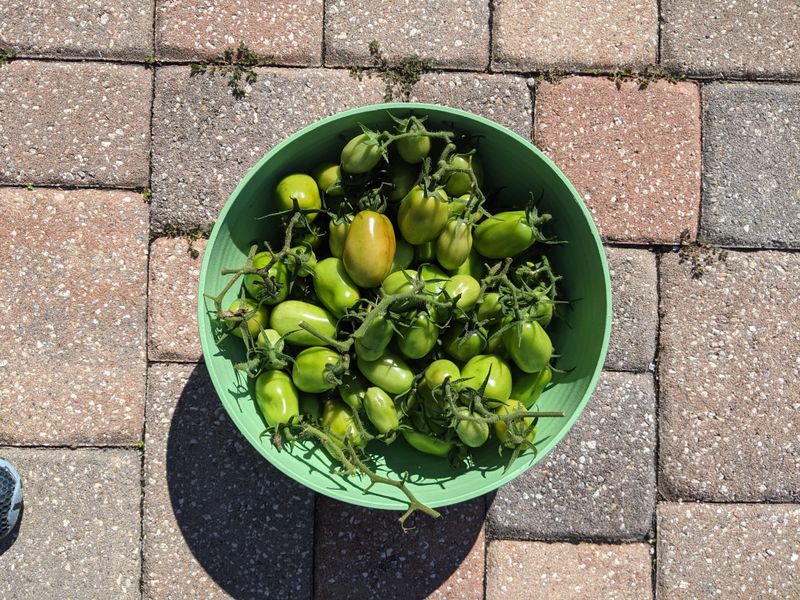
Timing your final harvest well makes a bigger difference than any trick you try later inside the house. Tomato fruit exposed to temperatures near freezing often suffers damage that stops ripening, even if it looks fine.
Many extension guides suggest picking everything once nighttime lows begin dropping into the low 40s or upper 30s. Fall forecasts in October can shift quickly, so watching the weather each evening helps you pick at the right moment.
Mature green fruit has reached its full size and shows a glossy, slightly lighter green skin than younger tomatoes. Some will show a faint pink or yellow blush at the blossom end, which is the bottom of the fruit.
Slicing a test tomato is a handy way to check maturity before you pick the whole plant clean. Seeds coated in clear jelly signal a mature fruit, while seeds that a knife cuts through suggest picking too early.
Small, dull, rock-hard tomatoes rarely ripen well indoors and usually shrivel or rot before showing any real color. Save those for pickling or frying, since they still have kitchen value even if they cannot finish ripening.
Leave the stems attached when possible, or snip them short so they do not poke holes in neighboring fruit. Wipe off dirt gently with a dry cloth instead of washing, because moisture can encourage mold during storage.
Toss any fruit with cracks, bruises, insect holes, or soft spots into the compost rather than the storage box. One damaged tomato can spread rot to healthy neighbors, which is a quick way to lose a whole batch.
3. A Warm Room Beats A Sunny Windowsill
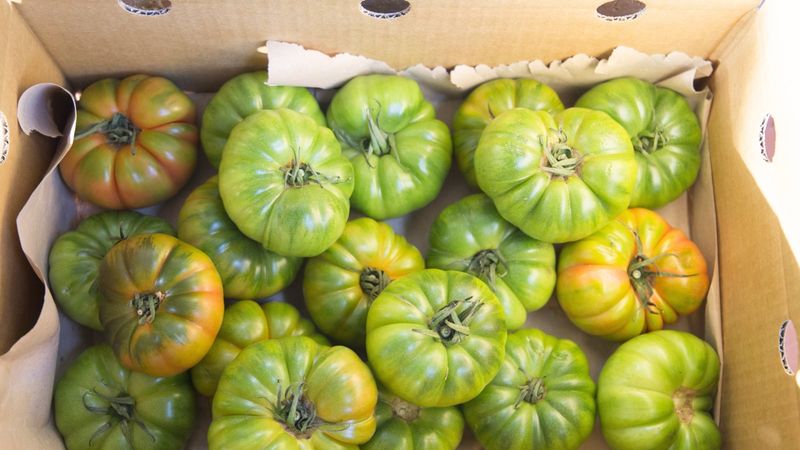
Plenty of people set their fruit on a bright kitchen windowsill, yet a closet shelf usually does a better job. Warmth matters far more than light, since ripening depends on enzymes that work fastest in moderate room temperatures.
Aim for a spot between 65 and 70 degrees Fahrenheit, such as a pantry, spare bedroom, or kitchen cabinet. At that range, most mature green tomatoes reach full color in roughly two weeks, though some take a month.
Cooler rooms near 55 to 60 degrees slow everything down, which can be useful if you want fruit over time. Many gardeners store part of the harvest cooler and move small batches to a warmer spot as needed.
Temperatures below 50 degrees can cause chilling injury, so an unheated garage in late fall may become too cold. Chilled fruit often ripens unevenly, develops a mealy texture, and loses much of the flavor you worked hard to grow.
The refrigerator is a poor choice for green fruit, because cold storage stalls ripening and dulls flavor. Fully red tomatoes can go in the fridge briefly if needed, but let them warm up again before eating.
Good airflow also helps, so avoid sealed plastic bins that trap moisture and invite mold on the skins. A shallow cardboard box or open tray works well, giving each tomato a little breathing room on every side.
Keep a cheap thermometer near your ripening spot so you know the real temperature instead of guessing. Small changes, like moving the box away from a cold exterior wall, can speed things up by several days.
4. Paper Bags Give Your Tomatoes A Helping Hand
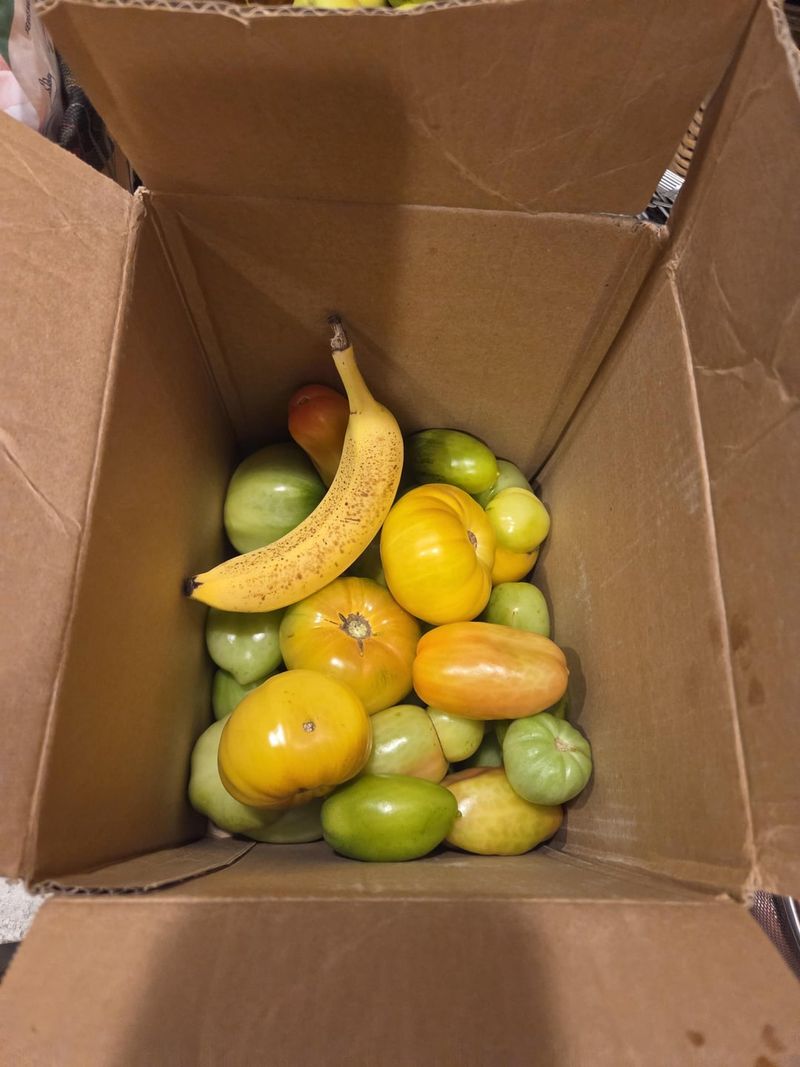
A brown paper lunch bag might be the most underrated ripening tool sitting in your kitchen drawer right now. Paper traps ethylene gas around the fruit while still letting extra moisture escape, which plastic bags cannot do well.
Place two or three mature green tomatoes inside, fold the top loosely, and set the bag somewhere warm. Check inside every day or two, since fruit in bags can shift from green to red faster than expected.
Adding a ripe banana or apple gives the process an extra push, because both fruits release plenty of ethylene. Research on this trick shows a modest boost rather than a dramatic one, so set your expectations accordingly.
Mature fruit responds best, while very immature tomatoes often stay green no matter how much ethylene surrounds them. Think of the banana as a helper for fruit that is already close, not a fix for unready fruit.
Swap out the banana once it turns heavily spotted or mushy, since overripe fruit can attract fruit flies indoors. A fresh banana each week keeps ethylene levels steady and the bag smelling pleasant instead of sour.
Bags work best for small batches, so larger harvests usually do better in boxes using the newspaper method. Some gardeners combine both ideas by placing a few apples inside a covered cardboard box filled with tomatoes.
Kids often enjoy this project, because they can peek inside the bag each morning and track color changes. Writing the start date on the bag with a marker helps everyone see how many days ripening actually takes.
5. Wrap Each Tomato Like A Small Gift
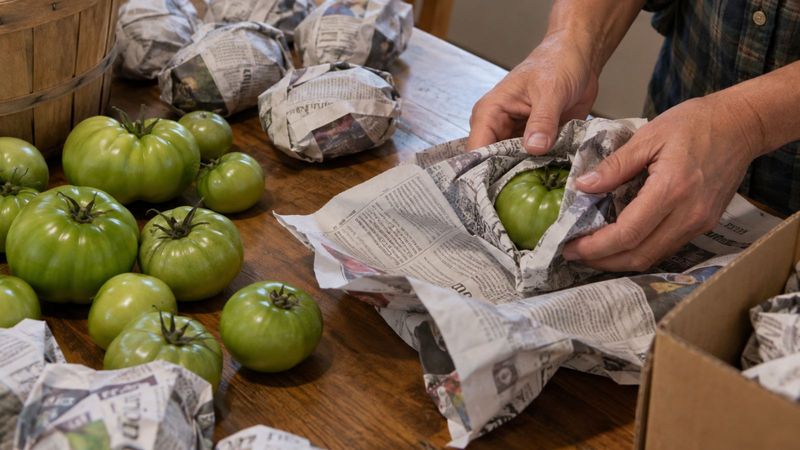
Wrapping tomatoes in newspaper is an old storage habit, and it still makes sense. Each wrap holds a little ethylene close to the fruit while keeping one tomato from touching another.
Start by tearing newspaper into squares large enough to cover a single tomato with a bit of overlap. Plain packing paper or paper towels also work fine if you no longer receive a printed newspaper at home.
Wrap each fruit loosely, then lay them in a shallow box in a single layer with stems facing up. Stacking fruit two or three layers deep can cause bruising, and it makes checking for problems much harder.
Separation is the main benefit, because a rotting tomato is less likely to spread mold to wrapped neighbors. Extension specialists often recommend this method for gardeners holding dozens or even hundreds of green fruit after a frost.
Group tomatoes by maturity when packing, placing ones with a faint blush in one box and greener ones elsewhere. Doing this lets you move the ripest batch to a warm room first while slower fruit waits in cooler storage.
Store the boxes in a spot between about 55 and 70 degrees, depending on how quickly you want color. Cover the top layer with a sheet of newspaper or cardboard to keep dust off and hold gentle humidity.
Unwrapping and checking every few days takes only minutes, yet it saves a surprising amount of fruit over time. Many families stretch fresh tomatoes into December this way, long after the garden beds have been cleaned up.
6. Hang The Whole Vine In Your Garage
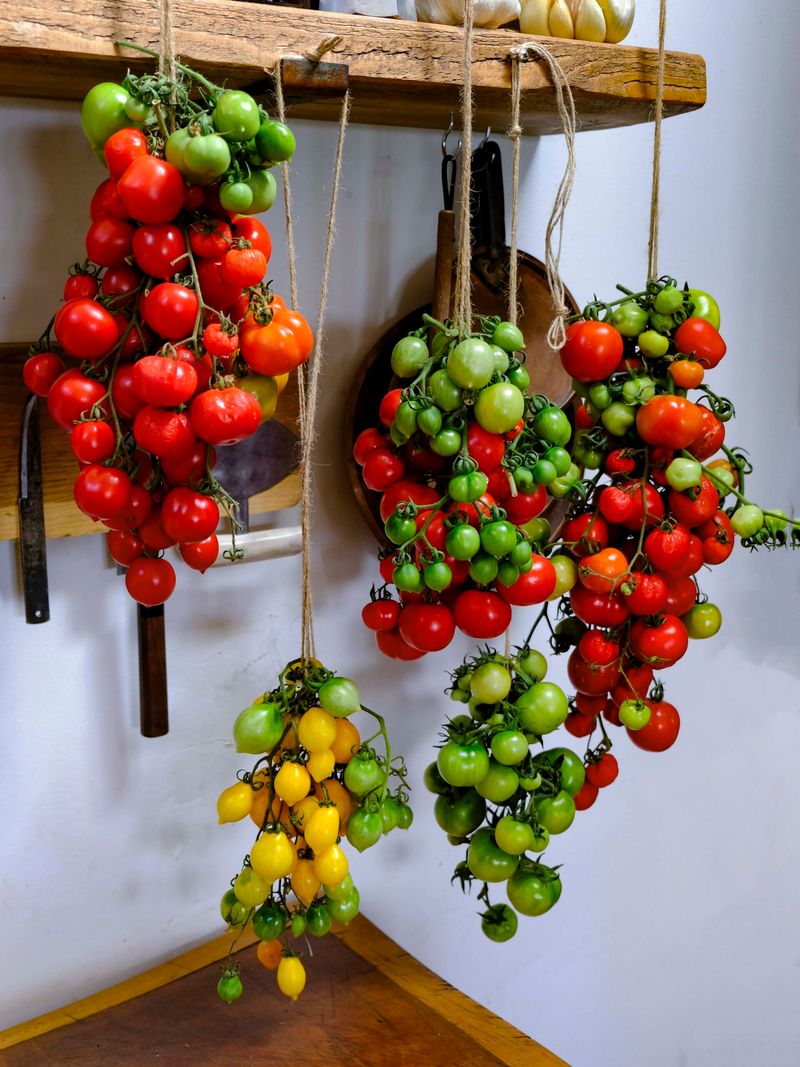
Pulling up the whole plant might feel strange, but it is a classic method many old gardening books describe. Hanging the vine upside down lets fruit keep drawing a little from the stems as it slowly changes color.
Before a hard frost, dig or pull plants loaded with mature green fruit, then shake off most of the soil. Remove damaged leaves and any small, immature tomatoes that are unlikely to ripen and will only take up space.
Hang the plants by their roots from rafters or hooks in a garage, basement, or shed that stays above 50 degrees. A spot near 60 to 70 degrees works well, although cooler areas simply slow the ripening process down.
This method generally does not ripen fruit noticeably faster than picking and boxing them. Its main appeal is convenience, since you handle the harvest once instead of picking dozens of tomatoes individually.
Watch for dropping fruit, because ripe tomatoes often loosen and fall as the stems dry over several weeks. Spreading an old sheet or cardboard underneath catches falling fruit and makes cleanup easier on a concrete floor.
Check plants for disease before hanging them, since blight or leaf spot can keep spreading in a crowded garage. Diseased vines belong in the trash rather than the compost pile, which helps reduce problems in next year’s garden.
Cherry tomato plants work well for this trick, because their small fruit are easy to pick a handful at a time. Picking a handful each morning off a hanging vine feels a bit like visiting the garden again in winter.
7. Check Your Harvest Every Few Days
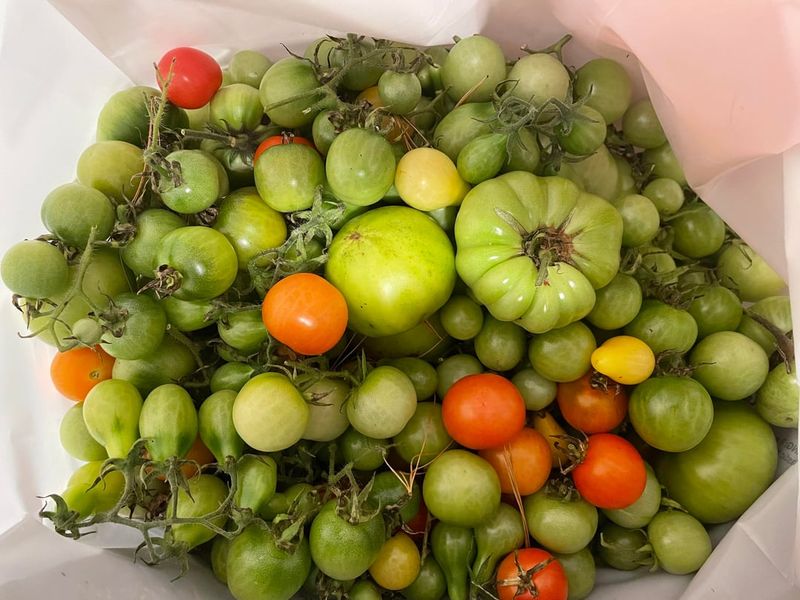
Patience helps, but a quick inspection every two or three days is what really keeps an indoor harvest healthy. Ripening fruit changes fast, and a single soft tomato can turn moldy within days if nobody notices it.
Look first for color, since tomatoes usually begin turning pink or orange at the blossom end before anywhere else. Fruit at this breaker stage usually finishes ripening, so you can move it to a warmer spot right away.
Gently press each tomato with a fingertip to check for soft spots, leaks, or wrinkled patches of skin. Remove anything showing white fuzz, dark sunken areas, or a sour smell, and wipe the box if juice leaked.
Fully colored fruit should come out of storage so it does not overripen and attract fruit flies indoors. Ripe tomatoes keep on the counter for a few days, and they taste best at room temperature anyway.
Keeping a simple note of start dates and ripening dates helps you plan better timing for next fall’s harvest. Some gardeners even track which varieties ripened best indoors, since thick-skinned types often store longer than thin ones.
Varieties bred for storage, such as Long Keeper, can hold for many weeks and sometimes last into early winter. Most garden slicers finish within one month, so treat any fruit still green after six weeks as unlikely to ripen.
Fruit flies sometimes show up near ripening boxes, especially if a tomato splits open without anyone catching it. A small dish of apple cider vinegar with a drop of dish soap helps control them in the meantime.
8. Turn Stubborn Green Ones Into Fall Dinners
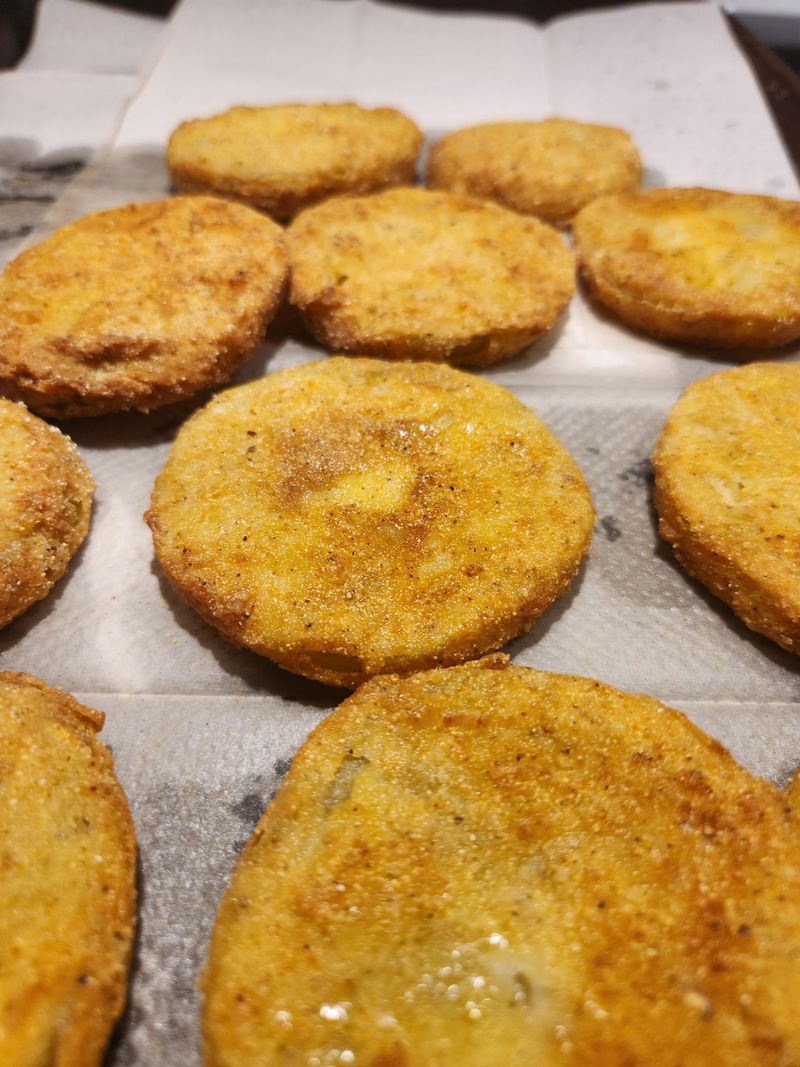
Not every green tomato will turn red, and many are good to cook while still green. Fruit that stays hard and pale after several weeks can still become a delicious part of fall cooking.
Fried green tomatoes are the classic choice, made by slicing the fruit thick and coating it in seasoned cornmeal. Their tart flavor and firm texture hold up well in a hot pan, unlike soft ripe tomatoes that fall apart.
Green tomato salsa verde, chutney, and relish are other popular options that use up a large batch quickly. Many extension services share tested canning recipes for these, which matter because acidity levels must be safe for storage.
Green tomatoes contain small amounts of a natural compound called tomatine, though normal cooking portions are considered safe. Researchers have found the levels are low enough that eating fried or pickled green tomatoes poses little concern.
Pickled green tomatoes keep well in the refrigerator and add a sharp crunch to sandwiches, salads, and grain bowls. Some cooks also chop them into soups or bake them into a sweet green tomato pie with cinnamon.
Freezing raw green tomatoes is possible, though the texture softens, so frozen slices work better for cooking than frying. Labeling bags with the date keeps you from forgetting them behind the ice cream until spring rolls around again.
Turning leftover fruit into meals means nothing from your garden goes to waste as the season winds down. A jar of homemade relish on a cold December evening is a good way to use up the last of the harvest.