These Tender Bulbs Need To Be Dug Up Before The Ground Freezes
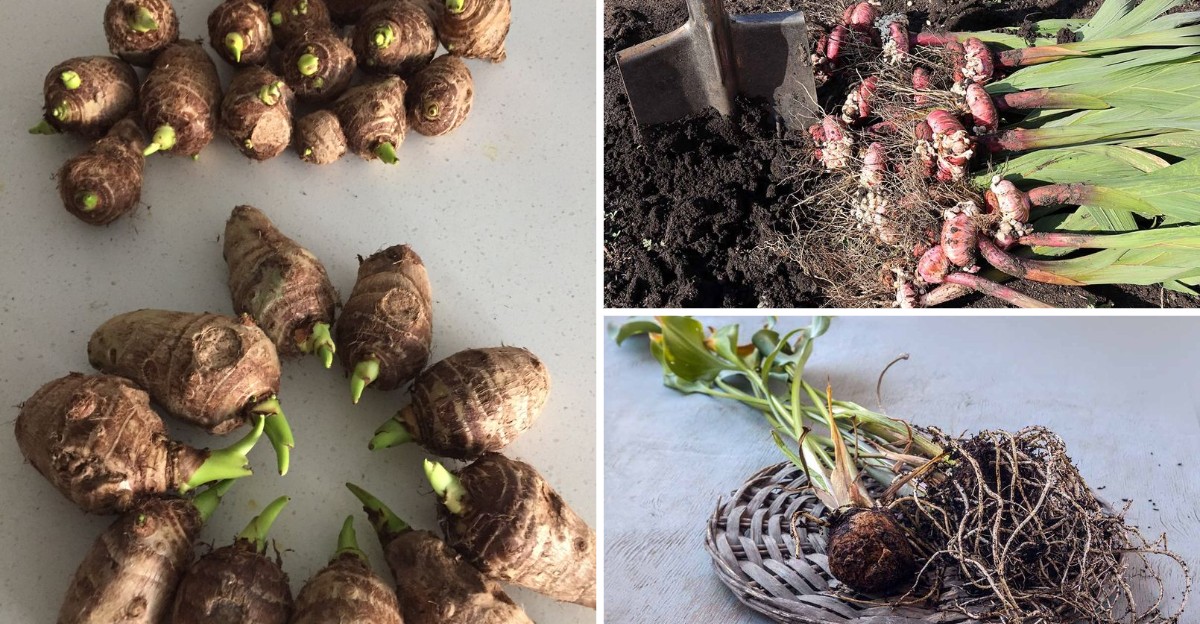
Some of the showiest flowers in a fall garden come from mountains and tropical regions far warmer than most U.S. yards. Their thick, fleshy roots store water like tiny pantries, and that stored water becomes a problem when winter arrives.
Frozen soil turns that water into ice crystals that burst the cells inside the roots. By spring, what felt firm in October has turned soft, brown, and useless.
Extension services list most of these plants as hardy in USDA zones 8 through 11, depending on the exact type. Gardeners in colder areas can still keep them going with a few boxes and a cool corner of the basement.
I like that one healthy clump can multiply into several pieces by the end of a season. That means the plants you save this month give you extra to plant or share next summer.
It is a little funny that the toughest-looking flowers in the yard need the most winter care. A plant that towers over the fence in August still wants a cardboard box and a quiet corner by November.
1. Dahlia Tubers
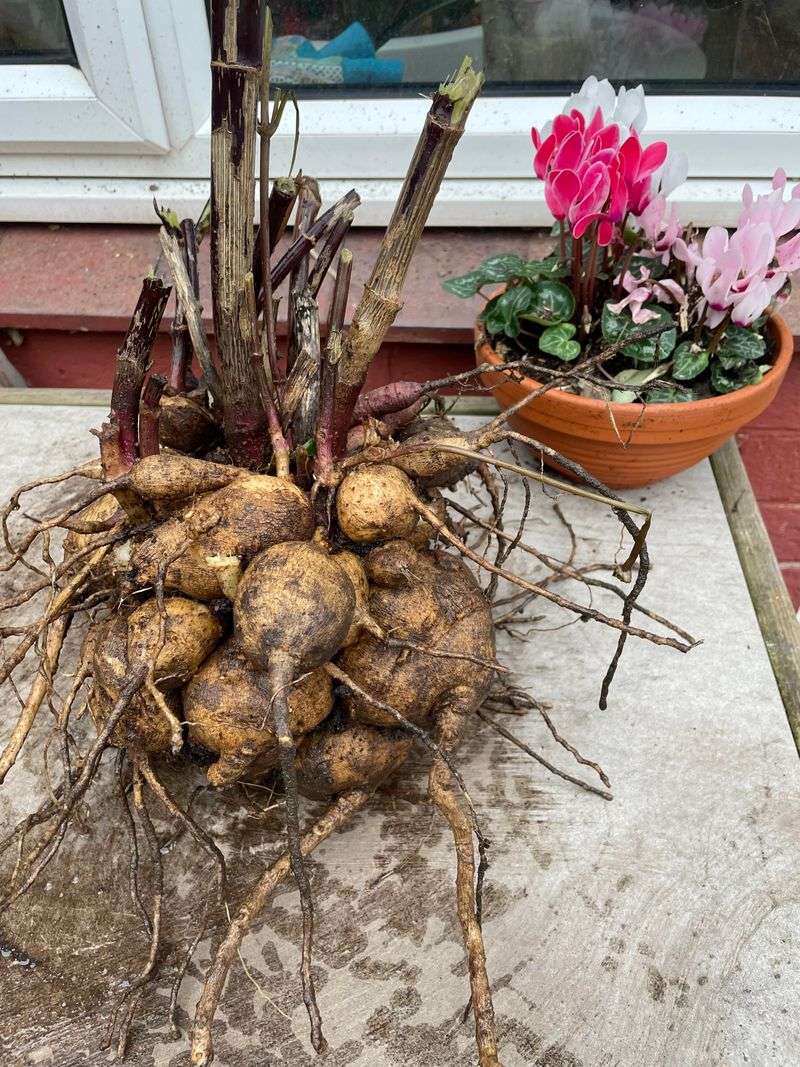
Dahlias grow from tuberous roots, which are thick underground structures that store food and plenty of water. Those tubers come from the highlands of Mexico, and they do not tolerate frozen ground well.
Gardeners in USDA zone 7 and colder should lift them each fall, while many growers in zones 8 through 11 leave them in the ground. Wait until a light frost blackens the foliage, since that signal helps the tubers toughen their skins for storage.
Give the plant one to two weeks after that frost before you start digging, as long as a hard freeze stays away. Cut the stems down to about four to six inches above the ground with clean pruners.
Push a garden fork into the soil about 12 inches from the stem, then rock the handle gently to loosen the clump. A shovel can slice through tubers, and pulling on the stem can snap the neck where the tubers attach.
Let the clump dry upside down in a frost-free garage or shed for a few days. That position lets water drain from the hollow stems, which helps prevent crown rot.
Pack the tubers in a single layer of peat moss, vermiculite, or wood shavings, and keep the box between 40 and 50 degrees Fahrenheit. Check the box monthly for soft spots, and remember that a tuber without a piece of the old stem and an eye will not sprout in spring.
2. Canna Rhizomes
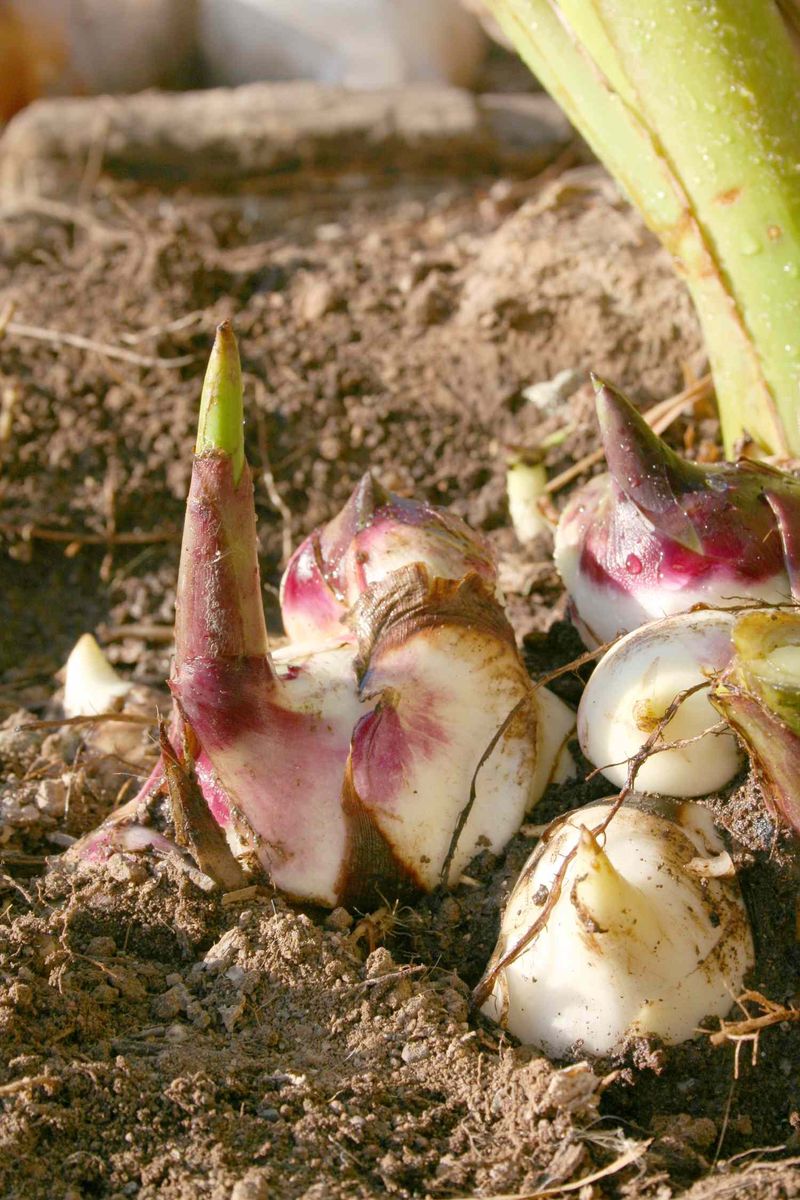
Cannas grow from rhizomes, which are thick underground stems packed with stored water. Many varieties survive winters in zones 8 through 11, but colder gardens need to lift them.
Frozen soil turns those rhizomes soft and brown, so they need to come out before a hard freeze arrives. A light frost that blackens the leaves is a good signal that the plant has finished growing for the year.
Cut the stalks back to a few inches above the soil, then dig a wide circle around the clump with a garden fork. Cannas spread outward, so a tight circle can slice through the rhizomes.
Shake off loose soil by hand and let the clump dry for a few days in a frost-free garage or shed. Wet soil that clings to the rhizomes invites rot, so a dry day for digging helps.
Pack the clumps in boxes of barely damp peat moss, with a little space between each piece. Spacing matters because one rotting rhizome can spread trouble through a whole box.
Store the boxes in a cool basement or garage that stays above freezing, between 40 and 50 degrees Fahrenheit. A cheap thermometer next to the boxes shows whether the spot stays steady.
Check the rhizomes about once a month for soft spots or fuzzy mold. Trim small bad areas with a clean knife and let the cut surface dry before repacking the piece.
3. Gladiolus Corms
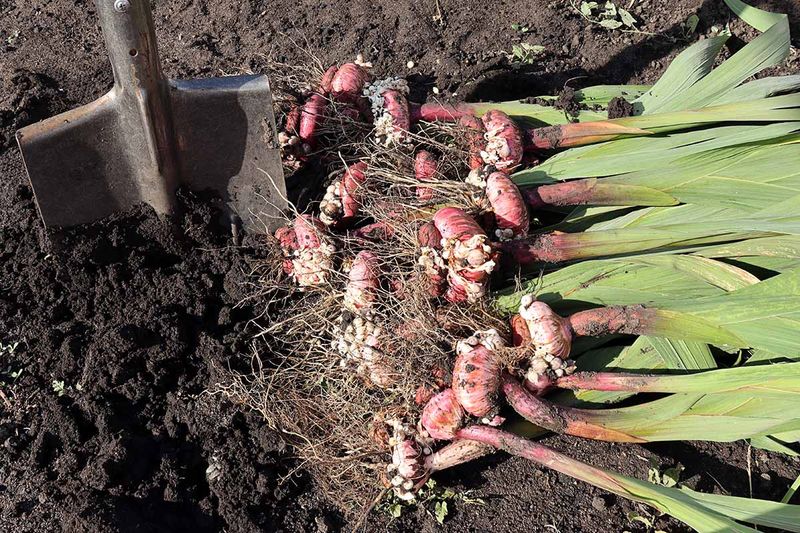
Gladiolus grow from corms, which are flat, rounded storage discs rather than true bulbs. They come from South Africa, and gardeners in zone 7 and colder usually need to lift them each fall.
Timing follows the flowers rather than the frost, which makes gladiolus different from the others on this list. Most experts suggest digging the corms six to eight weeks after the blooms fade, or when the leaves turn yellow and brown.
Loosen the soil around each plant with a garden fork, then lift the corms out gently. Gladiolus are easier than most tender plants to dig, since you can often grab the base of the leaves and pull.
Cut the leaves off just above the corm and spread everything out in a warm, airy spot. Gladiolus need a longer cure than other tender bulbs, and many extension guides suggest two to three weeks.
After curing, snap off the old shriveled corm at the bottom and keep the plump new one on top. Tiny cormels clustered around the base can be saved as well, though they take a few years to bloom.
Gladiolus corms store best dry, so place them in mesh bags or old nylon stockings. Hanging the bags from a nail lets air move all around the corms and makes it harder for mice to reach them.
Keep the bags in a cool spot between 40 and 50 degrees Fahrenheit. Apples and other ripening fruit give off ethylene gas, so store the bags somewhere else.
4. Caladium Tubers
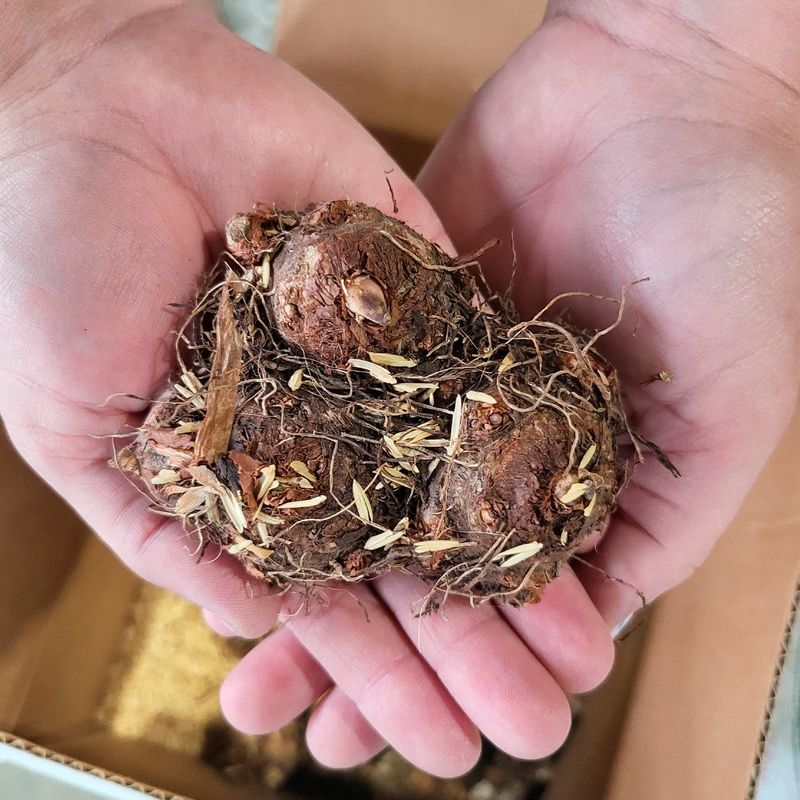
Caladiums grow from tubers and come from tropical South America, which makes them the fussiest plants on this list. They are generally hardy in zones 9 through 11, so gardeners in zone 8 and colder need to lift them.
Soil below about 60 degrees Fahrenheit slows caladiums down, so they come out earlier than most plants here. Many gardeners lift them when nights dip into the 50s regularly, often weeks before any frost.
The leaves start to yellow and flop as temperatures drop, which tells you the tubers are ready. Loosen the soil with a fork about a foot from the plant to avoid cutting into them.
Shake off loose soil and trim the foliage back to a short stub above each tuber. Cure the tubers somewhere around 70 degrees Fahrenheit for about a week, since they like warmer conditions than other plants on this list.
During curing, look over every tuber and toss anything soft, mushy, or covered in fuzzy mold. One bad tuber can spread trouble through a whole box, so being picky now pays off.
Pack the tubers in dry peat moss or vermiculite and keep the box somewhere that holds 50 to 60 degrees Fahrenheit. Storage below 50 degrees often leads to weak sprouts in spring, so a basement corner works better than an unheated garage.
Check the box monthly and discard any tuber that turns soft. Caladiums that stayed firm and plump through winter are ready to sprout when spring soil warms.
5. Elephant Ear Tubers
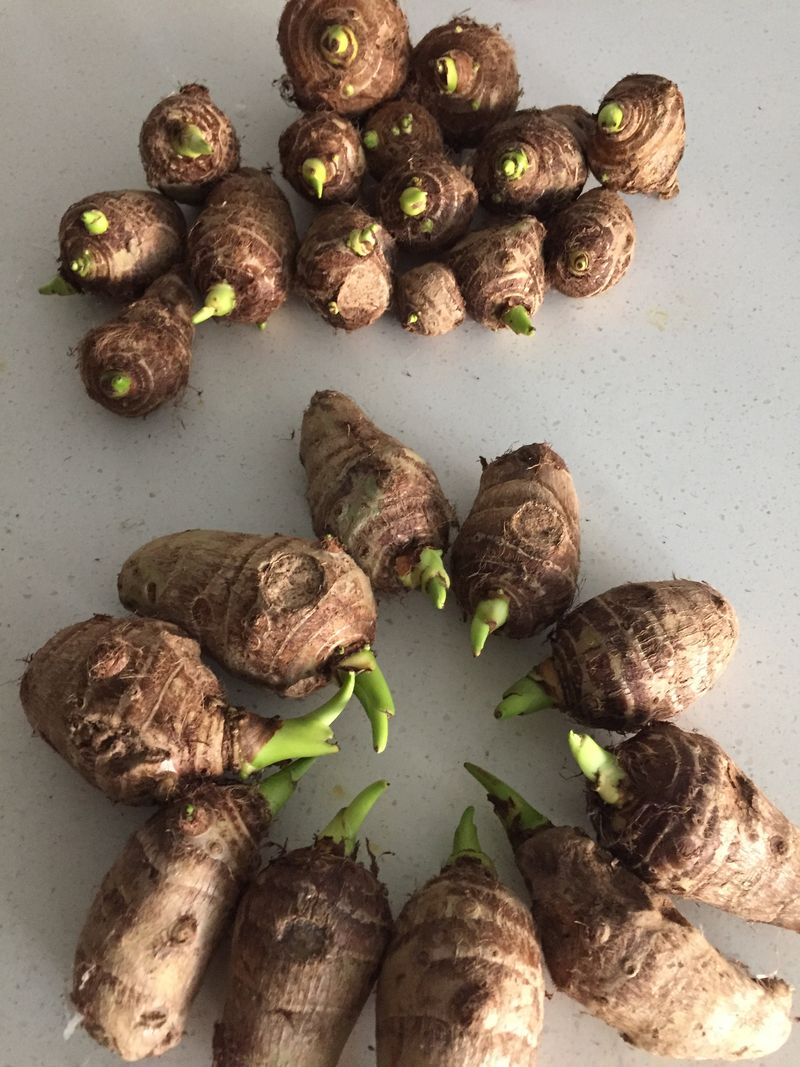
Elephant ears grow from large tubers and come from tropical Asia, where winters stay mild. Most types are hardy in zones 8 through 11, though results vary from yard to yard.
Gardeners in colder zones should lift the tubers before a hard freeze arrives. These plants handle cooler nights better than caladiums, so there is no need to rush them out of the ground in fall.
Wait until a light frost has darkened the leaves, then cut the stalks back to a few inches above the soil. Dig a wide circle with a garden fork, because the tubers spread outward and slice easily.
Lift the clump slowly and shake off loose soil by hand. Let it dry for a few days in a frost-free shed or garage so the skins toughen and small cuts seal.
Pack the tubers in boxes of barely damp peat moss, much like dahlias. Some growers skip the boxes and simply move the whole pot indoors for winter.
Keep the stored tubers in a cool basement or crawl space that stays above freezing. Set the boxes on shelves or wooden pallets, since concrete floors can stay several degrees colder than the air above them.
Check the tubers about once a month and gently squeeze a few to test their firmness. Firm tubers are healthy, while soft or hollow ones should go in the trash rather than the compost pile.
6. Tuberous Begonias
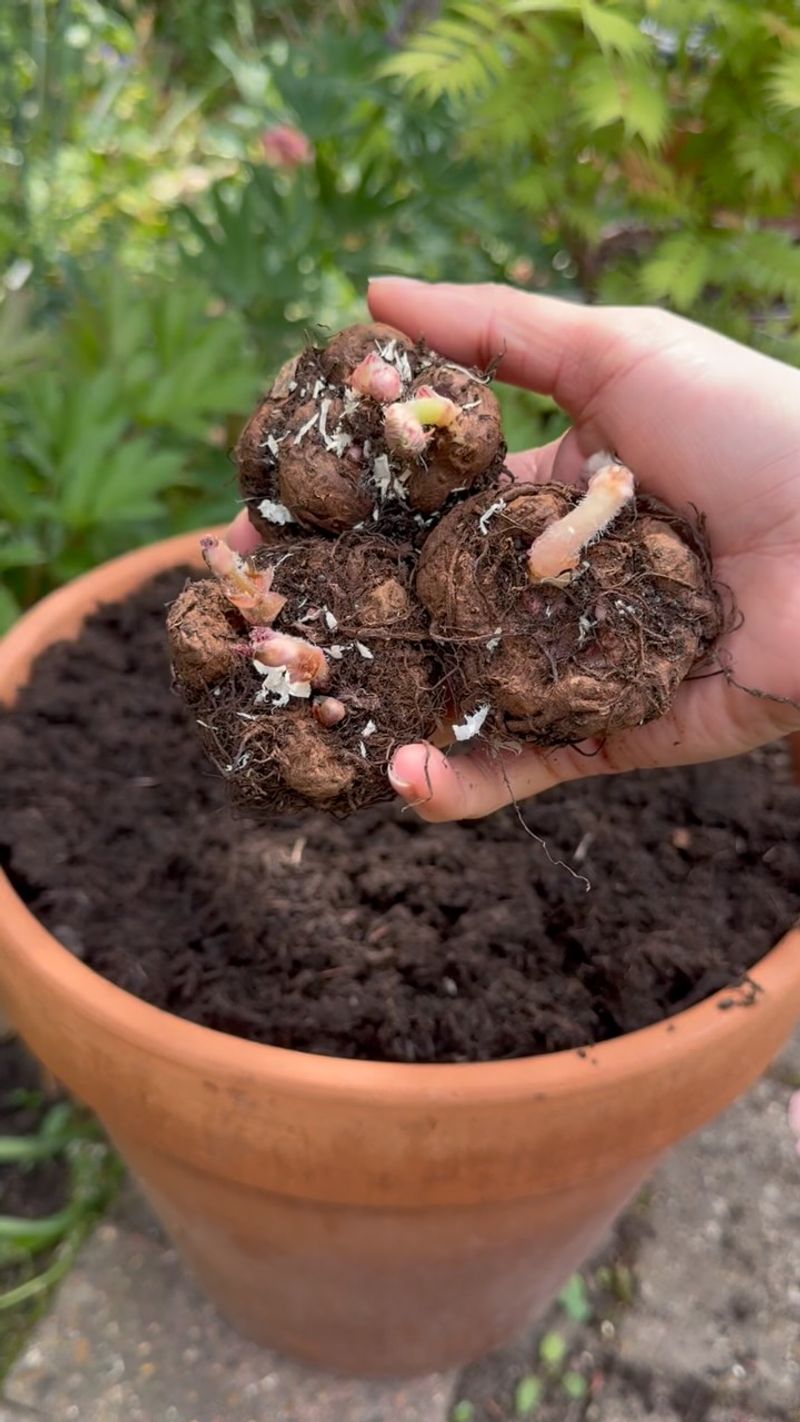
Tuberous begonias grow from flat, rounded tubers and come from mountain regions of South America. They are generally hardy in zones 9 through 11, so gardeners in zone 8 and colder need to bring them in.
Their timing resembles caladiums more than dahlias, because cool nights slow them down early in fall. Bring them in when the leaves begin to yellow rather than waiting for a frost.
Cut the stems back to a few inches and lift the tubers carefully with a fork. Handle them gently, because bruises and cuts can turn into rot spots later in storage.
Let the tubers dry in a warm spot around 70 degrees Fahrenheit for about a week. Warmer curing conditions suit begonias, much as they suit caladiums, and a spare room or utility area often works well.
Brush off the dry soil and remove any leftover stems or roots. Look over each tuber and toss any piece that feels soft, mushy, or covered in mold.
Pack the tubers in dry peat moss or vermiculite, placing them so they do not touch. Spacing helps stop rot from spreading if one tuber goes bad over the winter.
Store the box in a cool, dark spot that stays above freezing, such as a basement shelf away from outside walls. Check it every month or so, and a light misting of the packing material can help tubers that look wrinkled.
7. Calla Lily Rhizomes
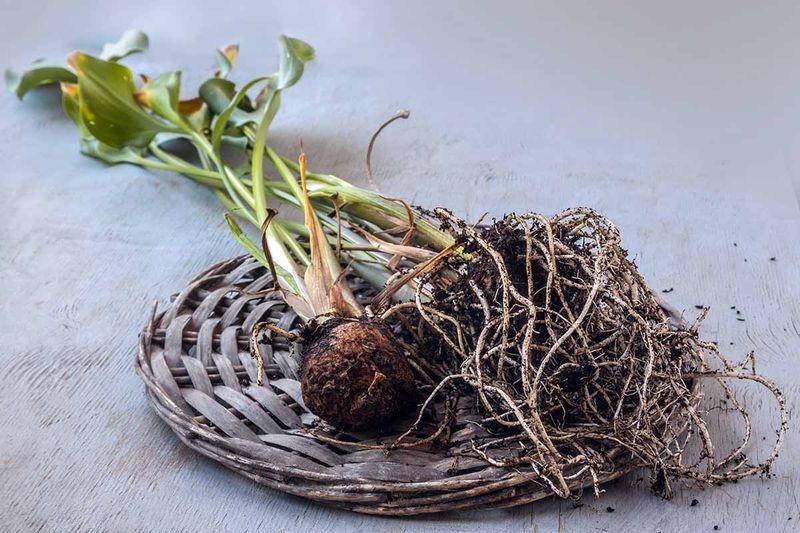
Calla lilies grow from rhizomes and come from South Africa, where winters stay mild. Most types are hardy in zones 8 through 10, so gardeners in colder areas lift them each fall.
Wait until the leaves begin to yellow in fall, or lift the rhizomes before the first hard freeze if the foliage stays green. The plant has finished storing energy once the foliage fades.
Loosen the soil around the clump with a garden fork and lift the rhizomes without cutting into them. Cut the leaves back to a short stub and brush off loose soil.
Spread the rhizomes in a shaded, airy spot for a few days so the skins dry and small cuts seal. Check each piece during this time and toss any that feel soft or look moldy.
Pack the rhizomes in barely damp peat moss or vermiculite inside a cardboard box or crate. Leave a little space between pieces so rot spreads less easily if one goes bad.
Store the box in a cool, dry place that stays around 50 degrees Fahrenheit, such as a basement or insulated garage. A cheap thermometer beside the box shows whether the spot stays steady.
Check the rhizomes about once a month through winter for early signs of trouble. Firm pieces are healthy, while soft or shriveled ones need attention, and a light misting of the packing material can help wrinkled pieces.
8. Peruvian Daffodil Bulbs
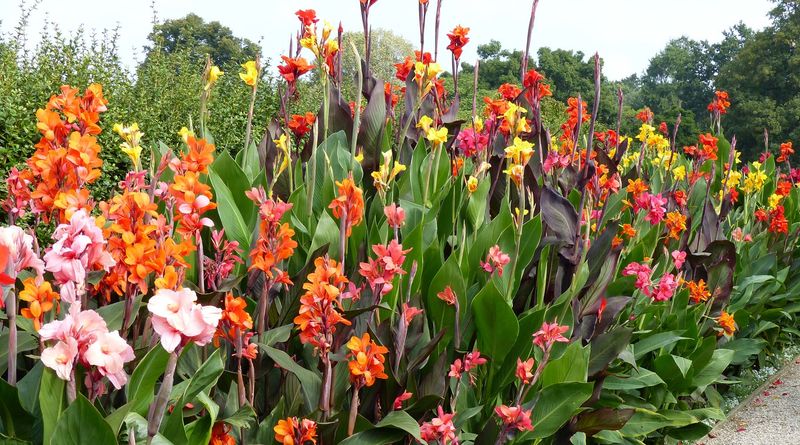
Peruvian daffodils grow from true bulbs and come from the Andes of South America. They are generally hardy in zones 8 through 10, so gardeners in colder areas need to lift them each fall.
Their white, fragrant flowers appear in summer and fade long before frost arrives. Lift the bulbs after the foliage starts to yellow in fall and before a hard freeze reaches the soil.
Loosen the soil in a wide circle with a garden fork to protect the thick roots below. These fleshy roots store water too, so avoid trimming them away when you lift the bulbs.
Shake off loose soil gently and leave the leaves attached for now. Let the bulbs dry in a shaded, airy spot for a week or two so the skins toughen and any small cuts seal.
Trim the dried leaves down to a few inches once they turn brown and papery. Check each bulb and toss any that feel soft, mushy, or covered in fuzzy mold.
Pack the bulbs in dry peat moss or vermiculite inside a cardboard box or paper bag. Keep the pieces apart so one bad bulb does not affect the rest of the box.
Store the container in a cool spot that stays above 50 degrees Fahrenheit, such as a basement closet. Check it every month for soft spots or early sprouts, since a warm storage area can wake the bulbs too soon.