How To Save Seeds From Your Ohio Zinnias And Marigolds For Next Year
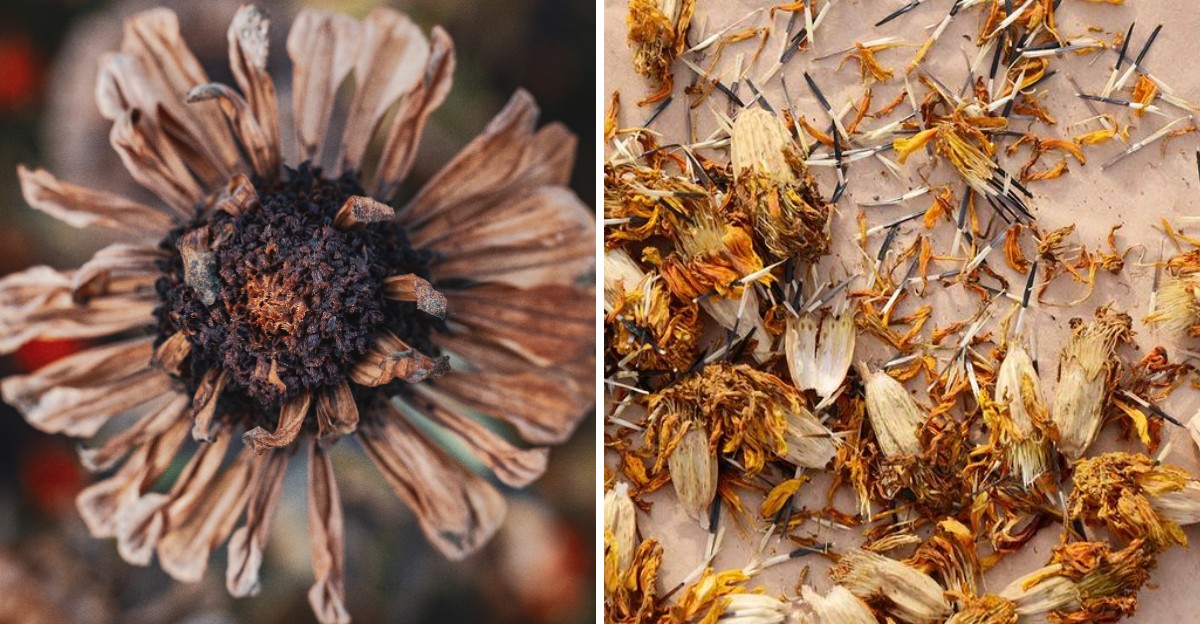
A single crispy flower head the size of a quarter can hold dozens of next year’s plants. I find that a little mind-blowing, honestly. All that color you enjoyed in July is quietly turning into a seed stash right now.
Most of us snip off faded blooms and toss them without a second thought. Personally, I used to do the same thing for years. Then a friend shook a brown, papery bloom over my palm, and out tumbled a small pile of arrow-shaped seeds.
Ohio gardeners have a real advantage here, since our first fall frost usually arrives between early and late October.
That gives the flowers plenty of time to ripen on the stem. You also save money, skip the spring seed rush, and grow plants that already know your yard.
Those Crispy Brown Flower Heads Are Hiding Next Year’s Garden
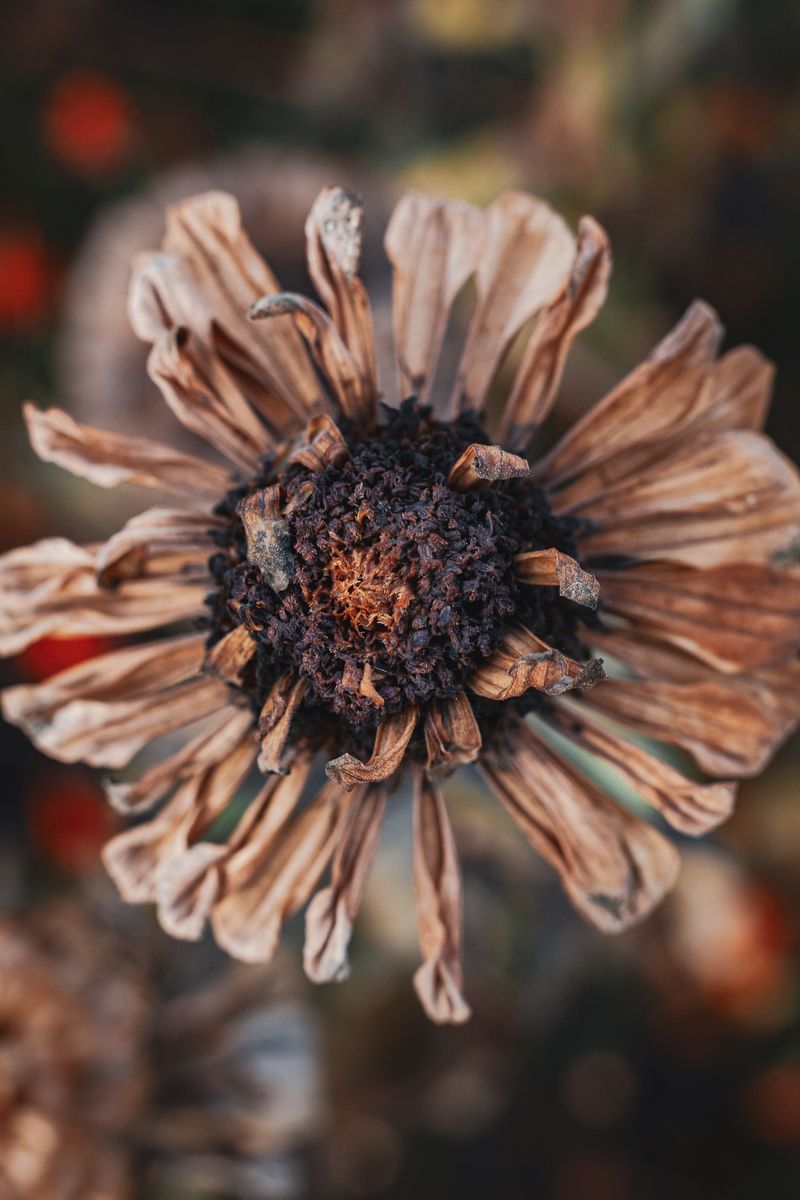
Patience is the secret ingredient most new seed savers skip. Those faded blooms that look past their prime are actually doing their most important work.
Inside, seeds are filling out and hardening for winter.
Seeds picked too early are often pale, flat, and unable to sprout. You want to let chosen flowers stay on the plant until the petals dry and the center turns brown.
The stem right under the bloom should also look tan or brown instead of green.
In Ohio, this usually happens from late August through early October. Northern counties near Lake Erie can see frost a bit later, while some inland and higher spots get cold sooner.
Watch your local forecast so you can gather mature heads before a hard freeze turns them mushy.
I like to pick a few of the healthiest, prettiest plants and stop trimming them in late summer. That way, the rest of the bed keeps blooming while my seed plants finish ripening.
A loose twist tie or a bit of yarn around the stem helps me remember which ones to save.
Choose a dry afternoon for harvesting. Dew or rain on the flower heads adds moisture you will have to remove later anyway.
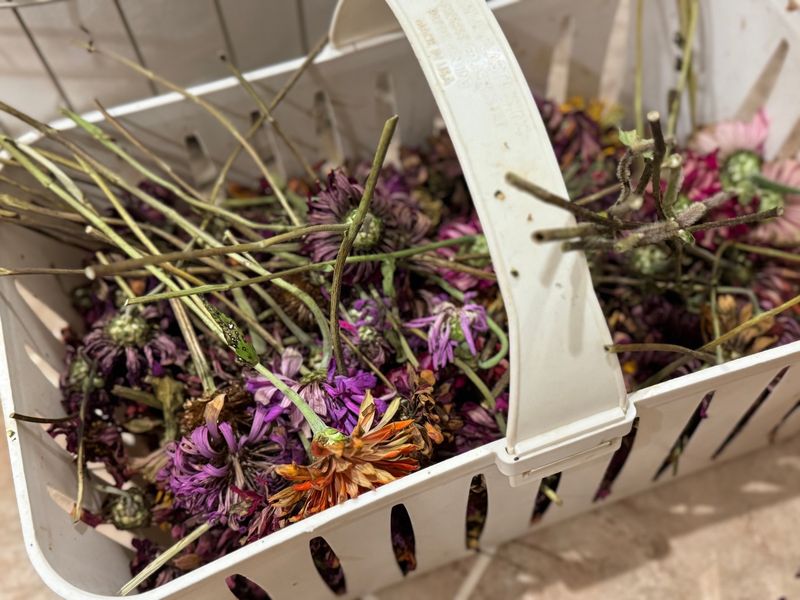
Crumble A Dried Zinnia Head And Look For Arrow-Shaped Seeds
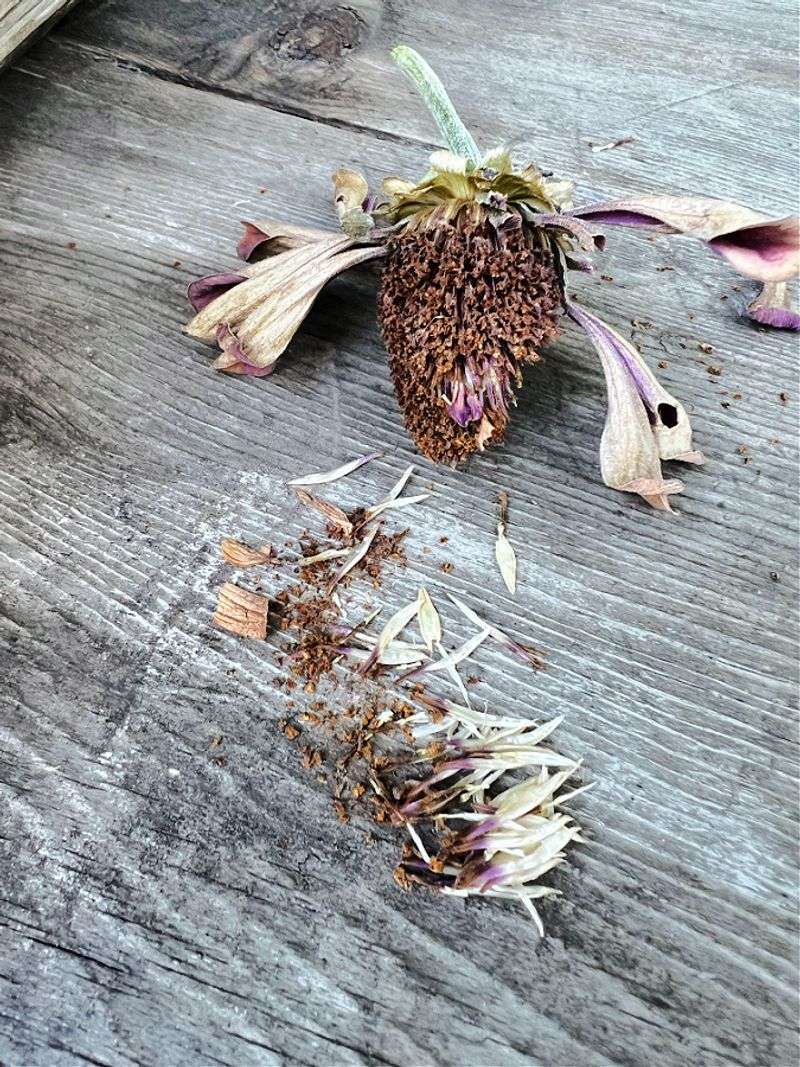
Zinnia seeds look a lot like tiny arrowheads, and finding them feels a bit like a treasure hunt. Each one sits at the base of a dried petal, tucked into the center of the bloom.
Snip off a fully dry zinnia head with scissors or pruners. Hold it over a paper plate or shallow bowl, then gently roll it between your fingers.
The head will break apart into a mix of seeds, dried petals, and fluffy bits called chaff.
Now comes the sorting. Good zinnia seeds are firm, slightly plump, and gray-brown or darker in color.
Some even have a small petal still attached at the tip, which you can pull off or leave alone.
Toss any seeds that are flat, papery, or pale cream. Those are usually unfilled and will not grow.
Pinch a seed gently, and you should feel a solid little body in the middle.
Your Ohio Garden Changes Every Week. Your Plan Should Too.
Gardening in Ohio changes quickly throughout the season. Every Friday you’ll receive a simple weekly plan showing exactly what to plant, prune, fertilize, harvest, and protect so you never miss the right timing.
One big zinnia head can give you a surprising number of seeds, so you rarely need many flowers. I keep each variety on its own plate.
Mixing them up is easy, and sorting them later is no fun at all.
Marigold Seeds Slide Right Out Of That Papery Brown Pod
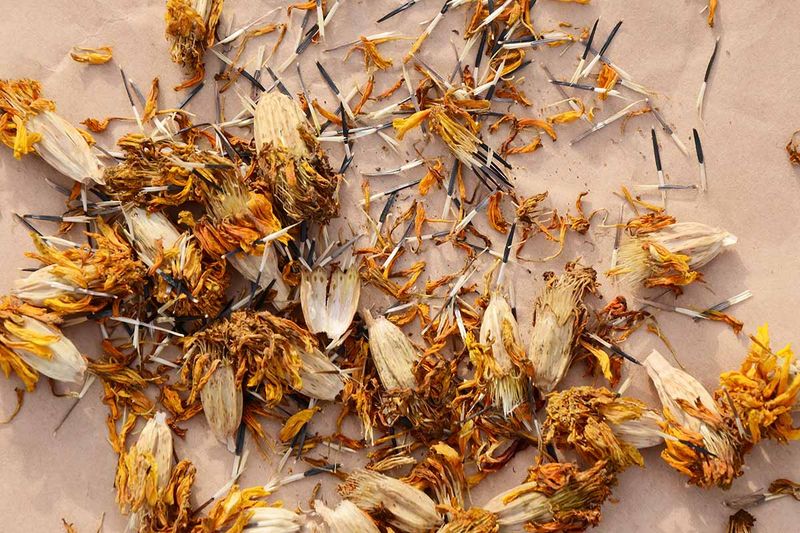
Marigolds might be the easiest seed-saving flower on the planet. Kids love this job, and honestly, so do I.
One tug, and a neat bundle of seeds slides out like a tiny paintbrush.
Wait until the bloom has shriveled and the green base, called the calyx, turns brown and dry. Snap or snip the whole head off the plant.
Then pull off the dried petals at the top, and squeeze the base gently.
Inside, you will find long, skinny seeds. Each one is mostly black with a pale tan or white tip.
That dark section is the part that matters, since it holds the embryo that grows into a new plant.
Brush away loose petals and debris so mostly seeds remain. A few bits of chaff will not hurt anything.
Still, cleaner seeds dry faster and are less likely to grow mold.
Marigold heads can handle a light frost without much harm to seeds that are already ripe. A hard freeze plus wet weather is a different story, though.
In Ohio, I try to finish my marigold harvest by mid-October to be safe.
Spread Your Zinnia And Marigold Seeds Out To Dry Before Storing
Mold is the sneaky villain of seed saving. A batch that looked perfect in October can turn fuzzy and gray by January if you rush this step.
Thankfully, preventing it takes very little effort.
Lay your cleaned seeds in a single layer on a paper plate, tray, screen, or paper towel. Keep each variety separate, and write its name right on the paper.
A pencil works great for this.
Find a spot indoors that is dry, airy, and out of direct sun. A spare shelf or a corner of the kitchen counter usually works fine.
Avoid damp basements, since Ohio fall weather can bring humid days.
Give the seeds at least one to two weeks. Stir them around every couple of days so moisture does not get trapped underneath.
Marigold seed bundles sometimes hold extra moisture, so spread those out well.
How can you tell they are ready? Fully dry seeds feel hard and crisp, and they snap rather than bend.
Skip plastic bags during drying, because they hold in moisture and invite trouble.
Paper Envelopes And Glass Jars Keep Flower Seeds Snoozing All Winter
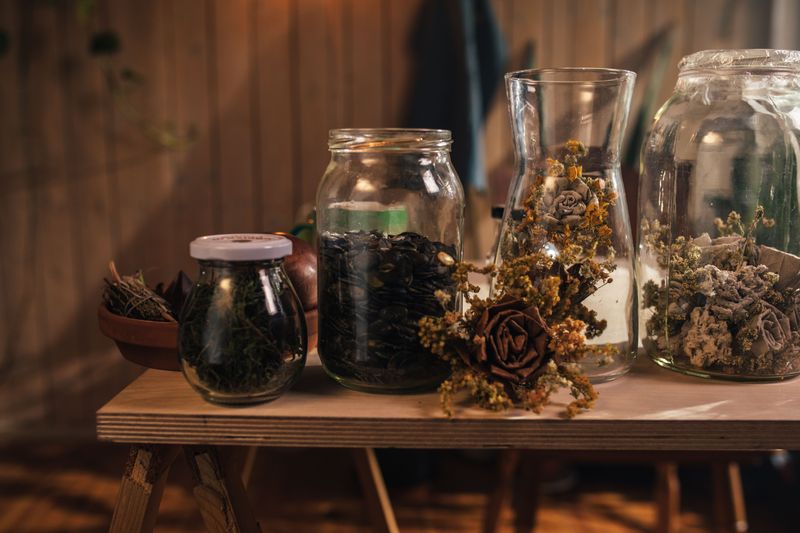
Seeds are alive, just napping. Your job over winter is to keep that nap long and peaceful until spring planting time.
Cool, dark, and dry is the winning combination. Heat, light, and moisture all wake seeds up early or wear them out.
A closet shelf, a cool interior room, or the refrigerator all work well.
Paper envelopes are a classic choice because they let any leftover moisture escape. For extra protection, slip those envelopes into a glass jar with a tight lid.
Some gardeners add a small silica gel packet to soak up humidity.
If you use the fridge, store seeds in an airtight container so they do not pick up moisture. When you take them out in spring, let the jar warm to room temperature before opening it.
That keeps condensation from forming on cold seeds.
Label everything clearly with the flower type, color or variety name, and the year you harvested. Trust me, every brown seed looks the same by March.
Zinnia seeds often stay usable for several years, while marigolds tend to be best within one to two years.
Hybrid Zinnias Might Surprise You With Totally New Colors
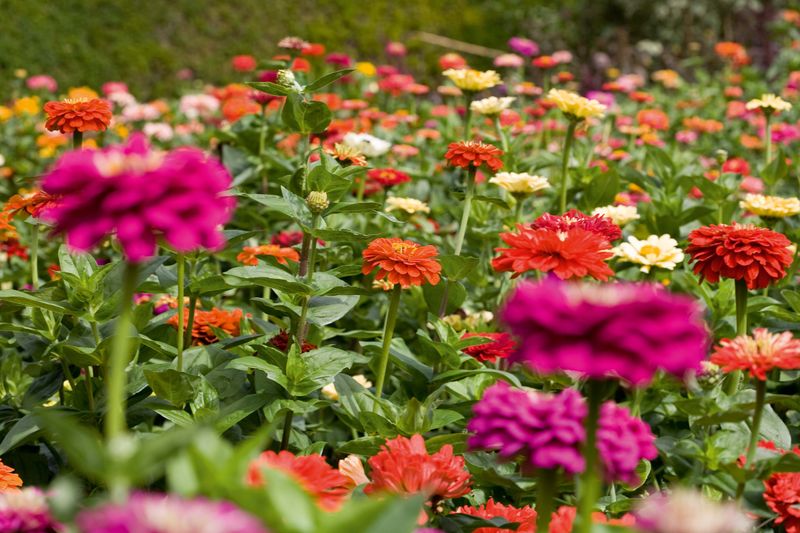
Ever planted saved seeds and gotten flowers that looked nothing like the parent? You probably saved from a hybrid.
It happens to almost everyone at least once.
Plants labeled F1 hybrid come from a planned cross between two different parents. Seeds from those plants often do not grow true.
You might get different heights, colors, or simpler single blooms instead of fancy doubles.
Open-pollinated and heirloom varieties are more dependable. Their seeds usually produce plants much like the parent.
Classics like ‘California Giant’ zinnias or ‘Crackerjack’ marigolds are popular open-pollinated choices.
Zinnias also cross easily with each other, thanks to busy bees and butterflies. If you grow several zinnia varieties side by side, expect a fun mix next year.
The same goes for marigolds of the same species planted close together.
Personally, I enjoy the surprise. Some of my favorite zinnias came from mystery seeds that crossed in my own yard.
If you want exact copies, though, check your plant tags or seed packets before harvesting, and save only from open-pollinated types.
A Quick Paper Towel Test Shows Which Saved Seeds Will Sprout
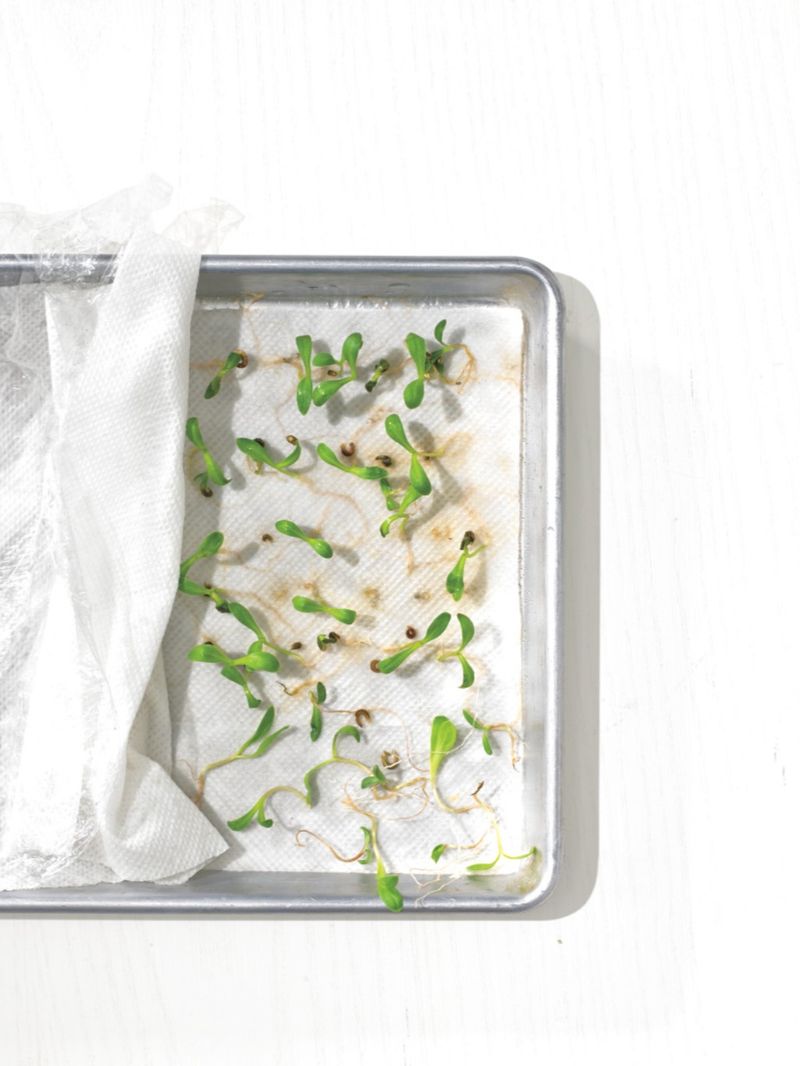
Guessing whether old seeds still work can be stressful. A simple germination test takes the mystery out of it, and you probably have everything you need in your kitchen.
About three to four weeks before planting, count out ten seeds. Lay them on a damp paper towel, fold it over, and slide it into a plastic bag.
Keep the bag somewhere warm, like the top of the fridge.
Check every couple of days, and keep the towel moist but not soaking. Zinnias and marigolds usually sprout within about a week in warm conditions.
Look for tiny white roots poking out.
Count how many sprouted. If seven out of ten grow, you have about a 70 percent germination rate.
That tells you to sow a few extra seeds to fill your space.
If very few sprout, do not worry too much. Those seeds may simply be too old or picked too early.
You still learned something useful for next fall, and the sprouted test seeds can even be planted in small pots.
Plant Your Saved Marigolds And Zinnias After Ohio’s Last Spring Frost
The best part of seed saving arrives in spring. Those little envelopes turn into a bed full of color that cost you nothing but a few minutes in the fall.
Zinnias and marigolds love warmth and sunshine. Ohio’s last spring frost typically lands from mid-April in the south to mid-May in the north.
Wait until frost danger has passed and the soil feels warm before sowing outdoors.
Plant seeds about a quarter inch deep in a sunny spot with decent drainage. Keep the soil lightly moist until seedlings appear.
Thin them out so each plant has room for good airflow, which helps zinnias fight powdery mildew.
Want a head start? Marigolds are easy to start indoors about four to six weeks before your frost date.
Zinnias dislike root disturbance, so many gardeners sow those directly in the ground.
Each fall, save seeds from your strongest, healthiest plants. Over the years, your flowers can become better suited to your own soil and weather.
I think that slow, homegrown improvement is the sweetest reward of all, and extra seeds make wonderful gifts for friends.