The Fall Pruning Mistake That Can Cost Texas Fig Trees Their Winter Survival
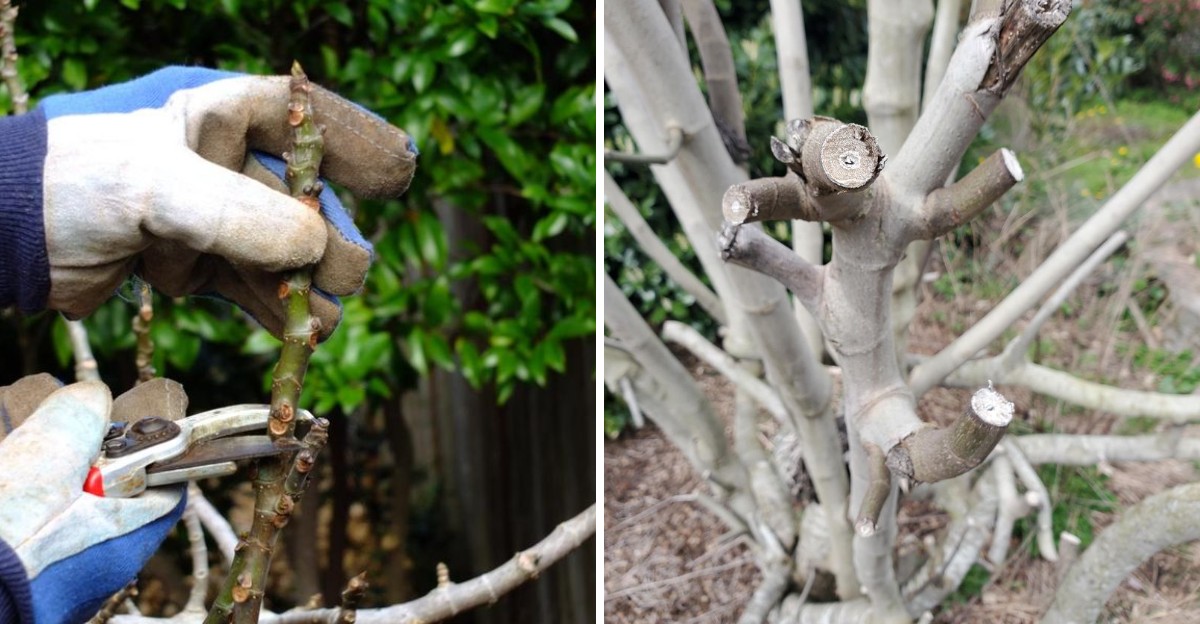
A fig tree’s branches do far more than hold fruit. Heading into winter, they act like a protective framework, shielding the tree’s core and storing energy it will need to wake up in spring.
That’s why fall is such a delicate time for Texas figs. After a long growing season, many gardeners look at their sprawling trees and decide it’s time to clean things up.
It feels productive, even helpful. But one common pruning mistake can leave a fig far more exposed to the cold.
It can also trigger tender new growth that won’t have time to toughen up before the first hard freeze.
In North and Central Texas, where sudden cold snaps can arrive without much warning, that combination can be costly.
Holding back now can make the difference between a tree that struggles and one that bounces back loaded with fruit.
Pruning Fig Trees Heavily In Fall
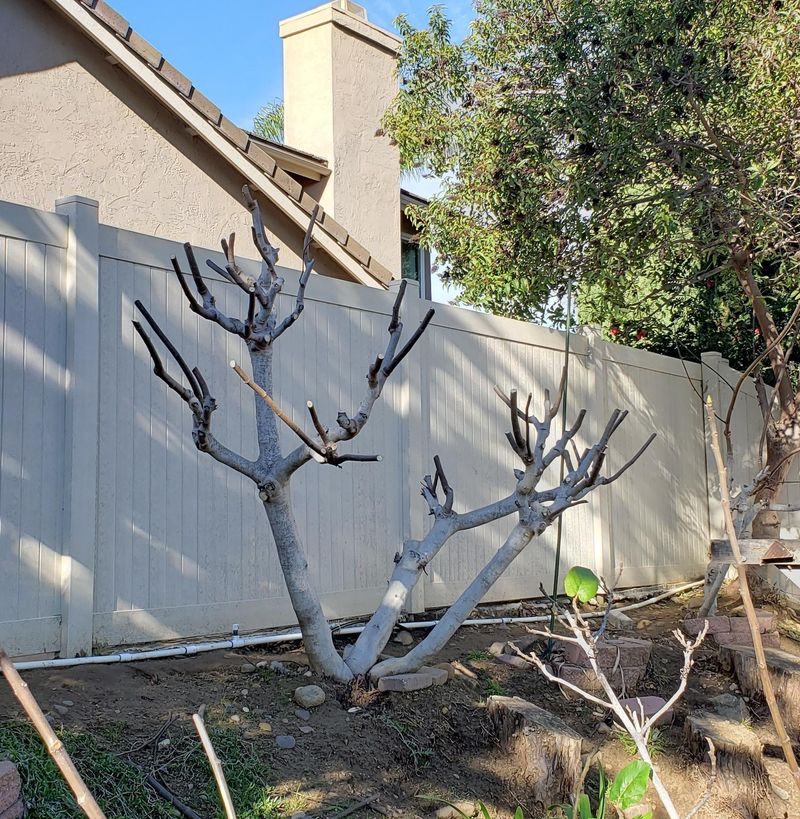
Every October, my neighbor in Waco gives her yard a full makeover. She rakes, trims the hedges, and cuts her big fig tree down to knee-high stumps. Each spring, she wonders why the tree looks so sad.
Her story is common across Texas. Fall cleanup feels productive, and a messy fig with long, wild branches seems like it needs a haircut.
Many gardeners treat figs the same way they treat roses or shrubs. Figs play by different rules, though.
Heavy pruning removes a lot of the wood and bark that help shield the tree from cold. Those branches store energy the fig needs to stay strong through winter.
When you take off a large portion of the tree, you also take away part of its food supply. The plant enters the cold season weaker than it should be.
Timing makes things worse. Fall pruning happens right before the first freezes arrive. The tree has no time to recover or adjust. It is a bit like taking off your winter coat right when the snow starts falling.
So what counts as heavy pruning? A good rule is anything more than light trimming. Cutting back main branches, topping the tree, or removing a third or more of the growth all fall into that group.
If your fig is too big, write down your plan instead of acting on it. Mark the branches you want gone with a bit of colored tape.
Then wait for the right season. Your tree will reward that patience with better health and stronger growth when warm weather returns.
It Triggers Tender Growth Before A Freeze
Texas weather loves to play tricks. One week in November feels like summer, with highs in the 80s. The next week, a cold front blasts through and you need a heavy jacket.
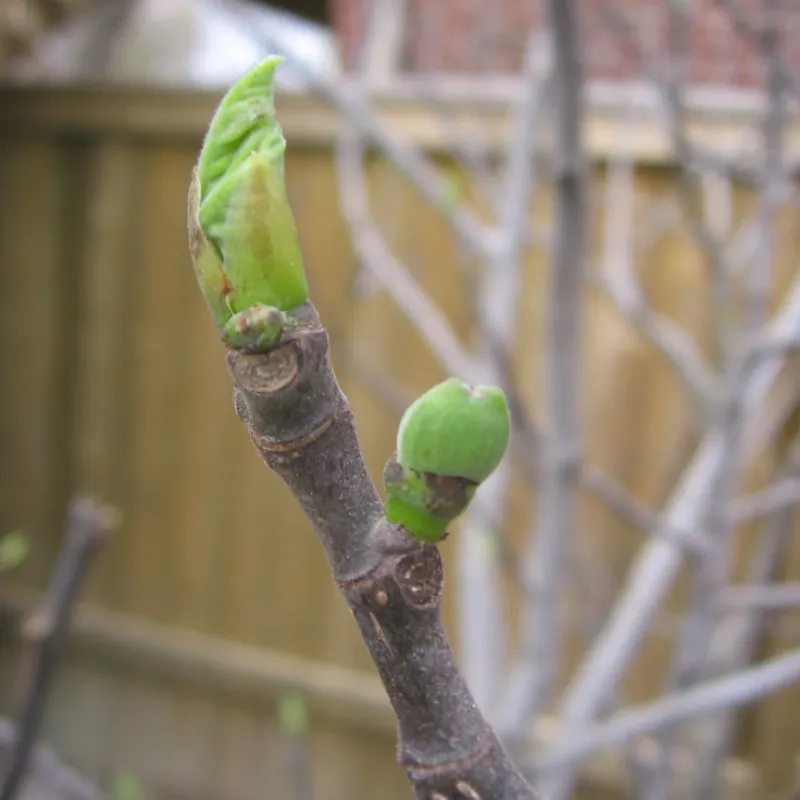
Fig trees get fooled by those warm spells. When you prune a fig, you send it a message to grow. The tree responds by pushing out fresh shoots from buds near the cuts. In a mild fall stretch, those buds can wake up fast.
Your Texas Garden Changes Every Week. Your Plan Should Too.
Gardening in Texas changes quickly throughout the season. Every Friday you’ll receive a simple weekly plan showing exactly what to plant, prune, fertilize, harvest, and protect so you never miss the right timing.
Here is the problem. New shoots are soft, green, and full of water. They have not had time to harden off, which means they have not built up the tough, woody layer that handles cold.
When a freeze hits, the water inside those shoots turns to ice. The cells burst, and the new growth turns black and mushy.
Losing those shoots also wastes the tree’s energy. The fig spent stored food to make growth that never had a chance. That leaves less fuel for spring.
Fun fact: plants harden off for winter by slowly moving water out of their cells and building up natural sugars.
Those sugars act a little like antifreeze. Shorter days and cooler nights tell the tree to start this process. Pruning interrupts that signal and confuses the plant.
Want to help your fig prepare naturally? Stop fertilizing by late summer, since extra nitrogen also pushes soft growth.
Cut back on watering a bit as fall goes on, while keeping the soil from drying out completely. Most of all, keep those shears in the shed until the season is right.
Fresh Cuts Leave The Tree Exposed
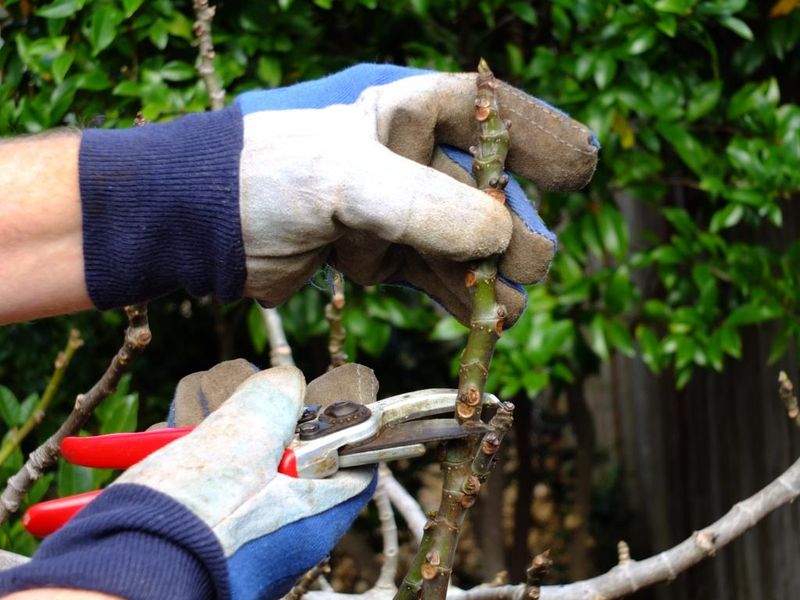
Think about how a scraped knee feels on a freezing day. It stings more, heals slower, and just seems more fragile. Fig trees deal with something similar after pruning.
A fresh cut is an open wound on the tree. The bark is the fig’s protective skin, and cutting through it exposes the tender tissue underneath.
In warm months, the tree seals that wound fairly quickly. In cold months, healing slows almost to a stop.
That open spot becomes a weak point. Cold air can damage the exposed wood, and the injury may spread downward.
Gardeners call this dieback. A branch that looked healthy in November can turn brown and brittle several inches below the cut by February.
North Texas, the Panhandle, and Central Texas face the biggest risk. Places like Dallas, Fort Worth, Amarillo, and Austin can see hard freezes in the teens or even lower.
The February 2021 freeze showed how brutal Texas winters can get. Many figs froze to the ground that year, and pruned trees often had a tougher time.
South Texas gardeners have a little more wiggle room. Still, surprise freezes do reach the Valley and the coast, so caution pays off everywhere.
Leaving branches in place gives your fig extra layers of defense. Outer branches take the hit from wind and cold, shielding the main trunk and lower wood. If some tips get damaged, that is fine.
You can trim them later, and the important parts stay safe. Skip the pruning sealers, too. Most experts agree they do not help much and can trap moisture.
You Can’t Yet See What Winter Will Damage
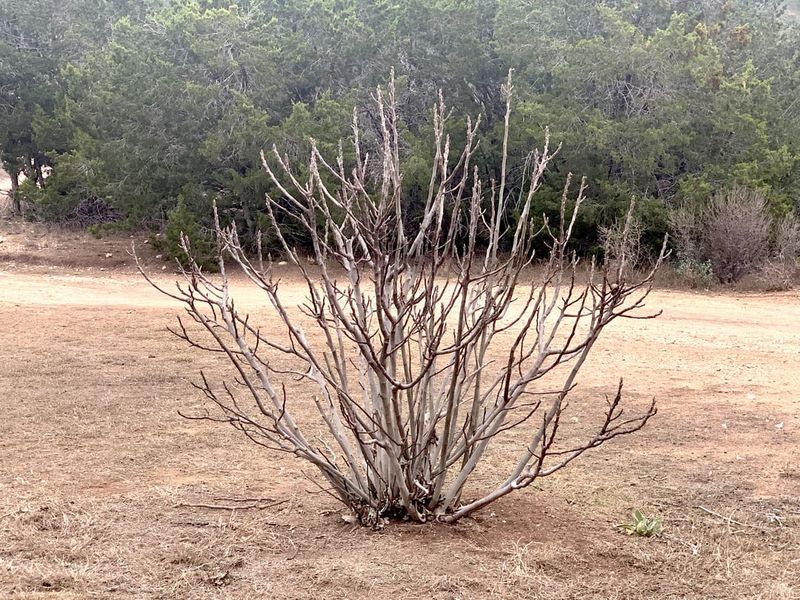
Nobody has a crystal ball for Texas winters. Some years stay mild from start to finish. Other years bring ice storms that shut down whole cities.
Pruning in fall forces you to guess. You might cut away a branch that would have made it through just fine. Then a freeze comes and damages the branches you kept. Now you have lost good wood twice.
Waiting solves that puzzle. By late winter, the cold has already done its work. You can walk up to your fig and see exactly what happened.
Damaged branches often look shriveled, dark, or cracked. Healthy ones look plump and firm.
There is also a handy trick called the scratch test. Use your thumbnail or a small knife to gently scrape a tiny bit of bark.
Green or creamy tissue underneath means the branch is alive. Brown and dry tissue means that section is gone. Move down the branch and test again until you find green.
Once you know where the healthy wood starts, you can make clean cuts just above a live bud. You remove only what winter ruined. Nothing healthy gets wasted.
Patience matters here more than skill. Figs are amazing at bouncing back. Even trees that seem frozen to the ground often send up new shoots from the roots in spring. Give yours until mid-spring before deciding it is truly lost.
Keep a simple garden journal, too. Note which branches got hurt each winter. Over a few years, you will learn how your tree handles your local weather.
Late Winter Is The Better Time To Prune
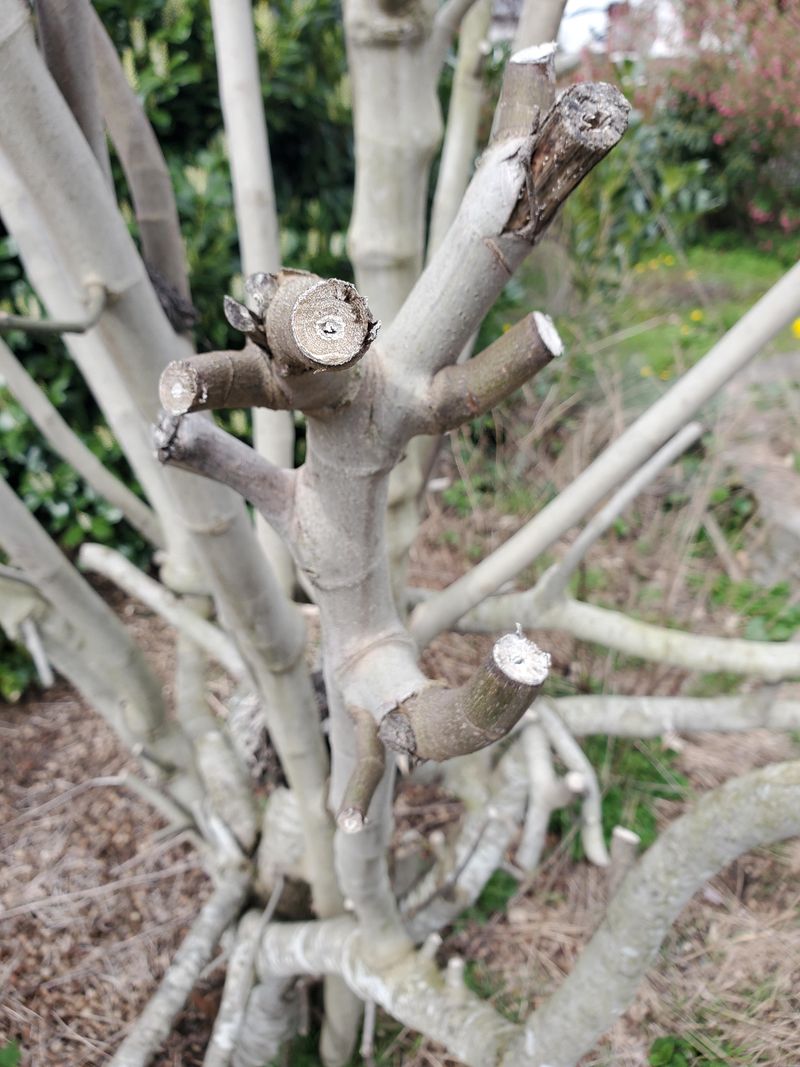
Mark your calendar for late winter. For most of Texas, that means February or early March, depending on where you live. That window is the sweet spot for pruning figs.
During that time, the tree is still dormant. Its sap is not flowing strongly yet, and it has no leaves. You can clearly see the shape of every branch. Best of all, the worst cold snaps are usually behind you.
Gulf Coast and South Texas gardeners can often prune in early February. Folks in North Texas and the Panhandle should wait until late February or March. Check your area’s average last frost date for a helpful guide.
Start with damaged wood, then remove branches that cross or rub each other. Open up the center so sunlight and air can reach inside. Aim for a tree that is easy to reach for picking.
Now for a key detail. Many figs make two crops. The early one, called the breba crop, grows on last year’s wood.
The main crop forms later on new growth. Heavy pruning cuts off a lot of last year’s wood, so you may lose most of that early harvest.
Varieties like Celeste and Brown Turkey, both popular in Texas, can produce brebas in good years. If you love those early figs, prune lightly. If you mostly care about the main crop, you can be a little bolder.
Keep your tools sharp and clean. A quick wipe with rubbing alcohol between trees helps prevent spreading disease. Clean cuts heal faster, too.
What You Can Safely Do In Fall
Good news for anyone with itchy pruning fingers. Fall is not a total hands-off season. There are plenty of helpful jobs you can tackle right now.
First, light cleanup is fine. Dry branches, broken limbs from storms, and diseased wood can come off anytime. Those parts are not helping the tree anyway. Removing them keeps pests and disease from spreading.
Suckers are fair game, too. Those are the thin shoots popping up from the base or roots. They steal energy from the main tree, so snip them off at ground level.
Next, grab a rake. Fallen fig leaves can carry fig rust, a fungus that shows up as orange or brown spots.
Clearing old leaves lowers the chance it returns next year. Toss them in the trash rather than the compost if they look spotty.
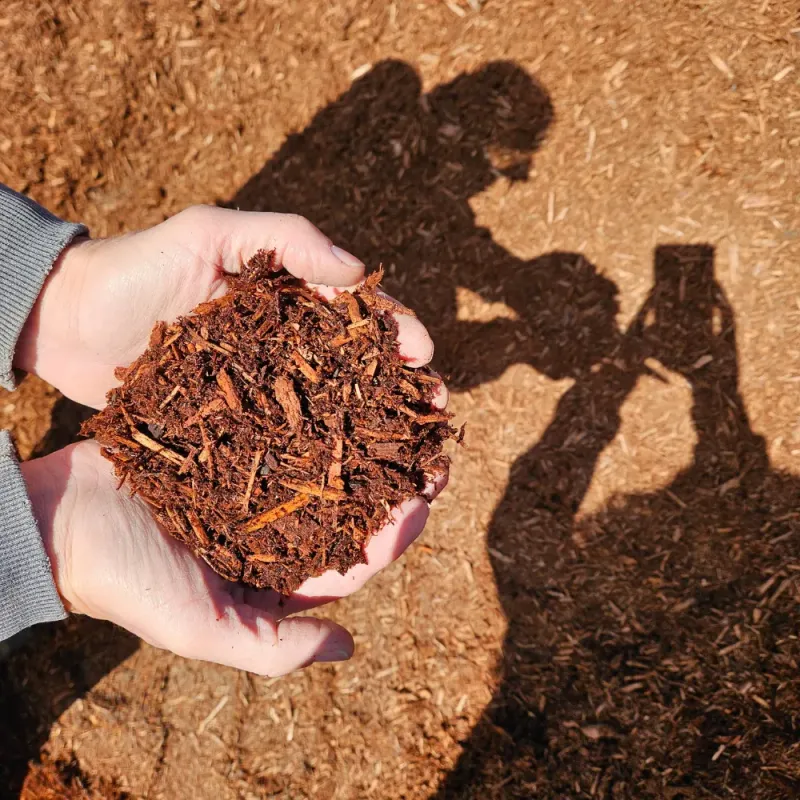
Mulch is your fig’s best friend in winter. Spread three to four inches of shredded bark, leaves, or pine straw over the root zone.
Keep it a few inches away from the trunk to prevent rot. That cozy layer keeps roots warmer and holds in moisture.
Young trees need extra care. Figs under three years old are the most at risk from a hard freeze.
Buy frost cloth now so you are ready before the first cold front. Drape it to the ground when a freeze is coming, and remove it once temperatures rise.
Finally, water well before a freeze. Moist soil holds heat better than dry soil. That small step can make a real difference on a frigid night.