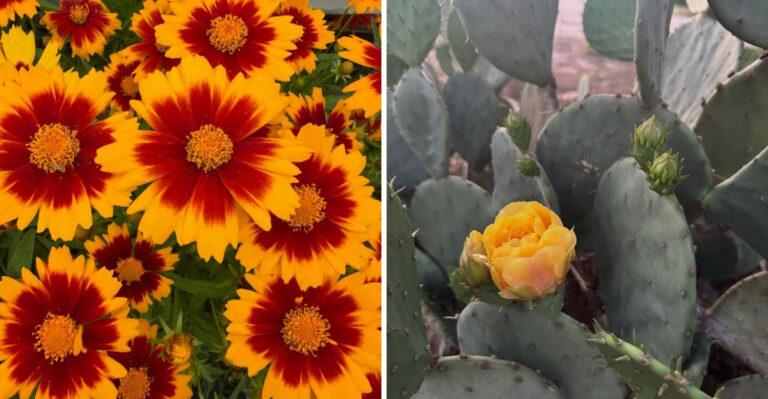
How To Set Up An Ohio Yard That Migrating Monarchs Stop At Each September
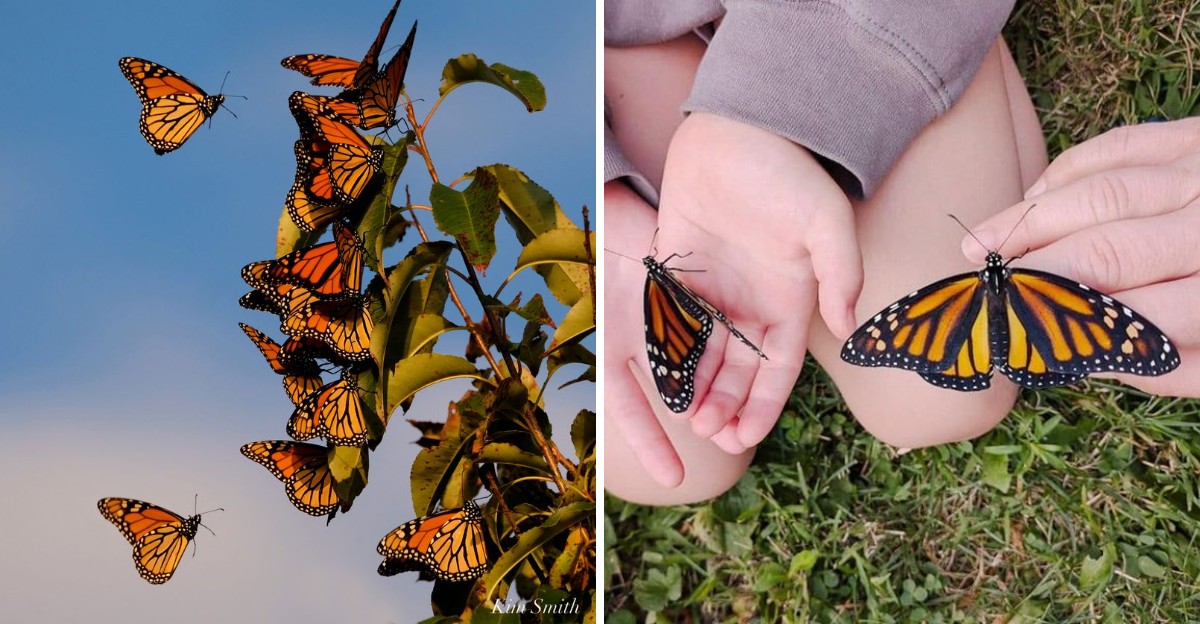
Every September, monarch butterflies move through Ohio in numbers that genuinely stop people in their tracks.
Thousands of orange and black wings riding the breeze southward, catching the light in a way that makes even the most distracted person look up from their phone.
It is one of the most remarkable wildlife events of the year and it happens right outside your door. Here is the exciting part: your yard can be more than just a backdrop for this migration.
The Buckeye State sits along a major monarch corridor, which means the right plants, a little water, and a few smart garden choices can turn an ordinary backyard into a genuine rest stop for one of nature’s most impressive travelers.
These butterflies need fuel and shelter before pushing on. You can absolutely provide both. Let’s make it happen.
1. Plant Ohio-Native Milkweed Varieties For Monarch Layovers
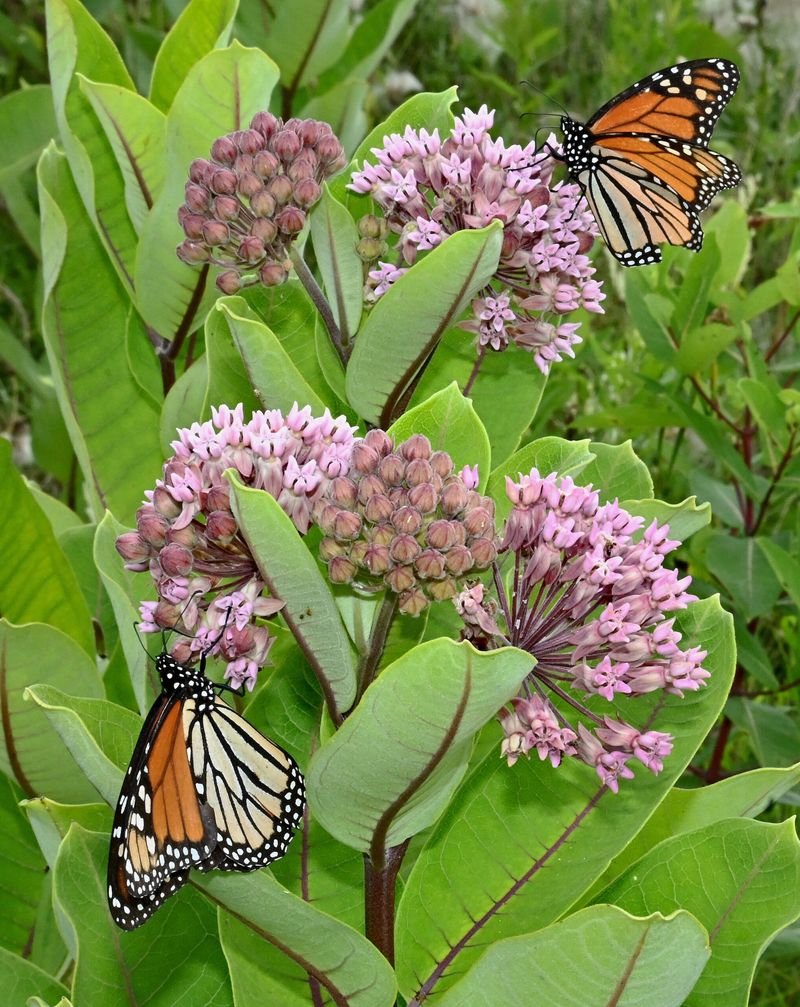
Milkweed is one of the most important plants you can offer for monarch conservation because it provides the only food source monarch caterpillars require.
Ohio native species such as common milkweed, butterflyweed, and swamp milkweed are well adapted to different growing conditions across the state.
These plants also produce nectar-rich flowers that can provide a food source for adult monarchs and other pollinators during the growing season.
Planting a mix of milkweed species can extend the period when flowers are available and create a more diverse habitat for monarchs and other insects.
Butterflyweed, with its bright orange clusters, adds a colorful feature to gardens, while swamp milkweed performs well in wetter areas such as rain gardens or naturally moist spots.
Start your milkweed patch in a sunny location with at least six hours of direct light daily. Give plants room to spread, since many native milkweeds form clumps and expand over time.
Even a small group of milkweed plants can contribute to monarch habitat when combined with other nectar sources nearby.
A thoughtfully planted area with milkweed and late-season flowers can give migrating monarchs more opportunities to find food as they move through the state in September.
Milkweed also supports a wider community of insects that use native plants for food and shelter throughout the season. Choosing species that match your yard’s soil and moisture conditions can help create a healthier, more sustainable planting over time.
2. Fill Your Garden With Late-Blooming Nectar Flowers
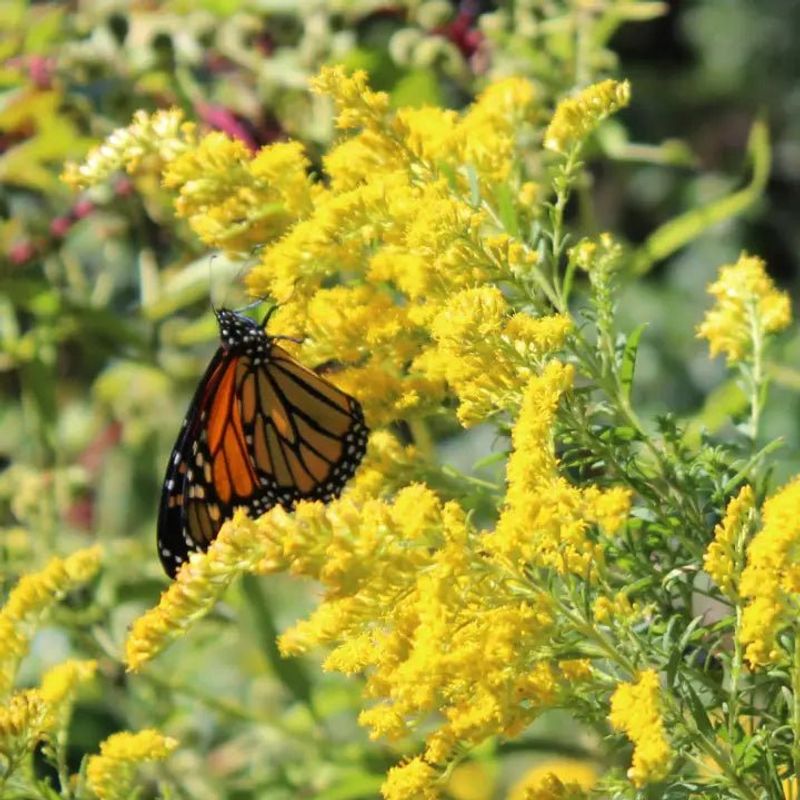
Monarchs passing through the state in September rely on late-blooming nectar plants as important sources of energy during their southward migration.
Goldenrod, New England aster, and tall ironweed are three Ohio-native plants that can provide valuable nectar during late summer and early fall.
These plants are well suited to many landscapes and can support monarchs along with other visiting pollinators.
A yard with few late-season blooms provides fewer feeding opportunities for migrating butterflies. Planting a variety of nectar-rich species can help ensure that different flowers are available throughout the season, especially when individual plants finish blooming.
Mixing several species also creates a more diverse habitat that supports a wider range of pollinators.
Your Ohio Garden Changes Every Week. Your Plan Should Too.
Gardening in Ohio changes quickly throughout the season. Every Friday you’ll receive a simple weekly plan showing exactly what to plant, prune, fertilize, harvest, and protect so you never miss the right timing.
Plant nectar flowers in groups rather than scattering single plants throughout the yard. Larger plantings can make flowers easier for pollinators to locate and create a stronger visual impact in the landscape.
Aim for a sunny border or garden area where several species bloom together, giving monarchs and other butterflies a reliable place to feed before continuing their migration toward Mexico.
Adding plants with different bloom times can help extend the availability of nectar well into fall.
Including a range of flower shapes and colors can also support different pollinators that visit Ohio gardens throughout the season.
Native perennials that bloom at different times help create a more consistent source of nectar instead of relying on one short flowering period.
3. Create A Safe Roosting Spot With Sheltered Trees
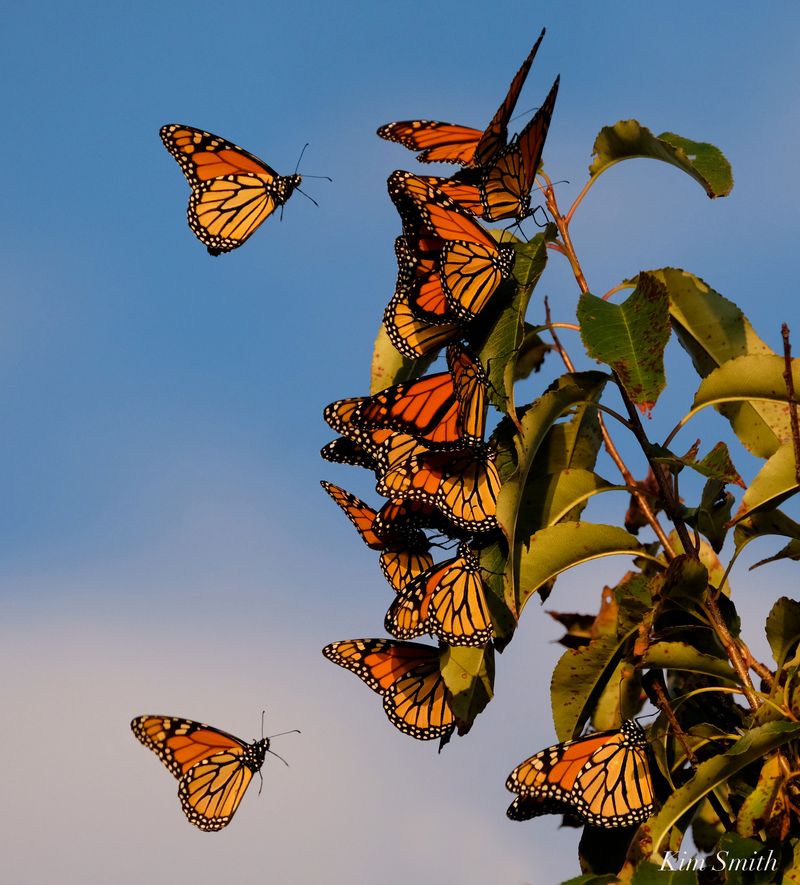
Here is a fact that surprises most gardeners: monarchs do not just feed during migration, they also need places to sleep. On cool September evenings, groups of monarchs cluster together on tree branches to conserve warmth overnight.
This behavior is called roosting, and your yard can support it with the right setup.
Sheltered trees, shrubs, and dense vegetation can provide protection from wind and weather. These trees offer dense canopy coverage that shields resting butterflies from wind and rain.
A yard with mature trees near a nectar garden becomes a complete overnight package for tired travelers.
The exact locations monarchs choose for overnight roosts can vary depending on weather conditions, migration patterns, and the surrounding landscape.
Providing a mix of nectar plants, shrubs, and sheltered areas simply gives passing butterflies more habitat options while they move through Ohio.
If your yard lacks mature trees, consider planting fast-growing native species now for future seasons. You can also leave existing shrubby borders intact rather than trimming them back in late summer.
Monarchs often choose spots near woodland edges, so an Ohio yard that blends open garden space with leafy shelter is especially appealing to a tired butterfly looking for a safe overnight perch.
4. Add A Shallow Ohio-Friendly Water Source For Monarchs
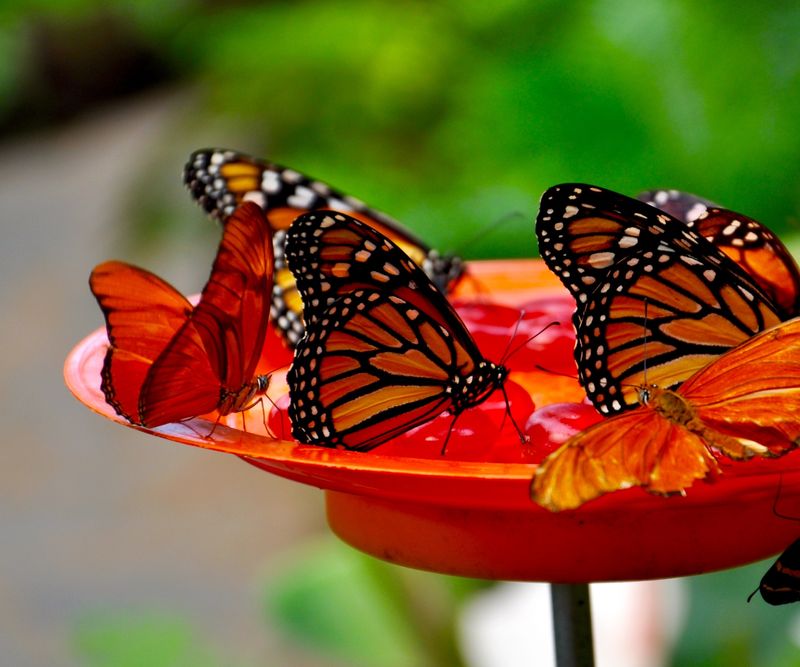
Water is easy to overlook when planning a monarch-friendly yard, but moisture sources can provide an extra resource for butterflies and other pollinators.
Monarchs drink and also gather dissolved minerals from damp soil, sand, or wet surfaces through a behavior called puddling.
A shallow water feature can provide a place where butterflies may stop to drink or collect minerals during migration.
The key is keeping the water area shallow and easy for butterflies to access. A deep birdbath without a shallow edge is not ideal because butterflies need a safe landing area near the water.
Fill a shallow dish, tray, or birdbath with pebbles, stones, or sand, then add enough water to keep the surface damp while giving butterflies places to stand.
Place your water feature near nectar plants in a sunny area where butterflies are likely to visit. Refresh the water regularly to help prevent algae buildup and keep the area inviting.
A simple terracotta saucer filled with damp sand can also create a useful puddling spot with minimal effort.
While nectar plants remain the most important feature of a monarch garden, adding a shallow moisture source can provide another helpful resource during Ohio’s September migration period.
Creating several small habitat features together can make a yard more supportive for monarchs and other pollinators.
5. Reduce Lawn Chemicals To Protect Monarch Visitors
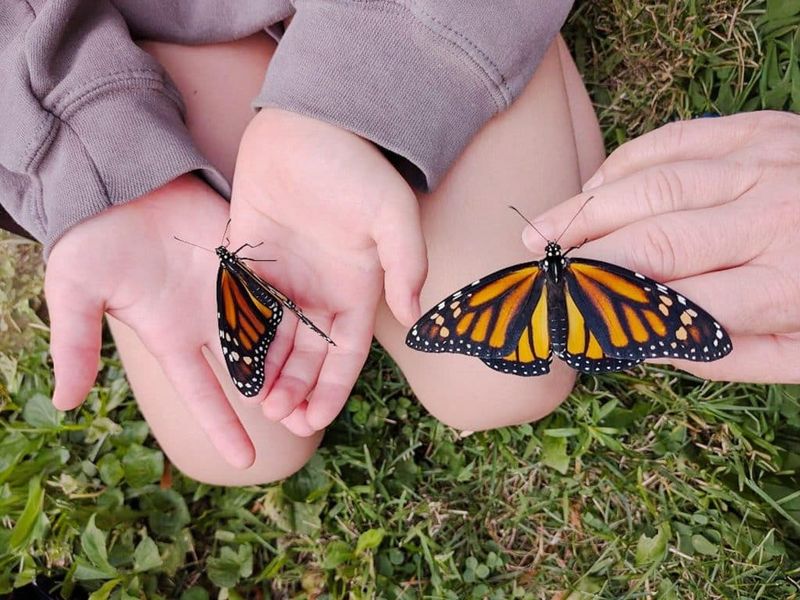
Pesticides and herbicides are among the biggest threats to monarchs passing through Ohio each fall. Even products labeled as safe for general use can harm butterflies when they land on treated foliage or flowers.
Cutting back on yard chemicals during September is one of the most protective steps a homeowner can take.
Herbicides are particularly tricky because they wipe out the very plants monarchs depend on for food and shelter. A dandelion or clover patch that seems like a nuisance to you might be a lifesaving snack bar for a monarch on the move.
Letting some of your lawn grow a little wilder in late summer creates unexpected habitat without much effort.
Reducing unnecessary treatments can also help protect other beneficial insects that visit Ohio gardens throughout the growing season.
When control measures are needed, identifying the specific pest or problem first can help avoid applying products that may affect non-target insects.
If you do need to treat pests in your yard, choose targeted organic options and apply them in the early morning or evening when butterflies are less active. Avoid spraying open flowers entirely during migration season.
Neighbors who coordinate their pesticide-free windows together create corridor-style safe zones that benefit far more monarchs moving through the state communities in September.
6. Use Ohio Sunlight And Warm Microclimates To Attract Monarchs
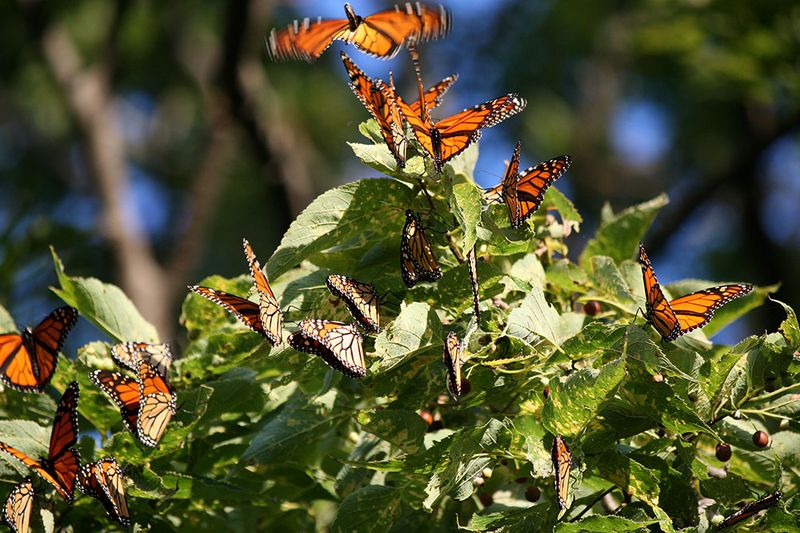
Monarchs are ectothermic, meaning they rely on outside heat sources to warm their bodies and become active. September temperatures can influence butterfly activity, especially on cool mornings when monarchs may spend time basking before flying.
A yard with sunny, sheltered areas can provide comfortable spots where butterflies can warm up and rest during migration.
South-facing walls, stone pathways, and flat rocks can absorb heat from the sun and create warmer areas within a landscape.
Positioning nectar plants in a sunny, protected location may make the garden more suitable for monarchs and other butterflies that prefer open, warm spaces.
Monarchs are often seen resting with their wings open as they use sunlight to increase body temperature before becoming active.
Avoid placing your monarch garden in a deeply shaded area if you want to grow sun-loving nectar plants successfully.
While temperature differences alone do not determine whether a monarch will stop, sunny locations can improve growing conditions for the flowers that provide important food resources.
Adding a few large flat stones or a low stone border can create additional resting areas while also adding structure and visual interest to your Ohio garden.
These simple features work best when combined with nectar plants, shelter, and other habitat elements that support migrating butterflies.
7. Skip The Fall Yard Cleanup To Leave Monarch Habitat
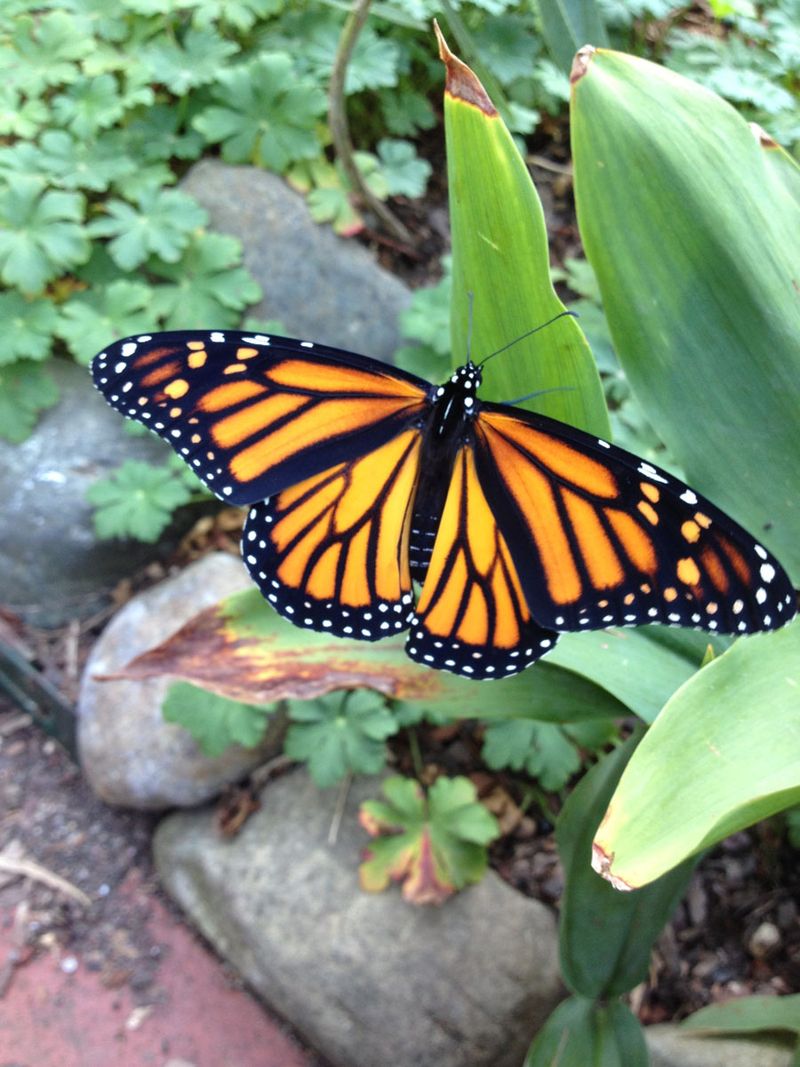
Tidying up your Ohio yard in late September can remove some of the features that make a landscape valuable to monarchs and other pollinators.
Seed heads, hollow stems, and leaf litter can provide shelter and resources for many insects and wildlife during the fall and winter months.
Leaving some plant material standing is a simple way to create a more diverse habitat rather than removing every bit of seasonal growth.
Monarchs generally do not spend the winter in this state, but leaving native plants standing can still benefit the many insects that share the same habitat.
Dried flower heads from plants such as goldenrod and asters can provide structure and food sources for wildlife, while stems and leaf litter offer overwintering spaces for some beneficial insects.
A less manicured garden can support a wider range of backyard species throughout the changing seasons.
Consider leaving a portion of your garden standing through fall before doing major cleanup. Focus removal efforts on invasive plants and any plants that need attention, while allowing healthy native perennials and grasses to remain when possible.
This small shift in your fall routine can create a layered habitat that supports pollinators and other wildlife while giving your garden more seasonal interest.
Waiting until spring for some cleanup tasks can also help preserve habitat that many insects use during colder months.
8. Connect With Ohio Monarch Citizen Science Programs To Track Progress
Your yard is not just a personal project when you connect it to the bigger picture of monarch conservation.
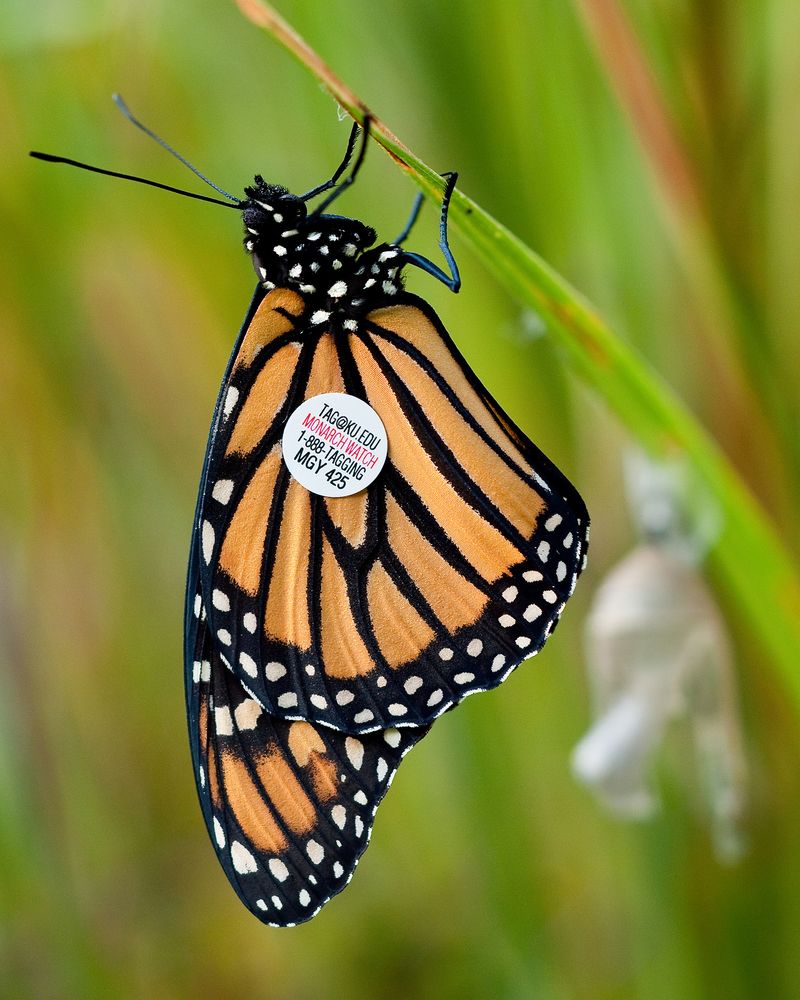
Citizen science programs like Journey North and the Monarch Watch Waystation program let you log your sightings and contribute real data to researchers tracking the migration.
Signing up takes about ten minutes and adds meaning to every monarch you spot.
Ohio has a strong network of naturalists, master gardeners, and pollinator advocates who share tips, plant swaps, and local sighting reports throughout September.
Joining a local Facebook group or Ohio-based nature club puts you in touch with neighbors who are tracking the same migration from different parts of the state.
Shared data helps researchers understand which Ohio corridors are most important each year.
Registering your yard as an official Monarch Waystation through Monarch Watch is a rewarding milestone that many gardeners work toward. The program provides a certificate and a garden marker, which can inspire neighbors to follow your lead.
When more yards join the network, the migration corridor grows stronger, giving monarchs more reliable stopping points as they travel through the state each September on their way south.
Keeping records of monarch sightings, flowering periods, and garden changes can also help you learn which plants and conditions attract the most activity in your own yard.
Over time, these observations can make your garden a more informed habitat project while adding valuable details to broader conservation efforts.