What Boxwoods Need In September After A Hot Ohio Summer
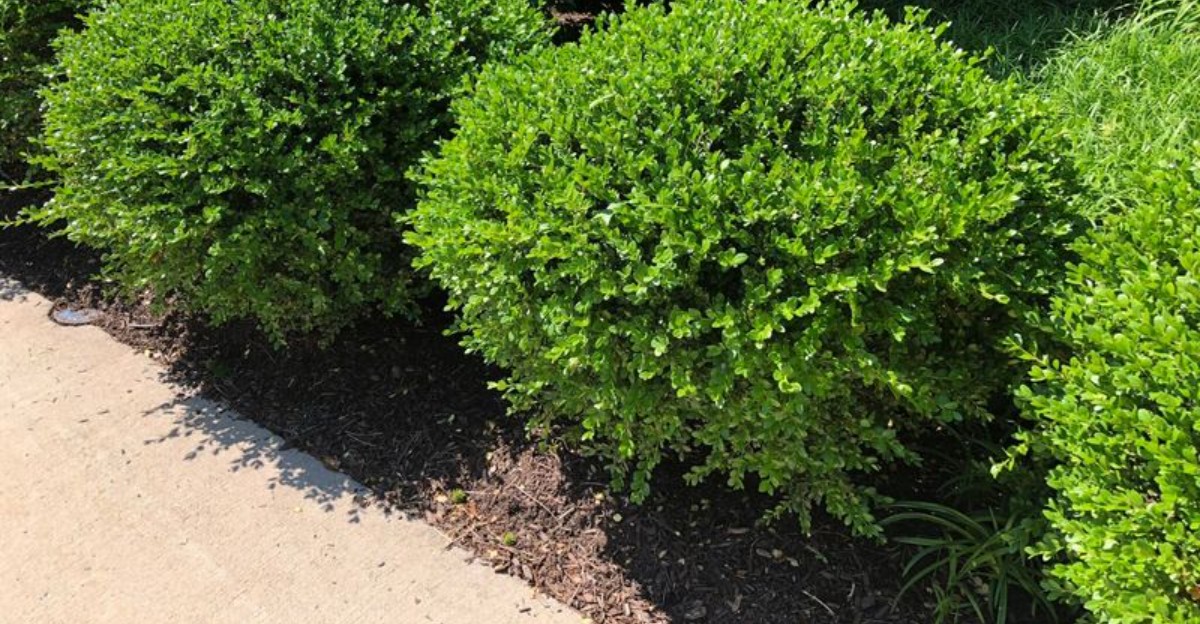
Your boxwoods may look unchanged after an Ohio summer, but the hottest months often leave behind stress that does not show up right away.
A shrub can hold its shape and keep its green color while quietly dealing with heat, inconsistent moisture, compacted soil, or damage waiting for the right conditions to appear.
September is the point when those summer pressures start catching up with many landscapes. The goal is not to push boxwoods into another burst of growth.
It is to help them move into the next season without carrying hidden problems with them. Small details around the base, branches, and surrounding soil can reveal more than the leaves alone.
A little attention now can make the difference between a boxwood that enters winter strong and one that struggles when the weather turns. The best time to notice what your shrubs need is before they have no choice but to show it.
1. Deep, Consistent Watering
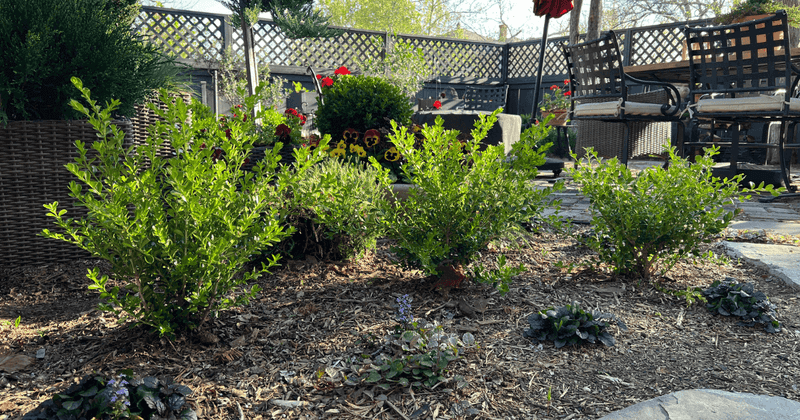
After weeks of heat, your boxwoods are probably thirsty in ways you cannot see. The roots may have dried out during those long, sunny stretches, so September is your chance to rehydrate them properly.
During dry stretches, provide enough water to thoroughly moisten the root zone rather than relying on frequent shallow watering. Instead of quick daily sprinkles, water deeply but less often so the moisture soaks down and encourages strong roots.
Early morning is the smartest time to water. This lets the leaves dry before evening, which keeps fungal problems from creeping in overnight.
Soaker hoses and drip lines are your best friends here. They deliver water straight to the root zone and keep the foliage dry, which is exactly what a stressed boxwood wants.
Newly planted shrubs, especially those set in the ground within the last year or two, need extra attention and that steady inch of water weekly. Their roots have not spread out yet.
Watch the leaves for clues. Brown, crispy foliage usually means too little water, while yellowing leaves can hint that you are giving too much.
Continue checking soil moisture through fall, watering when needed until the ground freezes. Well-hydrated roots enter winter better prepared for cold and drying winds.
2. A Fresh Layer Of Mulch
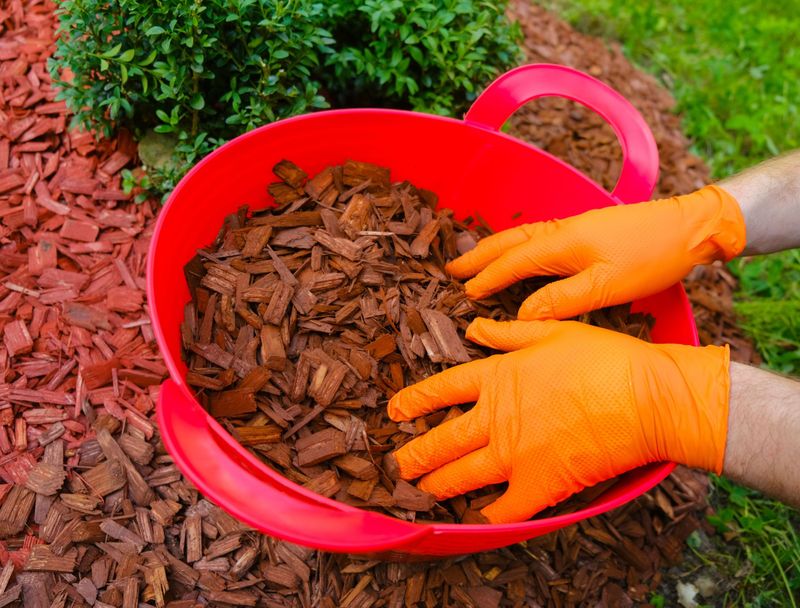
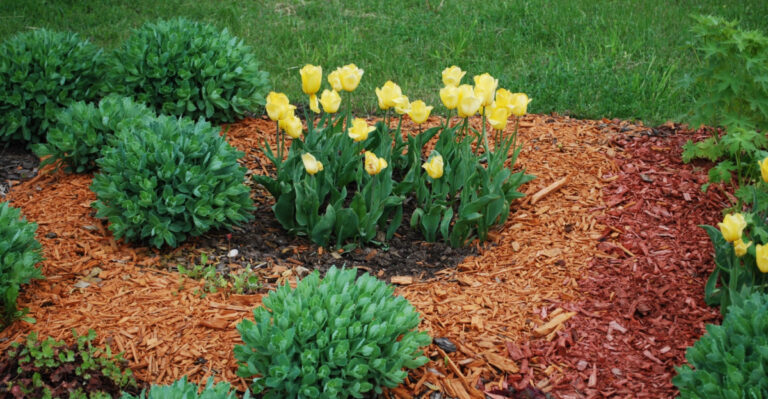
Think of mulch as a cozy blanket that protects your boxwood roots from wild temperature swings. After a hot summer baked the soil, a fresh layer helps everything cool down and stay moist.
Spread two to three inches of organic mulch around each plant. Shredded hardwood, pine bark, or good compost all work wonderfully and slowly feed the soil as they break down.
One important trick: keep the mulch a few inches away from the trunk. Piling it right against the stem traps moisture and can lead to rot, which nobody wants.
Beyond holding water in the ground, mulch smothers weeds that would otherwise steal nutrients. It also keeps soil temperatures steadier, giving stressed roots a calmer place to recover.
As fall turns to winter, that same mulch layer becomes insulation. It shields the roots from the freeze-and-thaw cycles that Ohio winters love to throw at plants.
Your Ohio Garden Changes Every Week. Your Plan Should Too.
Gardening in Ohio changes quickly throughout the season. Every Friday you’ll receive a simple weekly plan showing exactly what to plant, prune, fertilize, harvest, and protect so you never miss the right timing.
Try to lay mulch down right after a good watering. That way you lock the moisture in place and give the roots a head start on healing.
A little effort now pays off big. Mulching is one of the easiest, cheapest ways to help your boxwoods thrive well into the colder months ahead.
3. Skip The Fertilizer For Now
It is tempting to feed a tired-looking shrub, but September is actually the wrong time to fertilize your boxwoods. Feeding now can backfire in a big way.
Fertilizer pushes out tender new growth, and those soft shoots simply will not have enough time to toughen up before the first frost hits. Frost can damage those tender shoots and leave the plant more vulnerable heading into winter.
The best moments to feed boxwoods are early spring, when you want lush green leaves, or late fall, when the goal is stronger roots over winter. September falls awkwardly in between.
Before you ever reach for a bag, get a soil test. It tells you exactly what your soil is missing so you are not guessing or wasting money.
When feeding is needed, apply fertilizer based on soil test results and follow recommendations for woody ornamentals. Avoid pushing new growth late in the season.
Spread it on top of the mulch and out past the plant’s edge to reach the whole root area.
Keep the granules from touching leaves, stems, or exposed roots, since direct contact can burn them. If no rain is coming, water the area afterward to help everything settle in.
For now, patience is the kindest thing you can offer your recovering shrubs.
4. Hold Off On Heavy Pruning
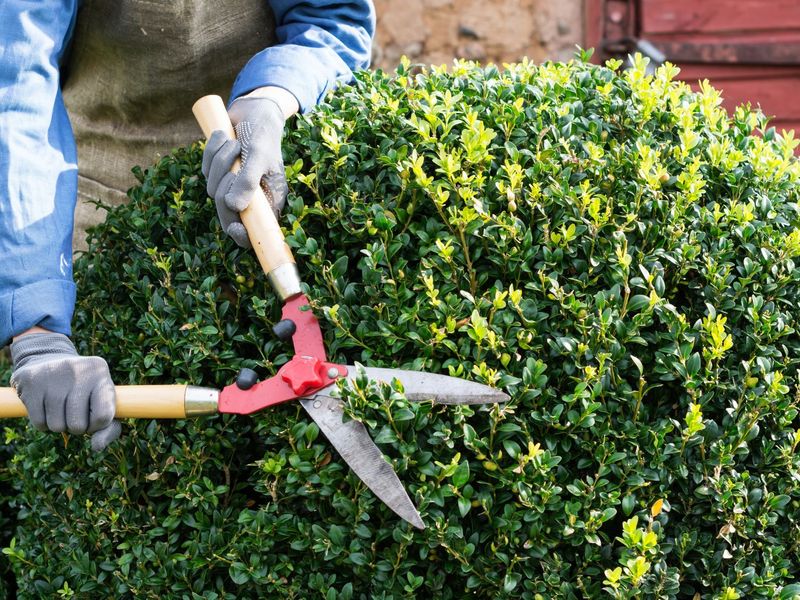
Grabbing the shears in September feels productive, but heavy pruning right now can do more harm than good to your boxwoods. Timing really matters with these plants.
When you cut hard in late summer or early fall, the plant responds by pushing out delicate new shoots. Those tender shoots have no time to harden off, and an early frost can destroy them, sometimes damaging the whole shrub.
Save big reshaping jobs and hard pruning for late winter or early spring, right before new growth begins. In Ohio, that usually falls somewhere between late February and mid-March.
That said, you do not have to leave your shrubs completely alone. Light touch-ups and small trims are fine throughout the growing season.
Always snip away any withered, damaged, or diseased branches the moment you spot them, no matter the time of year. Removing sick growth protects the rest of the plant.
Reach for sharp, clean tools every time. Dull blades crush stems, and dirty blades spread fungal diseases from plant to plant.
Prune only on dry days too, since damp conditions make it easier for fungal spores to travel. A gentle hand now keeps your boxwoods strong and full for the winter ahead.
5. Watch For Pests, Disease, And Drought Stress
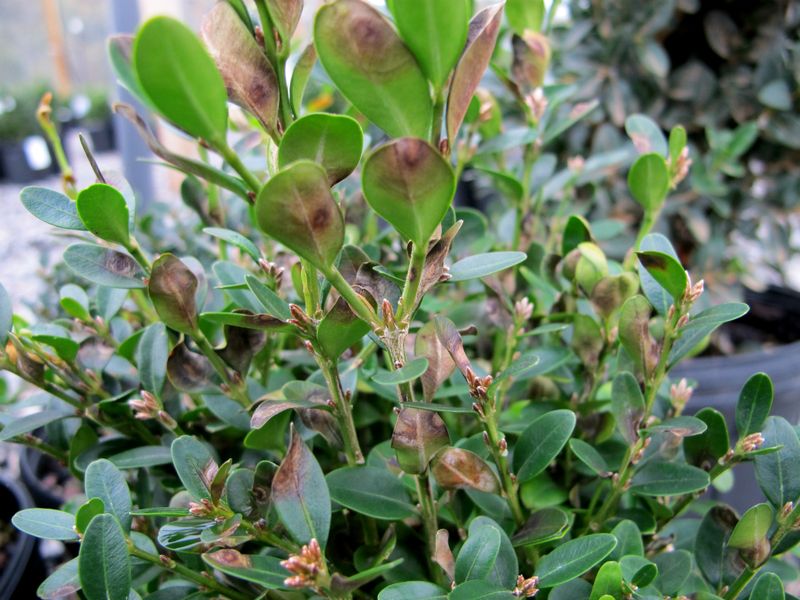
A hot summer leaves boxwoods weak, and weak plants attract trouble. September is the time to play detective and catch problems early before they spread.
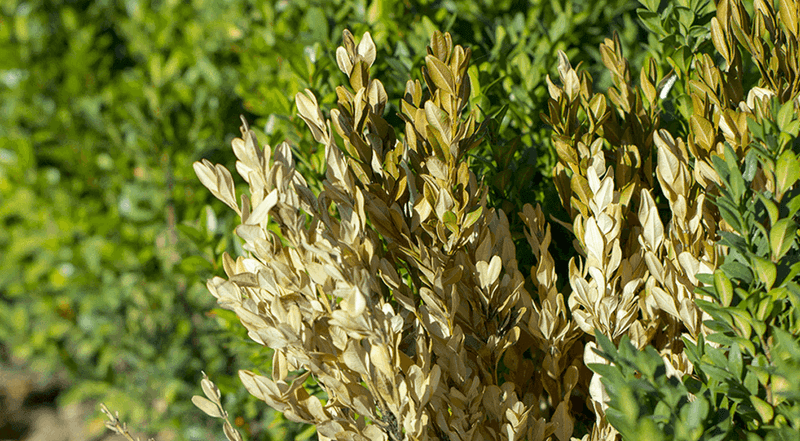
Drought-stressed boxwoods often turn orange, bronze, or even a dull wheat color. If you suspect thirst is the cause, water deeply, snip off truly withered growth, and mulch afterward to help the plant redirect its energy toward recovery.
Ohio boxwoods face some sneaky enemies. The box tree moth and boxwood leafminer chew away at leaves, while fungal diseases like boxwood blight and Volutella blight can spread fast.
Good air flow is one of your strongest defenses. Water at the base of the plant instead of overhead, since wet leaves invite fungus to settle in.
Walk your garden regularly and look closely at the foliage and stems. Catching pests or spots early makes treatment far easier and far more successful.
Cleanliness matters more than people think. Rake up fallen leaves and clear away debris, because that junk gives pests and fungal spores a cozy place to hide over winter.
A quick weekly inspection takes only minutes. That small habit can save your boxwoods from serious damage and keep them healthy through the seasons to come.
6. Check The Soil Around Your Boxwoods
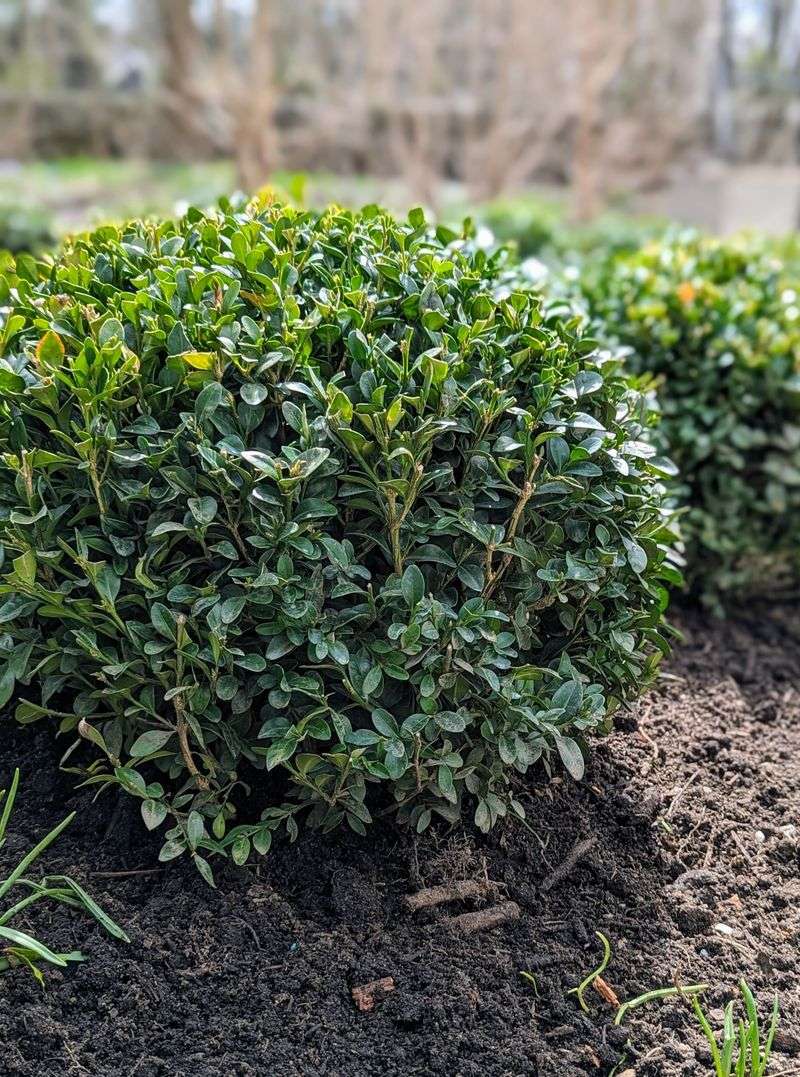
A boxwood can look perfectly fine above ground while struggling below the surface. After a hot Ohio summer, the soil around your shrubs may have become compacted, dry, or unable to absorb water properly.
September is a great time to check what is happening around the roots. Push a finger or a small tool into the soil near the plant’s drip line and see whether water is actually soaking in or simply running off the surface.
Compacted soil makes it harder for roots to access the moisture and oxygen they need. This is especially common in areas where people walk near shrubs, where heavy clay soil is present, or where summer heat has hardened the ground.
Avoid digging aggressively around established boxwoods because their roots sit relatively close to the surface. Instead, gently improve the area by adding organic matter through mulch and allowing natural processes to slowly rebuild the soil.
Healthy soil creates healthier roots, and strong roots are what help boxwoods handle Ohio’s winter winds, temperature swings, and periods of stress.
A few minutes spent checking the ground now can reveal problems that leaves may not show until much later.
7. Protect Boxwoods From Winter Burn Before It Arrives
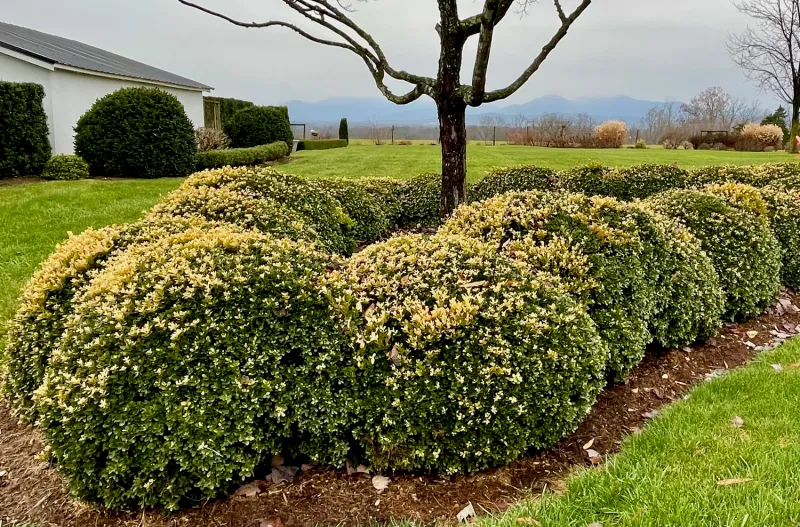
Many boxwood problems do not appear until late winter or early spring, but the damage often begins months earlier.
Ohio winters can be tough on evergreen shrubs. Cold winds, frozen soil, and bright winter sunlight can pull moisture from leaves faster than roots can replace it.
This can leave foliage looking bronze, brown, or dried out by the time spring arrives.
The best defense starts in fall. Make sure your boxwoods enter winter properly hydrated, especially after a dry September or October.
A layer of mulch around the root zone also helps keep soil temperatures more stable.
Avoid pushing late-season growth with fertilizer or aggressive pruning. Tender new growth is much more vulnerable when freezing temperatures arrive.
If your boxwoods are planted in a windy, exposed location, consider whether they need extra protection during harsh weather. Burlap barriers can help reduce winter wind exposure without trapping moisture directly against the foliage.
Winter damage can be frustrating because it often appears after the damage has already happened. Preparing your shrubs before the cold arrives gives them a much better chance of looking healthy when spring returns.
8. Give Your Boxwoods Room To Breathe
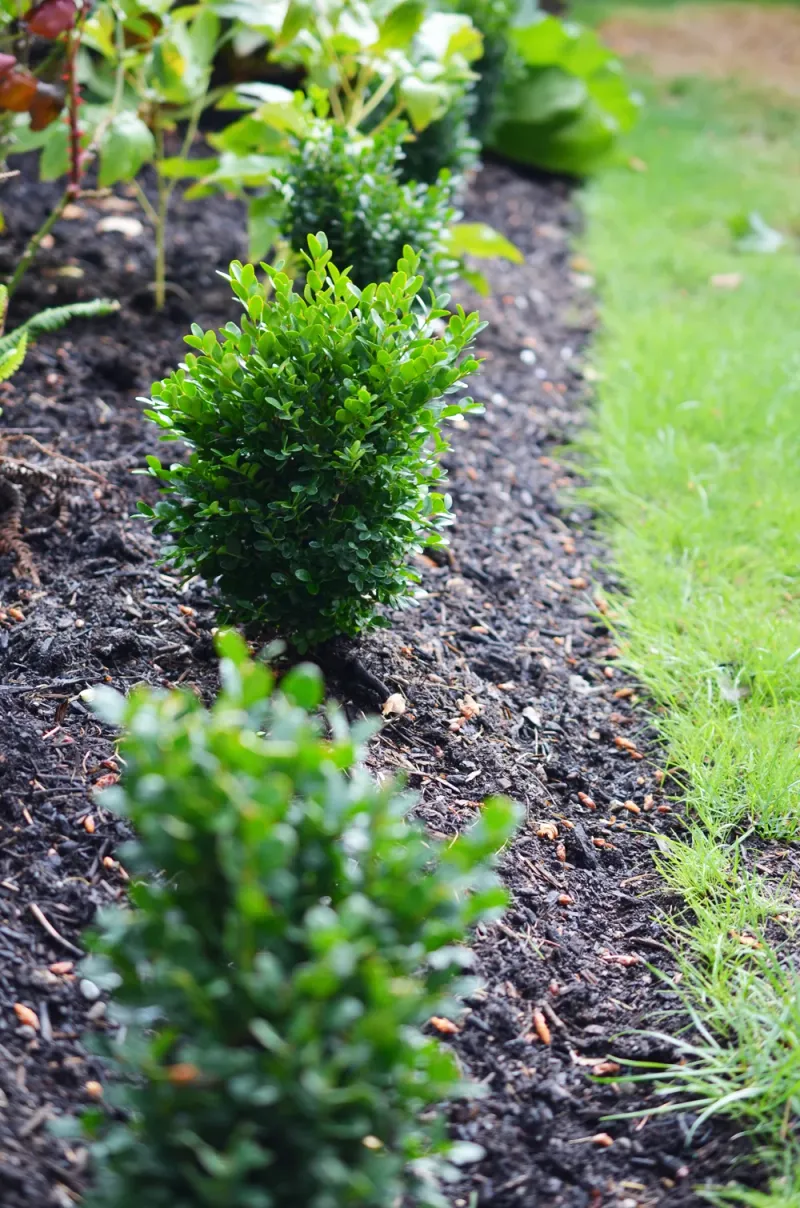
Boxwoods are known for their dense, tidy shape, but that thick growth can become a problem when air cannot move through the plant.
Crowded shrubs, overgrown hedges, and plants squeezed too closely together create damp pockets where fungal diseases have an easier time spreading. Good airflow is one of the simplest ways to keep boxwoods healthier.
Take a close look at the inside of your shrubs in September. If the center is packed with withered leaves, tangled branches, or very little light, your boxwood may benefit from gentle thinning rather than a heavy haircut.
The goal is not to open the plant completely or ruin its natural shape. It is simply to allow more sunlight and air to reach the interior.
Spacing matters too. When planting new boxwoods, avoid placing them so close together that they become one solid wall immediately.
Giving each shrub enough room from the beginning makes maintenance easier and reduces future problems.
A healthy boxwood is not just about keeping the outside green and neat. The inside of the plant matters too.