How To Start A Butterfly Garden In April In Florida
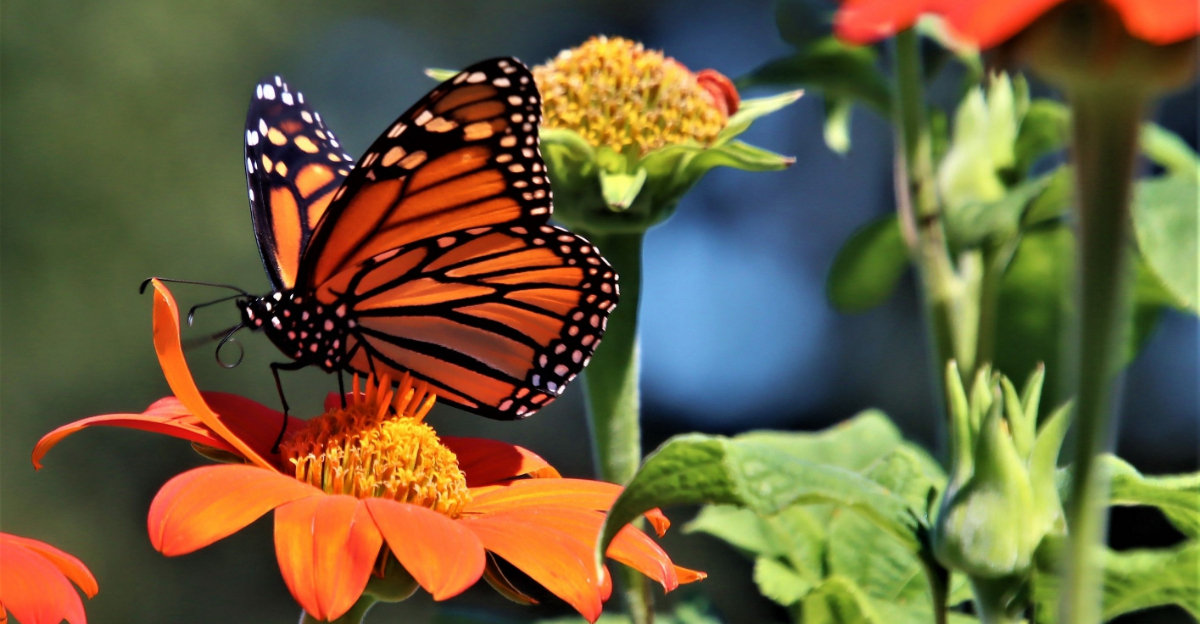
April in Florida has a different kind of energy. You step outside in the morning, and there is already a hum of life in the air, from birds calling to the first butterflies drifting through the yard.
It is the moment when many people start thinking about making their outdoor space feel a little more alive.
Starting a butterfly garden might sound like a big project, but it is often much simpler than expected. A handful of well-chosen plants, the right spot, and a bit of planning can turn even a small space into something that draws butterflies in naturally.
Even a corner near a porch or along a fence can become a favorite landing spot when the conditions feel right.
April gives Florida gardeners an ideal window, with warm soil helping plants settle quickly and start growing without hesitation. It is a great time to shape a space that keeps butterflies coming back.
1. Start With A Butterfly Plan Before You Start Buying Plants
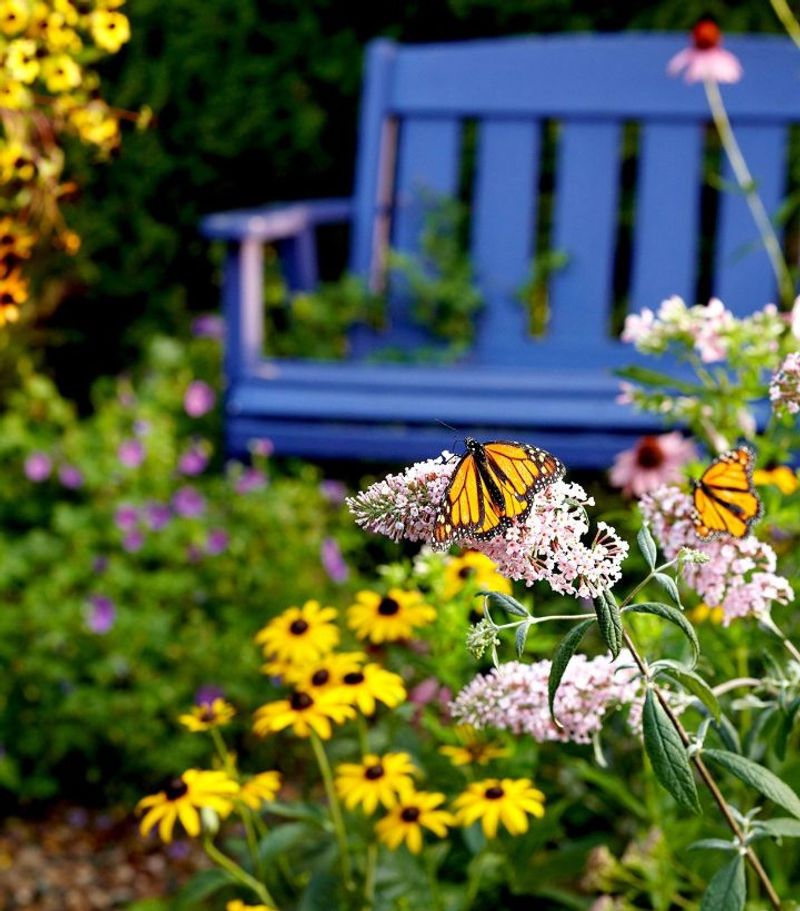
Before you buy a single plant, grab a notebook and sketch out what you want your butterfly garden to look like. Planning ahead saves you time, money, and a lot of frustration later on.
Think about the size of your space, how much sunlight it gets, and what kind of butterflies you actually want to attract in Florida.
Florida has over 180 butterfly species, so you have a lot of options to work with. Knowing which species live in your area helps you choose the right plants from the start.
For example, gardens in South Florida may see different visitors than gardens in the Panhandle, so location really does matter here.
Sketch out where your tallest plants will go, where low ground cover will spread, and where you might add a bench or stepping stones. Think about water drainage too, since Florida gets heavy summer rain.
A simple plan does not need to be perfect, but having one keeps you from buying plants that do not fit your space or attract the butterflies you actually want to see flying around your yard.
2. Pick The Butterfly Species You Want To Support First
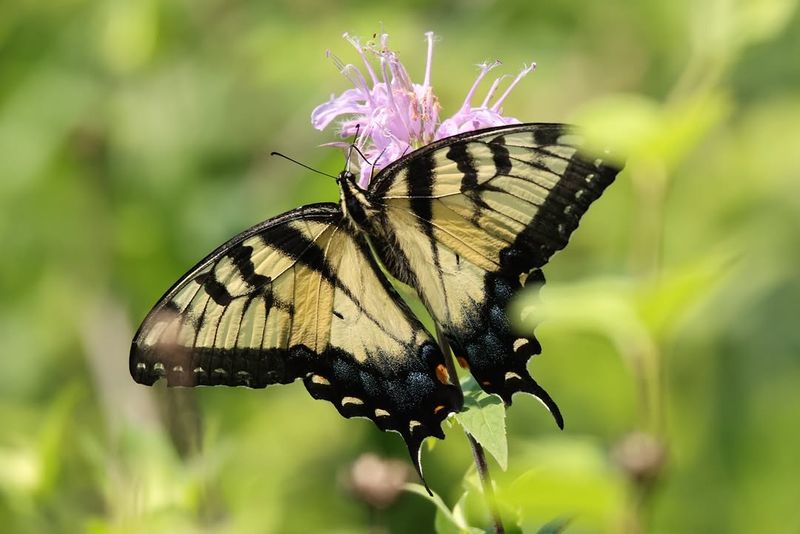
Most beginner gardeners jump straight into planting, but taking a moment to choose which butterfly species you want to attract first can make a big difference. Florida is home to some truly stunning butterflies, including the zebra longwing, the Gulf fritillary, the monarch, the giant swallowtail, and the cloudless sulphur.
Each one has different needs, so knowing who you are gardening for changes everything about what you plant.
The zebra longwing is actually Florida’s state butterfly, and it loves passionflower vines as a host plant. Monarchs rely heavily on native milkweeds, which grow well in Florida’s warm April climate.
Swallowtails are attracted to plants in the citrus family, so if you already have orange or lemon trees in your yard, you are already halfway there.
Focusing on two or three species at first keeps things manageable. Once your garden is established and you start seeing regular visitors, you can always expand your plant list to attract even more variety.
Florida’s warm April weather means butterflies are already active and searching for garden spots, so the sooner you pick your species and plant for them, the sooner you will start seeing real results in your outdoor space.
3. Mix Nectar Plants For Adults With Host Plants For Caterpillars
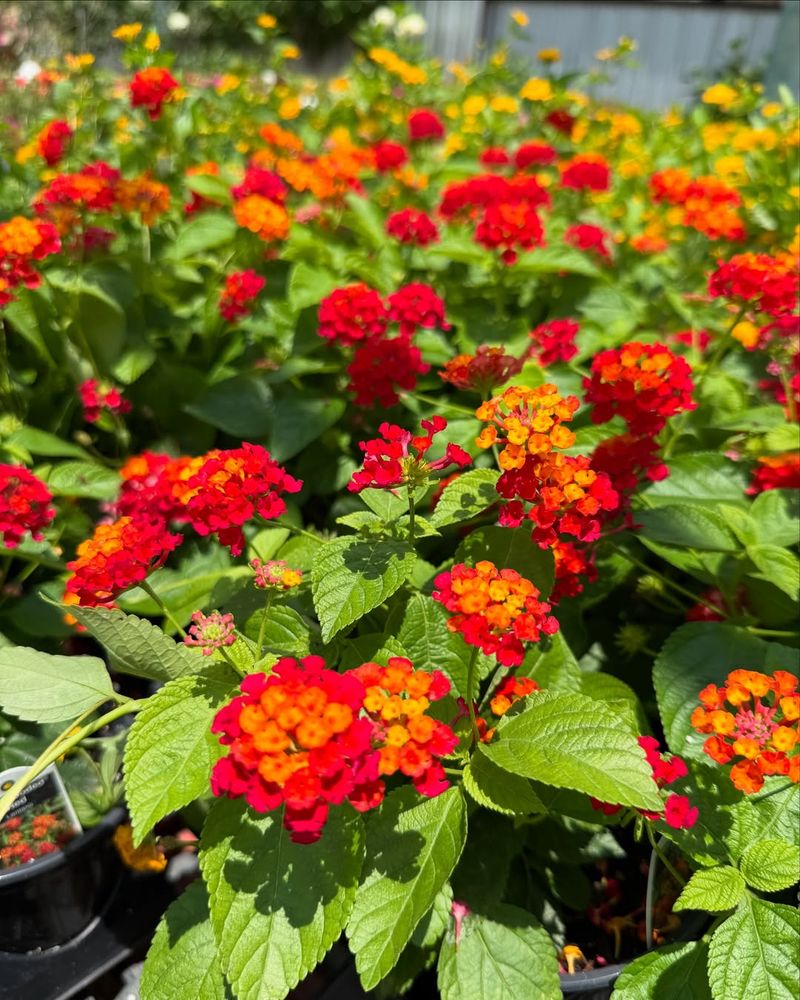
A butterfly garden that only has nectar flowers is like a restaurant that only serves drinks. Adult butterflies need nectar to fuel their flight and reproduction, but caterpillars need specific host plants to eat and grow on.
If you want butterflies to stay in your Florida garden and complete their full life cycle, you need both types of plants working together.
Nectar plants like firebush, pentas, lantana, and salvia are excellent choices for Florida gardens in April. They bloom fast in the warm weather and attract adults almost immediately.
These plants are easy to find at local nurseries and grow well in Florida’s sandy soil with regular watering during the dry spring season.
Host plants are just as important because they give female butterflies a reason to lay eggs in your garden. Without host plants, butterflies will visit briefly and move on.
Passionflower vines, native milkweeds, wild lime, and fennel are all popular host plants that work well in Florida. Planting both nectar and host plants close together creates a complete habitat where butterflies can feed, mate, lay eggs, and grow from caterpillar all the way to adult without ever leaving your yard.
4. Use April To Add Warm-Season Color And Fresh Growth
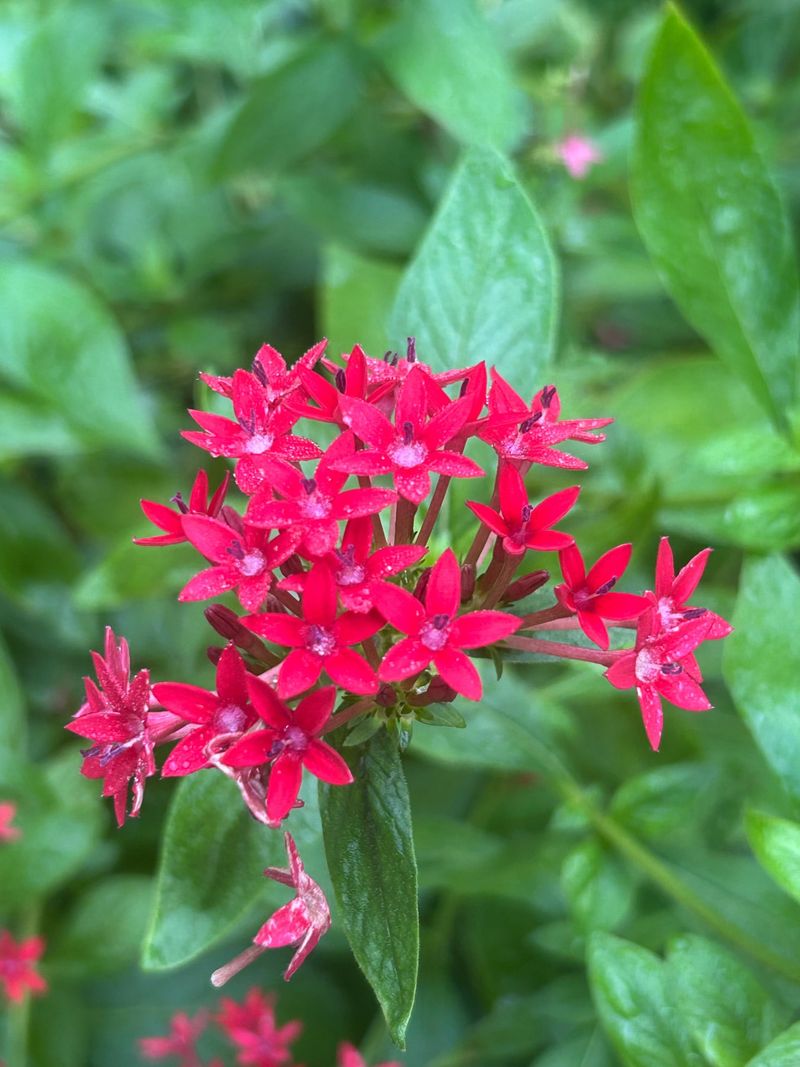
April in Florida is genuinely one of the best planting months of the entire year. The worst of the winter cold is gone, the brutal summer heat has not arrived yet, and the soil is warm enough for roots to establish quickly.
Planting in April gives your butterfly garden a strong head start before the rainy season begins in June.
Warm-season plants like pentas, porterweed, and blue mistflower explode with color when planted in April and begin attracting butterflies within just a few weeks. These plants love Florida’s full sun and do not need much extra water once they settle in.
Adding them now means your garden will be full and thriving right when butterfly activity is at its highest peak in late spring.
Fresh growth in April also signals to passing butterflies that food and habitat are available. Butterflies are surprisingly observant and will notice a new patch of blooms from a distance.
Mixing different heights and bloom shapes creates a visually rich garden that draws in multiple species at once. Adding a layer of mulch around your new plants helps keep moisture in the soil during Florida’s dry April days and gives your garden a clean, polished look right from the start.
5. Build It For A Big Bed, A Small Border, Or Even Containers
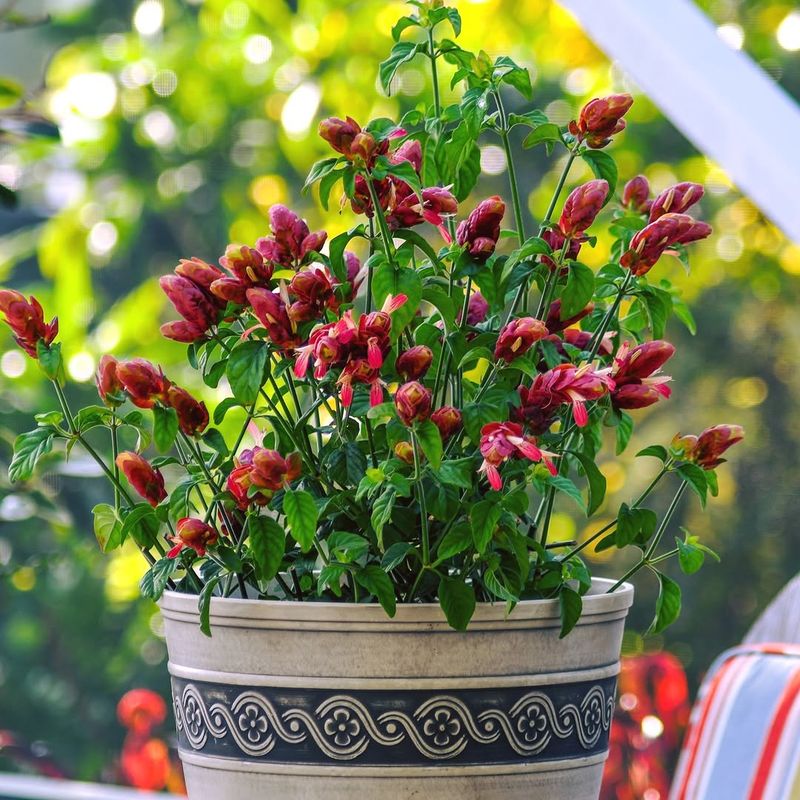
You do not need a sprawling yard to build a butterfly garden in Florida. Butterflies are remarkably adaptable and will visit gardens of almost any size, as long as the right plants are there.
A wide flower bed, a narrow border along a fence, or even a row of large containers on a sunny porch can all become a thriving butterfly habitat.
Container gardens are especially popular in Florida because they are flexible and easy to manage. You can move pots around to chase sunlight, swap out plants as seasons change, and even bring containers onto a screened porch during rare cold snaps.
Large pots work best because they hold more soil, retain moisture better, and give plant roots enough room to grow strong and produce more blooms.
If you have a bigger space, raised garden beds are a fantastic option for Florida butterfly gardens. They improve drainage, which matters a lot in areas that flood during summer rains.
Raised beds also warm up quickly in April, which encourages faster plant growth. Whether you are working with a balcony in Miami or a half-acre lot in Gainesville, there is a butterfly garden format that fits your exact situation and makes the most of what you already have available.
6. Include Milkweeds And Passionflowers With A Purpose
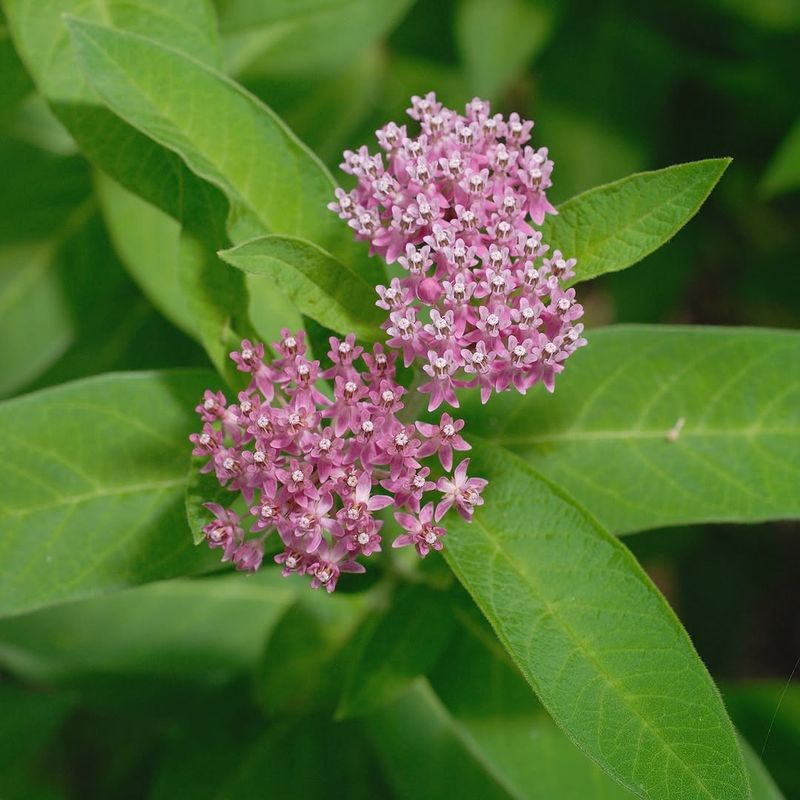
Milkweed and passionflower are two of the most important plants you can add to a Florida butterfly garden, and both thrive beautifully when planted in April. These are not just pretty flowers.
They are essential host plants that specific butterfly species absolutely depend on for survival and reproduction in your garden.
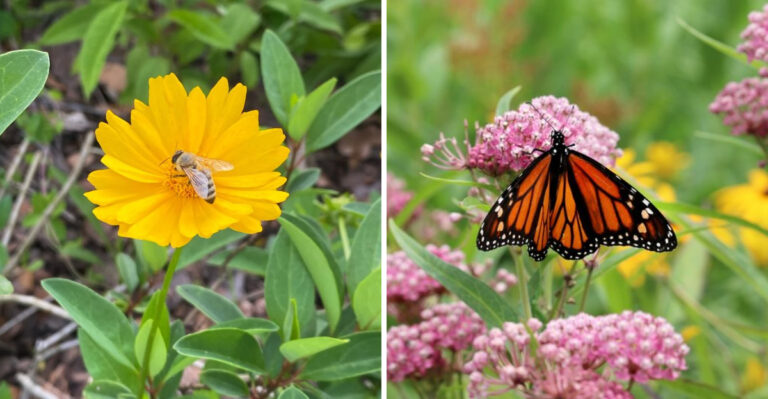
Milkweed species, including native types like Asclepias tuberosa and Asclepias incarnata, are essential host plants that monarch caterpillars rely on as their primary food source. Without milkweed, monarchs cannot complete their life cycle in your garden.
Florida gardeners should always choose native milkweed species over the tropical variety, which can actually disrupt monarch migration patterns if left to grow year-round without being cut back seasonally.
Passionflower vines serve the Gulf fritillary and the zebra longwing butterfly, both of which are incredibly common and beautiful in Florida gardens. These vines grow fast in April’s warm temperatures and can cover a fence or trellis within a single season.
They produce stunning purple and white blooms that add serious visual interest to any garden design. Planting both milkweed and passionflower together in the same garden gives you the best chance of attracting multiple butterfly species and watching the full life cycle play out right in your own Florida backyard.
7. Keep Blooms Coming So Butterflies Have Something To Visit Longer
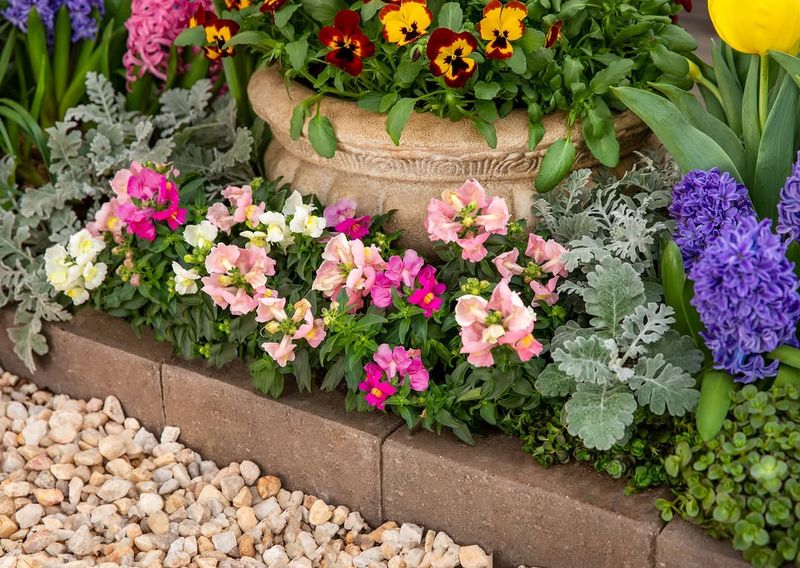
One of the biggest mistakes new butterfly gardeners make is planting everything that blooms at the same time. When all your flowers fade at once, butterflies have no reason to stick around, and your garden goes quiet for weeks.
Keeping a steady rotation of blooms from spring through fall is the real secret to a butterfly garden that stays busy all season long in Florida.
Staggering your plant selections so that something is always flowering takes a little planning but pays off quickly. In Florida, spring bloomers like pentas and firebush can overlap with summer bloomers like porterweed and tropical sage.
As those fade, fall asters and goldenrod take over and keep nectar available well into November, which is especially valuable for late-season butterfly activity across the state.
Deadheading spent flowers regularly encourages plants to produce new blooms faster. It only takes a few minutes each week and makes a noticeable difference in how long your plants stay productive.
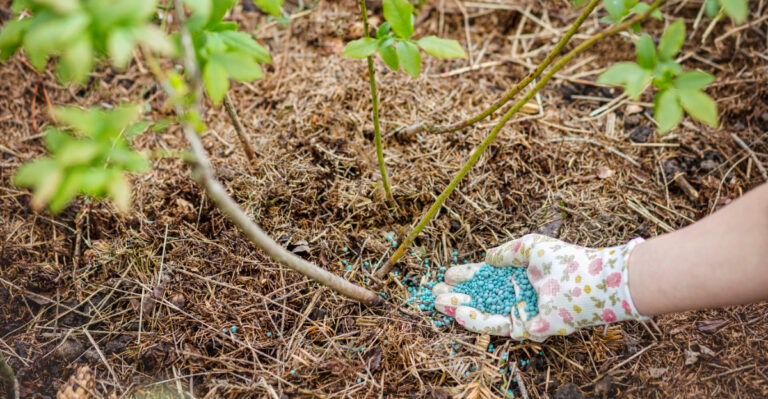
Fertilizing lightly with a balanced fertilizer in April helps fuel new growth without pushing too much leafy green growth at the expense of flowers. A garden that always has something blooming is a garden that butterflies will return to again and again throughout the warm Florida season.
8. Expect Caterpillar Chewing And Let The Garden Do Its Job
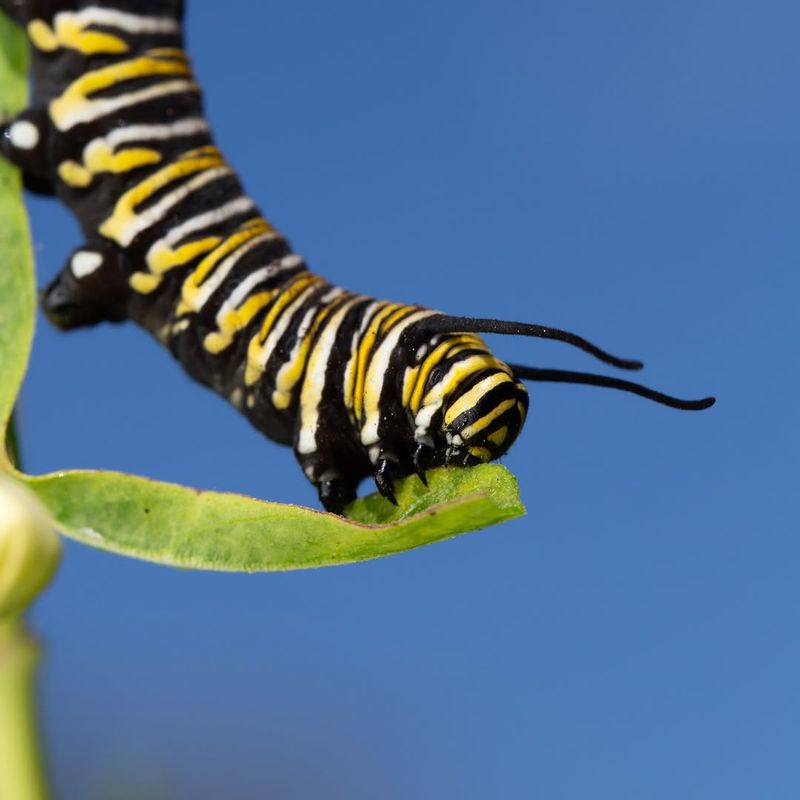
The first time you see a plant getting chewed up by caterpillars, your instinct might be to panic. Resist that urge completely.
Caterpillar feeding is not a problem in a butterfly garden. It is actually proof that your garden is working exactly the way it should.
Those chewed leaves mean butterflies found your host plants and chose your Florida garden as a place to raise their young.
Gulf fritillary caterpillars can strip a passionflower vine down to bare stems in just a few days. Monarch caterpillars will munch through milkweed leaves with impressive speed.
Both of these plants are tough and will bounce back with new growth quickly, especially in Florida’s warm and humid spring climate. The plants evolved alongside these caterpillars and are built to handle the pressure.
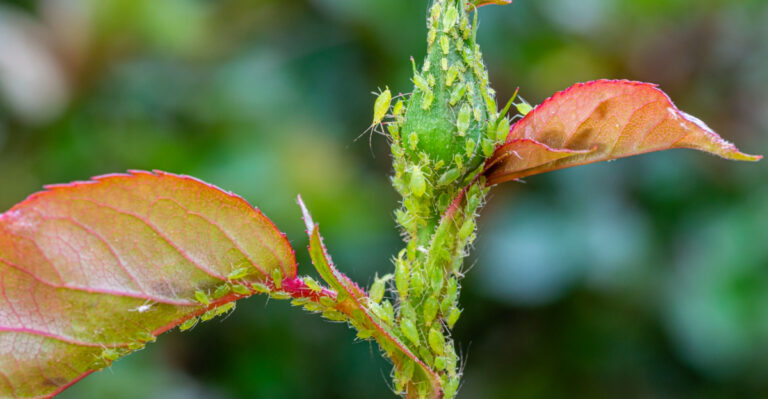
Avoid using any pesticides in your butterfly garden, even the ones labeled as organic or natural. Many broad-spectrum sprays harm caterpillars and butterfly eggs along with the insects you are trying to get rid of.
If you see pests on plants that are not host plants, remove them by hand instead. Letting the garden run its natural cycle, from egg to caterpillar to chrysalis to adult butterfly, is the most rewarding part of the whole experience and the reason you started this Florida garden in the first place.