How To Stop Doveweed From Spreading Through Georgia Lawns Before Frost
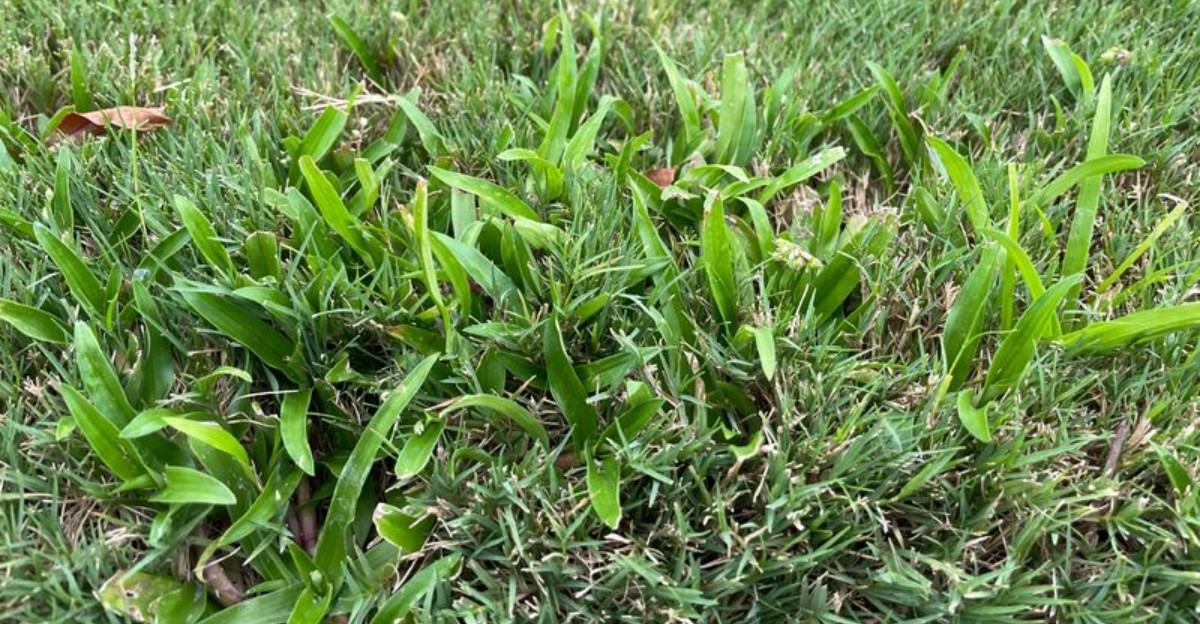
Those shiny, grass-like patches creeping through your lawn right now may not be grass at all.
Doveweed blends in surprisingly well with warm season turf, which is why it often spreads unnoticed. By early fall, a small patch can cover far more ground than it did in June.
It spreads by creeping stems and by seed, so a few weeks of neglect gives it a big head start. Frost knocks back the plants you see, but not the seeds already in the soil.
That is how many Georgia lawns end up fighting the same weed summer after summer.
The next few weeks give you a chance to slow it down before that cycle repeats.
Take a close look at any glossy, low patches in the sunniest parts of your lawn.
1. Frost Ends This Season’s Growth, But The Seeds Stay Behind
Doveweed is a summer annual, so the first hard frost of fall brings its growing season to a close.
The leaves and stems turn brown and collapse, and the patches that crowded your turf all summer finally stop spreading.
That quiet stretch can feel like a win, but the plant has usually done its most important work well before cold weather arrives.
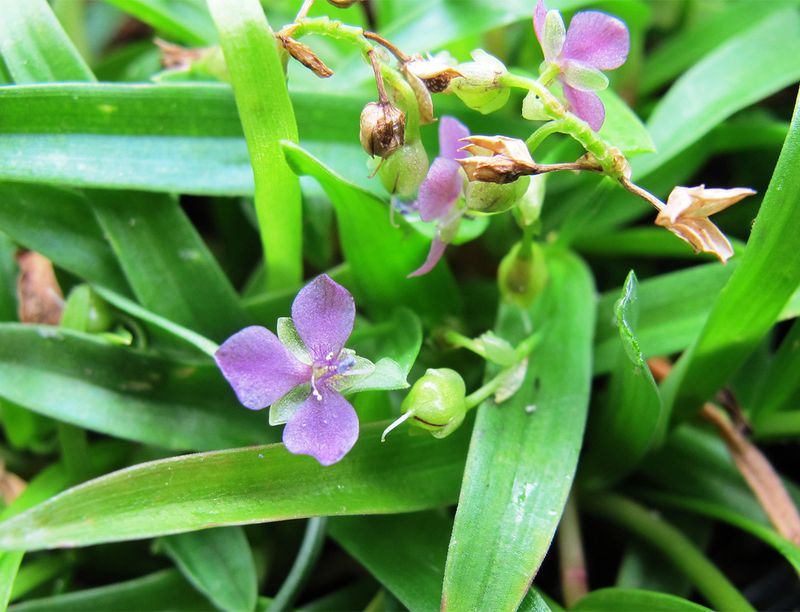
Through late summer and early fall, doveweed forms small capsules that hold its seeds. Those seeds drop into the thatch and soil, where they settle in and wait out the winter months.
Once soil temperatures climb into the mid-60s next spring, a fresh crop of seedlings can sprout from that hidden supply.
This explains why a lawn that looked clean in December can fill with doveweed again by early summer. As those new plants mature, their creeping stems root at the nodes, which helps each patch widen faster than you might expect.
Seeds also travel easily on mowers, shoes, and garden tools, so a single infested area can supply weeds to other parts of the yard.
For lawns across Georgia, frost marks a pause in doveweed’s cycle rather than the end of the problem.
2. Glossy, Grass-Like Leaves And Tiny Purple Flowers Give It Away
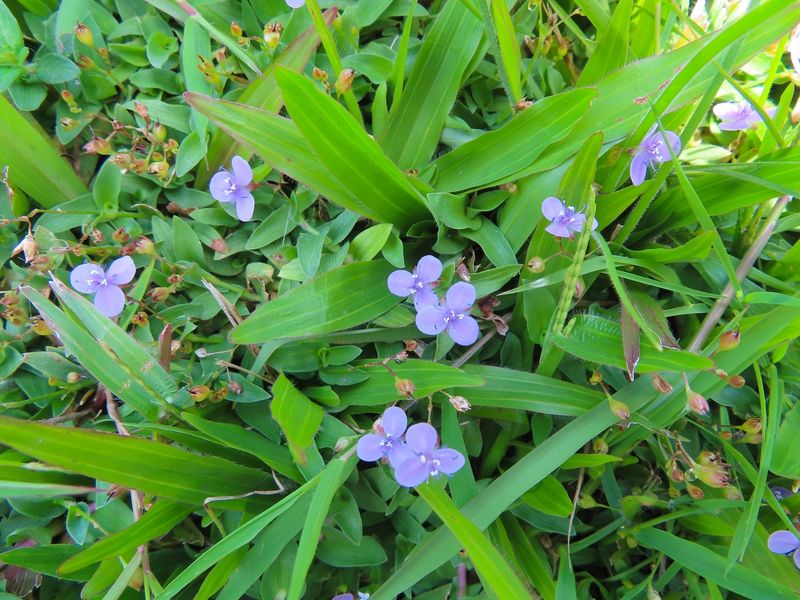
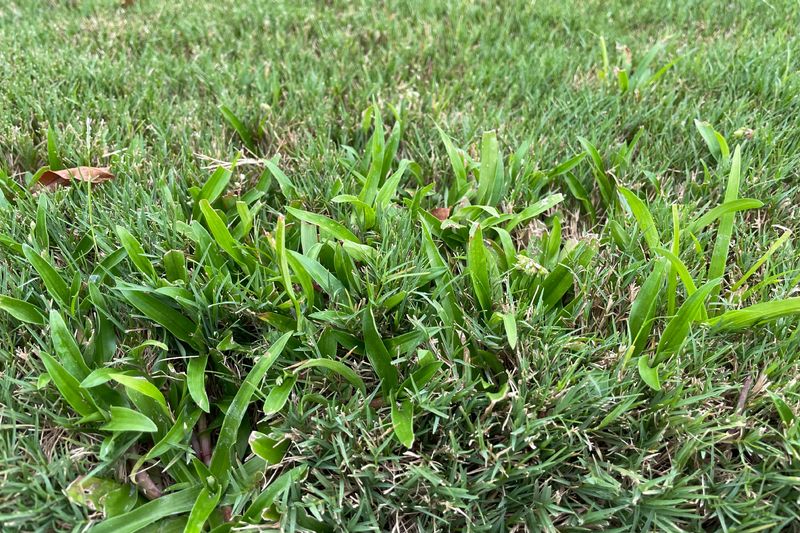
From a few steps away, doveweed can pass for an odd patch of grass. A closer look shows leaves that are wider, thicker, and noticeably shinier than the turf around them.
That glossy, almost slick-looking surface is one of the easiest clues to spot, especially in bright morning light.
The leaves are smooth and pointed, and they wrap around the stem at their base. Stems are fleshy and tend to creep along the ground, rooting where they touch the soil.
Doveweed belongs to the spiderwort family, which explains its succulent feel compared with true grasses.
From summer into fall, the plant produces tiny flowers with three petals in shades of blue to purple. They’re small enough to miss unless you kneel down, and they tend to show up best earlier in the day.
Another giveaway is how quickly doveweed pokes above freshly mowed turf, often within just a few days.
Your Georgia Garden Changes Every Week. Your Plan Should Too.
Gardening in Georgia changes quickly throughout the season. Every Friday you’ll receive a simple weekly plan showing exactly what to plant, prune, fertilize, harvest, and protect so you never miss the right timing.
Patches usually show up first in damp, low spots where water lingers after rain or irrigation. If you see shiny, fast-growing clumps in those areas of a Georgia lawn, doveweed is a likely suspect.
Spotting it early makes every later step of control easier to manage
3. Soggy Spots And Thin Turf Invite Its Advance
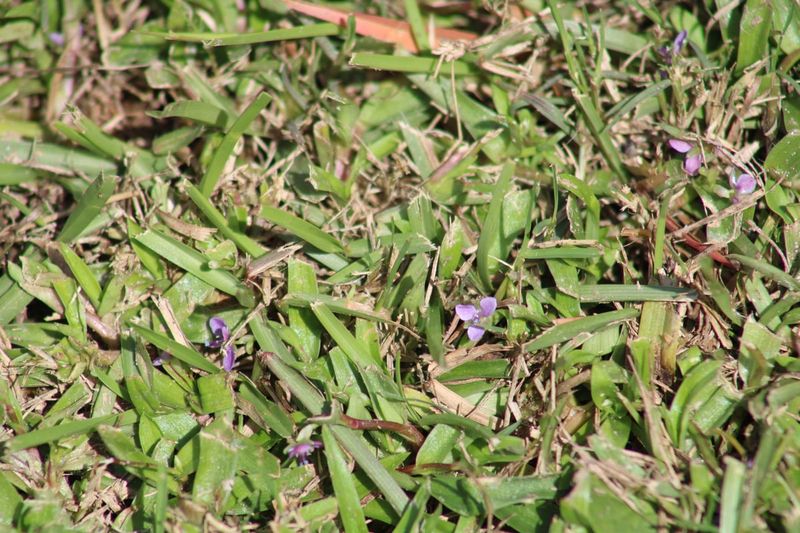
Doveweed thrives where the soil stays wet for long stretches. Low areas, spots near downspouts, and places where water puddles after storms give it the steady moisture it prefers.
Frequent, shallow watering can create the same conditions, even where the yard drains fairly well.
Heavy clay and compacted soil make the problem worse because water moves through them slowly. Many Georgia yards have dense red clay, so damp pockets can linger well after a summer rain.
Thin turf is the other half of the picture, since doveweed seeds need open space and light at the soil surface to sprout.
A dense, healthy lawn shades the ground and crowds out seedlings before they gain a foothold. When grass thins from shade, disease, drought stress, or mowing too low, those bare gaps become easy openings.
Once doveweed settles into a weak area, its creeping stems can keep pushing outward into the surrounding turf.
Paying attention to where patches appear can tell you a lot about what your lawn needs. Fixing drainage, adjusting watering habits, and thickening the grass all make those spots less welcoming.
Thicker turf won’t stop every seed, but it leaves doveweed fewer places to begin.
4. Rooting Stems Creep Outward As New Seeds Develop
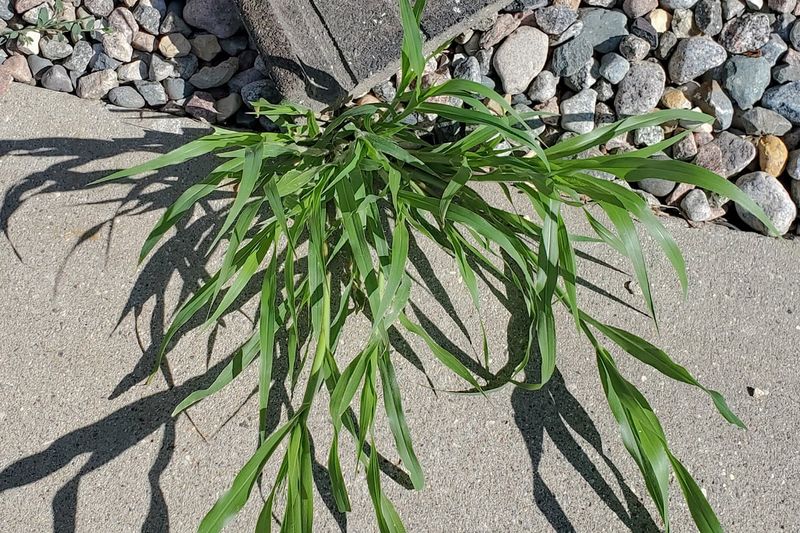
Doveweed doesn’t rely on seeds alone to claim more of your lawn. Its fleshy stems grow along the ground and send down roots wherever a node touches moist soil.
Each new rooting point anchors the plant a little farther out, helping a small clump turn into a wide, matted patch.
This creeping growth lets doveweed fill gaps in thin turf quickly during warm, wet weather. It can also weave between grass blades along the edges of a patch.
While the stems keep spreading, the plant is flowering and setting seed at the same time.
Those seed capsules form low on the plant, so regular mowing often isn’t enough to stop them. A patch can keep adding seeds to the soil for weeks as late summer turns to fall.
Mowing can also break off stem pieces, and those fragments may root if they land on damp ground.
That’s why bagging clippings from infested areas can help limit how far the weed travels. Cleaning the mower deck before moving to clean sections of the yard helps too.
In many Georgia lawns, this double push from stems and seeds explains how doveweed gains so much ground before frost.
5. Removing Patches Before Seeds Mature Can Reduce Future Spread
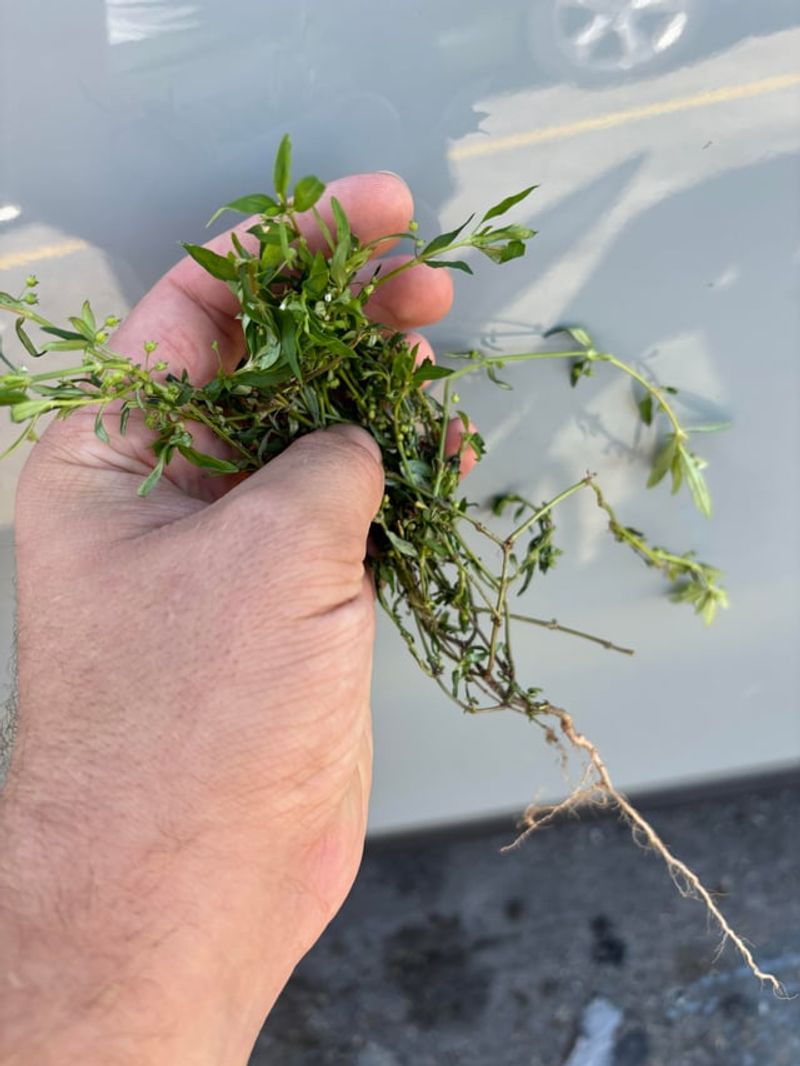
Getting doveweed out of the lawn before its seed capsules ripen keeps next year’s supply from growing even larger. Every patch you clear now means fewer seeds settling into the soil over winter.
Small patches are often easiest to handle by hand, especially after a rain when the ground is soft.
Work slowly and lift the creeping stems along with their roots instead of just tearing off the tops. Any stem pieces left behind can take root again if the soil stays moist.
Place pulled plants in a bag so seeds and viable stem pieces are not moved to another part of the yard.
Larger infestations may call for a postemergent herbicide labeled for doveweed and safe for your type of grass.
Some warm-season grasses common in Georgia, such as St. Augustine and centipede, can be sensitive to certain products. Reading the label carefully helps protect your turf while you target the weed.
Younger plants usually respond better than mature ones, so acting early tends to bring better results.
Follow-up checks every couple of weeks help you catch any new growth before it can set seed.
6. Herbicide Choices Depend Heavily On Your Grass Type
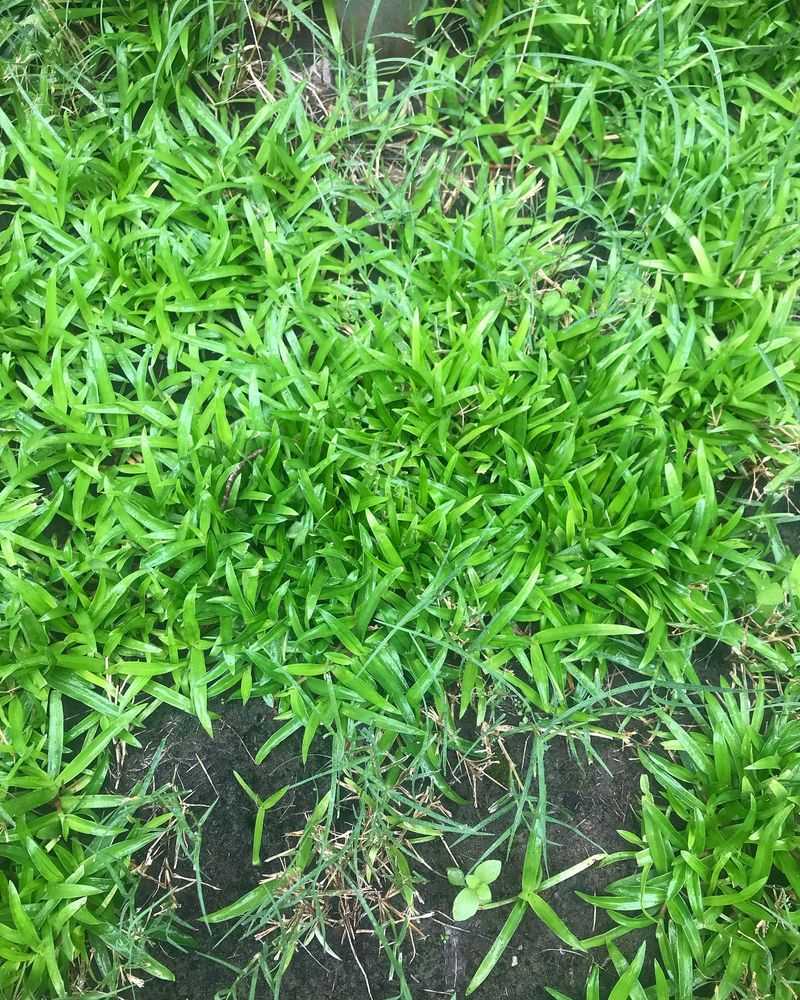
Not every lawn grass handles the same weed control products in the same way.
A herbicide that works well in one yard can injure turf in another, so knowing your grass comes first.
Bermudagrass and zoysiagrass tend to tolerate a wider range of options, including many broadleaf weed mixes found at garden centers.
Centipedegrass and St. Augustinegrass can be more sensitive to some three-way herbicide mixtures, so reduced labeled rates may be required. Products containing atrazine are labeled for these two grasses and can help manage young doveweed.
Some newer products that combine several active ingredients list doveweed on their labels for multiple warm-season grasses.
Even so, the label is the final word on which turf types, rates, and temperatures are safe. Many products also warn against spraying during extreme heat or drought stress.
Doveweed often needs more than one application, since mature plants can be stubborn. Spacing treatments according to label directions gives the grass time to recover between sprays.
Spot treating patches instead of blanketing the whole lawn also limits stress on healthy turf.
If you’re unsure what grass you have, your local Georgia extension office can help identify it.
7. Its Late Spring Germination Shifts Pre-Emergent Timing Later
Doveweed sprouts later in the season than many common lawn weeds. It usually waits until soil temperatures hold steady around 65 degrees, which often lands in late spring.
Crabgrass begins emerging earlier at cooler soil temperatures, so the usual early spring pre-emergent schedule targets it first.
The problem is that a treatment applied in late winter may lose much of its strength by the time doveweed starts germinating. That gap leaves an opening for a fresh flush of seedlings once the soil warms.
Many lawns with a doveweed history benefit from a second pre-emergent application timed closer to late spring. In Georgia, the exact timing depends on location and spring soil temperatures.
A soil thermometer can help you track conditions more closely than calendar dates alone.
Not every pre-emergent product controls doveweed well, so check that it appears on the label before buying.
Most of these products need to be watered in to form a barrier near the soil surface. Water the product in according to the amount and timing listed on the label.