The Early October Rose Task Pennsylvania Gardeners Often Skip
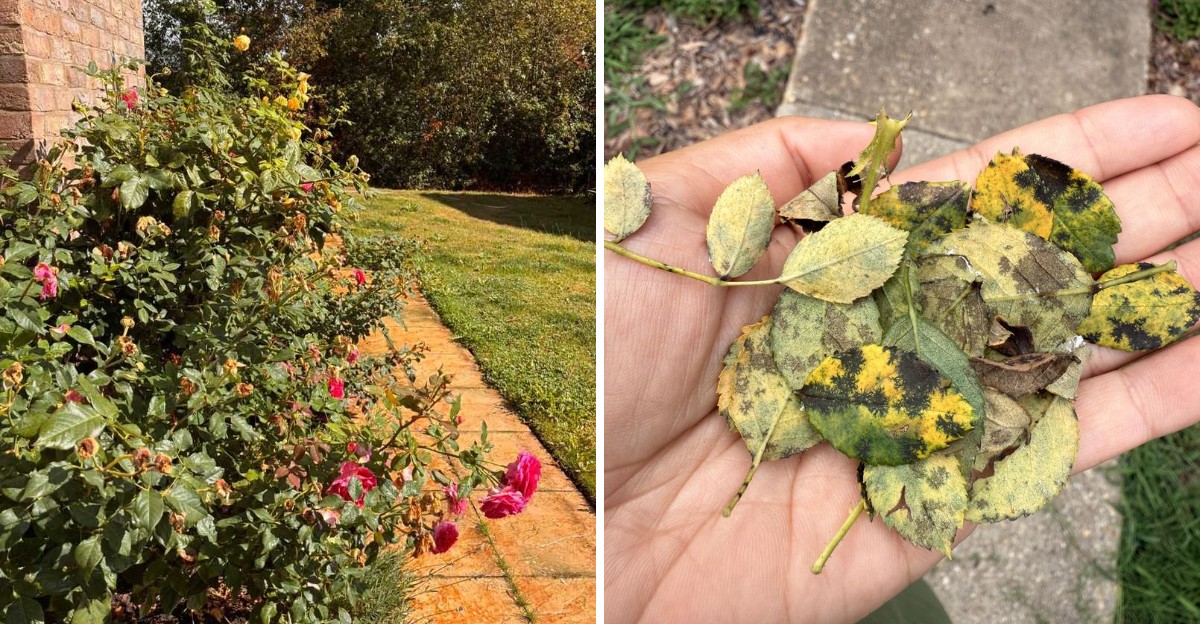
Some garden problems don’t disappear when the cold arrives. They simply wait. Pennsylvania rose growers see it every year. A bush that looked healthy in June can end the season looking tired and patchy, with yellowing leaves and dark blotches.
It’s easy to shrug it off as a bad year and move on. After all, winter is coming, and the roses will rest soon.
But the trouble doesn’t leave with the warm weather. Certain rose diseases can survive the winter right in your garden bed. When spring rains return, they’re ready to strike again, often worse than before.
That’s why one quick chore in early October matters so much. Most gardeners skip it without a second thought, yet it can make a big difference in how your roses look next year.
Clean Up Fallen And Spotted Leaves
My neighbor once told me her roses were cursed. Every June, the leaves turned spotty and dropped by midsummer. The curse turned out to be a pile of old leaves she never raked up.
Early October is the perfect time to fix that kind of problem. Start by walking slowly around each rose bush. Look closely at the leaves still hanging on the stems.
Any leaf with black spots should come off by hand. Just pinch it at the stem and pull gently.
Next, turn your eyes to the ground. Fallen leaves gather around the base of the plant and hide under the lower canes.
Use a small rake or your gloved hands to gather every single one. Pay extra attention to corners near fences or walls, since leaves like to pile up there.
Why go to all this trouble? Those leaves are the main home for fungal spores. Remove them, and you remove most of next year’s trouble before winter even starts.
It is one of the easiest ways to protect your roses without spraying anything. Here are a few tips to make the job smoother.
Wear thick gloves, because rose thorns are sharp and sneaky. Bring a bucket or bag with you so you do not drop leaves as you work. Pick a dry afternoon, since wet leaves stick to everything and spread spores more easily.
The whole task might take only fifteen minutes per bush. Put on some music or a podcast and enjoy the cool fall air.
Your future self will thank you when June arrives with healthy, green leaves instead of spotty ones. Think of it as a small gift you give your garden today.
Why Black Spot Lingers Into Next Year
Fungus is a patient guest. Black spot does not vanish when the weather turns cold. Instead, it hunkers down and waits, a bit like a bear in a cave.
Pennsylvania winters can be harsh, with snow, ice, and freezing nights. You might think that kind of cold would wipe out the fungus. Sadly, it does not.
The black spot fungus survives just fine on infected leaves and bits of plant debris left on the ground.
Your Pennsylvania Garden Changes Every Week. Your Plan Should Too.
Gardening in Pennsylvania changes quickly throughout the season. Every Friday you’ll receive a simple weekly plan showing exactly what to plant, prune, fertilize, harvest, and protect so you never miss the right timing.
Spring is when the real trouble starts again. Our state gets plenty of rain in April and May. Each raindrop that lands on an old infected leaf can bounce up and carry tiny spores with it. Those spores land on the brand new leaves of your rose bush.
Once spores reach a wet leaf, they get to work quickly. The fungus needs only about seven hours of leaf wetness to start growing.
Within a week or two, fresh black spots appear. Then those leaves drop, spread more spores, and the cycle keeps rolling all summer long.
Here is a fun fact. Black spot has been bugging rose growers for a very long time. Gardeners wrote about it in Europe back in the early 1800s, long before anyone had modern sprays.
Understanding the cycle helps you see why fall cleanup matters so much. You are not just tidying up. You are cutting off the fungus at its winter hiding spot.
Every infected leaf you remove means fewer spores waiting for spring. Fewer spores means fewer spots next year. It really is that simple.
A clean bed in October gives your roses a much fairer start when the growing season returns.
How To Recognize Black Spot
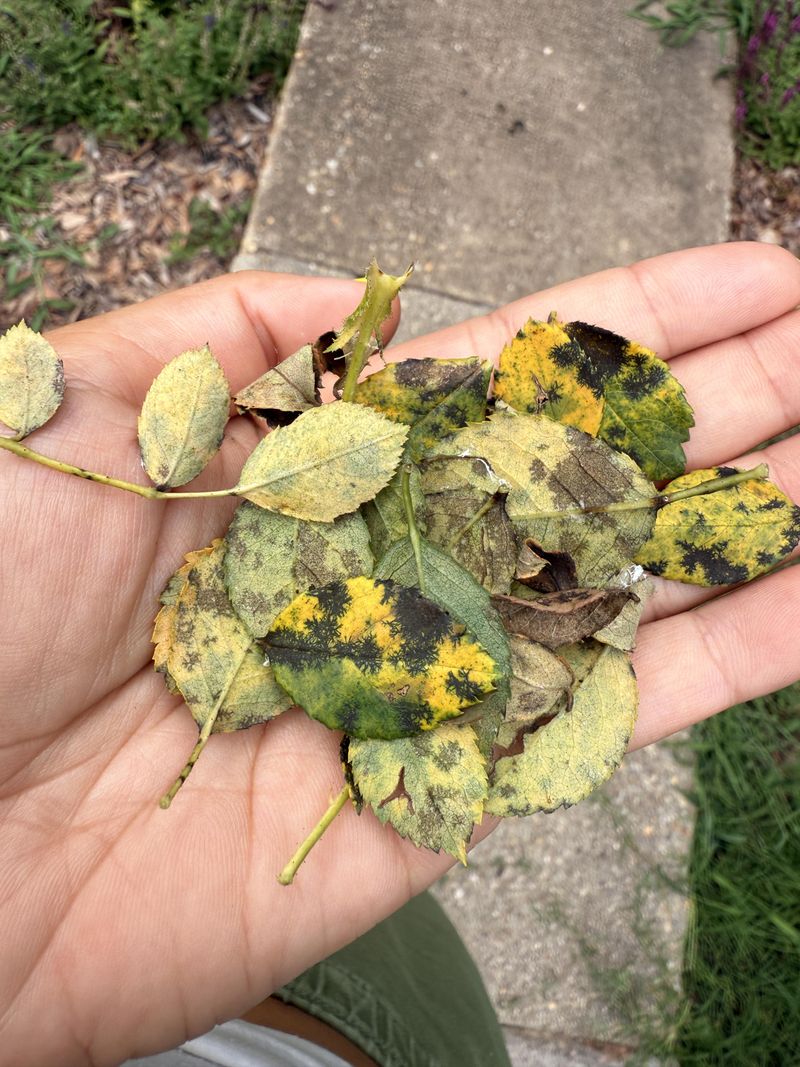
Not every dark mark on a rose leaf is black spot. Learning to tell the difference can save you a lot of worry and wasted effort.
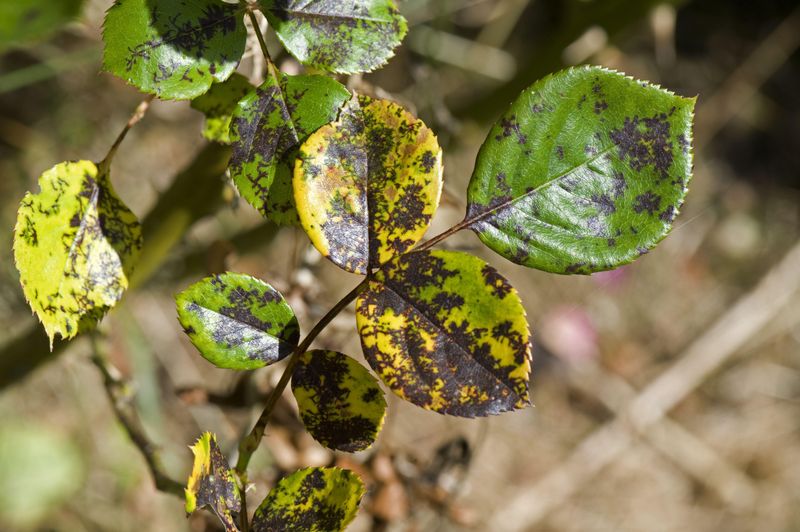
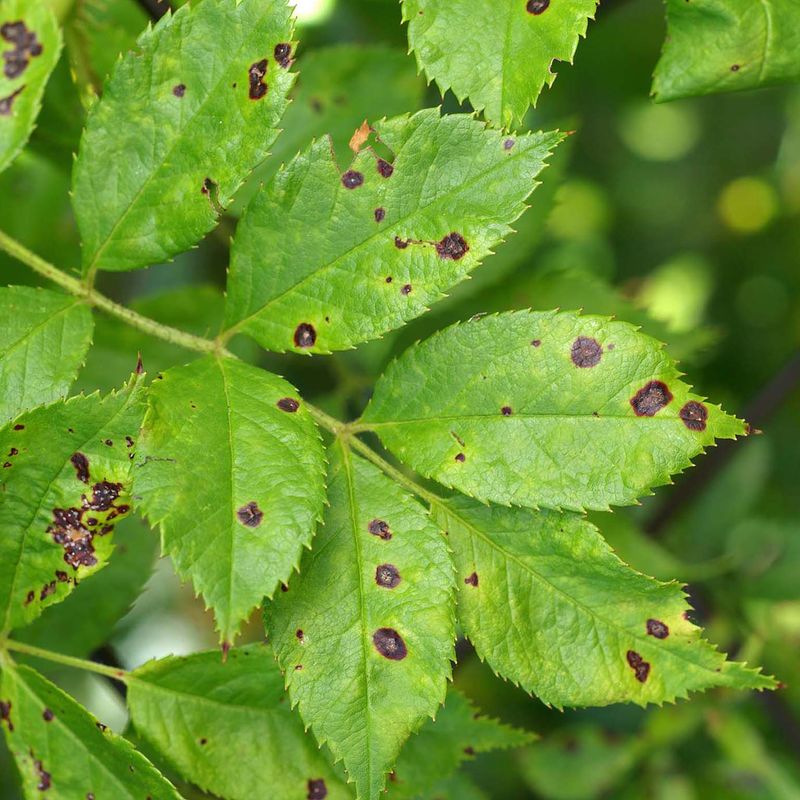
So what should you look for? Black spot shows up as round, dark spots on the top side of the leaf.
The spots are usually about the size of a pencil eraser, though they can grow larger. The edges look fringed or feathery, almost like a tiny ink blot that soaked into paper.
Around those spots, the leaf often turns yellow. Sometimes the whole leaf goes yellow while the black spots stay dark. That mix of black and yellow is a classic sign.
Watch where the damage starts on the plant. Black spot usually begins on the lowest leaves, close to the soil. That makes sense, because spores splash up from the ground. Over time, the trouble climbs higher and higher up the bush.
Infected leaves also tend to fall off early. If your rose looks bare at the bottom by August while the top still has leaves, black spot is a likely reason. A few look-alikes can fool you.
Insect damage often leaves holes or chewed edges, not spots. Downy mildew makes purple or brown patches that follow the leaf veins. Sun scorch causes crispy brown edges instead of round dots.
Grab a magnifying glass if you want a closer look. Kids especially love helping with this part, since it feels like detective work.
Once you know the signs, you will spot black spot quickly and know exactly which leaves need to go during your October cleanup.
How To Do The Cleanup Right
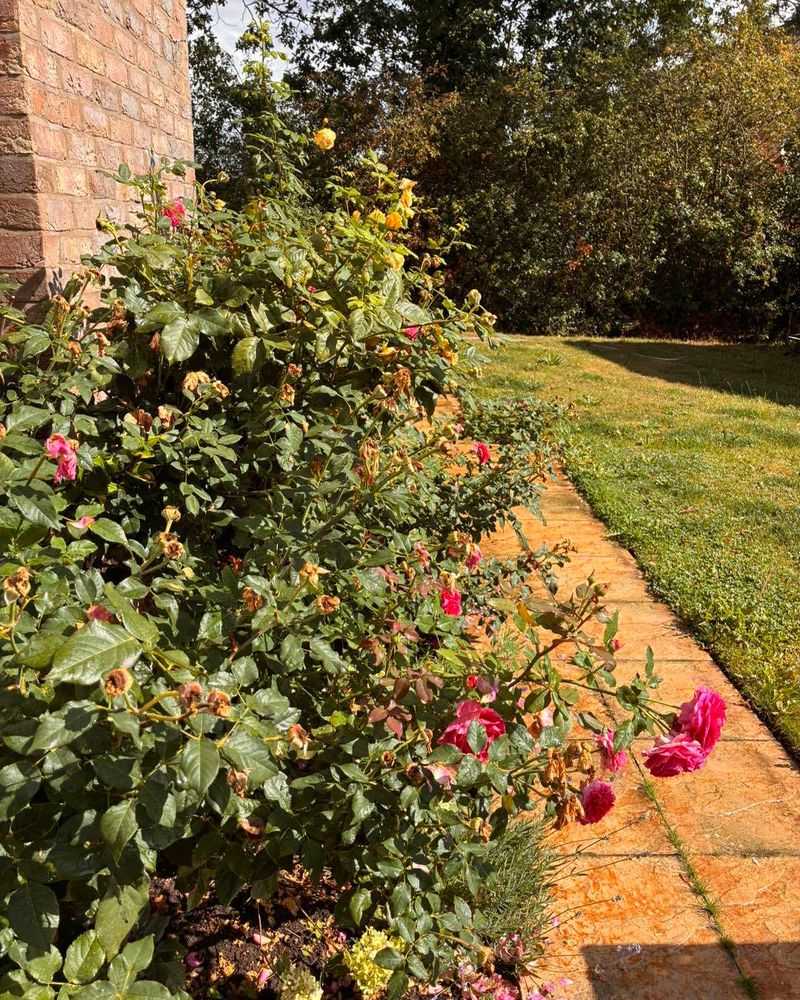
Good news first. Doing the cleanup right is not complicated. A few smart habits make all the difference between real progress and just moving the problem around.
Start with where the leaves go. Your compost pile might seem like the natural choice, but skip it this time.
Most home compost piles never get hot enough to wipe out the black spot fungus. Large commercial piles can reach very high temperatures, but backyard bins usually stay much cooler.
Instead, put infected leaves in a trash bag and toss them out with your regular garbage. Some towns in Pennsylvania offer yard waste pickup, but check the rules first. If they compost at a large facility, that may be fine. When in doubt, bag it and trash it.
Keep your tools clean as well. After handling sick leaves, wipe your pruners with rubbing alcohol. Wash your gloves now and then too. Spores can hitch a ride on almost anything.
Remember, one cleanup is not enough. Roses keep dropping leaves all through October and November.
Plan to check your beds once a week until the bushes go fully dormant. A quick sweep each weekend keeps things from piling up again. Here is a simple routine you can follow.
Walk the garden every Saturday morning. Pick off any new spotted leaves. Rake up the fallen ones. Bag them right away.
Try keeping a small notebook or phone note about which bushes had the worst spots. Next year, you will know which plants need extra attention.
Some rose varieties simply fight black spot better than others, and your notes might help you choose tougher roses in the future.
Improve Air Circulation And Watering Habits
Ever notice how a wet towel dries faster on a breezy day? Rose leaves work the same way. The quicker they dry, the less chance black spot has to settle in.
Air circulation is your secret weapon here. When canes grow too close together, air cannot move through the bush. Leaves stay damp longer after rain or morning dew. That damp shade is exactly what the fungus loves.
Grab a clean pair of bypass pruners. Look for canes that are dry, brown, or shriveled. Cut those out first, right down to healthy wood or the base.
Next, find canes that cross over each other or crowd the center of the plant. Remove a few so the middle opens up a bit.
Go easy, though. Fall is not the time for heavy pruning in Pennsylvania. Big cuts can trigger new growth that will not survive the cold.
Save major shaping for early spring, when forsythia blooms. In October, focus only on dry, damaged, or badly crowded canes.
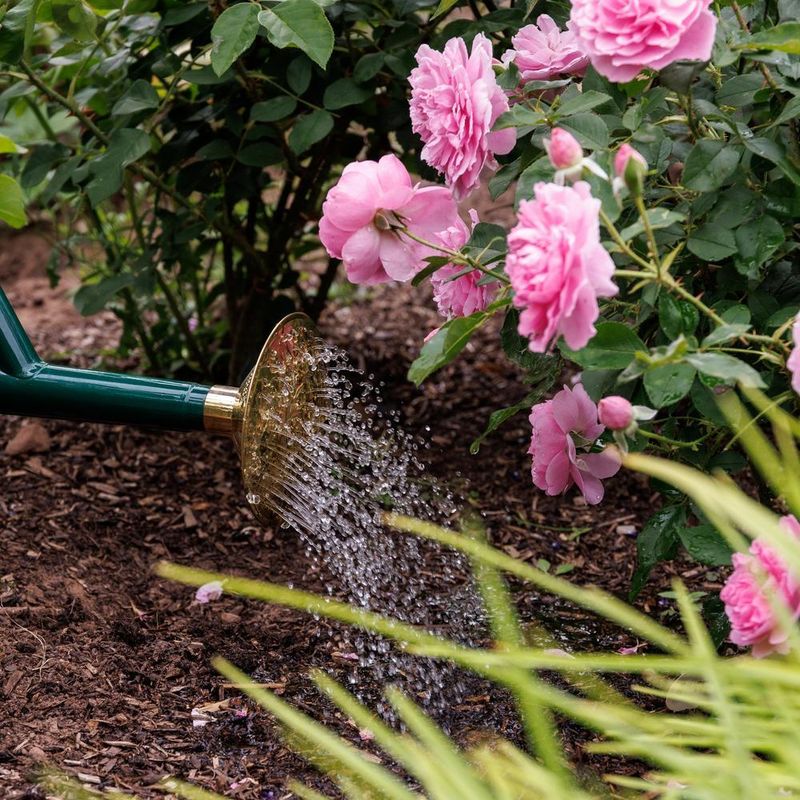
Watering habits matter just as much. Many people water roses with a sprinkler that soaks the leaves. That keeps foliage wet for hours. Instead, aim your hose right at the base of the plant.
Timing helps too. Water in the morning so any splashes dry quickly in the sun. Evening watering leaves plants damp all night, which invites trouble.
A soaker hose or drip line makes this easy. Lay it around the base and let it slowly deliver water to the roots. Your roses get a deep drink, and the leaves stay dry and happy.
Finish With A Fresh Layer Of Mulch
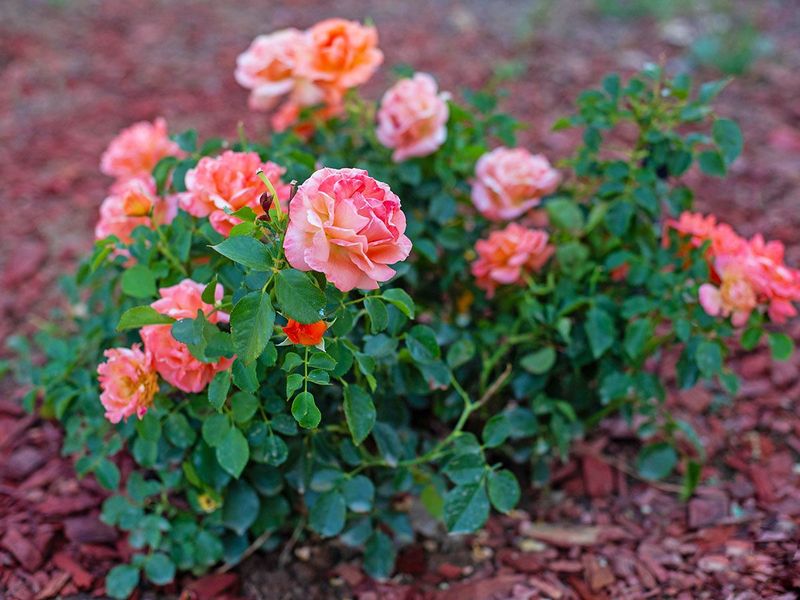
Mulch is like a cozy blanket for your rose bed. Once the cleanup is finished, it seals the deal and keeps your hard work from going to waste.
Spread a fresh layer about two to three inches deep around the base of each rose. Shredded hardwood, pine needles, or chopped leaves from healthy trees all work well.
Keep the mulch an inch or two away from the canes themselves. Mulch piled right against stems can hold too much moisture.
Why does mulch help so much? It creates a barrier between the soil and your plant. Any leftover spores in the dirt have a harder time splashing up onto the canes when rain falls. Mulch also keeps soil moisture steady and helps block weeds.
Winter protection comes next, but wait for the right moment. After the first hard freeze, usually in late November in much of Pennsylvania, add extra protection for grafted roses.
Grafted roses have a knobby bump near the base called the bud union. That spot is tender and needs shelter from freezing winds.
To protect it, mound extra mulch, compost, or garden soil about ten to twelve inches high around the base. Bring the soil in from another part of the yard instead of scraping it from around the rose roots.
Did you know? Gardeners in colder parts of the state, like the Poconos, sometimes add burlap wraps for even more protection.
In spring, once the forsythia blooms, gently pull back the extra mound. Your roses will wake up rested, clean, and ready for a beautiful, spot-free season.