How To Stop Slugs In Florida Without Using Chemicals
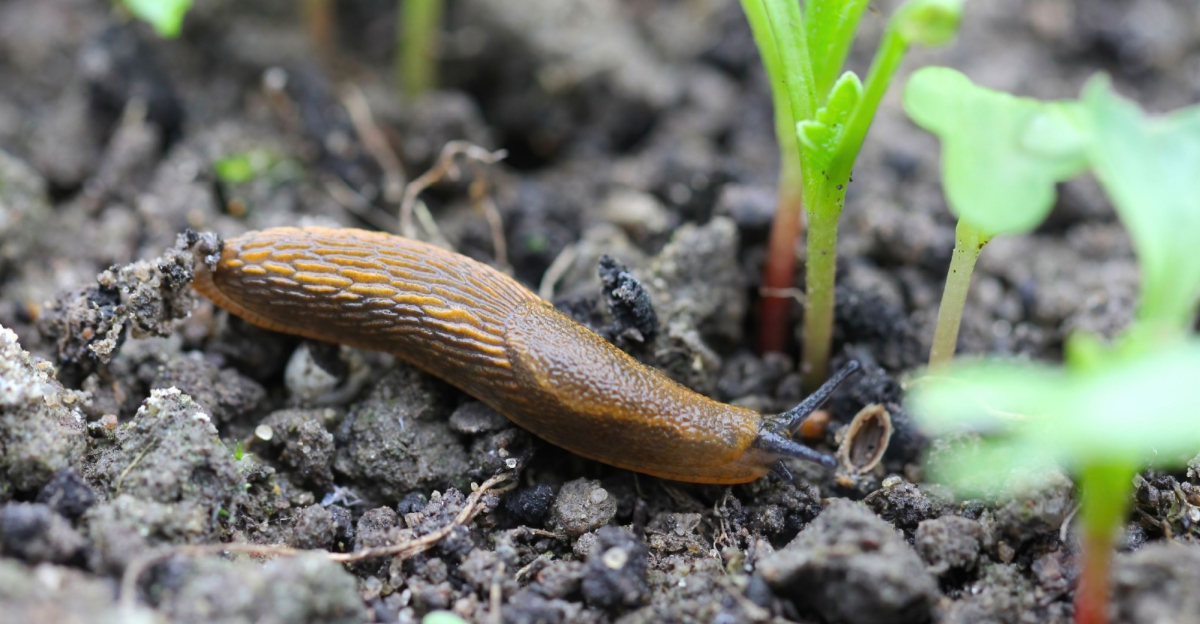
You step outside in the morning expecting to admire your garden, and instead you find holes in your leaves, half-eaten seedlings, and shiny slime trails across the soil. If you garden in Florida, you know this scene all too well.
Slugs love our heat, humidity, and frequent rain, and they waste no time turning healthy plants into overnight snacks. The good news is that you do not need chemical sprays to fight back.
Small changes in how you water, what you plant nearby, and how you protect vulnerable areas can make a big difference. Many of these solutions cost little or nothing and work with Florida’s natural conditions instead of against them.
If you want stronger plants, fewer pests, and a healthier yard without harsh products, this approach can help you get there.
1. Why Slugs Are Such A Problem In Florida Gardens
Florida’s weather creates a paradise for slugs, and that means trouble for your garden. Our state’s combination of warmth, high humidity, and frequent rainfall gives these pests everything they need to thrive and reproduce quickly.
You might notice slug activity picking up during our summer rainy season or after those heavy afternoon thunderstorms that drench your yard.
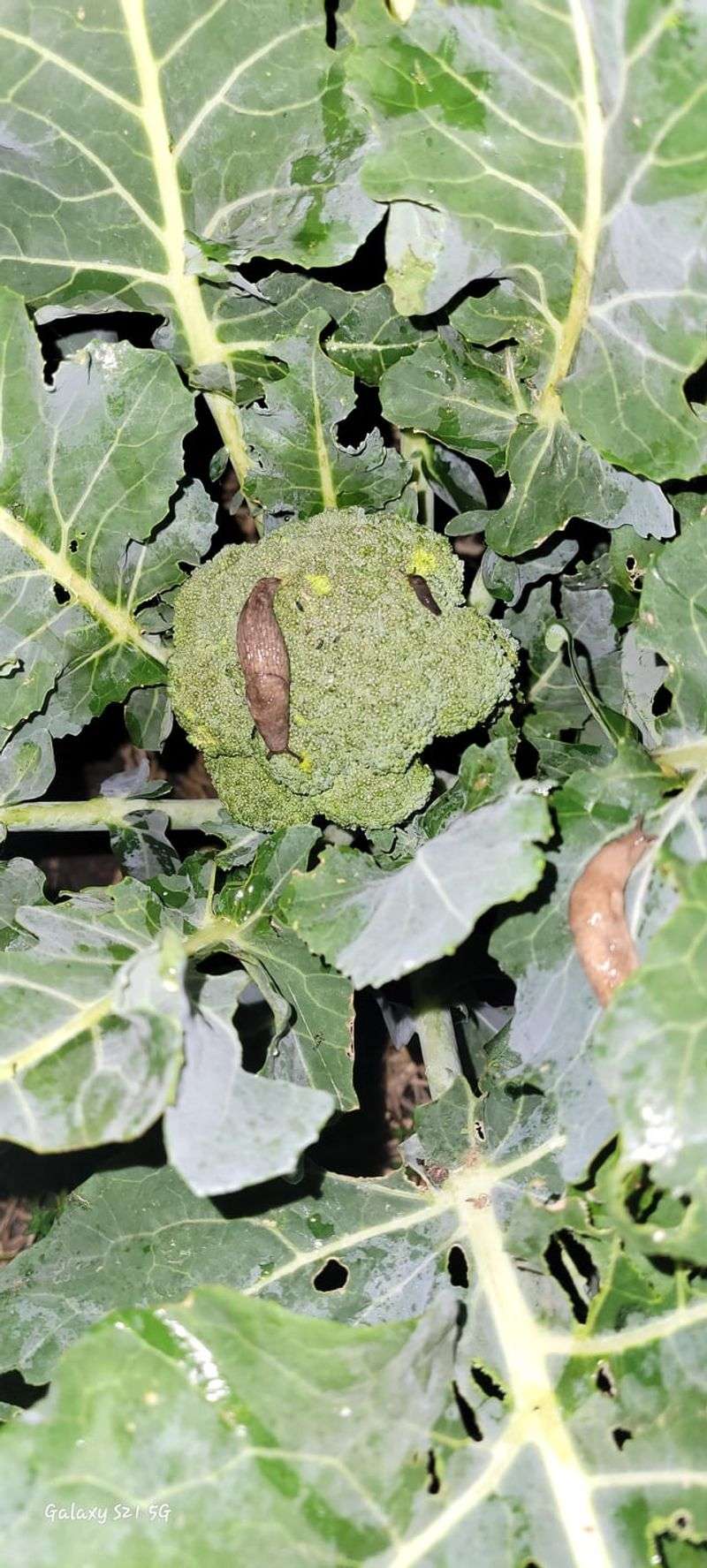
Slugs are nocturnal creatures that hide during hot, sunny days and come out at night or on overcast mornings to feed. They love to feast on tender young plants, seedlings, and soft leafy vegetables like lettuce, cabbage, and herbs.
Your hostas, basil, and tomato seedlings are especially vulnerable to their appetites.
What makes slugs particularly troublesome in Florida is that they can reproduce for much of the year in Florida’s mild climate. A single slug can lay hundreds of eggs in moist soil or under mulch, and those eggs hatch into more hungry pests within weeks.
Understanding this cycle helps you see why prevention matters so much.
Your garden’s layout and watering habits can either invite slugs in or keep them at bay. Dense plantings, thick mulch layers, and overwatering create the damp, shaded conditions these pests prefer.
Recognizing these patterns is your first step toward taking back control of your garden without reaching for chemical sprays.
2. How To Identify Slug Damage On Florida Plants
Learning to spot slug damage early helps you act before your plants suffer too much. The telltale signs are irregular holes in leaves, often with smooth edges rather than the jagged tears you might see from caterpillars or beetles.
You will typically find this damage on the softer, newer growth rather than older, tougher leaves.
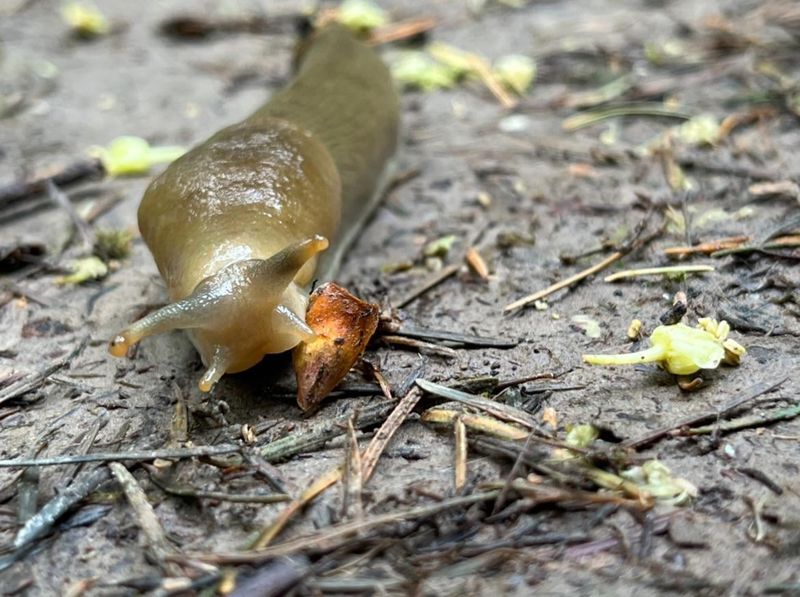
Another clear indicator is the silvery slime trail that slugs leave behind as they move across leaves, stems, and soil. These shiny trails catch the morning light and help you track where slugs are traveling in your garden.
If you see these trails leading to your vegetable beds or flower borders, you know slugs are active in that area.
Check your plants early in the morning or just after sunset when slugs are most active. Look underneath leaves, around the base of plants, and under any garden debris or pots where slugs might be hiding.
You might find the slugs themselves, which in Florida are usually brown, gray, or tan and range from half an inch to several inches long.
Some plants show specific damage patterns that point directly to slugs. Seedlings might disappear completely overnight, or you might notice that only the tender parts of your lettuce or cabbage are being eaten while tougher stems remain.
Your strawberries might have hollowed-out sections, and your hostas could look like Swiss cheese by morning.
3. Natural Barriers That Keep Slugs Away From Plants
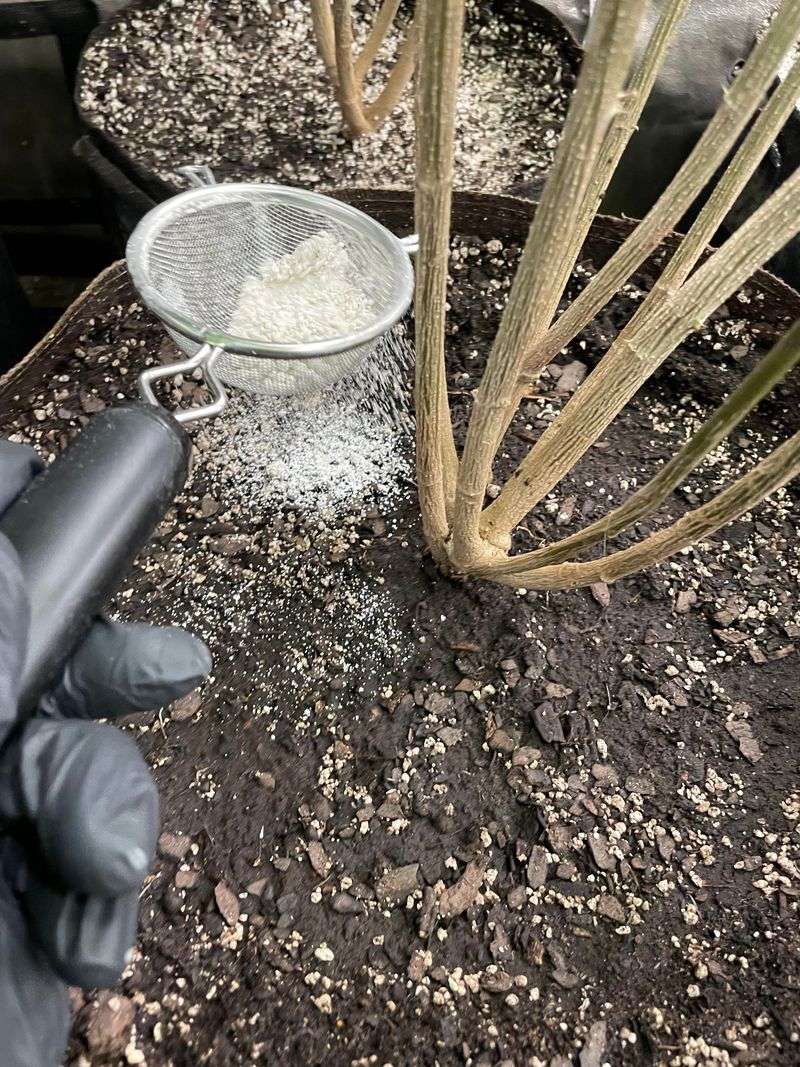
Creating physical barriers around your plants gives you a reliable way to protect them without any chemicals at all. Slugs have soft bodies that make crossing rough or dry materials uncomfortable, so you can use this weakness to your advantage.
Crushed eggshells scattered around the base of vulnerable plants may help deter slugs when applied thickly, though results can vary.
Copper tape or copper strips placed around raised beds or individual pots work exceptionally well because copper reacts with slug slime and creates a sensation they dislike. You can find copper tape at most garden centers, and it lasts for years once you apply it.
Just make sure the copper forms a complete circle with no gaps for slugs to sneak through.
Diatomaceous earth is another excellent natural barrier that you can sprinkle around plants. This powdery substance is made from fossilized algae and feels like tiny shards of glass to soft-bodied pests.
The downside in Florida is that heavy rains wash it away, so you will need to reapply after storms or watering.
Coarse sand or gravel mulch creates an environment that slugs find difficult to cross. Instead of using fine organic mulch right up against your plant stems, try creating a dry zone with sand or small stones.
This approach works especially well around herbs, succulents, and other plants that prefer drier conditions anyway.
4. DIY Slug Traps That Actually Work
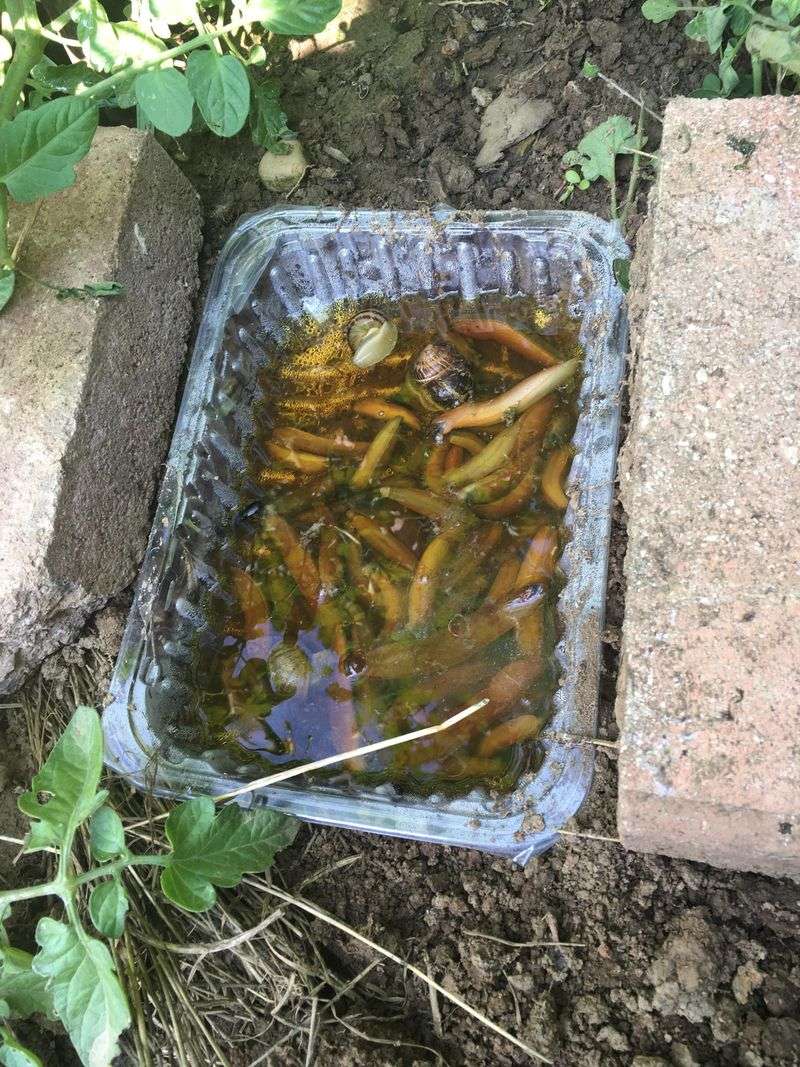
Setting up simple traps lets you catch slugs before they reach your prized plants. Beer traps are probably the most famous slug control method, and they really do work in Florida gardens.
Bury a shallow container like a tuna can or plastic cup so the rim sits at soil level, then fill it halfway with cheap beer.
Slugs are attracted to the yeast smell and crawl into the trap overnight. Check your traps each morning and empty them, then refill with fresh beer.
Place these traps near plants that show slug damage, but not right next to the plants themselves, since the beer smell might actually attract more slugs to the area initially.
Grapefruit or melon rind traps offer another effective option that costs you nothing. Cut a grapefruit or cantaloupe in half, scoop out the fruit, and place the hollowed rinds upside down in your garden near affected plants.
Slugs will crawl underneath to hide during the day, and you can collect and remove them in the morning.
Overturned flower pots or boards placed on the soil create hiding spots where slugs will gather. Check these traps daily in the early morning and remove any slugs you find.
This method works particularly well if you slightly elevate one edge of the board with a small stone, creating a dark, damp shelter that slugs cannot resist.
5. Plants And Smells Slugs Avoid
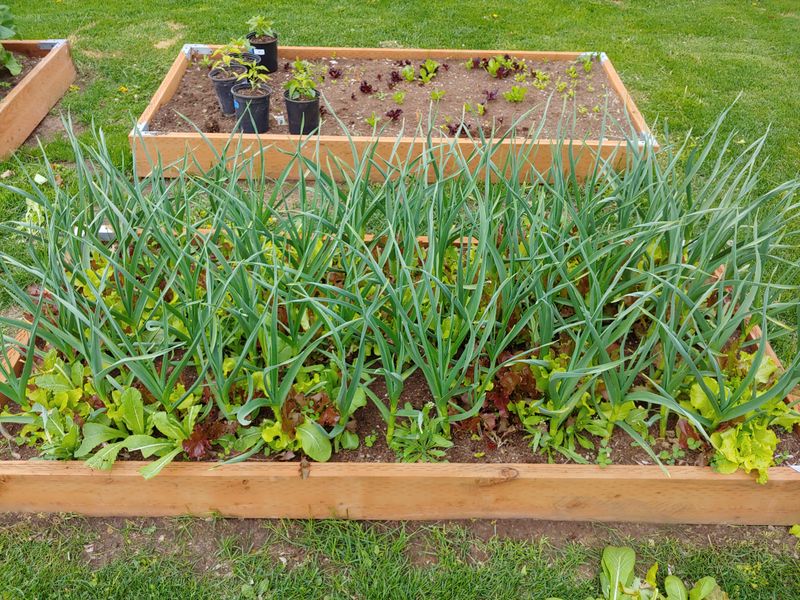
Strategic planting gives you a natural defense system that works around the clock. Slugs dislike strongly scented herbs, so surrounding vulnerable plants with rosemary, lavender, sage, or mint creates a protective barrier.
These aromatic plants thrive in Florida gardens and give you the bonus of fresh herbs for your kitchen while keeping pests away.
Garlic and onions planted near your vegetables help repel slugs with their pungent smell. Many Florida gardeners interplant garlic cloves between lettuce rows or around the edges of raised beds.
The garlic grows well in our cooler months, which is exactly when many gardeners are trying to protect tender winter vegetables from slugs.
Fennel, chives, and strongly scented geraniums also make the list of plants that slugs tend to avoid. You can use these as border plants around your vegetable garden or mix them throughout your beds.
The key is creating enough scent to discourage slugs from entering the area in the first place.
Plants with tough, fuzzy, or waxy leaves are naturally less appealing to slugs. Your ornamental grasses, succulents, and plants with thick foliage rarely show slug damage.
Choosing more of these resilient plants for areas where you have persistent slug problems can reduce your workload and frustration significantly over time. If you decide on mint, plant in containers, as it spreads aggressively in Florida landscapes.
6. Encouraging Natural Slug Predators In Your Yard
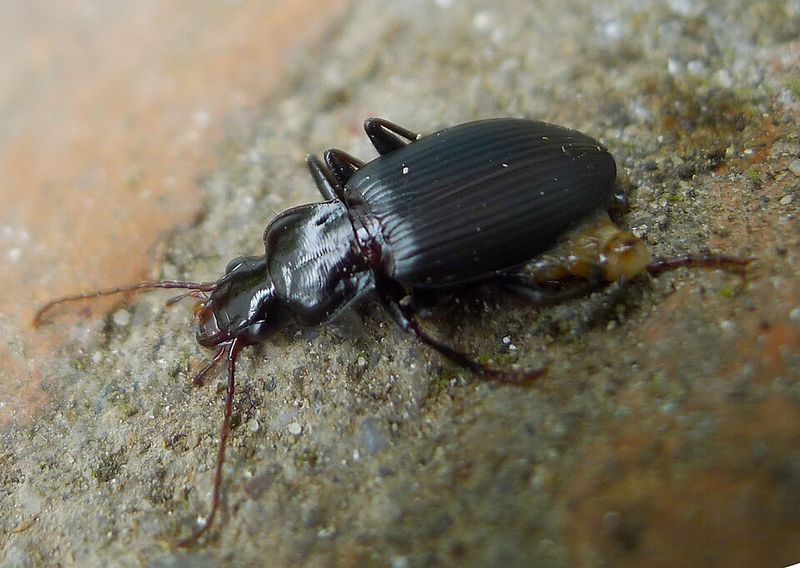
Building a habitat that welcomes slug predators turns your yard into a self-regulating ecosystem. Ground beetles, fireflies, and various native insects feed on slug eggs and young slugs, helping keep populations under control naturally.
You can encourage these beneficial insects by leaving some areas of your yard a bit wild with native plants and leaf litter where they can shelter.
Toads are fantastic slug controllers that can consume dozens of slugs in a single night. Create toad houses by placing overturned clay pots with a small entrance hole in shady, moist areas of your garden.
Keep a shallow dish of water nearby, and toads will likely move in and start patrolling your garden for pests.
Some birds may eat slugs opportunistically when they find them. Attracting birds to your yard with native plants that provide berries, seeds, and nesting sites gives you natural pest control.
Avoid using any pesticides, since these harm the beneficial creatures you are trying to attract.
Box turtles and garter snakes also feed on slugs and other garden pests. Creating a wildlife-friendly yard with diverse plantings, water sources, and shelter areas brings in these helpful predators.
The more biodiversity you foster in your Florida landscape, the less you will need to intervene manually with slug control efforts.
7. Watering And Garden Habits That Reduce Slug Activity
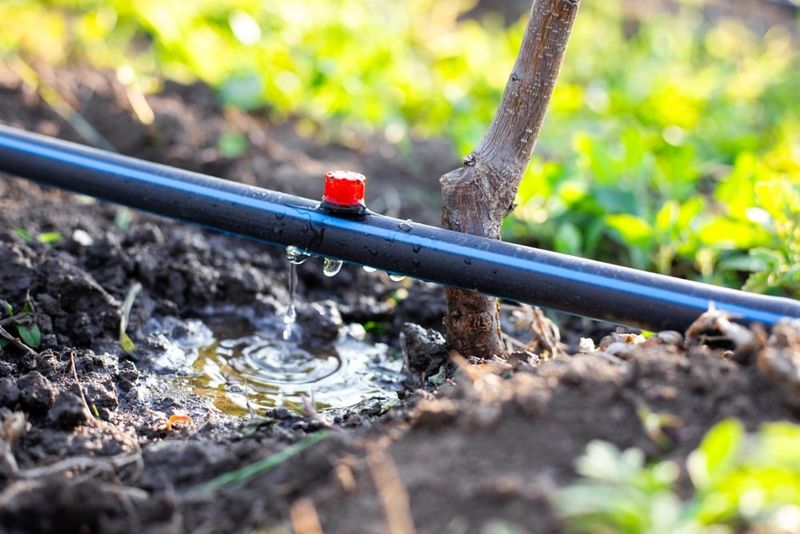
Your watering schedule plays a huge role in how attractive your garden is to slugs. Watering in the morning rather than evening allows the soil surface and foliage to dry out before nightfall, which is when slugs become active.
Dry conditions discourage slugs from venturing out to feed, so this simple timing change can make a noticeable difference.
Avoid overwatering your garden, since constantly moist soil creates the perfect environment for slugs to thrive and reproduce. Use drip irrigation or soaker hoses rather than overhead sprinklers when possible, keeping water at the root zone instead of wetting leaves and creating humidity.
Check your soil moisture before watering to make sure your plants actually need it.
Reducing mulch depth around vulnerable plants helps too. While mulch is important for Florida gardens to retain moisture and moderate soil temperature, too much creates damp hiding spots that slugs love.
Keep mulch pulled back a few inches from plant stems and maintain a layer no more than two to three inches deep in areas prone to slug problems.
Regular garden cleanup removes slug hiding places and egg-laying sites. Clear away fallen leaves, old plant debris, and weeds that create shaded, moist microhabitats.
Store pots and garden tools off the ground rather than leaving them sitting directly on soil where slugs can shelter underneath during the day.
8. When Slugs Become A Bigger Problem And What to Do Next
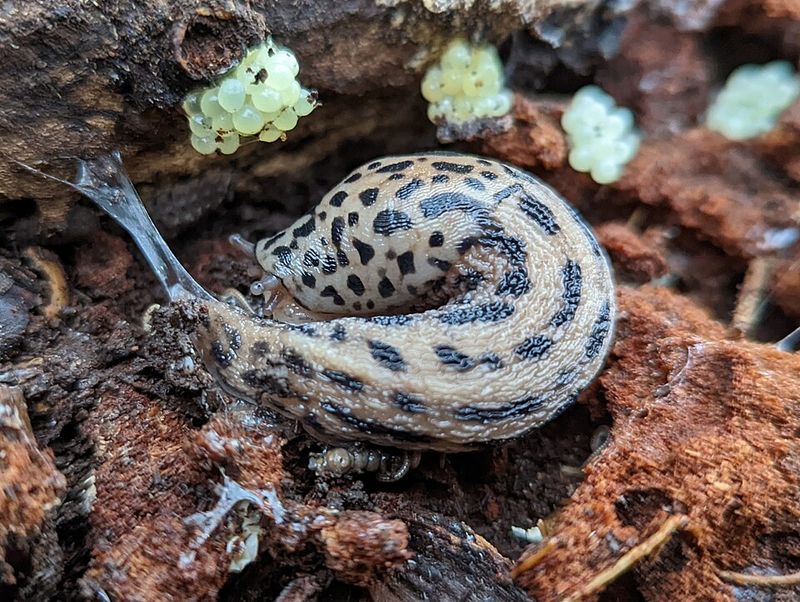
Sometimes slug populations explode despite your best prevention efforts. This often happens after extended rainy periods or if your neighborhood has a widespread slug problem.
When you notice increasing damage even after implementing barriers and traps, it might be time to step up your approach with more intensive handpicking.
Nighttime patrols with a flashlight let you catch slugs in action and remove large numbers quickly. Go out about an hour after sunset when slugs are actively feeding, and simply pick them off your plants.
Drop them into a bucket of soapy water, which stops them without chemicals. This method works best when you commit to doing it consistently for several nights in a row.
If your garden borders wild areas or neglected neighboring properties, slugs may be constantly migrating into your space. Creating a wider perimeter defense with multiple barrier types and trap stations around your garden’s edges can help intercept slugs before they reach your plants.
You might need to expand your control zone beyond just the immediate planting area.
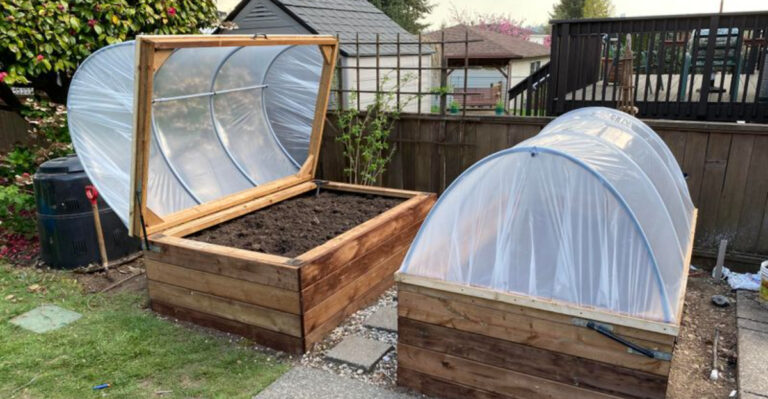
Reassess your garden design if slug problems persist year after year. Consider converting to more raised beds with copper barriers, reducing dense groundcover plantings, or switching to container gardening for your most vulnerable plants.
Sometimes changing your approach entirely works better than fighting the same battle season after season.