How To Support More Birds In A California Yard Without Using Feeders
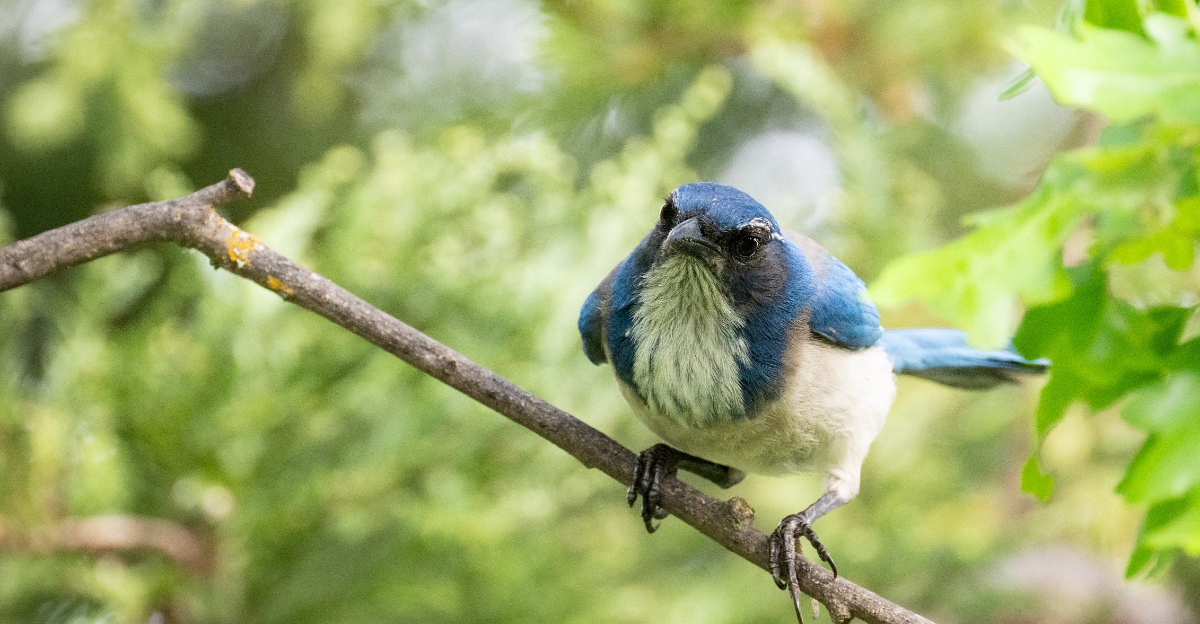
A California yard can support plenty of birds without a single feeder in sight. The real secret is giving them what they actually need: food, water, shelter, and places to nest.
That approach works especially well in California, where native plants, layered landscaping, and long growing seasons can turn an ordinary yard into a much more reliable bird habitat.
Berry-producing shrubs, seed heads, dense cover, and shallow water do a lot more than people realize. Suddenly your yard is not just nice to look at. It is useful.
The payoff is bigger than a few extra chirps in the morning. A yard designed for birds feels livelier, healthier, and far more connected to the world around it.
More visiting songbirds, more natural movement, and no constant seed mess or feeder cleanup to deal with. Honestly, letting the plants and habitat do the work is a pretty smart upgrade.
Plant More Berry-Producing Natives
Walk through any wild stretch of California and you will notice something right away: birds flock to plants that feed them. Native berry-producing shrubs are one of the best things you can add to your yard.
Plants like toyon, coffeeberry, and elderberry grow naturally across California and produce fruit that local birds have relied on for thousands of years.
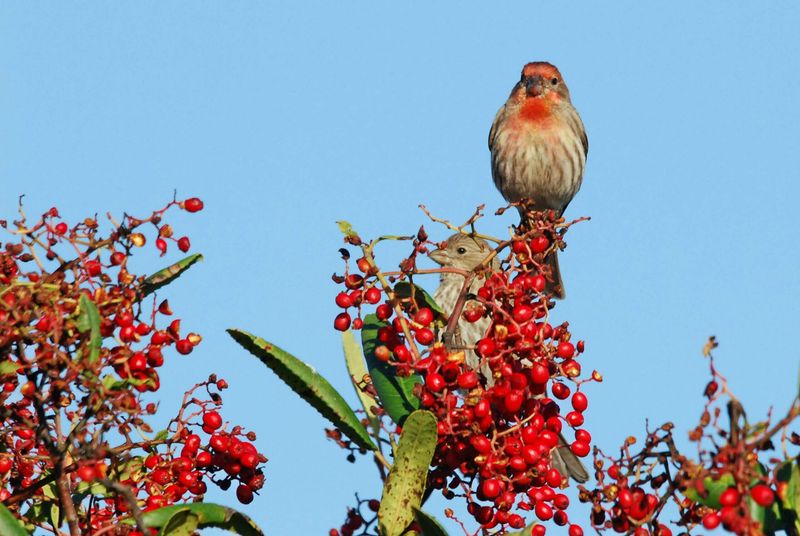
Toyon, sometimes called California holly, is a standout choice. It produces clusters of bright red berries in fall and winter, right when food is hardest to find.
Birds like American robins, cedar waxwings, and hermit thrushes go absolutely wild for them. Coffeeberry is another great pick, offering dark berries that attract bluebirds, mockingbirds, and wrentits.
What makes native plants so special is that they evolved alongside local wildlife. They need less water than non-native plants, which is a big deal in California’s dry climate.
They also support the insects that birds need for protein, especially during nesting season. Plant a mix of species that ripen at different times of year so birds always have something to eat.
Even a few well-placed shrubs along a fence or garden border can attract a surprising number of visitors to your California yard throughout every season.
Add Layers Of Shelter
Birds do not just need food. They need places to hide, rest, and feel safe.
A yard with only a flat lawn and a few scattered plants does not give them much to work with. But a yard with tall trees, mid-level shrubs, and low ground cover?
That is a completely different story.
Think of it like building a neighborhood with different floors. Tall native trees like valley oak or coast live oak give birds a high perch to survey the area and watch for danger.
Underneath those trees, shrubs like coyote brush or native currant create a middle layer where birds can duck in and hide quickly. At the ground level, low-growing plants and leaf litter give sparrows and towhees the perfect spot to scratch around and forage.
This layered approach mimics what California’s natural landscapes look like, and birds instantly recognize it as safe habitat. It also means different species can share your yard without competing too much for the same space.
Your California Garden Changes Every Week. Your Plan Should Too.
Gardening in California changes quickly throughout the season. Every Friday you’ll receive a simple weekly plan showing exactly what to plant, prune, fertilize, harvest, and protect so you never miss the right timing.
A hawk might sit up high while a wren works through the shrubs below. Adding a brush pile in a corner takes this even further by giving ground-dwelling birds extra cover.
Layering your yard is one of the smartest moves you can make for California birds.
Leave Fresh Water Out Daily
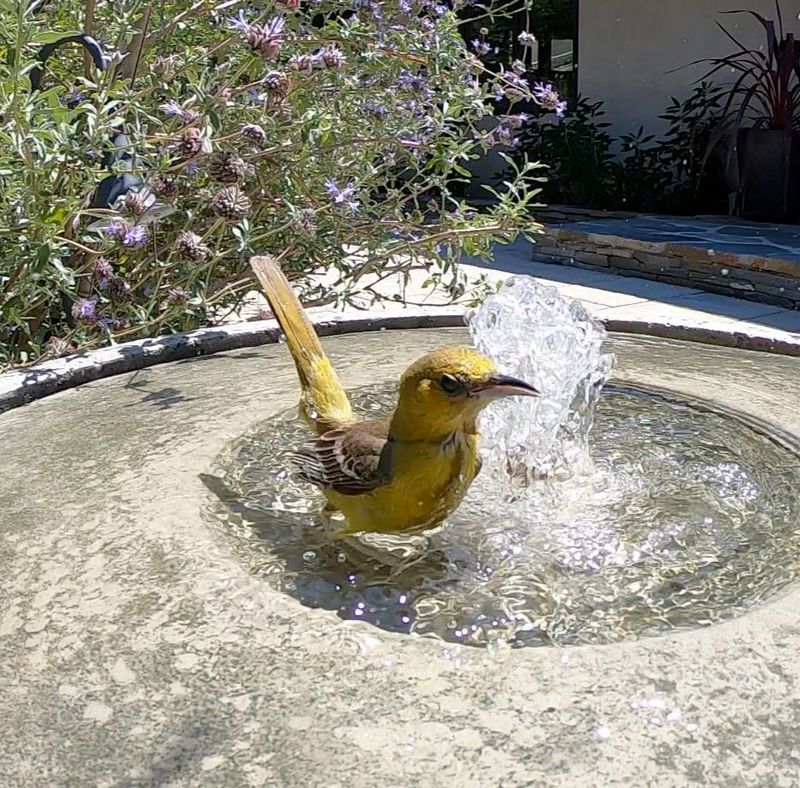
Fresh water might be the single most powerful thing you can offer birds in your California yard. Food can be found in many places, but clean water is often harder to come by, especially during the long dry summers that California is known for.
A simple birdbath can attract more birds than almost anything else.
The key is keeping it fresh. Stagnant water grows algae and can carry bacteria, so rinse and refill your birdbath every single day.
Choose a shallow basin, no deeper than two inches, so smaller birds feel comfortable wading in. Place it somewhere open enough that cats cannot sneak up on bathing birds, but close enough to shrubs that birds can dart to safety quickly if needed.
Adding a small dripper or wiggler to the water creates movement and sound, which is incredibly effective at drawing birds in. Many California species, including warblers and vireos, are attracted to the sound of dripping water during migration.
If you have space, a small ground-level dish or pond edge works great for ground-feeding birds like California towhees and spotted doves. Keep water available year-round, not just in summer.
Even on cool winter days, birds need to drink and bathe regularly to stay healthy and keep their feathers in good shape.
Grow Plants That Attract Insects
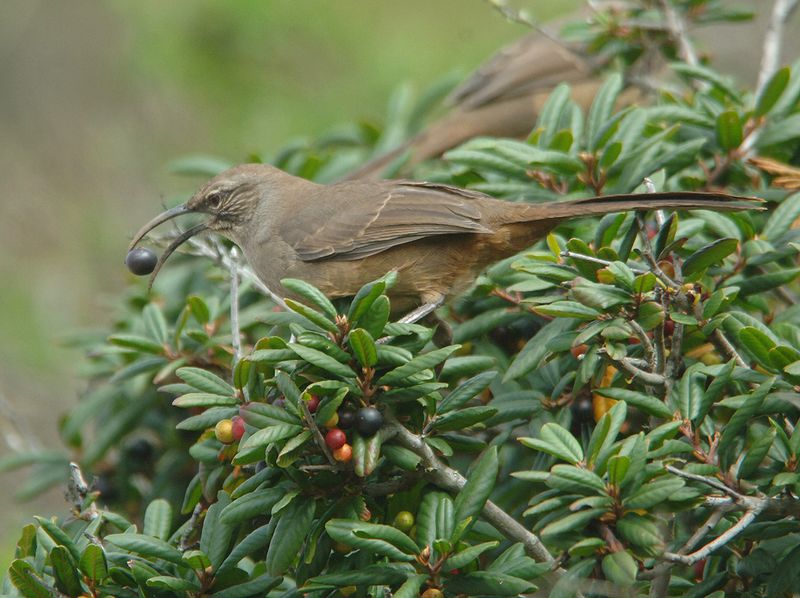
Here is something that surprises a lot of people: most backyard birds actually eat more insects than seeds or berries. Even seed-eating birds like finches feed their chicks almost entirely on insects during nesting season.
Insects are packed with protein and fat that baby birds desperately need to grow strong. So one of the best things you can do is grow plants that insects love.
Native flowering plants are the way to go. California natives like native sage, milkweed, yarrow, and goldenrod are magnets for caterpillars, beetles, aphids, and flies.
These insects then become food for birds like bushtits, yellow warblers, and black phoebes. It is a natural food chain working right in your own yard.
Non-native ornamental plants, on the other hand, often support very few insects at all, making them much less useful to birds.
Oak trees deserve a special mention here. A single native oak can support hundreds of insect species, which in turn feeds dozens of bird species.
Even a young oak in a California yard makes a real difference over time. Try mixing flowering plants of different heights and bloom times so there is always insect activity happening somewhere in your yard.
More insects means more birds, and that is a win for everyone who enjoys watching wildlife right outside their window.
Skip Pesticides In The Yard
Pesticides are one of the biggest hidden threats to birds in California yards. Many people reach for a spray bottle the moment they spot an aphid or caterpillar, not realizing those tiny creatures are exactly what birds are looking for.
When you spray pesticides, you are not just affecting the bugs you can see. You are also removing a major food source for birds and potentially harming them directly.
Birds can be exposed to pesticides by eating contaminated insects, drinking treated water, or even just walking across treated soil. Studies have shown that even small amounts of common pesticides can affect birds’ ability to navigate during migration, which is a serious problem for California’s many migratory species.
The effects ripple outward in ways that are easy to underestimate.
The good news is that a healthy yard with diverse native plants rarely has serious pest problems. Natural predators like ladybugs, lacewings, and spiders keep pest populations in check without any help from chemicals.
If you do need to address a plant problem, try hand-picking pests, using a strong spray of water, or planting companion plants that naturally repel certain insects. Going pesticide-free in your California yard creates a safer, healthier environment where birds can forage freely and raise their young without running into harmful substances at every turn.
Let A Few Areas Stay Wild
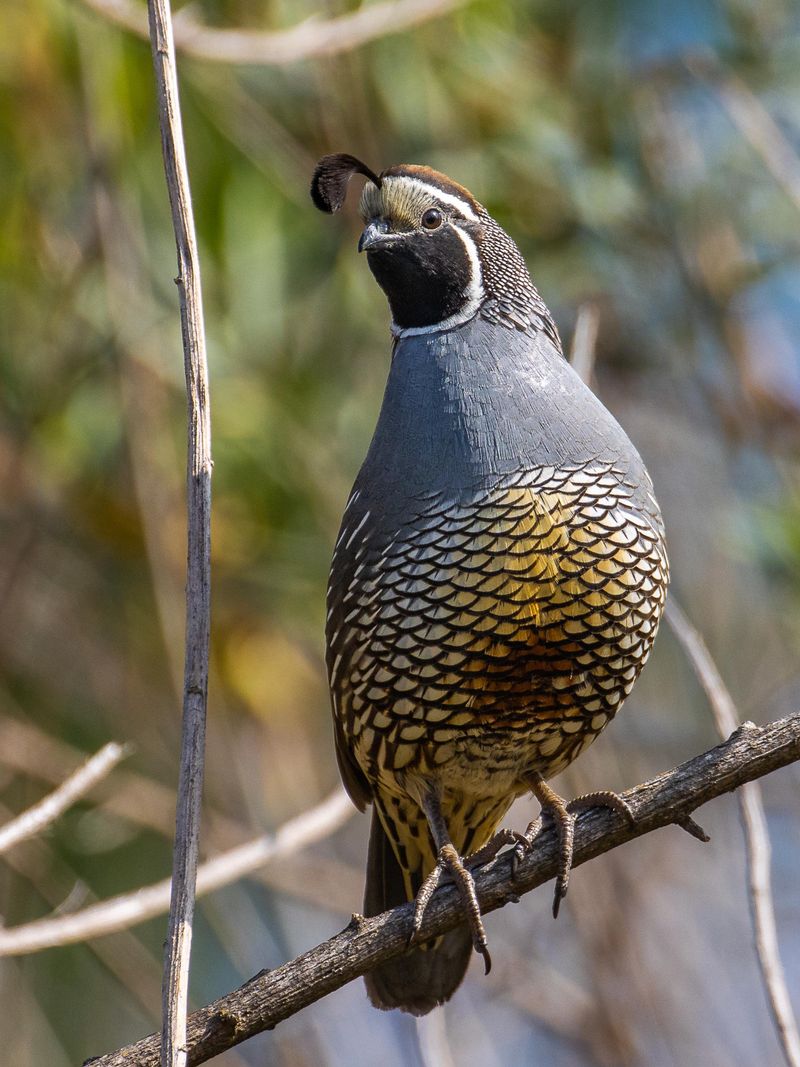
Not every inch of your yard needs to be neat and tidy. In fact, birds often prefer the messy spots.
Leaving a corner of your California yard a little wild can do more for local birds than almost any other single change. It sounds simple, and it really is.
Let fallen leaves stay on the ground through winter instead of raking them all up. Leaf litter is home to a huge number of insects, worms, and other small creatures that ground-feeding birds absolutely love.
California towhees, hermit thrushes, and fox sparrows spend hours flipping through leaf piles looking for a meal. A small brush pile made from fallen branches is another easy addition that gives birds shelter and a place to hunt for insects hiding under the bark.
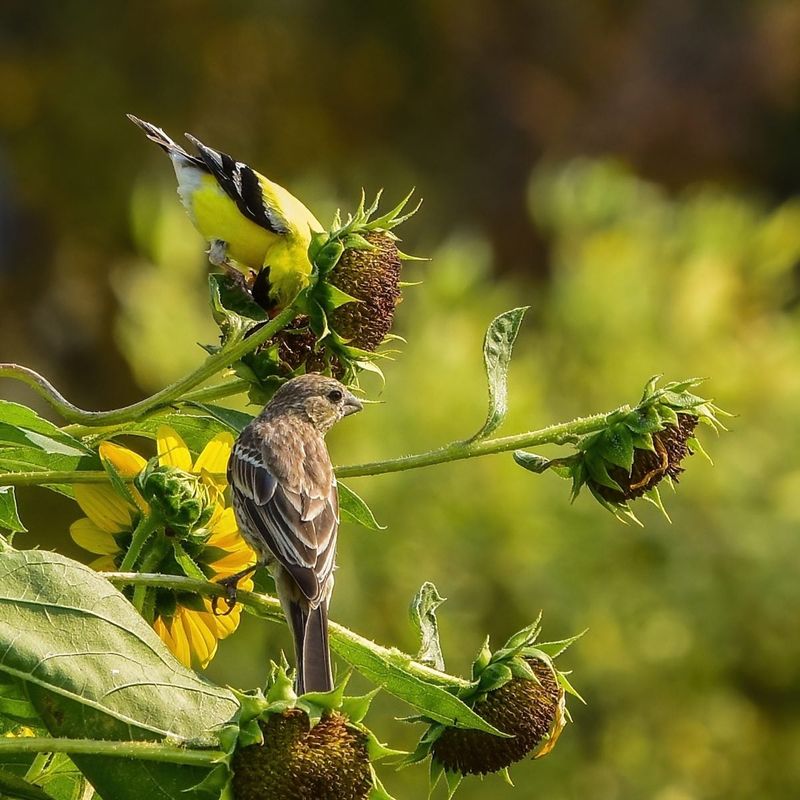
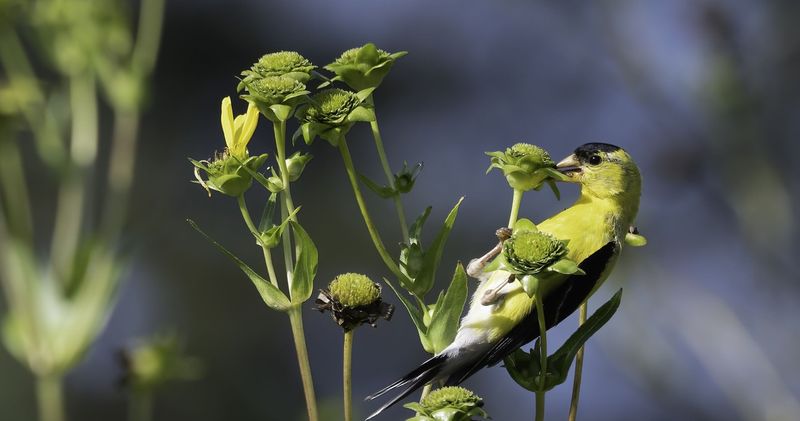
Letting native grasses and wildflowers go to seed instead of cutting them back is another great move. Seed heads from plants like purple needlegrass or native sunflowers feed goldfinches, sparrows, and juncos well into the colder months.
You can also leave a dead branch or two standing if it is safe to do so, since woodpeckers and nuthatches love to work through old wood looking for beetle larvae. A little wildness in your California yard is not neglect.
It is actually one of the most thoughtful things you can offer to local wildlife.
Choose Nesting-Friendly Plants
Spring in California brings one of the most exciting wildlife events of the year: nesting season. Birds search carefully for safe, sheltered spots to raise their young, and the plants in your yard can make all the difference.
Choosing the right plants gives birds the structure and materials they need to build strong nests and protect their eggs.
Dense, thorny shrubs like native roses and hawthorn are favorites for many small songbirds because the thorns keep predators away. California lilac, also known as ceanothus, provides thick branching that birds like bushtits and orange-crowned warblers use for support.
Willows near a water source are magnets for nesting birds like yellow warblers, who weave their nests tightly into the slender branches. The more variety you plant, the more species you are likely to attract.
Beyond structure, plants also supply nesting materials. Soft plant fibers, seed fluff, spider webs found on plant stems, and even strips of bark all get woven into nests.
A yard rich in native plants naturally provides all of these. You can also leave out small pieces of natural fiber, pet fur, or dried grass near your garden to give nesting birds an extra boost.
Creating a nesting-friendly yard in California means thinking about birds not just as visitors but as year-round neighbors who truly call your yard home.