The 10 Flowers Bees Can’t Resist In Oregon
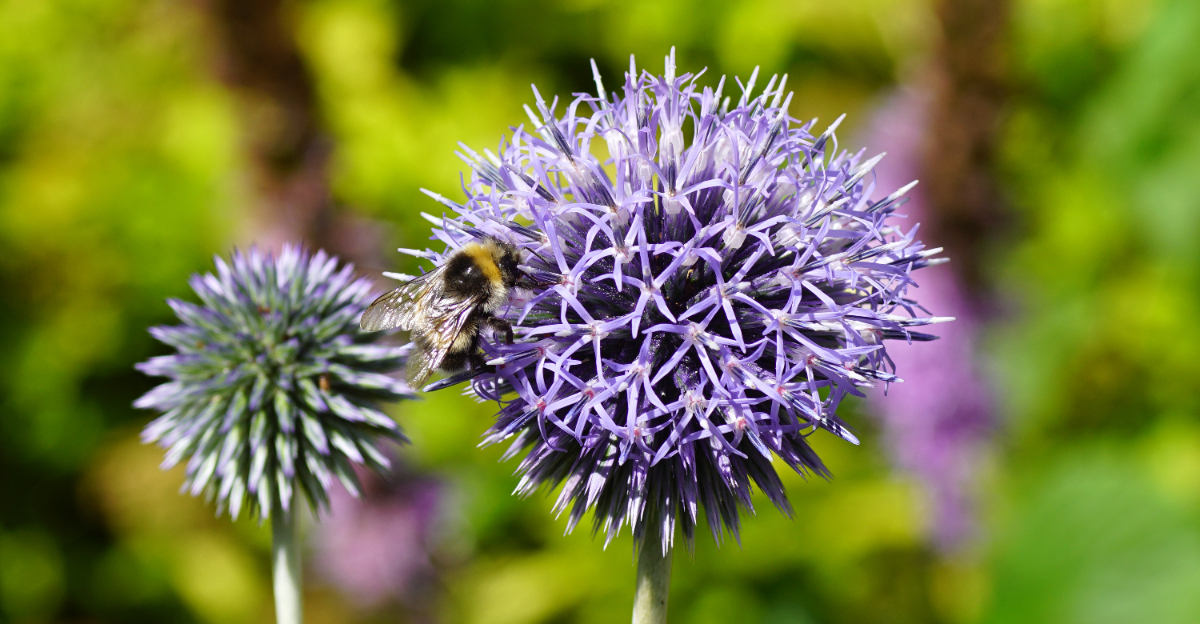
Bees do not waste time on boring flowers, and Oregon gardens have plenty of blooms they absolutely love. The right picks can turn an ordinary yard into a buzzing hotspot packed with color, movement, and pollinator traffic all season long.
That matters in Oregon, where gardens can support all kinds of bees when the flowers deliver the nectar and pollen they actually want.
Some blooms are practically a bee magnet, drawing them in again and again while also making your beds, borders, and containers look a whole lot more alive. Tiny visitors, very strong opinions.
The best part is that these flowers do double duty. They brighten the yard and help support the pollinators that keep gardens, landscapes, and local ecosystems going strong.
More blooms, more buzzing, and a yard that feels busy in the best possible way. Honestly, once bees find the good stuff, they tend to make it very clear.
1. Farewell-To-Spring
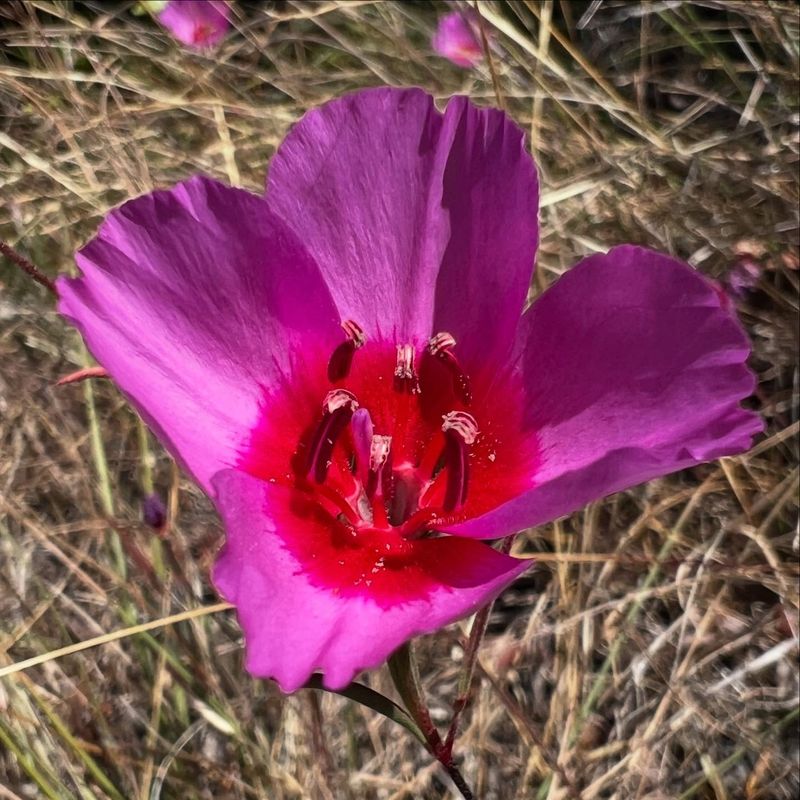
Few wildflowers in Oregon put on a show quite like Farewell-to-Spring. This cheerful plant bursts into bloom just as the warm season begins to wind down, which is exactly how it got its poetic name.
Its cup-shaped flowers come in shades of pink, lavender, and deep magenta, often with a darker blotch in the center.
Bees go absolutely wild for this plant. It produces generous amounts of pollen, making it a prime stop for native bees like bumblebees and sweat bees.
You will often spot several bees visiting a single patch at the same time.
Farewell-to-Spring grows well in dry, sunny spots across Oregon, especially in open fields and along roadsides. It thrives in poor, well-drained soil, which makes it a low-maintenance addition to any pollinator garden.
If you want to attract more bees to your yard, this native annual is a fantastic choice. Scatter seeds in a sunny area in early spring and watch the magic happen.
Once established, it often reseeds itself year after year, giving you a reliable burst of color and bee activity every summer.
2. Globe Gilia
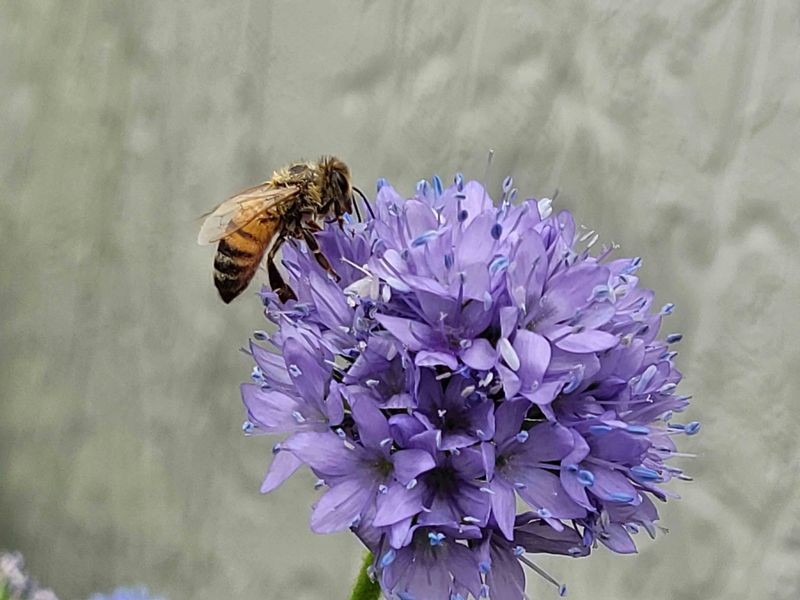
Round, colorful, and absolutely irresistible to bees, Globe Gilia is one of Oregon’s most eye-catching native wildflowers. Its small flowers cluster together into tight, globe-shaped heads that range from pale lavender to deep violet.
The effect is almost like a tiny fireworks display frozen in bloom.
Native bees, especially small solitary species, are drawn to Globe Gilia in large numbers. The flowers provide easy access to nectar, and their bright color makes them stand out in any garden or open hillside.
Honeybees also visit regularly throughout the blooming season.
This plant grows naturally in open, dry areas across Oregon, from valley floors to rocky slopes. It prefers full sun and well-drained soil, and it handles drought conditions surprisingly well.
Gardeners love it because it requires very little care once it gets going. You can direct sow seeds in fall or early spring for blooms by late spring and into early summer.
Globe Gilia also works beautifully as a cut flower, bringing that wild Oregon charm indoors. Plant it alongside other native wildflowers to create a pollinator-friendly display that bees will return to again and again.
Your Oregon Garden Changes Every Week. Your Plan Should Too.
Gardening in Oregon changes quickly throughout the season. Every Friday you’ll receive a simple weekly plan showing exactly what to plant, prune, fertilize, harvest, and protect so you never miss the right timing.
3. Oregon Sunshine
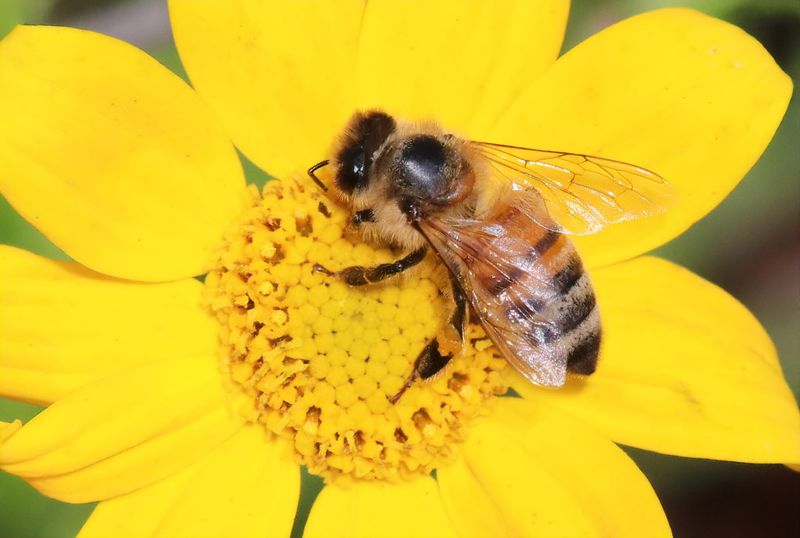
Sunny, cheerful, and perfectly built for Oregon’s dry summers, Oregon Sunshine is one of the most reliable bee magnets in the state. Also known by its scientific name Eriophyllum lanatum, this native perennial produces golden-yellow, daisy-like flowers that practically glow in the afternoon sun.
It is a wildflower that feels like it was made for the Pacific Northwest.
Bees of all kinds are strongly attracted to Oregon Sunshine. The open flower structure makes nectar and pollen easy to access, which is especially helpful for smaller native bee species.
You will often see bumblebees, mining bees, and sweat bees all sharing the same patch.
This plant is a dream for low-maintenance gardeners. It thrives in rocky, dry, and sandy soils where many other plants struggle.
Full sun is a must, but once established, it needs almost no watering. Oregon Sunshine is also deer-resistant, which is a nice bonus for gardeners in rural areas.
It blooms from late spring through early summer, filling gaps in the garden when other plants have not yet peaked. Planting a generous patch of Oregon Sunshine is one of the easiest ways to support native bees across Oregon all season long.
4. Common Madia
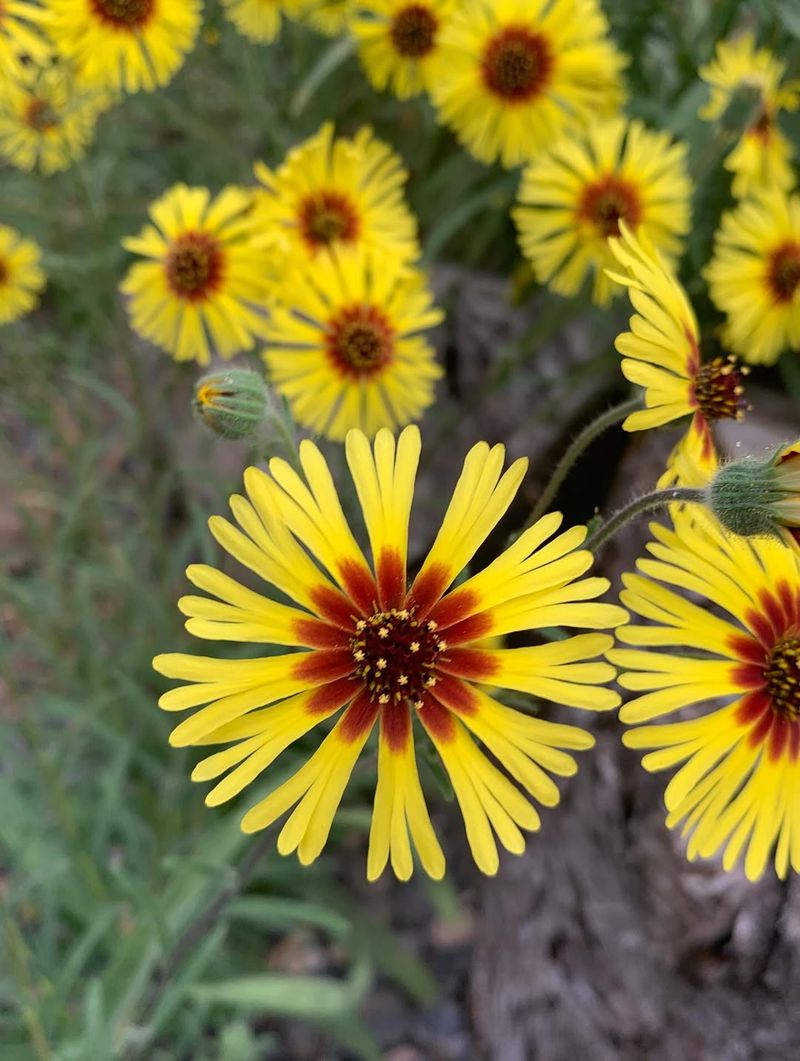
Not every wildflower saves its best for the morning. Common Madia is famous for opening its cheerful yellow flowers in the late afternoon and evening, which sets it apart from most other Oregon natives.
This quirky habit makes it a favorite among bees that are still active as the day cools down.
The flowers are bright yellow with dark centers, similar in appearance to small sunflowers. They release a pleasant, slightly sticky fragrance that helps attract pollinators from a distance.
Native bees are frequent visitors, and the plant is known to support a wide variety of bee species throughout Oregon.
Common Madia grows in dry, open habitats and is often found along roadsides, in fields, and on disturbed ground across the state. It is an annual plant, meaning it completes its life cycle in a single growing season, but it reseeds freely and tends to return year after year.
Adding it to a pollinator garden is simple. Just scatter seeds in a sunny, dry area and let nature take over.
This underappreciated wildflower punches well above its weight when it comes to supporting Oregon’s native bee populations throughout the summer months.
5. California Poppy
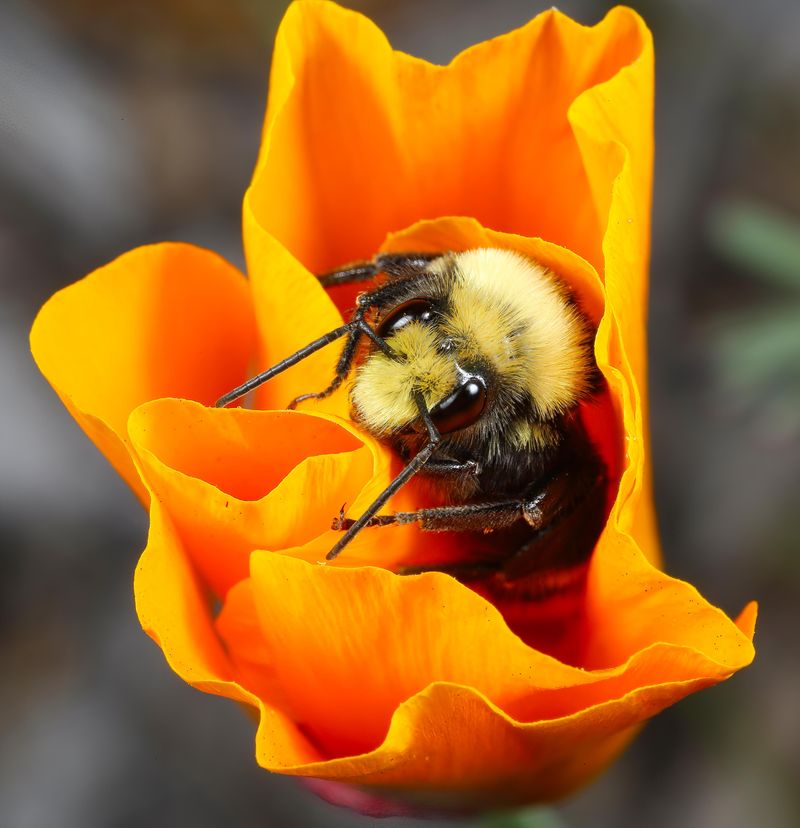
Walk past a patch of California Poppies on a warm Oregon afternoon and you are almost guaranteed to spot a bee. These vivid orange flowers are among the most visited blooms in the state, and for good reason.
Their wide-open, cup-shaped petals make pollen incredibly easy to reach, which bees find very hard to pass up.
Although the name suggests California, this poppy grows beautifully throughout Oregon. It thrives in full sun and dry, sandy soil, making it well-suited for the drier parts of the state.
Bees, particularly bumblebees and native solitary bees, visit these flowers constantly from spring through summer.
One of the best things about California Poppy is how easy it is to grow. Scatter seeds directly onto bare soil in early spring or even in fall, and the plants will do the rest.
They reseed themselves naturally, so you may only need to plant once. The flowers close at night and on cloudy days, which is a fun quirk that surprises many first-time growers.
For a splash of color that also feeds Oregon’s busy bee population, California Poppy is a top pick for any pollinator-friendly garden, big or small.
6. Douglas’ Aster
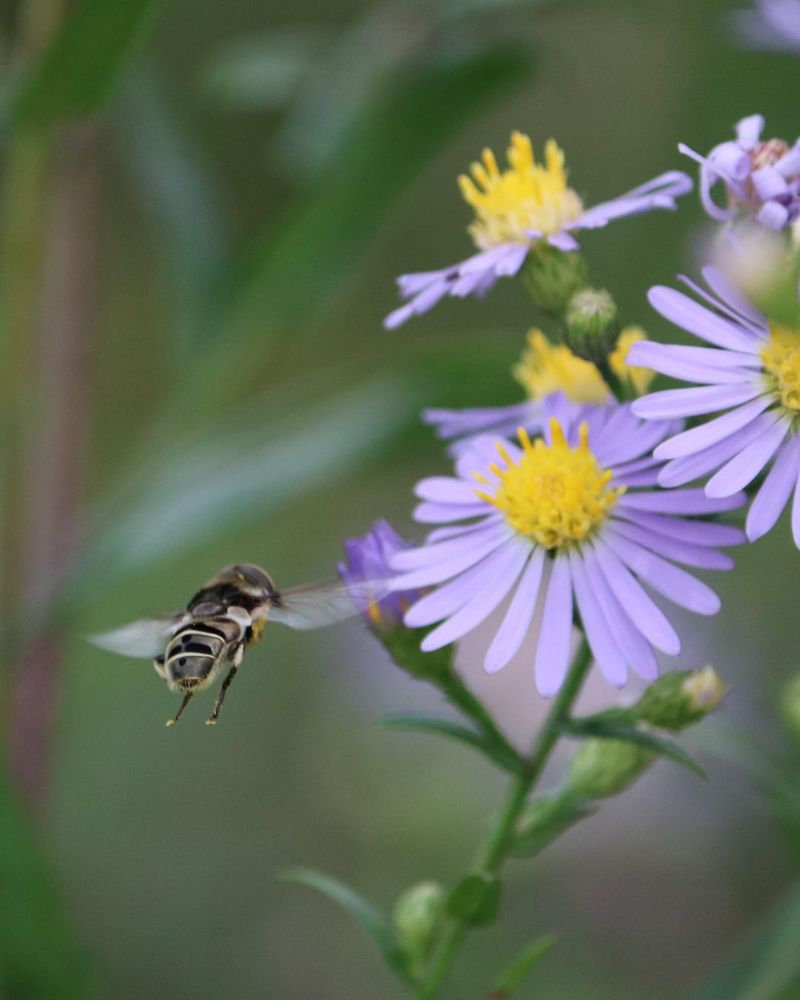
Late summer in Oregon can feel like a tough time for bees searching for food. Many spring and early summer flowers have already faded.
That is exactly where Douglas’ Aster steps in and becomes a true hero of the pollinator world. This native perennial blooms from late summer into fall, providing a critical late-season nectar source.
The flowers are lavender to purple with bright yellow centers, giving them a classic daisy-like appearance. Bees are drawn to both the nectar and the pollen, and on warm fall days, a single plant can host a surprising number of visitors at once.
Bumblebees are especially fond of this aster.
Douglas’ Aster is native to Oregon and the wider Pacific Northwest, often growing near the coast, in moist meadows, and along stream banks. In the garden, it does best in a spot with partial to full sun and moderate moisture.
It is a tough, adaptable plant that handles a range of soil types without complaint. Planting Douglas’ Aster alongside other late-blooming natives ensures that Oregon’s bees have food sources well into autumn.
It is a simple and rewarding way to extend your garden’s contribution to local pollinator health.
7. Oregon Gumweed
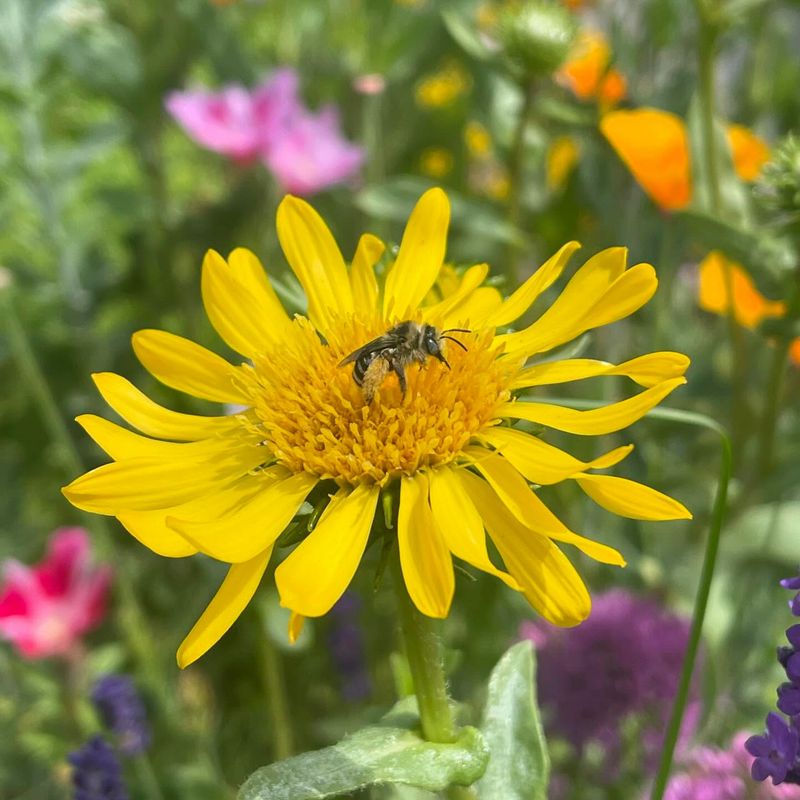
Sticky, resinous, and wildly popular with bees, Oregon Gumweed is a plant that earns its unusual name. The flower buds are coated in a gummy, white resin that gives the plant a distinctive look before it even opens.
Once in bloom, the bright yellow flowers attract an impressive variety of bee species.
Oregon Gumweed is a coastal and inland native that grows in tough conditions, including salty, sandy, and disturbed soils. It is often spotted along Oregon’s coastline, in vacant lots, and on roadsides.
Despite its rugged growing conditions, it produces an abundance of nectar that bees eagerly seek out from late summer through fall.
This plant plays an important role in supporting Oregon’s native bees during a time when many other flowers have already finished blooming. Bumblebees, sweat bees, and even some specialist bee species rely on it as a late-season food source.
Gardeners who want to support pollinators without a lot of fuss should consider adding Oregon Gumweed to a sunny, dry corner of the yard. It requires minimal care and rewards you with weeks of cheerful blooms.
Its quirky appearance and ecological value make it a standout among Oregon’s native wildflowers.
8. Showy Milkweed
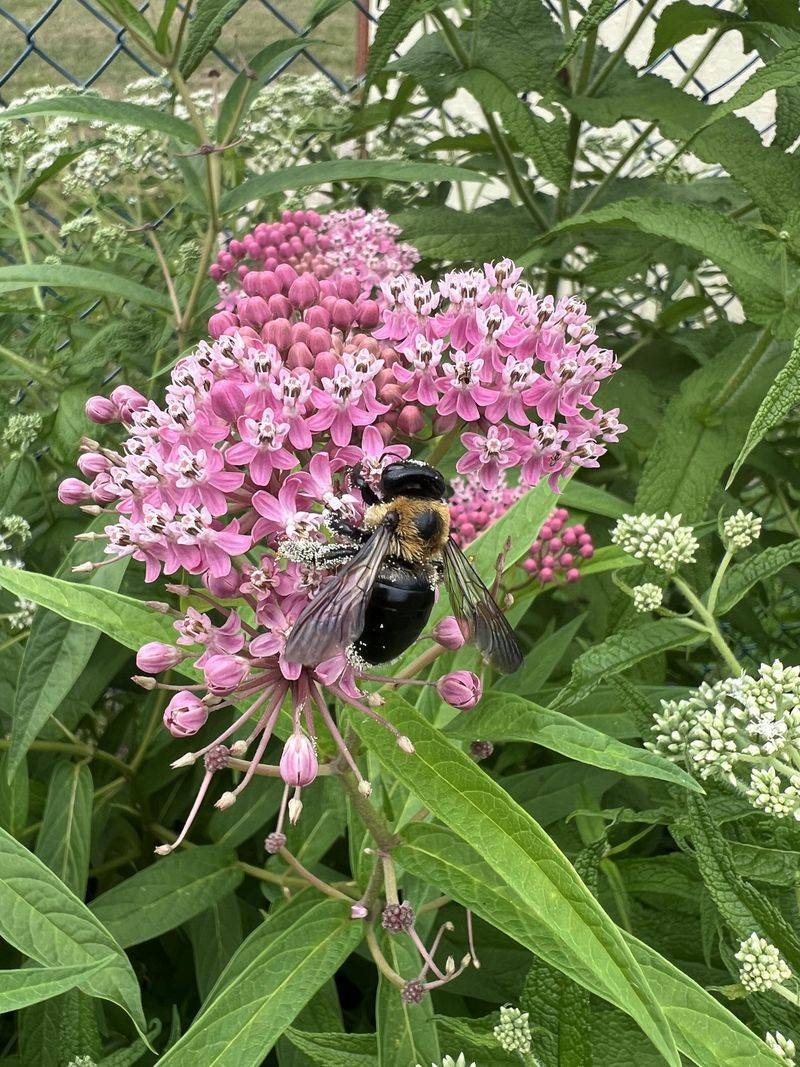
Bold, fragrant, and teeming with wildlife, Showy Milkweed is one of the most ecologically valuable plants you can grow in Oregon. Most people know milkweed as the host plant for monarch butterflies, but bees are just as enthusiastic about it.
The clusters of pink and purple flowers are absolutely packed with nectar, making them a must-visit stop for foraging bees.
Native bees, including bumblebees and long-horned bees, are among the most frequent visitors to Showy Milkweed. The flowers have a complex structure that requires bees to work a little harder to access the nectar, which actually helps transfer pollen more effectively.
It is a clever design that benefits both the plant and the pollinator.
Showy Milkweed grows naturally in sunny, open areas across Oregon, particularly in drier inland regions. It spreads through underground rhizomes, so give it some room to grow.
In the garden, it thrives in well-drained soil with full sun and very little supplemental water once established. Planting Showy Milkweed is one of the most impactful things an Oregon gardener can do for local pollinators.
It supports not just bees, but a whole community of beneficial insects that keep the ecosystem balanced and healthy.
9. Varileaf Phacelia
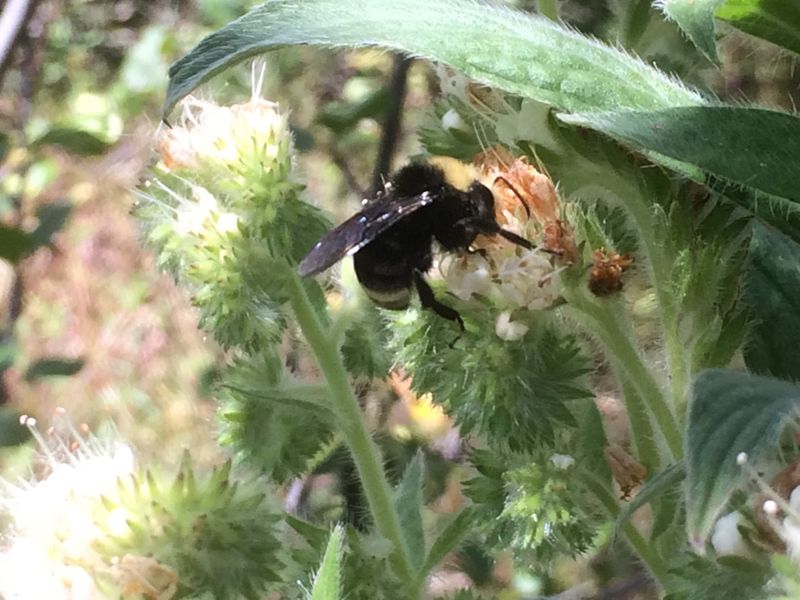
If you have ever seen a bee move with what looks like pure excitement, there is a good chance it just found a patch of Varileaf Phacelia. This native Oregon wildflower is considered one of the best bee plants in the Pacific Northwest.
Its coiled clusters of small, purple-blue flowers are packed with nectar and pollen that bees simply cannot resist.
Varileaf Phacelia blooms in spring and early summer, filling a crucial window when many bees are building up their colonies and need reliable food sources. Native bees, especially bumblebees and mason bees, are the most common visitors.
The flowers are also a favorite of honeybees.
This plant is found growing naturally in rocky, open habitats throughout Oregon, from valley slopes to mountain foothills. It handles dry conditions well and actually prefers soil that is not too rich or heavily amended.
Gardeners can direct sow seeds in fall or early spring for reliable spring blooms. Varileaf Phacelia also makes a wonderful companion plant for vegetable gardens, drawing in pollinators that help boost crop yields.
Its delicate, fern-like foliage adds a soft texture to the garden even before the flowers appear. It is a true all-rounder for Oregon pollinator gardens.
10. Common Camas
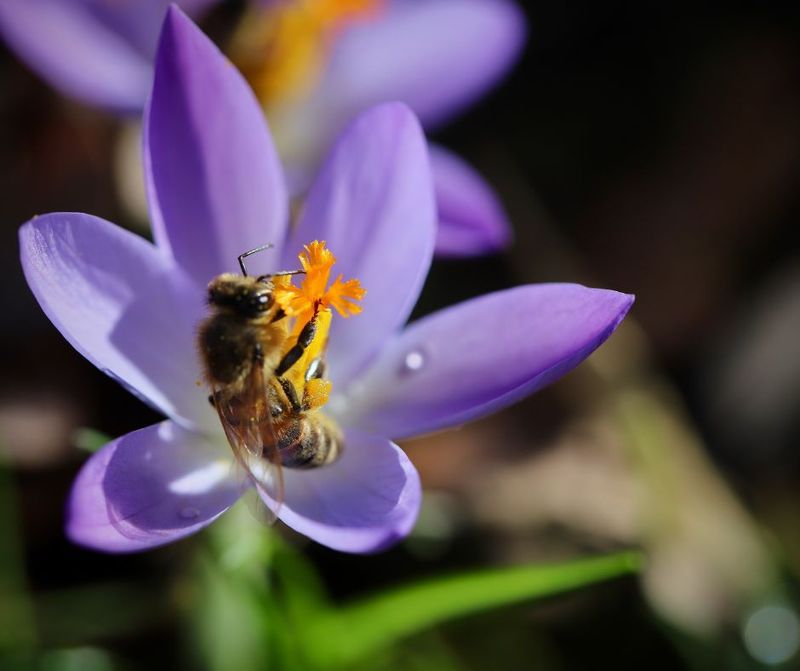
Few wildflowers carry as much history in Oregon as Common Camas. For thousands of years, Indigenous peoples across the Pacific Northwest harvested camas bulbs as a vital food source.
Today, the plant’s tall spikes of brilliant blue-purple flowers continue to play an important role, this time as one of the most beloved bee plants in the state.
Common Camas blooms in late spring, lighting up wet meadows and valley floors across Oregon with waves of color. Bees are attracted to both the nectar and the pollen, and the flowers are perfectly shaped for native bees to land and feed with ease.
Bumblebees are especially frequent visitors.
Growing Common Camas in a home garden is very rewarding. It prefers moist, rich soil and does particularly well in areas that stay wet in spring and dry out in summer, which mirrors its natural Oregon habitat.
Plant the bulbs in fall for gorgeous spring blooms. Once established, camas naturalizes beautifully, spreading slowly over time to form impressive drifts of color.
It pairs wonderfully with other Oregon natives like Douglas’ Aster and Showy Milkweed to create a garden that supports bees across multiple seasons. It is a living piece of Oregon’s natural and cultural heritage.