How To Transplant Cactus In Arizona In May Without Sunburn Damage
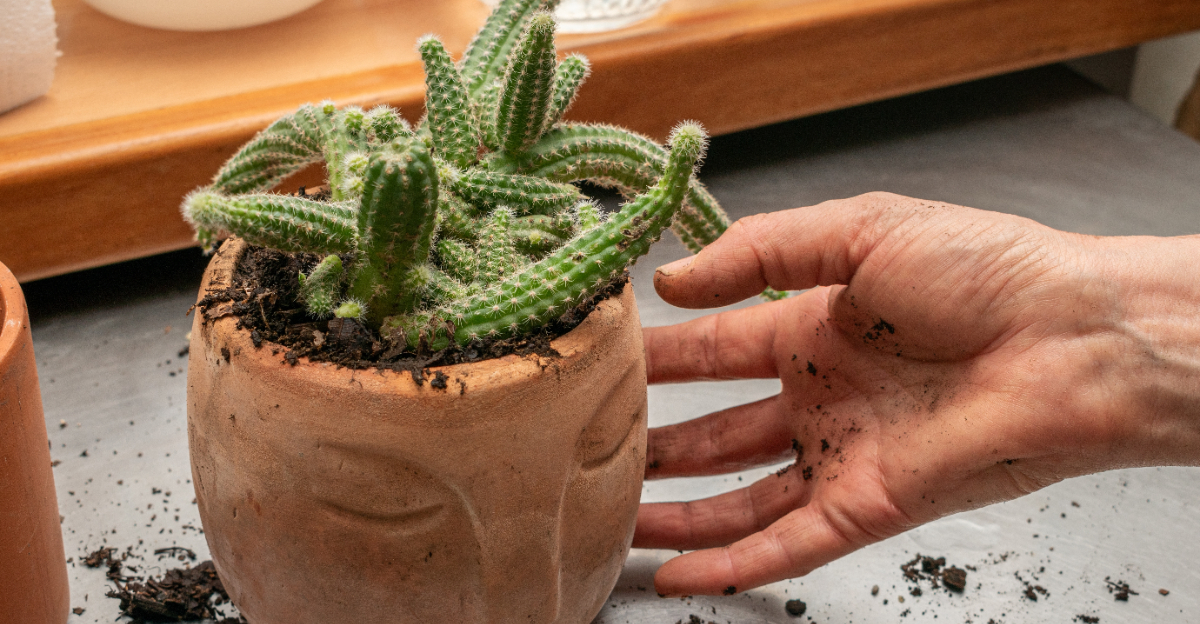
Cactus can handle harsh desert conditions, but moving one in Arizona at the wrong time can leave lasting damage.
Freshly transplanted plants often struggle with sudden sun exposure, showing pale patches or scorched areas that take a long time to recover.
That kind of stress usually comes from how the plant is handled right after it goes into new soil. May brings rising temperatures and stronger sunlight, which makes proper timing and placement more important than most expect.
Newly set cactus needs a short adjustment period before facing full sun again, especially if roots were disturbed during the move. Without that buffer, even hardy varieties can show signs of damage.
Soil, orientation, and temporary shade all play a role in helping the plant settle in safely.
Paying attention to those details can help a cactus adjust faster and keep its healthy color instead of dealing with avoidable stress.
1. Transplant Early In The Morning Before Heat Builds
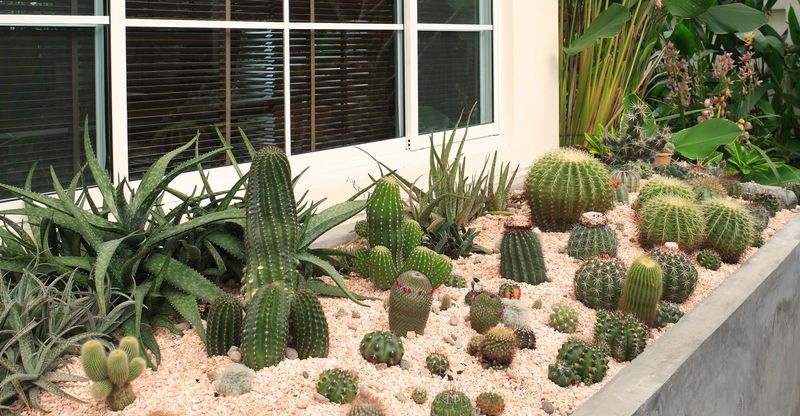
Early morning is your best weapon against Arizona’s brutal May heat. Before 7 a.m., air temperatures in Phoenix and Tucson are still relatively manageable, usually sitting somewhere between 70 and 85 degrees Fahrenheit.
Working in those cooler hours protects both you and the plant from immediate heat stress.
Cacti are surprisingly vulnerable right after being uprooted. The tissue that was previously shaded by soil or neighboring plants suddenly gets exposed to direct sunlight and rising temperatures.
Even a 20-minute delay on a May morning in Arizona can raise the risk of surface scorching on freshly exposed root zones.
Plan your whole transplant operation the night before. Gather your tools, prepare your new planting hole, and have everything staged so you are not scrambling once the sun climbs higher.
Speed matters more than most gardeners expect when daytime highs are pushing past 100 degrees.
Keep the cactus in a shaded spot if you cannot replant it immediately. A covered patio or the shaded side of a wall works well as a temporary holding area.
Direct morning sun is gentler than afternoon sun, but extended exposure on an unplanted cactus is still risky in Arizona’s May climate.
2. Allow Roots To Callus Before Replanting In Soil
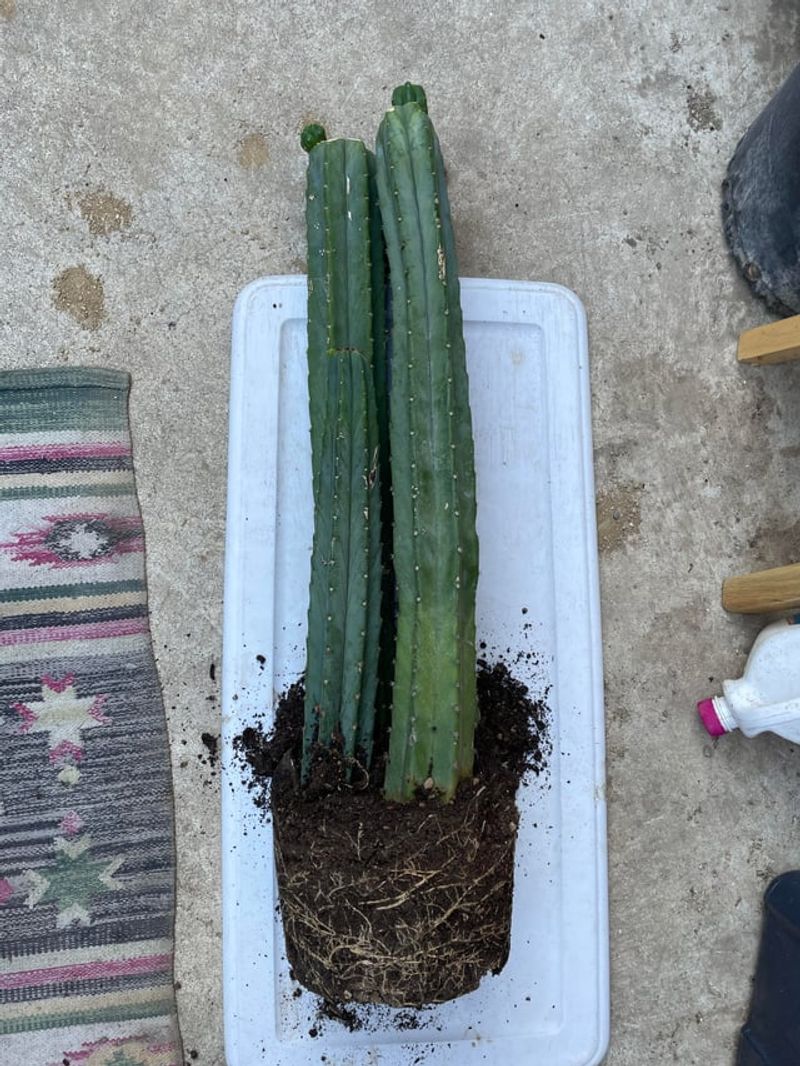
Cut roots left open to air need time to seal before going back into soil. Skipping the callusing step is one of the most common mistakes Arizona gardeners make, especially when they are eager to get a transplant finished before the heat spikes.
When a cactus root is severed, the wound stays moist and open. Sticking that raw root end directly into soil, even well-draining desert mix, invites fungal problems and rot.
Letting the cut surface dry out and form a thin protective layer, called a callus, dramatically lowers that risk.
In Arizona’s low humidity, callusing happens faster than in most other states. A small cactus with minor root damage may only need 24 hours of drying time.
Larger specimens with significant root cuts can benefit from two to four days of rest in a shaded, well-ventilated spot before replanting.
Your Arizona Garden Changes Every Week. Your Plan Should Too.
Gardening in Arizona changes quickly throughout the season. Every Friday you’ll receive a simple weekly plan showing exactly what to plant, prune, fertilize, harvest, and protect so you never miss the right timing.
Set the uprooted cactus on its side in a dry, shaded area like a garage or covered porch. Avoid placing it directly on concrete in the sun, since radiant heat from pavement can cook the exposed tissue faster than you might expect.
3. Use Well Draining Soil To Prevent Root Rot
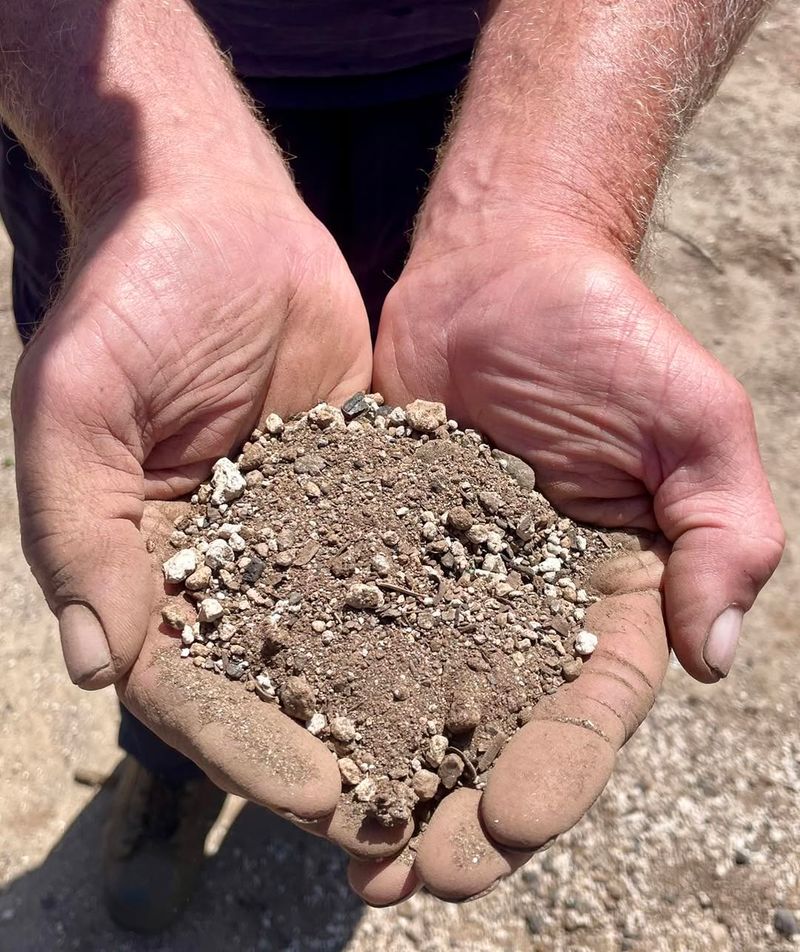
Soil choice is not a minor detail when you are transplanting a cactus in Arizona during May. Standard potting mix holds too much moisture for desert plants, and that extra moisture sitting around roots in warm soil becomes a fast track to rot.
A well-draining cactus mix should feel gritty and loose in your hands. Many Arizona gardeners blend native sandy soil with perlite, coarse sand, or decomposed granite to improve drainage.
A common starting ratio is roughly 50 percent inorganic material like perlite or gravel mixed with 50 percent cactus-specific potting soil.
When filling the planting hole, avoid packing the soil too tightly around the base. Firm it enough to support the plant upright, but leave enough air space for water to move through quickly.
Compacted soil in Arizona’s clay-heavy areas can hold moisture far longer than the plant needs or wants.
Raised planting mounds work well in yards with heavier soil composition. Mounding the planting area just a few inches higher than the surrounding ground lets gravity pull excess water away from the root zone after irrigation or monsoon rains, which arrive in Arizona just a few weeks after May.
4. Provide Temporary Shade After Transplanting
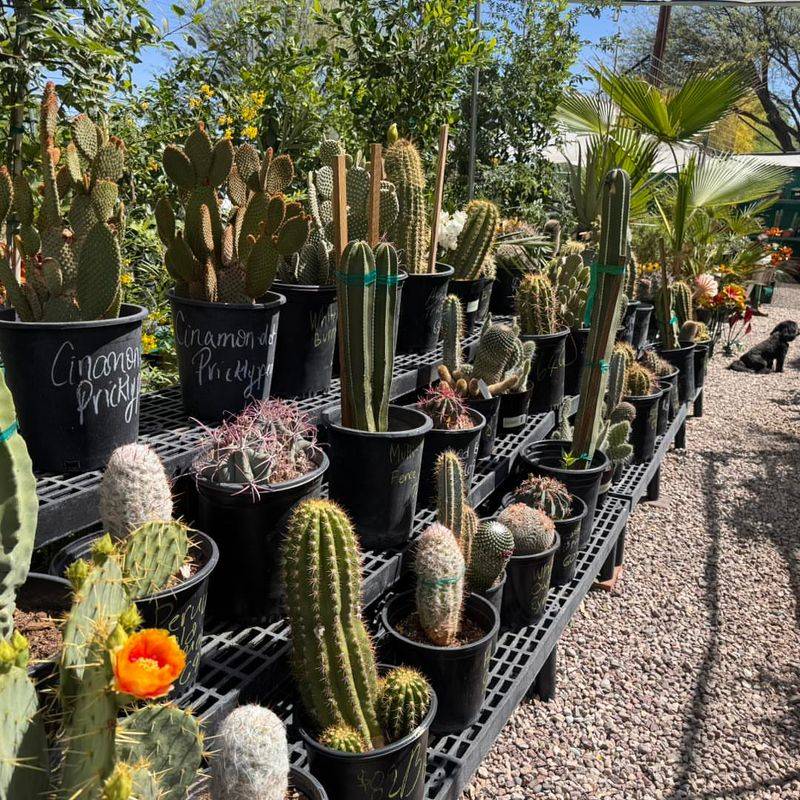
Right after going into new soil, a cactus is more vulnerable to sunburn than at almost any other time. Even plants that have grown in full Arizona sun for years can scorch when their orientation changes or their protective outer layer gets exposed to unfamiliar angles of direct light.
Shade cloth rated at 30 to 40 percent sun blockage works well for temporary post-transplant protection.
Stretch it over a simple frame made from PVC pipe or wooden stakes, keeping the cloth a few inches away from the plant itself so air can still circulate around the cactus body.
Avoid using solid tarps or black plastic sheeting as shade covers. Those materials trap heat underneath, which in Arizona’s May climate can create a mini oven effect that damages the plant faster than direct sun would.
Breathable shade fabric is the practical, effective option for desert conditions.
Keep the temporary shade in place for at least two weeks after transplanting.
Some gardeners in the Phoenix and Tucson areas leave shade cloth up through the entire first summer, gradually reducing coverage as the plant shows signs of healthy new growth and adjustment.
5. Water Lightly At First To Avoid Stress
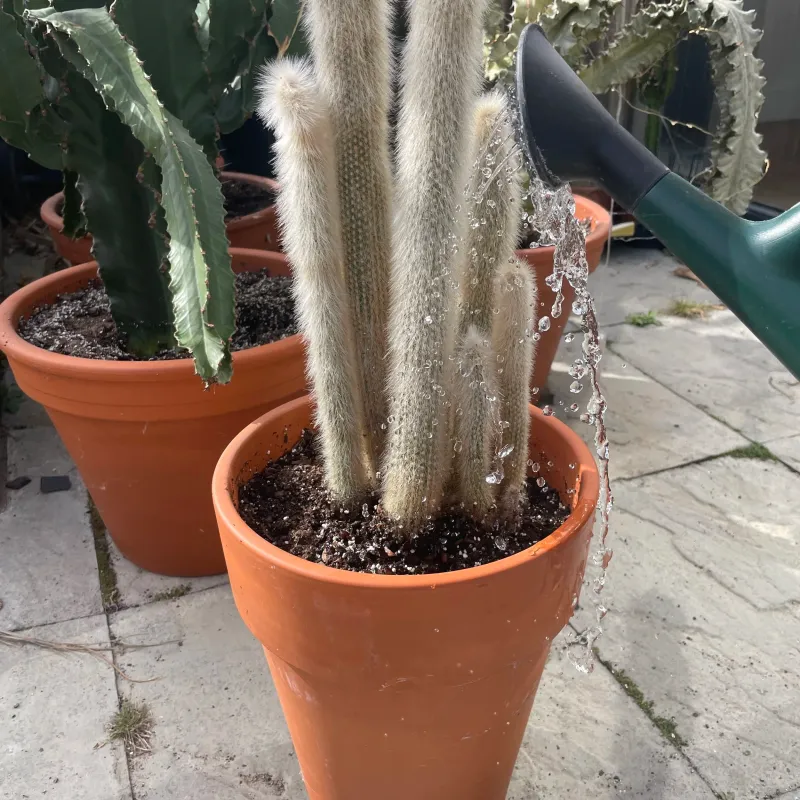
Overwatering a freshly transplanted cactus is just as damaging as drought, maybe more so in Arizona’s warm May soil temperatures. New roots are fragile and cannot handle sitting in wet soil while they are still trying to establish themselves in unfamiliar ground.
After transplanting, wait three to five days before giving the cactus its first drink. That short waiting period allows any remaining root wounds to finish sealing and gives the plant a chance to start reaching outward into the surrounding soil rather than depending on surface moisture.
When you do water for the first time, go slow and keep it minimal. A gentle pour around the base, enough to moisten the top few inches of soil, is plenty for the first watering session.
You are not trying to saturate the ground; you are just letting the plant know moisture is available nearby.
In Arizona during May, soil at the surface dries out quickly due to heat and low humidity. Check about two inches below the surface before watering again.
If that layer still feels slightly cool or damp, hold off for another day or two.
6. Gradually Reintroduce Plants To Full Sun
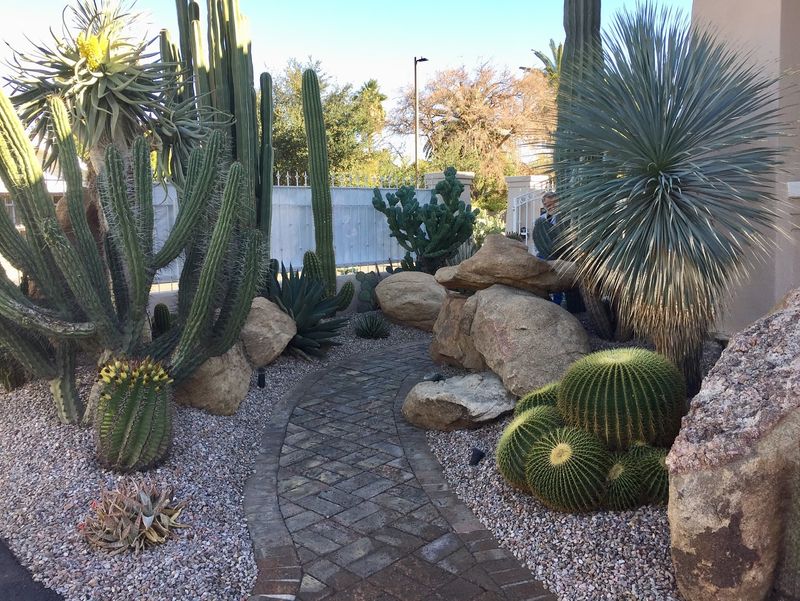
Going straight from a shaded holding area to full Arizona sun is a shock most transplanted cacti struggle with in May. Even native desert species need a transition period when they have been moved, shaded during recovery, or grown in a nursery environment with filtered light.
Start the sun reintroduction process about two weeks after transplanting, assuming the plant looks stable and firm. Begin by removing shade cloth for just two to three hours during the cooler morning hours, then replacing it before midday heat peaks.
Repeat this process over seven to ten days, gradually extending the unshaded time.
Pay attention to which direction the plant faces. Cacti often develop thicker protective tissue on their sun-facing side.
If you replanted the cactus in a different orientation than it originally grew, that previously shaded side is now exposed and more likely to burn without gradual acclimation.
Marking the south-facing side of the cactus with a small piece of chalk or a zip tie before digging it up is a simple habit that prevents orientation mistakes entirely.
Arizona’s intense southern exposure during May is strong enough to bleach and damage exposed tissue within a single afternoon.
7. Avoid Handling Damage That Increases Sunburn Risk
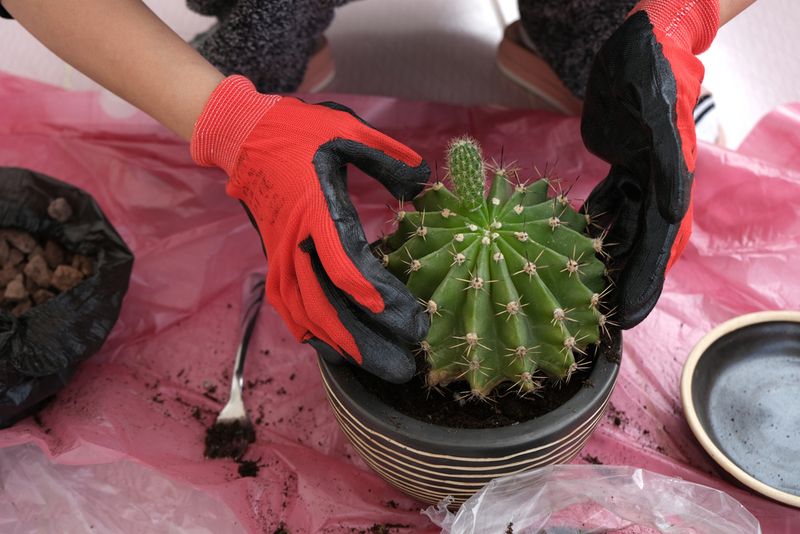
Rough handling during a transplant leaves marks that go beyond cosmetic scratches. Scrapes, punctures, and pressure bruises on cactus tissue break down the plant’s natural protective layer, leaving those spots far more susceptible to sun damage in Arizona’s intense May light.
Burlap is one of the most useful tools for moving spiny cacti safely. Wrap several layers around the body of the plant before gripping it, which protects both your hands and the cactus surface from friction damage.
Old carpet remnants and thick foam padding work in a similar way for larger specimens.
Avoid dragging a cactus across rough surfaces like gravel or concrete. Even a short drag can scrape off the waxy outer coating that helps the plant reflect heat and retain moisture.
Once that coating is compromised, the exposed area becomes a prime target for sunscald in the weeks following transplanting.
Larger cacti like saguaros often need two or more people to move safely. Trying to muscle a heavy specimen alone almost always results in awkward tilting and gripping that leaves pressure marks on the plant body.
In Arizona, professional cactus movers are available for large transplants and are worth considering for anything over six feet tall.