The Best Herbs To Grow Near Patios In Pennsylvania To Help Deter Ticks
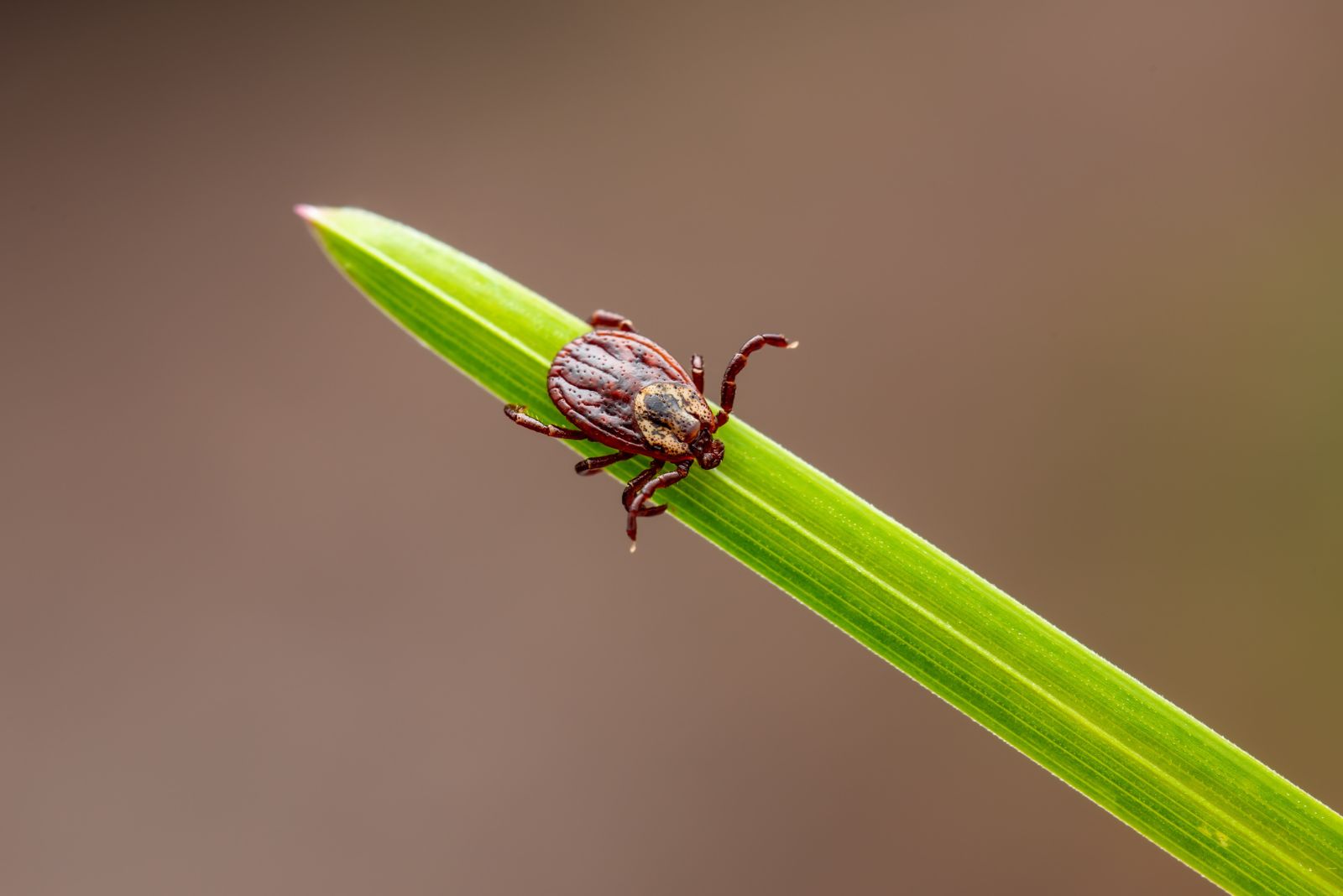
Ticks are genuinely one of the worst parts of spending time outside in Pennsylvania. You plan a nice afternoon on the patio, maybe some grilling, some time in the garden, and somewhere in the back of your mind you’re already thinking about checking yourself and your kids when you go back inside.
It takes the edge off what should just be a relaxing day outdoors. Chemical sprays work to a degree, but a lot of people would rather not douse their outdoor living space in pesticides every few weeks, especially in areas where kids and pets are running around.
That’s why it’s worth knowing that certain herbs naturally produce scents and compounds that ticks genuinely want nothing to do with.
The bonus is that these herbs also look great near patios, smell amazing on a warm afternoon, and most of them are incredibly easy to grow in Pennsylvania’s climate. Useful and beautiful is a hard combination to beat.
1. Lavender
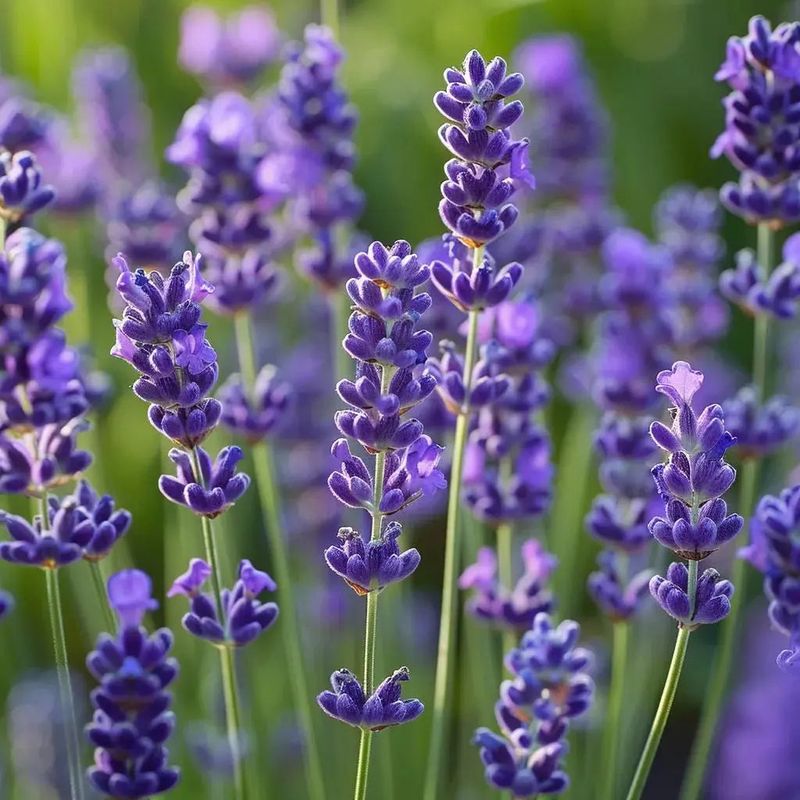
Few plants carry as much charm and usefulness as lavender. With its tall purple flower spikes and unmistakable fragrance, lavender has been a garden favorite for centuries.
But beyond its beauty, this herb is known for producing strong aromatic compounds, including linalool, that ticks and many other insects find deeply off-putting.
Lavender thrives in Pennsylvania’s climate when given full sun and well-drained soil. It does especially well in raised beds or containers placed along patio edges, where its scent can drift across the seating area.
Plant it in spots that get at least six hours of direct sunlight each day for the best growth and fragrance output.
One of the best things about lavender is how low-maintenance it is once established. It handles dry spells well and does not need much fertilizer. Trim it back lightly after flowering to keep the plant full and bushy.
Pennsylvania summers can be humid, so make sure your lavender has excellent drainage to prevent root issues. Raised containers or sloped garden beds work great for this reason. Sandy or gritty soil mixed with regular potting mix creates the ideal environment.
Beyond tick deterrence, lavender attracts pollinators like bees and butterflies, making your patio garden more lively and productive. You can also cut the flower stems and dry them indoors to enjoy the scent year-round.
Bundles placed near doorways or windows may help keep pests out of your home as well. Growing lavender near your Pennsylvania patio is truly one of the smartest and most beautiful choices you can make for natural pest management.
2. Rosemary
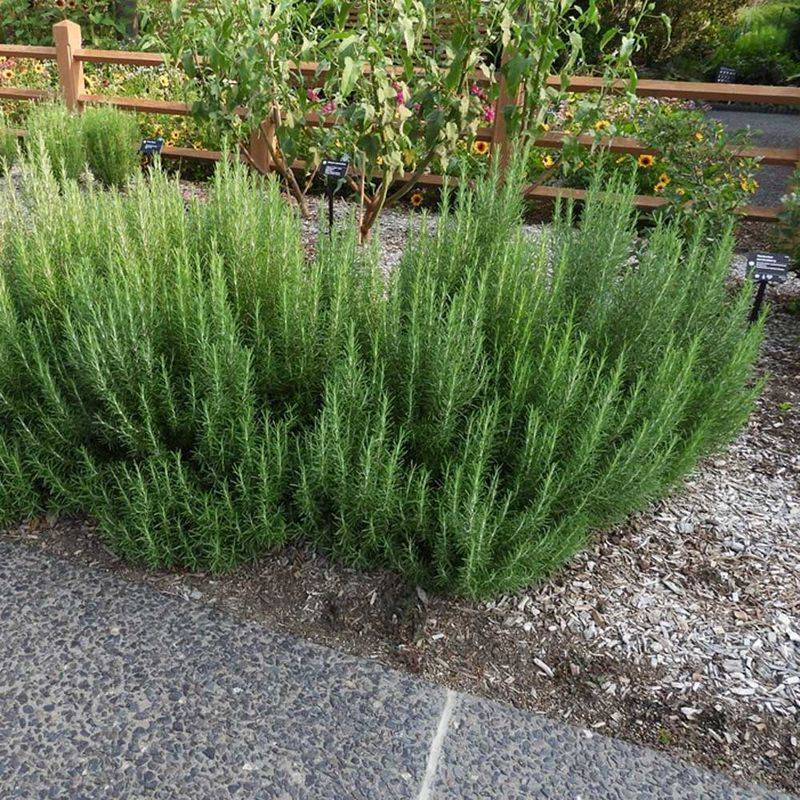
There is something almost magical about the smell of fresh rosemary on a warm afternoon. This woody, aromatic herb has been used in cooking and natural remedies for thousands of years, but it also has a practical role in the garden: its strong scent is widely believed to help repel ticks and other unwanted insects.
Rosemary grows well in Pennsylvania when planted in a location with full sun and excellent drainage.
Your Pennsylvania Garden Changes Every Week. Your Plan Should Too.
Gardening in Pennsylvania changes quickly throughout the season. Every Friday you’ll receive a simple weekly plan showing exactly what to plant, prune, fertilize, harvest, and protect so you never miss the right timing.
It does not like sitting in wet soil, so avoid low-lying spots in your yard where water tends to pool after rain. A raised bed or a large container on your patio works perfectly.
This herb can grow into a fairly large shrub over time, so give it enough space to spread. Some gardeners trim rosemary into neat hedges along patio borders, which looks tidy and keeps the plant producing fresh, fragrant foliage.
Regular light pruning encourages bushier growth and more aromatic leaves. During Pennsylvania winters, rosemary may struggle if temperatures drop too low. Potted plants can be brought indoors to a sunny windowsill until spring returns.
In milder parts of the state, established plants often survive winter with a little mulch around the base for protection.
Did you know rosemary was historically used in ancient Greece and Rome as a symbol of memory and loyalty? Today, it is celebrated more for its culinary uses and garden benefits.
Snip sprigs to use in cooking while enjoying the bonus of a more tick-unfriendly patio environment. It is a genuinely hardworking herb that earns its place in any Pennsylvania outdoor garden.
3. Thyme
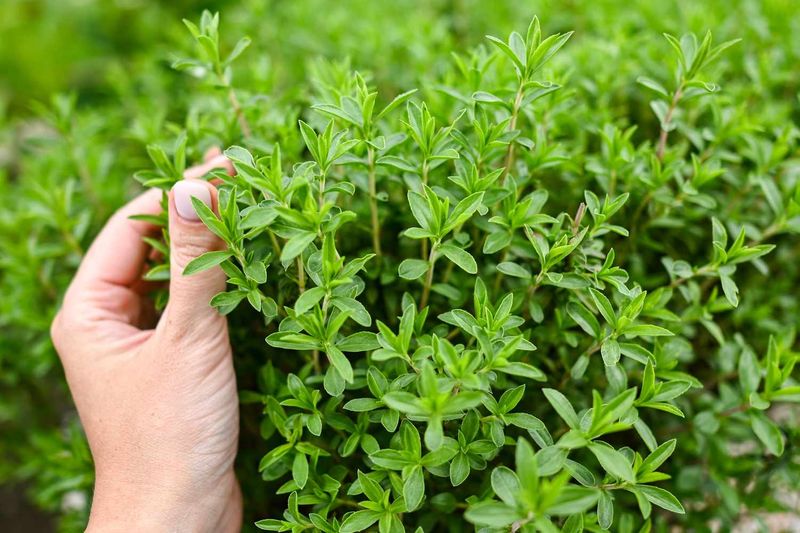
Tucked between patio pavers or lining the edges of a garden path, thyme is one of the most practical and charming herbs you can grow in Pennsylvania.
Its tiny leaves are packed with thymol, a naturally occurring compound that has well-documented insect-repelling properties. Many commercial tick sprays and repellent products actually use thymol as an active ingredient.
Thyme stays low to the ground, which makes it ideal for planting in spots where other herbs might look too tall or bulky.
Creeping thyme varieties spread slowly between stones and pavers, creating a fragrant green carpet that releases its scent whenever it is stepped on or brushed. This makes it extra effective near high-traffic patio areas.
Growing thyme in Pennsylvania is straightforward. It loves full sun and tolerates dry, rocky, or sandy soil better than most herbs.
Once established, it is remarkably drought-tolerant and requires very little maintenance. A light trim after flowering keeps it compact and encourages fresh new growth throughout the season.
Thyme is also a wonderful companion plant. It attracts bees and other beneficial insects while helping to create a less welcoming environment for ticks.
Pairing it with lavender or rosemary along a patio border creates a multi-layered, aromatic barrier that looks intentional and beautiful.
Beyond the garden, thyme is endlessly useful in the kitchen. Fresh sprigs enhance soups, roasted vegetables, and grilled meats with a savory, earthy flavor.
Pennsylvania home cooks who grow thyme near their patios enjoy having a fresh supply just steps from the grill. It is a small plant that delivers enormous value in every direction.
4. Mint
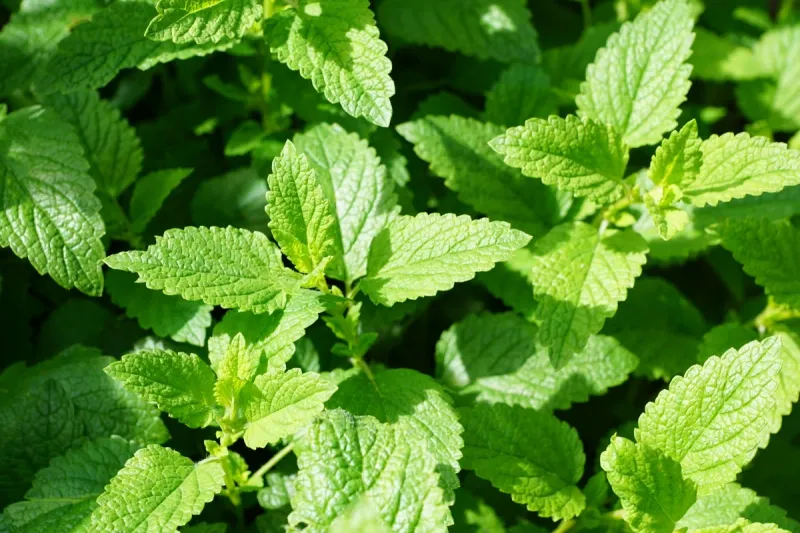
Bold, refreshing, and impossible to ignore, mint is one of the most strongly scented herbs you can grow. That intense fragrance, which humans tend to love, is exactly what makes ticks and many other pests want to steer clear.
Planting mint near your Pennsylvania patio can help create an outdoor space that feels less inviting to these unwanted visitors.
One important thing to know about mint before you plant it: it spreads aggressively. Left unchecked in a garden bed, mint will quickly take over neighboring plants and spread far beyond where you originally intended.
The smartest approach is to grow it in containers. Pots placed strategically around your patio give you all the pest-deterrent benefits without the spreading problem.
Mint is extremely easy to grow, even for beginners. It tolerates a range of soil types and can handle partial shade, which makes it flexible for different patio layouts.
Keep the soil consistently moist and trim the plant regularly to prevent it from getting leggy and to encourage a bushy, full shape that produces more fragrant leaves.
Pennsylvania gardeners have many mint varieties to choose from, including spearmint, peppermint, and chocolate mint. Each has a slightly different scent profile, but all share that powerful aroma that pests dislike.
Mixing a few varieties in separate containers adds visual interest and a layered fragrance effect.
Mint also has wonderful culinary uses. Toss fresh leaves into lemonade, fruit salads, or iced tea for a cooling summer treat.
Crushing a few leaves between your fingers and rubbing them on your skin can also provide a quick, natural burst of minty freshness when you are spending time outdoors in Pennsylvania.
5. Sage
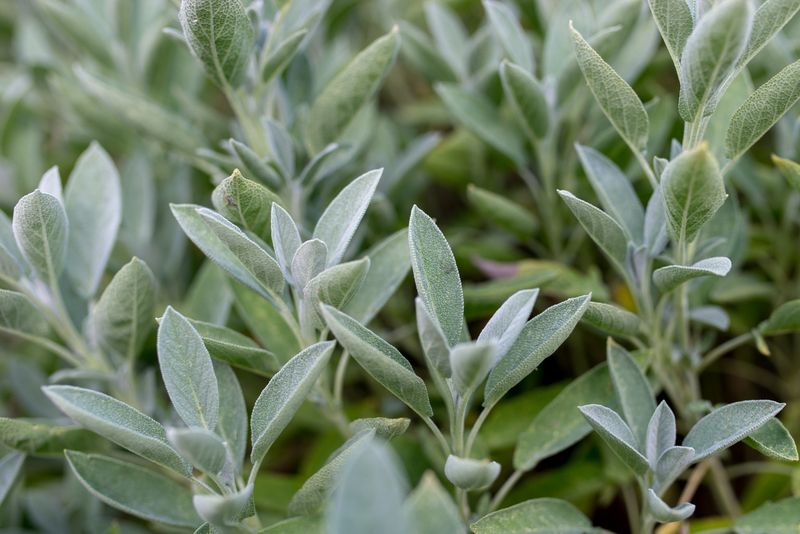
Walk past a sage plant on a warm Pennsylvania afternoon and you will immediately understand why pests tend to avoid it. The sharp, earthy, almost medicinal aroma that sage releases is powerful enough to stop you in your tracks.
That same intensity is what makes sage a smart choice for planting near patio seating areas where you want to discourage ticks from hanging around.
Sage is a hardy perennial that grows well across most of Pennsylvania. It prefers full sun and well-drained soil, and once established, it handles dry summer stretches without much fuss.
The silvery-green leaves are attractive year-round, and in late spring, the plant produces beautiful spikes of purple or blue flowers that pollinators absolutely love.
Plant sage along the edges of your patio or near seating areas where its scent will be most noticeable.
Because the fragrance is released most strongly when the leaves are disturbed or warmed by the sun, positioning it in a sunny spot close to where people sit and move makes the most sense for maximum effectiveness.
Sage pairs beautifully with other herbs on this list. A mixed border of sage, rosemary, and lavender creates a visually striking planting that also works as a natural aromatic barrier.
All three share similar growing needs, so managing them together in Pennsylvania’s climate is simple and rewarding.
In the kitchen, sage brings a warm, savory depth to stuffing, pasta, roasted chicken, and butternut squash dishes.
Burning dried sage bundles is a tradition in many cultures and produces a thick, aromatic smoke that has long been associated with clearing the air of unwanted energies and pests alike. Sage is truly a multi-purpose herb worth every bit of garden space it occupies.
6. Oregano
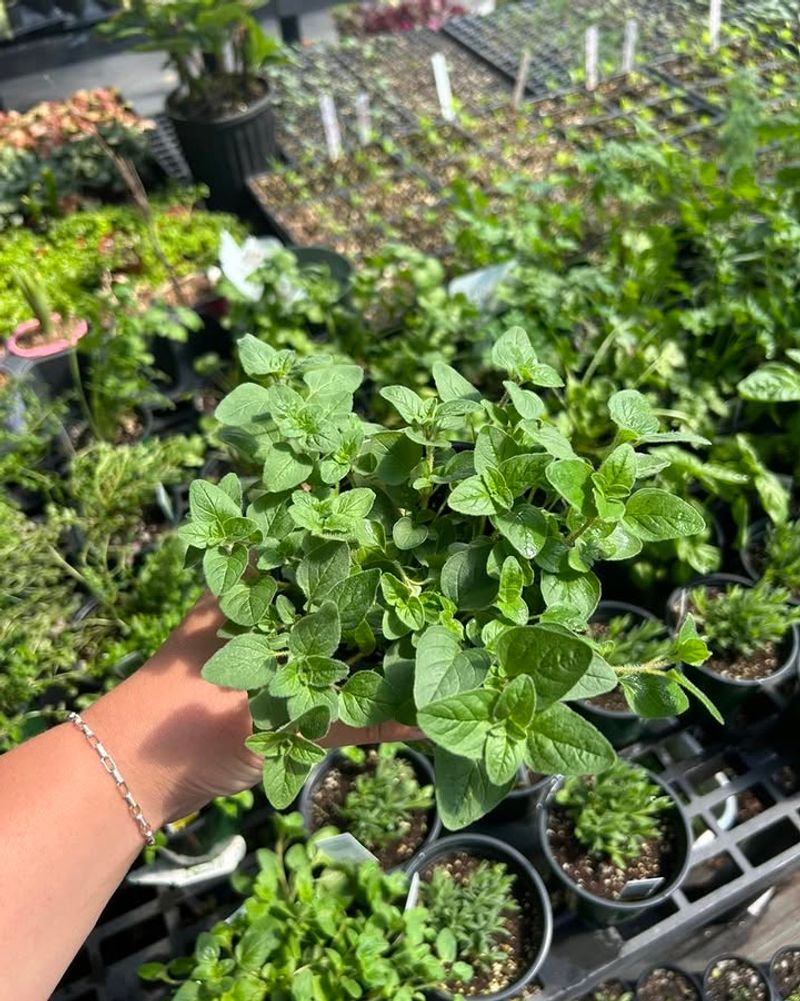
Oregano might be most famous for its role in pizza and pasta sauces, but this tough little herb has a lot more going for it than kitchen credibility.
With a bold, spicy scent that comes from compounds like carvacrol and thymol, oregano is a natural addition to any Pennsylvania patio garden designed to help deter ticks and other pests.
One of the best qualities of oregano is its toughness. It is drought-tolerant, heat-resistant, and grows happily in poor soil where other plants might struggle.
Full sun is ideal, but oregano can manage with a bit of afternoon shade. This flexibility makes it easy to fit into almost any patio layout, whether in a garden bed or a container.
Oregano spreads at a moderate pace and can form a low, dense mat of fragrant foliage over time. Trimming it back regularly keeps the plant tidy and encourages fresh leafy growth, which is where the strongest scent is concentrated.
After flowering, cut the plant back by about one-third to keep it productive and full throughout the Pennsylvania growing season.
Pairing oregano with thyme along a patio border creates a fragrant, low-growing edge that looks intentional and works hard on your behalf. Both plants share similar care needs, making them natural companions in the garden.
Freshly harvested oregano is far more flavorful than the dried version sold in grocery stores, and Pennsylvania gardeners who grow it near their patios will always have a fresh supply at arm’s reach.
Snip sprigs throughout the summer for cooking, and enjoy the added benefit of a patio space that is naturally less attractive to ticks all season long.