How To Water A Christmas Cactus In Michigan So It Thrives All Winter
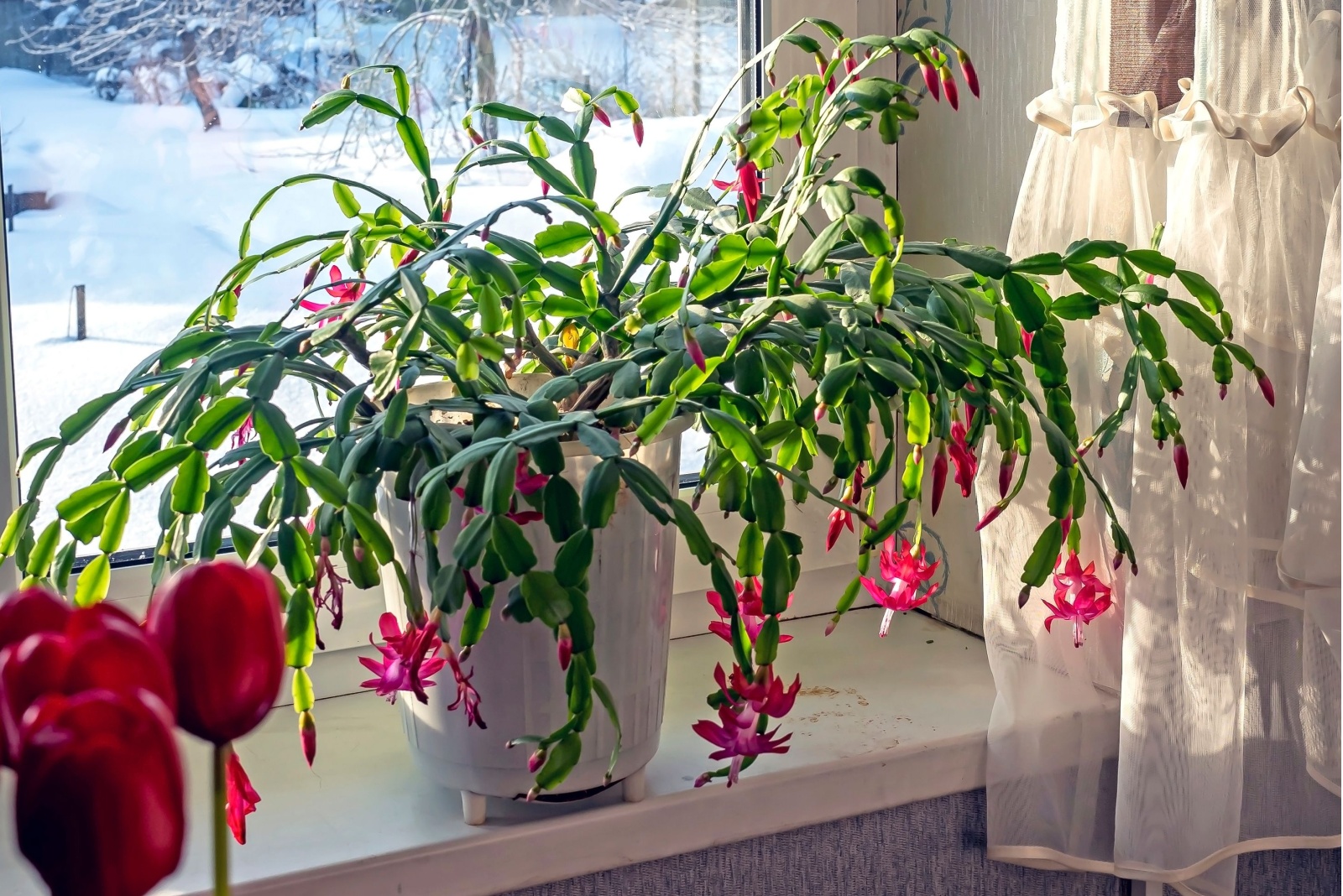
Winter in Michigan can be brutal—but your Christmas cactus doesn’t have to suffer for it.
While snow piles up outside and indoor air turns dry and unpredictable, this beloved holiday plant quietly waits for the right care to burst into brilliant blooms.
The trick?
Watering it just right.
Too much, and roots rot in the cold.
Too little, and buds drop before they ever open.
Michigan’s low winter sunlight, chilly windowsills, and constant heater use create a unique challenge that standard plant advice simply doesn’t cover.
If you’ve ever wondered why your Christmas cactus looks limp in January or refuses to flower by December, you’re not alone—and you’re not doing anything “wrong.”
You just need a watering approach that works with Michigan’s winter conditions, not against them.
In this guide, you’ll learn exactly when, how, and how much to water your Christmas cactus so it stays healthy, hydrated, and ready to bloom all winter long—no green thumb required.
Understanding Your Christmas Cactus
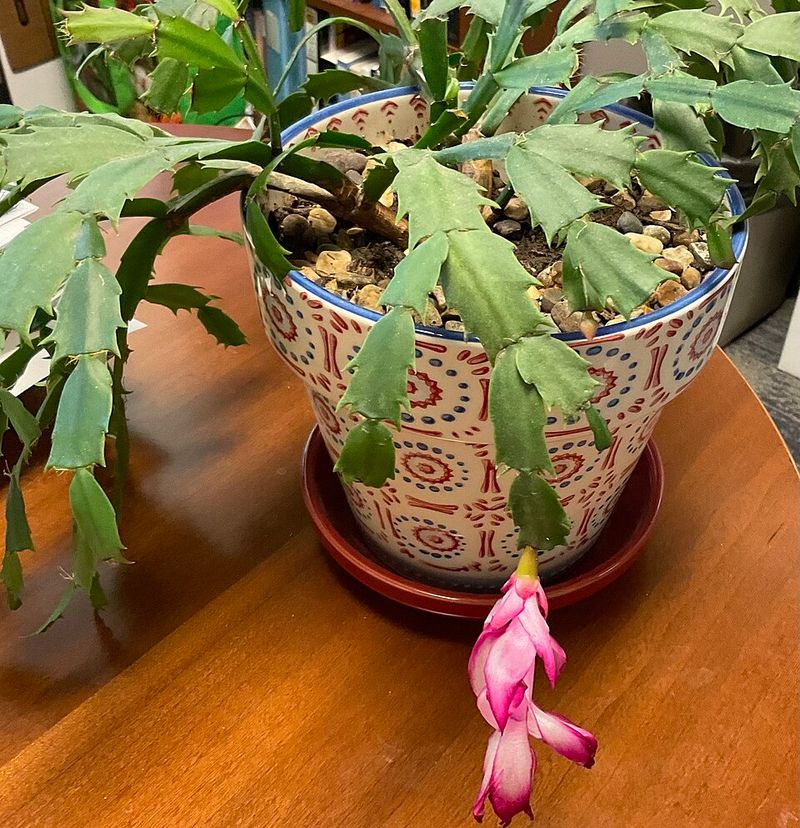
The Christmas cactus, unlike many other cacti, loves a humid environment and is native to tropical rainforests, where it thrives with moisture rather than arid conditions.
Its interesting name comes from its beautiful blooms that often appear around Christmas time, making it a festive favorite in many homes.
While one might assume these plants prefer dry soil, they actually need more moisture than their desert cousins, especially during Michigan’s dry winter months when indoor air can be harsh.
Keeping the soil slightly moist helps prevent the plant from drying out and supports healthy growth throughout the season.
Knowing how to mimic their natural habitat is key to proper care, as their peculiar nature means they are not fond of direct sunlight and instead prefer bright, indirect light.
This makes them ideal for locations that receive plenty of light without being too intense for their delicate structure.
Finding the right watering balance is essential, since overwatering can lead to root rot, a common problem with indoor plants, which is why good drainage is so important to prevent water from sitting in the pot.
These plants have adapted to rainforest life by clinging to trees for survival, absorbing moisture from the air rather than relying solely on soil.
Because of this, occasional misting can be beneficial when indoor air becomes too dry.
Even though they enjoy higher moisture levels, allowing the topsoil to dry out slightly between waterings helps prevent overwatering and mirrors the natural rainfall cycles they experience in the wild.
By observing the leaves and soil closely, you can easily determine when your plant needs water.
Ultimately, understanding the Christmas cactus’s origins helps guide proper care, and providing the right humidity along with a thoughtful watering schedule contributes greatly to a healthy plant and vibrant winter blooms.
Crafting The Perfect Watering Schedule
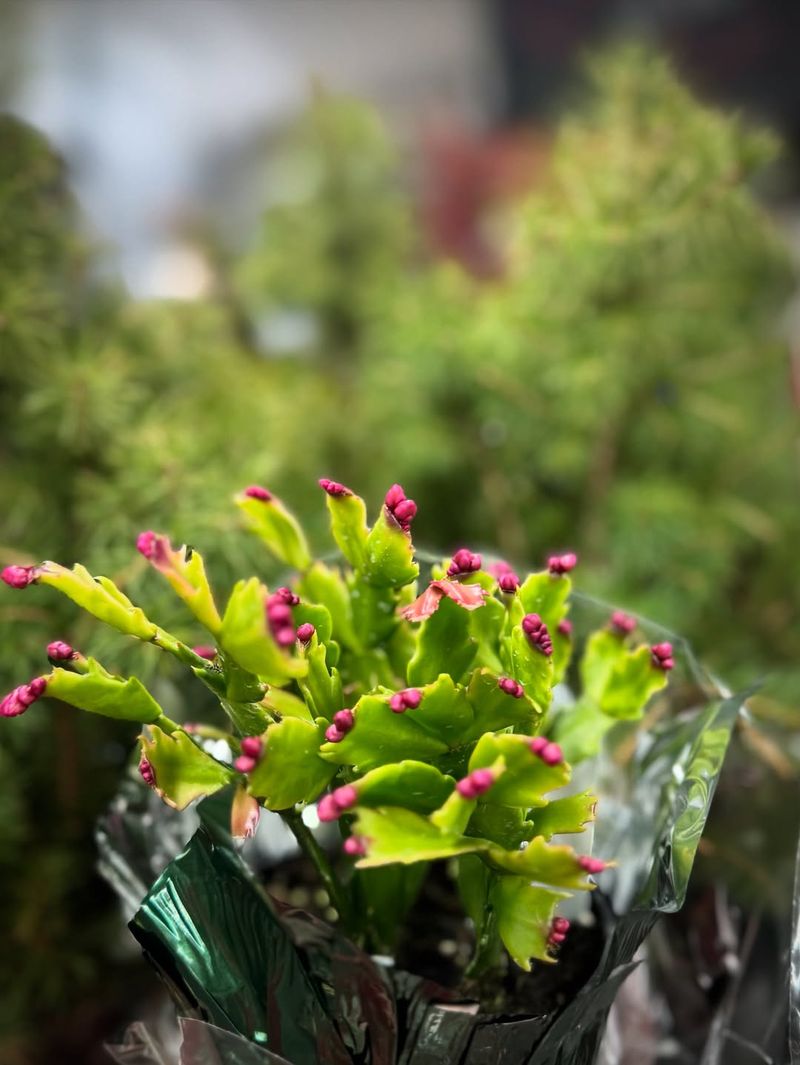
Establishing a consistent watering routine is vital for your Christmas cactus’s health, and developing a schedule that aligns with Michigan’s climate ensures the plant receives optimal care during winter, when indoor heating often dries out the air and affects moisture levels.
To combat these dry conditions, watering every two to three weeks while adjusting for humidity levels often works well in Michigan homes, and using a calendar to mark watering days can help maintain consistency and prevent overwatering.
Checking the soil before watering is crucial, and inserting a finger about an inch into the soil allows you to determine whether it feels dry enough to need water, which helps prevent unnecessary watering and protects root health.
The goal is to keep the soil slightly moist rather than soggy, since overly damp conditions can promote root rot, and careful monitoring helps strike the right balance between dryness and saturation.
Following a routine also makes it easier to monitor your plant’s overall health, as regular checks allow you to spot signs of underwatering or overwatering and adjust your approach to suit your plant’s specific needs.
Because Michigan’s winter light can be limited, pairing your watering schedule with bright, indirect light exposure supports healthy growth, especially when the plant is kept away from intense heat sources.
Over time, developing a rhythm with your plant improves care, as understanding how it responds to your schedule creates a harmonious routine that allows your Christmas cactus to thrive all winter long.
Signs Of Overwatering And Underwatering
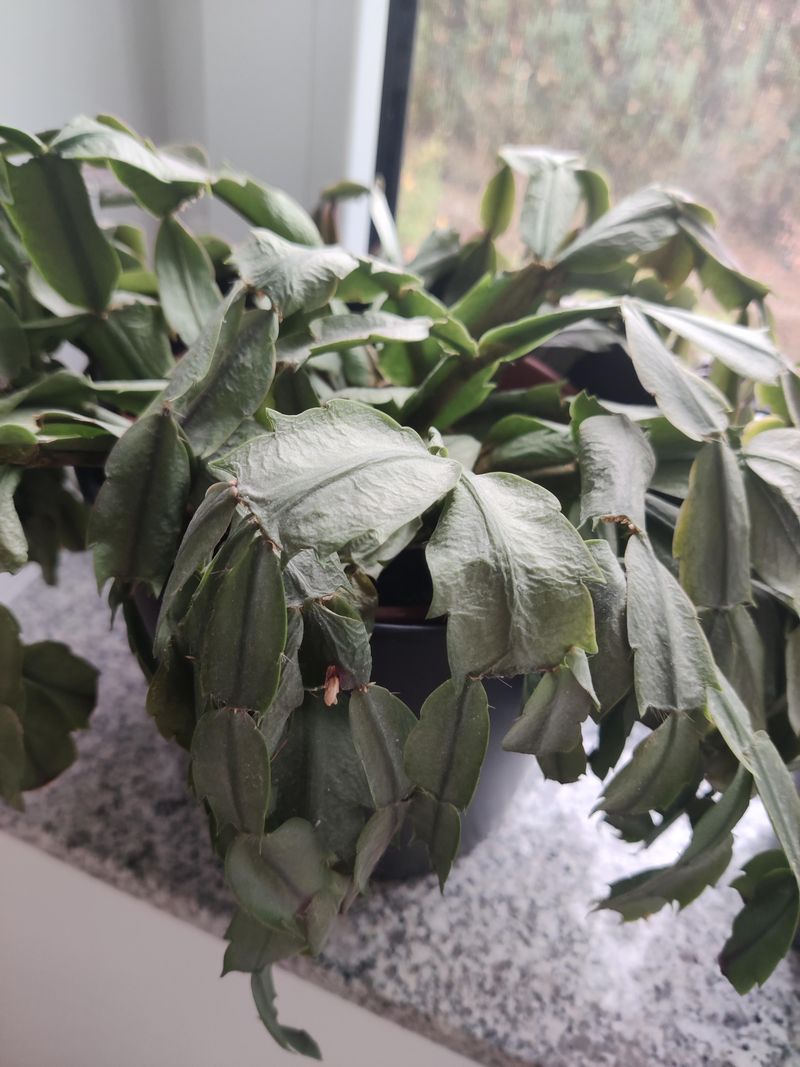
Recognizing symptoms of improper watering helps maintain your Christmas cactus’s health, as droopy leaves often indicate overwatering, a common issue with indoor plants that signals it’s time to check the soil.
Yellowing leaves can also point to overwatering, since roots trapped in waterlogged soil cannot breathe, which is why proper drainage is essential to prevent these problems from developing.
On the other hand, shriveled leaves usually mean the plant is thirsty, and when the soil feels bone dry, slow and even watering can help restore its healthy appearance.
Noticing these signs early allows you to adjust your watering habits before damage occurs, and regular observation helps keep your plant vibrant and resilient.
Striking a balance between too much and too little water is essential, as learning your plant’s subtle signals makes it easier to maintain ideal conditions over time.
During Michigan’s winter, indoor heating can dry the air and intensify these issues, so using a humidifier or occasional misting can help restore needed moisture.
By staying attentive to your plant’s signals, you provide the care it needs to stay healthy and reward you with beautiful blooms throughout the winter.
Choosing The Right Pot And Soil
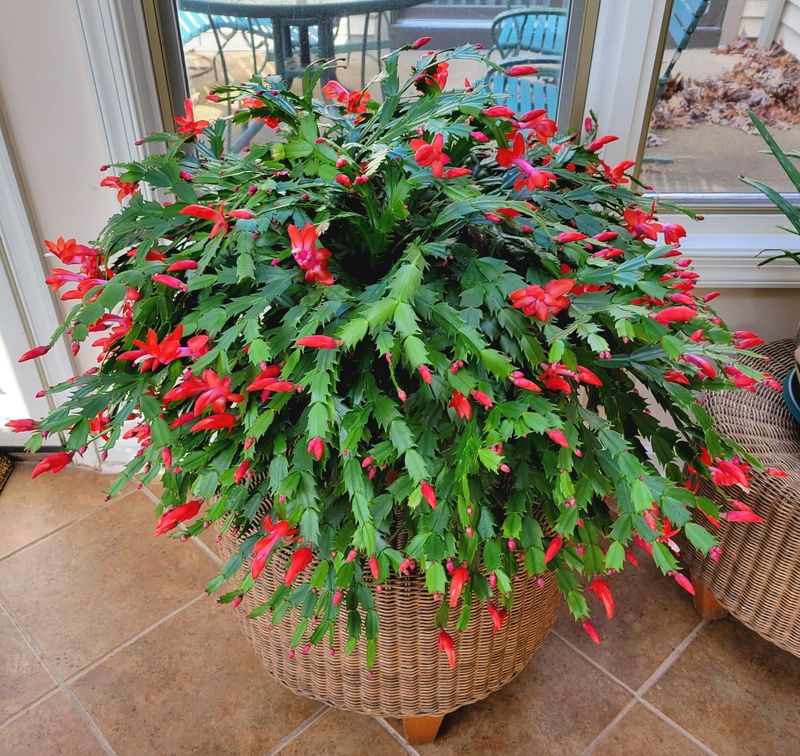
The pot and soil you choose for your Christmas cactus play a crucial role in its health, as the right combination helps keep roots strong and properly drained.
A porous pot made from clay or terracotta is often ideal because these materials allow excess moisture to escape, especially when paired with drainage holes that prevent water from sitting at the bottom.
This setup closely mimics the plant’s natural environment and supports steady, healthy growth.
Using a well-draining cactus mix is recommended, and combining regular potting soil with sand or perlite can further improve drainage and prevent the soil from holding excess moisture that could suffocate the roots.
Pot size also matters, since a container that is too large can retain too much water while one that is too small may restrict root growth, making balance essential for overall plant health.
During Michigan’s winter, placing your Christmas cactus in a bright area with indirect sunlight and good air circulation helps maintain its wellbeing and keeps conditions similar to its native habitat.
If your plant outgrows its container, repotting may be necessary, and spring is usually the best time to do this so it can adjust before the next blooming season.
By choosing the right pot and soil, you create a strong foundation that supports long-term health and vibrant winter blooms.
Creating A Humid Environment
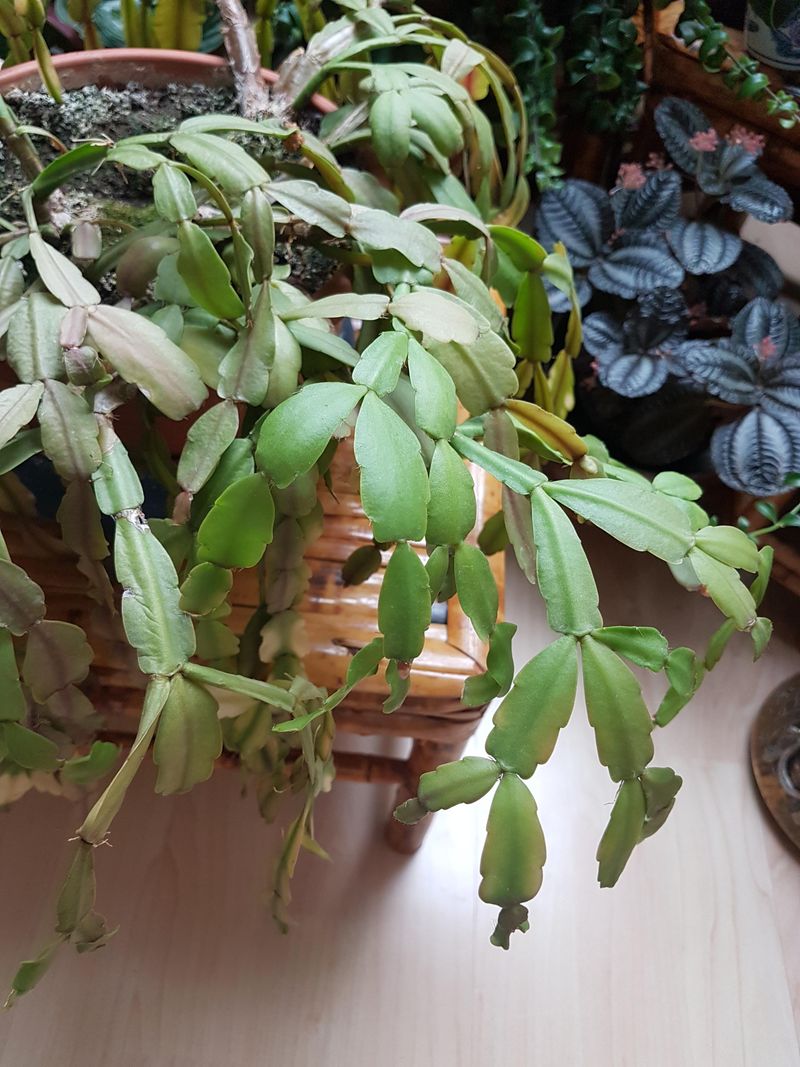
Maintaining humidity around your Christmas cactus enhances its overall wellbeing, especially during Michigan’s dry winter months when indoor air can become harsh.
Unlike many cacti, this plant thrives with moisture in the air, which is why using a humidifier near the plant can help create a more comfortable environment without overwatering the soil.
Grouping your Christmas cactus with other plants is another effective option, as they release moisture and create a small, shared microclimate that benefits everyone.
Occasional misting can also provide helpful humidity, since a light spray mimics the plant’s natural rainforest conditions, as long as the leaves are allowed to dry between mistings.
Humidity trays offer a simple alternative, and placing pebbles and water beneath the pot allows evaporation to gently raise moisture levels around the plant.
Because indoor heating in Michigan tends to dry out the air, these techniques are especially useful, and watching how your plant responds helps you fine-tune your approach.
By maintaining a humid environment, you support the plant’s tropical origins and encourage strong growth and healthy winter blooms.
Monitoring Light Conditions
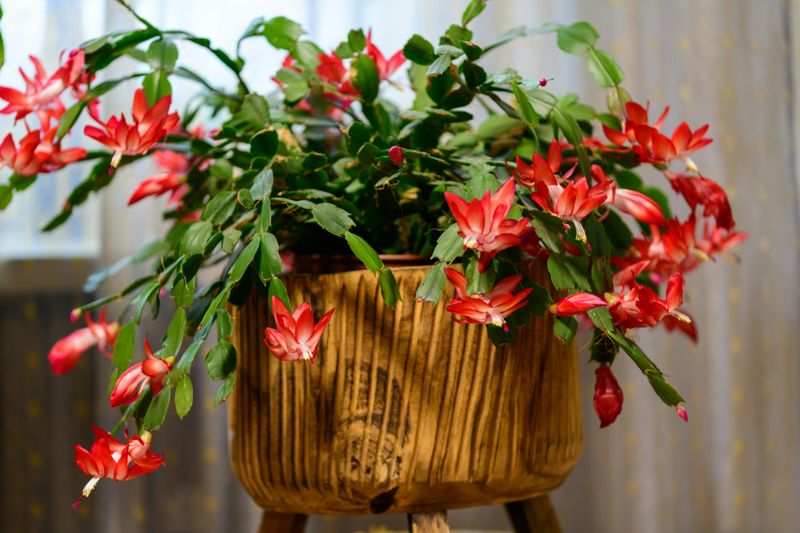
Light plays an important role in keeping a Christmas cactus healthy, as the right amount of light supports steady growth and reliable blooming.
In Michigan’s winter months, natural sunlight is often limited, so placing the plant near a north or east-facing window helps provide soft, indirect light without causing stress.
When window light isn’t enough, a grow light can be a useful backup, especially during the shortest days of the season.
Watching how the plant responds is key, since leaves that turn reddish or brown usually indicate too much direct exposure and signal it’s time to move the plant slightly.
If growth slows or the plant looks weak, increasing available light by adjusting its location or adding reflective surfaces can make a noticeable difference.
Keeping lighting consistent from day to day also helps regulate blooming, as predictable light patterns encourage the plant to form buds on schedule.
With thoughtful placement and regular observation, proper lighting becomes one of the easiest ways to keep a Christmas cactus looking full, healthy, and ready to brighten your home all winter.
Adjusting Care During Bloom
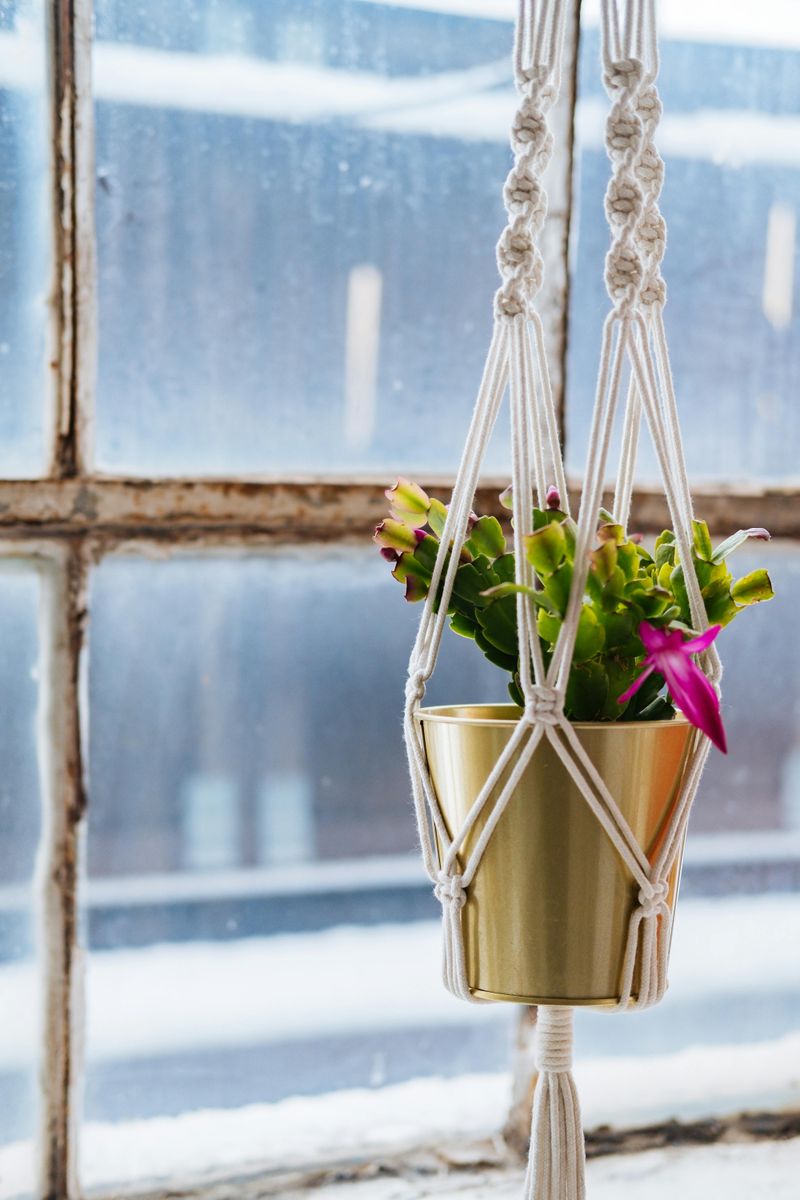
A Christmas cactus in bloom brings instant warmth to winter, but this is also the time when small care mistakes show up quickly.
Water still matters, though it needs a lighter touch, since the soil should stay evenly moist without being saturated as the plant puts energy into flowering.
Extra nutrients can help support the display, and a balanced liquid fertilizer used about once a month is usually enough to keep blooms strong without overstimulating growth.
Sudden temperature changes are often the reason flowers fade early, so keeping the plant away from cold drafts and heat vents is especially important during Michigan winters.
As blooms finish, gently removing them keeps the plant tidy and encourages energy to flow toward new buds rather than spent flowers.
When blossoms start to droop or fall, it’s usually a signal to reassess light or moisture rather than a sign of permanent damage.
Handled with patience and close observation, bloom-time care becomes less about intervention and more about maintaining the calm conditions the plant needs to shine.
Dealing With Temperature Variations
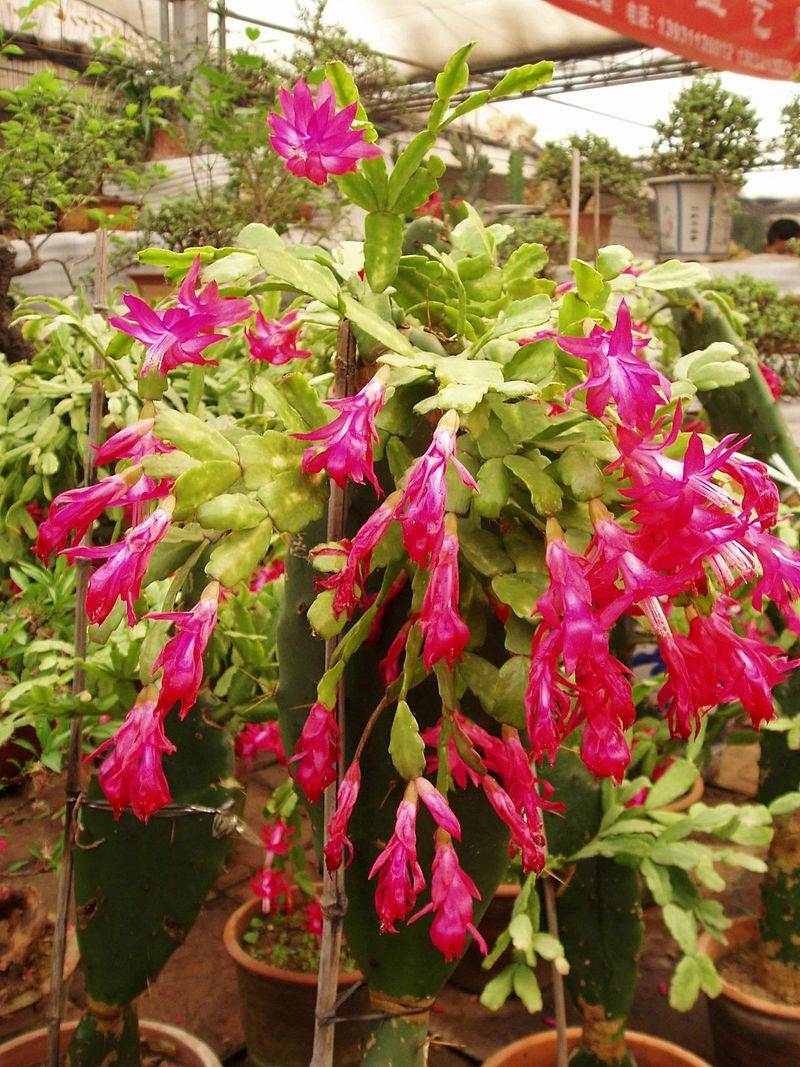
Temperature plays a major role in how well a Christmas cactus handles winter, and in Michigan, sudden shifts indoors and outdoors can easily cause stress if conditions aren’t managed carefully.
Placing the plant away from drafty windows and frequently opened doors helps keep its environment steady and reduces exposure to unexpected cold air.
Indoor heating presents the opposite problem, since radiators and vents can create overly warm, dry pockets of air that lead to dehydration or scorched leaves.
A room temperature that stays roughly between 60 and 70 degrees Fahrenheit is usually ideal, offering the consistency the plant needs to grow and flower comfortably.
Keeping an eye on indoor temperatures with a simple thermometer makes it easier to spot changes before they become a problem.
During extreme cold spells, extra steps like insulating windows or slightly adjusting room heat may be needed to keep conditions stable.
When temperature remains even and predictable, the plant is better able to focus its energy on staying healthy and producing blooms rather than reacting to stress.
Preventing Pest Problems
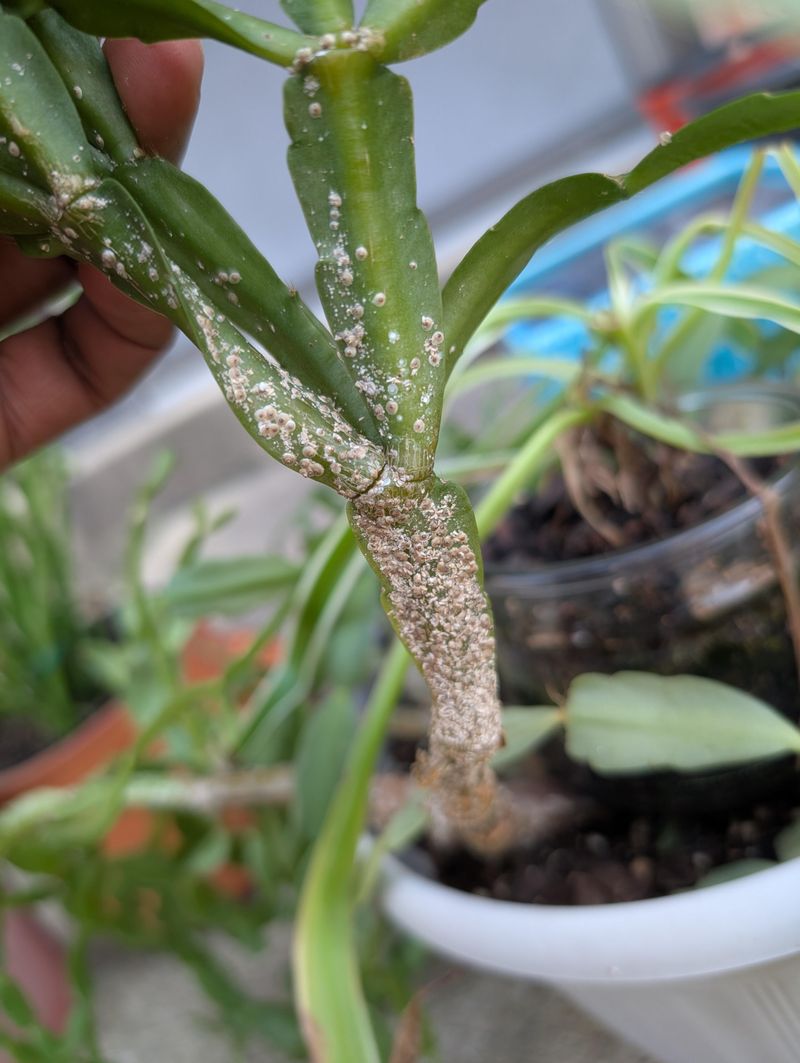
Keeping pests away is an important part of caring for a Christmas cactus, especially during Michigan’s winter when indoor plants are more likely to attract unwanted insects.
Regular inspection makes a big difference, since spotting issues like discolored patches or fine webbing early allows you to address problems before they spread.
A clean growing area also works in your favor, as dusting leaves and keeping nearby surfaces tidy removes places where pests like to settle.
When pests do appear, gentle treatments such as neem oil or insecticidal soap are often enough to control minor infestations without stressing the plant.
Good air circulation adds another layer of protection, because pests tend to thrive in still, stagnant air rather than in well-ventilated spaces.
If an infestation develops, moving the affected plant away from others helps contain the issue and makes treatment more effective.
With steady observation and simple preventive habits, your Christmas cactus can remain healthy and vibrant throughout the winter months.
Understanding Dormancy Needs
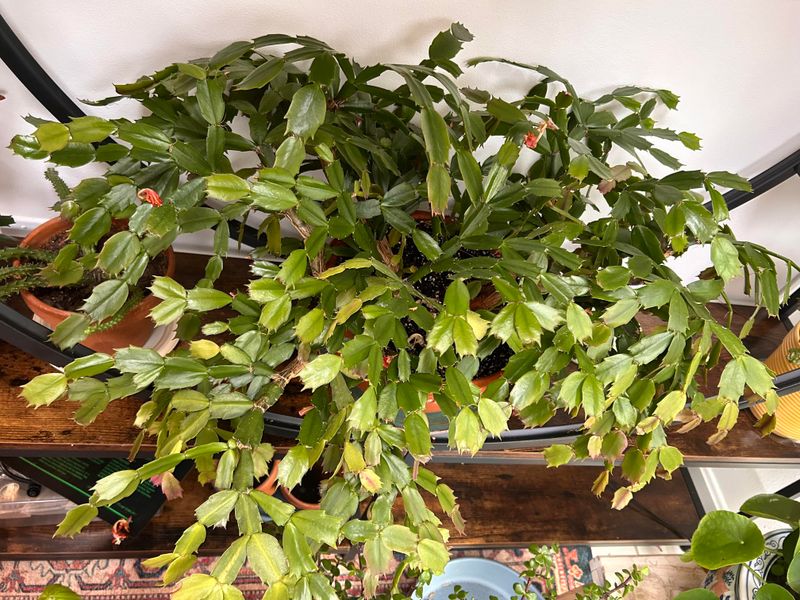
Recognizing when a Christmas cactus enters dormancy is an important part of long-term care, since this resting period usually follows blooming and gives the plant time to recover.
Watering needs change during this phase, and allowing the soil to dry out more than usual helps replicate the natural slowdown the plant experiences in its native environment.
Fertilizer is also less necessary at this time, as reduced growth means the plant needs fewer nutrients while it rebuilds its energy reserves.
Slightly cooler temperatures can further support dormancy, encouraging the plant to conserve energy rather than push out new growth.
Light levels matter as well, and moving the cactus to a more shaded location helps reduce stimulation and signals that it’s time to rest.
Handled correctly, dormancy becomes a quiet reset rather than a problem, setting the stage for healthy growth once active care resumes.
By paying attention to these subtle shifts and adjusting care accordingly, you help ensure your Christmas cactus continues to thrive and bloom year after year.