How To Water Tomato Plants In California In May For Bigger, Healthier Harvests
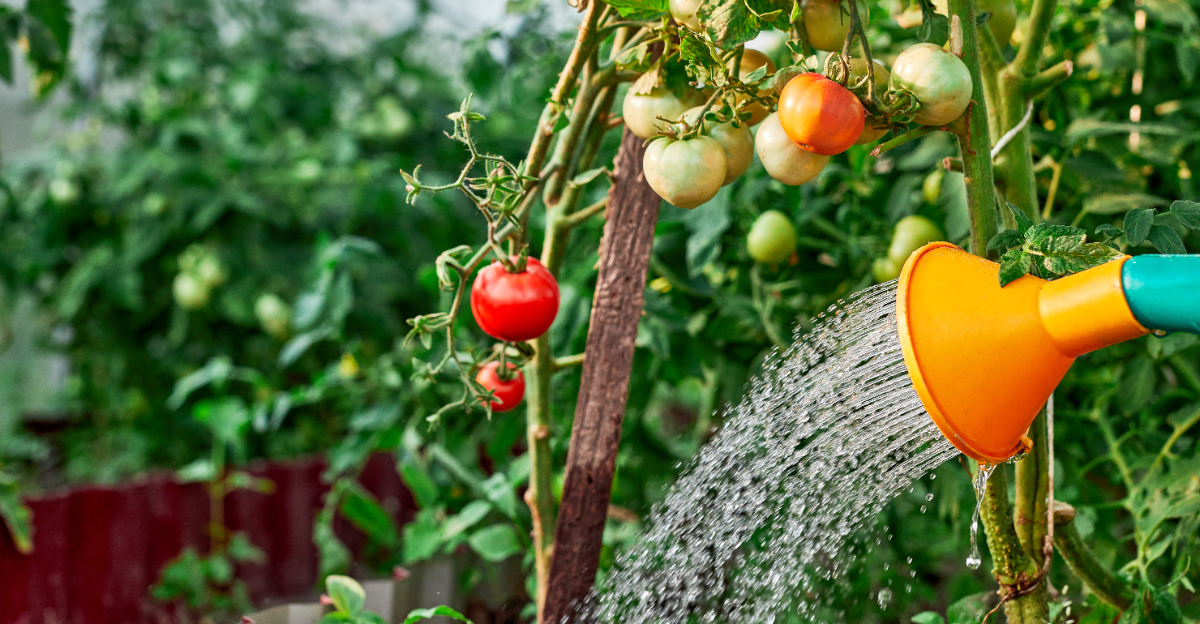
May is a pivotal month for tomato growers, and what you do with your hose right now matters more than most people realize. The temperatures are climbing, the soil is starting to dry faster, and your plants are shifting into serious growth mode.
Get the watering right and you set yourself up for a summer full of fat, flavorful tomatoes. Get it wrong and you’re looking at blossom drop, cracked fruit, and a whole lot of frustration come July.
The tricky part is that tomatoes are weirdly specific about moisture. Too little and they stress out, too much and the roots suffocate while disease moves in fast.
And unlike a lot of vegetables that forgive inconsistency, tomatoes keep score. Uneven watering is actually the main culprit behind blossom end rot and those maddening cracks that split a perfectly good tomato right before harvest. Sound familiar?
The good news is that once you understand what your plants are actually asking for at this stage of the season, the whole thing gets a lot simpler.
It comes down to a few key habits, and the right timing, that make an enormous difference once the real heat arrives and your garden hits its stride.
1. What You Do In May Sets Your Whole Garden Up For Summer
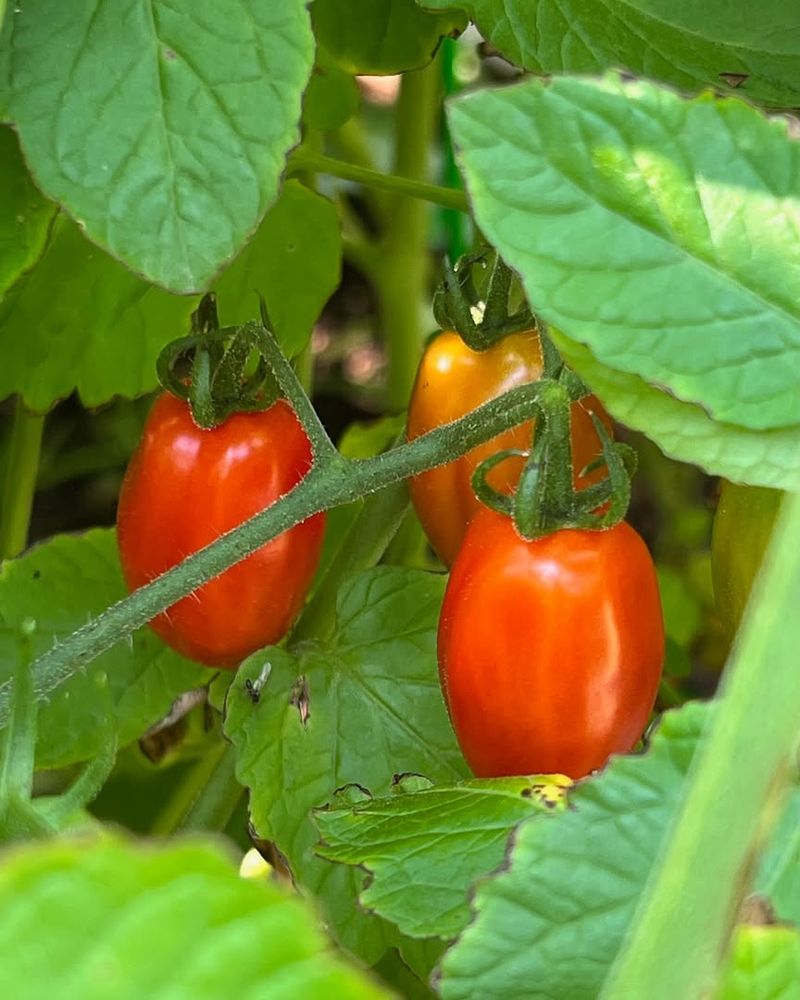
May is the month that decides everything. In California, the gap between a thriving tomato garden and a struggling one often comes down to what you do during these few critical weeks.
The soil is warming, the sun is climbing higher each day, and your tomato plants are entering a serious growth phase.
Right now, your plants are building the root systems and stem strength they will depend on all summer long. Skipping good watering habits in May means your plants will spend July and August trying to recover instead of producing fruit.
That is a trade-off no gardener wants to make.
California summers can be brutal, especially in inland areas like the Central Valley where temperatures regularly climb past 95 degrees. Plants that were properly watered and cared for in May handle that heat far better than ones that were not.
Think of May as your foundation month. Every good habit you build now, like deep watering, consistent timing, and soil care, pays off in bigger tomatoes and a longer harvest window.
Start strong in May, and your California garden will reward you all summer long.
2. Deep Watering Once Does More Than Shallow Watering Every Day
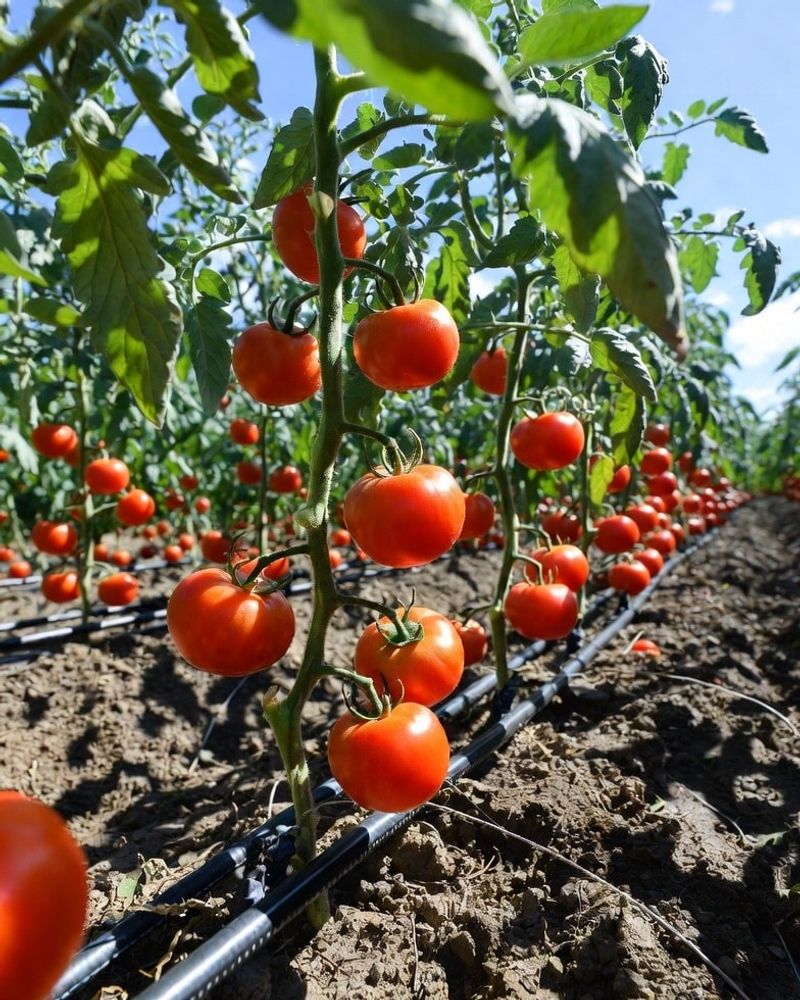
Most beginner gardeners make the same mistake: they water a little bit every single day. It feels responsible, but it actually trains your tomato roots to stay near the surface.
Shallow roots mean weak plants that struggle badly when California summer heat really hits.
Deep watering, meaning soaking the soil slowly until moisture reaches at least 6 to 8 inches down, encourages roots to grow deeper into the ground. Deep roots can access cooler, moister soil layers even on the hottest days in places like Bakersfield or Riverside.
Your California Garden Changes Every Week. Your Plan Should Too.
Gardening in California changes quickly throughout the season. Every Friday you’ll receive a simple weekly plan showing exactly what to plant, prune, fertilize, harvest, and protect so you never miss the right timing.
A simple way to check if you are watering deeply enough is to use a wooden dowel or a long screwdriver. Push it into the soil after watering.
If it slides in easily 6 to 8 inches, your water reached the right depth. If it stops after 2 or 3 inches, you need to water longer.
In May across California, most tomato plants need about 1 to 2 inches of water per week depending on your local temperatures. Watering deeply two or three times a week is almost always better than a quick sprinkle every morning.
Your roots will grow stronger and your plants will thank you for it.
3. Always Check Your Soil Before You Reach For The Hose
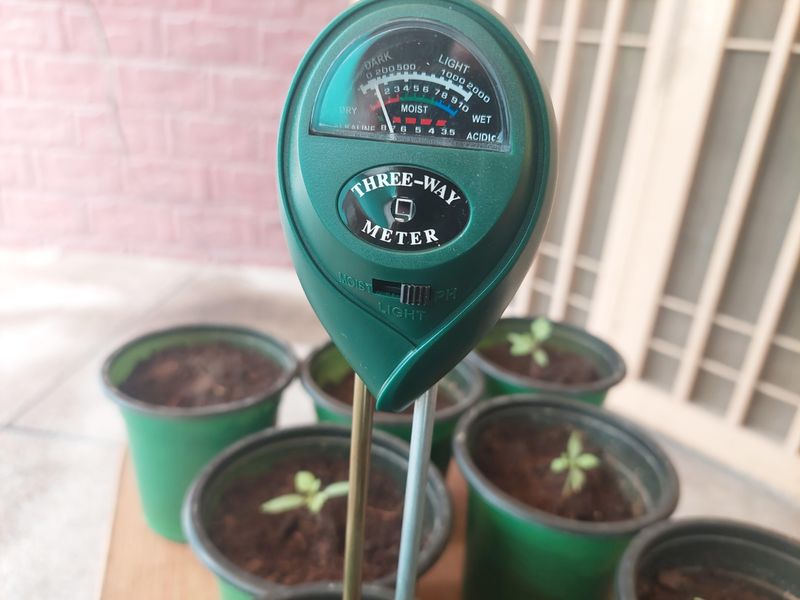
Overwatering is one of the most common problems tomato growers in California face, and it is surprisingly easy to do. Many people water on a set schedule without ever stopping to check if the soil actually needs it.
That habit can lead to soggy roots, poor fruit development, and frustrated gardeners.
Before you water, stick your finger about 2 inches into the soil near the base of the plant. If it feels moist and cool, hold off.
If it feels dry and crumbly, it is time to water. This simple check takes about five seconds and saves you from a lot of unnecessary problems.
In California coastal areas like San Diego or Santa Cruz, May mornings can be cool and foggy, which means the soil may still hold moisture from the day before. Inland areas warm up faster, so the soil dries out more quickly and may need water sooner.
You can also invest in an inexpensive soil moisture meter from any garden center. These tools take the guesswork out of watering completely.
Knowing your soil before you water means your plants get exactly what they need, no more and no less, which leads to healthier growth and better tomatoes all season.
4. Water In The Morning And Your Garden Will Thank You All Day
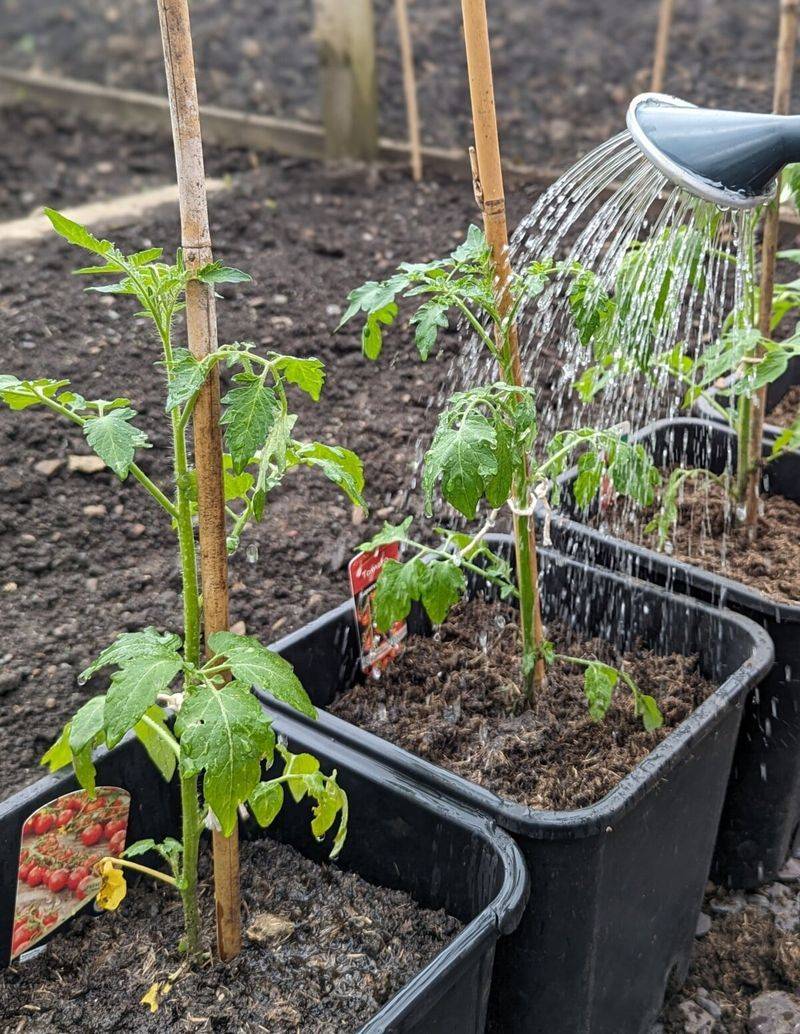
Timing matters more than most people realize. Watering your tomatoes in the early morning, ideally between 6 and 9 a.m., gives the plants time to absorb moisture before the heat of the day kicks in.
In California, where May temperatures can already reach the mid-80s, that morning window is golden.
When you water in the morning, any moisture that splashes onto leaves has time to evaporate before the sun gets intense. Wet leaves sitting under a hot afternoon sun are a recipe for problems like leaf scorch and fungal issues.
Morning watering keeps your plant surfaces drier and healthier throughout the day.
Evening watering is the least ideal option. Water that sits on leaves or pools at the base of your plant overnight creates a damp environment that certain fungi and bacteria absolutely love.
In the warm California climate, that can lead to problems spreading fast through your garden.
If your schedule makes morning watering difficult, use a simple timer attached to a drip irrigation system. Set it to run at 6 a.m. and let the system do the work for you.
Drip systems deliver water right to the root zone without wetting the leaves, making them a smart choice for busy California gardeners who want great results.
5. Wet Tomato Leaves Are An Invitation For Disease, Keep Them Dry
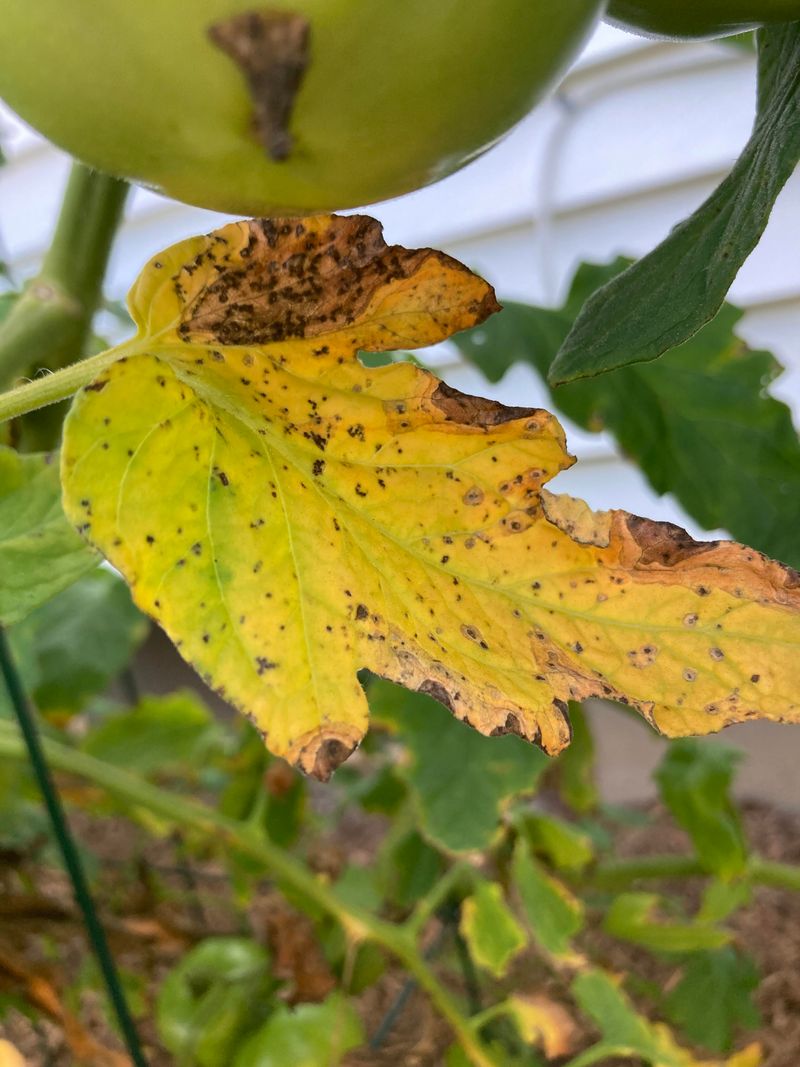
Tomatoes are surprisingly picky about their leaves getting wet. Unlike some garden plants that do not mind a good overhead sprinkle, tomatoes are prone to fungal diseases that spread quickly when foliage stays damp.
In California, where the air can be humid near the coast and warm everywhere else in May, wet leaves are a real concern.
Diseases like early blight and septoria leaf spot thrive in moist conditions. They show up as dark spots or yellowing on the lower leaves and can spread upward through the plant fast if left unchecked.
Once these diseases take hold, they are tough to reverse.
The best way to keep leaves dry is to water at soil level only. Use a drip irrigation system, a soaker hose, or simply aim your regular hose low toward the base of the plant.
Avoid overhead sprinklers for your tomatoes whenever possible, especially in May when the plants are young and more vulnerable.
Also, remove any leaves that are touching the soil. Lower leaves that sit on wet ground pick up soil-borne pathogens easily.
Pruning those bottom leaves is a quick and simple step that reduces disease pressure significantly. Keeping your foliage dry is one of the easiest ways to protect your California tomato crop all season.
6. Get Your Mulch Down Before The Heat Has A Chance To Arrive
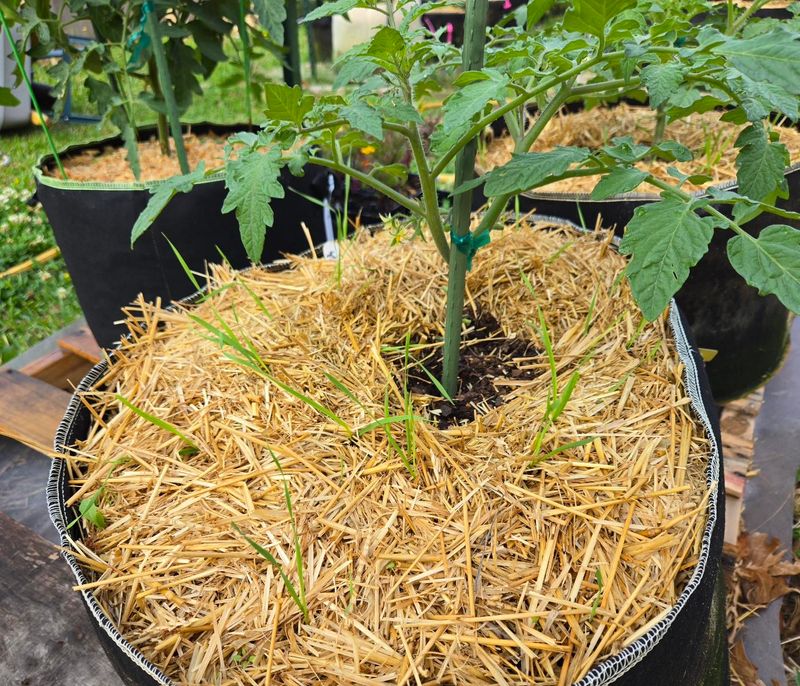
Mulch might be the single most underrated tool in a California tomato gardener’s toolkit. A 2 to 3 inch layer of organic mulch, like straw, wood chips, or shredded leaves, laid around the base of your tomato plants works like a protective blanket for your soil.
It keeps moisture in and heat out.
In May, before the real California heat arrives, is the perfect time to get your mulch down. Once the soil has warmed slightly but before the scorching days of June and July hit, mulch locks in that early season moisture and keeps your root zone at a more stable, comfortable temperature.
Without mulch, the bare soil around your plants can heat up dramatically under the California sun. That hot soil surface causes water to evaporate far more quickly, meaning you have to water more often just to keep up.
Mulch dramatically reduces that evaporation and cuts your watering needs by as much as 30 to 50 percent.
Straw is a popular and affordable choice for tomato beds across California. Spread it generously but keep it a few inches away from the main stem of the plant to allow for good airflow.
Mulch also suppresses weeds, which compete with your tomatoes for water and nutrients. It is a simple step with huge payoffs.
7. Catch The Cracks And Rot Now Before They Take The Whole Plant
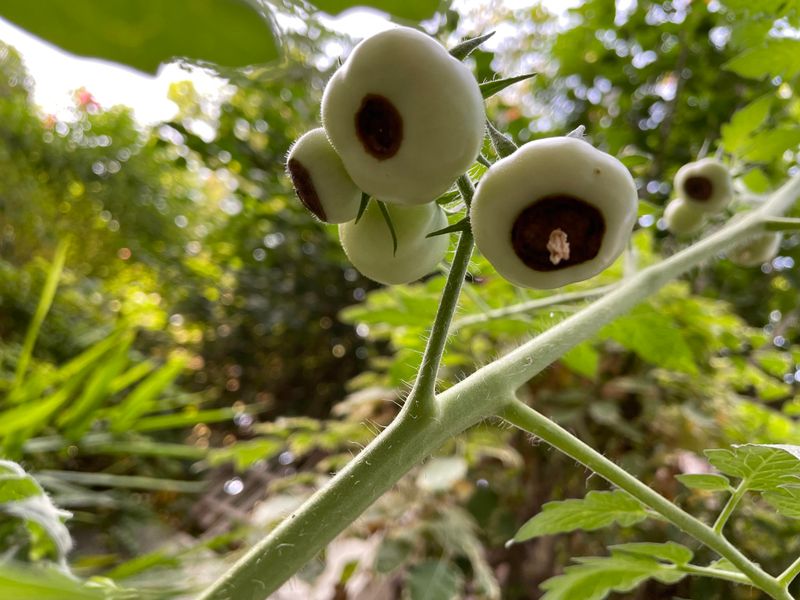
Watering inconsistency in May is the main reason tomatoes crack and develop blossom end rot later in the season. Blossom end rot shows up as a dark, sunken spot on the bottom of the tomato fruit.
It looks like a disease, but it is actually caused by uneven watering that prevents the plant from absorbing calcium properly.
Fruit cracking happens when a tomato plant gets too little water for a stretch of time and then suddenly receives a big dose all at once. The inside of the fruit grows faster than the skin can stretch, and the result is splits and cracks.
Cracked tomatoes are more likely to attract pests and spoil quickly.
The fix for both problems is the same: consistent, steady watering throughout May and beyond. Do not let the soil dry out completely between waterings, and avoid the temptation to overcompensate with a huge flood after missing a day or two.
Slow and steady wins every time.
In California, where May weather can swing from cool and overcast to suddenly hot and dry within the same week, staying consistent takes a little extra attention. Check your soil regularly, adjust your watering schedule as the weather changes, and your tomatoes will stay smooth, healthy, and crack-free all the way to harvest day.