How To Water Your Vegetable Garden In Texas The Right Way
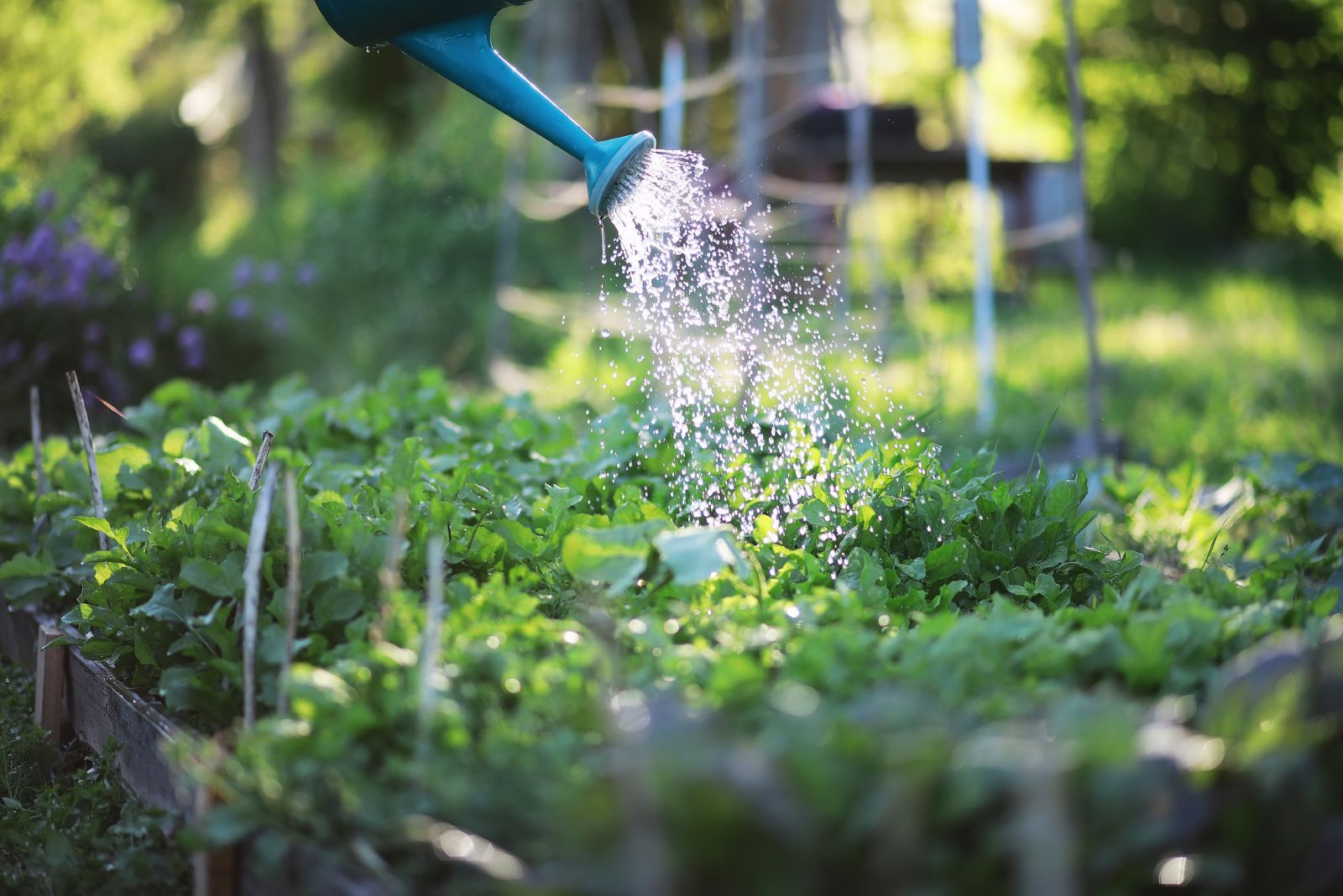
Watering a vegetable garden in Texas can feel simple until the heat really kicks in. Then suddenly the soil dries faster than expected, leaves start drooping by afternoon, and it gets a lot harder to tell whether your plants need more water or are struggling because of how they are being watered in the first place.
That is where many gardeners get tripped up. In Texas, watering is not just about doing it often.
It is about doing it in a way that actually helps plants grow stronger instead of creating shallow roots, wasted water, or stressed-out vegetables.
The good news is that a few smart habits can make a huge difference. The right timing, the right amount, and the right method can help your garden handle the heat much better while keeping plants healthier and more productive.
Some vegetables need steady moisture, but that does not mean soaking everything all day or spraying whenever the sun gets intense.
A better routine can save water, lower stress on your plants, and make your garden easier to manage through the hottest part of the season. In a Texas summer, watering well is one of the biggest keys to a successful harvest.
Why Watering Is Different In Texas
Texas gardening is not like gardening anywhere else in the country. The sun here is intense, the heat builds fast, and dry spells can stretch for weeks without a drop of rain.
That combination makes watering your vegetable garden one of the most critical skills you need to master.
When temperatures climb past 90 or even 100 degrees, water evaporates from the soil at an alarming rate. Your plants might look fine in the morning but start wilting by noon.
That is not just uncomfortable to watch. It actually slows down plant growth and reduces your harvest.
Dry soil is another big challenge in Texas. When soil dries out completely between waterings, it can become hard and compact.
Water then runs off the surface instead of soaking in, which means your plants are not getting the moisture they actually need.
Inconsistent moisture is one of the top reasons vegetable gardens struggle in Texas. Too much water at once followed by long dry periods can cause problems like blossom end rot in tomatoes or cracking in peppers. Keeping moisture levels steady is the goal.
Understanding the Texas climate is the first step toward watering your garden the right way. Once you accept that your garden needs a different approach than gardens in cooler, rainier states, everything else starts to make sense.
Texas gardeners who learn to work with the climate instead of against it are the ones who enjoy the best harvests season after season.
Water Deep, Not Often
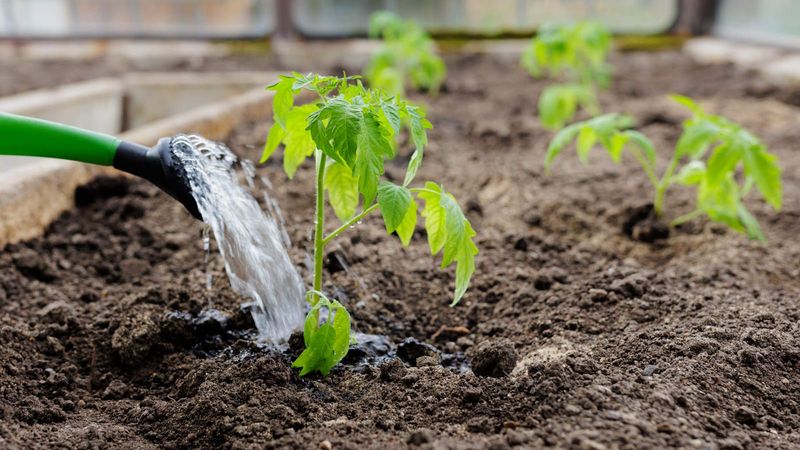
Most people think watering every day keeps plants happy, but that is actually one of the most common mistakes Texas gardeners make.
Light, frequent watering only wets the top inch or two of soil. Plant roots follow the water, so they stay shallow and close to the surface.
Shallow roots are a serious problem in Texas heat. When the top layer of soil dries out quickly under the blazing sun, those shallow roots have nothing to hold onto.
Plants become weak, stressed, and much more vulnerable to the extreme temperatures that Texas summers are known for.
Deep watering encourages roots to grow down into the cooler, more stable layers of soil. Roots that reach six to eight inches deep can access moisture that stays in the ground much longer.
Those plants are stronger, more resilient, and better able to handle heat waves without struggling.
The trick to watering deeply is to go slow. A fast blast of water from a hose will run off before it can soak in.
Instead, let the water flow gently at the base of your plants for several minutes. This gives the soil time to absorb moisture down to the root zone.
A good rule of thumb for Texas vegetable gardens is to aim for about one inch of water per week, delivered in one or two deep sessions rather than daily sprinkles. Stick your finger or a wooden dowel into the soil after watering.
If it comes out moist four to six inches down, you are on the right track. Deep watering truly makes a difference for Texas gardens.
The Best Time Of Day To Water
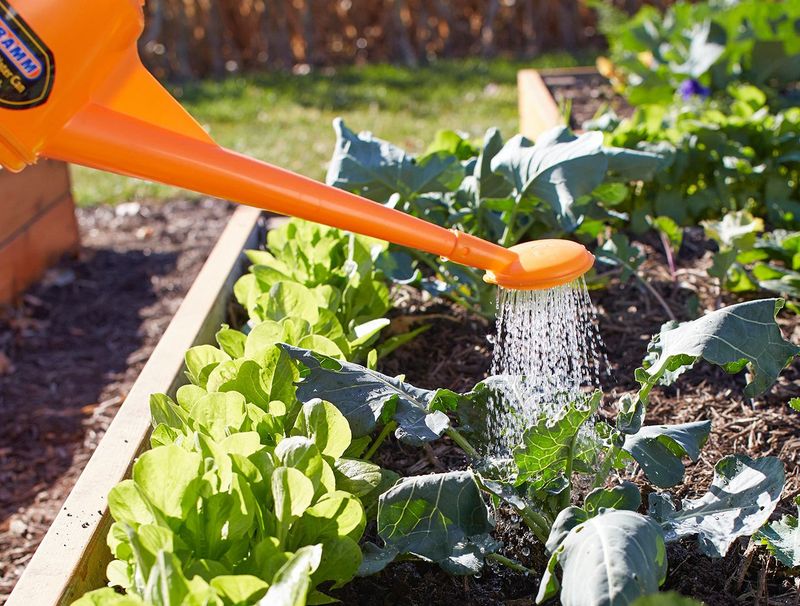
Timing matters more than most people realize when it comes to watering a Texas vegetable garden. The best time to water is early in the morning, ideally between 6 a.m. and 9 a.m. before the sun gets high and the heat kicks in.
Morning watering gives your plants a head start on the day. The soil soaks up moisture while temperatures are still cool, which means less water is lost to evaporation.
Your plants can absorb what they need before the Texas afternoon sun starts pulling moisture right out of the ground.
Another big benefit of morning watering is that any water that splashes on the leaves has time to dry out during the day. Wet leaves that stay damp for hours create the perfect environment for fungal diseases like powdery mildew.
In Texas, where humidity can spike unexpectedly, keeping leaves dry is an important part of keeping plants healthy.
Evening watering might seem convenient after a long day, but it comes with real risks. When you water at night, the moisture sits on leaves and soil for hours in the dark.
That long period of dampness encourages mold, fungus, and other plant diseases that can spread quickly through a vegetable bed.
If morning watering is not always possible, midday is not ideal but is better than evening in most Texas conditions. The evaporation rate is higher midday, so you will use more water to get the same result.
Sticking to an early morning routine is the most efficient and plant-friendly approach for any Texas vegetable garden, no matter the season.
Focus On The Soil, Not The Leaves
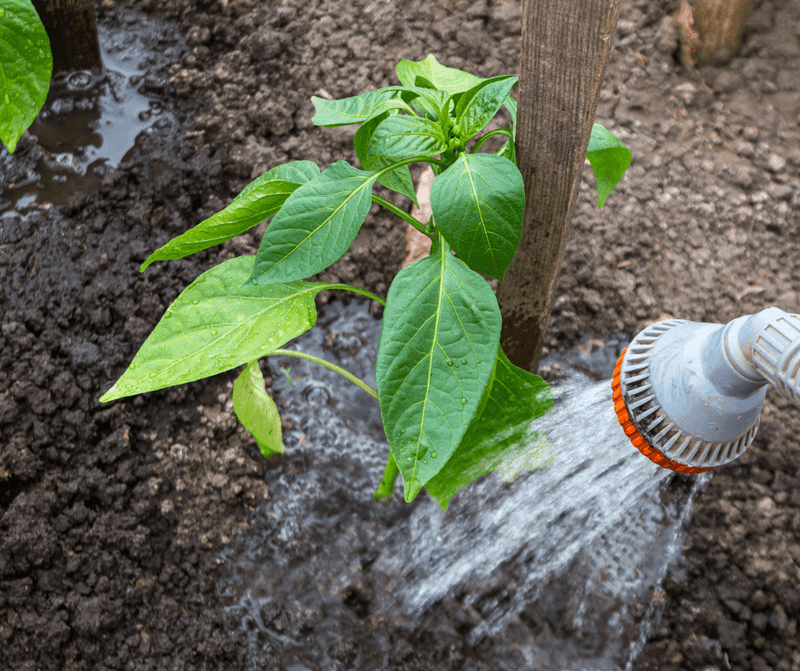
Picture someone standing over a garden with a sprinkler, soaking every leaf from top to bottom. It looks thorough, but it is actually one of the least effective ways to water vegetables, especially in a place like Texas where heat and humidity can combine in tricky ways.
Plants absorb water through their roots, not their leaves. Spraying water overhead wastes a lot of moisture to evaporation before it even reaches the soil.
In the Texas heat, that water can disappear into the air almost instantly, meaning your plants get far less than you think they are receiving.
Wet leaves in warm conditions are also an invitation for fungal problems. Diseases like early blight, powdery mildew, and leaf spot thrive when foliage stays damp.
Texas summers create conditions where these issues can spread fast and take over an entire garden bed in just a few days.
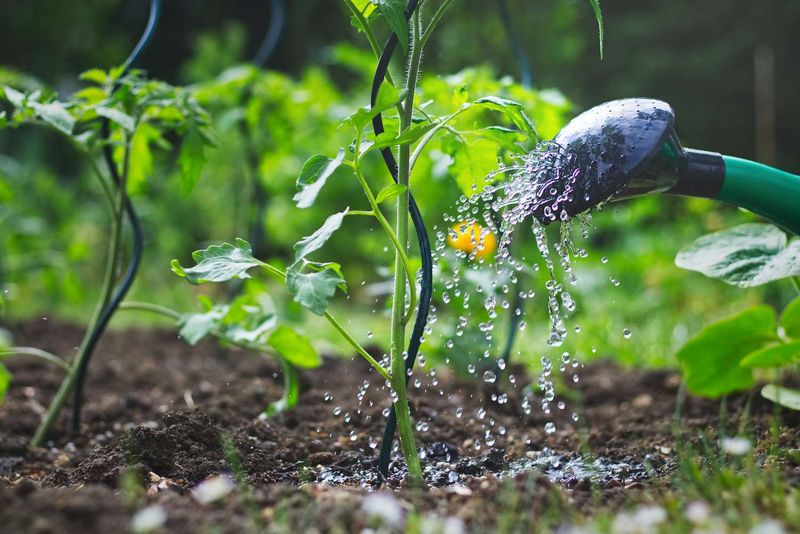
The solution is simple: water at the base of the plant, right at the soil level. Drip irrigation systems are one of the best tools available for Texas vegetable gardens.
They deliver water slowly and directly to the root zone, cutting down on waste and keeping leaves dry at the same time.
Soaker hoses are another excellent option. You can lay them along the rows of your garden and let water seep out slowly into the soil.
Hand watering at ground level with a wand or a gentle hose setting also works well. The goal is always to get water to the roots where it counts, not to the leaves where it causes more harm than good in a Texas garden.
Adjust Your Watering For Texas Weather
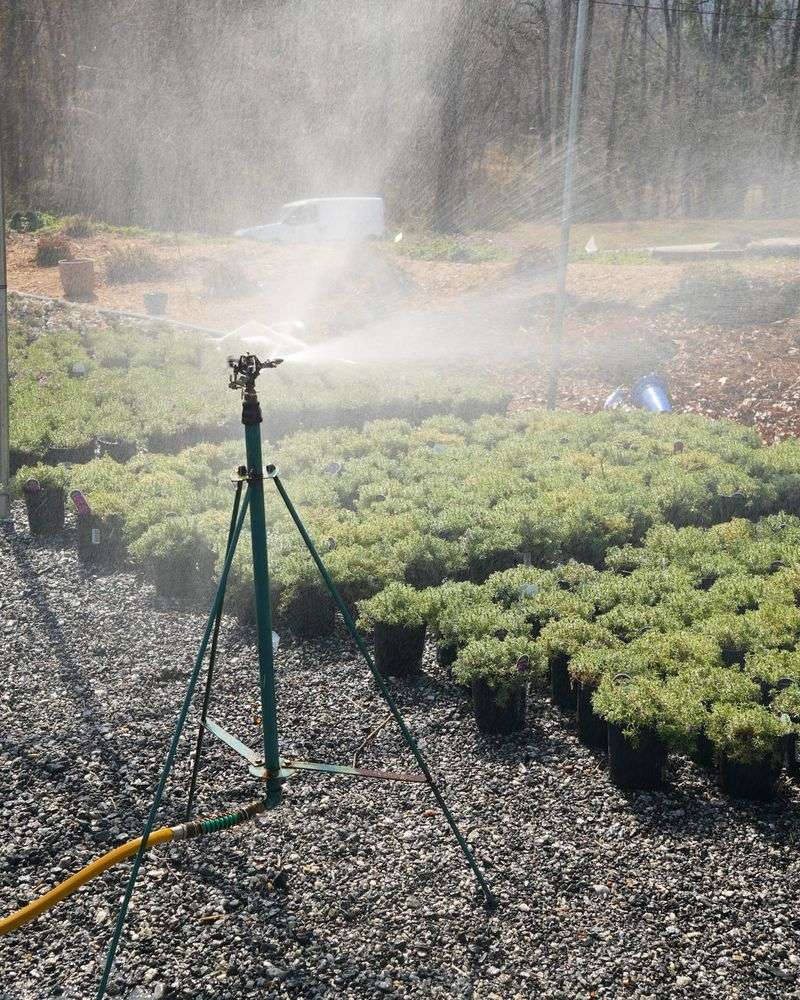
No two weeks in a Texas garden are exactly the same. One week you might get a surprise rainstorm, and the next you could face a brutal heat wave with zero rain in sight.
That is why following a rigid watering schedule in Texas rarely works as well as people hope.
During extreme heat waves, your vegetable garden may need water more frequently than usual. When temperatures push past 100 degrees for several days in a row, the soil dries out much faster than normal.
Checking the soil daily during those stretches helps you catch moisture problems before your plants start showing signs of stress.
After a good rainfall, you can often skip one or two scheduled waterings. Overwatering is just as harmful as underwatering, and adding more water to already saturated soil can suffocate roots and invite root rot. Let the rain do the work when it shows up.
Soil type also plays a big role in how often you need to water in Texas. Sandy soils drain quickly and dry out fast, so gardens with sandy soil may need more frequent watering.
Clay soils hold onto moisture much longer, which means you can wait a bit more between sessions without stressing your plants.
The smartest approach is to check soil moisture before you water rather than going by the calendar. Push your finger about two inches into the soil near the base of a plant. If it feels dry at that depth, it is time to water. If it still feels moist, give it another day.
This simple habit takes the guesswork out of Texas garden watering and saves water at the same time.
Use Mulch To Keep Moisture In The Soil
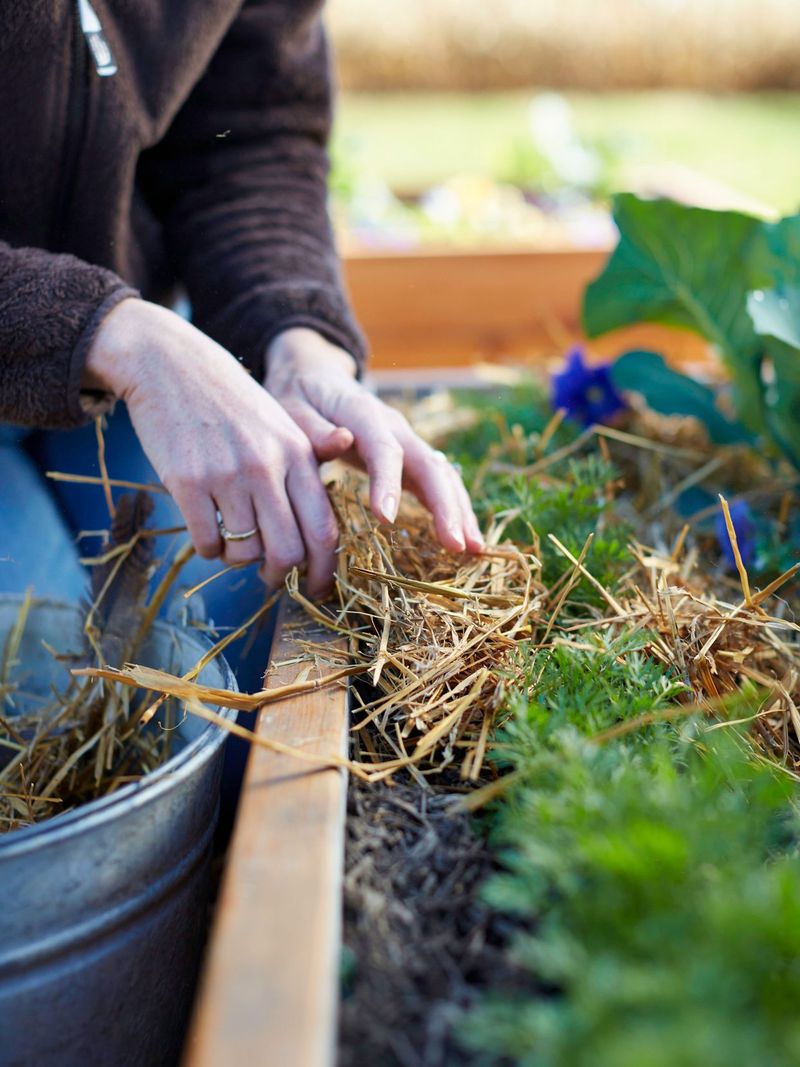
If there is one single thing that can transform how well your Texas vegetable garden holds up through the summer, it is mulch.
Laying a thick layer of mulch around your plants is one of the easiest and most effective strategies any Texas gardener can use, and it works quietly in the background every single day.
Mulch acts like a blanket over the soil. It blocks the intense Texas sun from hitting the ground directly, which dramatically slows down evaporation.
Soil that is covered with mulch stays moist much longer than bare soil, which means you can go longer between waterings without stressing your plants.
Beyond moisture retention, mulch also helps keep soil temperatures cooler. Bare soil in a Texas garden can heat up to temperatures that actually harm root systems.
A good layer of mulch buffers that heat and keeps the root zone at a more comfortable temperature, even on the hottest days of the year.
Organic mulches are the best choice for vegetable beds. Straw is a popular option because it is light, easy to spread, and breaks down slowly.
Shredded leaves are another great choice and are often free if you have trees in your yard. Compost can also be used as a mulch layer and has the added bonus of feeding the soil as it breaks down over time.
Aim for a mulch layer that is two to four inches thick around your plants. Keep it a few inches away from the base of each plant stem to prevent moisture buildup right against the stem.
Mulching is a simple habit that pays off in a big way for Texas vegetable gardens throughout the entire growing season.