How To Winterize A Rain Barrel Before New York’s First Hard Freeze
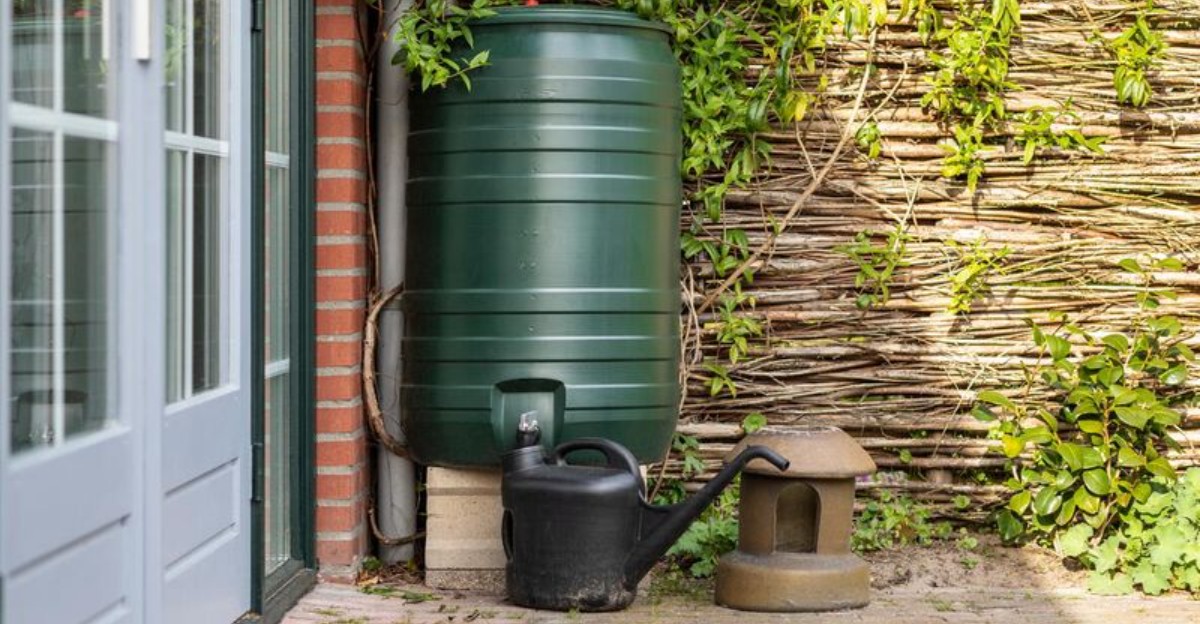
Water grows by about nine percent when it freezes, and that push can split a plastic tank wide open. I learned this the hard way when a full tank in my yard cracked along a seam overnight.
In New York, the first hard freeze can arrive in late September in the Adirondacks and higher hills. Down in New York City and on Long Island, that same hard freeze often waits until November.
The spigot and the overflow fittings are often the first parts to crack, since water trapped inside small fittings has nowhere to expand. You need to check those small parts closely, since a hairline split rarely shows until spring rains return.
I like the quiet chore of draining a tank on a cool October afternoon with the leaves dropping nearby. A few simple steps in the fall can keep your barrel in one piece until spring.
1. A Rain Barrel Needs To Be Empty Before The Cold Hits
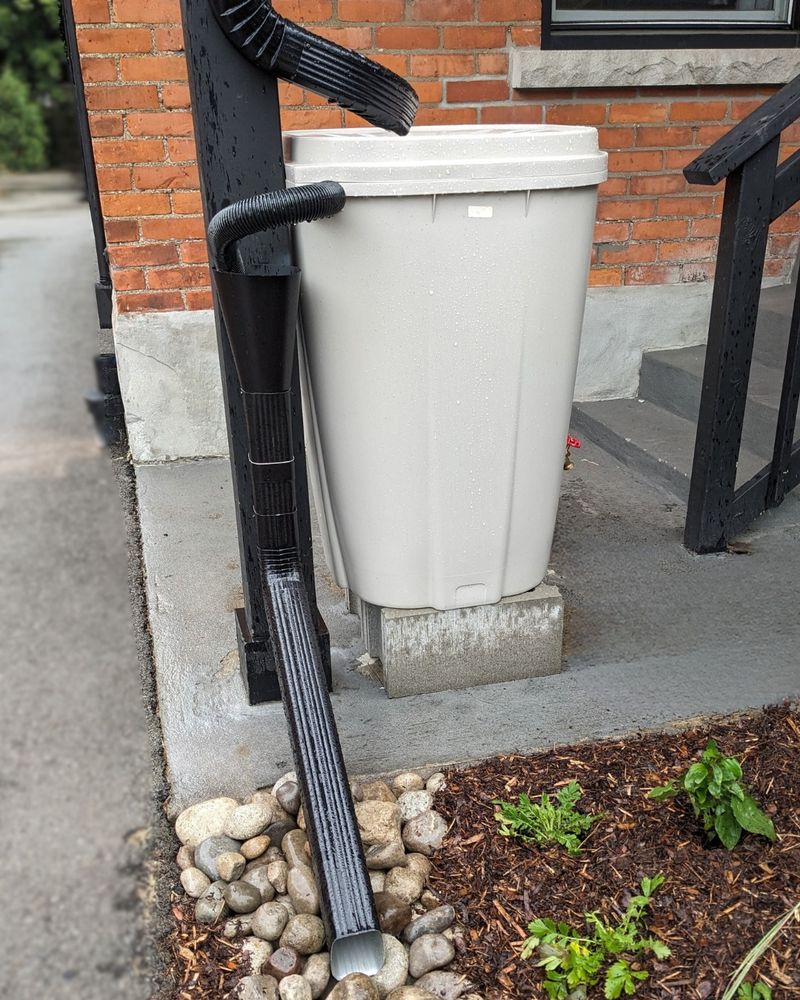
A rain barrel left full in a New York winter is basically a giant ice cube waiting to crack. The simple answer to winterizing is to drain it, disconnect it, and store it before the first hard freeze.
Many extension services, including programs across New York, suggest emptying barrels once nights start dipping below freezing. A hard freeze usually means air temperatures of 28 degrees or lower for several hours in a row.
Open the spigot at the bottom and let the water run out into a garden bed or lawn. That last batch of rainwater can give fall shrubs and newly planted bulbs one more helpful drink.
Once the flow slows down, tip the barrel gently on its side to pour out the rest. A full 55-gallon barrel weighs over 450 pounds, so only tip it after most water is gone.
Even a few inches of water left at the bottom can freeze, swell, and push against the plastic walls. Water expands by roughly nine percent as it turns to ice, which puts serious stress on seams.
Timing matters, so watch the local forecast from the National Weather Service during October in your part of New York. Upstate gardeners often need to act weeks earlier than folks living near the coast or in the city.
Draining early costs you very little, since fall rain rarely matters much for watering in a dormant garden. Waiting too long, on the other hand, can mean buying a brand new barrel next spring.
2. Pull The Spigot Before It Splits On You
Spigots are the tiny troublemakers of the rain barrel world, and they often crack before anything else does. Water trapped inside the valve has nowhere to go when it freezes, so the fitting takes the hit.
Most spigots unscrew by hand or with a small wrench once the barrel is empty and dry. Turn slowly so you do not strip the threads or tear the rubber washer sitting behind it.
Drop the spigot, washers, and any small fittings into a zip bag so nothing goes missing over winter. I like to tape that bag right onto the barrel lid, which saves a frustrating search in April.
Your New York Garden Changes Every Week. Your Plan Should Too.
Gardening in New York changes quickly throughout the season. Every Friday you’ll receive a simple weekly plan showing exactly what to plant, prune, fertilize, harvest, and protect so you never miss the right timing.
Overflow fittings near the top deserve the same treatment if they come off without too much effort. Some barrels have molded fittings that stay in place, so just make sure those are drained and dry.
Brass spigots handle cold a bit better than plastic ones, but neither type enjoys being frozen solid. Plastic turns brittle in low temperatures, so even a light bump from a shovel can snap it.
Take a quick look at the washer while it is off, since worn rubber often causes slow leaks. Replacement washers cost very little at most hardware stores and take only seconds to swap in place.
Cover the open spigot hole with duct tape so insects and debris stay out during the cold months. That small step keeps the inside cleaner and makes your spring setup go much faster next year.
3. Give Your Downspout Its Old Job Back
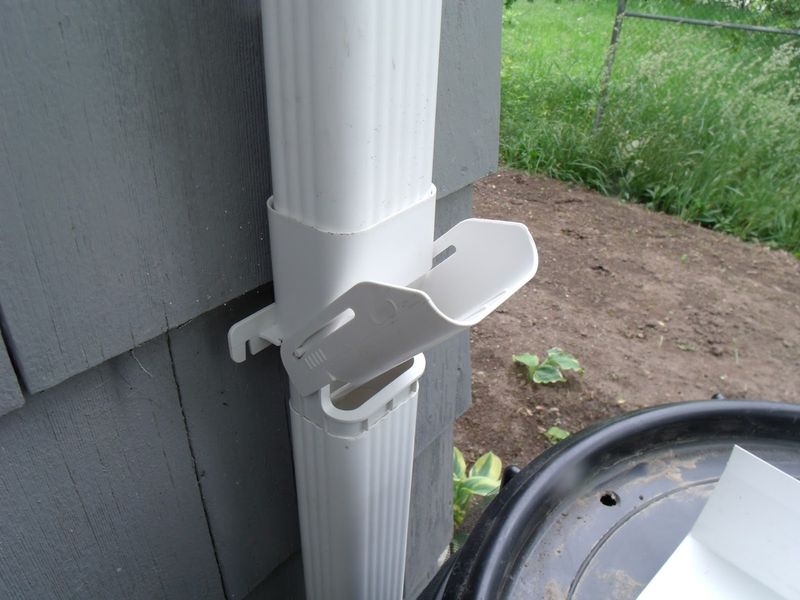
Your downspout spent all summer feeding the barrel, but in winter that water needs a new path away. Melting snow on a sunny January day can refill a connected barrel faster than most people expect.
Unhook any diverter hose or flexible connector that runs from the gutter into the top of the barrel. If you cut your downspout to fit the barrel, reattach the section you removed or add an extension.
Many diverter kits have a simple switch that sends water down the spout instead of into the hose. Flip it to the winter setting, then check that the diverter itself is empty of standing water.
Point the outlet at least four to six feet away from your house to protect the foundation. Water pooling near basement walls can freeze, thaw, and seep inside, which causes headaches every New York spring.
A splash block or a plastic downspout extension costs only a few dollars at most garden centers. Both help spread water across the lawn instead of letting it puddle into an icy patch near the steps.
October is also a great time to scoop leaves out of the gutters before the snow season starts. Clogged gutters can lead to ice dams along the roof edge, a problem many upstate homeowners know well.
Once the downspout runs freely again, your roof drains the way it did before the barrel arrived. That simple switch protects both your house and your barrel until warmer weather comes back around.
4. Scrub Out The Summer Gunk While It Is Still Mild
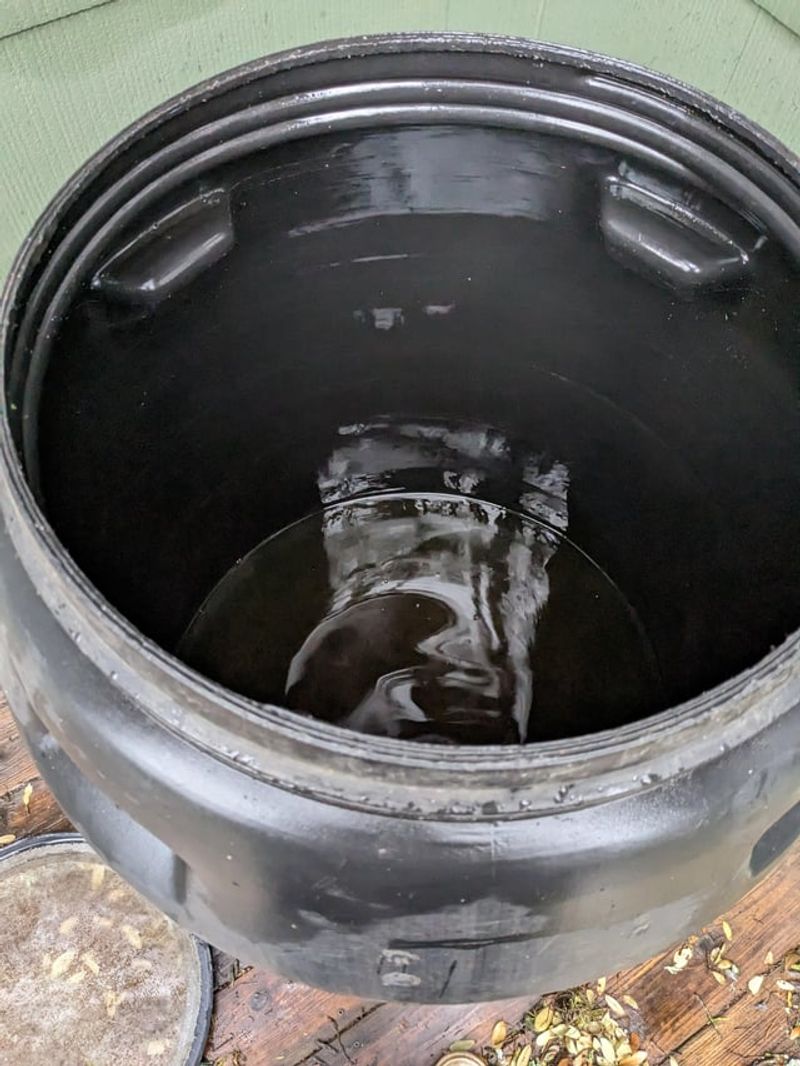
Lift the lid on a barrel in October and you may find a summer’s worth of leaves and grit. Cleaning it now, while afternoons are still mild, is far easier than scrubbing in a cold spring wind.
Start by scooping out the sludge at the bottom, which is usually roof grit, pollen, and decayed leaves. That dark muck can be spread thinly under ornamental shrubs, away from vegetable beds, to be safe.
Rinse the inside with a hose, then scrub the walls with a long brush and a little mild soap. Some gardeners use a mix of water and white vinegar, which helps loosen algae without harsh chemicals.
Skip bleach if you water vegetables from the barrel, since leftover residue is not something you want there. Rinse well after scrubbing so no soap or vinegar remains when you refill it next spring.
Pull out the mesh screen on top and brush away any trapped leaves, seeds, or insect eggs. Mosquitoes can lay eggs that survive winter, so a clean screen helps cut down next year’s population.
Let the barrel dry in the sun for a day or two before you move it into storage. Trapped moisture can grow mildew inside, which leaves a musty smell that lingers into the next season.
I find this job oddly satisfying, like closing up a summer cottage before the first snowfall arrives. A clean barrel also makes it easier to spot cracks, which we will look at a little later.
5. Store Your Barrel Upside Down Or Under Cover
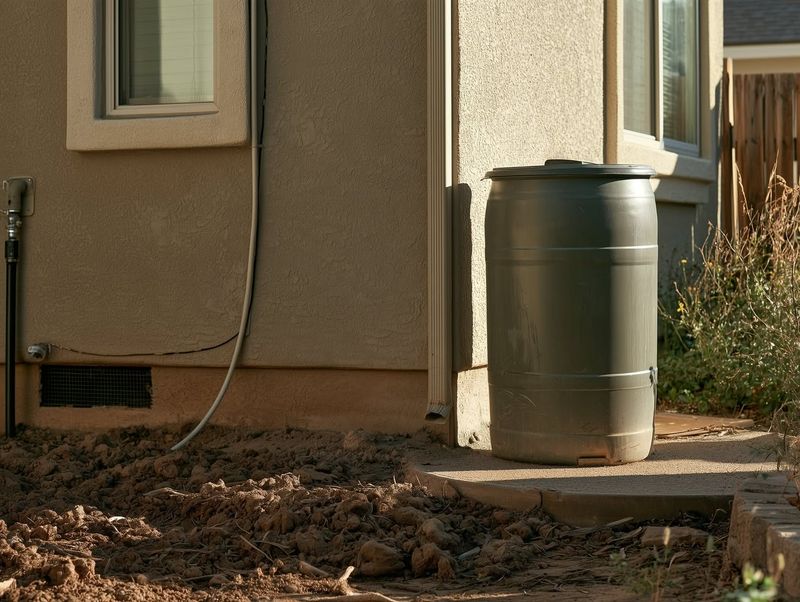
Garages, sheds, and basements make the safest winter homes for an empty rain barrel in New York. Keeping it out of the weather protects the plastic from cold, ice, and months of harsh winter sun.
Space can be tight, though, and a 55-gallon barrel takes up about as much room as a large trash can. If indoor storage is not possible, flip the barrel upside down and leave it outdoors on level ground.
Turning it over keeps rain and snow from collecting inside, which is a common cause of winter cracks. Many extension programs recommend this upside down method for gardeners who simply have no extra indoor room.
Strong winter winds can push an empty barrel across the yard, since it weighs only about 15 pounds. Tie it to a fence post or set a few bricks on top to hold it steady.
A tarp or a breathable cover adds another layer of protection against sunlight and heavy snow loads. Ultraviolet light slowly weakens plastic over time, even during short winter days with low sun angles.
Some people leave the barrel upright with the lid off, but that invites water, ice, and trouble. Snow melts and refreezes many times during a typical New York winter, especially in March and early April.
Keep the lid and screen together with the barrel so every piece is ready when spring arrives. A little planning in October saves you from hunting around the shed for missing parts in April.
6. Hoses Deserve A Warm Spot Too
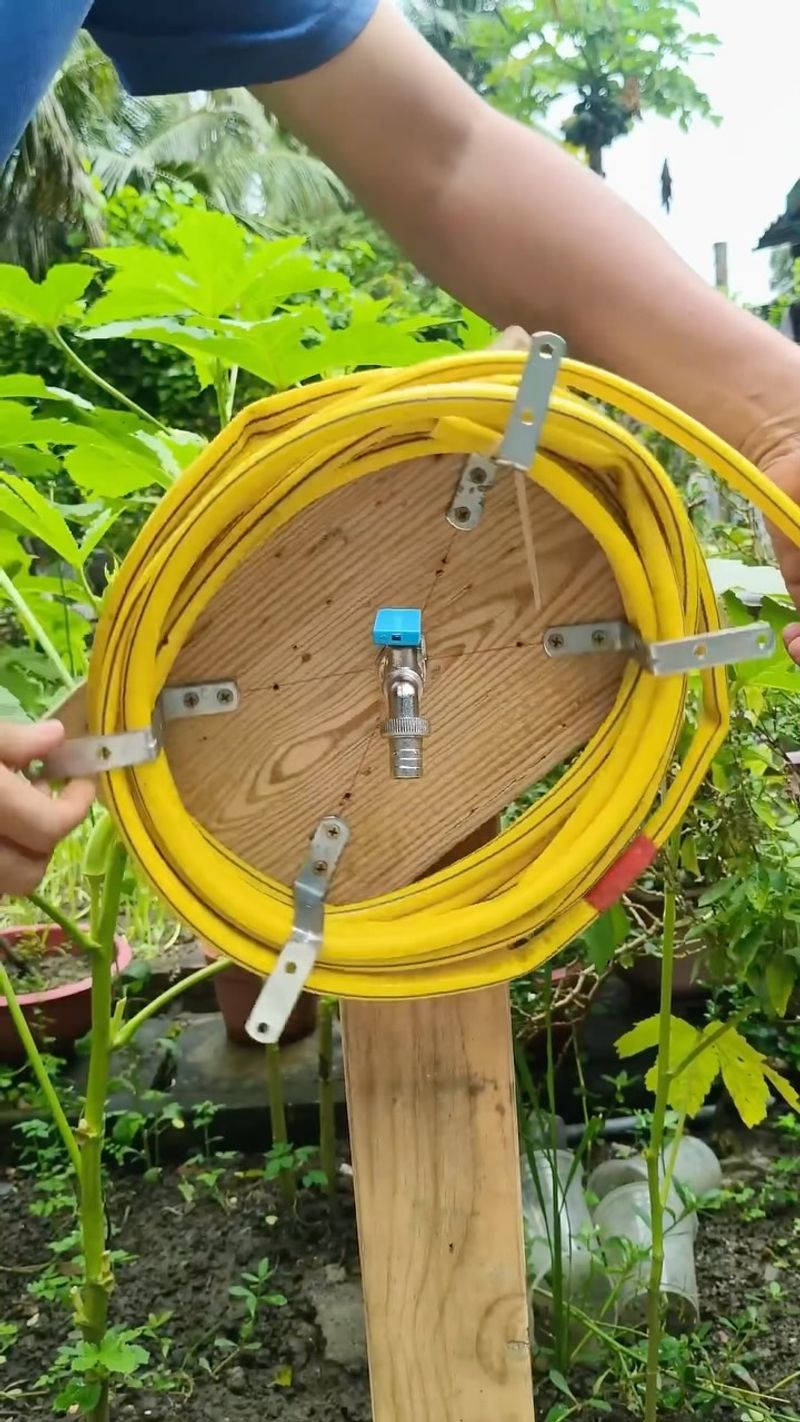
Soaker hoses and short connector hoses tied to your rain barrel hold more water than most people realize. A frozen hose can split along its length or crack at the metal or plastic coupling.
Stretch each hose out on a gentle slope so gravity can pull the leftover water out the end. Lifting one end over your shoulder and walking the length of it pushes out the rest pretty quickly.
Coil the hoses loosely, since tight loops can kink and weaken the walls during long cold months. Hang them on a wide hook or lay them flat on a garage shelf away from sharp tools.
Drip irrigation lines connected to barrels need the same care, along with any small filters or pressure regulators. Rinse the filters, let them dry, and store them in the same labeled bag as your spigot.
Watering cans and buckets you filled from the barrel all summer should be emptied and flipped over too. Plastic cans left half full by the porch steps can crack after a few freezing nights.
My grandfather kept his hoses in a wooden crate in the cellar, and they lasted for many years. Simple habits like that protect your gear far better than any fancy product sold at the store.
Give everything a quick look for cracks or soft spots before you put it away for the season. Making a short shopping list now means you can grab replacements during winter sales at hardware stores.
7. Check Every Seam For Tiny Cracks Now

Hairline cracks hide easily, especially near the bottom rim where the barrel sits on its stand. Fall is the best time to find them, because a small flaw can grow much larger after winter.
Shine a flashlight inside the clean, empty barrel while you look closely at the outside walls. Light poking through the plastic often reveals tiny splits that are hard to see in daylight alone.
Pay extra attention to the spots around the spigot hole, the overflow port, and any molded handles. Those areas have thinner plastic or sharp corners, which makes them the first places to show stress.
Small cracks can often be sealed with a plastic repair epoxy or a waterproof sealant made for tanks. Follow the label closely, since most products need warm, dry conditions above 50 degrees to cure properly.
October afternoons in much of New York still reach that range, so repairs now beat repairs in March. Mark any fixed spots with a bit of tape so you remember to check them again next year.
Do not forget the stand, since cinder blocks and wooden platforms can shift after a season of heavy water. A tilted base puts uneven pressure on the barrel and can tip it over once it is refilled.
Level the ground beneath the stand with gravel or sand before the soil freezes hard for the season. A barrel with deep cracks across the base is usually better recycled than patched again and again.
8. Plan Your Spring Setup Before The Snow Flies
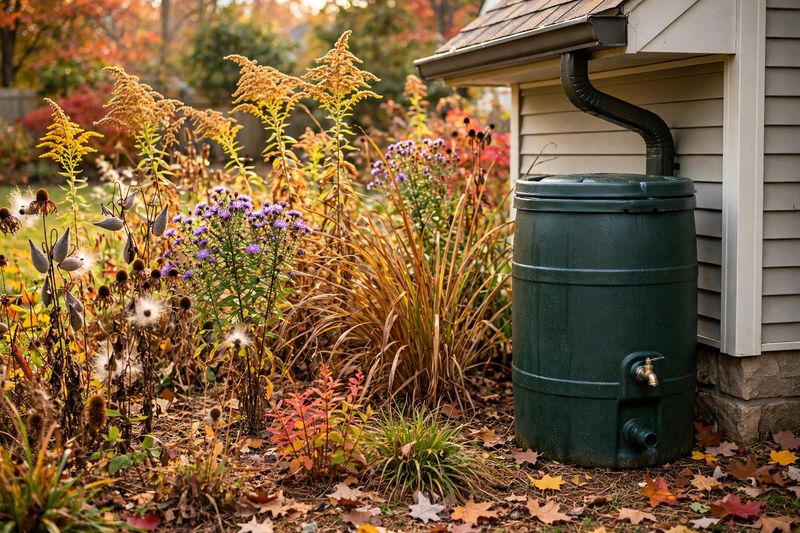
Winter is a quiet season for the barrel, but it is a busy season for planning ahead. Jotting down what worked this year helps you set up a smarter rainwater system when spring returns.
Think about whether your barrel filled too fast during summer storms or sat half empty for weeks. One inch of rain on a 1,000 square foot roof produces roughly 600 gallons of runoff water.
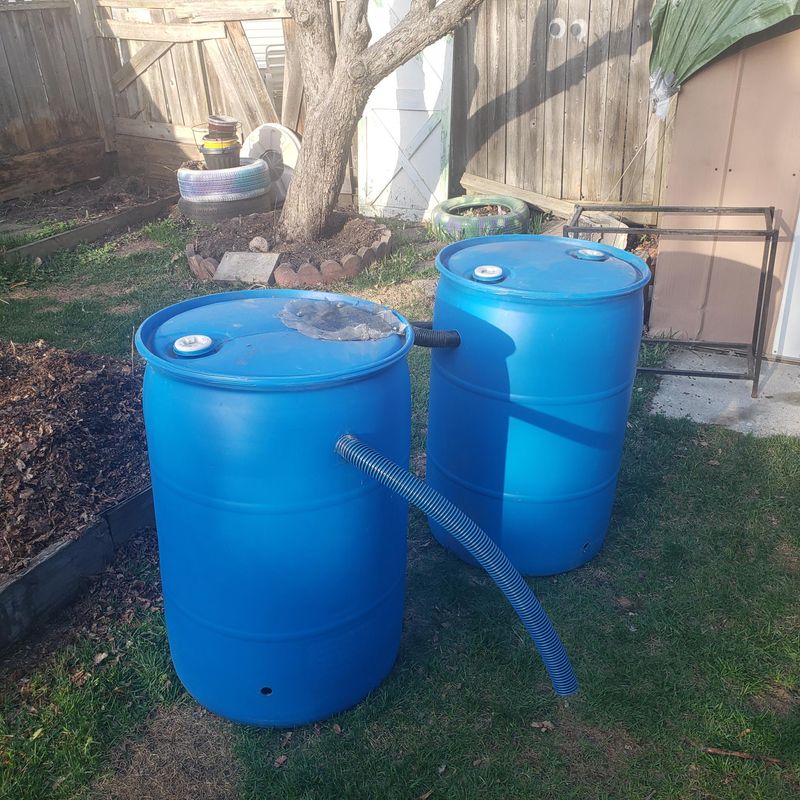
That number surprises many gardeners, and it explains why linking two barrels together is so popular in gardens. A simple connector hose between barrels lets extra water flow from one into the next without overflowing.
Some New York towns and soil and water conservation districts hold rain barrel workshops or sales in spring. Check their websites over the winter, since popular events and discount barrels often fill up quickly.
Plan to set your barrel back up after the last hard freeze, which varies widely across the state. Long Island may be ready in April, while parts of the North Country wait until late May.
Keep in mind that rain barrel water is meant for plants, not for drinking or cooking. Many extension services suggest watering soil directly instead of leafy greens when using roof runoff on vegetables.
I love opening the shed in spring and finding a clean barrel with every part ready to go. A few chores this October make that first spring rain feel like a small reward for your effort.