The Clocks Fall Back Soon, And Your New York Houseplants Will Feel It
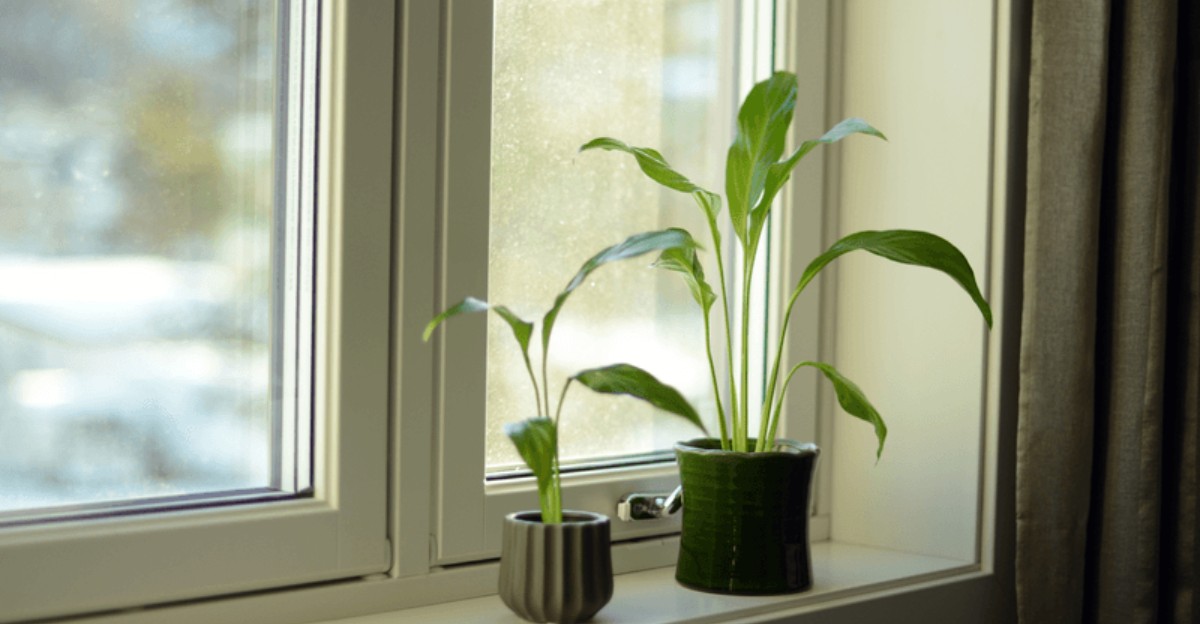
Your monstera can’t read a clock, but it’s been feeling the days shrink for weeks. On Sunday, November 1, 2026, New York sets its clocks back an hour.
The time change doesn’t steal daylight, but it’s a reminder that winter is coming. By late December, the state gets only about nine hours of light.
Your plants feel it in their leaves and roots. Growth slows, soil stays wet longer, and new problems can creep in.
Winter doesn’t have to mean droopy leaves and soggy soil. The tips below keep your houseplants steady until the days grow long again.
Shorter Days Mean Less Light For Houseplants
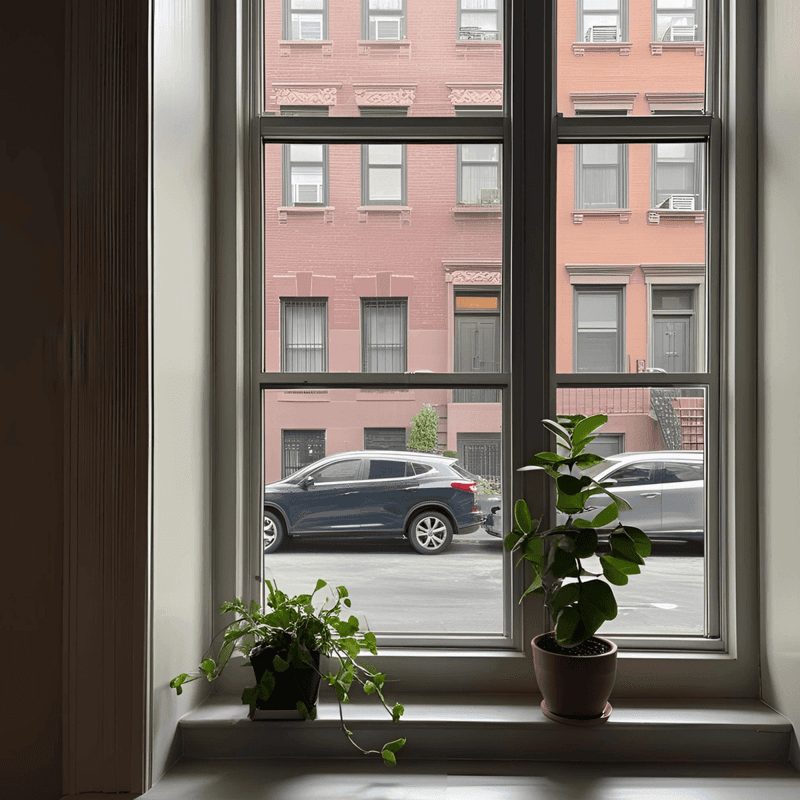
Picture your plants as tiny solar panels that suddenly lose an hour of daylight. Every leaf runs on sunshine, so darker afternoons hit them right where it counts.
The clock change itself is just a number shift for people. Plants respond to how long and how strong the light is each day.
Here in New York, November days already shrink toward about nine and a half hours of sun. By late December, the city gets barely more than nine hours.
Winter sun also sits lower in the sky, so its rays feel weaker. Indoor light can drop to a small fraction of summer levels near the same window.
Photosynthesis is the process plants use to turn light into food. When light runs short, they make less food and slow their growth to save energy.
Some plants seem to take a long nap called dormancy. They may sit still for weeks without pushing out a single new leaf.
Tropical plants feel the pinch most, since they come from places with steady sun all year. Calatheas, alocasias, and fiddle leaf figs often sulk first when days shorten.
Succulents and cacti handle it better, though they still notice the change. Snake plants and ZZ plants are tough choices for darker months.
A smart first step is simply noticing which plants seem droopy or slow. Jot down a quick note on your phone so you can track changes.
Paying attention now makes every other tip on this list easier to use. Small adjustments early beat big rescue missions later.
Move Plants Closer To Your Brightest Windows
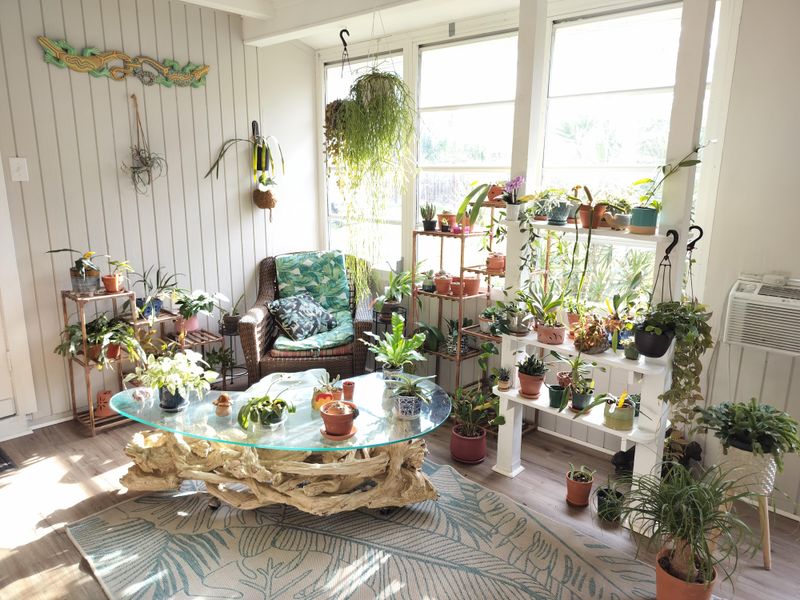
Think of fall as moving day for your leafy roommates. A spot that worked great in July might feel like a cave by mid-November.
Start by figuring out which way each window faces. A free compass app on your phone can answer that in seconds.
South-facing windows win the winter light contest by a wide margin. They deliver the strongest and longest sunshine through the darker season.
West-facing windows offer bright, warm afternoon light that many plants enjoy. East-facing windows give softer morning sun, which suits ferns and calatheas nicely.
North-facing windows provide the least light of all. Only true low-light lovers, like ZZ plants and pothos, tend to cope there through winter.
In a tall building, neighbors matter too. A brick wall across the airshaft can block more sun than any compass reading suggests.
Your New York Garden Changes Every Week. Your Plan Should Too.
Gardening in New York changes quickly throughout the season. Every Friday you’ll receive a simple weekly plan showing exactly what to plant, prune, fertilize, harvest, and protect so you never miss the right timing.
Distance from the glass makes a huge difference. Light strength can drop by half just a few feet back from a window.
Try to place plants within one or two feet of the pane. Just keep leaves from pressing against the cold glass itself.
Plant stands and narrow shelves help you fit more pots near good light. Tiered stands can turn one sunny window into a cozy little jungle.
Give each plant a week or two to adjust after moving. A few dropped leaves are normal while they settle into their new spot.
Clean Windows To Let More Light In
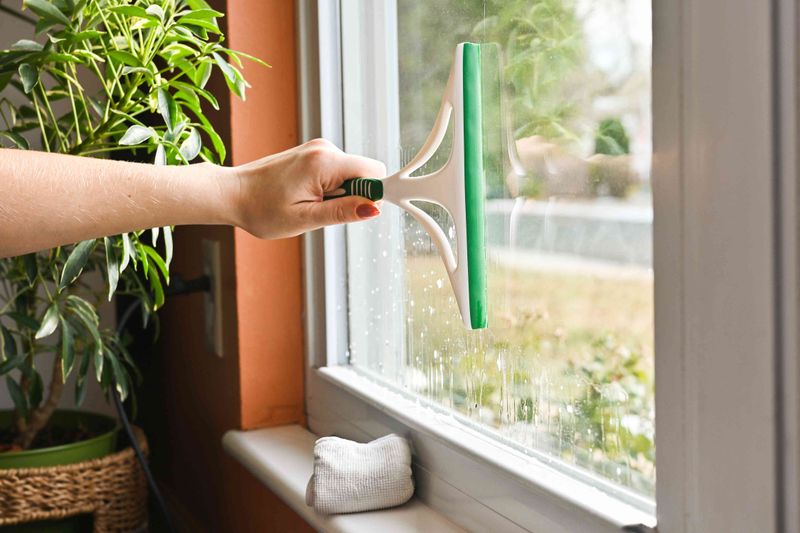
Ever wiped a window and gasped at the gray streak on your cloth? That gunk has quietly been stealing sunshine from your plants all year.
Dust, pollen, and soot build up faster than most people realize. Some estimates suggest dirty glass can block up to half of incoming sunlight.
City life makes the problem worse. Traffic, construction dust, and rain spots coat outside panes in just a few weeks.
Inside surfaces get grimy too, especially near kitchens. Cooking oils leave a thin film that dulls the light without you noticing.
A simple mix works wonders for the job. Combine equal parts water and white vinegar in a spray bottle for a cheap, gentle cleaner.
Use a microfiber cloth instead of paper towels. Microfiber grabs dust well and leaves fewer streaks and lint behind.
Do not forget the window screens, which can trap plenty of dirt. Many people remove them for winter to let in extra light.
Plant leaves need cleaning as well, since dust settles on them too. Wipe big leaves gently with a damp cloth every few weeks.
If outside panes are hard to reach, check with your building. Many landlords schedule professional window washing in the fall.
Plan a fresh cleaning right after the clocks change. Brighter glass gives your plants a real boost during the gloomiest weeks of the year.
Rotate Pots So Every Side Gets Sun
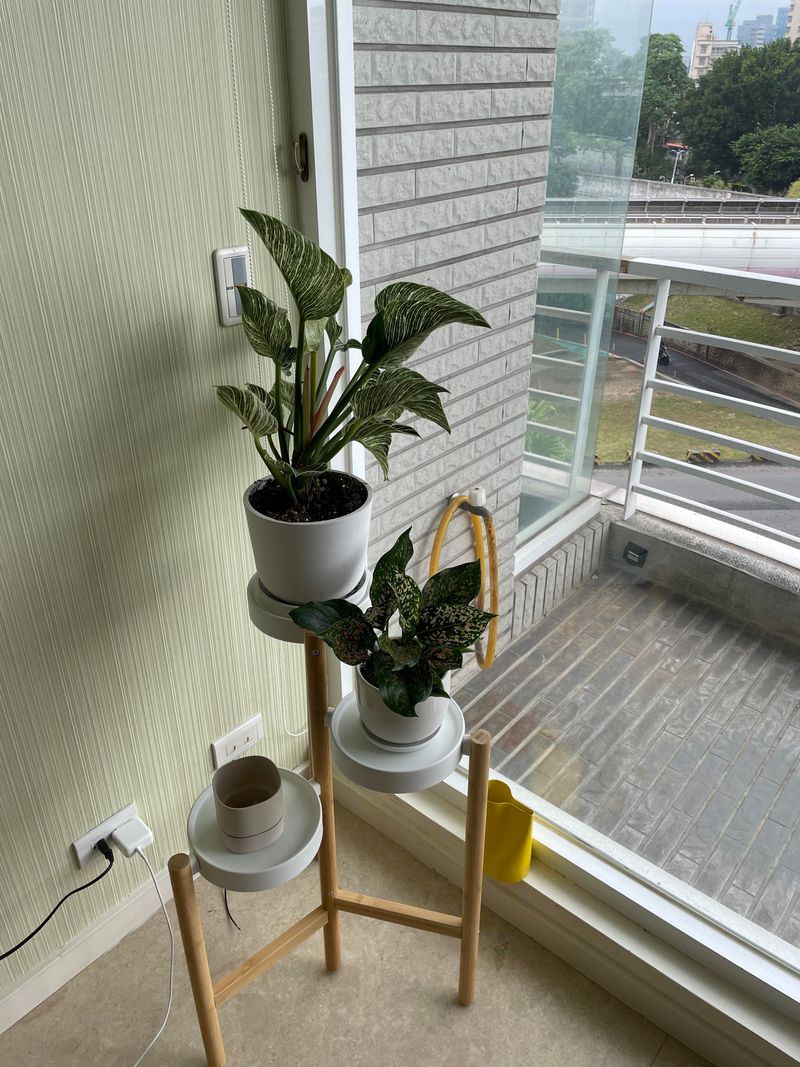
Your plant is secretly a sunflower at heart. Leave it in one spot long enough, and it starts leaning toward the window like it wants to escape.
Scientists call that leaning phototropism. Cells on the shady side of the stem grow longer, which bends the plant toward the light.
Over time, one side becomes full and lush while the other side looks thin. The plant can even tip over if the weight gets too uneven.
Winter makes the habit stronger, since light comes from fewer directions. Low sun angles push plants to stretch sideways more than usual.
The fix is pleasantly easy. Give each pot a quarter turn every two to three weeks.
Many plant lovers spin their pots each time they water. Pairing the two tasks means you rarely forget either one.
A small trick helps you keep track. Stick a tiny piece of tape or a dot of marker on one side of each pot.
Heavy pots can be tough to turn, especially big floor plants. Rolling plant caddies make rotating them simple and save your back.
One important exception involves flowering plants. Christmas cactus and orchids may drop their buds if moved once buds appear.
Leave those bloomers in place until the flowers finish. Your patience will pay off with a colorful show during the gray winter.
Water Less As Growth Slows
Here is a twist that surprises plenty of plant parents. Winter harms more houseplants through too much love than through neglect.
Soggy soil is the top winter troublemaker. Slower growth means roots drink far less than they did in summer.
When light drops, plants use less water to make food. Soil stays damp much longer, sometimes for weeks.
Wet soil with no movement invites root rot, a fungus problem that harms roots. Rotting roots cannot carry water, so leaves droop even in soaked soil.
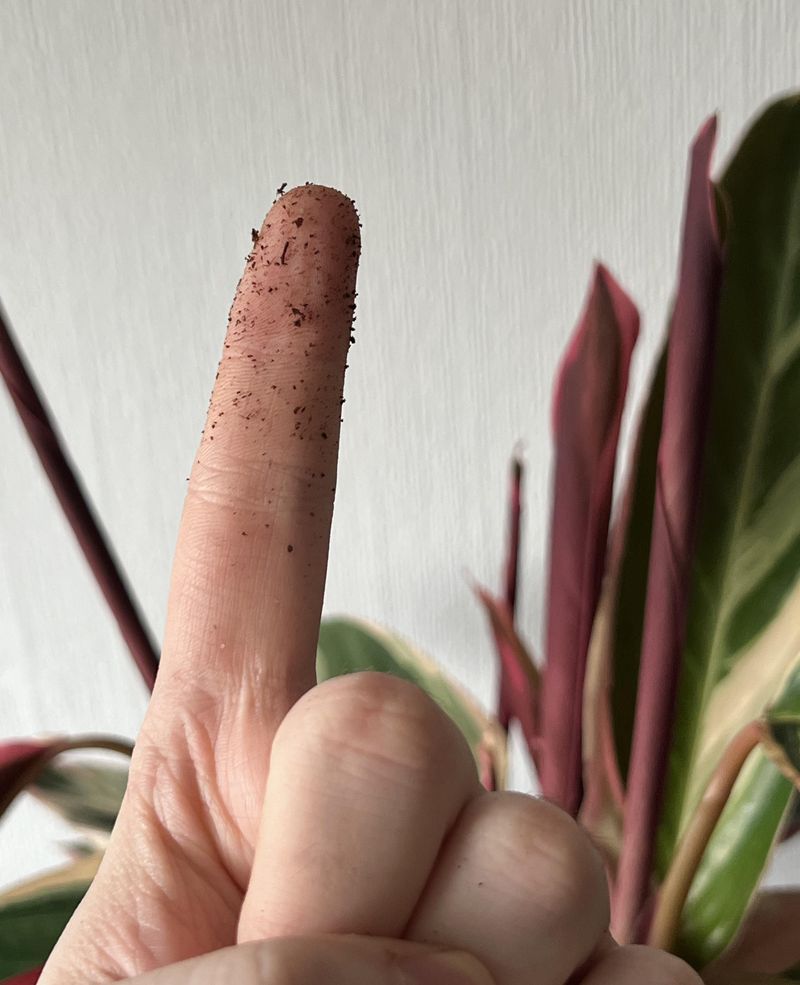
Before watering, push your finger into the soil. If the top inch or two feels damp, wait a few more days.
A cheap moisture meter can help if you feel unsure. Lifting the pot also works, since dry soil feels noticeably lighter.
Watch for warning signs of overwatering. Yellow or mushy leaves, soft stems, and fuzzy mold on the soil all point to trouble.
A sour, swampy smell from the pot is another red flag. Slimy brown roots mean it is time to trim and repot quickly.
Make sure every pot has a drainage hole. Empty saucers after watering so roots do not sit in puddles.
Room temperature water is gentler than icy tap water. Let a pitcher sit out overnight, and your plants will thank you.
Pause Most Fertilizer Until Spring
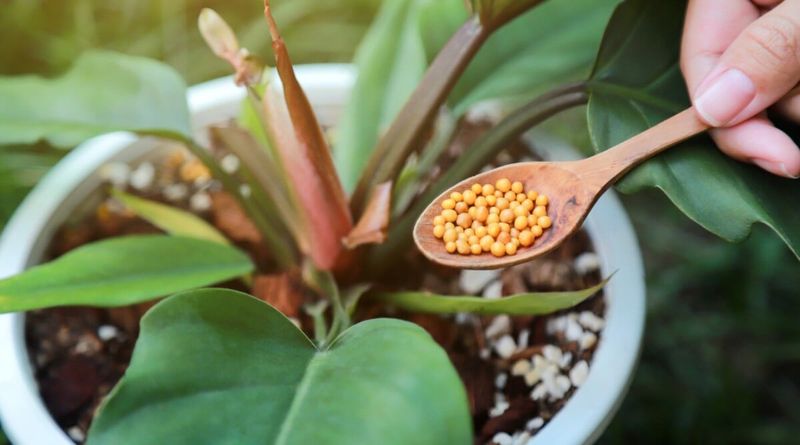
Imagine someone serving you a five-course dinner while you are trying to sleep. Feeding resting plants feels a lot like that to them.
Fertilizer gives plants extra nutrients for building new leaves and roots. During winter, most houseplants are barely growing, so they need very little food.
Unused fertilizer does not just disappear from the pot. Salts build up in the soil and can burn tender roots.
A white crust on the soil or pot rim is a clue. Brown, crispy leaf tips can also signal too much fertilizer.
Most growers stop feeding around October. They start again in late February or March, when days grow longer and new leaves appear.
Mark a reminder on your calendar for spring. New York usually sees a big jump in daylight by mid-March.
There is one notable exception to the rule. Plants growing under strong grow lights may keep growing all winter.
Those busy plants can get fertilizer mixed at about one-quarter strength. Feed them once a month instead of every two weeks.
If salt has already built up, flush the soil. Run plenty of water through the pot and let it drain fully in the sink.
Fun fact: many plants store nutrients in their roots and stems. That stored energy helps them push out fresh growth once spring sunshine returns.
Keep Plants Away From Radiators And Cold Glass
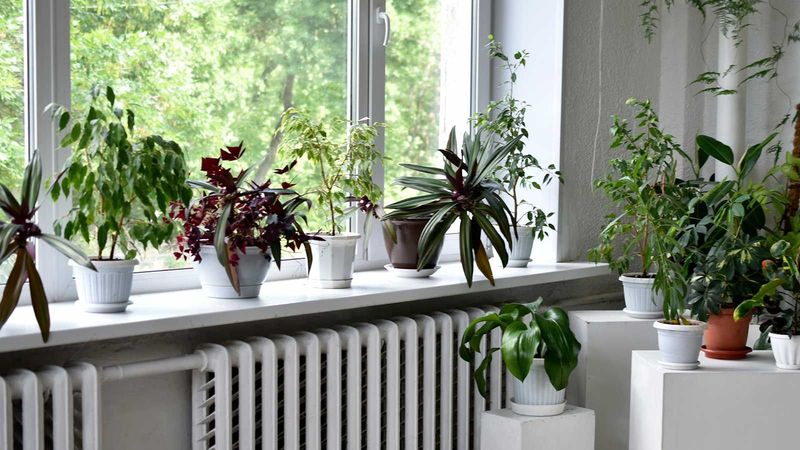
Anyone who has lived in a prewar New York apartment knows the radiator drama. It clanks, it hisses, and sometimes it turns your bedroom into a sauna.
That blasting heat is rough on houseplants. Hot, dry air pulls moisture from leaves faster than roots can replace it.
Leaves may turn crispy at the edges or curl inward. Spider mites also love warm, dry spots and can multiply quickly there.
Plants placed right above a radiator suffer most. Rising heat bakes them from below all day long.
Cold glass causes the opposite problem on freezing nights. Leaves touching a frosty pane can get chilled, turning brown, black, or mushy.
Drafty old windows let icy air sneak in too. Sudden cold blasts can shock tropical plants and make them drop leaves.
Aim to keep sensitive plants about two to three feet from very cold windowsills. On mild days, they can scoot closer for extra light.
A quick hand test helps you find safe spots. If you feel warm air or a chilly draft, move the pot.
A humidifier can ease that dry radiator air. Grouping plants together also raises humidity around them in a natural way.
Heavy curtains offer another clever fix at night. Close them after sunset to trap warmth, keeping plants on the room side.
Add A Grow Light For Dim Rooms
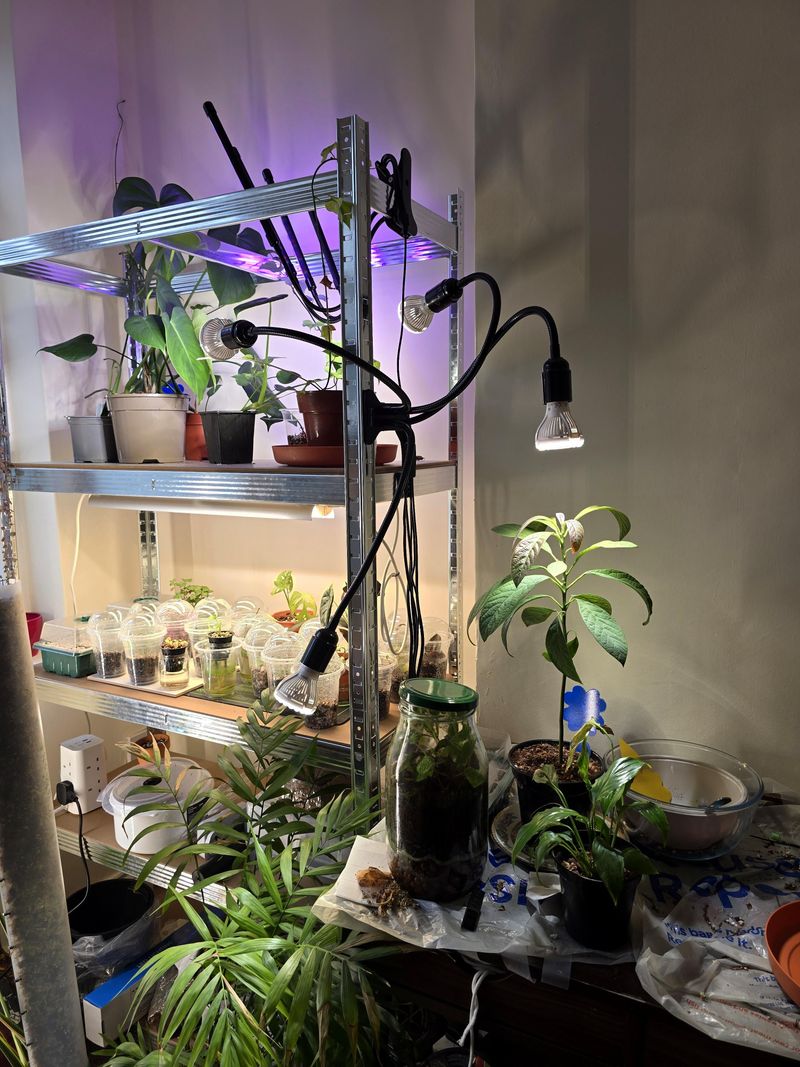
Not every apartment comes with a sunny window, and that is okay. A grow light can turn a gloomy corner into a happy plant spot.
Grow lights give plants the light energy they miss in winter. Even a single bulb can make a visible difference within a few weeks.
LED grow lights are the most popular choice today. They use little electricity, stay fairly cool, and last for years.
Look for lights labeled full spectrum. Those mimic sunlight and support healthy leaves and roots.
Here is a neat bit of science about color. Blue light encourages leafy growth, while red light helps plants bloom.
Most houseplants enjoy about 12 to 16 hours of light each day. They also need at least six hours of darkness to rest and process food.
A simple outlet timer makes the routine effortless. Set it once, and your plants get steady light even when you work late.
Distance matters a lot with grow lights. Most work best between 6 and 24 inches from the leaves.
Check the product instructions for the right height. Bleached or scorched spots mean the light sits too close.
Clip-on lights work well for small apartments with limited space. In New York, where studio apartments are common, they make indoor gardening possible anywhere.
Watch For Leggy Growth And Pale Leaves
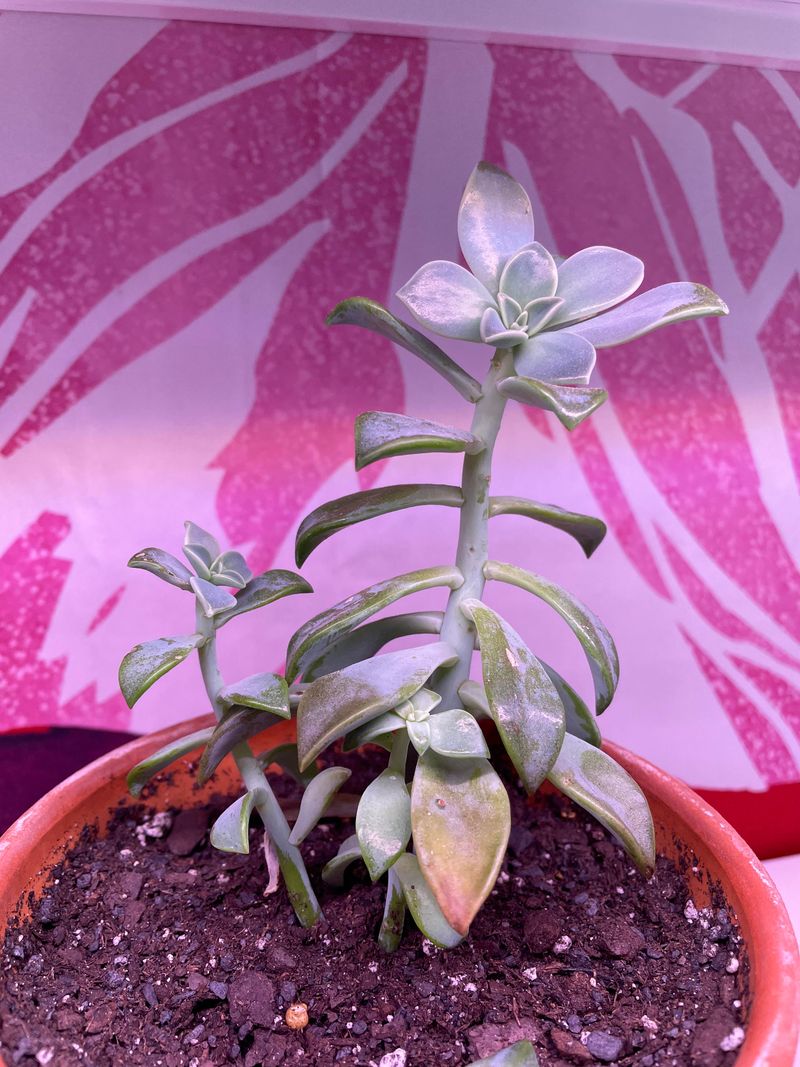
Plants cannot text you for help, but they do send signals. A stretched, spindly stem is basically a plant waving its arms for more light.
Gardeners call that stretching leggy growth, or etiolation. Stems grow long and thin with big gaps between leaves.
The plant is trying to reach a brighter spot. Sadly, the new growth often ends up weak and floppy.
Leaf color tells a story too. New leaves may come in smaller, paler, or even slightly yellow.
Variegated plants show trouble in a special way. Their white or cream patterns can fade as leaves turn mostly green to grab more light.
Succulents give an especially clear sign. They start leaning or stretching tall instead of staying tight and compact.
When you spot these clues, add more light right away. Move the plant closer to a window or set it under a grow light.
Leggy stems will not shrink back on their own. In spring, you can trim them to encourage fuller, bushier growth.
Many trimmed pieces, like pothos and tradescantia, root easily in water. That means a little pruning can give you free new plants.
Check your plants every week through the dark months. With careful watching, your New York houseplants can stay healthy until the longer days of spring return.