Hummingbirds Love To Come Back To These Nectar-Rich Summer Flowers
There is something quietly extraordinary about the moment a hummingbird decides your garden is worth its time.
One second the air is still, and the next, a blur of iridescent green is suspended inches from a flower, wings beating faster than the eye can follow.
Most people assume attracting these birds takes special feeders, careful timing, or a lot of luck. In reality, it often comes down to something far simpler: the plants you choose.
Hummingbirds are creatures of instinct, and they follow nectar the way the rest of us follow the smell of fresh coffee. Give them the right flowers, and they will show up on their own terms, reliably and often.
These summer blooms tend to be among the ones that catch their attention, so consider this your starting point.
1. Bee Balm
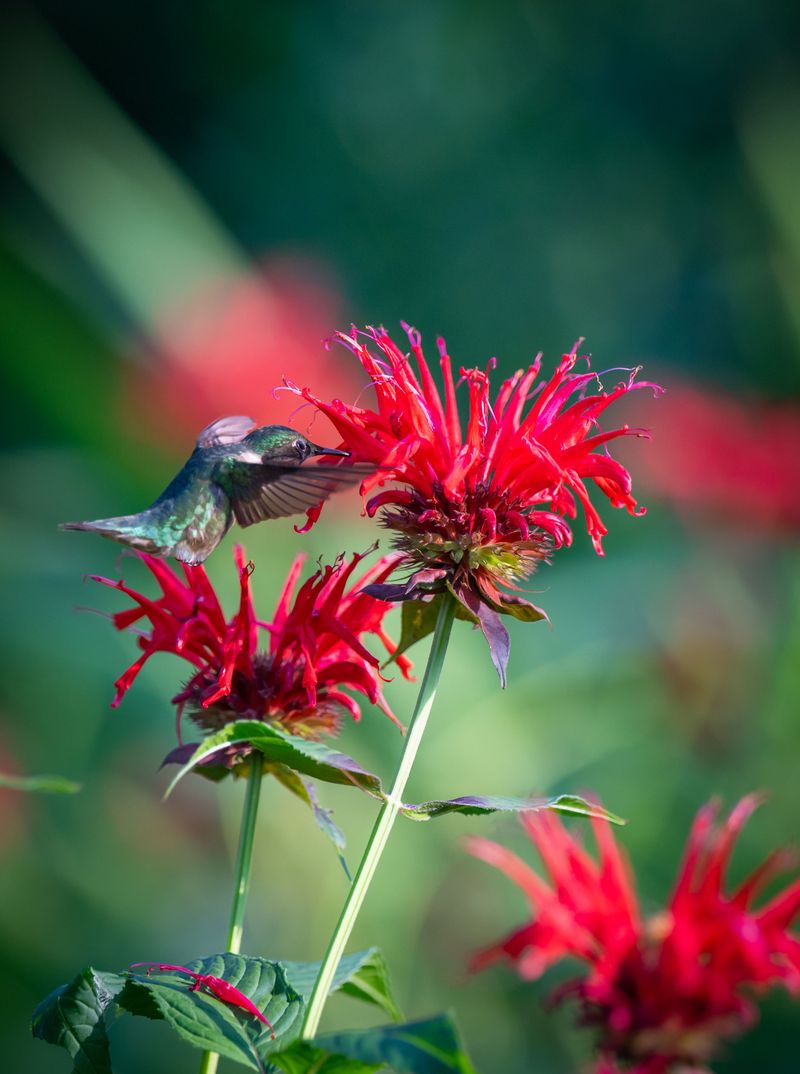
Few plants throw a summer party quite like bee balm. Its wild, spiky blooms look like tiny fireworks exploding in shades of red, pink, and purple. Hummingbirds rarely seem to pass it by.
Native to North America, bee balm has fed pollinators for centuries. Indigenous communities also used it as a tea herb, which gives this plant a rich, layered history worth appreciating.
The tubular florets that make up each bloom are perfectly shaped for a hummingbird’s long beak. Nectar sits deep inside, so these birds are practically designed to sip from it.
Plant bee balm in full sun for the best results. It spreads easily over time, so give it room and enjoy the expanding colony of blooms each season.
Remove spent flowers regularly to encourage new growth throughout summer. This keeps the nectar supply fresh and gives hummingbirds a reason to return again and again.
Bee balm also attracts butterflies and bees, making it a triple win for any pollinator garden. One plant can genuinely transform a dull corner into a buzzing, fluttering hub of activity.
It thrives in USDA zones 3 through 9, making it one of the most adaptable choices on this list. Whether your summers are mild or scorching, bee balm handles the heat with style.
If you want nectar-rich summer flowers that work hard and look stunning, start here. Bee balm earns its place at the top every single time.
2. Scarlet Sage
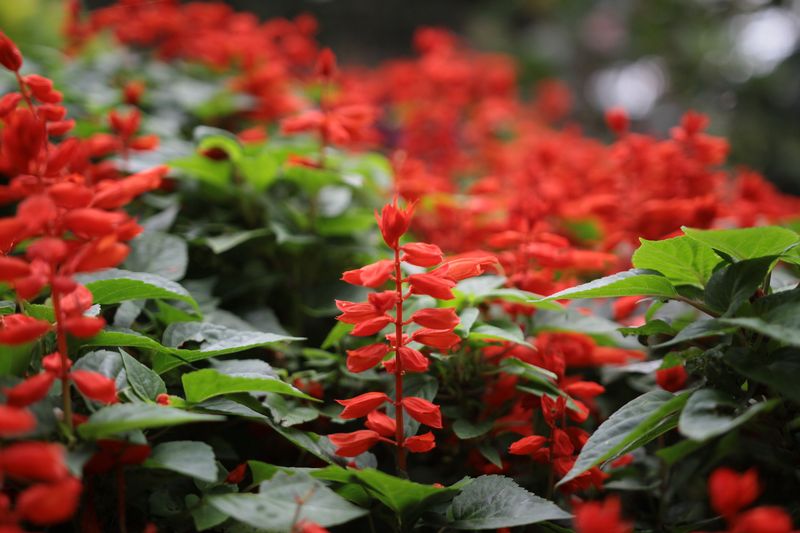
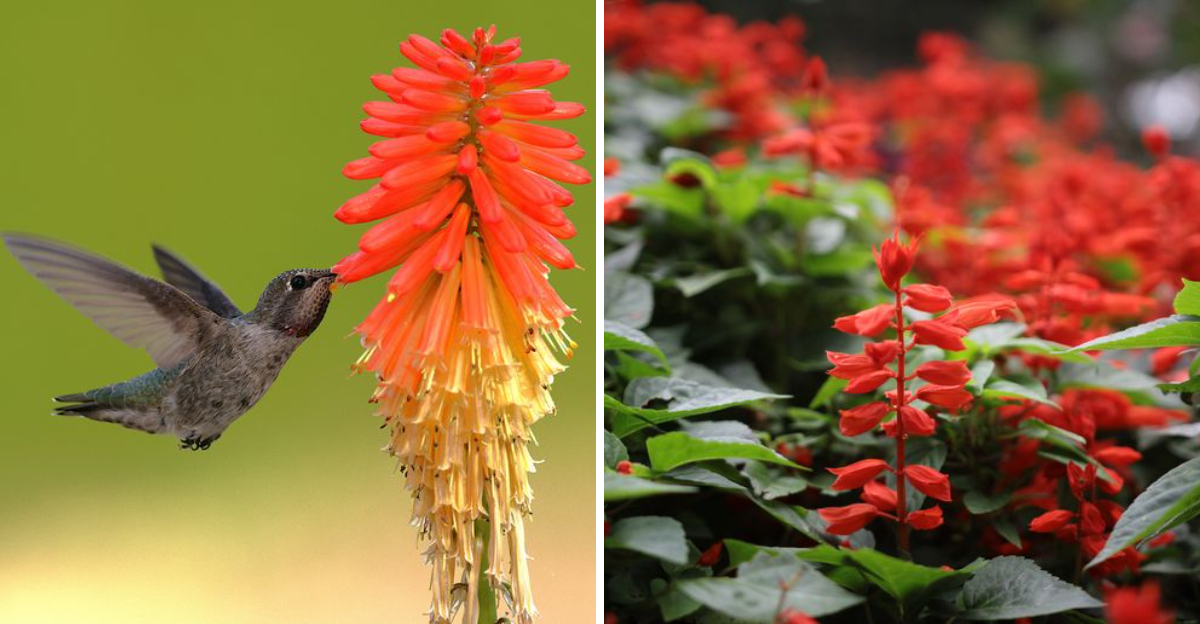
Scarlet sage is basically a neon sign that says “hummingbirds welcome here.” The intense red spikes shoot upward like little torches, visible from across any yard. No bird can ignore that color.
Also called Salvia splendens, scarlet sage is a tropical plant often grown as an annual in North America. It blooms from early summer straight through the first frost, giving hummingbirds a reliable food source for months.
The tubular flowers hold generous amounts of nectar, perfectly matched to a hummingbird’s feeding style. Birds hover, sip, and dart away, only to circle back minutes later for another round.
Scarlet sage loves full sun and warm temperatures. Plant it in well-drained soil and water consistently, and it will reward you with an almost unbroken parade of blooms all season long.
One smart trick is to plant scarlet sage near a window or patio where you spend time outdoors. You will get front-row seats to some of the best aerial acrobatics nature offers.
Scarlet sage stays relatively compact, usually reaching somewhere between 12 and 24 inches tall depending on the variety.
That makes it ideal for container gardens, borders, and window boxes where space is limited but impact matters.
Pair it with white or purple companions to make the red pop even harder. The contrast draws the eye and signals to passing hummingbirds that your garden means business.
Scarlet sage delivers bold color, steady nectar, and nonstop hummingbird action. Plant it once and you will wonder why you waited so long.
3. Trumpet Honeysuckle
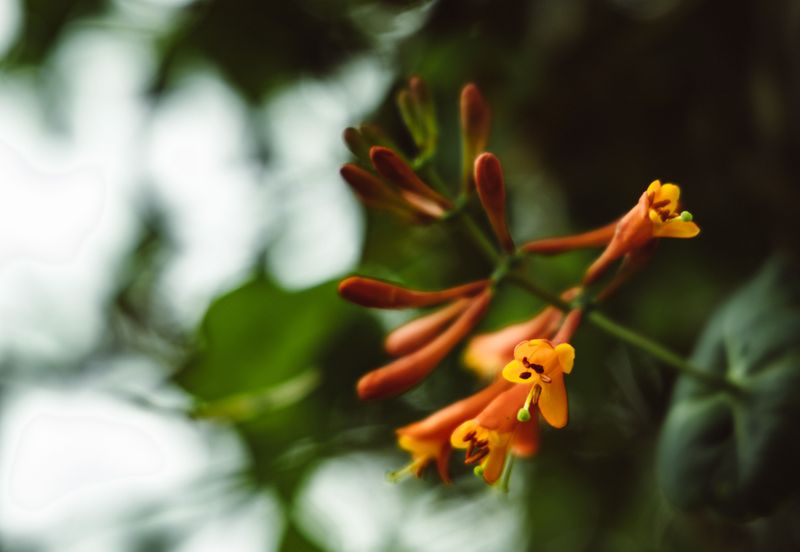
Trumpet honeysuckle is the vine that hummingbirds write home about. Its long, slender, orange-red tubes are practically custom-built for a hovering bird with a needle-thin beak. This is nature showing off.
Unlike its invasive Japanese cousin, trumpet honeysuckle, also called Lonicera sempervirens, is a well-behaved native vine. It climbs fences, trellises, and arbors without taking over your entire yard.
Blooms appear in late spring and continue well into summer, offering a steady nectar stream during peak hummingbird season. The flowers cluster in cheerful bunches that practically glow in the afternoon sun.
Plant trumpet honeysuckle in full sun to partial shade. It adapts well to most soil types, making it one of the easier vines to establish in a new garden space.
Once rooted, this vine is surprisingly drought-tolerant. A little water during dry spells keeps it happy, but it does not need constant attention to thrive and bloom generously.
Beyond hummingbirds, trumpet honeysuckle also attracts orioles, which adds another layer of birdwatching excitement to your backyard experience. Two stunning birds for the price of one vine is a genuinely great deal.
After flowering, bright red berries appear and attract songbirds through fall. So this plant keeps earning its space long after summer ends.
For anyone wanting nectar-rich summer flowers with serious wildlife value, trumpet honeysuckle delivers season after season. Give it a fence to climb, and it will never let you down.
4. Red Hot Poker
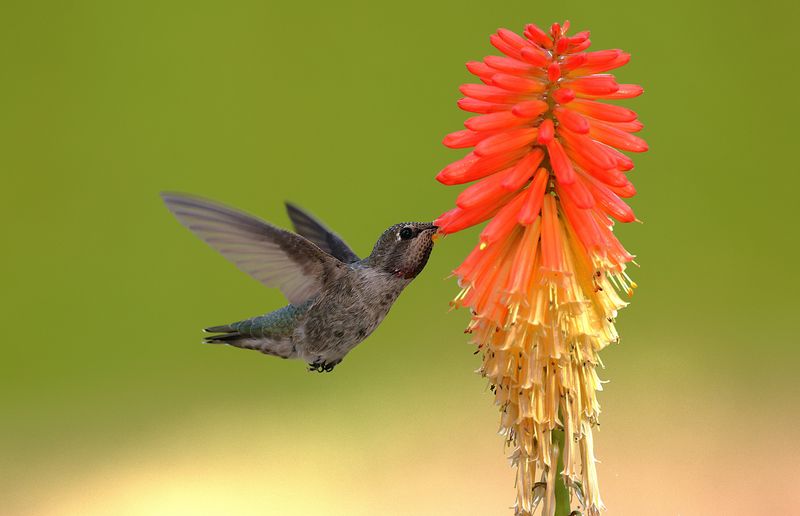
Red hot poker sounds like a carnival game, but it looks like a masterpiece. These dramatic spikes rise two to four feet tall, flaming from yellow at the base to deep orange-red at the tip.
Hummingbirds spot them from a distance and make a beeline straight in. Botanically known as Kniphofia, red hot poker originates from South Africa.
It brings a bold, almost exotic energy to North American gardens that most summer flowers simply cannot match.
Each spike is packed with small, tubular florets arranged in dense clusters. Hummingbirds work their way systematically from bottom to top, sipping nectar as they go. It is mesmerizing to watch.
Plant red hot poker in full sun and well-drained soil. Poor drainage is its one real weakness, so raised beds or sandy soil give it the best chance to thrive.
Once established, this plant is remarkably tough. It handles drought, heat, and even light frost with minimal fuss, making it a low-maintenance powerhouse for busy gardeners.
Clumps expand gradually over time, so one plant becomes several without much effort. Dividing them every few years keeps them vigorous and gives you more plants to spread around the garden.
The blooming season stretches from late spring through midsummer, with some varieties reblooming in fall. That extended window keeps your hummingbird visitors well-fed across multiple seasons.
Bold, beautiful, and built for birds, red hot poker earns its dramatic name every single summer. Plant one and prepare to be genuinely impressed.
5. Firecracker Plant
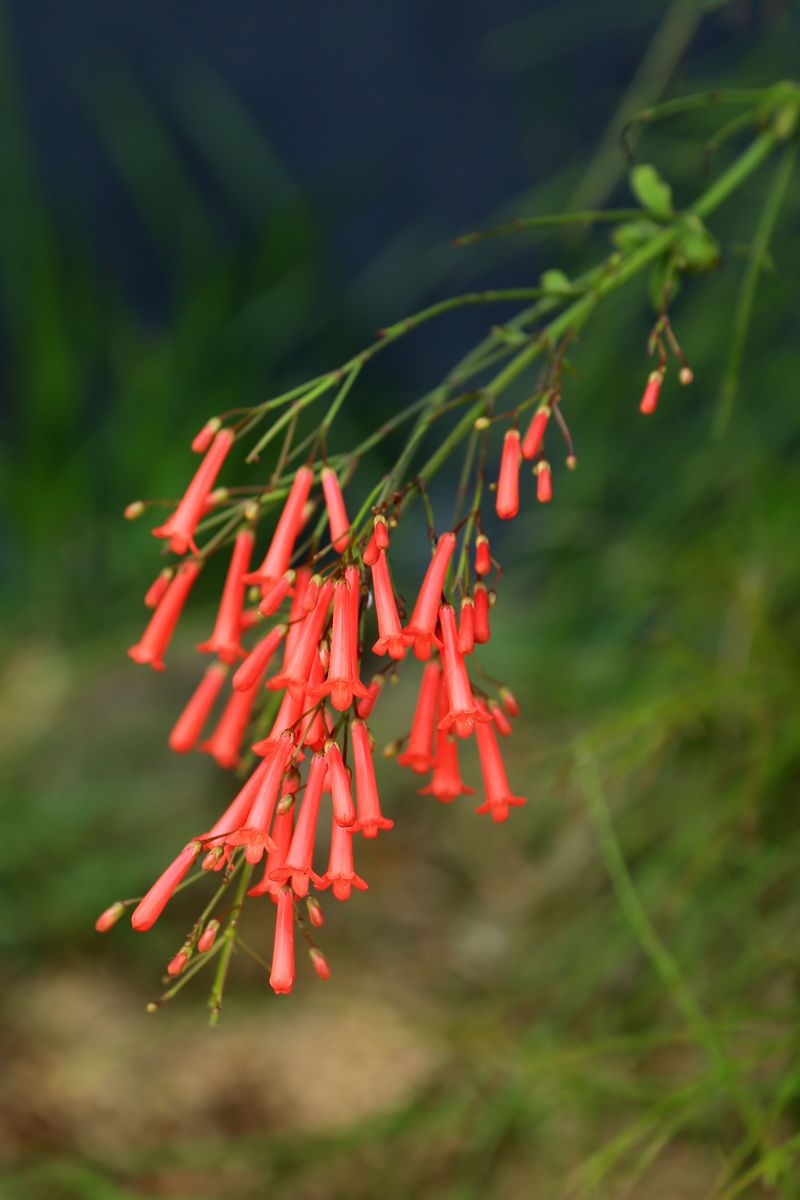
The name says it all. Firecracker plant, or Russelia equisetiformis, bursts forth with cascading clusters of tiny red and orange tubes all summer long. It is one of the most enthusiastic bloomers you can grow.
Native to Mexico, this plant thrives in hot, sunny conditions that would exhaust lesser flowers. It practically loves being baked by the summer sun, which makes it a dream for gardeners in warm climates.
The slender, arching stems give the plant a fountain-like appearance that looks stunning in containers, raised beds, or spilling over a retaining wall. Beauty and function rolled into one plant is always a win.
Hummingbirds are drawn to the intense color and the generous nectar supply tucked inside each tiny tube. Once they discover a firecracker plant, they return on a very predictable schedule.
Butterflies also frequent this plant, adding another dimension of wildlife activity to your garden. On a warm afternoon, the whole plant can seem alive with wings and motion.
Firecracker plant is drought-tolerant once established, which makes it ideal for gardeners who cannot always keep up with watering. Give it a good start, and it largely takes care of itself from there.
In frost-free zones, it grows as a perennial and blooms nearly year-round. In cooler areas, treat it as a container plant that comes indoors before the first chill arrives.
For nonstop color and nonstop hummingbird traffic, firecracker plant is an underrated gem. Add it to your lineup and watch the excitement begin.
6. Hummingbird Mint
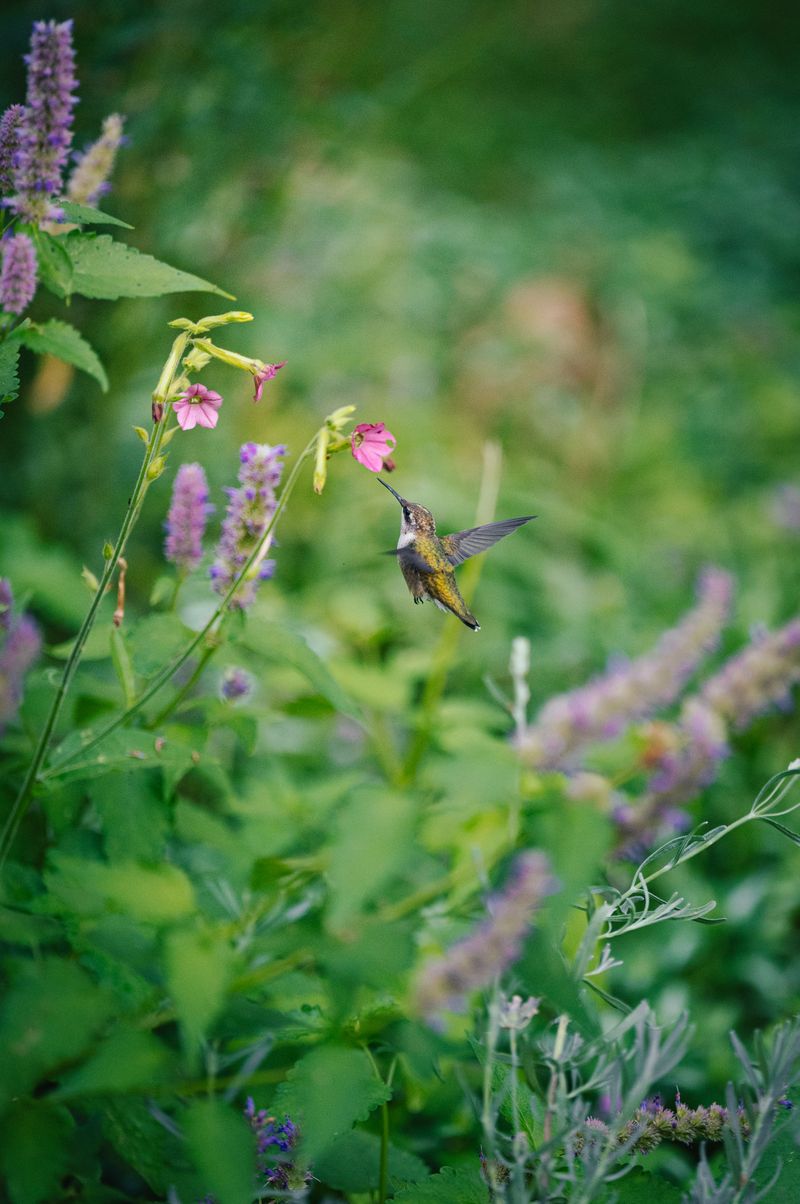
With a name like hummingbird mint, expectations run high. Agastache, as it is formally known, meets every single one of them.
These tall, fragrant spikes bloom in shades of purple, pink, orange, and red from midsummer into fall.
The fragrance alone sets this plant apart. Crush a leaf between your fingers and you get a sweet, minty, anise-like scent that is genuinely addictive. Hummingbirds seem to agree completely.
Each flower spike is packed with dozens of small tubular blooms. Hummingbirds hover beside them and work methodically through each tiny flower, sipping nectar with impressive efficiency and focus.
Agastache thrives in full sun and well-drained soil. It is native to dry, rocky regions of North America, so it handles drought and heat far better than most garden flowers.
Removing spent spikes encourages fresh blooms to follow. Regular trimming throughout the season keeps the plant looking tidy and keeps the nectar supply fresh for returning visitors.
Pollinators of all kinds flock to hummingbird mint. Bees, butterflies, and moths join the hummingbirds in a lively, constantly shifting garden scene that never gets old to watch.
Most varieties reach two to four feet tall, making them strong vertical elements in mixed borders. They pair beautifully with ornamental grasses, coneflowers, and black-eyed Susans for a naturalistic summer display.
Hummingbird mint lives up to its legendary name with no effort. Plant it once, and you will find yourself ordering more colors the very next spring.
7. Petunia
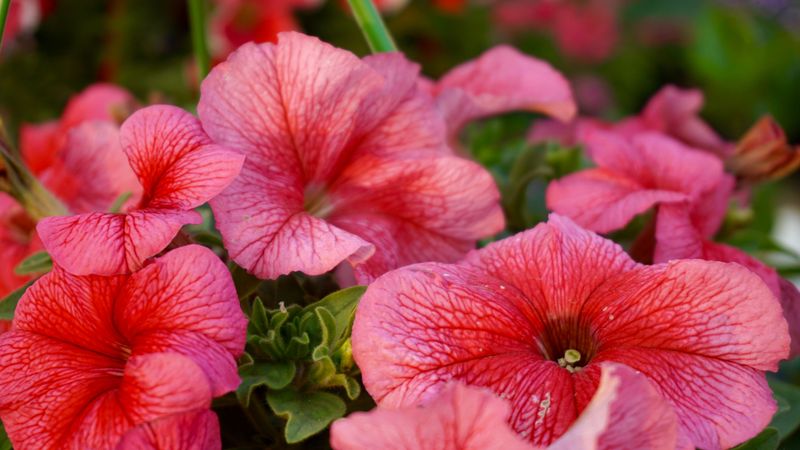
Petunias might seem like the obvious, everyday choice, but do not underestimate them. These cheerful, trumpet-shaped flowers are quiet overachievers when it comes to attracting hummingbirds.
Red and purple varieties especially pull serious bird traffic.
The wide, open throat of a petunia bloom is shaped in a way that makes nectar accessible to hummingbirds. It is not as deep as some tubular flowers, but the sheer volume of blooms compensates generously.
Petunias bloom continuously from late spring through the first frost. That marathon blooming season means hummingbirds have a consistent food source in your garden for months without interruption.
They thrive in containers, hanging baskets, and window boxes, which makes them ideal for apartment balconies or small patios. You do not need a sprawling yard to attract hummingbirds with petunias.
Watering is the key to keeping petunias productive. They like consistent moisture but cannot tolerate sitting in soggy soil, so containers with good drainage holes make all the difference in long-term success.
Fertilize every two weeks with a balanced liquid fertilizer during the growing season. Well-fed petunias produce more blooms, which means more nectar, which means more hummingbird visits. The math is simple and satisfying.
Wave petunias and trailing varieties create a cascading effect in hanging baskets that is both beautiful and highly effective at catching a hummingbird’s attention from above. Height matters when birds are scanning from the sky.
Petunias prove that common does not mean boring. For reliable, affordable hummingbird appeal, they belong in every summer garden without question.
8. Fuchsia
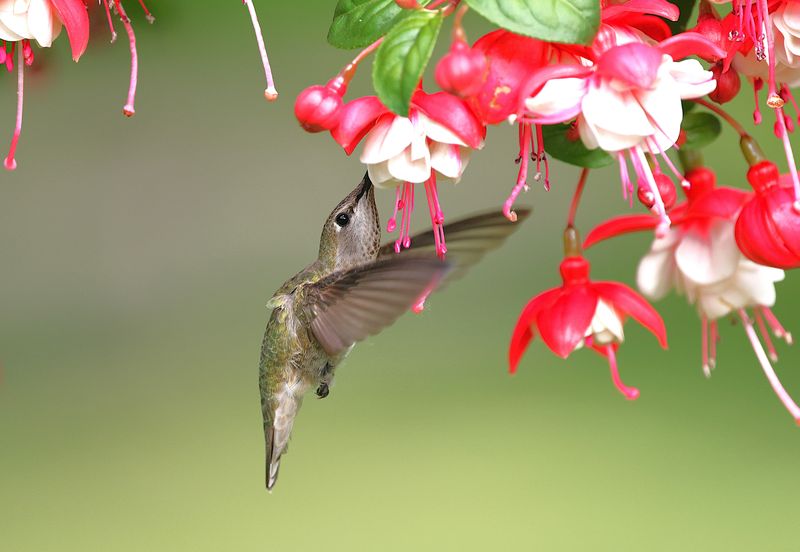
Fuchsia is the drama queen of the hummingbird garden, and that is meant as the highest possible compliment. The dangling, two-toned blooms in shocking pink, purple, and red combinations look almost too extravagant to be real.
What makes fuchsia especially remarkable is its preference for shade. Most nectar-rich flowers demand full sun, but fuchsia flourishes in partial to full shade. That fills a gap most gardeners struggle to address.
Hummingbirds adore the pendulous blooms because they hang at a natural feeding angle. A hovering bird can sip without any awkward maneuvering, which makes fuchsia one of the most effortless feeding stations in the garden.
Grow fuchsia in hanging baskets on a shaded porch or beneath a tree canopy. The baskets can be moved easily, allowing you to position them wherever hummingbird sightings seem most frequent.
Keep the soil consistently moist and never let it dry out completely between waterings. Fuchsia wilts quickly in dry conditions, but a good drink brings it right back with minimal drama.
Fertilize every two weeks during the growing season to keep blooms coming steadily. A high-phosphorus formula encourages more flowers, which translates directly into more nectar and more hummingbird activity around your space.
In warm climates, fuchsia can be overwintered indoors as a houseplant and brought back outside each spring. With a little care, the same plant can reward you with nectar-rich summer flowers for many years running.
Fuchsia proves that shade gardens can be just as exciting as sunny ones. Plant it where nothing else blooms and watch the hummingbirds discover your best-kept garden secret.