If Birds Turn Aggressive In Your Florida Yard Every Spring, This Is What You Need To Know
Every spring, Florida mornings fill with birdsong, but not all of it is pleasant. Suddenly, familiar feathered neighbors dive, chase, and squawk like the sky itself is under attack.
Sidewalks, parks, and backyards turn into arenas for swoops and unexpected feuds. People pause, flinch, and wonder what triggers this seasonal aggression.
It is not random chaos. Something in the air, in the season, and in nature sets the stage for a fierce display.
Nests appear, territories flare, and even the calmest birds show fearless behavior. The reason becomes clear, and the swoops stop feeling random. Every spring, the same patterns appear, leaving Floridians laughing, ducking under umbrellas, and admiring the birds’ boldness.
This yearly behavior reveals the secret behind the attacks and gives residents a front-row look at Florida’s feisty spring wildlife.
1. Spring Flips The Hormone Switch
When winter fades and spring arrives in Florida, something powerful happens inside every bird’s body. Longer days mean more sunlight, and that sunlight triggers hormones that prepare birds for breeding season.
These hormones don’t just make birds want to find a mate. They also make birds more territorial, more alert, and much more willing to defend their space.
Scientists call this response photoperiodism, which means the bird’s body reacts to changes in daylight. As the sun stays out longer each day, the bird’s brain releases hormones like testosterone that fuel aggressive behavior.
This isn’t something birds can control or turn off. It’s built into their biology.
In Florida, where spring can start as early as February in some areas, this hormonal shift happens sooner than in northern states. Birds that were calm and quiet all winter suddenly become loud, active, and protective.
They start scouting for nesting spots, chasing away competitors, and acting bold around humans and animals.
This hormone-driven change is temporary. Once nesting season ends and the babies leave the nest, hormone levels drop and birds return to their usual calm behavior.
But during peak season, expect to see feathers flying.
2. Territory Wars Break Out Overnight
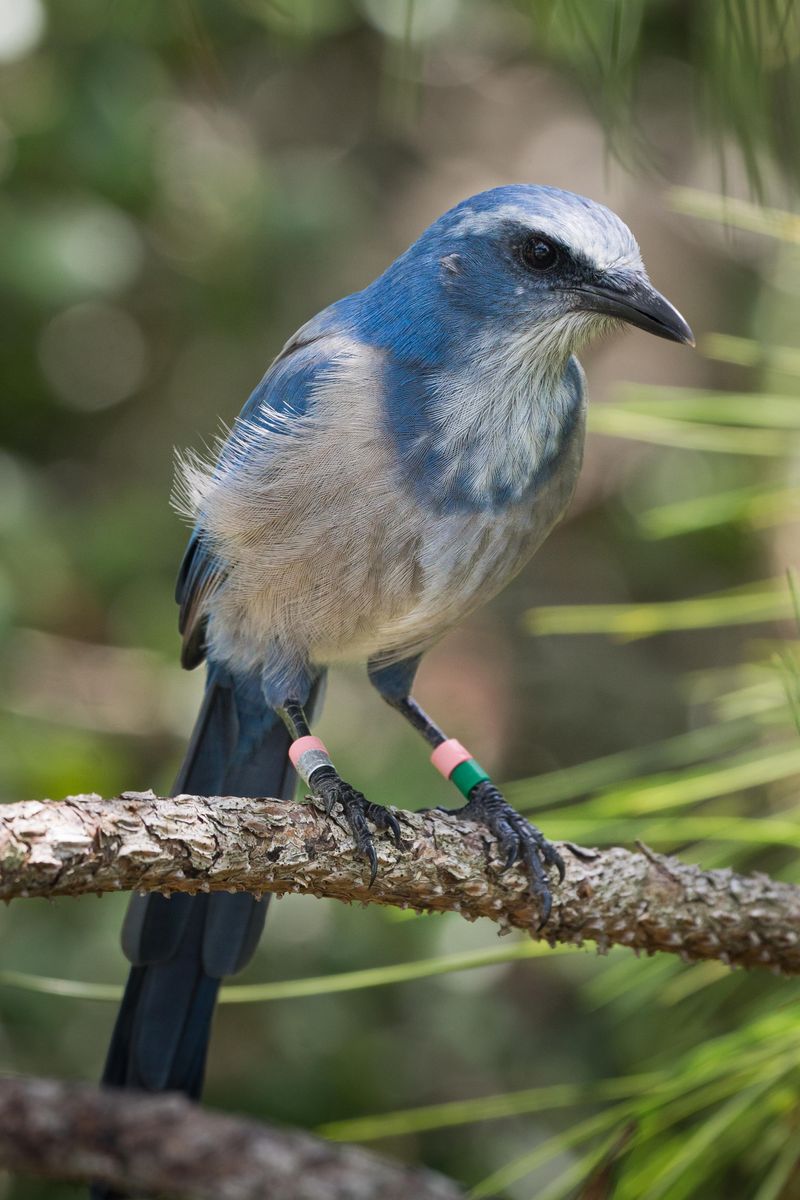
Once those breeding hormones kick in, male birds quickly claim their turf. A single tree, bush, or section of yard can become a battleground as birds compete for the best nesting sites.
These aren’t polite disagreements. Birds will chase, peck, and screech at each other to establish dominance.
Territory is everything during nesting season. A good territory has food sources nearby, safe places to build a nest, and fewer predators.
Male birds often arrive first to claim these prime spots before females show up. Once a male picks his area, he defends it fiercely against other males of the same species.
In Florida neighborhoods, this means you might see the same two cardinals or blue jays fighting day after day. They’re not holding grudges.
They’re just protecting what they believe is theirs. Birds use songs, calls, and physical displays to warn others to stay away.
If those warnings don’t work, they’ll fight.
Humans walking through a bird’s claimed territory can also trigger defensive behavior. The bird sees you as a potential threat, even if you’re just passing by.
This is why some people get dive-bombed in the same spot every day during spring. You’re crossing an invisible property line the bird has drawn.
3. Nesting Season Turns Calm Birds Bold
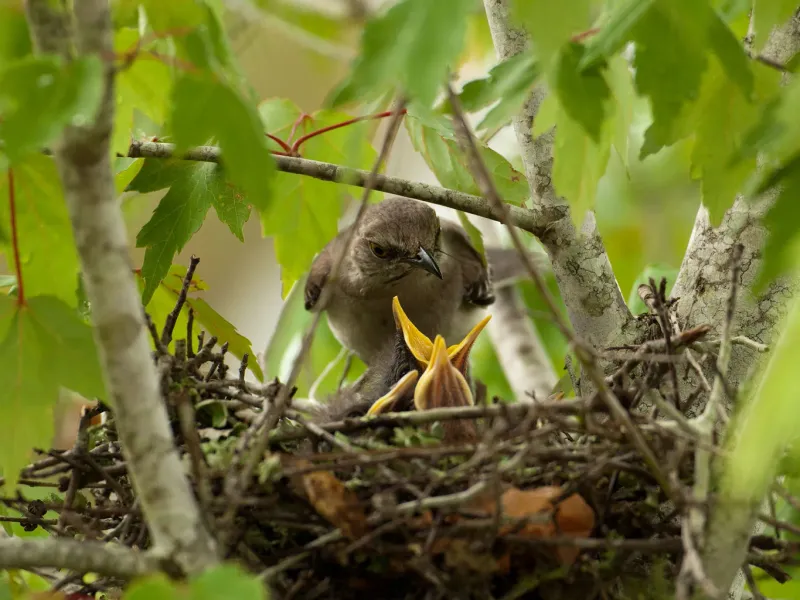
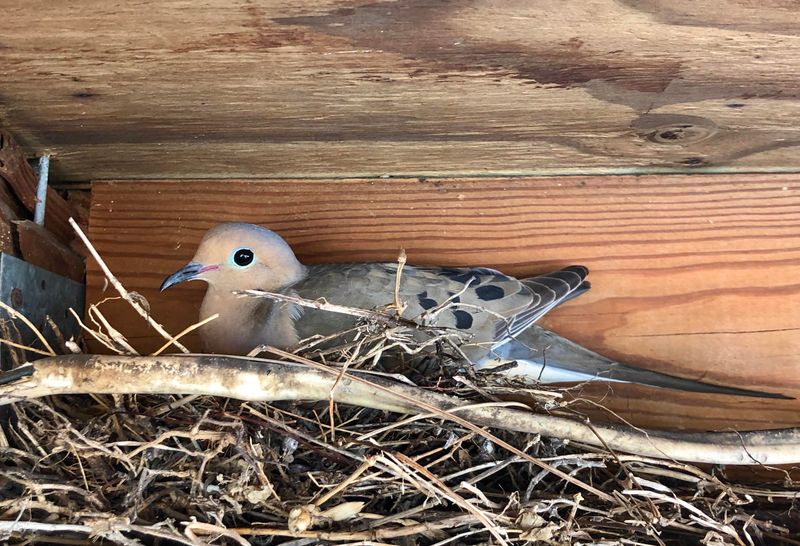
Birds that usually avoid people can become surprisingly brave once they start nesting. Species like doves, wrens, and sparrows normally fly away when humans get close.
But put a nest full of eggs nearby, and those same birds will stand their ground or even charge at you.
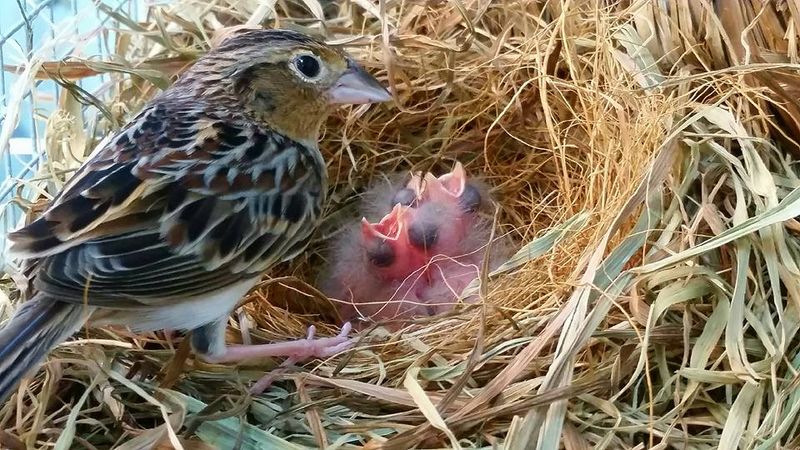
Nesting changes everything. Once a female bird lays eggs, both parents become hyper-focused on keeping those eggs safe.
They watch for predators constantly, and anything that moves too close gets treated like a danger. Even harmless activities like mowing the lawn or watering plants can trigger a defensive response if a nest is nearby.
Florida’s dense shrubs, palm trees, and hedges make perfect nesting spots, and many birds choose locations right next to homes, porches, or driveways. This puts birds and humans in close contact during the most sensitive time of year.
A bird nesting in a bush by your front door will react every time someone walks past.
The boldness isn’t reckless. It’s calculated.
Parent birds know they’re smaller and weaker than most threats, but they also know that acting aggressive can scare off danger. A loud alarm call or a quick dive can make a cat, dog, or person back away, giving the nest a better chance of survival.
4. Florida Mockingbirds Take It To Another Level
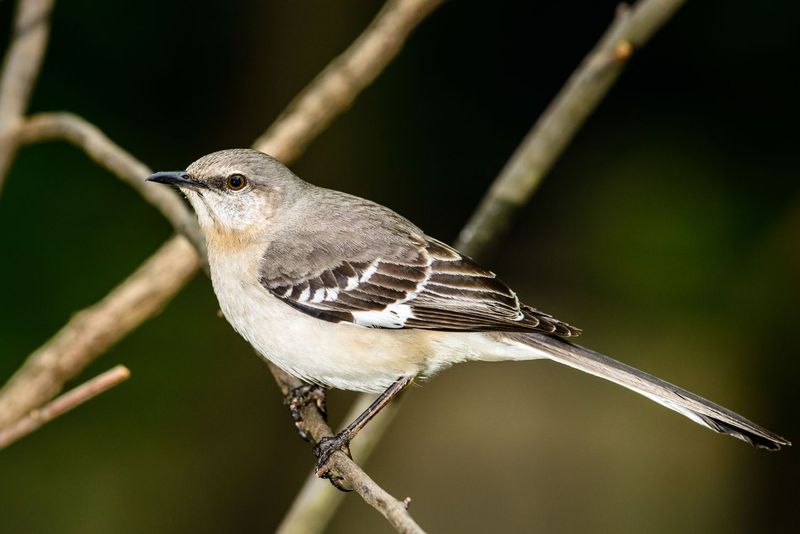
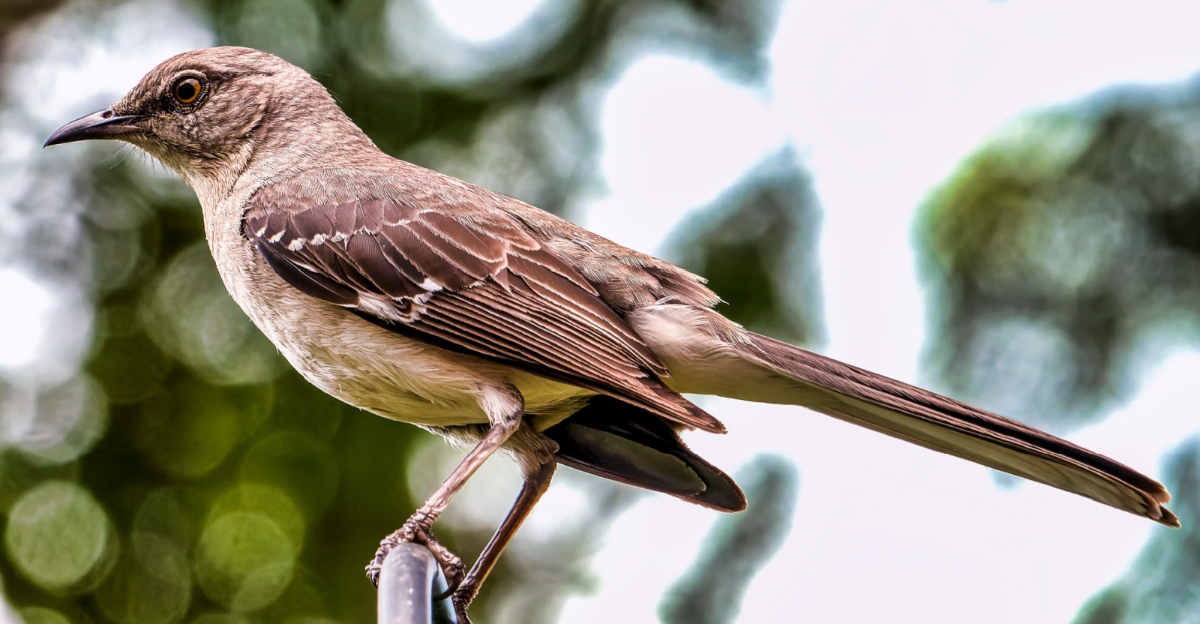
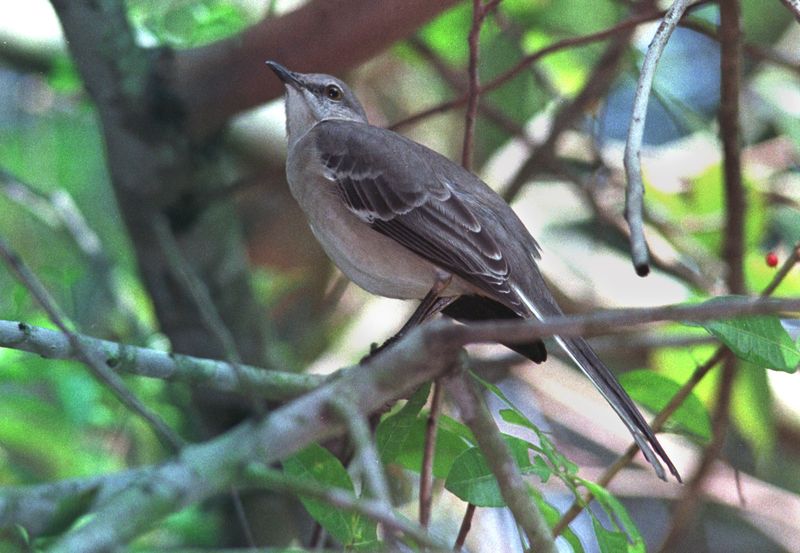
No bird in Florida has a bigger reputation for springtime aggression than the Northern Mockingbird. These medium-sized gray birds are famous for their beautiful songs and their ability to mimic other birds.
But during nesting season, they’re also known for fearlessly attacking anything that gets too close to their nest.
Mockingbirds don’t just defend a small area. They patrol large territories and will chase off cats, dogs, squirrels, and even people.
They’re especially aggressive toward anything with reflective surfaces, which is why they often attack car mirrors and windows. They see their own reflection and think it’s a rival bird invading their space.
In Florida suburbs, mockingbirds often nest in low shrubs and hedges near homes. This puts them in direct contact with residents who are just trying to check the mail or water the garden.
A nesting mockingbird will swoop down repeatedly, sometimes making contact with a person’s head or back. It’s startling, but the bird is just trying to scare you away.
Wildlife experts say mockingbirds are more aggressive in Florida than in many other states, possibly because the long nesting season and dense suburban habitat increase interactions with humans. If a mockingbird targets you, the best response is to avoid that area for a few weeks until the babies fledge.
5. South Florida Starts Earlier Than North Florida
Florida’s size and climate diversity mean that nesting season doesn’t start at the same time everywhere. In South Florida, where temperatures stay warmer year-round, many bird species begin nesting as early as late February or early March.
In North Florida, nesting typically starts a few weeks later, often in mid to late March.
This difference matters because it affects when residents are most likely to encounter aggressive birds. Someone living in Miami or Fort Lauderdale might start seeing defensive bird behavior in late winter, while someone in Jacksonville or Tallahassee won’t notice the same patterns until early spring.
The warmer climate in South Florida triggers earlier breeding cycles.
Certain species are more affected by this timing than others. Mockingbirds, cardinals, and blue jays all start nesting earlier in southern parts of the state.
Migratory birds that only visit Florida in winter usually leave before nesting season begins, but year-round residents are active nesters throughout the spring.
Understanding this regional timing can help you anticipate when birds in your area will become more territorial. If you live in South Florida and notice birds acting aggressive in February, that’s normal.
If you’re in North Florida, expect peak aggression to hit in April and May.
6. Dive Bombing Is Meant To Intimidate Not Injure
One of the most unsettling experiences during spring in Florida is being dive-bombed by a bird. The bird flies straight at you, sometimes coming within inches of your head, and you might hear the whoosh of wings or feel a breeze as it passes.
It’s scary, but the bird isn’t actually trying to hurt you.
Dive bombing is a defensive tactic designed to intimidate and scare away threats without physical contact. Birds are small and vulnerable, so they rely on surprise and noise to make themselves seem more dangerous than they are.
Most of the time, the bird will pull up just before reaching you and circle back for another pass if you don’t leave.
In rare cases, a bird might make light contact with your head or back, but this is usually accidental or a last resort. The goal is to make you uncomfortable enough to move away from the nest.
If the bird wanted to cause harm, it would use its beak or talons more aggressively, which almost never happens.
If you find yourself being dive-bombed, stay calm and walk away from the area. Don’t swat at the bird or try to scare it off.
The behavior will stop once you’re far enough from the nest. Wearing a hat or carrying an umbrella can provide extra peace of mind during nesting season.
7. Suburban Yards Make Perfect Nesting Zones

Florida’s suburban neighborhoods offer everything birds need for successful nesting. Yards are filled with trees, shrubs, hedges, and flowering plants that provide shelter, food, and safe places to build nests.
Many homeowners also have bird feeders, birdbaths, and gardens that attract birds year-round. When spring arrives, these same yards become prime nesting real estate.
Birds prefer nesting near human homes because suburban areas often have fewer natural predators like hawks, snakes, and raccoons. Cats and dogs can be threats, but birds have learned to avoid them or nest in spots that are hard for ground predators to reach.
Low hedges, porch eaves, hanging planters, and dense bushes are all popular nesting sites.
This convenience comes with a downside for homeowners. When birds nest close to doors, driveways, or mailboxes, daily activities can trigger defensive behavior.
A bird nesting in a bush by your front steps will react every time you leave the house. It’s not personal.
The bird just sees you as a potential danger to its eggs or chicks.
If you discover a nest in an inconvenient spot, resist the urge to remove it. Most bird nests are protected by law, and disturbing them can result in fines.
The nesting period only lasts a few weeks, so it’s usually easier to use a different door or path temporarily.
8. Fledglings On The Ground Trigger Maximum Defense Mode
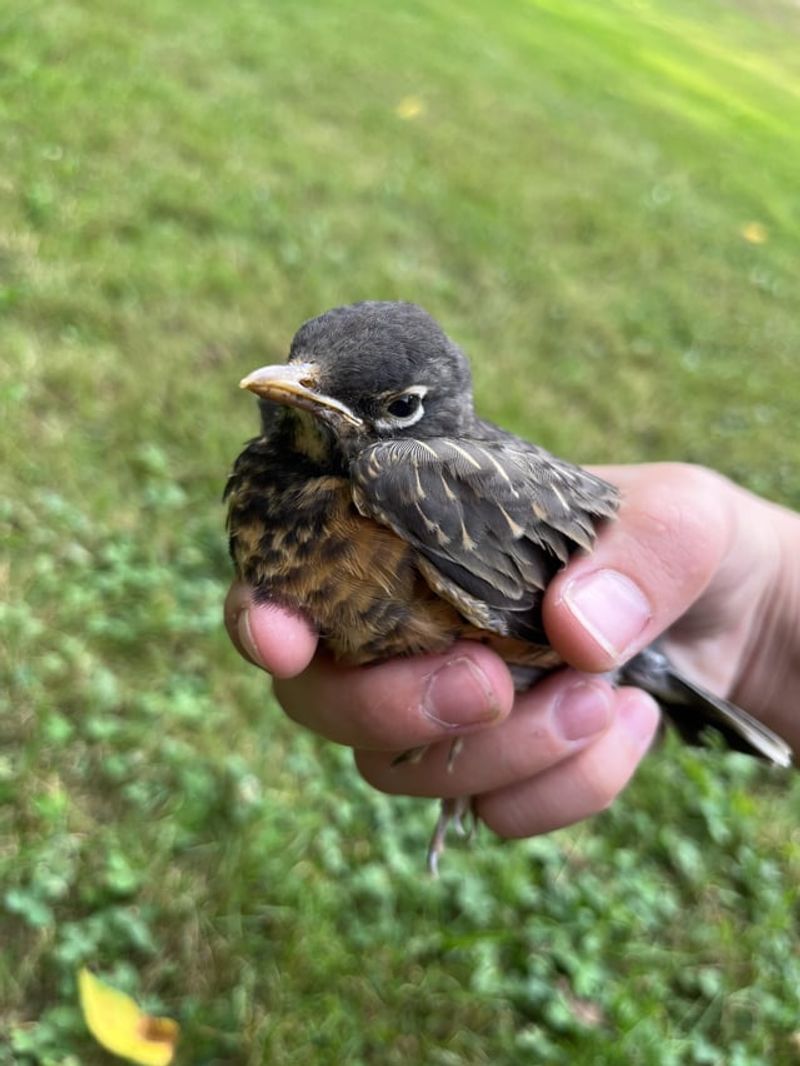
The most intense aggression happens when baby birds leave the nest but can’t yet fly well. These young birds, called fledglings, spend several days on or near the ground while their flight feathers finish developing.
During this vulnerable time, parent birds go into maximum defense mode and will aggressively chase away anyone who comes near.
Fledglings look helpless, and many people assume they’ve fallen from the nest and need rescuing. In reality, this is a normal part of growing up for most bird species.
The parents are still nearby, feeding and protecting the fledgling while it learns to fly. If you see a fluffy young bird hopping around your yard, the best thing to do is leave it alone and keep pets indoors.
Parent birds defending fledglings are at their most fearless. They’ll dive at people, dogs, and cats repeatedly, making loud alarm calls and sometimes even making contact.
This behavior can last for several days until the fledgling is strong enough to fly into trees and out of danger.
In Florida, fledgling season peaks in late spring and early summer, depending on the species. If you notice birds acting especially aggressive in your yard, check the ground and low bushes for young birds.
Once you spot the fledgling, give that area a wide berth until the family moves on.
9. Protect Your Yard And Stay Safe During Nesting Season
Florida yards become a hotspot for nesting birds each spring, and while their aggression can be startling, there are plenty of ways homeowners and gardeners can protect themselves and their property.
First, adjust your daily routines near nests. Avoid mowing, trimming, or watering directly under shrubs or trees where birds are nesting.
Even routine activities like walking past a bush with eggs can trigger dive-bombing. If possible, reroute paths or use alternate entrances temporarily.
Next, create visual buffers. Wearing hats, carrying umbrellas, or adding small temporary screens near garden beds can help birds perceive you as less of a threat.
Keep pets indoors or on leashes in areas where aggressive birds are active.
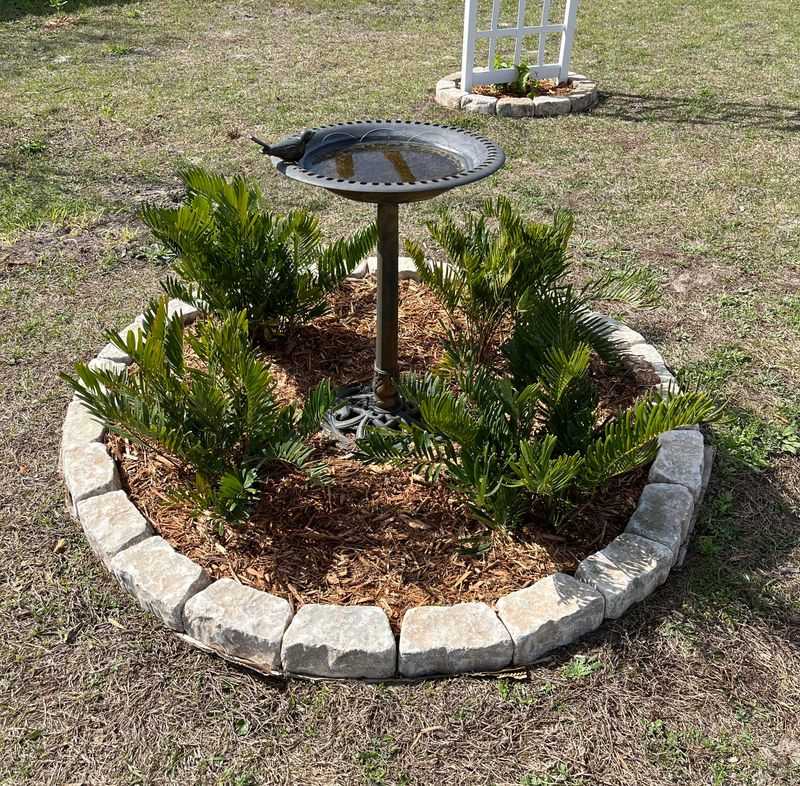
Consider strategically placing feeders, birdbaths, and planters away from high-traffic areas. This lets birds enjoy your yard safely without putting humans or pets in the line of fire.
Dense shrubs, porch eaves, or low hedges may still attract nesting birds; knowing their preferred spots helps you plan garden work safely.
Document your efforts if needed. Taking photos of nests and your yard activity can show you’re avoiding interference while maintaining the garden.
This is especially useful if neighbors or community groups are concerned about wildlife.
Finally, exercise patience and respect federal and state laws: most bird nests are protected, and removing or disturbing them can result in fines. Aggression is temporary; once fledglings leave the nest, birds calm down, and your yard will return to a peaceful routine.
By planning your garden activities, keeping a safe distance, and respecting nesting wildlife, you can enjoy your Florida yard without conflict, letting both your plants and the local birds thrive.