If Florida Gets One Last Frost, Protect Your Plants Without Starting Over
A sudden final frost can strike Florida like a midnight ambush, threatening to wipe out tender plants in a single chilling sweep. Tender leaves burn, blooms collapse, months of care seem at risk.
Yet a cold snap does not mean total loss or a full reset. Quick, smart action can shield roots, stems, and future growth while your landscape stays intact.
Veteran growers across the state rely on simple, proven tactics that trap warmth, block icy wind, and guard moisture in the soil. The goal centers on survival through the coldest hours, then a strong rebound once sun and mild air return.
No drastic cuts, no costly replacements, no panic. With the right moves, plants ride out the chill and bounce back with fresh color and vigor.
Prepare now, act fast, and keep your Florida garden alive, healthy, and ready for the warm season ahead.
1. Watch The Forecast Before Temperatures Drop
Most frost damage in Florida gardens happens not because homeowners lacked the tools to protect their plants, but because they simply did not see the cold coming in time. Staying ahead of the forecast is the single most important thing you can do before a cold night arrives.
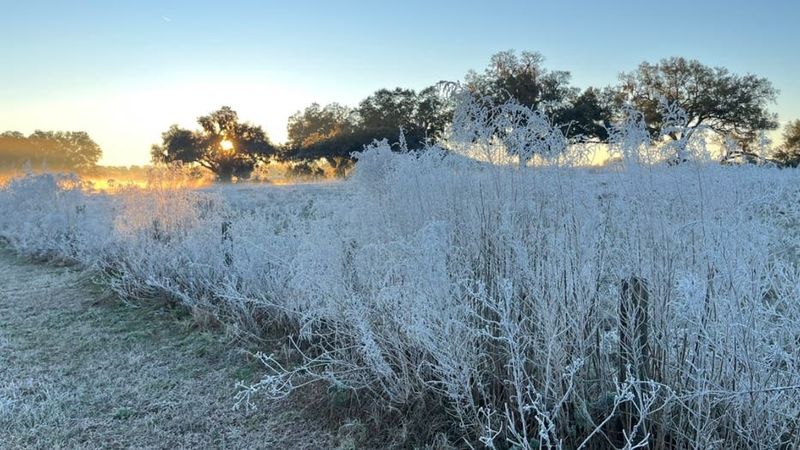
The National Weather Service issues two key alerts that Florida gardeners should understand. A frost advisory means temperatures are expected to approach the mid-30s, where frost can form on exposed surfaces, which can harm sensitive tropical plants.
A freeze warning means temperatures at or below 32 degrees are expected, when even some cold-tolerant plants can be affected.
Florida is full of microclimates, meaning your yard may be several degrees colder than the official reading at a nearby weather station. Low-lying areas, spots near bodies of water, and open lawns away from buildings can all experience colder temperatures than surrounding areas.
Downloading a reliable local weather app or checking the University of Florida IFAS Extension county forecast pages can give you more precise information for your specific region.
Checking the forecast two or three nights ahead gives you enough time to gather supplies, water your garden, and position covers without rushing. Planning ahead turns a stressful situation into a manageable routine that keeps your plants safe through any late-season cold snap.
2. Water Soil Early To Trap Ground Heat
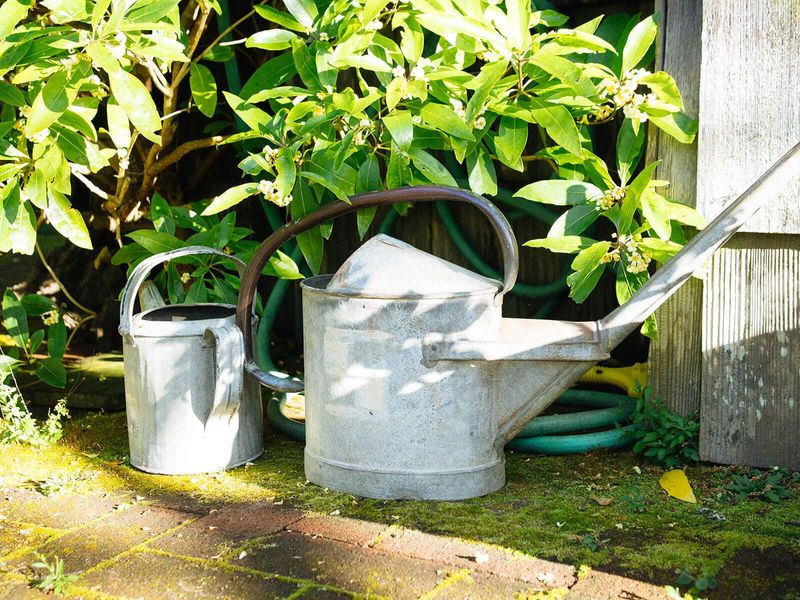
Many gardeners are surprised to learn that watering before a frost actually helps protect their plants rather than harm them. Moist soil holds heat much more effectively than dry soil does.
According to the University of Florida IFAS Extension, wet soil can absorb more solar energy during the day and slowly release that warmth upward throughout the night, creating a slightly warmer environment right around the root zone where it matters most.
The key is timing. You want to water your garden beds thoroughly in the early afternoon, ideally four to six hours before temperatures are expected to drop.
Watering too late in the evening can leave standing moisture on foliage, which can increase the chance of ice forming directly on foliage. Focus your watering on the soil itself, especially around the base of shrubs, trees, and vegetable plants that are most vulnerable to cold injury.
Sandy Florida soils drain quickly and do not retain heat as well as denser soils found in other parts of the country. Adding organic compost to your garden beds over time improves moisture retention and makes this heat-trapping strategy even more effective.
A well-watered garden bed is a quiet but powerful layer of defense on a cold Florida night.
3. Use Fabric Covers Not Plastic For Protection
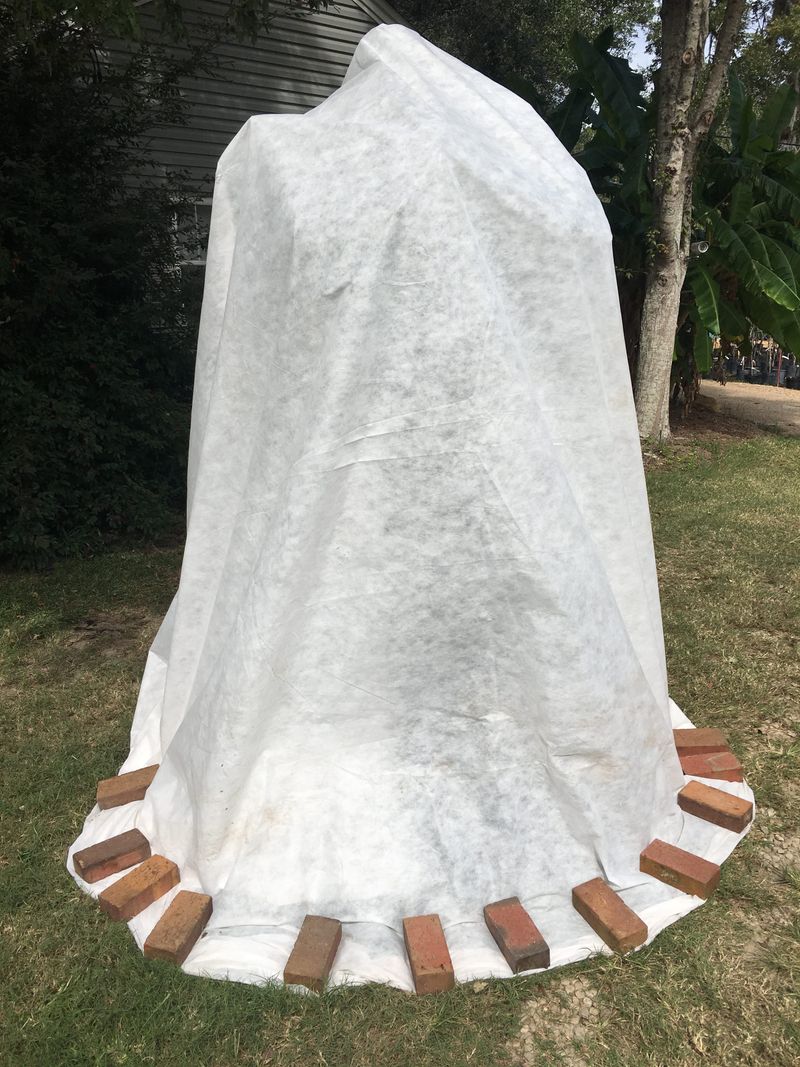
Reaching for an old plastic tarp is a natural instinct when frost is coming, but plastic is not recommended for direct contact with plant foliage. Plastic does not breathe, traps moisture against leaves, and can cause condensation that freezes and burns plant tissue.
Worse, plastic conducts cold temperatures directly onto whatever it touches, which can cause more damage than leaving the plant uncovered.
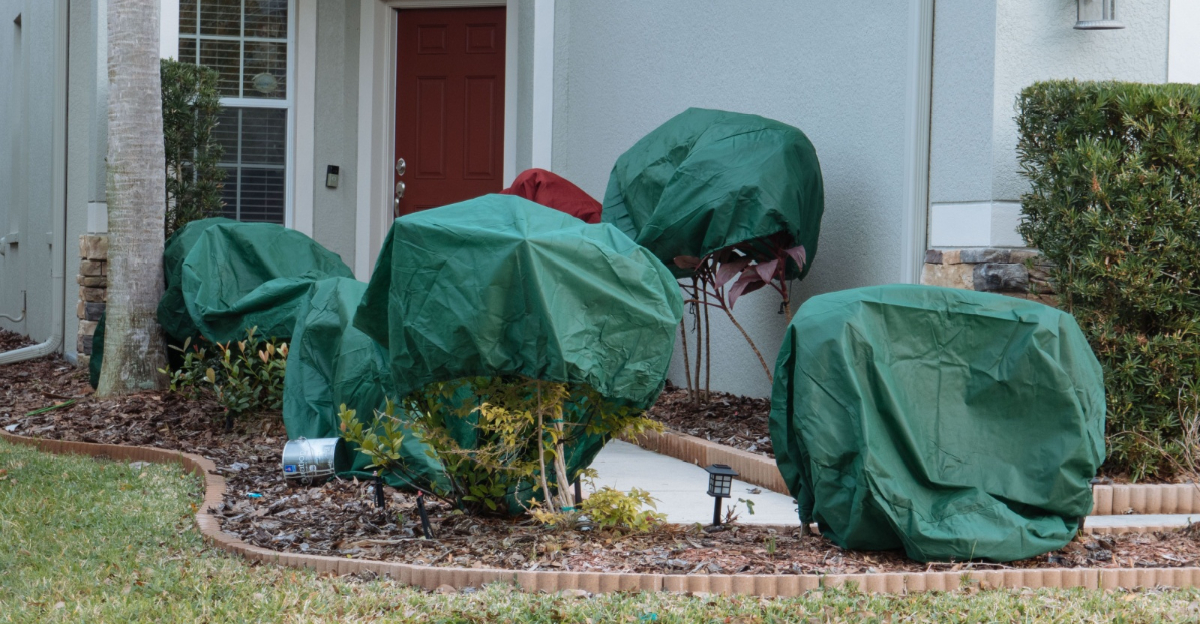
Frost cloth, also called row cover fabric, is the preferred choice recommended by University of Florida IFAS Extension horticulturists. This lightweight, breathable material allows some air and light to pass through while trapping enough warmth to raise the temperature around your plants by four to eight degrees Fahrenheit.
Old bedsheets, burlap, and lightweight blankets also work well and are easy to find around the house.
When covering your plants, drape the fabric loosely so it does not press tightly against leaves and stems. Extend the cover all the way to the ground and secure the edges with rocks, bricks, or garden stakes to trap the warmth rising from the soil.
Avoid letting any part of the cover touch foliage if you must use plastic as a last resort. A proper fabric cover, applied correctly before sundown, gives your plants a real fighting chance through a cold Florida night.
4. Protect Roots With Mulch Before Cold Arrives
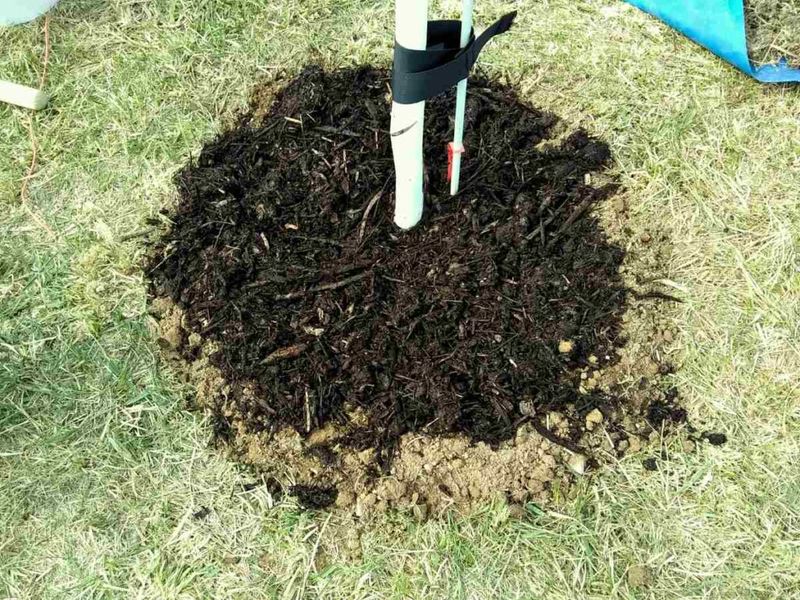
Roots are the foundation of every plant in your garden, and they are often the part most worth protecting during a frost event. Above-ground leaves and stems may show cold damage and still recover, but severe root chilling reduces a plant’s ability to recover.
Fortunately, mulch is one of the simplest and most effective tools available to Florida gardeners looking to shield roots from cold soil temperatures.
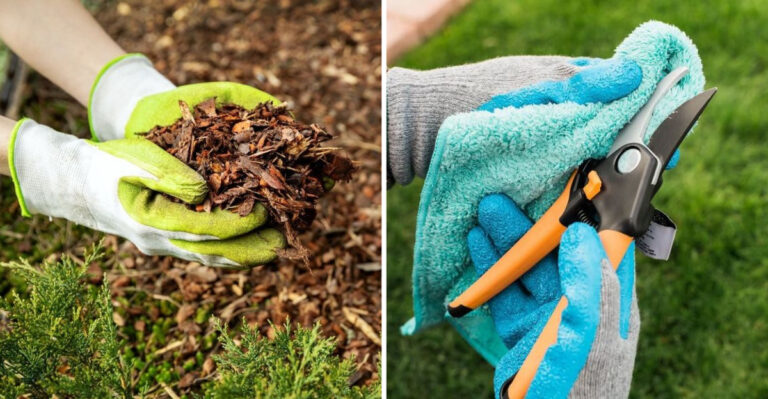
A layer of mulch acts as a natural insulating blanket over the soil surface, slowing the loss of ground heat during cold nights. The University of Florida IFAS Extension recommends applying two to three inches of mulch around the base of plants before a frost event.
Pine bark, wood chips, straw, and shredded leaves are all good options. Pull the mulch a few inches away from the main stem or trunk to prevent moisture buildup directly against the plant base.
For tropical plants that are especially sensitive to cold, like bird of paradise, bougainvillea, and banana plants, thicker mulch layers of three to four inches can make a meaningful difference in how well the root system survives overnight temperature drops. Mulching is also a year-round benefit in Florida gardens, helping retain soil moisture, moderate soil temperature, and reduce weed pressure between cold weather events.
5. Move Containers Into Shelter Or Against Walls
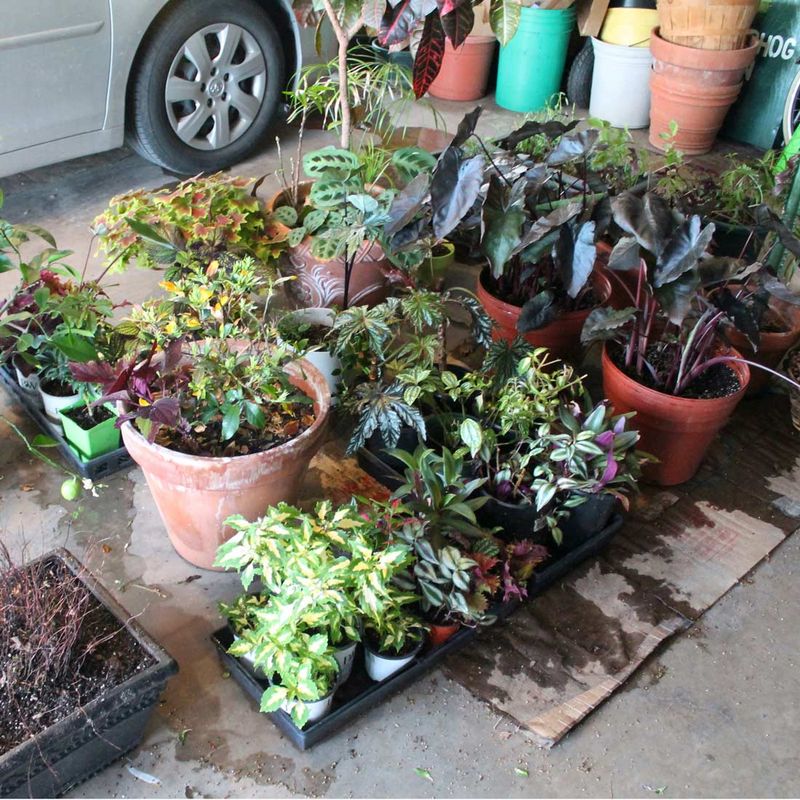
Container plants face a unique challenge during cold snaps that in-ground plants do not. When a plant grows in a pot, its root system is surrounded on all sides by air rather than soil, which means it loses heat much faster on a cold night.
A plant that might survive just fine in the ground can experience faster root chilling when the same species sits in a pot exposed to freezing temperatures.
Moving containers to a sheltered location before temperatures drop is one of the most effective steps a Florida gardener can take. A garage, enclosed porch, or even the interior of a garden shed provides enough warmth to protect most tropical and subtropical plants through a single cold night.
If moving plants indoors is not practical, positioning them against a south-facing exterior wall is the next best option. Walls absorb heat during the day and radiate it back outward at night, creating a slightly warmer zone around nearby plants.
Grouping container plants together also helps because the plants share warmth and reduce the surface area exposed to cold air. Larger pots hold heat longer than small ones, so prioritize moving smaller containers first.
Even placing containers on a wooden deck rather than directly on cold concrete can reduce heat loss from the bottom of the pot and give roots a better chance of making it through the night.
6. Cover Only During Night Remove In Morning
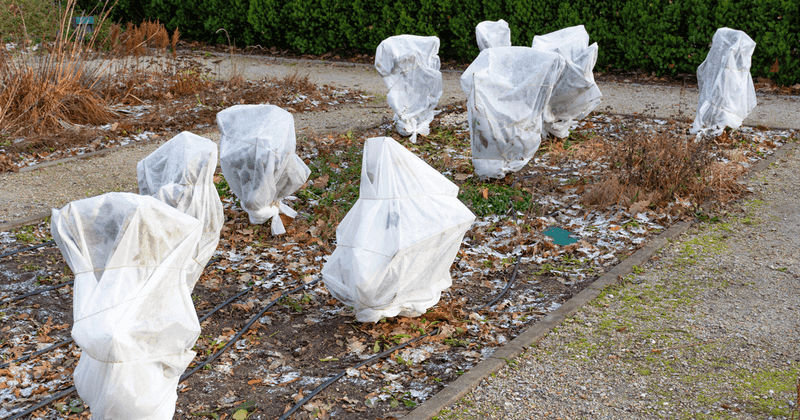
Leaving covers on your plants all day after a cold night is a mistake that many well-meaning gardeners make. Once the sun rises and temperatures climb above freezing, plants covered with frost cloth or blankets begin to overheat underneath the material.
Trapped heat and limited airflow can cause moisture to build up, which creates conditions that are actually damaging to tender foliage even on a mild morning.
Florida winters are well known for dramatic temperature swings. A night that drops to 30 degrees can easily be followed by a sunny afternoon reaching 70 degrees or warmer.
Leaving a cover on during that kind of daytime warmth essentially turns the space under the fabric into a small greenhouse with no ventilation, stressing plants that were already working hard to survive the cold.
The right routine is simple. Put covers on in the late afternoon or early evening before temperatures drop, and remove them in the morning once the temperature rises above 40 degrees Fahrenheit.
This timing allows plants to access full sunlight, exchange carbon dioxide and oxygen through their leaves, and maintain the normal biological processes they need to recover from a cold night. If another frost is expected the following evening, you can replace the covers again before sunset and repeat the cycle until the cold weather passes.
7. Do Not Prune Until Warm Weather Returns
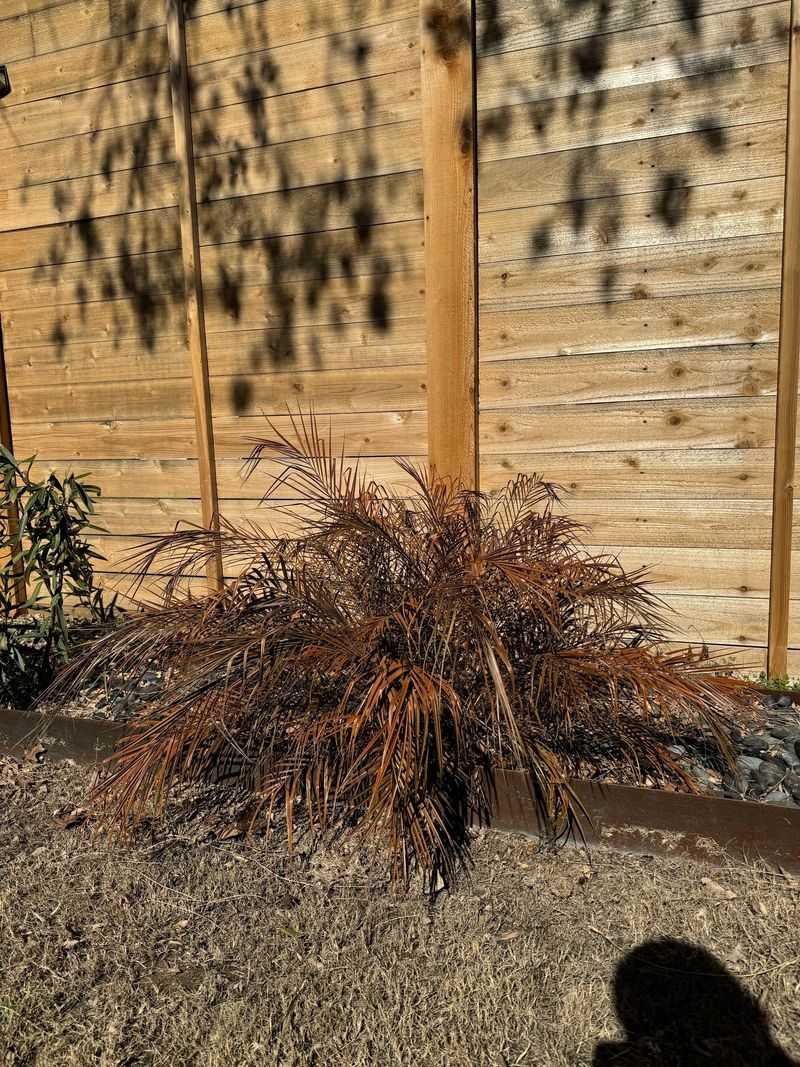
After a frost, the urge to clean up brown and wilted foliage can be almost irresistible. Everything looks damaged, and tidying things up feels like the right way to help your garden recover.
However, pruning too soon after a cold event is one of the most common mistakes Florida gardeners make, and it often causes more harm than the frost itself.
Frost-damaged foliage, as unsightly as it looks, actually serves an important purpose in the days and weeks following a cold event. The brown leaves and stems act as natural insulation, protecting the living tissue beneath from any additional cold spells that may follow.
Florida weather in late winter is unpredictable, and a second frost can arrive just days after the first one. Removing the damaged material too early strips away that protective layer and leaves healthy growth exposed.
The University of Florida IFAS Extension advises gardeners to wait until new growth begins emerging from the base or stems of affected plants before doing any cutting. In most parts of Florida, that means holding off on pruning until mid-to-late spring when nighttime temperatures consistently stay above 50 degrees.
Once you see fresh green growth pushing through, you can safely remove the frost-damaged portions and let your plants resume their natural growth cycle with confidence.
8. Check For Damage And Let Plants Recover Naturally
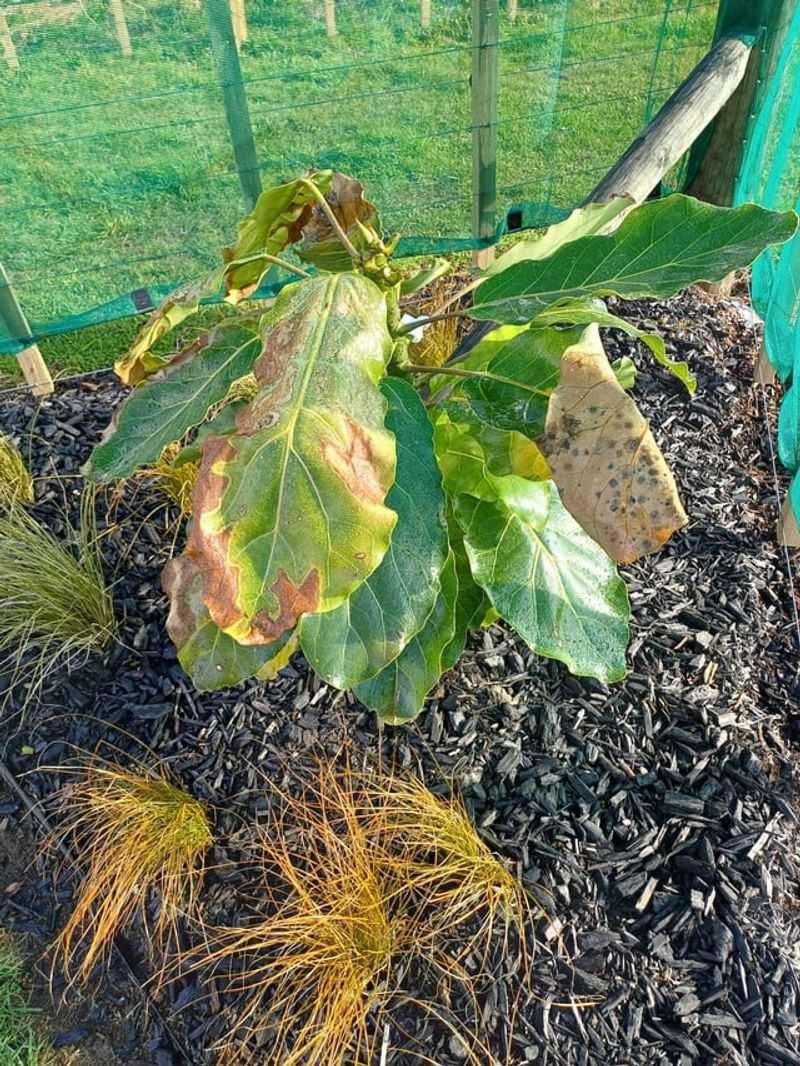
A few days after a frost event, your garden may look like it has been through something rough. Leaves turn dark and mushy, stems may appear blackened, and tropical plants that looked lush just a week ago might seem beyond saving.
Before you pull anything out of the ground, take a breath and give your plants a fair assessment. Florida landscapes are remarkably resilient, and many plants that look finished after a frost bounce back strongly once warm weather returns.
A simple scratch test is the best way to check whether a stem still has life in it. Use your fingernail or a small knife to gently scratch the outer bark or skin of a stem.
If you see green or white tissue underneath, the plant is still alive and recovering. If the tissue is brown and dry all the way through, that section of the stem may not recover, but the roots could still be alive and pushing new growth.
Patience is the most valuable tool in a Florida gardener’s kit after a frost event. Many tropical plants including bougainvillea, hibiscus, and crotons can look completely spent above ground while their root systems remain healthy and ready to push new growth as temperatures climb.
Give your plants three to four weeks of warm weather before making any final decisions about removal, and you may be surprised by how many of them come back on their own.