If Leaves Are Curling In Spring In Florida, Check For This First
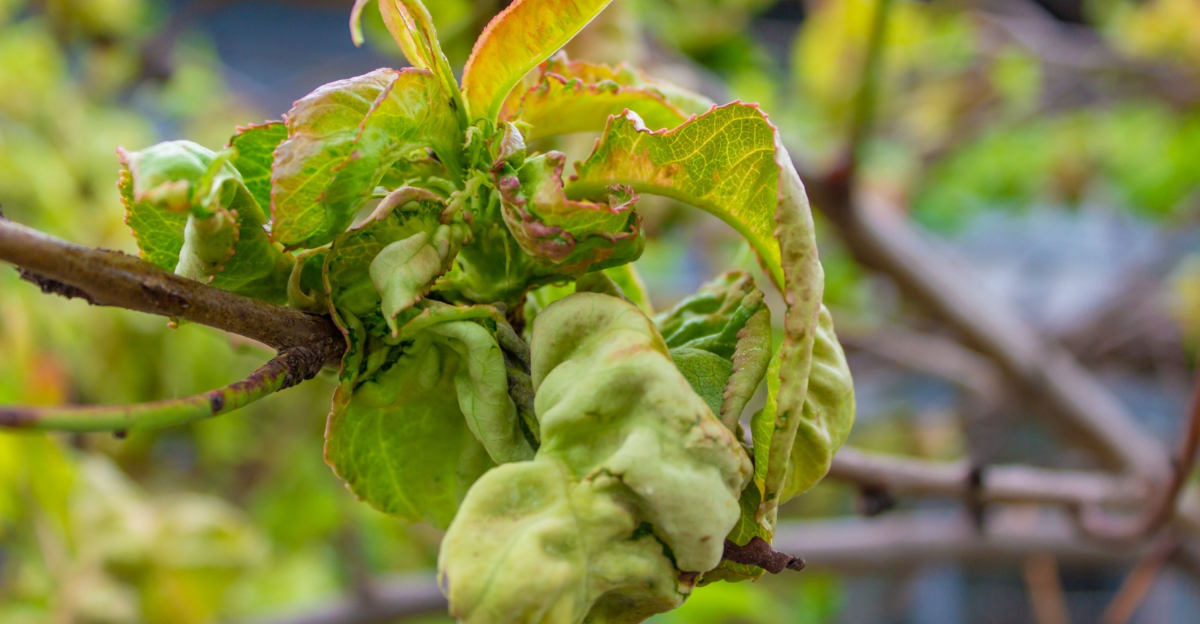
Spring growth in Florida can feel almost overnight, with fresh leaves unfolding across the garden all at once.
But when those new leaves start curling or looking uneven, it’s easy to assume something went wrong with watering or feeding.
In many cases, the cause is much smaller and easy to miss. Florida’s warm, humid spring weather creates ideal conditions for pests to build up quickly on tender new growth.
What starts as a minor issue can spread across a plant in a short time.
Catching the signs early helps you respond sooner and keeps your plants growing strong through the rest of the season.
1. Aphids Are Often The First Cause Of Curling New Leaves
Walk through almost any Florida garden in spring, and you might notice some leaves that look like they are trying to fold themselves in half.
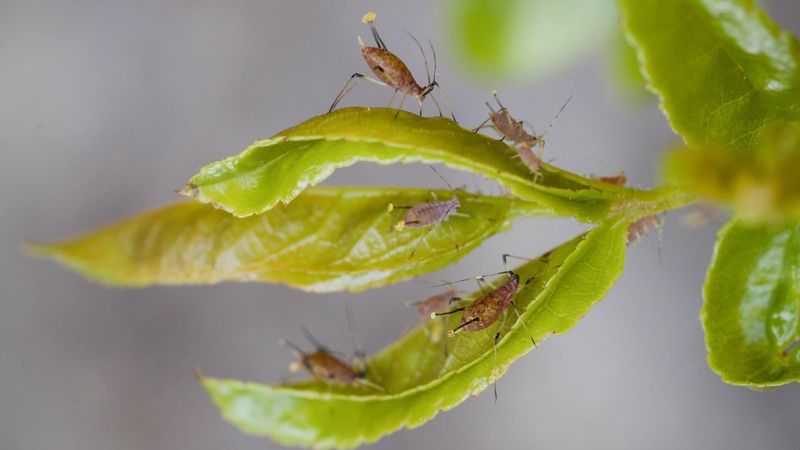
Aphids are frequently the reason behind that strange curling, and these tiny insects are easy to overlook because of their small size.
Most aphids are smaller than a sesame seed, yet a single colony can cause noticeable damage to new growth within just a few days.
These soft-bodied insects feed by piercing plant tissue and sucking out the sap inside. As they feed, the plant responds by curling or puckering the affected leaves, almost like a protective reflex.
Aphids also produce a sticky waste called honeydew, which coats leaves and can encourage a dark, sooty mold to form on the surface.
Florida’s warm spring temperatures allow aphid populations to grow quickly, sometimes doubling in just a day or two under the right conditions. A small cluster spotted on Monday can become a full-blown infestation by the weekend.
Checking new growth regularly, especially on roses, citrus, and vegetable plants, gives you the best chance of catching them before they spread.
Spraying plants with a strong stream of water can dislodge many aphids, and insecticidal soap applied to affected areas tends to work well without harming most beneficial insects nearby.
2. Why Spring Growth Attracts Sap-Sucking Insects
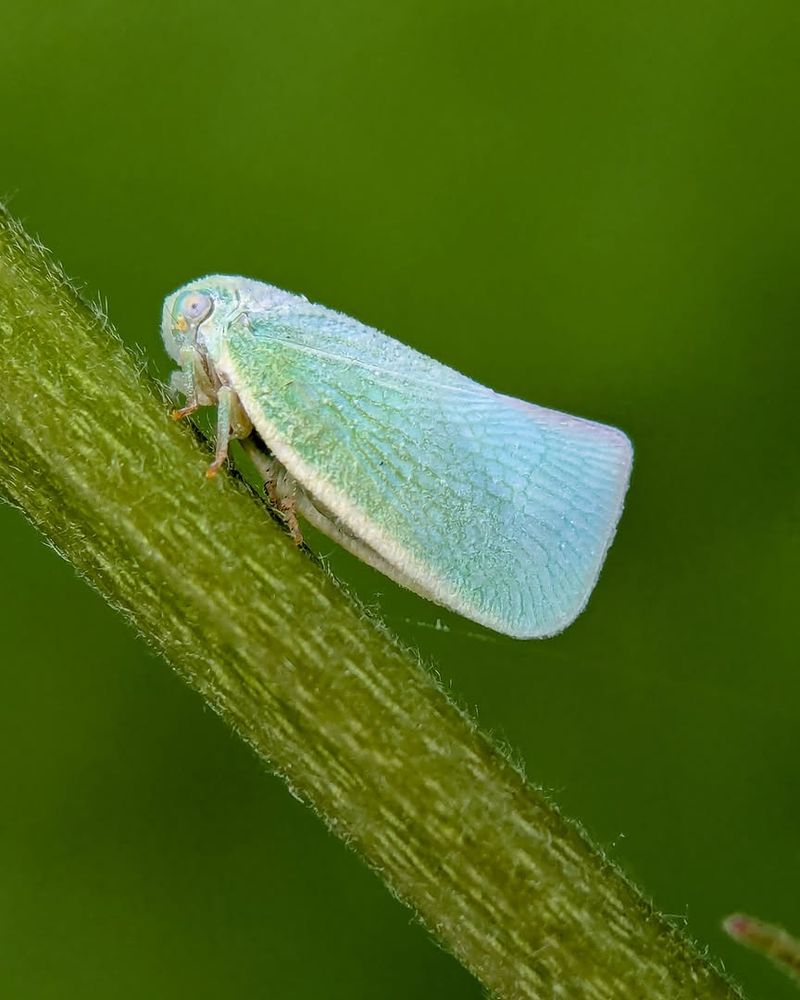
Tender new leaves that emerge in spring are essentially an open invitation for sap-sucking insects. Young plant tissue is softer, thinner, and packed with nutrients compared to older, tougher leaves.
For insects like aphids, whiteflies, and thrips, this fresh growth is the easiest and most rewarding food source available during the season.
Florida’s climate plays a big role in making spring particularly challenging for gardeners. Temperatures warm up quickly after winter, and that warmth triggers both rapid plant growth and rapid insect reproduction.
Insects that spent winter in low numbers can explode in population within a few weeks once Florida’s spring weather settles in.
Plants also tend to push out a lot of new growth all at once in spring, which means there is more vulnerable tissue available at the same time.
Nitrogen-rich fertilizers, while helpful for encouraging growth, can make that new tissue even softer and more attractive to pests.
Gardeners in Florida sometimes find that easing back slightly on heavy fertilization in early spring helps reduce how quickly pest problems develop.
Keeping an eye on the youngest leaves at the tips of branches is a reliable habit, since that is where sap-sucking insects tend to gather first when they find a suitable host plant to feed on.
3. How To Spot Aphids On Tender New Growth
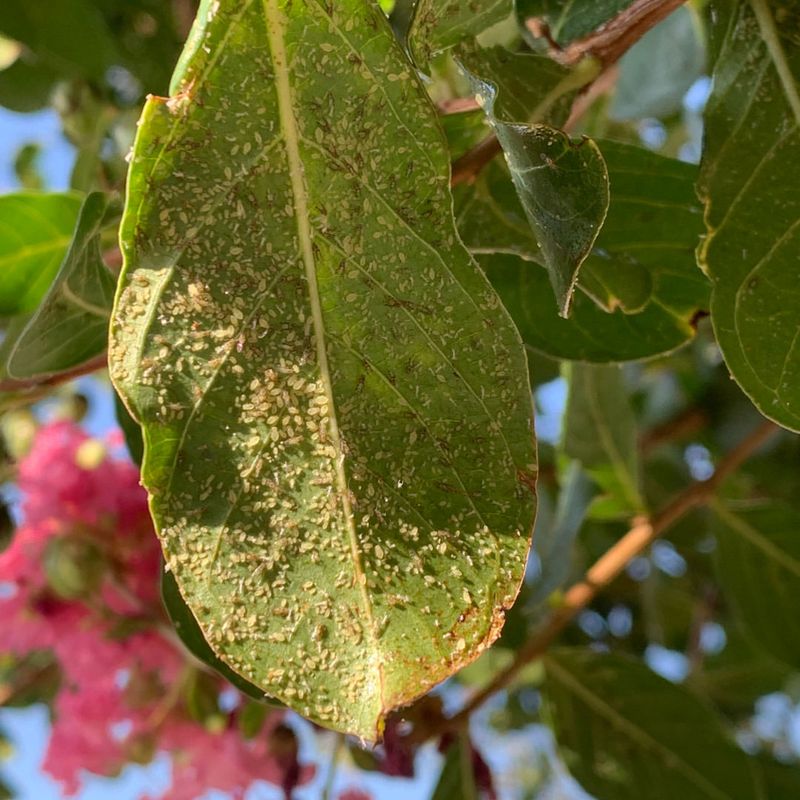
Spotting aphids early takes a little patience and a willingness to look closely at your plants. These insects tend to cluster on the undersides of young leaves and along tender new stems, which makes them easy to miss during a quick walkthrough.
Flipping leaves over and checking the growing tips of branches is one of the most reliable ways to catch an infestation before it grows out of control.
Aphids come in several colors depending on the species and the host plant they prefer. In Florida gardens, you might find green, yellow, black, or even pinkish aphids, and they often blend in surprisingly well with the plant tissue around them.
Looking for the side effects of their feeding can sometimes be easier than spotting the insects themselves.
Sticky residue on leaves or on surfaces below the plant is a strong clue that aphids are present.
Trails of ants moving up and down a stem are another useful signal, since ants are attracted to the honeydew aphids produce and will actually protect aphid colonies from predators to keep the food source available.
Curled or distorted new leaves, especially on the growing tips, round out the list of signs to watch for. Catching these clues early in Florida’s spring season gives you the best shot at managing the problem with minimal effort.
4. Whiteflies And Thrips Can Also Cause Leaf Curling
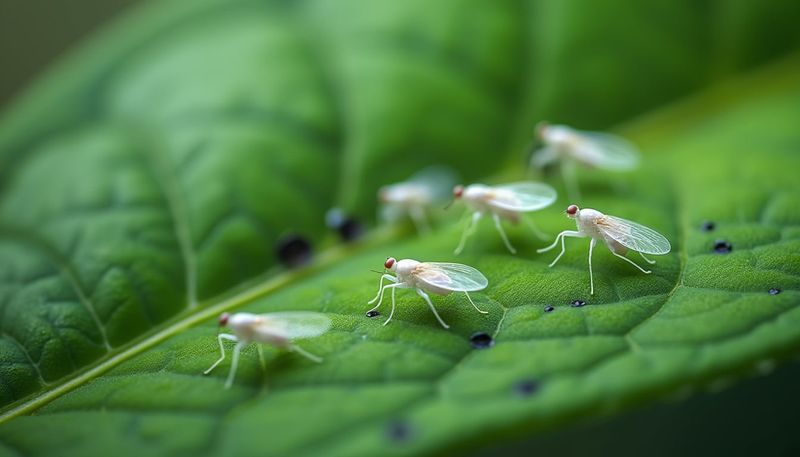
Aphids get a lot of attention, but they are not the only tiny insects that can cause leaves to curl and distort in a Florida spring garden.
Whiteflies and thrips are two other common culprits that show up regularly on ornamental plants, vegetables, and fruit trees across the state.
Both insects feed on plant sap and can trigger similar curling and puckering symptoms on new growth.
Whiteflies are small, moth-like insects that gather in large numbers on the undersides of leaves. When you brush against an affected plant, a cloud of tiny white insects often lifts into the air.
Like aphids, whiteflies produce honeydew, which leads to sooty mold buildup and makes leaves look dirty and unhealthy over time.
Thrips are even smaller and harder to see without a magnifying glass. These slender insects scrape the surface of leaves and flowers to feed, leaving behind silvery streaks or distorted tissue.
On new spring growth, thrips feeding can cause leaves to curl inward or develop an uneven, crinkled texture. Florida’s warm, dry spells in early spring can cause thrips populations to spike noticeably.
Yellow sticky traps placed near affected plants can help you monitor whether whiteflies or thrips are present, and neem oil applied to the undersides of leaves tends to be an effective option for managing both pests in home gardens.
5. Check The Underside Of Leaves For Hidden Pests
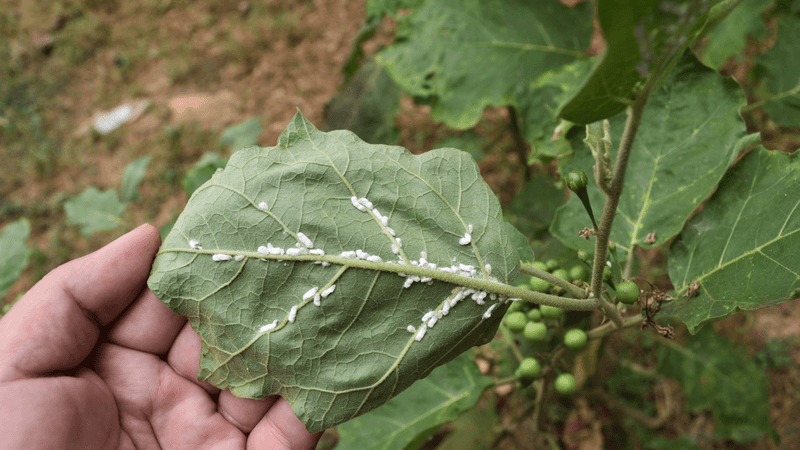
One habit that separates experienced Florida gardeners from beginners is the practice of checking the undersides of leaves on a regular basis.
Most common garden pests, including aphids, whiteflies, spider mites, and thrips, prefer to hide on the lower surface of leaves where they are sheltered from sun, rain, and the eyes of predators.
If you only look at the tops of leaves, you can miss an infestation entirely until the damage becomes severe.
In Florida, the combination of warmth and humidity creates a year-round environment where pest populations can establish quickly.
Spring is especially active because so many plants are pushing out new growth at the same time, giving insects plenty of places to settle and feed.
Spending just a few minutes each week flipping leaves and scanning stems can help you catch problems while they are still manageable.
What you are looking for includes clusters of small insects, tiny eggs attached to leaf tissue, sticky residue, or fine webbing that suggests spider mites are present.
Discolored spots, silvery streaks, or distorted leaf edges are also signs worth investigating further.
A small magnifying glass can be a useful tool for identifying what you find.
Once you confirm a pest is present, targeted treatments like insecticidal soap or neem oil applied directly to the undersides of leaves tend to be more effective than broad sprays.
6. Overwatering Can Lead To Soft, Distorted Growth
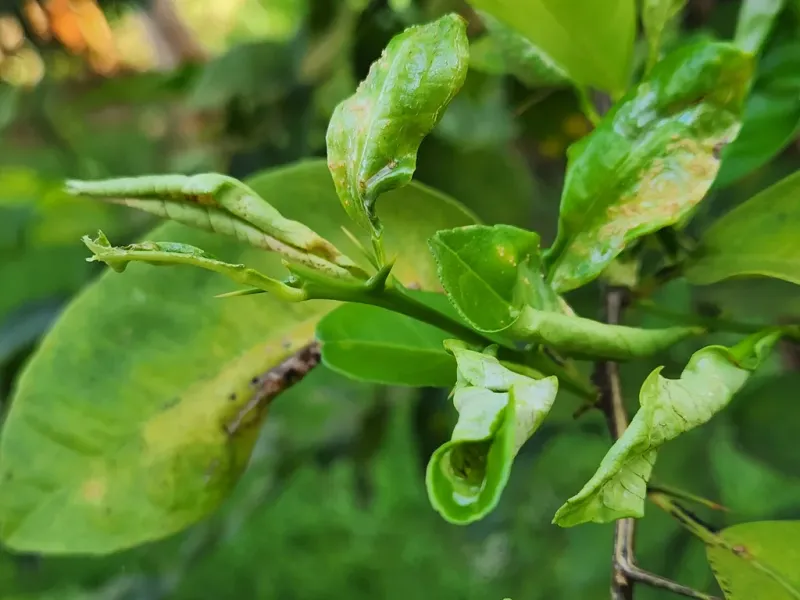
Not every case of curling leaves in a Florida spring garden points to insects. Overwatering is a surprisingly common issue, particularly for gardeners who carry watering habits from cooler months into the warmer spring season.
When roots sit in waterlogged soil for extended periods, they struggle to absorb oxygen, which affects the plant’s ability to move water and nutrients properly through its tissue.
The result can look a lot like pest damage at first glance. Leaves may curl downward, feel soft or limp, and new growth may appear stunted or distorted.
In Florida’s heavy clay soils or in containers without adequate drainage, this problem tends to develop faster than most gardeners expect, especially during spring rains combined with regular irrigation schedules.
A simple way to check whether overwatering might be involved is to push a finger about two inches into the soil near the base of the plant. If the soil feels wet or soggy, pulling back on watering for several days is a reasonable first step.
Improving drainage by amending soil with compost or perlite can help in the long run. Florida’s spring rainfall is often unpredictable, so adjusting irrigation systems to account for natural rain events is a practical habit worth developing.
Healthy roots lead to stronger plants that are also better equipped to resist pest pressure throughout the growing season.
7. Herbicide Drift Can Cause Sudden Leaf Curling
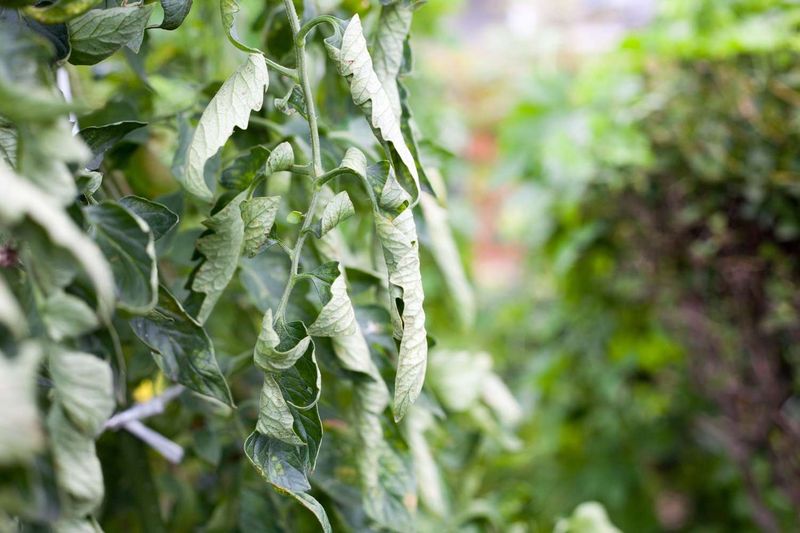
Sometimes curling leaves in a Florida spring garden have nothing to do with pests or watering at all.
Herbicide drift is a less talked about but very real cause of sudden leaf distortion, particularly in neighborhoods where lawn care services are active during spring.
When herbicides are applied on a breezy day, microscopic droplets can travel much farther than expected and land on nearby ornamental plants or vegetable gardens.
The symptoms of herbicide exposure can look strikingly similar to aphid damage. New growth may twist, curl, or cup in unusual ways, and stems can appear thickened or bent.
One key difference is that herbicide drift tends to affect multiple plants in the same general direction from the source, while pest infestations usually start on one plant and spread gradually outward.
If you notice several plants in a row developing distorted new growth all at once, and you cannot find any insects on close inspection, herbicide drift is worth considering as a possible explanation.
There is no chemical treatment that reverses herbicide damage once it has occurred, but affected plants often push out healthy new growth over time if the exposure was mild.
Documenting the damage with photos and noting when nearby lawn treatments took place can be helpful if the issue continues.
Talking with neighbors or lawn service providers about timing and weather conditions when spraying can help reduce the chance of future drift incidents.
8. Temperature Swings Can Stress New Spring Growth
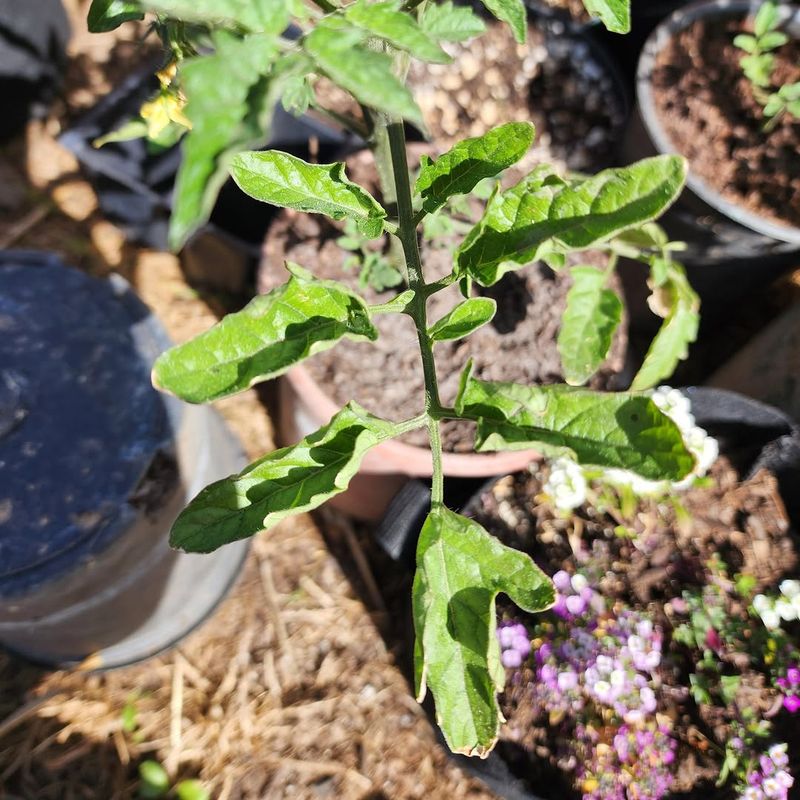
Florida springs are mostly warm, but unexpected cool snaps can catch gardeners off guard, especially in the northern parts of the state. New growth that emerges during a warm spell can be particularly vulnerable if temperatures drop suddenly overnight.
Chilly air causes plant cells to lose moisture rapidly, and leaves may curl inward as a response to that stress, almost as if the plant is trying to conserve warmth.
Beyond cold snaps, wide temperature swings between day and night can also affect how new growth develops. Plants that push out soft new tissue during a warm afternoon may struggle when nighttime temperatures fall significantly.
In Florida, these swings are most common from late February through early April, which happens to overlap with the most active period of new spring growth on many ornamental and fruit-bearing plants.
The good news is that temperature-related curling is usually temporary. Once conditions stabilize and temperatures stay consistently warm, most plants recover and push out healthy new growth without any intervention needed.
Covering sensitive plants with a light frost cloth on nights when temperatures are expected to drop below 50 degrees Fahrenheit can offer meaningful protection.
Mulching around the base of plants also helps moderate soil temperature and retain moisture during unpredictable weather.
Recognizing temperature stress as a possible cause helps Florida gardeners avoid unnecessary treatments when the real fix is simply a few warmer days ahead.