If You See Curling New Leaves In Florida, Check For This Tiny Pest First
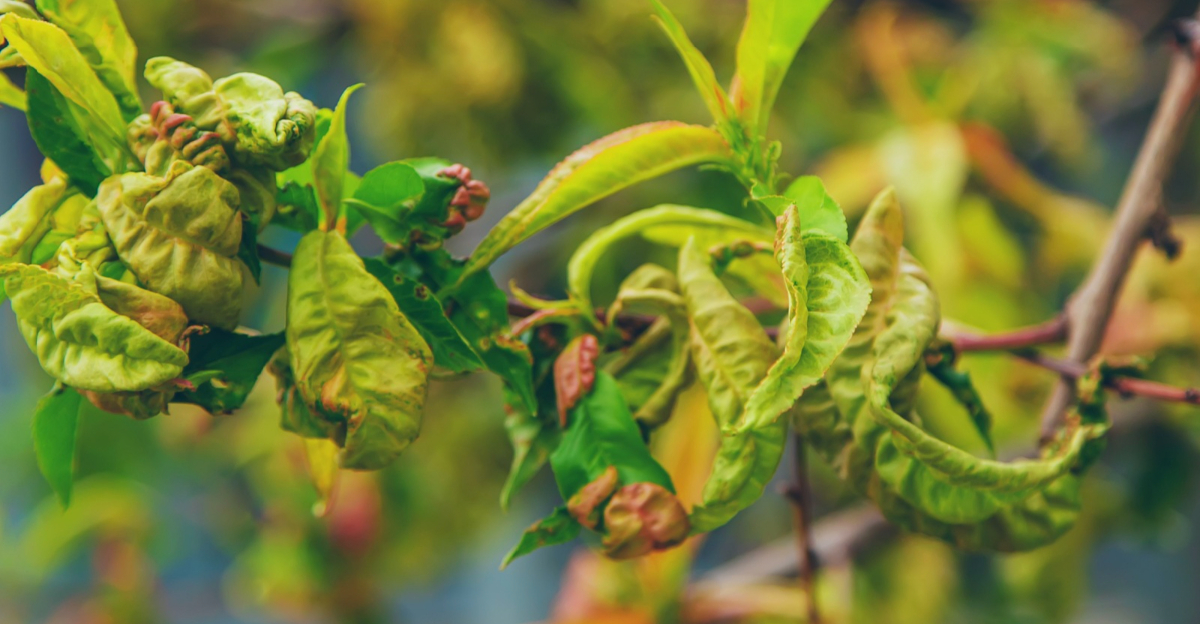
One day your plants look perfectly healthy, and the next, the newest leaves are curled, twisted, or puckered. It is a common sight in Florida gardens, and it often catches people off guard.
Many homeowners assume watering or fertilizer is the issue, but the real cause is usually much smaller and harder to see.
Tiny pests like aphids thrive in Florida’s warm, humid conditions and can multiply quickly on fresh growth.
What starts as a minor issue can spread fast across a plant. Catching the problem early makes a big difference, helping your plants stay strong and continue growing through Florida’s long season.
1. Aphids Target Tender New Growth And Cause Leaf Curling
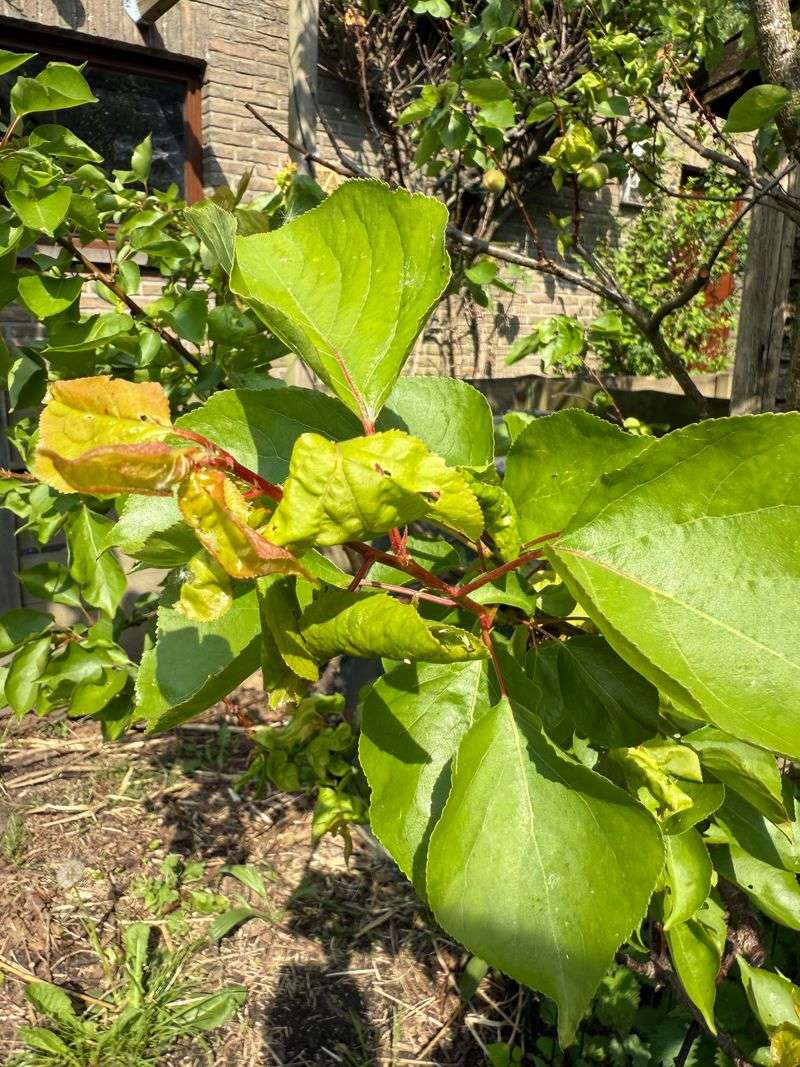
Walk through almost any Florida garden during the warmer months and you are likely to find at least one plant with new leaves that look puckered, rolled inward, or twisted at the tips. More often than not, aphids are behind that damage.
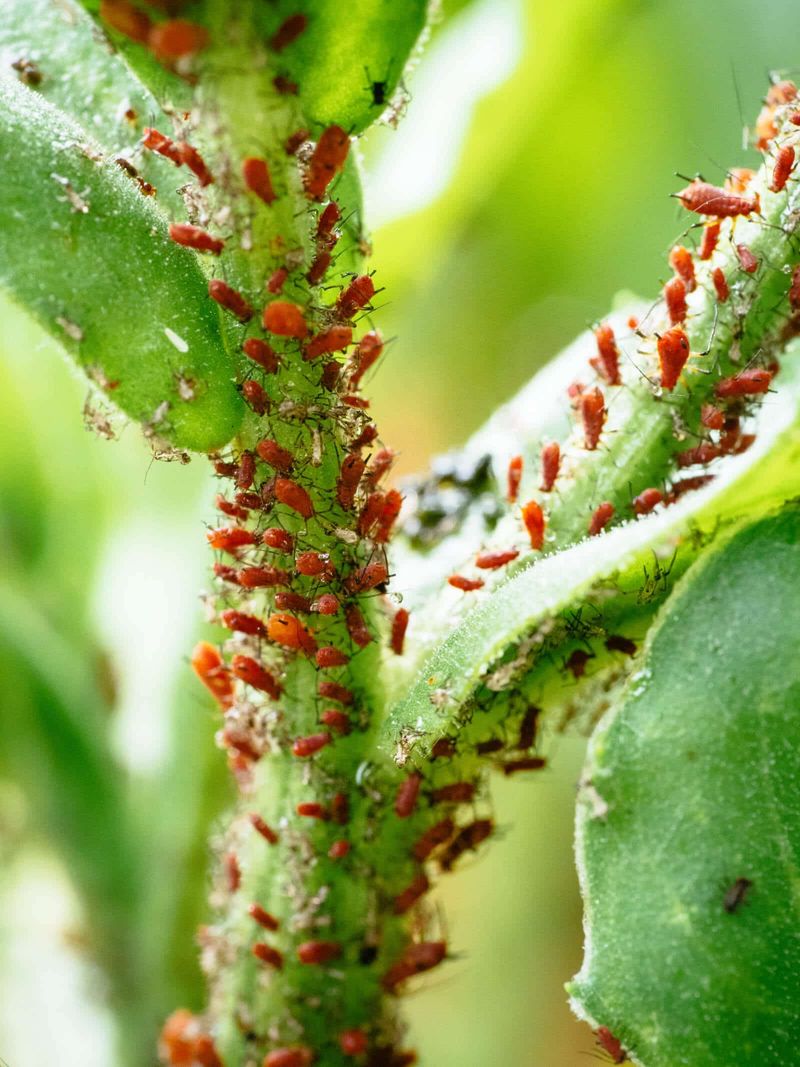
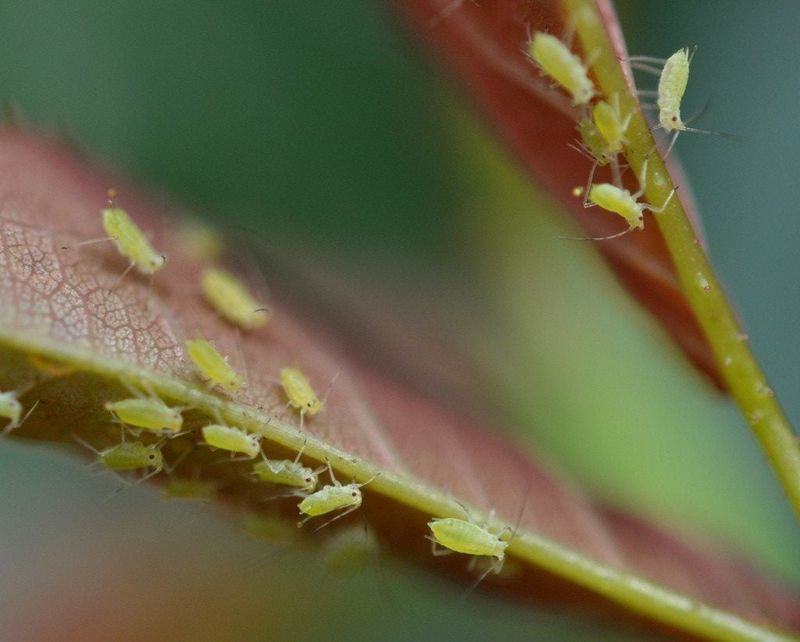
These soft-bodied insects are tiny – usually smaller than a sesame seed – and they feed by piercing plant tissue and sucking out the sap that plants need to grow.
When aphids feed on new growth, the plant responds by curling or cupping its leaves around the feeding site. This curling actually makes the problem worse because it shelters the aphids from predators and from sprays you might try to apply.
Aphids also release a sticky waste called honeydew, which drips onto leaves and stems and encourages a black fungal growth known as sooty mold.
Florida’s vegetable gardens, ornamental shrubs, and fruit trees are all common targets. Plants like hibiscus, citrus, roses, peppers, and crape myrtles are especially attractive to aphids.
Colonies can build up on a single plant within just a few days because female aphids in warm weather can give birth to live young without mating.
Spotting the early signs of an aphid infestation before the curling becomes severe is the most reliable way to protect your plants from lasting damage.
2. How To Spot Aphids Before Damage Gets Worse
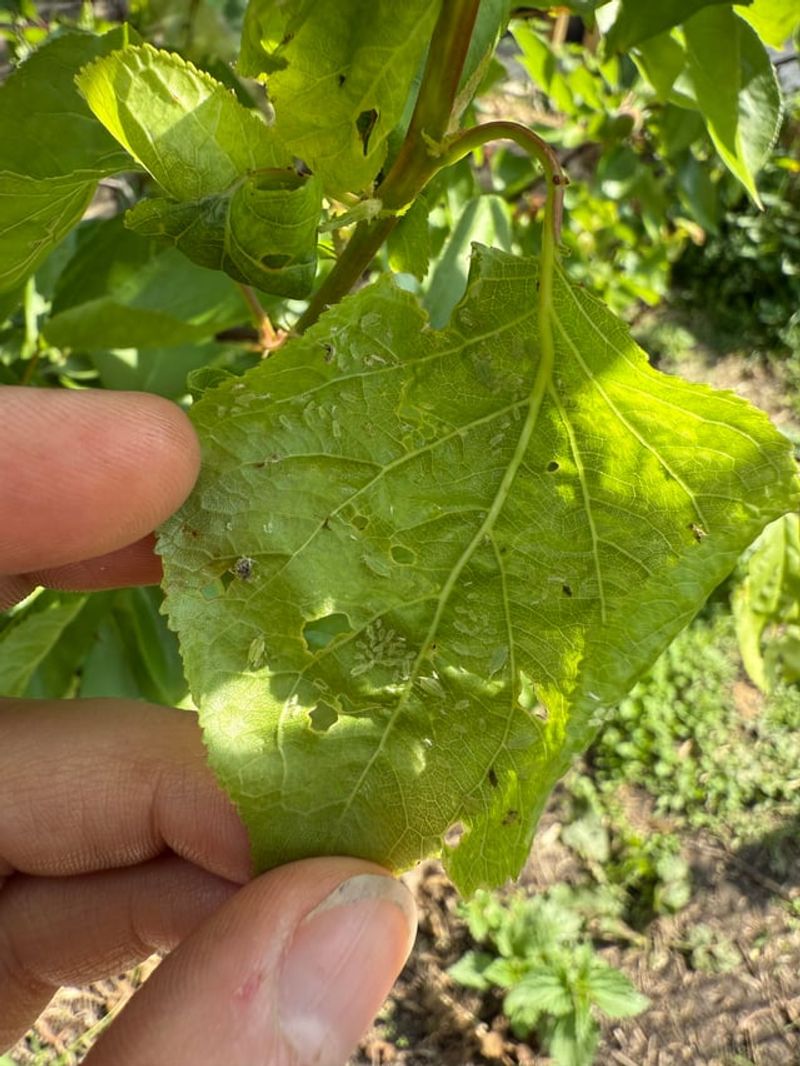
Spotting aphids early means knowing exactly where to look and what to look for. Aphids tend to gather in dense clusters on the undersides of young leaves and along tender new stems rather than spreading out evenly across a plant.
Their bodies are pear-shaped and can be green, yellow, black, brown, or even pinkish depending on the species and the host plant they are feeding on.
One of the first clues that aphids are present is the appearance of distorted or cupped new leaves before you can even see the insects themselves.
If you gently unfurl one of those curled leaves and look at the inner surface with a magnifying glass, you will often find a tightly packed group of aphids hiding inside.
Another early sign is the presence of sticky residue on leaves or on the ground beneath the plant.
Ants are also a surprisingly useful indicator. Certain ant species actively protect aphid colonies because they feed on the honeydew aphids produce.
If you notice ants crawling up and down the stems of a plant repeatedly, checking the new growth for aphids is a smart next step.
In Florida’s year-round growing conditions, keeping a habit of inspecting plants at least once a week during active growth periods can help you catch aphid colonies while they are still small enough to manage easily.
3. Why Florida’s Warm Climate Speeds Up Aphid Problems
Florida’s climate is genuinely unlike most other places in the United States when it comes to pest pressure.
Temperatures that stay warm for most of the year mean that aphids never fully die back the way they might in northern states where hard freezes interrupt their life cycle.
In much of Florida, aphid populations can remain active and reproductive for ten or eleven months out of the year.
Under ideal warm conditions, a single aphid can produce dozens of offspring in just a week. Those offspring can start reproducing themselves within days of being born.
A colony that starts with just a handful of insects on a new shoot can grow into hundreds – or even thousands – of individuals within two to three weeks.
Florida’s humidity also encourages the lush, soft new growth that aphids prefer, which means plants in Florida gardens are almost continuously producing the type of tender tissue that aphids target most aggressively.
Seasonal spikes in aphid activity tend to occur in Florida during spring and early fall when plants flush with new growth after periods of rain or after fertilizing.
Gardeners who fertilize heavily with nitrogen-rich products sometimes notice increased aphid pressure because those fertilizers push out extra-soft, fast-growing shoots that are particularly appealing to sap-sucking insects.
Reducing excessive fertilizer use and watering consistently can help slow the rapid plant growth that makes aphid infestations worse in Florida’s warm conditions.
4. Other Pests That Can Cause Curling Leaves In Florida
Aphids get most of the attention when curling leaves show up in Florida gardens, but they are not the only small pest that can cause this kind of damage.
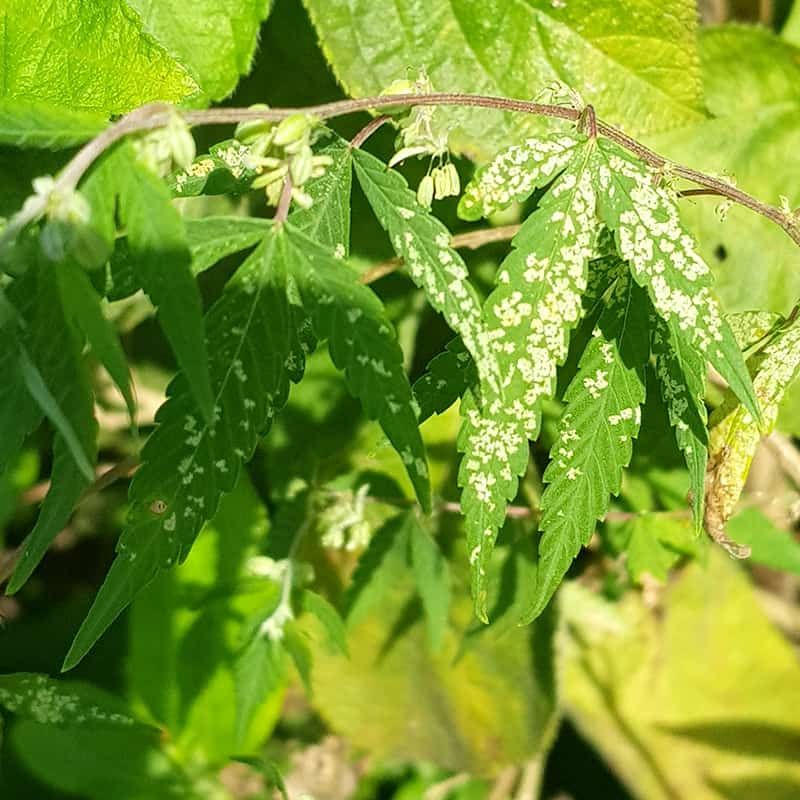
Thrips are slender, nearly microscopic insects that rasp and scrape at plant tissue rather than piercing it cleanly.
Their feeding leaves behind silvery streaks, distorted buds, and new leaves that curl or appear crinkled even before they fully open.
Spider mites are another culprit worth checking for, especially during dry spells in Florida when plants are already stressed.
These tiny arachnids – they are not technically insects – feed on the undersides of leaves and cause a fine, dusty stippling pattern on the upper surface.
In severe infestations, affected leaves may yellow, curl at the edges, and eventually drop. A fine webbing on the undersides of leaves is a reliable sign that spider mites are present.
Broad mites and russet mites are less commonly discussed but show up in Florida gardens more than many gardeners realize.
Broad mites in particular cause intense distortion and downward curling of new growth, and the damage can look very similar to a virus or herbicide injury.
Because several different pests can cause curling leaves, taking a close look at the plant tissue – ideally with a hand lens or magnifying app on a smartphone – helps narrow down the actual cause before choosing a treatment approach.
5. How To Check The Underside Of Leaves For Hidden Pests
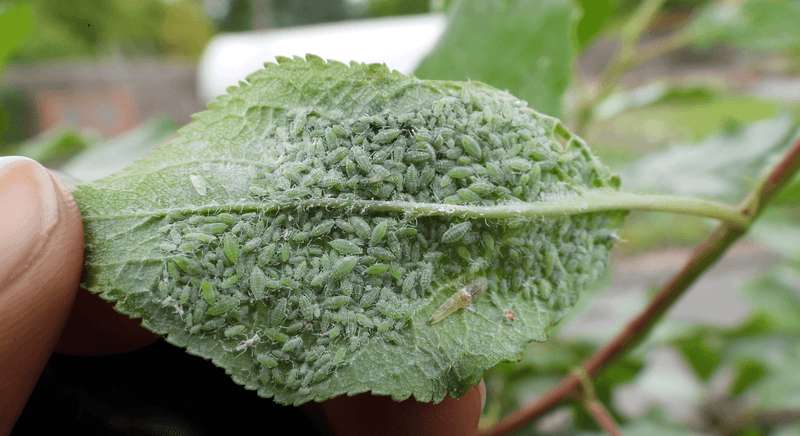
Most of the tiny pests that cause curling leaves in Florida spend the majority of their time on the undersides of leaves, which makes them easy to miss during a quick visual scan from above.
Building a habit of flipping leaves over during your regular garden walk-throughs is one of the most effective ways to catch pest problems early before visible damage becomes widespread.
Start by checking the newest, most tender growth first since that is where aphids, thrips, and mites tend to concentrate. Look for clusters of small insects, fine webbing, silvery streaks, or any unusual texture on the leaf surface.
A simple 10x hand lens from a garden or hardware store makes identifying tiny pests much easier, and many free smartphone apps can also help with identification when you photograph what you find.
Pay attention to the base of new stems and the areas where leaves attach to branches, since pests often congregate in those sheltered spots.
In Florida’s outdoor gardens, checking plants in the early morning or late afternoon tends to give you the clearest view because the lower sun angle creates better contrast on leaf surfaces.
If you notice sticky residue, black sooty mold, or ants moving purposefully up a stem, those are strong signals that something is feeding on the plant and that a closer inspection of the undersides is worth your time.
6. Simple Ways To Remove Aphids Without Harming Plants
Getting rid of aphids does not require strong chemical pesticides, and in many cases the gentler approaches work just as well – or even better – than harsh products.
A strong stream of water from a garden hose is one of the most straightforward methods for knocking aphids off plants.
Directing the stream at the undersides of leaves dislodges the insects and most will not be able to crawl back to the plant. Repeating this every few days helps keep populations from rebuilding quickly.
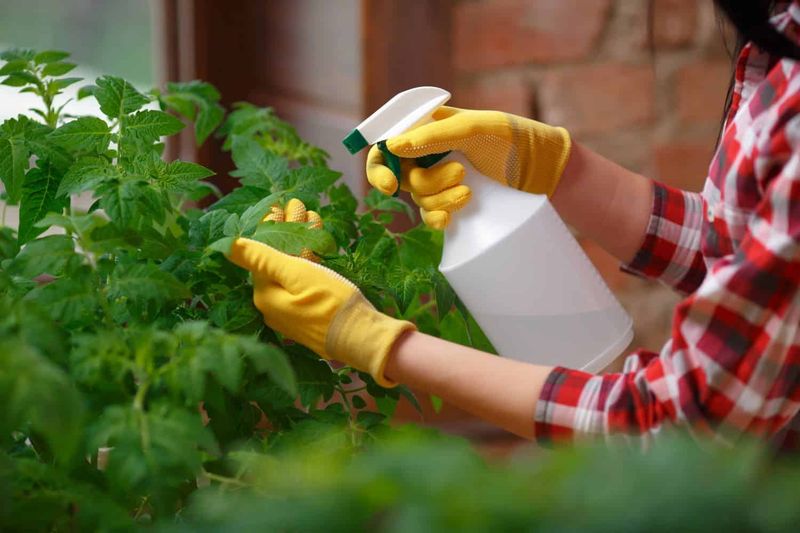
Insecticidal soap spray is another widely used option that is safe for most ornamental plants and vegetables. It works by breaking down the soft outer coating of the aphid’s body, causing dehydration.
Neem oil, which comes from the seeds of the neem tree, disrupts aphid feeding and reproduction and also offers some protection against fungal issues like sooty mold.
Both products work best when applied directly to the insects, so thorough coverage of leaf undersides is key.
Encouraging natural predators in your Florida garden is a longer-term strategy that genuinely helps. Ladybugs, lacewings, and parasitic wasps all feed on aphids and can significantly reduce colony sizes over time.
Avoiding broad-spectrum insecticides that kill beneficial insects is an important part of keeping those natural helpers around.
Planting flowering herbs like dill, fennel, and cilantro near affected plants can attract predatory insects and help create a more balanced garden environment over the growing season.
7. When Leaf Curling Is Not Caused By Pests
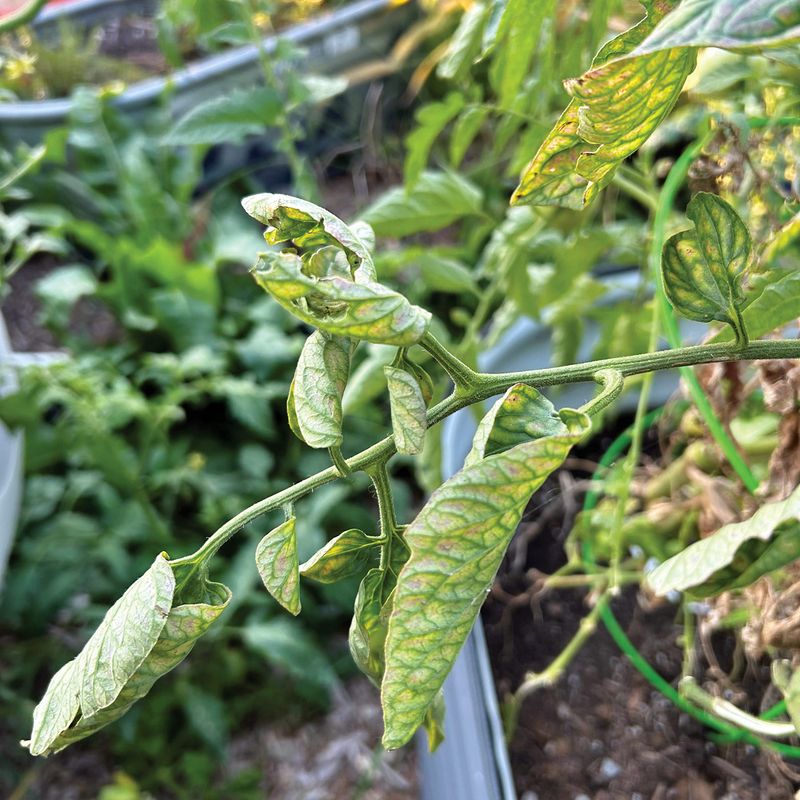
Not every case of curling leaves in a Florida garden points to an insect problem. Environmental stress is a common cause of leaf curling that gets overlooked when gardeners immediately assume pests are to blame.
Heat stress, for example, causes many Florida plants to roll their leaves inward during the hottest part of the day as a way of reducing moisture loss through the leaf surface.
Inconsistent watering – particularly cycles of drought followed by heavy watering – can cause leaves to curl, especially in shallow-rooted plants.
Overwatering is another underappreciated cause in Florida, where heavy rainfall combined with irrigation can waterlog soil and stress root systems, leading to distorted or cupped foliage.
Nutrient imbalances, particularly a deficiency in calcium or a disruption in how the plant absorbs water and minerals, can also produce curled or cupped new growth.
Herbicide drift is worth considering in Florida neighborhoods where lawn care services are common.
If a neighboring property is sprayed with a broadleaf herbicide and wind carries the drift onto your garden plants, the new growth may curl, twist, or become distorted in ways that look very similar to pest damage.
Viral diseases can also cause leaf distortion and curling, and these are typically not treatable.
Ruling out environmental and chemical causes before reaching for a pest control product helps avoid wasted effort and unnecessary stress on already struggling plants.
8. How To Prevent Aphids From Returning To New Growth
Keeping aphids from coming back after you have cleared an infestation takes a slightly different approach than treating the problem after it has already developed.
Reflective mulches made from silver or metallic materials have been shown to confuse and deter aphids that are searching for host plants from above.
Laying this type of mulch around vegetable beds or ornamental plants in Florida can reduce the number of aphids that land on plants in the first place.
Row covers made from lightweight fabric can protect young vegetable transplants during the most vulnerable early growth stages.
In Florida’s climate, these covers need to be removed or vented during the hottest parts of the day to avoid overheating plants, but they work well during cooler seasons.
Companion planting with strongly scented herbs like basil, mint, and chives is thought to mask the chemical signals that attract aphids to host plants.
Keeping plants healthy and avoiding over-fertilization with high-nitrogen products reduces the production of the soft, lush growth that aphids find most attractive.
Regularly removing heavily infested stems or shoots before a colony spreads also limits how quickly aphids can move to other parts of a plant or to neighboring plants.
In Florida’s active growing environment, combining a few of these preventive habits into your regular garden routine tends to be more effective than relying on any single strategy alone to keep aphid pressure manageable throughout the season.