If You See This Tiny Bug On Your California Citrus Leaves, Report It Immediately
California backyard citrus is one of life’s genuinely great pleasures. Fragrant blossoms in spring, fresh lemons whenever you need them, sweet mandarins ripening right outside the back door.
It is hard to beat. Which is exactly why what is happening across the state right now is such a serious concern.
A tiny brown insect called the Asian citrus psyllid has become one of the biggest threats to backyard citrus in California, and the real danger is not the bug itself but what it can carry.
This pest is capable of spreading huanglongbing, also known as HLB or citrus greening disease, and it is considered one of the most destructive citrus diseases anywhere in the world.
Knowing what to look for on your trees and what to do if you spot it could make a meaningful difference for your garden and your neighbors.
1. Asian Citrus Psyllid Feeds On New Citrus Leaves
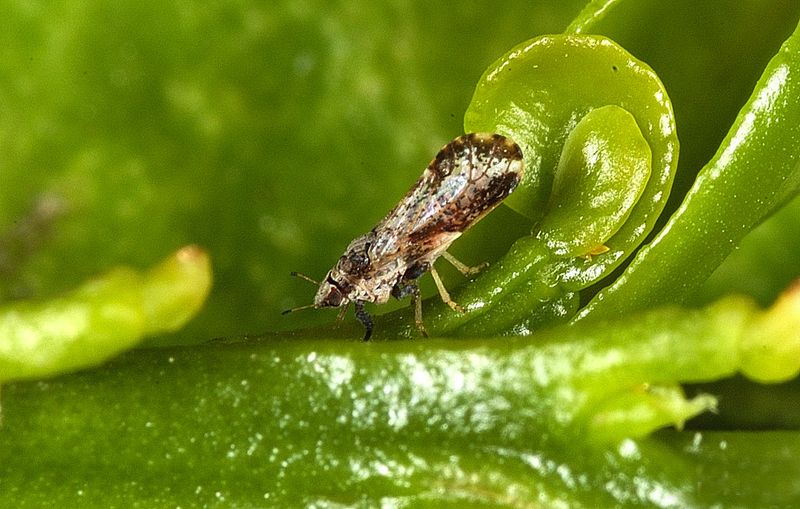
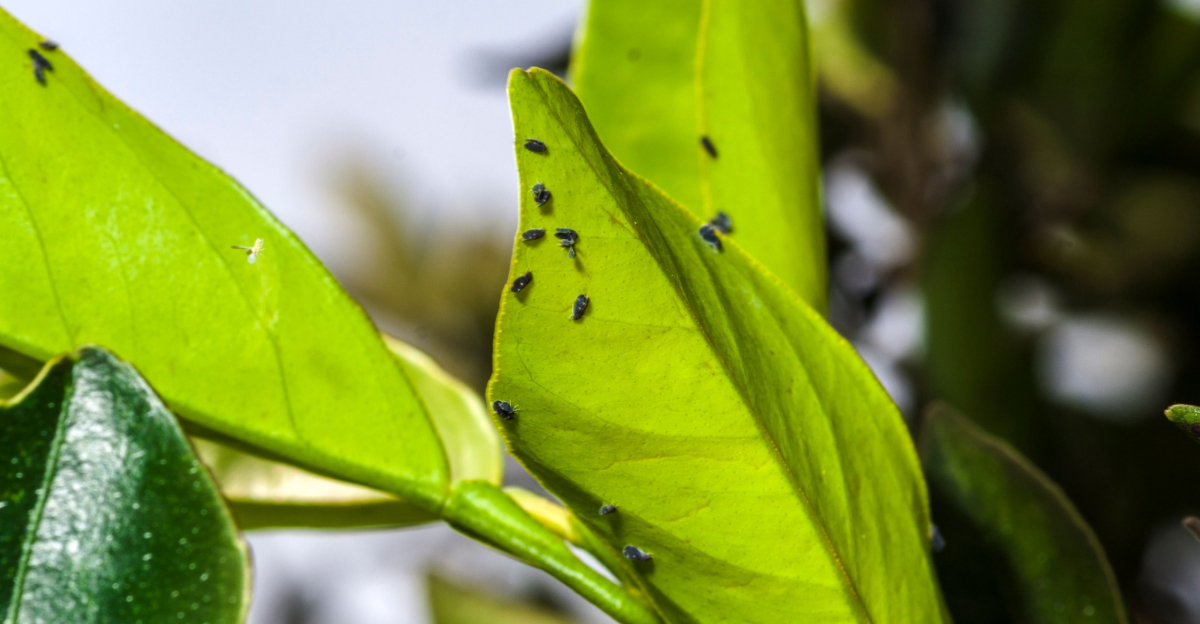
Tender new citrus growth, often called flush, is exactly what the Asian citrus psyllid is looking for when it lands on your tree. These tiny insects, roughly the size of a sesame seed, feed by piercing the soft tissue of young leaves and drawing out plant sap.
Mature citrus leaves are too tough for them, so the new flush is where the real feeding action happens.
In California, citrus trees push out new flush several times a year, especially during warm spring and summer months. Each flush cycle gives the psyllid a fresh opportunity to settle in and feed.
Backyard gardeners with lemon, orange, or mandarin trees in warm inland valleys or mild coastal areas may notice flush emerging frequently throughout the growing season.
Feeding damage alone can cause some distortion to young leaves, but the bigger concern is what the psyllid may carry and spread between plants.
Because the insect moves from tree to tree during its life cycle, a single psyllid on one California citrus tree can potentially affect neighboring trees as well.
Checking your new growth regularly is one of the most practical steps any home gardener can take during flush season.
2. Tiny Adults Sit At A Distinct Angle
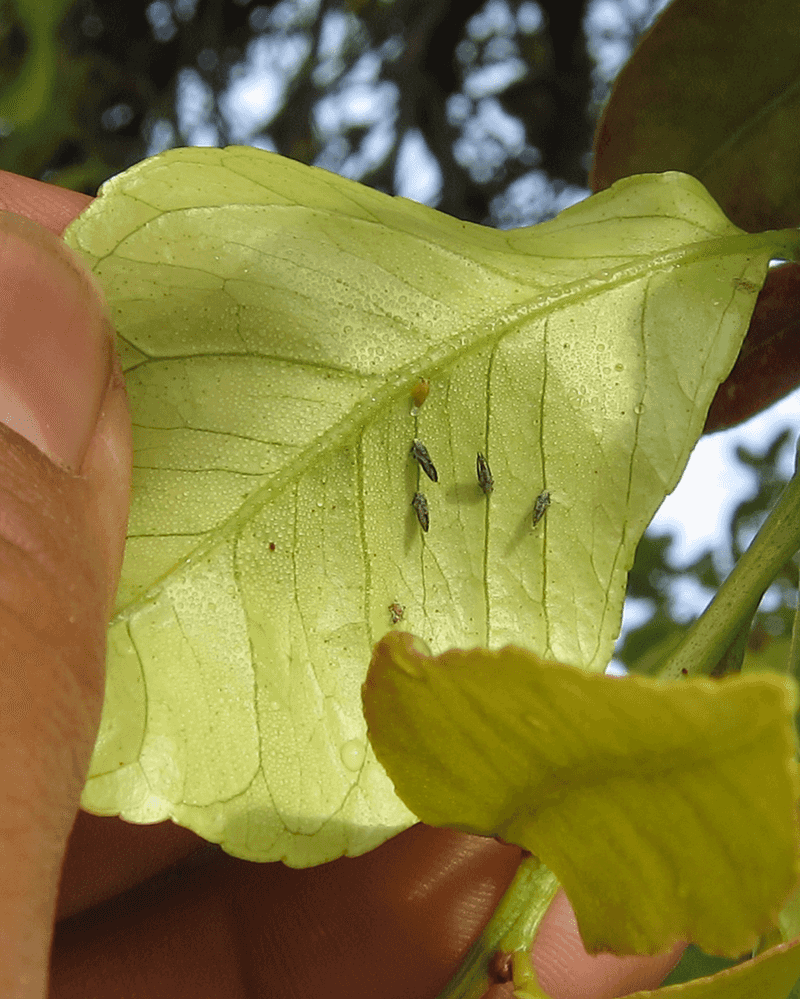
One of the most recognizable things about adult Asian citrus psyllids is the unusual way they position themselves while feeding.
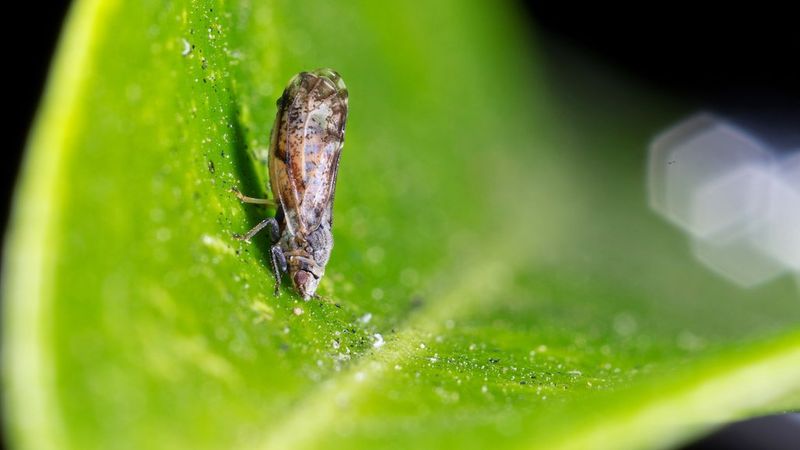
Rather than sitting flat against a leaf surface the way many insects do, these adults tilt their bodies at roughly a 45-degree angle, with their head end pressed down toward the leaf and their back end raised in the air.
It looks a bit like they are doing a handstand while eating.
This angled posture is a helpful identification clue for California gardeners who may not be familiar with the insect. Even without a magnifying glass, the tilted resting position can stand out once you know what to look for.
Adult psyllids are small and brownish, with mottled wings and a slightly waxy appearance that helps them blend into new citrus growth.
Spotting an adult in this feeding posture on your lemon, orange, or mandarin tree is a strong reason to take a closer look and report your finding.
Your California Garden Changes Every Week. Your Plan Should Too.
Gardening in California changes quickly throughout the season. Every Friday you’ll receive a simple weekly plan showing exactly what to plant, prune, fertilize, harvest, and protect so you never miss the right timing.
Photographing the insect before it moves can be genuinely helpful when contacting your county agricultural commissioner or pest reporting hotline.
A clear photo showing that distinctive angled posture can help experts confirm the identification quickly and efficiently.
3. Waxy White Tubules Reveal The Nymphs
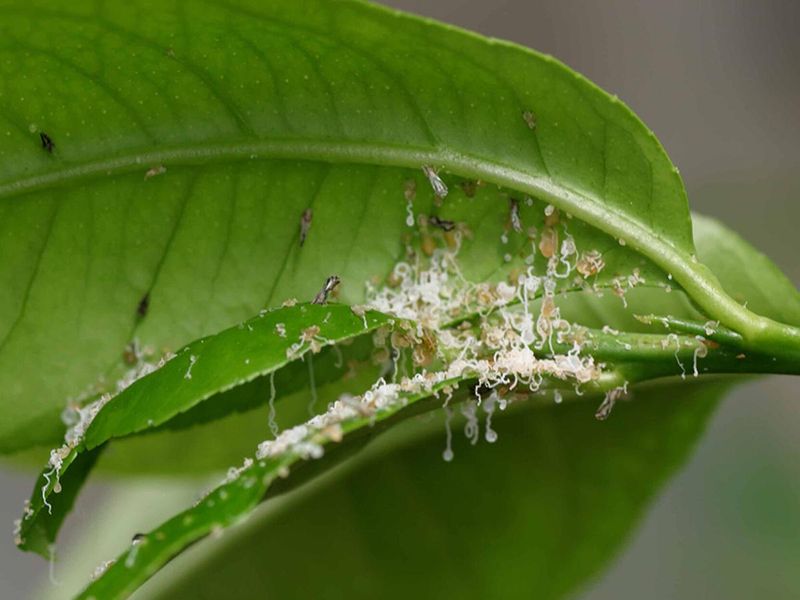
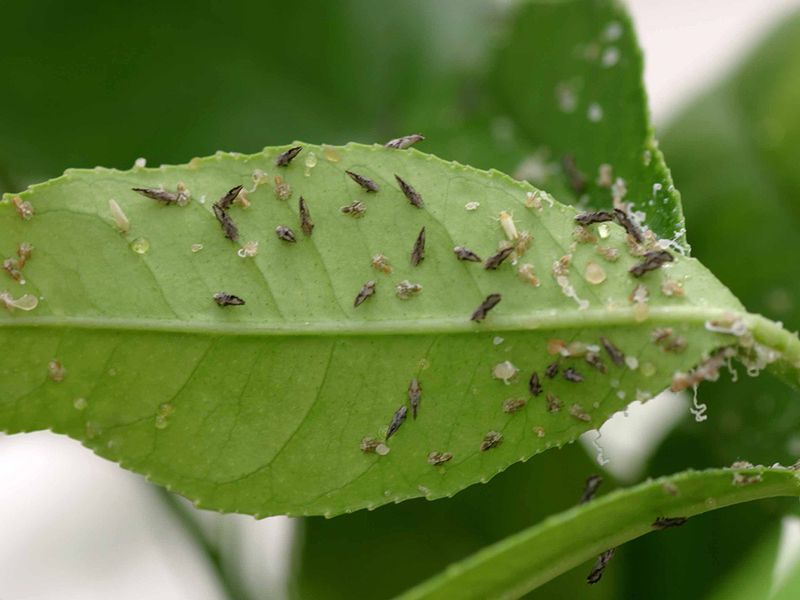
Bright white, thread-like strands curling off new citrus growth are a telltale sign that Asian citrus psyllid nymphs may be present.
These waxy white tubules are secreted by the nymphs as they feed, and they can look almost like tiny wisps of cotton or fine white hairs clinging to the leaf surface.
Once you see them, they are hard to mistake for anything else.
Nymphs are the immature stage of the psyllid, and they go through several growth phases before reaching adulthood.
During that time, they stay close to the tender new growth where they hatched, feeding steadily and producing more of those distinctive waxy threads.
The tubules also help protect the nymphs from drying out in California’s sometimes warm and dry conditions.
Finding these waxy strands on your backyard citrus tree is a clear reason to pause and look more carefully at the surrounding leaves. Nymphs are small and flat, ranging in color from yellowish to orange depending on their stage.
Because nymphs are not yet mobile enough to fly away, spotting them gives you a better chance to document the infestation before reporting it.
Sticky honeydew residue near the tubules is another sign that nymphs have been feeding actively on your citrus flush.
4. Curled New Growth Can Be An Early Clue
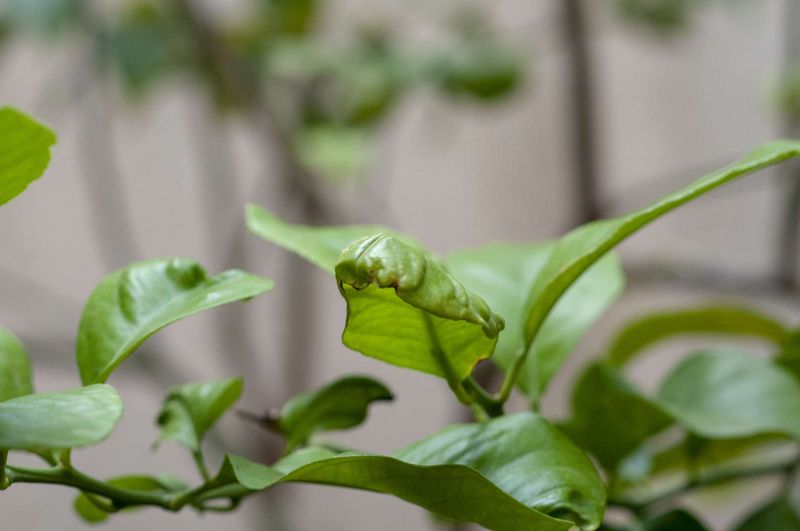
Walking past your lemon or mandarin tree and noticing that the newest leaves look twisted or curled inward is worth stopping for.
Distorted new growth can have several causes, but when Asian citrus psyllid nymphs are feeding on emerging flush, the leaves they feed on can curl and deform as they develop.
The damage happens because feeding disrupts the normal cell growth of the young tissue.
In California gardens, curled new growth can sometimes be confused with aphid damage or even environmental stress from heat or inconsistent watering.
The key difference is looking for the accompanying signs of psyllid activity, including the waxy white tubules, small flat nymphs, or adult insects resting at that characteristic angle on nearby stems and leaves.
Curled leaves alone are not enough to confirm a psyllid problem, but they are a practical reason to inspect your citrus tree more closely.
Use a magnifying glass if you have one and check the underside of curled leaves as well as the growing tips where new flush is emerging.
If you find anything suspicious alongside the leaf distortion, avoid touching or trimming the affected growth and contact your local agricultural commissioner or pest reporting line to describe what you have found.
5. HLB Is The Bigger Threat Behind The Bug
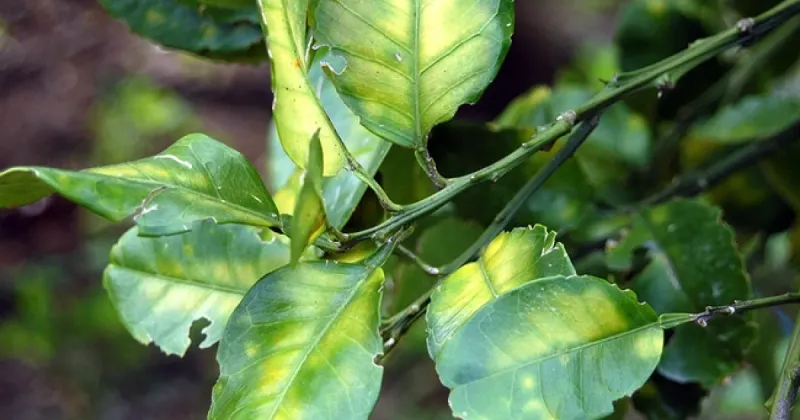
Huanglongbing, commonly called HLB or citrus greening disease, is the reason why Asian citrus psyllid gets so much serious attention from plant health officials and California gardeners alike.
The psyllid itself causes some feeding damage, but HLB is a bacterial disease that the insect can carry and transmit as it moves from one citrus tree to another.
Once a tree is infected with HLB, there is currently no known cure.
HLB disrupts the way a citrus tree moves nutrients through its system, which gradually weakens the tree and affects fruit quality.
Infected trees may produce fruit that is small, lopsided, or bitter, and symptoms can take months or even years to become fully visible after infection occurs.
That delay is part of what makes early psyllid reporting so valuable for protecting California citrus.
Not every Asian citrus psyllid carries HLB, and not every tree that a psyllid visits will become infected.
However, because the consequences are so serious and long-lasting, treating every psyllid sighting as a potential concern is a reasonable and responsible approach.
California agricultural officials and cooperative extension specialists emphasize that reporting the insect early, before HLB spreads further, gives the best chance of protecting nearby trees and the broader California citrus landscape.
6. Blotchy Yellow Leaves Need Immediate Attention
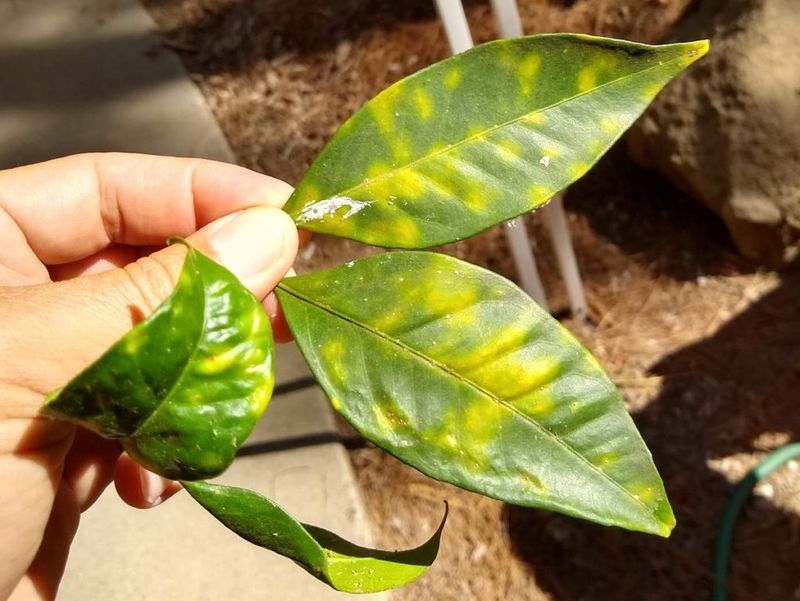
Uneven yellow patches spreading across citrus leaves in a blotchy, asymmetrical pattern are one of the most recognized symptoms associated with HLB infection.
Unlike the uniform yellowing that can come from a simple nutrient deficiency, HLB-related mottling tends to look irregular and random, often affecting just one side of a leaf or appearing in splotchy patches rather than spreading evenly across the whole leaf surface.
California gardeners who grow lemons, oranges, or mandarins in both warm inland areas and mild coastal zones should get familiar with what healthy citrus foliage looks like so that unusual yellowing stands out right away.
Healthy citrus leaves are a deep, consistent green.
When blotchy yellow mottling appears on new or maturing leaves without an obvious explanation like overwatering or iron chlorosis, it deserves a closer look.
Seeing this kind of leaf discoloration does not automatically confirm HLB, since other issues can cause similar-looking symptoms.
However, if you also notice small or lopsided fruit, fruit that drops early, or any sign of psyllid activity on the same tree, those combined signals are a strong reason to contact your county agricultural commissioner or pest hotline promptly.
Getting an official assessment is the safest and most helpful step you can take for your tree and your neighbors’ citrus trees as well.
7. Do Not Move Citrus Leaves Or Cuttings
Bringing home a cutting from a neighbor’s lemon tree or tossing some citrus trimmings into your car to share with a friend might seem completely harmless, but moving citrus plant material is one of the ways Asian citrus psyllid and HLB can spread to new areas.
Psyllid eggs and nymphs are tiny and easy to miss on leaves, stems, or cuttings, and they can survive long enough during transport to establish in a new location.
California has quarantine regulations in place for certain counties and regions where Asian citrus psyllid has been detected.
These rules restrict the movement of citrus plant material, including leaves, branches, fruit with stems attached, and rooted cuttings, outside of regulated areas.
Even well-meaning gardeners who are unaware of these rules can unintentionally contribute to spreading the pest further into unaffected parts of the state.
The safest habit to develop is keeping citrus cuttings, trimmings, and plant material local and disposing of them properly rather than transporting them.
If you are unsure whether your area has any movement restrictions, your county agricultural commissioner’s office can provide up-to-date information.
Taking a few minutes to check before moving any citrus material is a simple step that can make a meaningful difference for California’s broader citrus health.
8. Report Suspicious Bugs To The Pest Hotline
Spotting something unusual on your citrus tree and not knowing what to do next is a common experience for home gardeners.
The good news is that reporting a suspicious insect in California is straightforward, and agricultural officials genuinely want to hear from backyard gardeners.
Early reports from homeowners have played a real role in helping detect new psyllid sightings across the state.
California’s Citrus Pest and Disease Prevention Program maintains a pest hotline specifically for reporting suspected Asian citrus psyllid or HLB symptoms. You can also contact your county agricultural commissioner’s office directly.
When you call or submit a report, it helps to have a photo of the insect or the affected plant material ready, along with your address and a brief description of what you observed and where on the tree you found it.
Reporting does not mean your tree will automatically be removed or treated. It means that trained specialists can come out, confirm the identification, and determine the appropriate response.
Many gardeners hesitate to report because they are unsure whether what they saw is really the psyllid, but pest officials would rather investigate a false alarm than miss a real detection.
Submitting a report is a low-effort action that can have a genuinely positive impact on California citrus health at a neighborhood and regional level.
9. Check Lemons, Oranges, And Mandarins Often
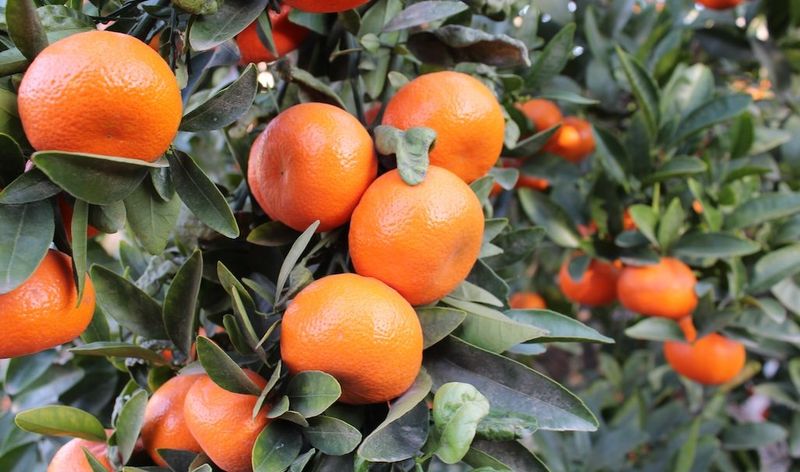
Lemon, orange, and mandarin trees are among the most common backyard citrus trees in California, and all three are hosts for Asian citrus psyllid.
That means gardeners growing any of these popular varieties should be checking their trees on a regular basis, especially during the warmer months when new flush is actively growing and psyllids are most likely to be active and searching for a place to feed.
A quick inspection does not need to take long. Walk around your tree and look at the newest growth at the tips of branches first, since that tender flush is the primary target for psyllid feeding.
Check both the top and underside of young leaves, and look for any of the key signs: tiny brown adults sitting at an angle, waxy white tubules from nymphs, curled or distorted new leaves, or sticky honeydew residue on the foliage below.
Container citrus trees on patios and balconies in California’s mild coastal cities are just as vulnerable as trees planted in warm inland yards. Psyllids can find their way to any citrus host, regardless of whether it is grown in the ground or in a pot.
Making a habit of checking your lemons, oranges, and mandarins every week or two during flush seasons is one of the most practical things a California home gardener can do to protect their trees.
10. Young Flush Growth Needs The Closest Inspection
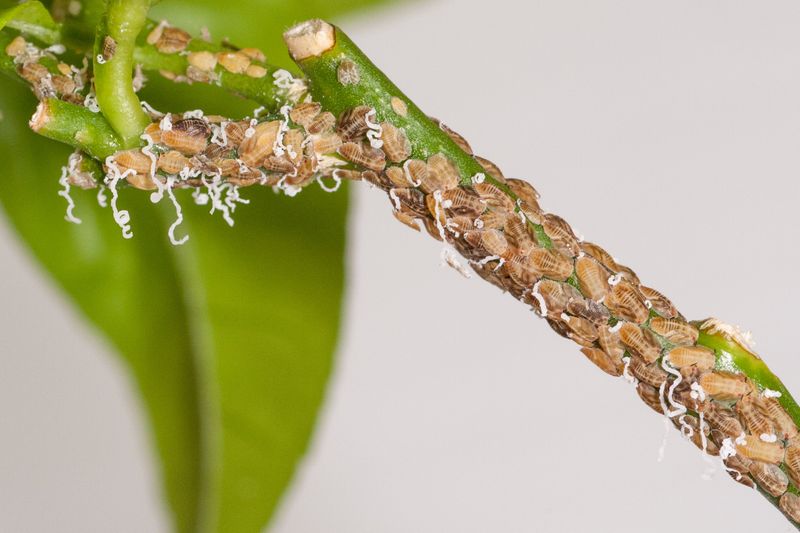
Soft, bright green new growth pushing out at the tips of citrus branches is beautiful to see in a California garden, but it is also the most vulnerable part of the tree when Asian citrus psyllid is present.
Adult females lay their eggs almost exclusively on the very youngest leaf buds and unfolding flush, which means that new growth is the first place nymphs will appear and where early feeding damage begins.
When your citrus tree is actively flushing, increase how often you check those growing tips. Look for the tiniest orange or yellow specks, which may be newly hatched nymphs, as well as the white waxy strands they produce.
A hand lens or magnifying glass can be helpful since newly hatched nymphs are extremely small and can be easy to overlook with the naked eye alone.
Inspecting flush growth carefully also gives you the best chance of catching a psyllid presence before it has time to expand.
Because nymphs stay close to where they hatched during their early stages, finding them on young flush means you are catching the infestation at an early point.
Documenting what you find with a photo and contacting your county agricultural commissioner or the California pest reporting hotline promptly is the most helpful response you can take for your citrus tree and your community.