The Best Herbs To Grow Near Patios In California To Help Deter Ticks

Ticks can make a patio feel less relaxing fast, especially when warm California weather turns outdoor sitting into a daily habit.
Nobody wants to sip iced tea while wondering what is crawling nearby. That is where certain herbs can earn their spot.
Strong scented herbs may help make the area less appealing to ticks while also making the patio smell fresh and inviting.
They look great in pots, fit neatly along edges, and stay useful for quick kitchen snips. Of course, herbs are not a magic force field, because ticks are stubborn little freeloaders.
Yard cleanup still matters. So does keeping grass short near seating areas. But planting the right herbs close to patios can add an easy layer of help.
It is a small change that feels practical and pretty. Your patio should feel like a place to relax, not a place that makes you check your ankles every five minutes.
1. Lavender Adds Beauty While Bugs Keep Their Distance
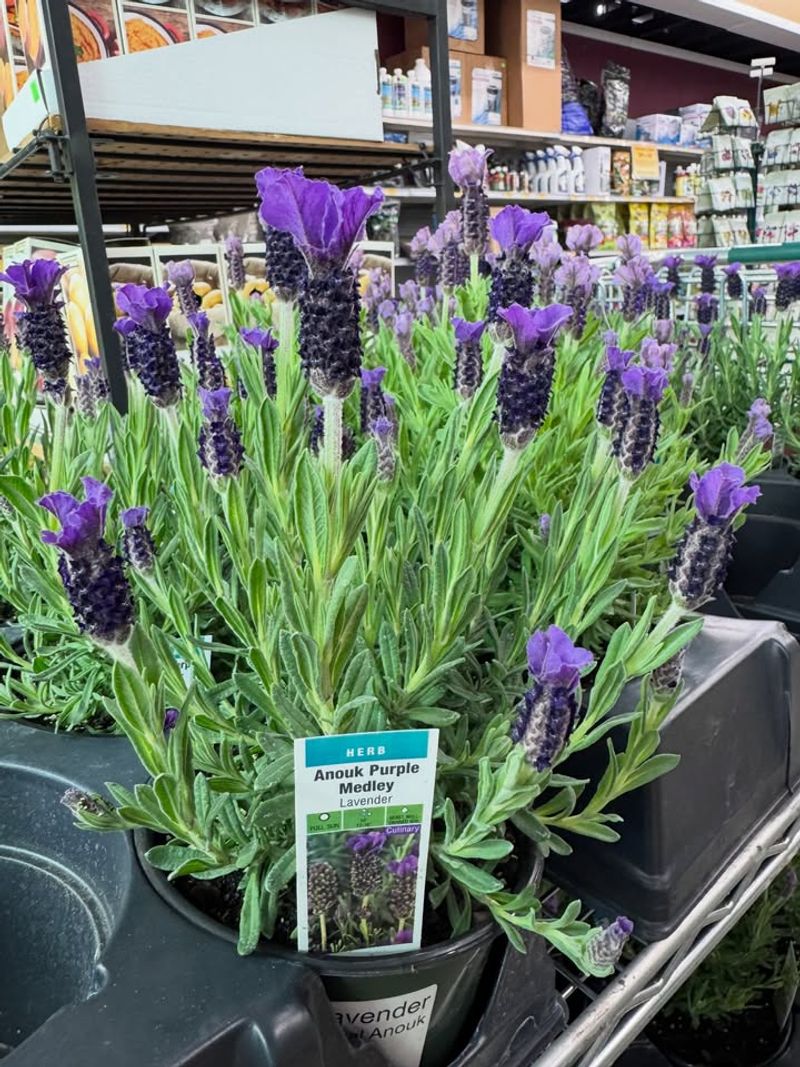
Few plants pull double duty quite like lavender. It looks stunning in the garden, smells amazing to people, and sends ticks heading in the opposite direction. The strong floral and herbal oils in lavender are what make it so effective.
Ticks rely heavily on scent to find a host, and lavender’s powerful fragrance throws them off completely.
In our state, lavender is a natural fit. It loves full sun, handles dry summers well, and does not need much water once it gets established. Plant it along the edges of your patio or in large pots near seating areas.
The closer it is to where people sit, the better it works.
English lavender and Spanish lavender are both popular choices here. Spanish lavender handles the heat a bit better in warmer inland areas. Trim your plants back after they bloom to keep them full and healthy.
You can also cut a few stems and bundle them near doorways or outdoor furniture for extra protection.
Lavender also attracts bees and butterflies, which is a nice bonus for anyone who enjoys watching pollinators visit the garden. It is truly one of the hardest-working herbs you can grow near a patio.
2. Sage Brings A Strong Scent Ticks Don’t Love
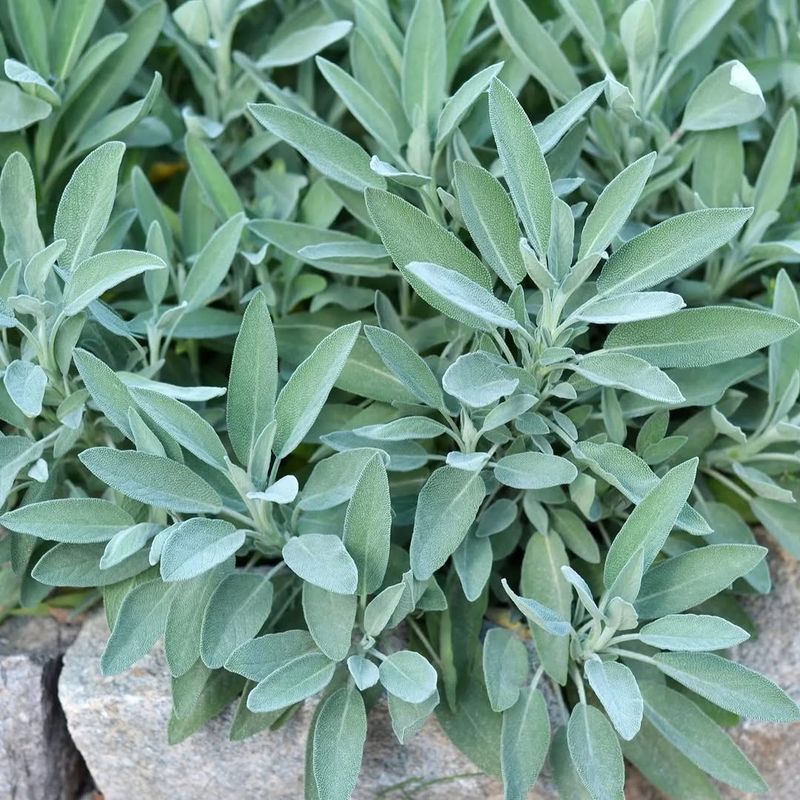
There is something almost ancient about sage. People have used it for cooking, medicine, and even ceremonial purposes for thousands of years.
But here is something that does not get talked about as much: ticks really do not enjoy being around it.
The strong, earthy oils in sage leaves act as a natural repellent that keeps many pests at bay.
Common garden sage grows beautifully in our warm, dry climate. It prefers well-drained soil and lots of sunshine, which makes it perfect for raised beds or containers on a sun-soaked patio.
Once established, it is very drought-tolerant. That means less watering and less work for you during our dry season.
Place sage plants near the corners of your patio or along a garden border where ticks might try to enter from nearby grass or brush.
Your California Garden Changes Every Week. Your Plan Should Too.
Gardening in California changes quickly throughout the season. Every Friday you’ll receive a simple weekly plan showing exactly what to plant, prune, fertilize, harvest, and protect so you never miss the right timing.
Rubbing a few leaves between your fingers releases even more of that protective scent into the air around you. Sage also looks great with its silvery-green leaves and purple flower spikes in summer.
It pairs well with lavender and thyme in a mixed herb bed. You get a fragrant, pest-discouraging border that is also genuinely beautiful to look at all season long.
3. Thyme Tucks Into Sunny Patio Gaps
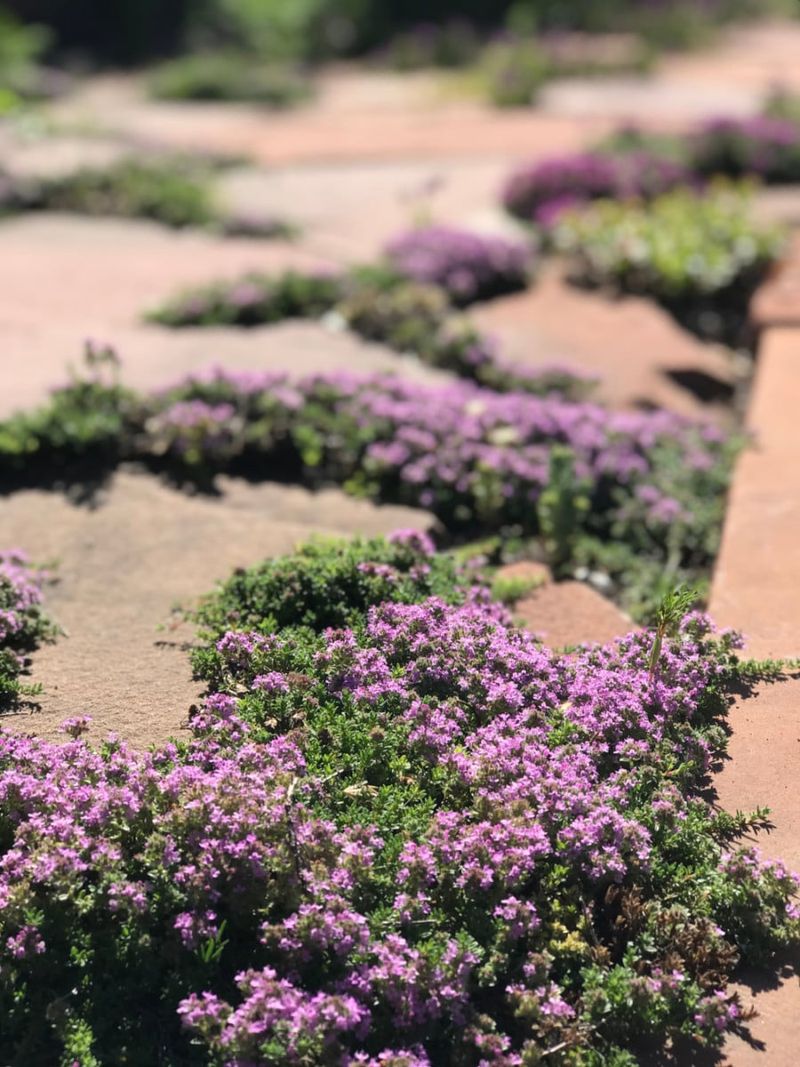
Creeping thyme might be the most underrated herb in the tick-repellent garden. It stays low to the ground, spreads between pavers and stones, and fills in those small gaps where weeds would otherwise take over.
But beyond looking tidy and neat, thyme releases a sharp, spicy scent that ticks find very unappealing.
This herb is practically built for our climate. It loves heat, handles drought without complaint, and actually gets more fragrant when the sun beats down on it. That means the hottest days of summer are the days it works the hardest.
Plant it between patio stones, along borders, or at the base of steps where foot traffic will brush the leaves and release even more of its natural oils.
Both common thyme and creeping thyme work well for this purpose. Creeping thyme is especially useful because it forms a dense, low mat that is hard for pests to move through. It blooms with tiny flowers in shades of pink and purple, which pollinators love.
Maintenance is minimal. Just give it full sun, decent drainage, and a light trim now and then. For a patio herb that works hard and stays out of the way, thyme is a top pick that rarely disappoints.
4. Mint Works Best When It’s Trapped In A Pot
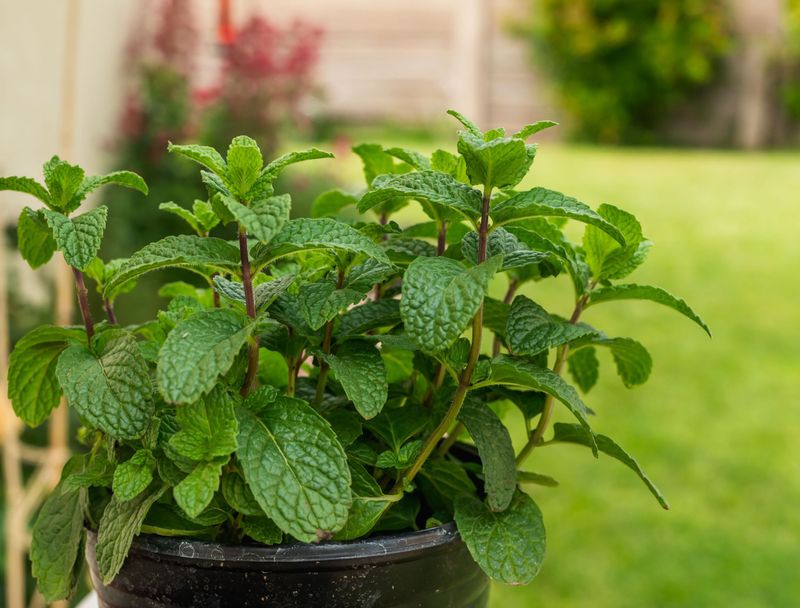
Mint has a reputation for being a little wild. Left on its own in a garden bed, it spreads aggressively and can take over more space than you planned. But when you grow it in a container, you get all of its benefits without the chaos.
And those benefits are real: the sharp, cool scent of mint is one that many insects, including ticks, strongly avoid.
Peppermint and spearmint are the two most common types, and both work well for repelling pests.
Peppermint tends to have a stronger scent, which may make it slightly more effective. Keep a pot or two near your seating area and brush the leaves occasionally to release more of that refreshing fragrance.
It makes your patio smell wonderful while quietly doing its job.
Mint grows fast and loves regular watering, which sets it apart from most other herbs on this list.
In our state, it does best in spots with morning sun and some afternoon shade, especially in hotter inland areas. Refresh your plants each season and divide them when they get too crowded in the pot.
A bonus: fresh mint is great in drinks, salads, and cooking. It is one of the most useful herbs you can keep right outside your back door.
5. Lemongrass Brings A Citrusy Barrier To Warm Patios
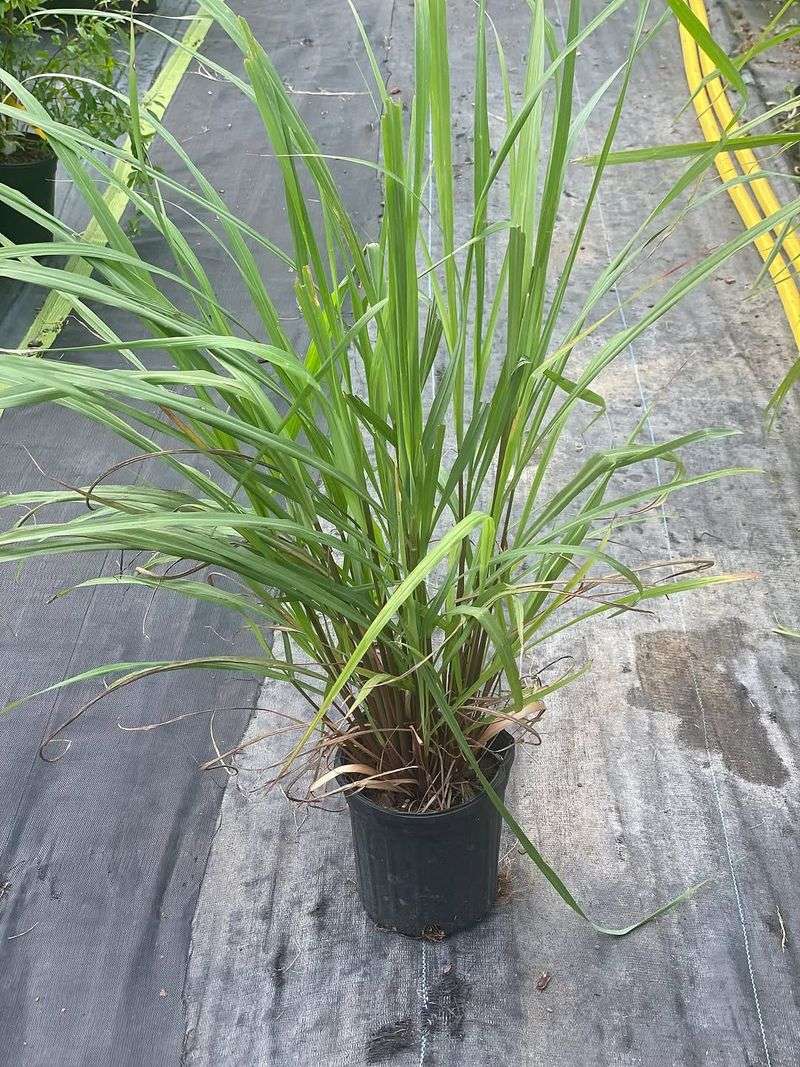
Bold, tall, and powerfully fragrant, lemongrass makes a statement wherever it grows. The bright citrus scent comes from a natural compound called citronella, which is the same ingredient used in many commercial bug-repellent candles and sprays.
Growing it fresh near your patio means you get that protection in a completely natural form.
Our warm climate is ideal for lemongrass. It thrives in full sun and actually prefers heat, which makes it well-suited for patios in the Central Valley, Southern areas, and other warm parts of the state.
Plant it in large containers or directly in the ground near the edges of your outdoor space.
One or two big clumps can create a noticeable barrier between your seating area and surrounding grass or brush.
Lemongrass can grow quite tall, sometimes reaching four to five feet, so give it room. It looks dramatic and tropical, which adds a fun visual element to the patio.
Water it regularly during the dry season, but make sure it has good drainage to avoid soggy roots.
In cooler northern regions, bring potted plants indoors during cold snaps. You can also harvest the stalks and use them in cooking, especially in soups and marinades. It is a hardworking plant that earns its spot on any outdoor patio.
6. Catnip Is More Than A Treat For Cats
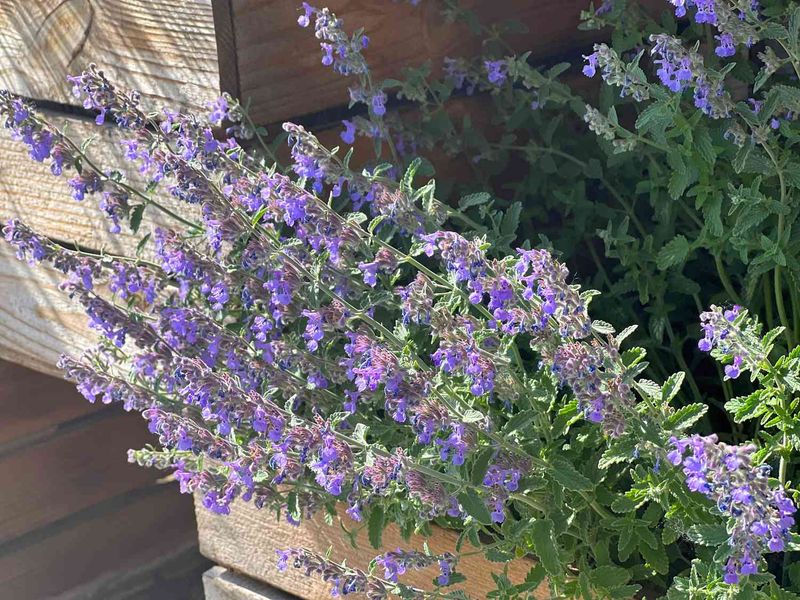
Most people think of catnip as something you buy at the pet store to entertain your cat. But this humble herb has a surprising scientific backing as a tick and insect repellent.
Studies have found that the active compound in catnip, called nepetalactone, may actually be more effective at repelling certain insects than some synthetic chemicals.
That is a pretty impressive claim for a plant that also doubles as a cat toy.
Catnip grows easily in our state and does not need much attention. It prefers full sun to partial shade and handles warm temperatures well.
Plant it in pots near your patio seating, or tuck it into a garden border along the edge of your yard.
The leaves release their repellent oils most strongly when they are brushed or slightly crushed, so placing it where people walk by helps activate its properties.
One thing to keep in mind: if you have outdoor cats, they will absolutely find this plant. A protective wire cage around the pot can help keep the plant intact. Even with that small challenge, catnip is worth growing.
It is low-maintenance, spreads easily, and blooms with small white or lavender flowers that are lovely to look at. For a natural tick deterrent that surprises most gardeners, catnip earns serious respect.
7. Oregano Handles Heat And Adds Pest-Repelling Fragrance
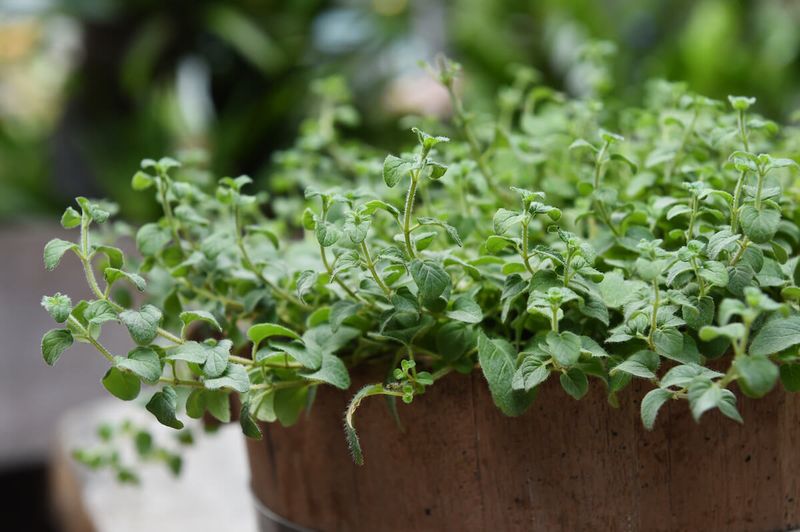
Oregano is the herb most people associate with pizza and pasta, but its usefulness goes well beyond the kitchen.
The same oils that give oregano its sharp, spicy scent are also what make it unappealing to ticks and other unwanted pests.
Carvacrol and thymol, two of the main compounds in oregano, have well-documented pest-repelling properties.
Hot, dry summers are no problem for this tough little herb. Oregano is one of the most heat-tolerant plants you can grow, which makes it a perfect match for our warm Mediterranean-style climate.
It grows well in garden beds, raised planters, or containers and asks for very little in return.
Give it full sun, well-drained soil, and occasional watering, and it will reward you with dense, fragrant growth all season long.
Place oregano near the border of your patio or around the perimeter of your yard to help create a fragrant barrier.
It grows in a low, spreading mound that looks tidy and full. Trim it back regularly to keep it bushy and to encourage new, oil-rich growth.
Fresh oregano is also wonderful to cook with, so you get a practical kitchen herb and a natural pest deterrent in one.
For a no-fuss plant that truly pulls its weight, oregano belongs in every patio herb garden.
8. Marjoram Softens Patio Pots With Herbal Scent
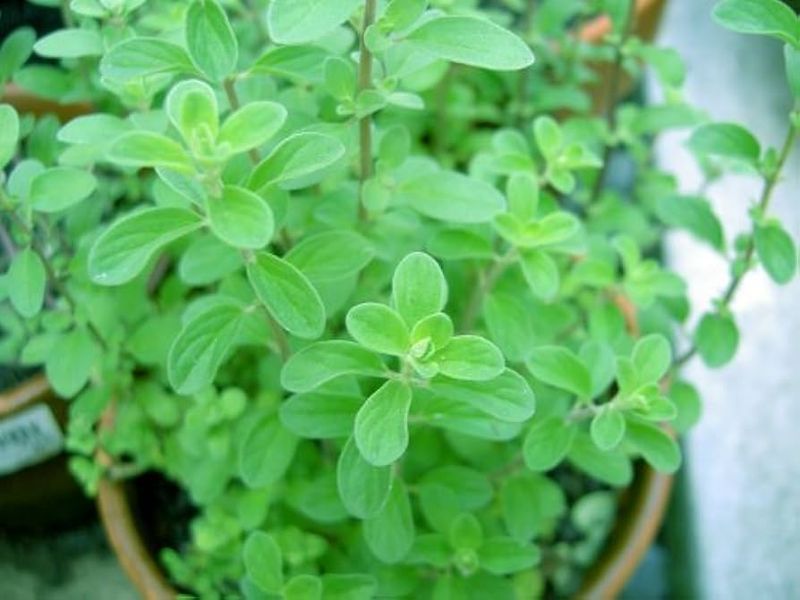
Marjoram is oregano’s quieter, sweeter cousin. The two herbs are closely related, but marjoram has a gentler, more floral scent that many people find even more pleasant in an outdoor setting.
That soft fragrance still carries enough of the same natural oils to make ticks and other insects uncomfortable.
It is a more subtle option that fits beautifully into decorative patio arrangements.
In our state, marjoram does best in full sun with well-drained soil. It is slightly less heat-tolerant than oregano, so in very hot inland areas, a little afternoon shade can help it stay lush through summer.
Grow it in pots near your seating area or mix it into a container garden with other herbs like thyme and lavender.
The combination of scents creates a layered, fragrant barrier that is more effective than any single plant alone.
Marjoram stays fairly compact, which makes it easy to manage in smaller patio spaces. Its tiny white or pink flowers appear in late summer and attract beneficial insects like bees and hoverflies.
Regular trimming keeps the plant from getting woody and encourages fresh, fragrant new growth.
Fresh marjoram is also a lovely addition to roasted vegetables, soups, and sauces. It is one of those quiet, reliable herbs that does not demand attention but consistently delivers results both in the garden and in the kitchen.
9. Bay Laurel Makes A Handsome, Useful Patio Shrub
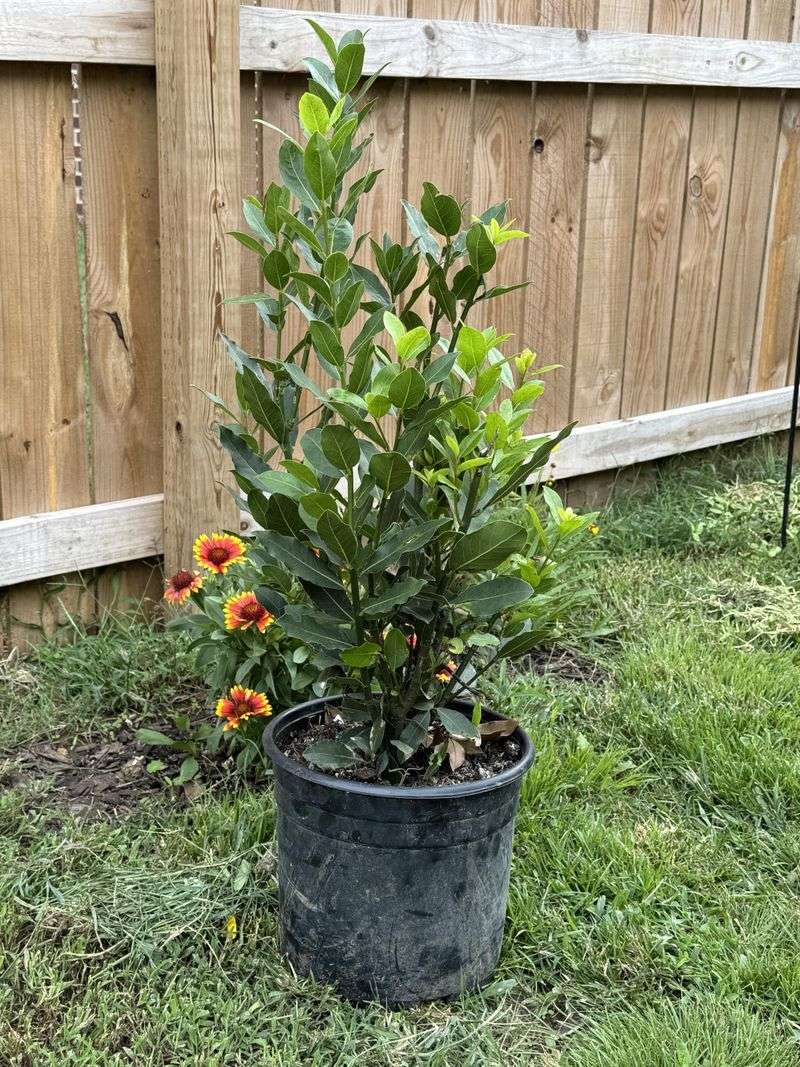
Bay laurel is the kind of plant that looks like it belongs in a fancy Mediterranean courtyard, but it is actually very practical for everyday California gardens.
The glossy, dark green leaves have a strong, spicy-herbal fragrance that ticks and many other insects find deeply off-putting.
It is one of the few tick-repelling herbs that also grows into a full shrub or small tree, giving you height and structure in your patio design.
This plant is very well-suited to our climate. It handles heat, tolerates some drought once established, and grows beautifully in large containers.
Many patio gardeners train bay laurel into a tidy topiary shape, which looks elegant and keeps the plant a manageable size.
Whether you prefer a natural, bushy shape or a neatly trimmed form, it adds a polished look to any outdoor space.
Place a large potted bay laurel near the entrance of your patio or on either side of a seating area to frame the space and help ward off pests.
The leaves are also the same bay leaves used in cooking, so you can harvest a few whenever a recipe calls for them. Fresh bay leaves have a much stronger flavor than dried ones from the grocery store.
For a plant that is ornamental, functional in the kitchen, and useful as a natural pest deterrent, bay laurel is an outstanding all-around choice.