If You Spot This Bug In Your Florida Yard, Do Not Touch It
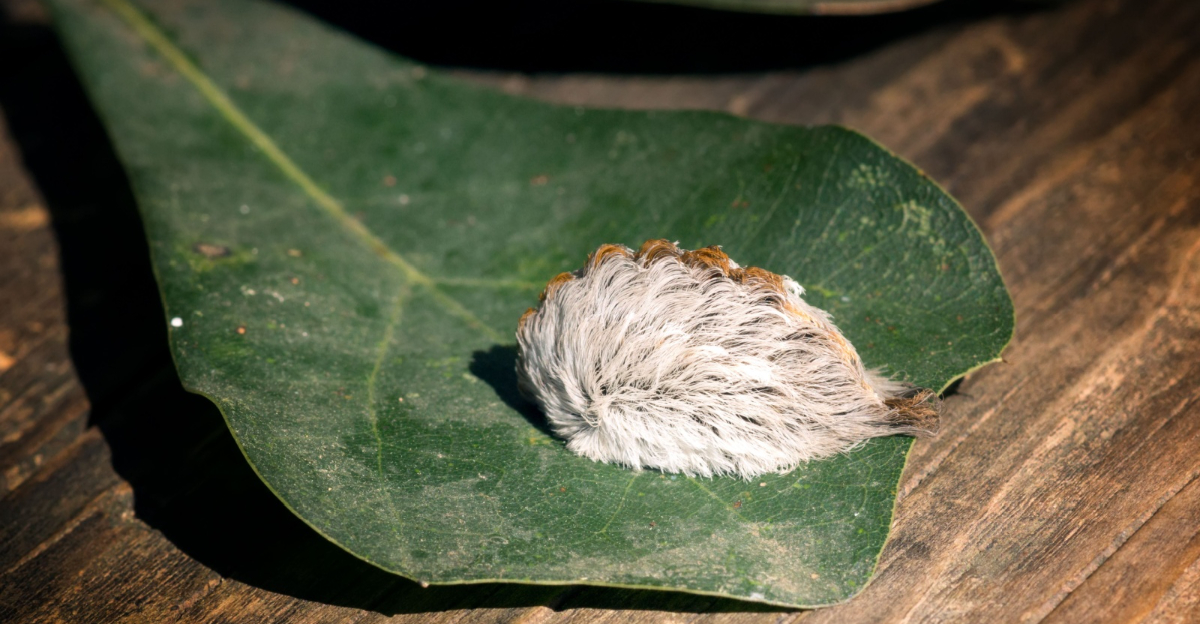
It looks harmless at first glance. Cute, even. A tiny burst of color crawling across your Florida lawn like a living pom-pom.
But this backyard visitor is not your average bug.
One careless touch can turn a peaceful afternoon into a burning, swelling, pulse-throbbing nightmare. Every year, curious homeowners, kids, and even seasoned gardeners make the same mistake, reaching down without a second thought and paying for it minutes later.
Florida’s warm climate is a paradise for strange creatures, and some of them come armed with defenses that feel straight out of a horror movie. This one moves slowly, looks soft, and seems completely safe.
That illusion is exactly what makes it so dangerous.
Lurking in plain sight is the fuzzy caterpillar, a deceptively adorable insect capable of delivering one of the most painful stings found in your own backyard.
1. Fuzzy Caterpillar Is Something You Don’t Want In Your Yard
Many Florida homeowners mistake the puss caterpillar for something harmless because of its adorable, fluffy appearance that resembles a tiny Persian cat or a small toupee. Beneath that soft-looking exterior lies a defense mechanism that packs a serious punch.
The caterpillar’s body is covered with venomous spines hidden under what looks like silky fur, and these spines deliver toxins that cause immediate, intense pain upon contact.
Most people describe the sensation as worse than a bee sting, with burning pain that can radiate throughout the affected limb. The pain typically intensifies during the first hour after contact and can last for several days in some cases.
Swelling, redness, and a rash often accompany the initial sting, making the affected area extremely uncomfortable.
These caterpillars are the larval stage of the flannel moth and are found throughout Florida, especially during late spring and fall.
They feed on various trees and shrubs, including oaks, elms, and citrus trees that are common in Florida landscapes. Their small size, usually about one inch long, makes them easy to overlook until it’s too late.
Children are particularly vulnerable because they’re naturally curious and drawn to fuzzy, interesting-looking creatures. The caterpillar’s harmless appearance makes it especially tempting for little hands to pick up and examine.
Florida parents should teach their children never to touch any caterpillar, no matter how soft or cute it appears, to prevent painful encounters with this deceptive garden resident.
2. Keep Kids And Pets Away From This Garden Visitor

Protecting your family from puss caterpillars starts with creating awareness and establishing clear boundaries around outdoor activities in your Florida yard.
Young children don’t naturally understand that something soft and fuzzy might be dangerous, so education becomes your first line of defense. Teach kids to adopt a look-but-don’t-touch policy with all insects and caterpillars they encounter outdoors.
Dogs and cats are equally at risk because they investigate their environment with their noses and paws. Pets that come into contact with these caterpillars may experience swelling around the face, excessive drooling, or pawing at their mouth and nose.
Florida pet owners should supervise outdoor time and train animals to avoid investigating unfamiliar creatures in the yard.
Creating designated play areas away from trees and shrubs where these caterpillars commonly feed can reduce exposure risk.
Regularly inspect playground equipment, outdoor furniture, and toys before children use them. Puss caterpillars sometimes drop from trees or crawl onto objects, creating unexpected contact points throughout your Florida property.
When you spot a puss caterpillar in areas where children or pets play, immediately redirect everyone away from that location. Use the sighting as a teaching moment to help kids recognize the caterpillar’s distinctive appearance.
Consider taking a photo from a safe distance to show family members what to watch for, reinforcing the importance of maintaining distance from this particular garden visitor in Florida.
3. Avoid Contact Because Its Hairs Can Irritate Skin
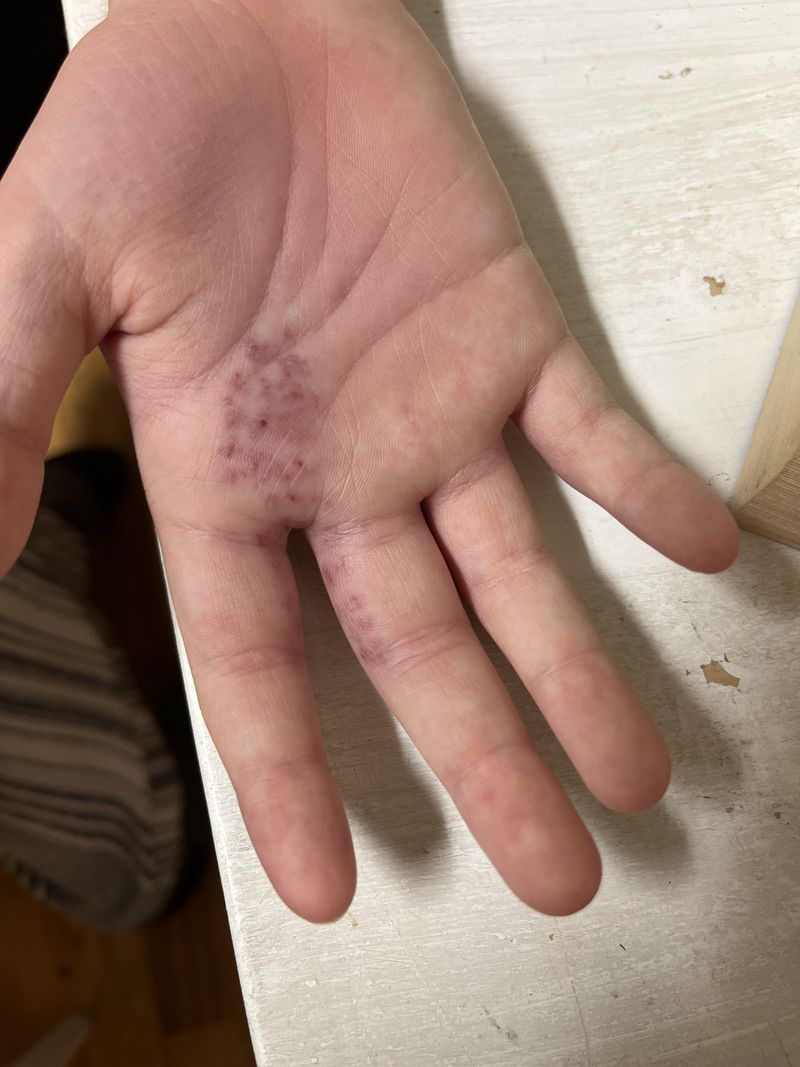
The moment your skin makes contact with a puss caterpillar, venomous spines break off and embed themselves, releasing toxins that trigger an immediate inflammatory response.
What appears to be soft hair is actually a clever disguise for hollow spines connected to venom glands. Even the lightest brush against this caterpillar can result in multiple spine penetrations and venom injection.
Initial symptoms typically include intense, throbbing pain that feels disproportionate to such a small creature.
The affected area quickly becomes red and swollen, often developing a grid-like pattern of welts where individual spines made contact. Some Florida residents report feeling pain radiating up their arm or leg, sometimes reaching lymph nodes in the armpit or groin.
Beyond the immediate pain and swelling, other symptoms can include headache, nausea, fever, and in rare cases, difficulty breathing. Individuals with sensitivities or allergies may experience more severe reactions requiring medical attention.
The intensity of symptoms often depends on how much of your skin contacted the caterpillar and how many spines penetrated. Different people react with varying severity, but no one should assume they’ll have only a mild response.
Children typically experience more intense reactions due to their smaller body size and thinner skin.
Florida healthcare providers are familiar with puss caterpillar stings and can provide appropriate treatment, so don’t hesitate to seek medical care if symptoms seem severe or concerning after contact occurs.
4. Identify It Early To Prevent Problems
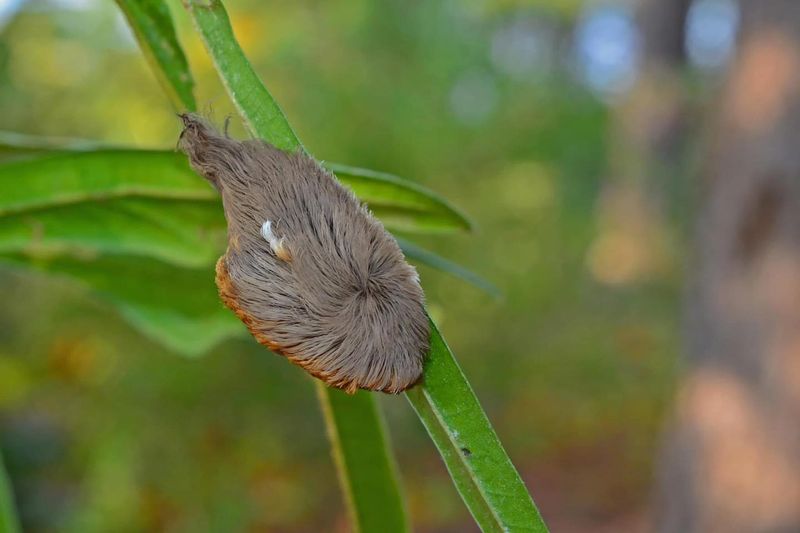
Recognition is your best defense against accidental contact with puss caterpillars in your Florida yard. These creatures have a distinctive appearance once you know what to look for, though their camouflage makes them blend surprisingly well with tree bark and withered leaves.
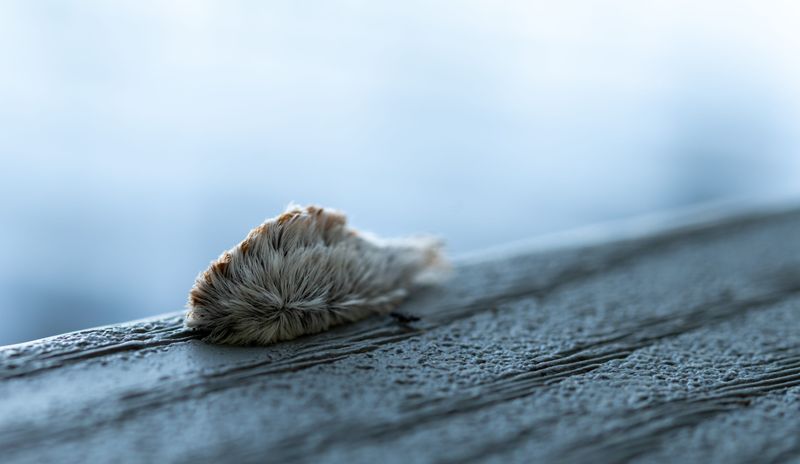
Most puss caterpillars in Florida display colors ranging from golden brown to gray, with some appearing almost blonde or ginger. Their body shape is oval and somewhat flattened, resembling a small, animated toupee slowly moving along branches or leaves.
The hair-like setae covering their body are longer on the sides, creating a skirt-like appearance around the edges. Size varies depending on the caterpillar’s age, but most measure between three-quarters of an inch to just over one inch in length.
Check trees and shrubs regularly during peak seasons, which in Florida typically occur in late spring through early summer and again in fall. Look carefully at the undersides of leaves, along branches, and near tree trunks where caterpillars rest during the day.
They’re often found on oak trees, but they’ll also feed on elm, citrus, and various other trees common in Florida landscapes. Early detection allows you to remove them before they multiply or migrate to areas where family members might encounter them.
Florida gardeners should inspect outdoor areas weekly during active seasons, paying special attention after windy weather when caterpillars might be dislodged from higher branches. Using a flashlight to check plants in the evening can help spot these creatures when they’re most active and feeding.
5. Know The Safe Way To Remove It From Your Yard
Never attempt to remove a puss caterpillar with bare hands, even if you think you can avoid touching the fuzzy parts. The proper removal technique requires protective gear and careful planning to ensure the caterpillar doesn’t end up somewhere more problematic.
Start by putting on thick leather gloves or heavy-duty rubber gloves that the spines cannot penetrate. Use a stick, small branch, or piece of cardboard to gently coax the caterpillar into a container.
A disposable cup or small bucket works well for containment during the removal process. Local extension services recommend sealed disposal rather than relocation.
Some Florida residents prefer using duct tape to remove caterpillars from surfaces where they’re resting. Press the sticky side of the tape against the caterpillar, allowing it to adhere, then carefully fold the tape over to seal the caterpillar inside.
This method prevents any possibility of the caterpillar dropping onto you during removal. For caterpillars high in trees, consider contacting a pest control professional familiar with Florida’s venomous caterpillars.
They have specialized equipment and expertise for safe removal from hard-to-reach locations. After removing a caterpillar, inspect the surrounding area thoroughly because where there’s one, there may be others nearby.
Wash the gloves thoroughly before storing them, and never reuse disposable gloves that contacted a puss caterpillar, even indirectly through tools or containers used during removal.
6. Stay Alert Because These Caterpillars Can Appear Anywhere
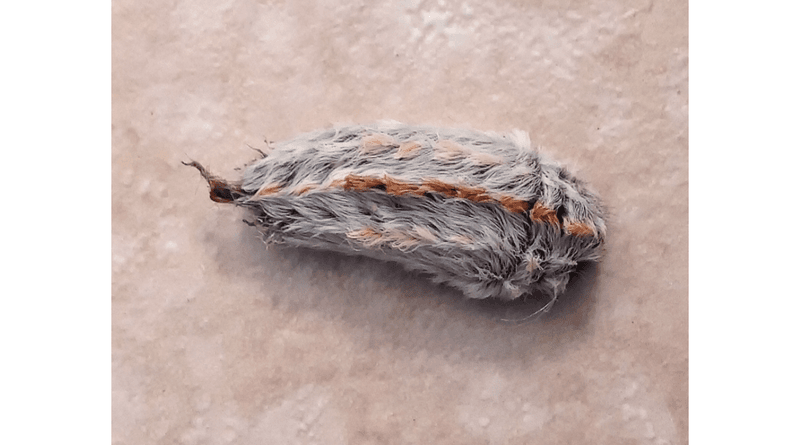
Puss caterpillars don’t limit themselves to wild areas or neglected corners of your Florida property. They can appear on playground equipment, patio furniture, car doors, mailboxes, and anywhere else near trees or shrubs where they feed.
Wind and rain can dislodge caterpillars from branches, causing them to land on surfaces you regularly touch without thinking. Florida’s warm climate creates ideal conditions for multiple generations of these caterpillars throughout the year.
While spring and fall see the highest populations, you might encounter them during any season depending on weather patterns and local conditions. Staying vigilant year-round protects you from unexpected encounters when you least expect them.
Before reaching for items that have been outdoors, take a moment to visually inspect them first. This simple habit takes only seconds but can prevent painful stings.
Teach everyone in your Florida household to check outdoor items before bringing them inside, especially things like gardening tools, toys, or decorations that sit outside for extended periods.
Community awareness helps protect entire neighborhoods in Florida. If you notice an increase in puss caterpillar activity, share this information with neighbors, especially those with young children or pets.
Local schools and parks should also be notified so they can take appropriate precautions.
Remember that these caterpillars eventually transform into harmless flannel moths, so the danger is temporary, but during their caterpillar stage, constant awareness and caution remain essential for everyone enjoying outdoor spaces throughout Florida.