If Your Texas Plants Vanish Overnight, This Pest Is Likely Responsible
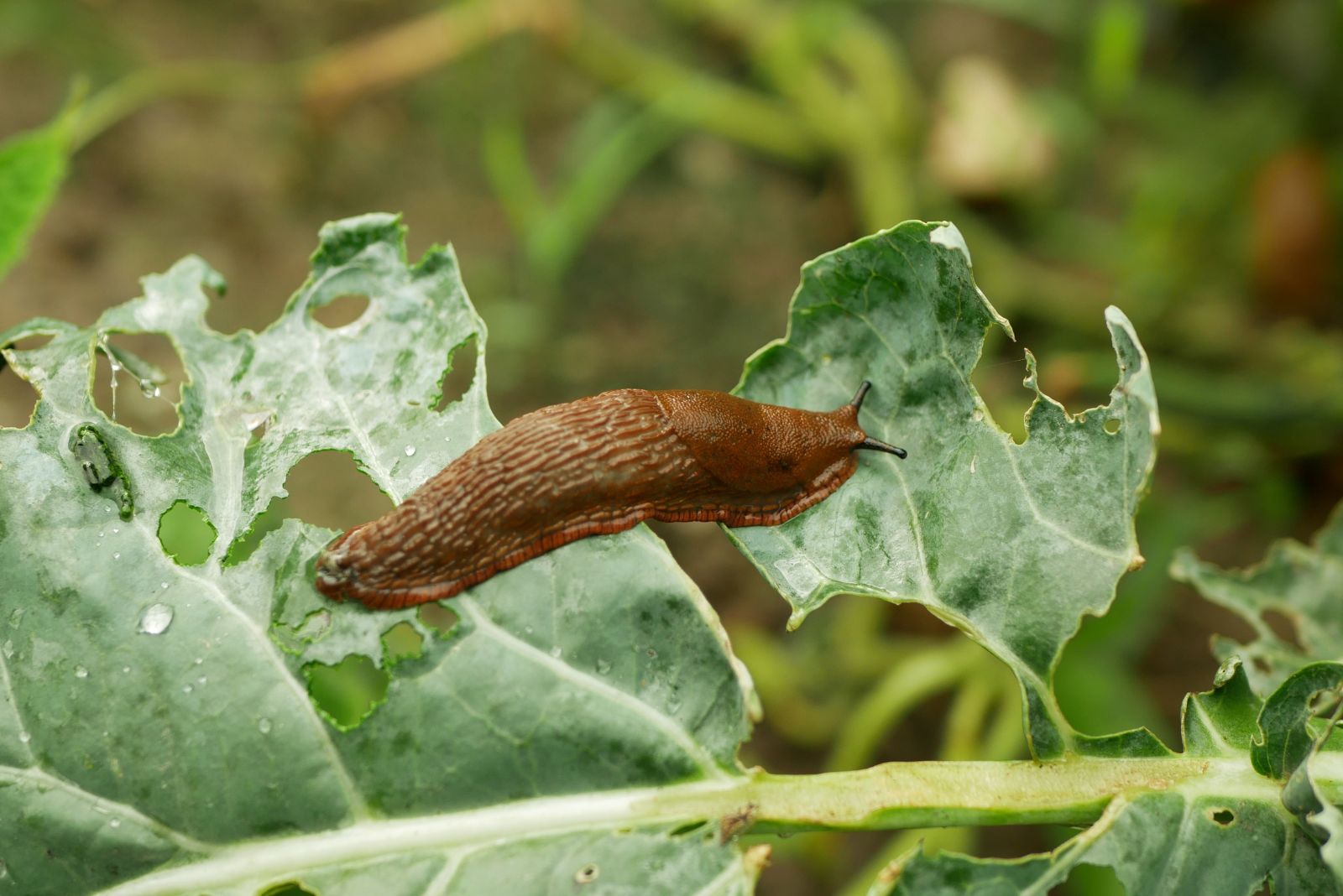
You head outside in the morning expecting to see healthy leaves and fresh growth, only to find holes, ragged edges, or entire seedlings mysteriously gone. When damage seems to appear overnight, one quiet garden intruder is often behind the chaos.
Slugs are common in many Texas gardens, especially in moist, shaded spots where they can hide during the day and emerge after dark to feed.
These soft bodied pests chew through tender leaves, young stems, and delicate seedlings, sometimes leaving plants looking stripped by sunrise.
Their slow movement makes them easy to overlook, yet their feeding can quickly add up and weaken plants if ignored. The good news is that once you recognize the signs, managing them becomes far easier.
With a few simple steps, you can protect vulnerable plants, reduce nighttime damage, and keep your Texas garden looking healthy, full, and thriving without constant frustration.
1. The Mysterious Garden Eater
Gardens across Texas experience a peculiar phenomenon where perfectly healthy plants seem to vanish between sunset and sunrise.
Leaves that looked lush yesterday morning now sport gaping holes or have disappeared entirely. Seedlings you planted with care simply vanish, leaving behind only stems or bare soil.
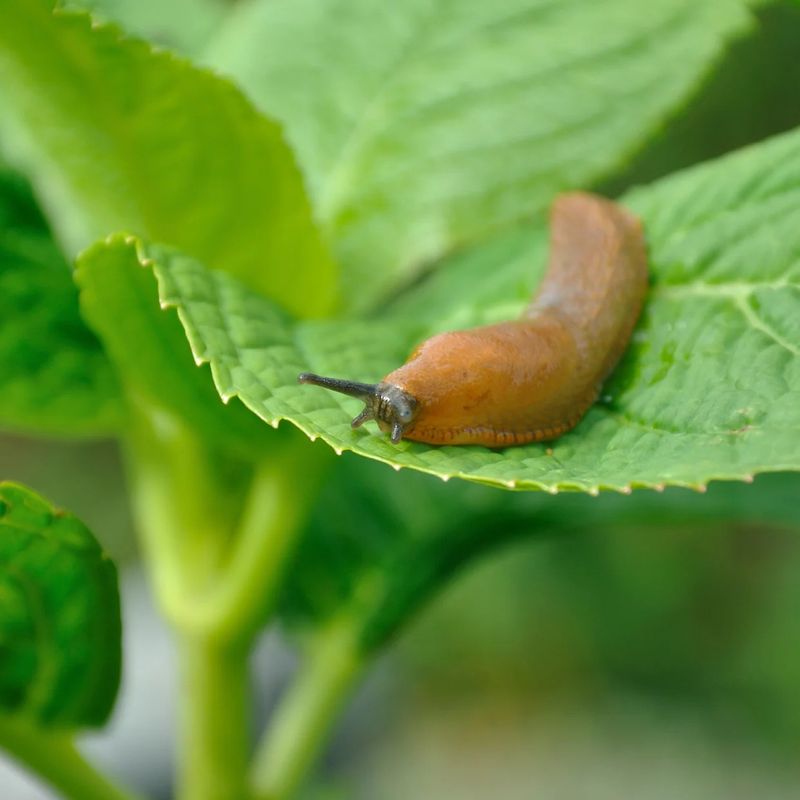
Slugs are the likely criminals behind this botanical mystery. These soft-bodied mollusks thrive in conditions that many Texas gardens accidentally provide.
They love moisture, shade, and organic matter, which are common features in well-maintained garden beds.
Texas weather creates ideal slug conditions more often than gardeners realize. Spring rains combined with warm temperatures bring slugs out in large numbers. Even summer evenings when you water your plants can trigger slug feeding frenzies.
These creatures are remarkably efficient eaters despite their slow pace. A single slug can consume several times its body weight in plant material during one night. When multiple slugs invade your garden, the damage multiplies quickly.
The sneaky nature of slug damage makes it particularly frustrating for Texas gardeners. You rarely see the pests during daylight hours because they hide in cool, damp spots.
By the time you discover the destruction, the slugs have already retreated to their hiding places.
Understanding that slugs are responsible for overnight plant disappearances helps you shift from confusion to action.
Once you know what you are dealing with, you can implement targeted strategies to protect your garden and prevent future raids on your precious plants.
2. How To Identify Slug Damage
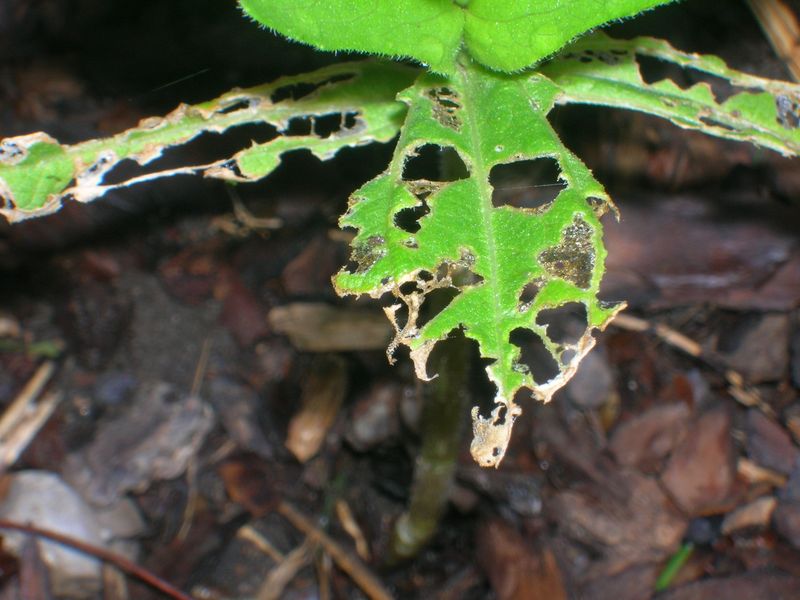
Recognizing slug damage quickly helps you respond before your entire garden suffers. Slugs leave behind distinctive calling cards that set them apart from other garden pests. Learning these signs turns you into a garden detective who can spot trouble early.
Irregular holes in leaves are the most obvious clue. Unlike caterpillars that often eat from leaf edges, slugs create ragged holes anywhere on the leaf surface. These holes have smooth edges rather than torn or jagged ones.
Missing seedlings provide another strong indicator of slug activity. Young plants with tender stems are particularly vulnerable. Slugs can consume entire seedlings overnight, leaving only a small stub or nothing at all.
The signature evidence of slug presence is the silvery slime trail they leave behind. These shiny streaks appear on leaves, stems, and soil surfaces. Fresh trails glisten in morning light, while older ones dry to a whitish film.
Texas gardeners should check for these trails early in the morning when they remain most visible.
The slime helps slugs move across surfaces and protects their soft bodies from drying out. Finding these trails confirms slug activity even when you cannot spot the pests themselves.
Distinguishing slug damage from other pest problems saves time and effort. Grasshoppers leave jagged tears, while beetles create more uniform holes.
Rabbits and deer produce clean cuts at specific heights. Slug damage appears random, irregular, and always accompanied by those telltale slime trails that shimmer in Texas morning sunshine.
3. Slug Behavior In Texas Gardens
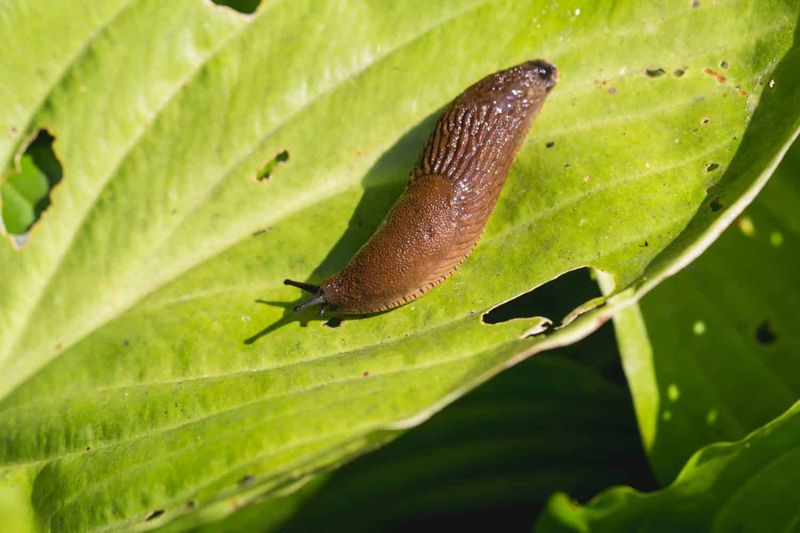
Slugs operate on a schedule that explains why damage appears so suddenly. These creatures are strictly nocturnal, meaning they only come out to feed after the sun goes down. During daylight hours, they remain hidden in cool, moist refuges.
Texas nights provide perfect conditions for slug activity, especially during spring and early summer. As temperatures drop and humidity rises after sunset, slugs emerge from their hiding spots.
They can travel surprising distances in search of food, covering several feet in a single night.
Leafy greens top the slug menu in most Texas gardens. Lettuce, spinach, and cabbage family plants attract these pests like magnets.
Young seedlings of almost any vegetable variety are also prime targets because their tender tissues are easy to consume.
Tender flowers and ornamental plants face slug threats too. Hostas, which some Texas gardeners grow in shaded areas, are particular favorites. Marigolds, petunias, and other soft-leaved flowers also suffer frequent slug attacks.
Climate factors in Texas create fluctuating slug populations throughout the year. Humid conditions following rain events trigger increased slug activity. Areas with heavy mulch retain moisture longer, providing both food and habitat for slugs.
Shaded garden sections experience more slug problems than sunny spots. The combination of shade, moisture, and organic mulch creates slug paradise.
Texas gardeners who understand these preferences can predict where slug problems are most likely to develop and take preventive action before damage occurs.
4. Hotspots And Hiding Places
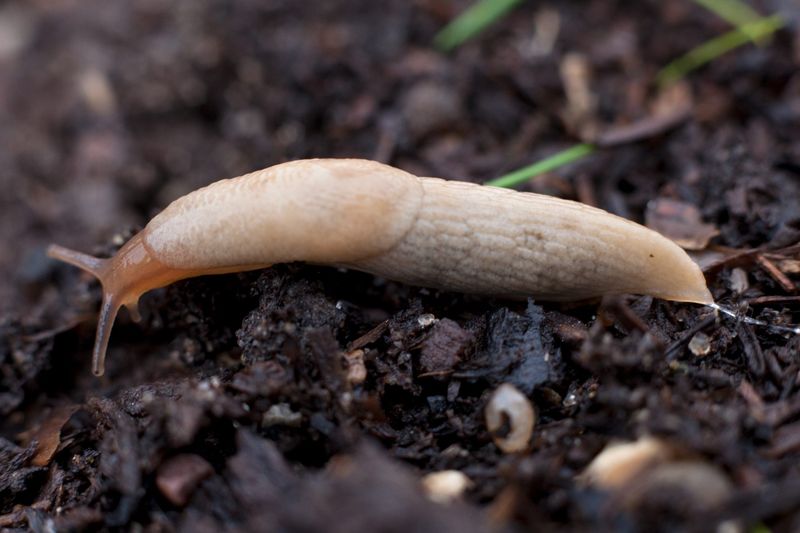
Slugs need daytime refuges that protect them from heat and sunlight. Discovering these hiding spots is crucial for effective slug management in Texas gardens.
During daylight hours, slugs retreat to locations that offer moisture, darkness, and cool temperatures.
Mulch layers create ideal slug hotels. While mulch benefits plants by retaining moisture and suppressing weeds, it also provides perfect slug habitat. Thick mulch layers trap humidity and create dark spaces where slugs can rest comfortably.
Rocks, boards, and decorative garden stones offer similar shelter. Slugs gather underneath these objects where moisture accumulates.
Texas gardeners often discover dozens of slugs when lifting stones or pavers in the morning.
Dense vegetation and ground cover plants provide natural slug hideouts. Overgrown areas with touching leaves create shaded microclimates that stay cool and damp. Slugs move easily through these plant tangles without exposing themselves to sun or heat.
Garden layout significantly impacts slug risk levels. Beds with poor air circulation and excessive shade experience more slug problems.
Areas near irrigation systems or dripping faucets attract slugs because of constant moisture.
Container plants sitting on the ground can trap moisture underneath, creating slug gathering spots. Stacks of empty pots, bags of soil, or garden tools left on the ground all become potential slug shelters.
Understanding these hiding preferences helps Texas gardeners reduce slug populations. Regular inspection of these hotspots reveals the extent of your slug problem.
Eliminating unnecessary hiding places removes slug habitat and makes your garden less attractive to these persistent pests.
5. Prevention Tips For Texas Gardeners
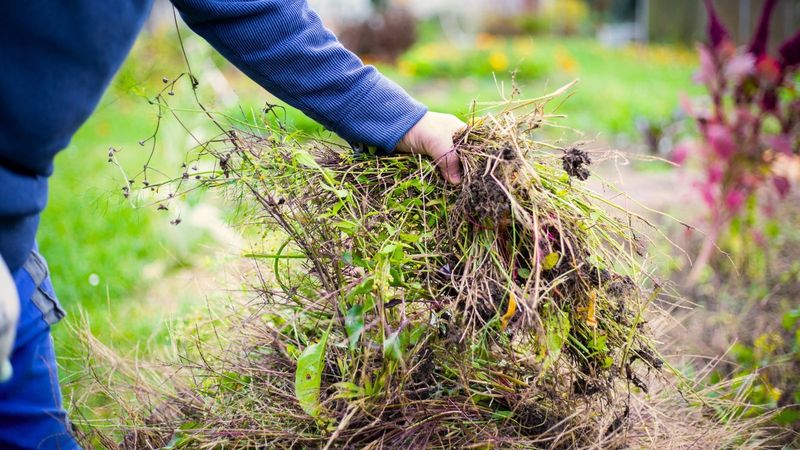
Preventing slug problems proves easier than fighting established infestations. Texas gardeners can implement several strategies that make gardens less hospitable to slugs.
These preventive measures work together to create an environment where slugs struggle to thrive.
Reducing hiding spots should be your first priority. Keep mulch layers thin, around two inches maximum. Thicker layers create too much moisture and darkness that slugs love.
Clearing garden debris regularly eliminates slug refuges. Remove fallen leaves, dry plant material, and unused pots. These items trap moisture and provide perfect daytime hiding spots for slugs.
Plant selection makes a surprising difference in slug damage levels. Older, more established seedlings with tougher leaves resist slug feeding better than tender young sprouts.
Starting with larger transplants instead of direct seeding can help your plants survive slug encounters.
Some plants naturally resist slug feeding. Herbs with strong scents, plants with fuzzy leaves, and those with tough, waxy foliage get less attention from slugs. Incorporating these varieties into your Texas garden provides natural protection.
Watering strategies significantly impact slug activity levels. Water your garden in the morning rather than evening.
This allows soil surfaces to dry somewhat before nightfall, making conditions less favorable for slug feeding.
Avoid overwatering, which creates constantly damp conditions. Use drip irrigation or soaker hoses that deliver water directly to plant roots rather than sprinklers that wet entire garden areas.
Proper spacing between plants improves air circulation and reduces the humid microclimates that slugs prefer in Texas gardens.
6. Control Methods
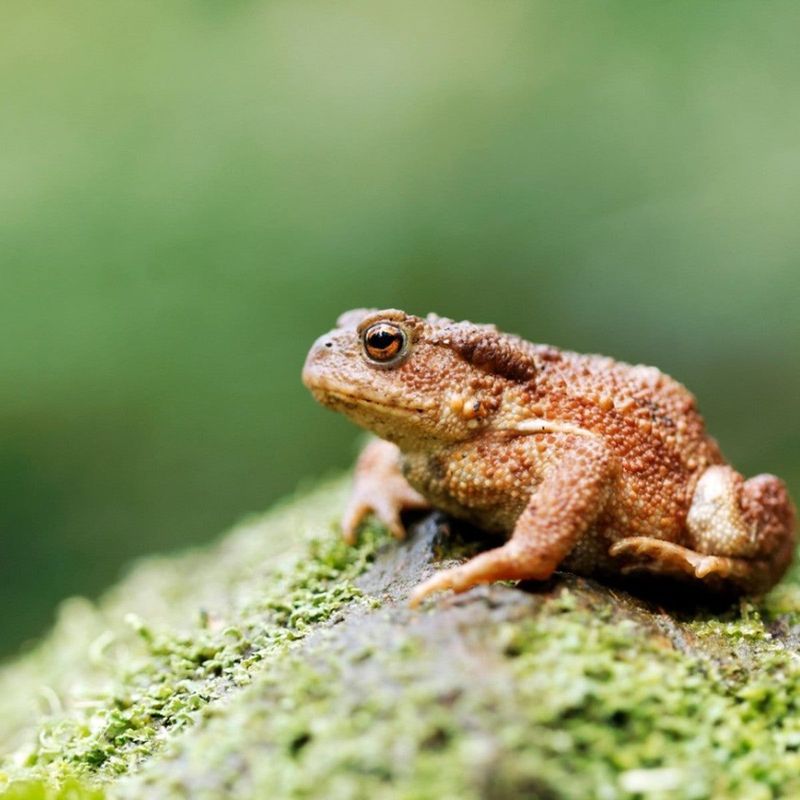
Active slug control becomes necessary when prevention alone cannot handle your Texas garden problem.
Multiple control methods exist, ranging from simple handpicking to natural predators and physical barriers. Combining several approaches typically yields the best results.
Handpicking slugs is surprisingly effective despite seeming old-fashioned. Go out after dark with a flashlight and collect slugs directly from your plants. Early morning works too, before slugs retreat to hiding spots.
Encouraging natural predators provides long-term slug control. Toads consume large numbers of slugs and thrive in Texas gardens with water sources. Ground beetles also prey on slugs and benefit from garden areas with some leaf litter.
Birds appreciate slugs as protein-rich food sources. Attracting birds to your garden with feeders, birdbaths, and native plants creates a natural slug control team. Chickens and ducks are excellent slug hunters if you can keep poultry.
Physical barriers stop slugs from reaching plants. Copper tape creates a barrier that slugs will not cross because of a chemical reaction with their slime. Wrap copper tape around raised bed edges or individual plant containers.
Beer traps attract and trap slugs effectively. Bury shallow containers so the rim sits at soil level, then fill with beer. Slugs crawl in and cannot escape. Empty and refill traps every few days.
Diatomaceous earth forms a scratchy barrier that damages slug bodies. Sprinkle food-grade diatomaceous earth around plant bases.
Reapply after rain or watering. Iron phosphate slug baits offer a safe option for Texas gardens with pets or children, breaking down into soil nutrients after slugs consume them.
7. Maintaining A Slug-Free Garden
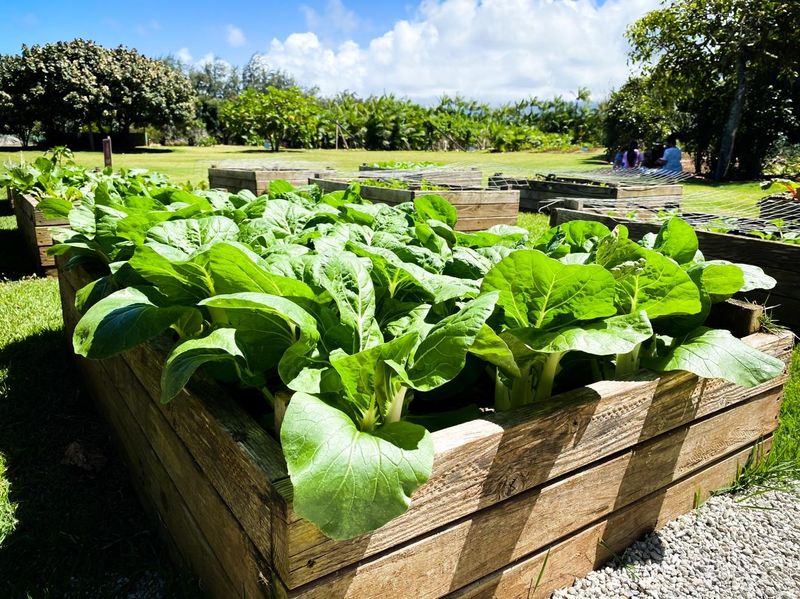
Long-term success against slugs requires ongoing attention rather than one-time efforts. Texas gardeners who maintain slug-free gardens combine prevention, monitoring, and control into regular routines.
This integrated approach keeps slug populations manageable year after year. Regular garden inspections catch slug problems before they escalate.
Walk through your garden every few days, especially during cool, damp periods. Look for slime trails, damaged leaves, and missing seedlings that signal slug activity.
Spring and summer nights in Texas create prime slug conditions. Pay extra attention during these seasons, particularly after rainfall or during humid weather patterns. Increased vigilance during high-risk periods prevents population explosions.
Maintaining garden hygiene remains crucial for slug management. Continue removing debris, keeping mulch thin, and eliminating unnecessary hiding spots. These practices become habits that protect your garden automatically.
Rotating control methods prevents slugs from adapting to single strategies. Use handpicking some weeks, barriers other times, and traps as needed. This variety keeps slugs off balance and maintains control effectiveness.
Document what works in your specific Texas garden location. Some methods prove more effective in certain soil types, microclimates, or garden layouts. Learning from experience helps you refine your approach over time.
Remember that complete slug elimination is unrealistic and unnecessary. The goal is keeping populations low enough that damage remains minimal.
A few slugs in your garden will not cause problems, but unchecked populations will. Consistent attention to prevention and control keeps the balance in your favor, protecting your Texas plants from overnight disappearances.