Illegal Backyard Crops In Florida You Might Be Growing Without Knowing
Florida gardens are famously fertile, and many homeowners love growing fruits, vegetables, and herbs at home. But did you know some crops are actually illegal to grow without a permit?
From invasive species to plants regulated by state law, what seems like a harmless backyard project could put you at risk for fines—or worse. Your thriving backyard might be breaking the rules—and you don’t even know it!
Certain plants are restricted because they can spread aggressively, threaten native ecosystems, or pose safety hazards. Home gardeners often grow them unknowingly, thinking they’re simply adding variety to their garden.
Understanding which crops are off-limits and how to get proper permits ensures you stay compliant while still enjoying a productive, beautiful yard. Not every plant you love is legal in your backyard—ignorance isn’t bliss.
For Florida gardeners, being informed is the first step toward responsible, safe, and legal gardening. With careful planning and awareness, you can grow a vibrant garden without accidentally breaking the law.
Know the rules, protect the environment, and keep your garden legal and thriving.
Waterhyacinth (Eichhornia Crassipes)
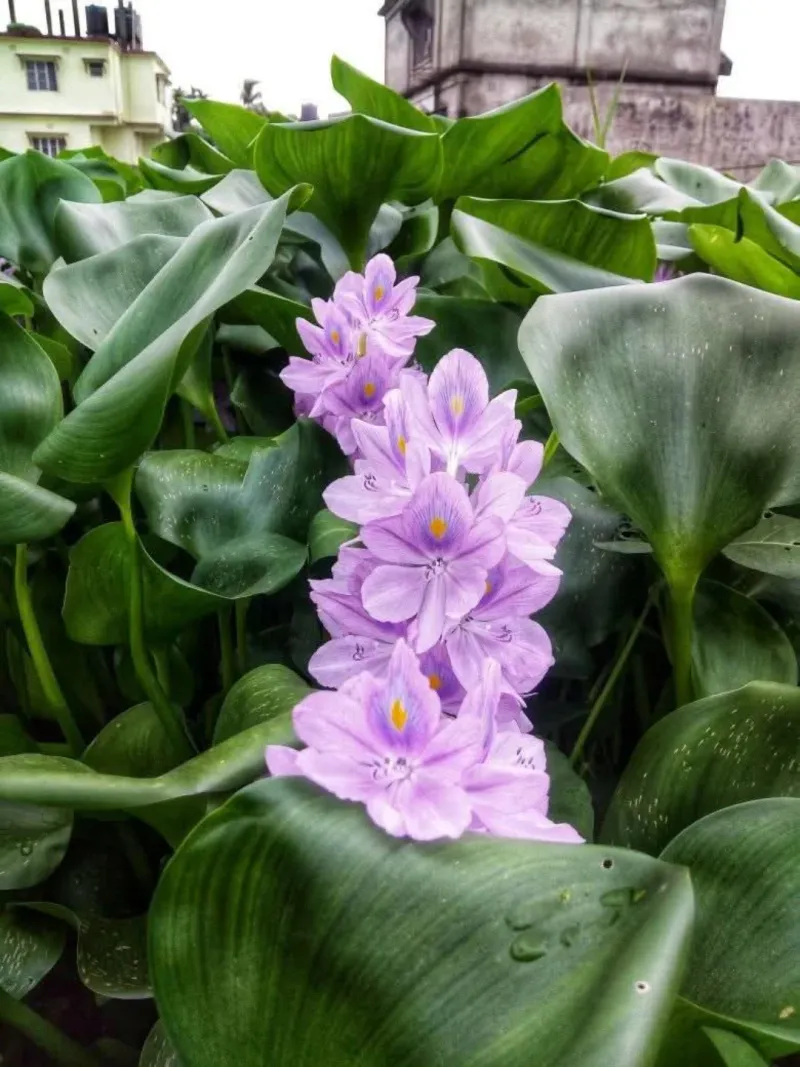
Beautiful purple blooms floating on pond surfaces might catch your eye, but waterhyacinth is one of Florida’s most notorious aquatic invaders. This plant reproduces at an alarming rate, doubling its population in just two weeks under ideal conditions.
Before you know it, a single decorative cluster can blanket an entire pond, blocking sunlight and choking out fish habitats.
State regulations strictly prohibit cultivating, possessing, transporting, or planting waterhyacinth without an official permit. Even if you think your backyard pond is isolated, heavy rains and floods can carry fragments into nearby canals and rivers.
Once established in natural waterways, waterhyacinth forms dense mats that interfere with boating, fishing, and water flow.
Florida invests millions of dollars annually in controlling this aggressive species, so authorities take violations seriously. If you’ve introduced waterhyacinth to your water feature, removing it promptly is essential to avoid fines and environmental damage.
Native alternatives like pickerelweed or duck potato offer similar beauty without the legal headaches.
Always check with local extension offices before adding any aquatic plant to your landscape. Keeping Florida’s waterways clear and healthy starts with responsible choices in your own backyard.
Hydrilla (Hydrilla Verticillata)
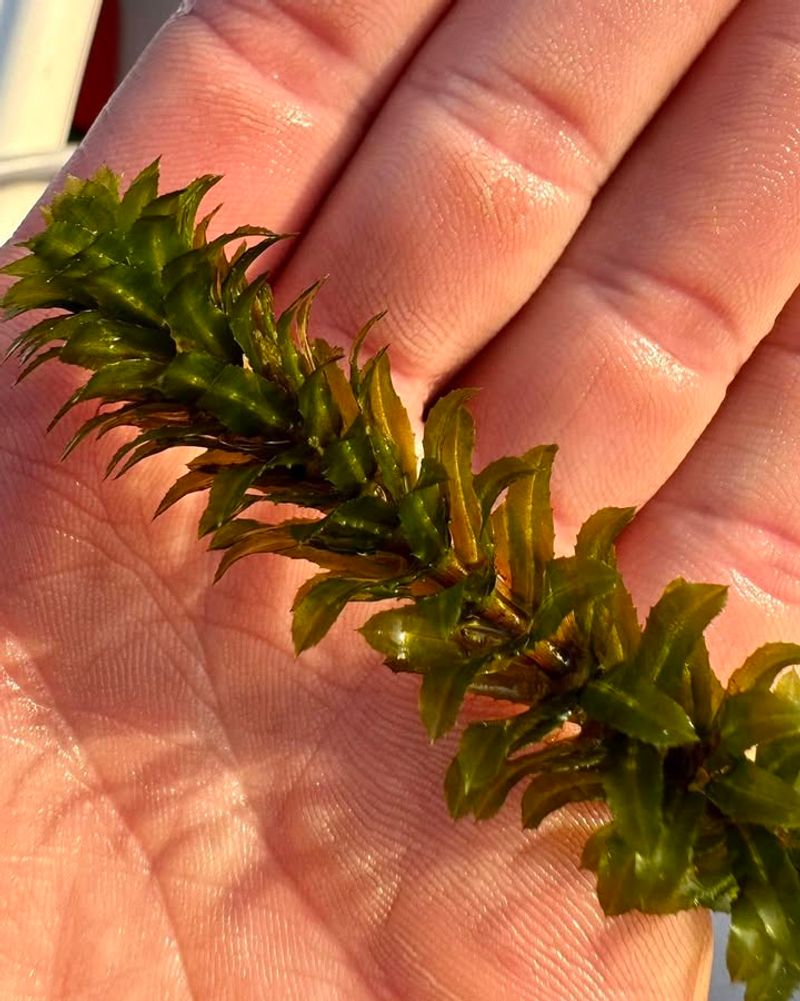
Lurking beneath the surface of many Florida ponds and lakes, hydrilla might look like innocent underwater greenery. In reality, this submerged menace is one of the fastest-spreading aquatic weeds in the state, capable of growing an inch per day during peak season.
Its dense tangles strangle native vegetation and make swimming or boating nearly impossible.
Cultivating or possessing hydrilla without special authorization is illegal under Florida law. Even tiny plant fragments can take root and explode into thick underwater forests, so accidental introductions happen easily through contaminated fishing gear or boat trailers.
Once hydrilla establishes itself, eradication becomes a costly, long-term battle involving herbicides and mechanical harvesting.
Property owners who discover hydrilla in their ponds should report it immediately to the Florida Fish and Wildlife Conservation Commission. Early detection and rapid response are critical to preventing larger infestations that can spread to public waterways.
Native aquatic plants like eelgrass or tapegrass provide similar ecological benefits without the invasive tendencies.
Protecting Florida’s aquatic ecosystems means staying vigilant about what grows in your backyard water features. A little awareness goes a long way in keeping our lakes and rivers healthy for everyone.
Alligatorweed (Alternanthera Philoxeroides)
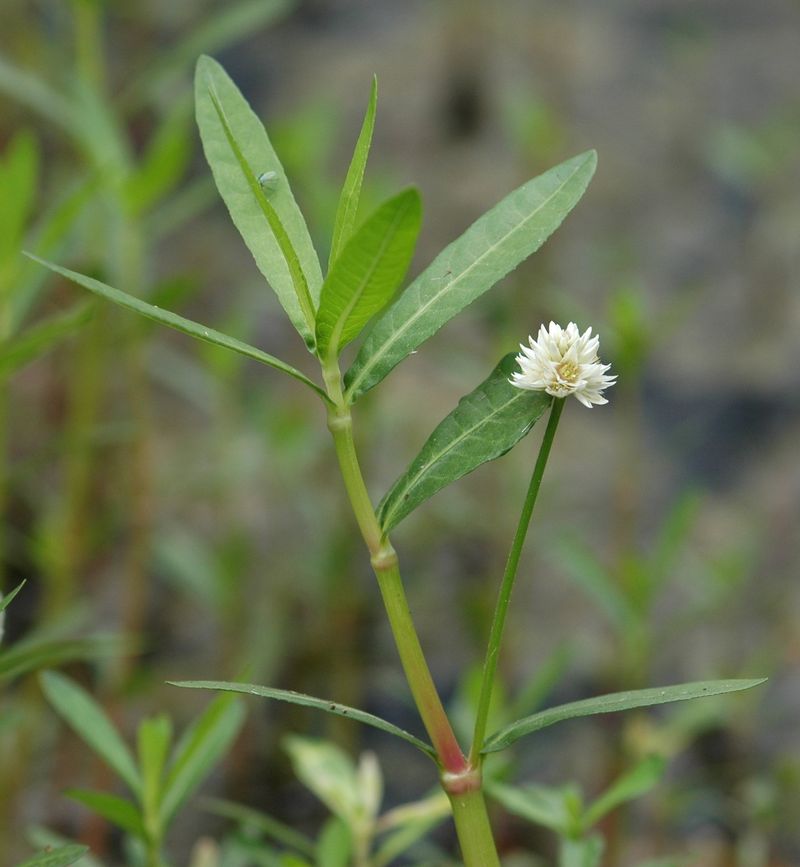
With its small white flowers and hollow stems, alligatorweed might seem like a charming addition to wetland edges or pond banks. Appearances can be deceiving, though, because this plant is a relentless colonizer that forms impenetrable mats across water surfaces and shorelines.
Its ability to grow in both aquatic and terrestrial environments makes it especially troublesome for Florida’s diverse habitats.
Florida law lists alligatorweed as a prohibited noxious species, meaning you cannot legally grow or spread it in state waters or landscapes. The plant reproduces vegetatively from stem fragments, so even a small piece can launch a new infestation downstream.
Once established, alligatorweed outcompetes native vegetation, disrupts water flow, and reduces oxygen levels in ponds and canals.
Landowners who spot alligatorweed should contact their county extension office for identification confirmation and removal guidance. Manual removal can be effective for small patches, but larger infestations often require professional management strategies.
Native wetland plants like lizard’s tail or cardinal flower provide attractive alternatives that support local wildlife instead of overwhelming it.
Being proactive about plant identification helps prevent accidental violations and protects Florida’s natural beauty. When in doubt, consult experts before introducing any new species to your property.
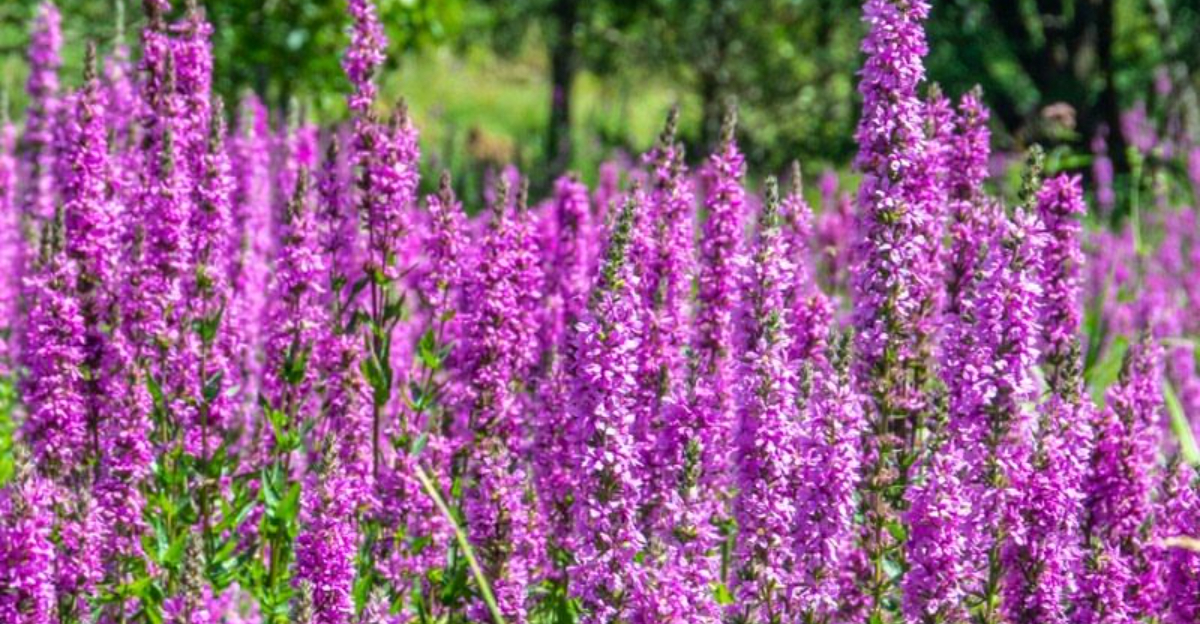
Purple Loosestrife (Lythrum Salicaria)
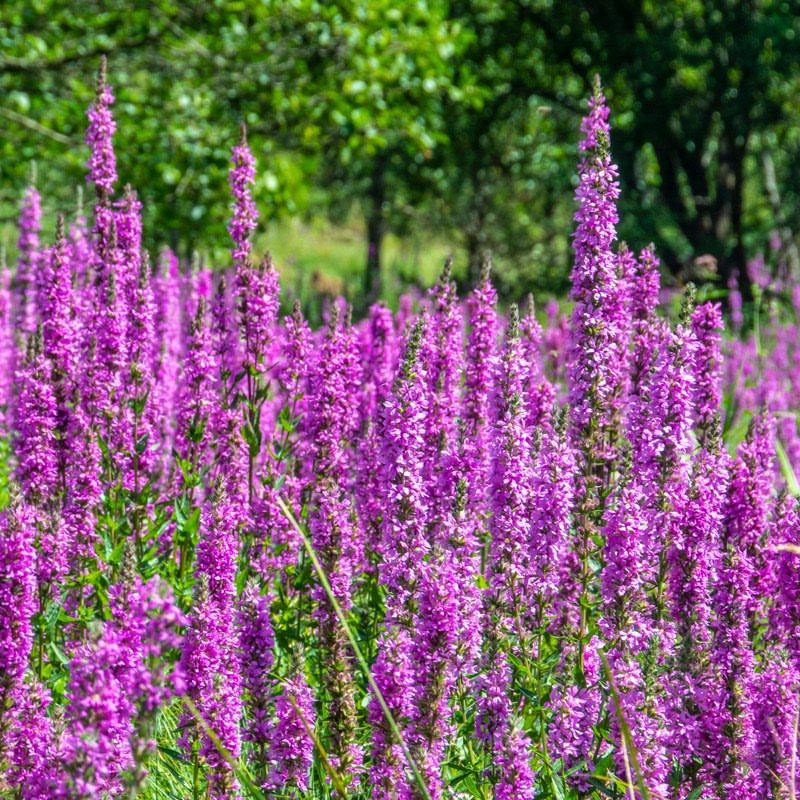
Tall spikes of magenta flowers make purple loosestrife a showstopper in garden catalogs, but this European import spells disaster for Florida wetlands. Each mature plant produces millions of seeds annually, and those seeds remain viable in soil for years, ensuring continuous waves of new growth.
What starts as a single ornamental clump can quickly transform into a monoculture that excludes all other plant species.
Cultivating purple loosestrife is illegal in Florida, especially where it might escape into natural wetland areas. The plant thrives in marshes, pond edges, and drainage ditches, precisely the habitats that support Florida’s rich biodiversity.
Once established, purple loosestrife crowds out native plants that provide food and shelter for birds, butterflies, and other wildlife.
If you’ve planted purple loosestrife in the past, removing it completely is crucial to prevent further spread. Dig up roots carefully and dispose of plant material in sealed bags rather than composting, since seeds can survive typical composting temperatures.
Native alternatives like swamp sunflower or blue flag iris deliver similar color without threatening ecosystems.
Choosing regionally appropriate plants helps preserve Florida’s unique natural heritage. Your garden can be both beautiful and environmentally responsible with a little research and planning.
Melaleuca (Melaleuca Quinquenervia)
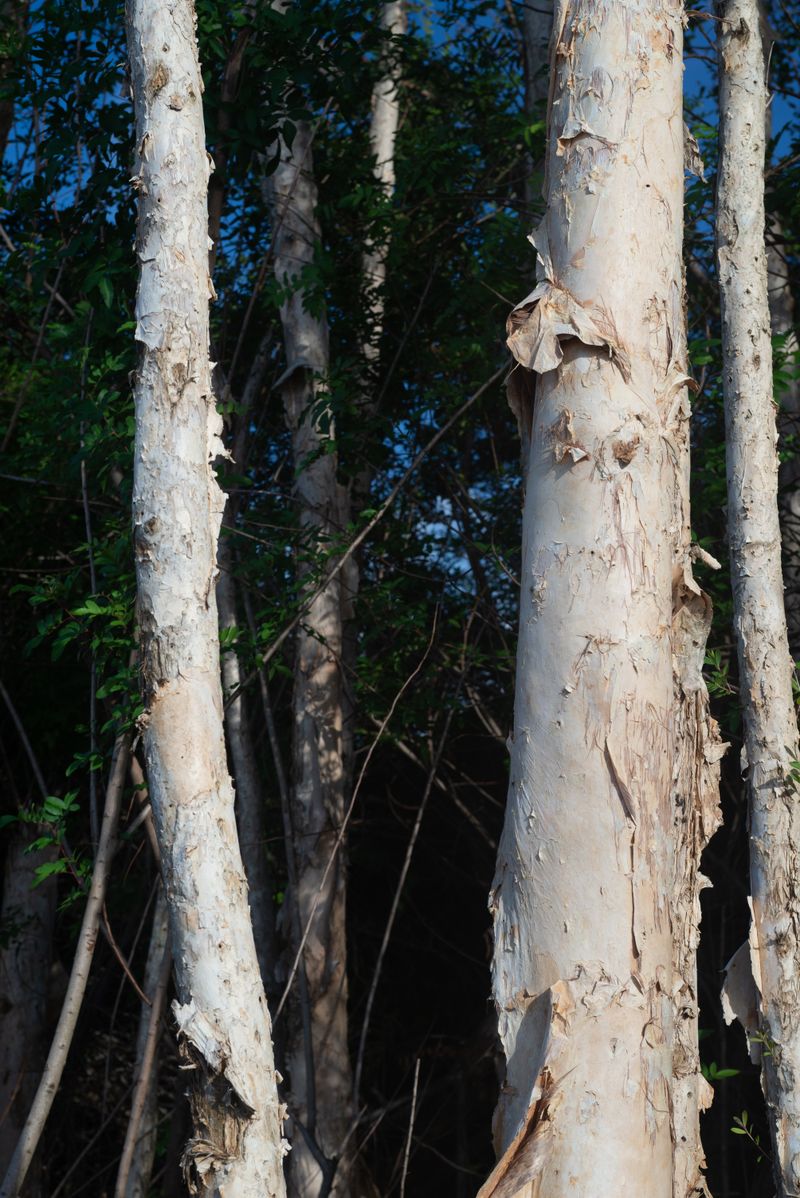
Originally introduced as an ornamental and for wetland drainage, melaleuca trees have become one of Florida’s most destructive invasive species. These fast-growing evergreens can reach heights of 80 feet and produce layers of papery bark that peel away in sheets.
Their aggressive root systems and prolific seed production allow them to dominate native sawgrass marshes, cypress swamps, and mangrove forests.
Florida law restricts planting melaleuca because it displaces entire native wetland ecosystems, altering water flow and fire patterns. A single mature tree releases millions of tiny seeds that spread easily on the wind, and the species can resprout vigorously after cutting or burning.
Decades of costly eradication efforts have reduced melaleuca populations, but vigilance remains essential to prevent resurgence.
Homeowners who inherited properties with established melaleuca trees should consult with invasive plant management professionals for removal strategies. Simply cutting trees down often triggers aggressive resprouting, so follow-up treatments are usually necessary.
Native alternatives like dahoon holly or red maple provide shade and beauty while supporting local wildlife.
Protecting Florida’s wetlands starts with responsible landscaping choices. By selecting native species, you contribute to the health and resilience of ecosystems that benefit all Floridians.
Australian Pine (Casuarina Spp.)
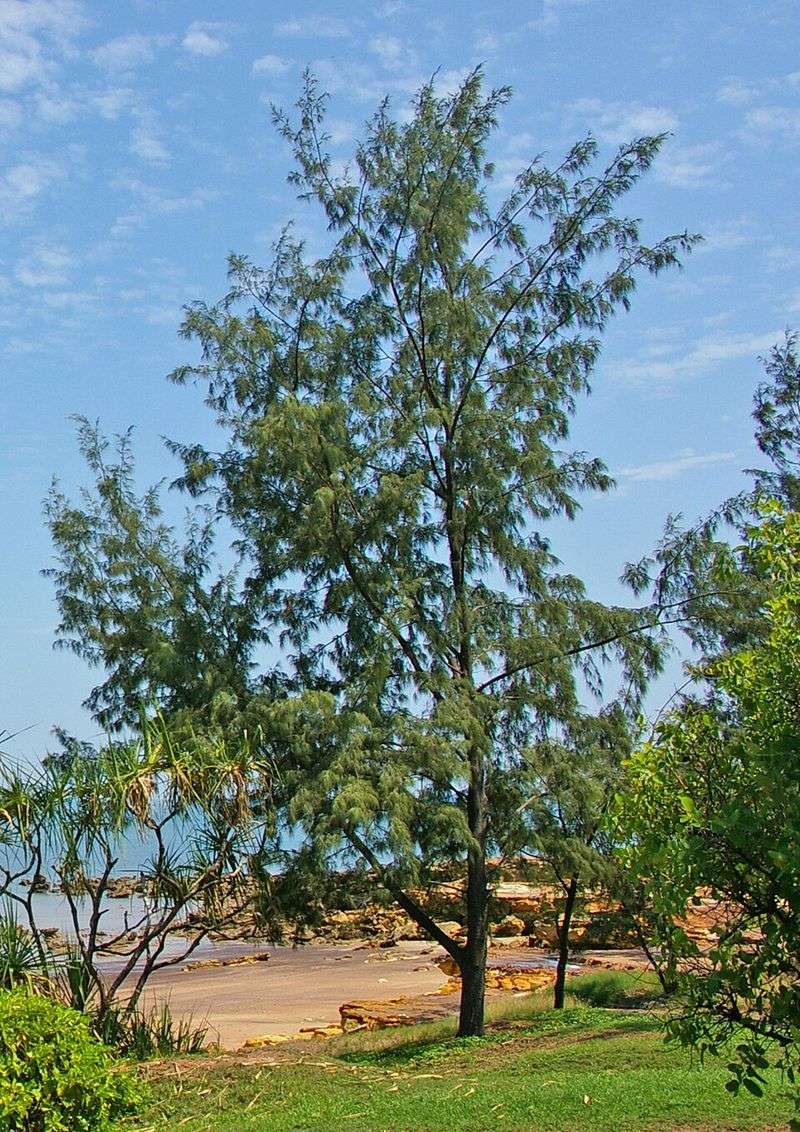
Despite its common name, Australian pine isn’t a true pine at all but rather a fast-growing hardwood from the Pacific region. These towering trees were once widely planted along Florida coastlines for windbreaks and erosion control, but their shallow root systems and brittle branches make them hazardous during hurricanes.
More importantly, they outcompete native dune vegetation and alter beach ecosystems.
Florida prohibits planting Australian pine in many jurisdictions because it disrupts coastal habitats critical for sea turtle nesting and shorebird foraging. The trees produce dense leaf litter that changes soil chemistry and prevents native plants from establishing.
Their shallow roots also fail to stabilize shorelines effectively, leading to increased erosion during storms.
Property owners with existing Australian pines should consider gradual removal and replacement with native coastal species like sea grape or cabbage palm. Many counties offer assistance programs for invasive tree removal, recognizing the public benefit of restoring natural coastal buffers.
Native trees provide superior storm protection while supporting diverse wildlife populations.
Coastal landscapes can be both resilient and beautiful when planted with species adapted to Florida’s unique conditions. Making informed choices about tree selection helps protect beaches and dunes for future generations to enjoy.
Mimosa Pigra (Giant Sensitive Plant)
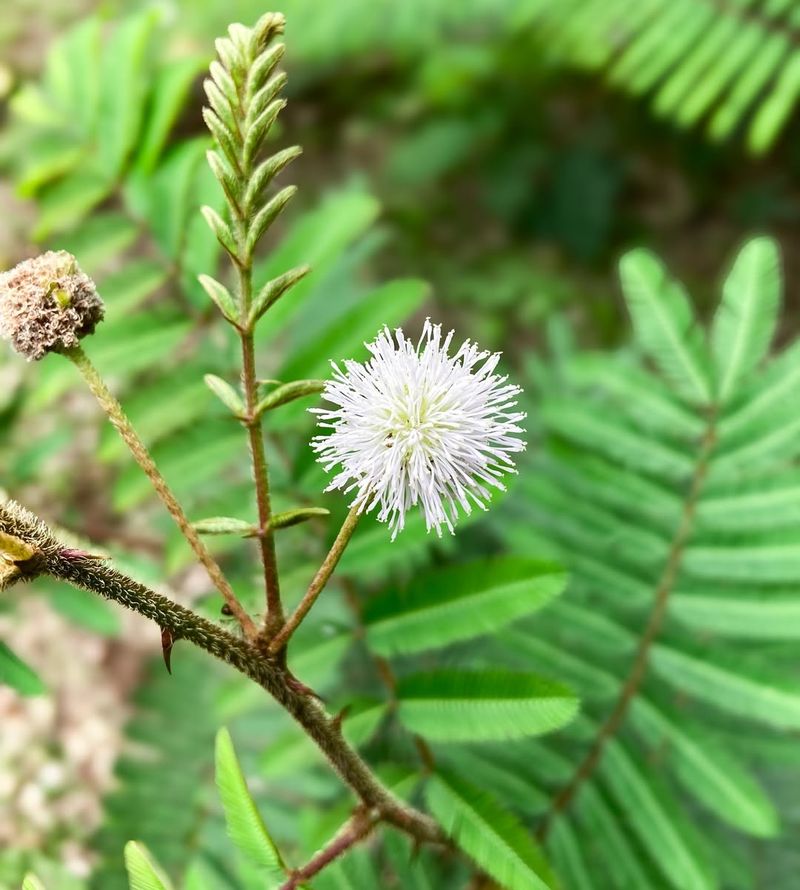
Touch-sensitive leaves that fold when brushed might seem like a fun garden novelty, but mimosa pigra is anything but playful in Florida’s environment. This thorny shrub forms impenetrable thickets that exclude all other vegetation and make land unusable for agriculture or recreation.
Its rapid growth rate and prolific seed production allow it to colonize disturbed areas quickly, spreading along roadsides, pastures, and wetland edges.
Listed under Florida’s prohibited species regulations, mimosa pigra cannot be legally cultivated because it forms dense infestations that are extremely difficult to control. The plant produces thousands of seeds per season, and those seeds remain viable in soil for decades.
Even small introductions can explode into major problems that require intensive management efforts.
Landowners who discover mimosa pigra should act immediately to prevent establishment, as early removal is far easier than battling mature stands. Contact your county extension office for positive identification and management recommendations.
Native sensitive plants like partridge pea offer similar curiosity value without the invasive tendencies.
Protecting Florida’s working lands and natural areas requires vigilance about introduced species. By choosing native alternatives, you can enjoy interesting plants while supporting healthy ecosystems and agricultural productivity.
Water Spinach (Ipomoea Aquatica)
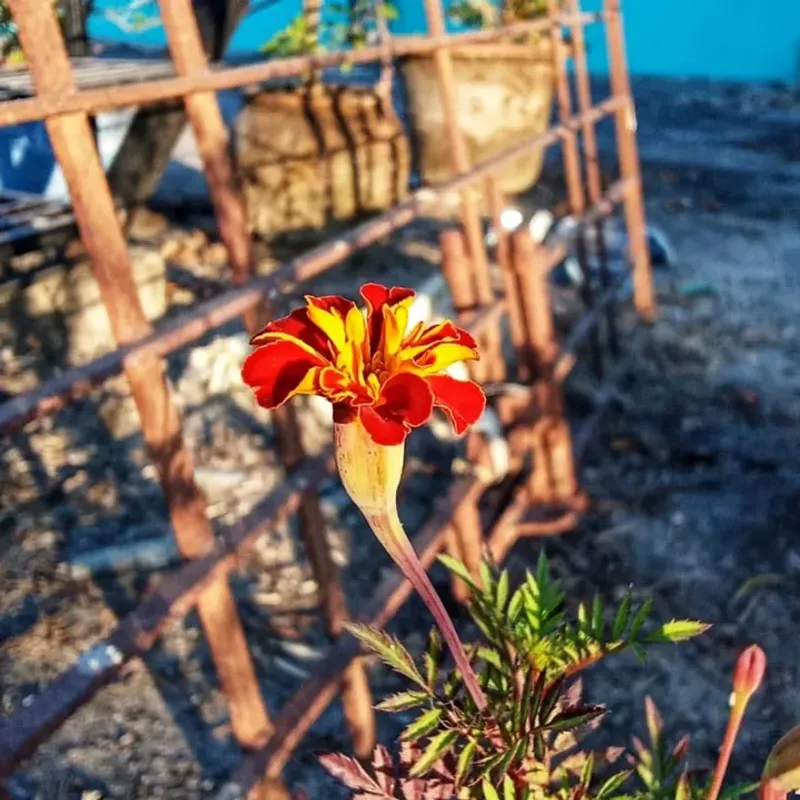
Popular in Asian cuisine and sometimes called kangkong, water spinach might seem like a practical edible crop for Florida gardens. This semi-aquatic vegetable grows vigorously in warm climates, producing tender shoots and leaves perfect for stir-fries and soups.
Unfortunately, its aggressive growth habit and ability to spread through waterways make it a prohibited species under Florida law.
Cultivating or transporting water spinach without a permit is illegal because it can quickly escape cultivation and invade natural wetlands and canals. The plant reproduces both by seed and vegetatively from stem fragments, so even small pieces can establish new populations downstream.
Once naturalized, water spinach forms dense mats that block waterways, interfere with flood control, and displace native aquatic vegetation.
Home gardeners seeking edible greens have many excellent alternatives that won’t threaten Florida’s ecosystems. Native options like pennywort or non-invasive cultivated greens provide similar culinary uses without legal complications.
Always verify the legal status of edible plants before adding them to your garden, especially species adapted to aquatic or semi-aquatic conditions.
Responsible gardening means balancing personal interests with environmental stewardship. By choosing legal, non-invasive crops, you can enjoy fresh produce while protecting Florida’s precious water resources for everyone.
Sawah Flowering Rush (Limnocharis Flava)
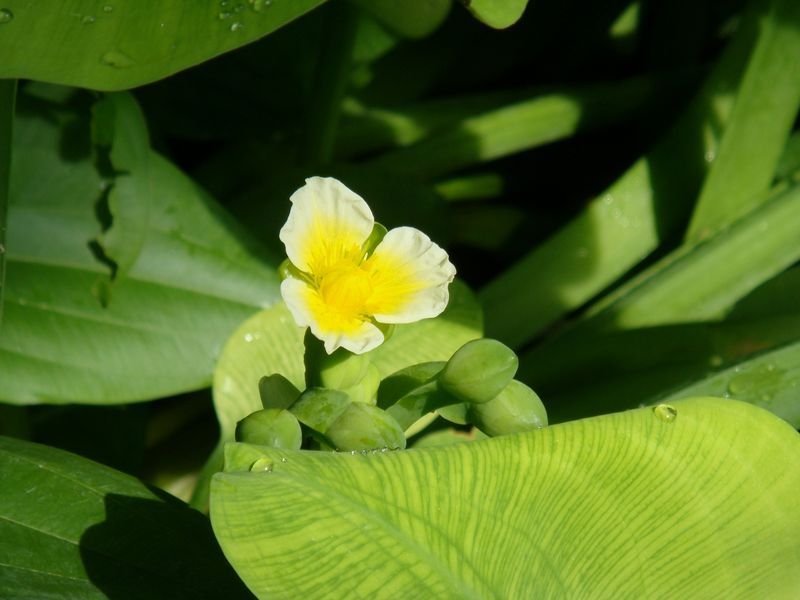
Bright yellow flowers rising above water make sawah flowering rush an attractive pond plant at first glance. Native to tropical regions of the Americas, this aquatic species has proven highly invasive in Florida’s warm climate.
Its ability to grow in shallow water, muddy banks, and even temporarily dry areas gives it a competitive advantage over native wetland plants.
Florida’s prohibited aquatic species list includes sawah flowering rush, meaning you cannot legally cultivate it in backyard ponds or water gardens. The plant spreads through both seeds and vegetative reproduction, with mature specimens producing thousands of seeds that float to new locations.
Once established, sawah flowering rush forms dense stands that reduce biodiversity and interfere with water flow.
Pond owners who inadvertently introduced this species should remove it promptly to prevent further spread. Manual removal works for small infestations, but be sure to extract all root material to prevent regrowth.
Native aquatic plants like arrowhead or fire flag provide similar visual interest while supporting beneficial insects and wildlife.
Creating beautiful water features doesn’t require invasive species. Florida’s native aquatic plants offer plenty of options for colorful, ecologically sound pond plantings that enhance rather than harm local environments.