7 Important May Tasks For Arizona Geraniums Before Heat Arrives
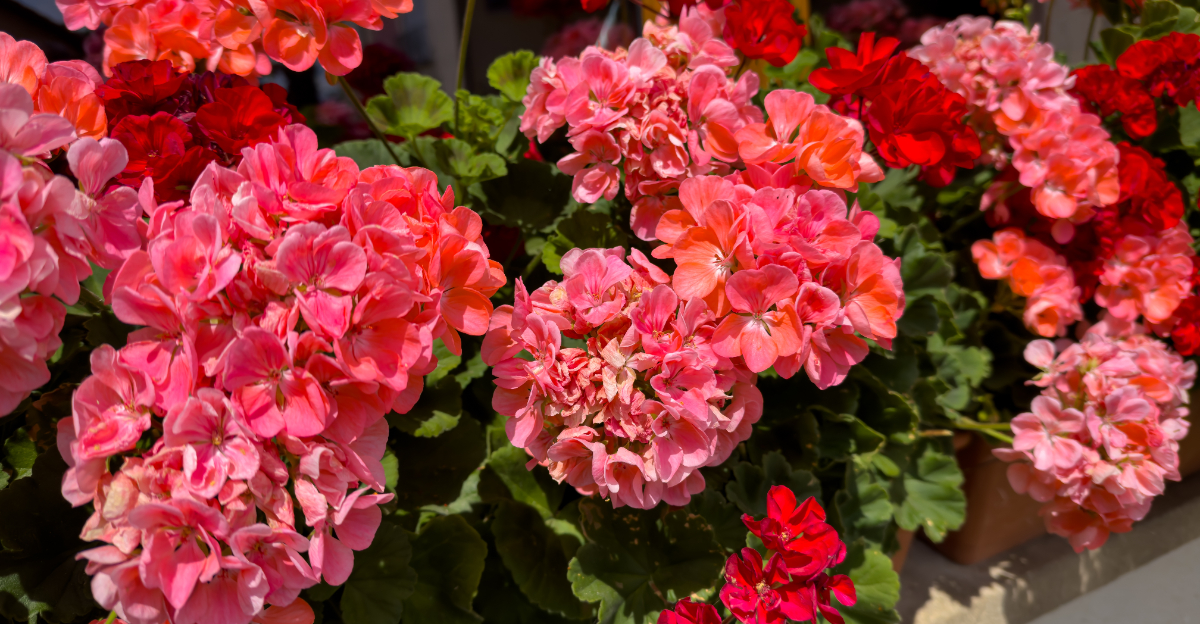
Geraniums usually look their best in Arizona right before the weather starts becoming much harder on them. Full blooms, fresh growth, bright color.
Then May arrives, temperatures keep climbing, and plants that looked perfectly fine earlier in spring suddenly start slowing down fast.
This time of year tends to decide how well geraniums handle the next stretch of Arizona heat. Small issues become much bigger once hot afternoons turn consistent, especially in pots and sunny backyard spots that stay warm for hours.
Healthy geraniums usually hold up far better when a few important May tasks get handled before the worst heat arrives.
1. Remove Spent Blooms Before Hot Weather Slows Flowering
Spent blooms sitting on geraniums are not helping the plant look its best either.
They are actually pulling energy away from new flower production, and in Arizona, you cannot afford to waste a single good growing day before the heat shuts things down.
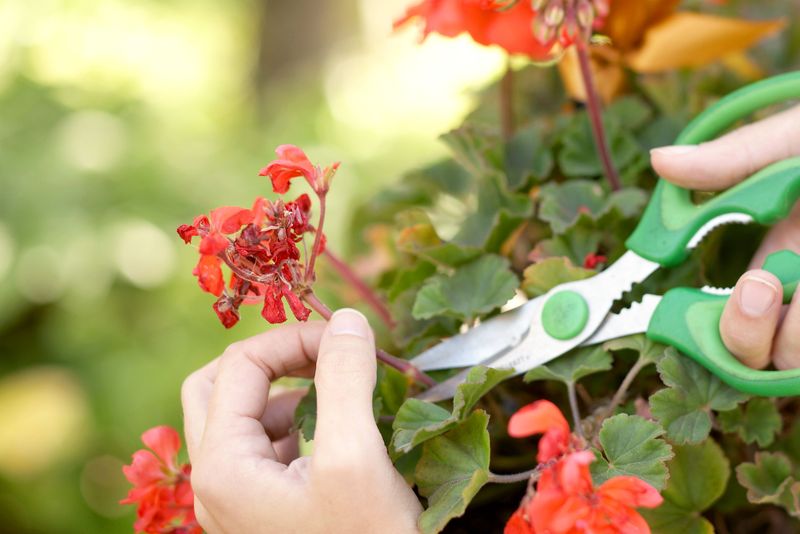
Deadheading is the process of removing old, faded flowers before they go to seed. When a plant puts energy into seed production, it slows down new bloom development.
Pinching or snipping off those tired flower heads redirects that energy back into fresh buds, which means more color and more life from your plants during the remaining mild weeks of May.
In the Phoenix and Tucson areas, geraniums tend to slow their flowering naturally once daytime temperatures push past 90 degrees consistently.
Getting rid of spent blooms before that point gives the plant one last push to produce while conditions are still manageable.
Use clean scissors or small garden snips to cut the entire flower stem back to the nearest set of leaves. Avoid tearing the stem, which can leave open wounds that dry out quickly in Arizona’s low-humidity air.
Check your plants every few days during May. Geraniums can cycle through blooms quickly when the weather is still mild, so staying on top of deadheading keeps the momentum going.
A small basket or bucket nearby makes cleanup easy and keeps your patio or garden bed looking tidy. Consistency here pays off more than any single big pruning session ever will.
2. Check Pots More Often As Soil Starts Drying Faster
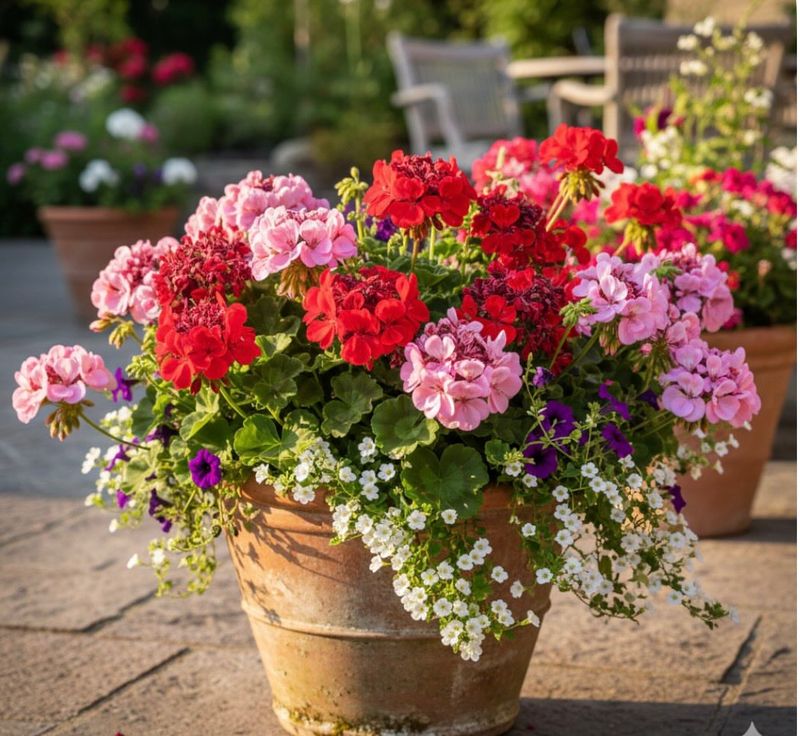
Pot soil in Arizona can go from moist to bone dry in less than a day once May temperatures start rising. Container geraniums are especially vulnerable because they have no access to deeper ground moisture the way in-ground plants do.
Starting in early May, make it a habit to check your pots every single morning before the sun gets high. Push a finger about an inch into the soil.
If it feels dry at that depth, water right away. Waiting until the plant shows visible stress signs like drooping or curling leaves means you have already let things go too far.
Terracotta pots, which are extremely popular in Arizona for their classic look, dry out faster than plastic or glazed ceramic containers. If your geraniums are in unglazed terracotta, you may need to water every day or even twice a day during the hottest stretches of May.
Your Arizona Garden Changes Every Week. Your Plan Should Too.
Gardening in Arizona changes quickly throughout the season. Every Friday you’ll receive a simple weekly plan showing exactly what to plant, prune, fertilize, harvest, and protect so you never miss the right timing.
Switching to a glazed pot or placing a saucer underneath can help slow moisture loss.
Keep in mind that overwatering is still a real risk. Geraniums do not like sitting in soggy soil, especially in warm weather when root rot can develop quickly.
Water thoroughly, let the excess drain completely, and then let the top inch of soil dry before watering again.
Consistent monitoring during May protects your plants from both extremes. A simple routine check each morning takes only a minute but can save weeks of recovery time later in the season.
3. Morning Sun Helps Geraniums Handle Rising Temperatures
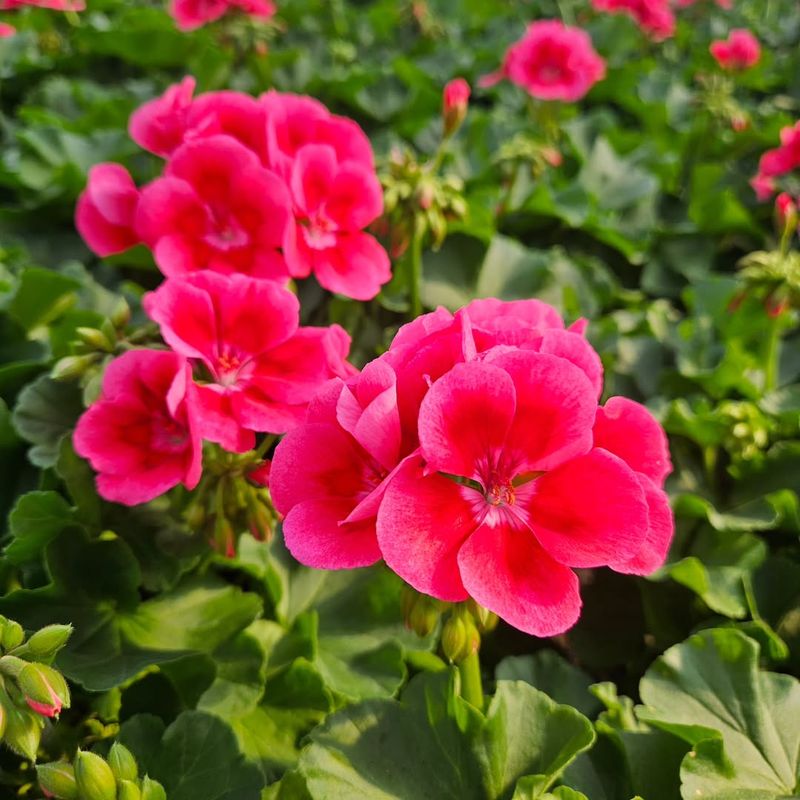
Afternoon sun in Arizona during May is not the same as afternoon sun in most other states. Temperatures can easily reach the mid-90s by 2 or 3 in the afternoon, and direct exposure at that time of day can stress geraniums quickly.
Positioning your geraniums where they receive good morning light and natural shade in the afternoon is one of the smartest moves you can make this time of year.
Morning sun gives the plant the energy it needs for photosynthesis and bloom production without the scorching intensity that comes later in the day.
East-facing patios and walls in the Phoenix, Scottsdale, and Tucson areas are often ideal for this exact reason. Plants placed there get several hours of direct sun in the morning, then enjoy filtered or full shade once the sun moves past its peak.
Many experienced Arizona gardeners specifically arrange their container plants to take advantage of this natural afternoon shadow.
If your current setup does not offer natural afternoon shade, consider using a shade cloth rated at 30 to 40 percent. These are inexpensive, easy to install, and widely available at Arizona garden centers.
They reduce heat stress significantly without blocking enough light to slow plant growth.
Even a single hour less of brutal afternoon exposure can make a noticeable difference in how your geraniums look and perform through May. Pay attention to where the shadows fall in your yard and use that information to your advantage before summer fully arrives.
4. Light Pruning Can Encourage Fuller Spring Growth
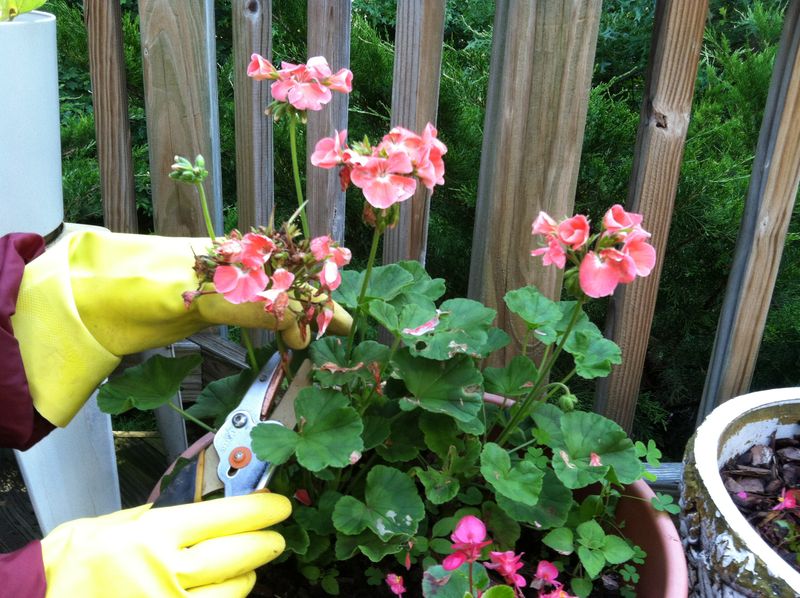
Leggy geraniums are a common sight by mid-spring in Arizona. Long stems, sparse leaves, and stretched growth are usually signs that the plant has been reaching for light or simply growing fast without enough pinching back earlier in the season.
A light pruning in early May can change that picture pretty quickly. Cutting stems back by about one-third encourages the plant to push out new side shoots from lower on the stem, which creates a fuller, bushier shape.
More stems mean more potential bloom sites before the summer heat puts flowering on pause.
Sharp, clean pruning shears make a real difference. Dull blades crush stems rather than cutting cleanly, and in Arizona’s dry air, crushed stems can dry out at the wound site faster than they can heal.
Wipe your blades with rubbing alcohol before pruning to avoid spreading any fungal issues between plants.
Focus your cuts just above a leaf node, which is the small bump on the stem where a new branch or leaf will emerge. Cuts made at a node heal faster and produce new growth more reliably than cuts made in the middle of a bare stem section.
Light pruning is not about dramatically reducing the plant. Think of it more as shaping and encouraging rather than cutting back hard.
Save aggressive pruning for late summer or early fall when Arizona temperatures begin to drop and geraniums are ready to push into a second growth phase. May is about gentle encouragement, not dramatic reductions.
5. Fast Draining Soil Helps Prevent Heat Related Root Stress
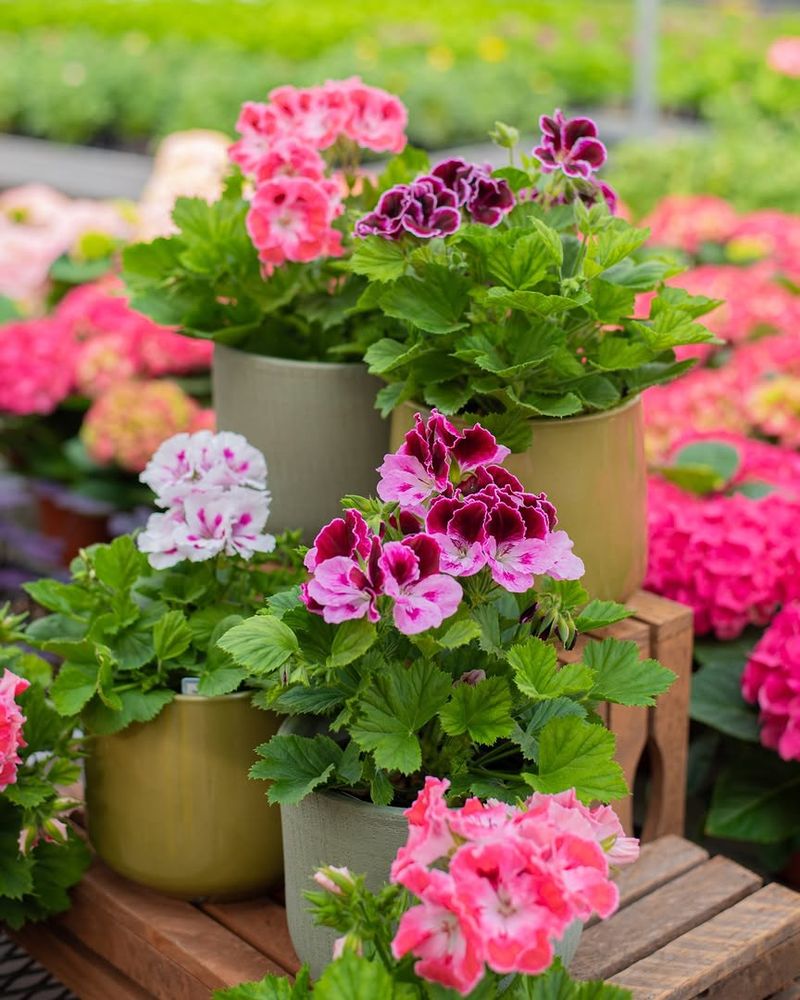
Roots sitting in warm, wet soil are in trouble fast once Arizona temperatures climb. Heat accelerates soil moisture loss at the surface, but deeper in a pot or bed, poorly draining soil can stay damp for too long and create the perfect environment for root problems.
Geraniums prefer soil that drains quickly and does not hold water at the root zone for extended periods. A standard potting mix works reasonably well, but adding perlite or coarse sand improves drainage significantly.
A ratio of about one part perlite to three parts potting mix is a solid starting point for Arizona container growing.
If your geraniums are planted in garden beds, check the soil texture before May gets too far along. Heavy clay soil is common in parts of the Phoenix and Tucson areas, and it holds moisture in a way that can stress geranium roots when combined with rising ground temperatures.
Mixing in compost and coarse sand helps break up clay and improve drainage without depleting nutrients.
Raised beds with amended soil give Arizona gardeners much more control over drainage conditions. Plants in raised beds tend to handle heat stress better because the soil warms and drains more evenly than in-ground planting in native desert soil.
Repotting a container geranium into fresh, well-draining mix in early May is also worth considering if the current soil feels compacted or has been used for more than one full season.
Fresh soil makes a meaningful difference in how well roots absorb water and nutrients as the heat builds through the month.
6. Deep Watering Supports Stronger Roots Before Summer
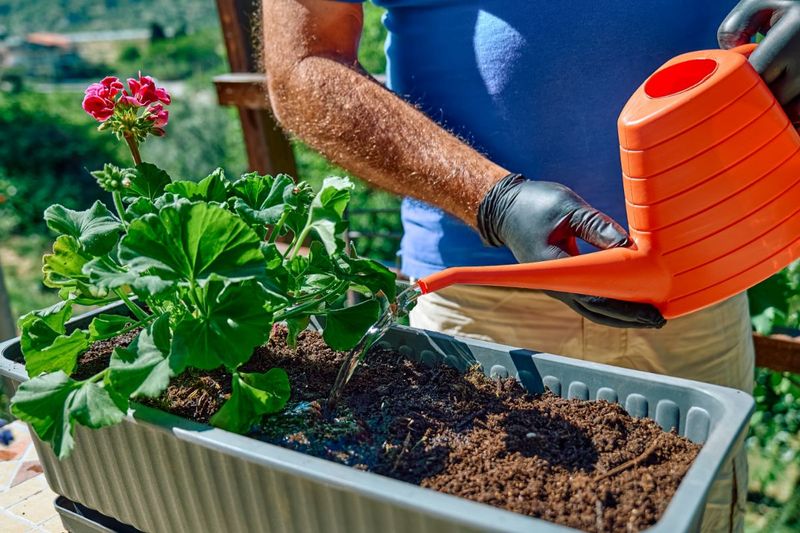
Shallow watering produces shallow roots, and shallow roots struggle badly when Arizona summer heat arrives.
Geraniums that receive frequent, light watering tend to develop root systems that stay near the soil surface, where temperatures rise the fastest and moisture disappears the quickest.
Deep watering means applying enough water that moisture reaches the bottom of the root zone before you stop. For a standard 12-inch pot, that might mean watering slowly until you see water draining freely from the bottom drainage holes.
For in-ground beds, it means letting water soak in long enough to reach 6 to 8 inches below the surface.
When roots are trained to grow deeper, they access cooler, more stable soil layers that hold moisture longer.
In Arizona, where surface soil can reach extreme temperatures by early afternoon, deeper roots give geraniums a genuine survival advantage heading into summer.
Water in the early morning for best results. Morning watering gives moisture time to soak in before evaporation rates spike with the midday heat.
Evening watering can work in a pinch, but wet foliage overnight in warm weather sometimes encourages fungal issues, particularly in humid microclimates around shaded patios or near walls.
Reduce watering frequency but increase volume per session starting in May. Instead of a little water every day, try a thorough, deep watering every two to three days depending on pot size and current temperatures.
Adjust based on how quickly your specific soil type dries out, since every Arizona garden setup behaves a little differently.
7. Moving Containers Early Helps Prevent Sudden Heat Damage
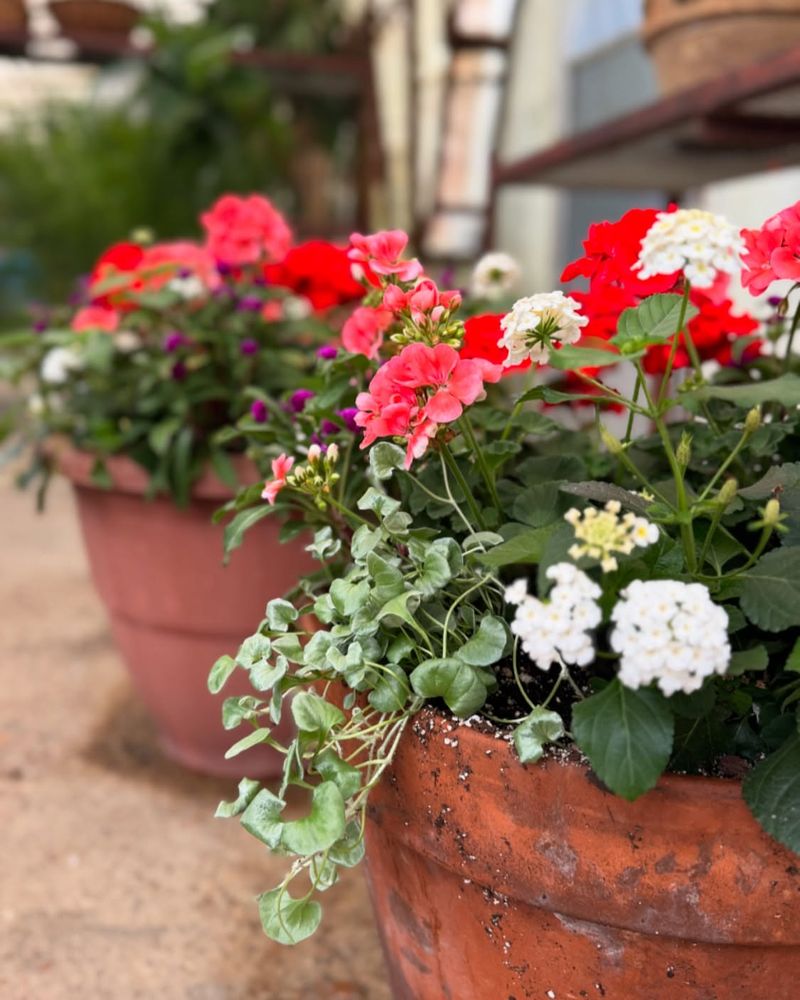
A single afternoon of unfiltered Arizona sun hitting an unprepared container geranium can set a plant back by weeks.
Leaves scorch, stems weaken, and bloom production can stall completely if the transition from mild spring to brutal heat happens without any adjustment period for the plant.
Moving containers gradually to more protected locations in early May gives geraniums time to adjust without shock. Start by shifting pots to spots that receive two or three fewer hours of direct afternoon sun than their current location.
Give the plant a week to settle in before moving it to an even more sheltered spot if temperatures keep climbing.
Covered patios, pergolas, and north-facing walls are classic solutions that Arizona gardeners rely on heavily during the warm season.
These spots often provide enough indirect light to keep geraniums healthy while cutting out the most damaging direct sun exposure between noon and 4 in the afternoon.
Pay attention to reflected heat as well. Light-colored walls, concrete patios, and gravel surfaces all radiate significant heat in Arizona, and containers placed near these surfaces can experience temperatures much higher than the air temperature alone would suggest.
Moving pots even a few feet away from a sun-baked concrete wall can reduce stress considerably.
Early action matters more than people expect. Waiting until plants show visible heat stress before moving them means recovery takes longer and the plant enters summer already weakened.
A proactive move in early May keeps geraniums stable and ready to push through the season on their own terms.