Indiana’s Smelliest Sidewalk Tree Drops Nearly All Its Leaves At Once
One sidewalk tree in town can go from full gold to bare branches in about a day. Some years it happens in just a few hours, right after a hard freeze.
I didn’t expect a tree to put on a show that fast. Then the sidewalk under it started to smell like rancid butter, and I got even more curious.
The same tree that drops a perfect golden carpet across Indiana streets can also make you hold your nose. Its family line goes back more than 200 million years, so it has had plenty of time to get weird.
Truth is, the beauty and the stink come from different parts of the story. One tree gives you the gold show with no stink at all. So which tree on your block is the one behind that smell?
That Golden Ginkgo Carpet Shows Up Almost Overnight
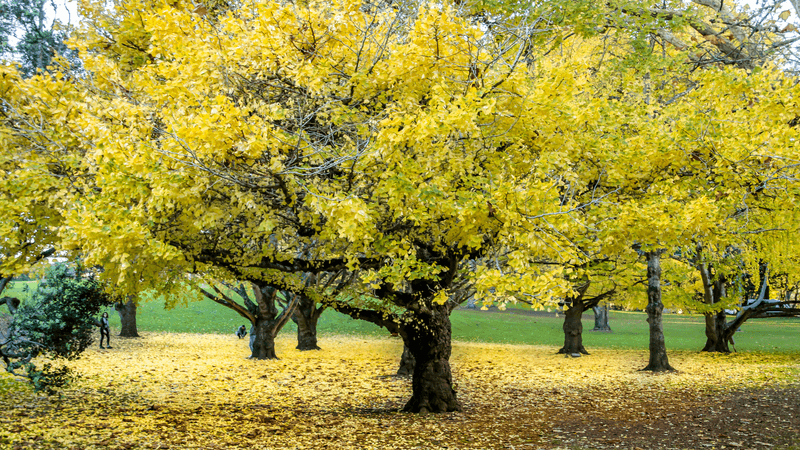
Most trees drop their leaves slowly, a few at a time, over several weeks. Ginkgo trees play by a different rulebook. Many Indiana neighbors notice the whole canopy hitting the pavement in a day or less.
The secret sits at the base of each leaf stem. Trees form a thin band of cells there called the abscission layer, which lets the leaf break away cleanly. On a ginkgo, that layer seems to finish forming on most leaves at roughly the same time.
Once that happens, a hard freeze often acts like the final push. The leaves let go together, and you get a neat golden circle under the tree by breakfast. It looks almost staged.
Not every ginkgo drops on the same morning, though. Young trees, trees in sheltered spots, and trees near warm buildings may lag behind others on the same street. Wind and sun exposure also play a role.
If you want to catch the show, watch the forecast in late October and November. The first night in the mid to low twenties is a good clue. Grab your phone the next morning, because that perfect yellow carpet gets scuffed up fast once people and cars start moving through.
Those Squishy Ginkgo Seeds Are Behind The Stinky Sidewalk
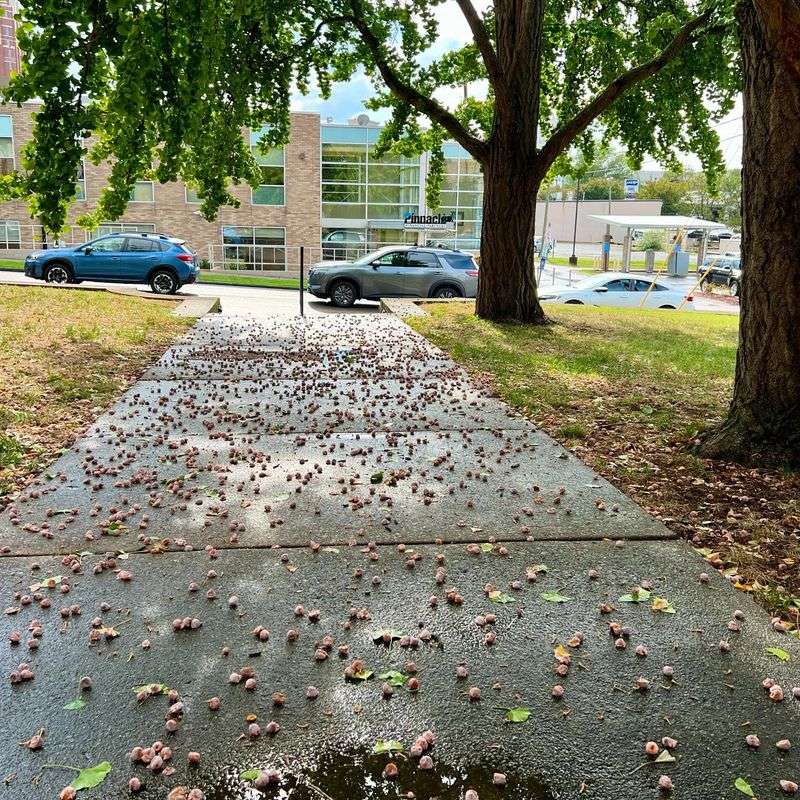
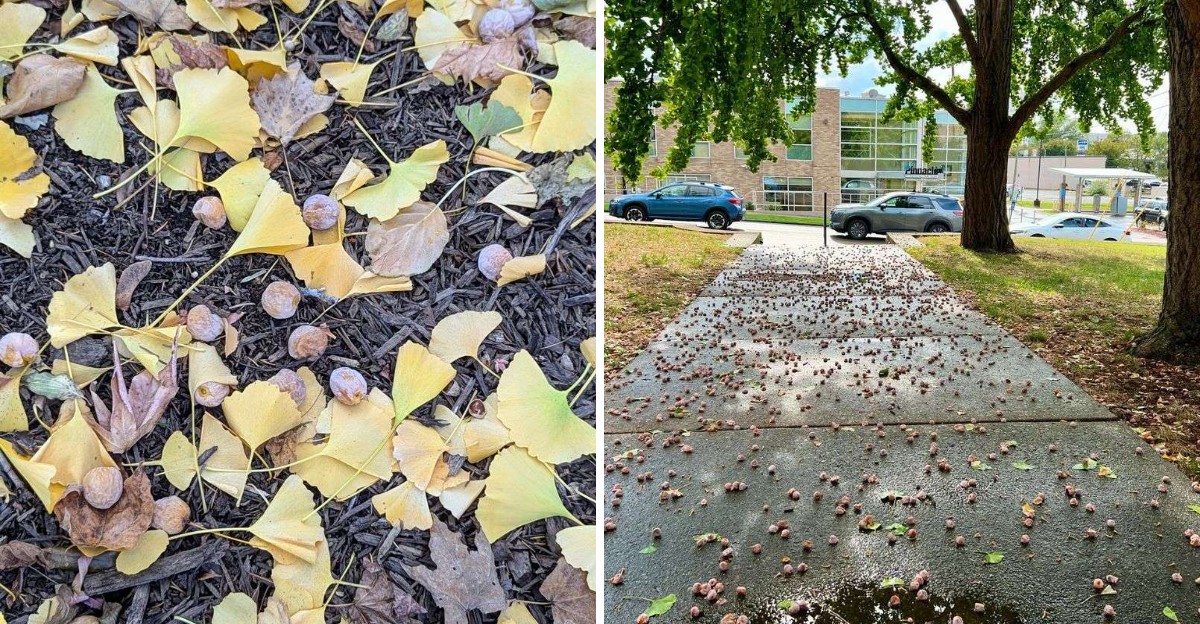
Ask anyone who has stepped on one, and they will describe the smell in colorful terms. Rancid butter, old cheese, and worse are common comparisons. The culprit is not the leaves at all.
Female ginkgo trees make small, round seeds about the size of a cherry. Each one has a soft, fleshy outer coat that turns tan or orange in fall. People often call them fruit, but botanists say they are really seeds with a fleshy covering.
That outer layer contains butyric acid, the same type of compound linked to the smell of spoiled butter. When the seeds fall and get crushed by shoes, tires, or strollers, the odor spreads quickly. Warm fall afternoons can make it even stronger.
Seed drop usually lines up with fall color and leaf drop, so the gold show and the stink often arrive together. That combo surprises a lot of people who only came to admire the leaves.
A quick tip from experience: wipe your shoes on grass before heading indoors. The smell clings to soles and car floor mats for days. Rinsing shoes with a hose and a little dish soap helps clear it out much faster.
Male Ginkgo Trees Keep The Gold Without The Stink
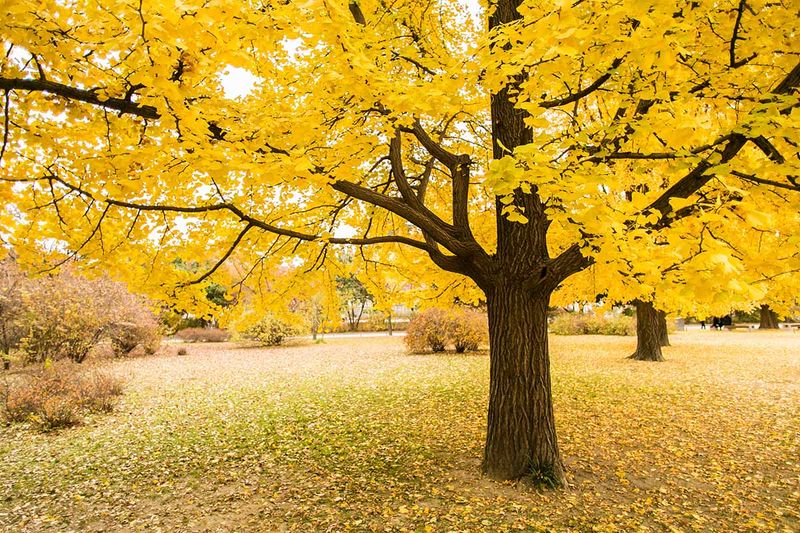
Ginkgo trees come in two types, male and female, and each tree is one or the other. Scientists call this dioecious. It matters a lot for anyone who walks past one daily.
Both types share those famous fan-shaped leaves and that bright yellow fall color. Only females make the smelly seeds. Males produce small pollen cones in spring, which most people barely notice.
So the sidewalk that smells funky every fall almost certainly has a female tree nearby. The quiet, clean block down the road probably has males. Same beauty, very different walk to school.
The tricky part is that a ginkgo grown from seed may not reveal its sex for 20 years or more. Some trees take even longer to start producing seeds. That is a long time to wait and wonder.
That’s why nurseries sell named male cultivars grown from cuttings or grafts of known male trees. You get a copy of a proven male, so there is far less guesswork. Fair warning, a few rare cases of male cultivars producing some seeds have been reported. Still, buying a named male variety is the most reliable way to enjoy the gold without the stink.
Pick A Named Ginkgo Cultivar That Fits Your Yard
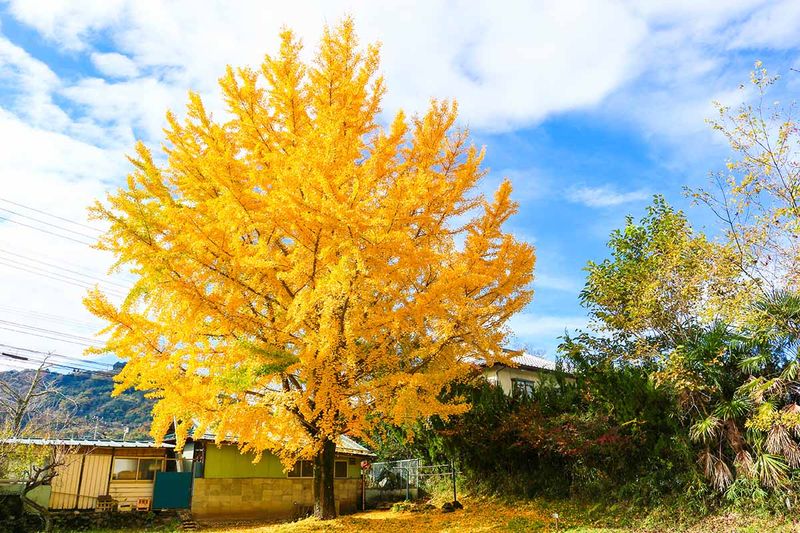
Shopping for a ginkgo is a lot easier once you know the names on the tags. Popular male choices include Autumn Gold, Princeton Sentry, and Magyar. Each one brings a slightly different shape to the yard.
Autumn Gold grows broad and even, with strong yellow color. Princeton Sentry and Magyar lean narrow and upright, which helps along driveways or tighter side yards. Smaller dwarf types like Mariken work for patios and big containers.
Ginkgos handle USDA zones 3 through 8 or 9, and Indiana falls mostly in zones 5 and 6. That covers the whole state, from Lake Michigan breezes to the warmer Ohio River valley. Winter cold is rarely a concern for this tree.
Give it full sun and soil that drains well. Clay, sand, and city fill are usually fine as long as water does not sit around the roots. Soggy, low spots are the main thing to skip.
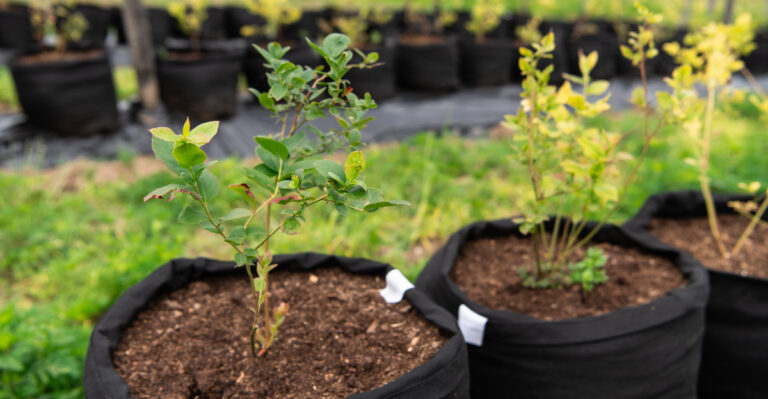
Plan for size, too. Full-size types can reach 50 to 80 feet over many decades. Growth starts slow, so be patient. Plant in spring or early fall, water deeply through the first two summers, and add a layer of mulch to keep roots cool.
Ginkgo Biloba Has Outlasted The Dinosaurs
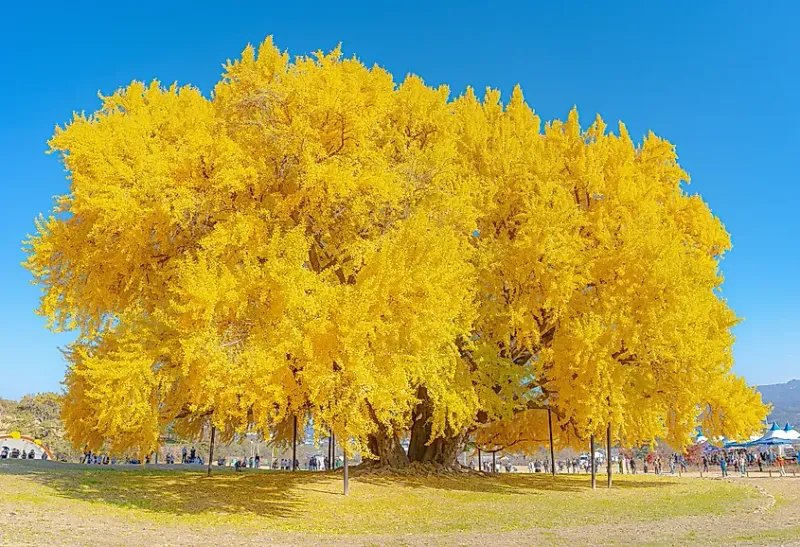
Here’s a fun fact to share at the bus stop. Ginkgo relatives were growing when dinosaurs walked the earth. Fossil leaves that look a lot like today’s ginkgo date back around 200 million years.
That is why people call it a living fossil. Ginkgo biloba is the only species left in its whole plant group. Every one of its close cousins faded out long ago.
Wild populations nearly disappeared, too. The tree hung on in parts of China, where people planted it near temples for centuries. From there it spread to Japan, Korea, Europe, and eventually American streets.
One famous story comes from Hiroshima in 1945. Several ginkgo trees near the blast area sprouted new growth afterward, and some still stand today. Japanese people call them survivor trees.
That toughness helps explain why cities love it. Ginkgos put up with air pollution, compacted soil, heat bouncing off pavement, and some road salt. Few insects or diseases bother them much. I get a kick out of knowing that the tree outside the bank downtown carries a family story older than the Rocky Mountains. Next time you pass one, take a closer look at those odd little fan leaves.
Wear Gloves Before Handling Those Fallen Ginkgo Seeds
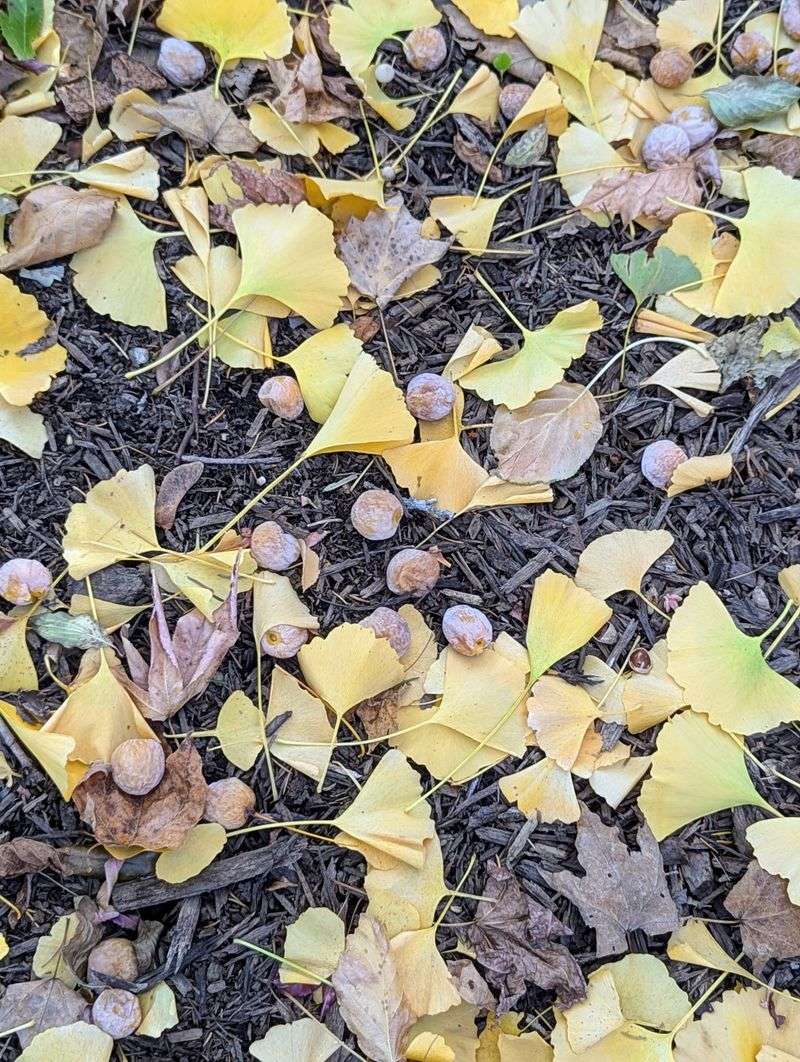
Cleaning up ginkgo seeds with bare hands seems harmless until your skin starts to itch. The fleshy coat contains compounds called ginkgolic acids. They are chemically related to urushiol, the oil in poison ivy.
Some people get red, itchy rashes from touching the pulp, while others have no reaction at all. You won’t know which group you fall into until it happens. Gloves are a simple fix.
The seeds also raise food questions. Roasted ginkgo nuts are a traditional food in parts of Asia. However, they contain a compound called ginkgotoxin that can interfere with vitamin B6, and eating too many has caused poisoning, especially in children.
Raw seeds carry more risk than cooked ones. If you are curious about the food tradition, learn from trusted sources first and eat only small amounts. Keep kids and pets from snacking on fallen seeds.
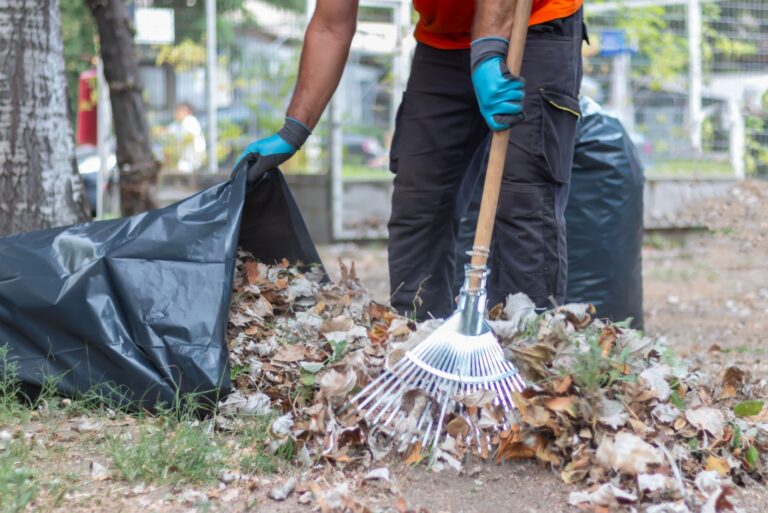
For cleanup, use rubber gloves, a stiff broom, and a dustpan or flat shovel. Bag the seeds and toss them in the trash rather than the compost pile, where the smell lingers. Hose off the sidewalk afterward. Doing a quick sweep every day or two during peak drop keeps the mess and odor far more manageable.
Your Neighborhood Female Ginkgo Can Still Be Managed
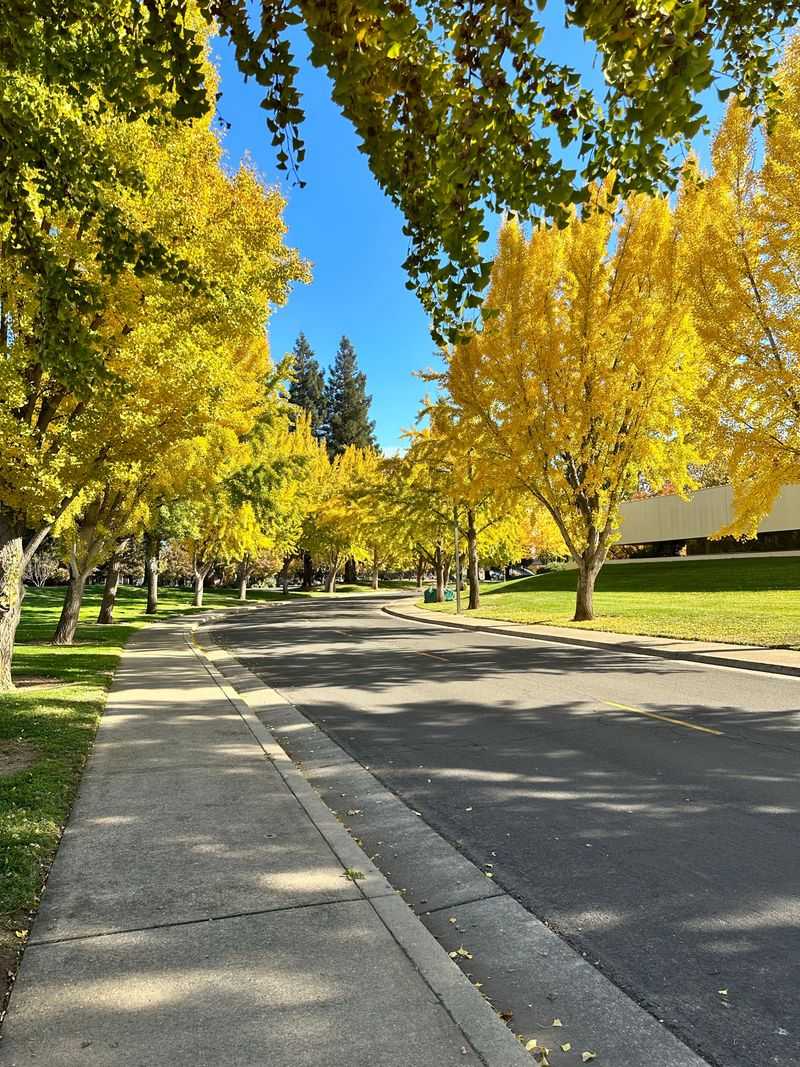
Living near a smelly female ginkgo doesn’t mean the tree has to go. Plenty of old female trees provide shade, cool streets, and beautiful color for decades. A little planning goes a long way.
Start by checking who owns the tree. Many Indiana cities manage trees in the strip between the sidewalk and the curb. Your city forester or public works office can tell you the rules before you prune or remove anything.
Some cities and homeowners use growth regulator sprays applied at bloom time in spring to reduce seed set. Results vary, timing is tricky, and a certified arborist should handle it. It’s not a one-time fix either.
Simple habits help more than you might expect. Sweep seeds often in fall, put a mat by the door, and park the car somewhere else during peak drop. Kind words with neighbors about shared cleanup can make the season easier for everyone.
If you are planting a new tree, choose a named male cultivar and enjoy the leaf show worry free. Then mark your calendar for that first hard freeze. Watching a ginkgo let go of its gold almost all at once is one of the best quiet thrills of fall.