Fall Leaf Drop On Evergreen Azaleas In Georgia Is Normal Until These Signs Appear
Certain evergreen shrubs grow two separate sets of leaves every year, and only one set is built to last. The bigger spring leaves often turn yellow or red each fall, then quietly drop while smaller summer leaves stay put.
That seasonal shuffle confuses plenty of gardeners across Georgia, especially when the ground under a favorite shrub suddenly looks carpeted.
I have to admit, my heart skipped a beat the first time I saw that golden pile appear overnight.
Most of the time, the shedding is healthy and happens on older leaves tucked deep inside the branches. Still, a few clues tell you something bigger is happening down in the roots or out on the leaves.
Clay soil and muggy summers can stack the odds against even the toughest beauties growing in your yard. The trick is knowing when those falling leaves are perfectly normal and when your shrub is trying to tell you something is wrong.
1. Newest Azalea Leaves Dropping From Branch Tips
Healthy evergreen azaleas shed from the inside out, so fresh leaves falling from the tips should grab your attention fast. I think of those outer rosettes as the shrub’s winter coat, and nobody wants to lose a coat in autumn.
University of Georgia Extension notes that older leaves inside the canopy commonly yellow and drop each fall without any harm.
Those leaves grew early in spring, worked hard all summer, and now they simply step aside for newer ones.
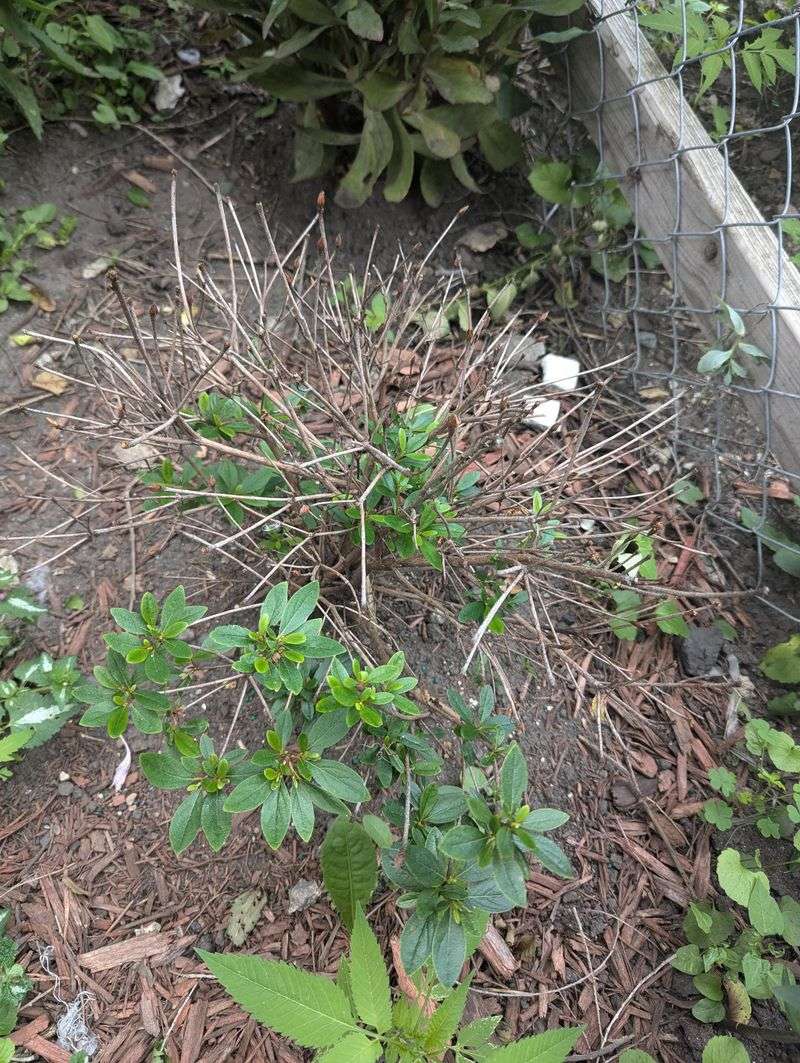
Trouble starts when the small summer leaves clustered at branch ends begin turning yellow or brown before falling off. Those leaves are supposed to hang on through winter and protect next spring’s flower buds tucked right beside them.
You might notice bare stem tips that look like tiny sticks poking out from an otherwise leafy shrub. Gently bend one, because a brittle twig with brown tissue under the bark signals a deeper problem worth investigating.
Root trouble and drought stress are two common reasons for this kind of top-down leaf loss during autumn. Each one cuts off the water supply to the outermost growth first, since those leaves sit farthest from the roots.
Personally, I start by checking soil moisture a few inches down with my finger before blaming anything else.
Bone-dry soil means you need a deep, slow soak, while soggy mud points toward a drainage issue instead.
2. Wilting Azalea Leaves Even In Soggy Soil
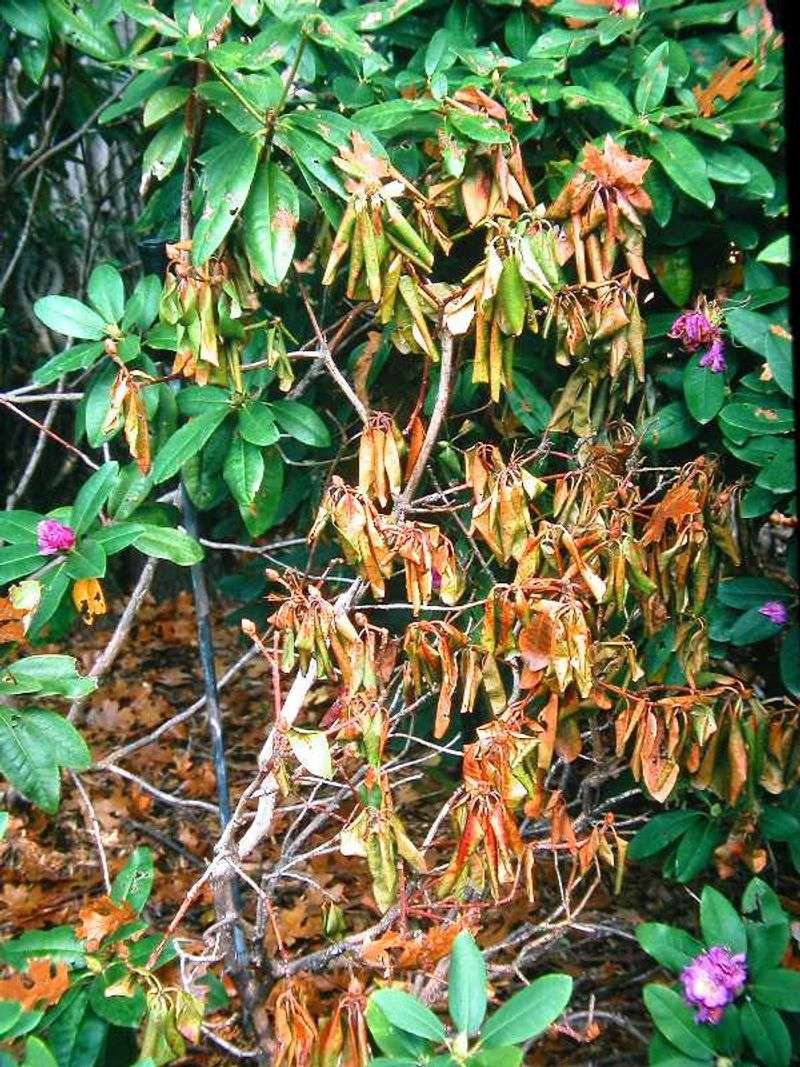
Nothing feels stranger than watching an azalea droop like a thirsty puppy while the soil underneath squishes under your shoes.
That odd combination is one of the clearest warnings that roots below ground are failing to move water upward.
Phytophthora root rot, caused mostly by Phytophthora cinnamomi, ranks among the most serious azalea diseases in the Southeast. The organism thrives in waterlogged ground, and heavy red clay gives it exactly the soggy setting it loves.
Infected roots turn brown and soft, so the shrub cannot drink even though moisture surrounds it on every side. Leaves often wilt and drop in clusters, and whole branches may decline one after another over several months.
You can do a little detective work by scraping the bark gently near the soil line with a fingernail. Reddish brown streaks under the bark, instead of clean creamy tissue, strongly suggest this disease has moved into the stem.
I have to be honest here, because badly infected plants rarely bounce back once symptoms spread across the shrub.
Removing a severely affected azalea and its root ball helps protect nearby plants from the lingering soilborne organism.
Prevention works far better than any rescue, so plant azaleas slightly high with the root ball top above grade. Raised beds and generous amounts of pine bark mixed into clay help water drain away before roots start suffocating.
3. Yellow Azalea Leaves With Bright Green Veins
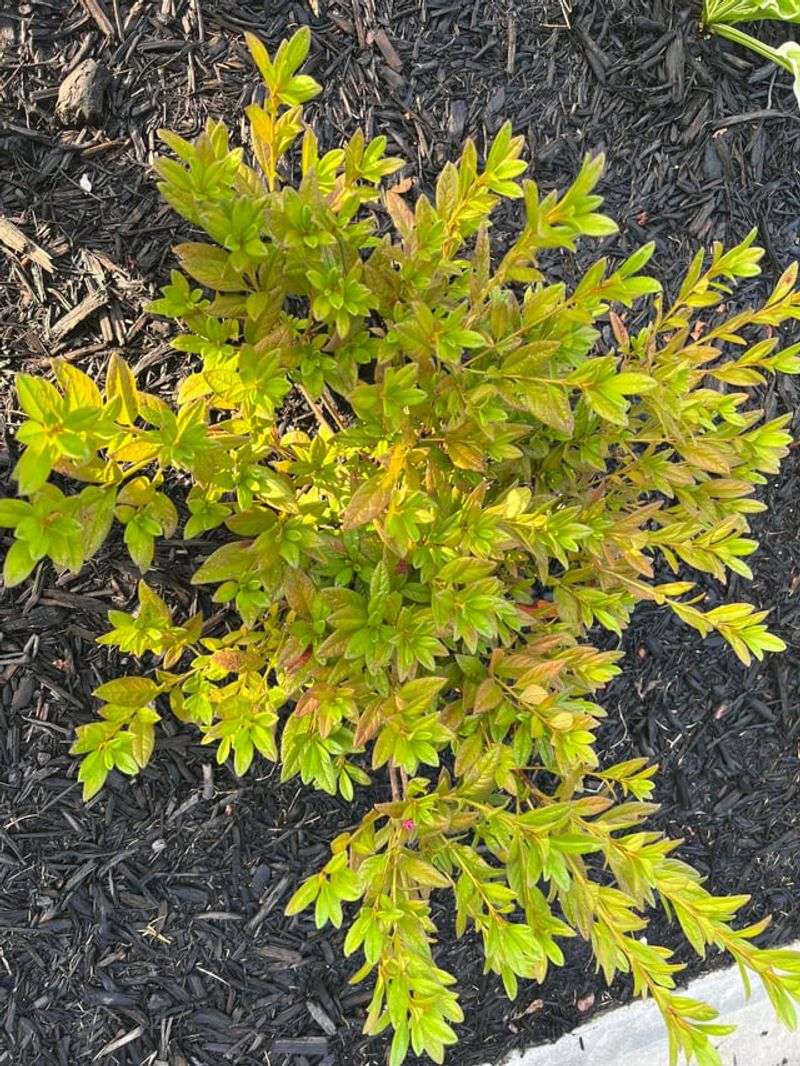
Some azalea leaves end up looking like little road maps, with bright green veins running across pale yellow tissue. That pattern is called interveinal chlorosis, and it tells a very different story than normal fall color changes.
Azaleas are acid lovers, and UGA Extension recommends a soil pH roughly between 4.5 and 6.0 for them.
When pH creeps higher, iron and manganese get locked up in the soil, even if plenty is technically present.
I love that the plant hands us such a clear clue, almost like a note left taped to the fridge. Unlike seasonal shedding, this yellowing usually shows up first on the newest leaves near the branch tips.
Planting azaleas close to concrete foundations or sidewalks can raise soil pH over time as lime slowly leaches out. Overliming a nearby lawn creates the same problem, so watch where your spreader throws pellets along bed edges.
You need a soil test before adding anything, because guessing can push pH too far in the wrong direction.
County Extension offices in Georgia process soil samples affordably, and results include clear recommendations for your specific bed.
If results show high pH, elemental sulfur can lower it gradually, though changes may take several months to appear. Chelated iron products give faster green-up on foliage while the soil slowly adjusts to the sulfur underneath.
4. Pale Speckled Azalea Leaves From Lace Bugs
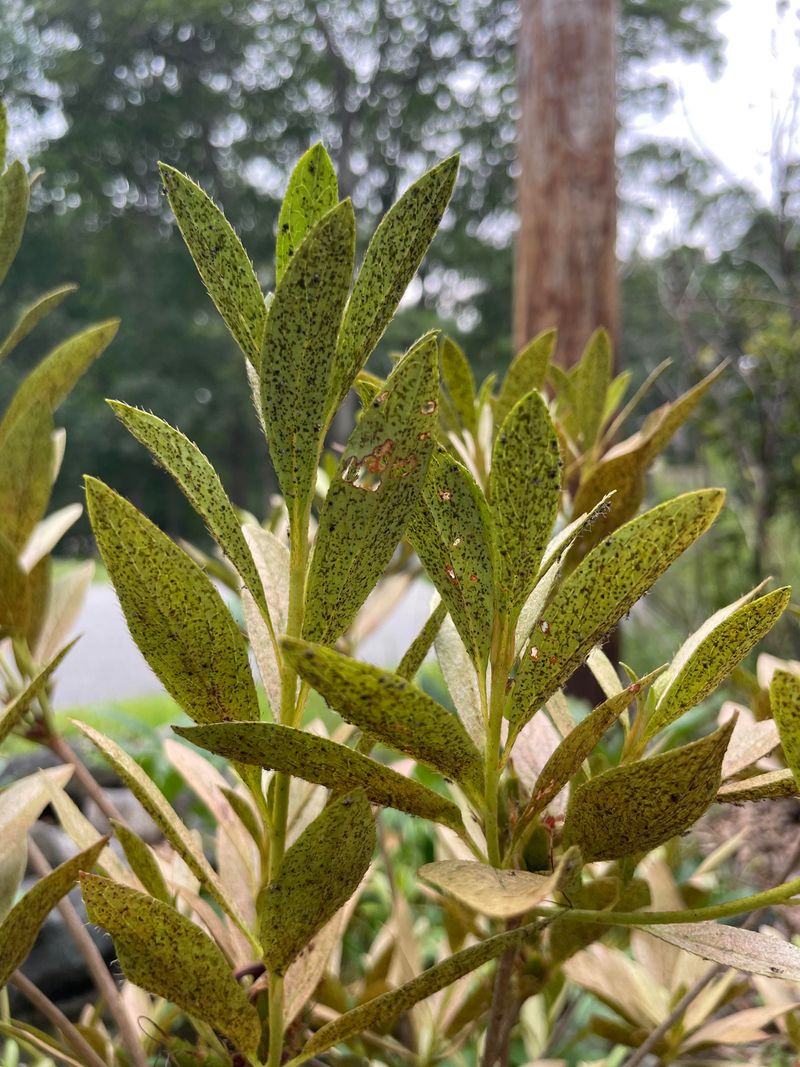
Tiny lace bugs barely reach an eighth of an inch long, yet they can bleach a whole azalea hedge.
Their clear, lacy wings look almost pretty under a magnifying glass, which feels a little unfair given the damage.
The azalea lace bug, Stephanitis pyrioides, feeds on leaf undersides and sucks out sap with needle-like mouthparts. Each feeding spot leaves a pale fleck on top, and hundreds of flecks create that washed-out, silvery speckled look.
Flip a leaf over and you will likely find shiny black dots of excrement stuck to the surface. Those little tar spots, plus shed skins, confirm lace bugs even when the insects themselves have already moved along.
Several generations develop each year in warm climates, so damage keeps building from spring right through early fall.
Heavily stippled leaves lose their ability to make food, and the shrub may drop them earlier than normal.
I notice lace bugs hit sunny plantings much harder than azaleas tucked under tall pines with filtered light. Drought-stressed shrubs suffer more too, so steady watering during dry spells makes them less inviting targets.
A strong spray of water aimed at leaf undersides knocks many nymphs loose without harming helpful predators nearby. Insecticidal soap or horticultural oil works well too, as long as you coat the bottoms of the leaves thoroughly.
Remember that old stippling stays visible, so judge success by clean new growth rather than older speckled foliage.
5. Crispy Brown Edges On Azalea Leaves After Drought
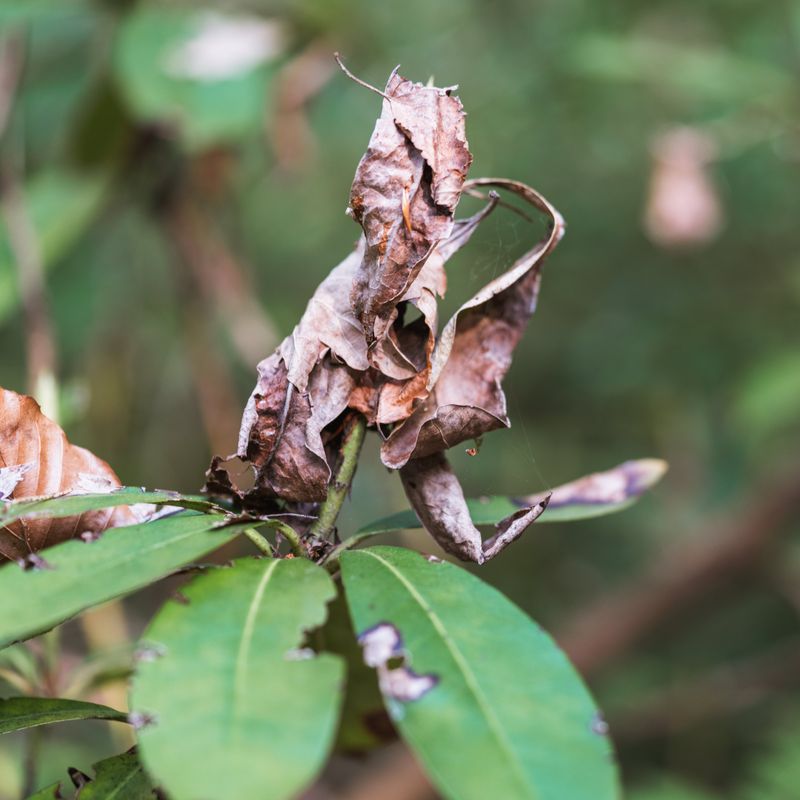
Azalea roots mostly stay in the top several inches of soil, so they dry out faster than you might expect.
When leaf margins turn brown and crunchy like toasted paper, thirst is usually the first suspect on my list.
Late summer and early fall dry spells hit these shallow roots hard, especially during weeks with little rainfall. Leaves lose water faster than roots can replace it, and the tissue along the outer edges browns first.
Normal fall shedding produces smooth yellow or reddish leaves, while scorched leaves curl and crumble when you squeeze them. Spotting that difference can save you from blaming pests when the real issue is simply a missed watering.
Too much fertilizer can mimic drought, because excess salts pull moisture away from roots and burn tender margins. I learned that lesson after feeding a little too generously one summer, and the crispy edges showed up quickly.
Afternoon sun makes everything worse, since hot western exposure dries both the leaves and the soil much faster.
Azaleas usually look happiest with morning sun and dappled afternoon shade, much like their woodland relatives growing wild.
You need to water deeply about once a week during dry stretches instead of sprinkling lightly every day. A slow soaker hose delivers moisture right to the root zone and keeps foliage drier at the same time.
Spread two to three inches of pine straw or shredded bark to hold moisture and keep roots cooler.
6. One Azalea Branch Wilting While The Rest Stays Green
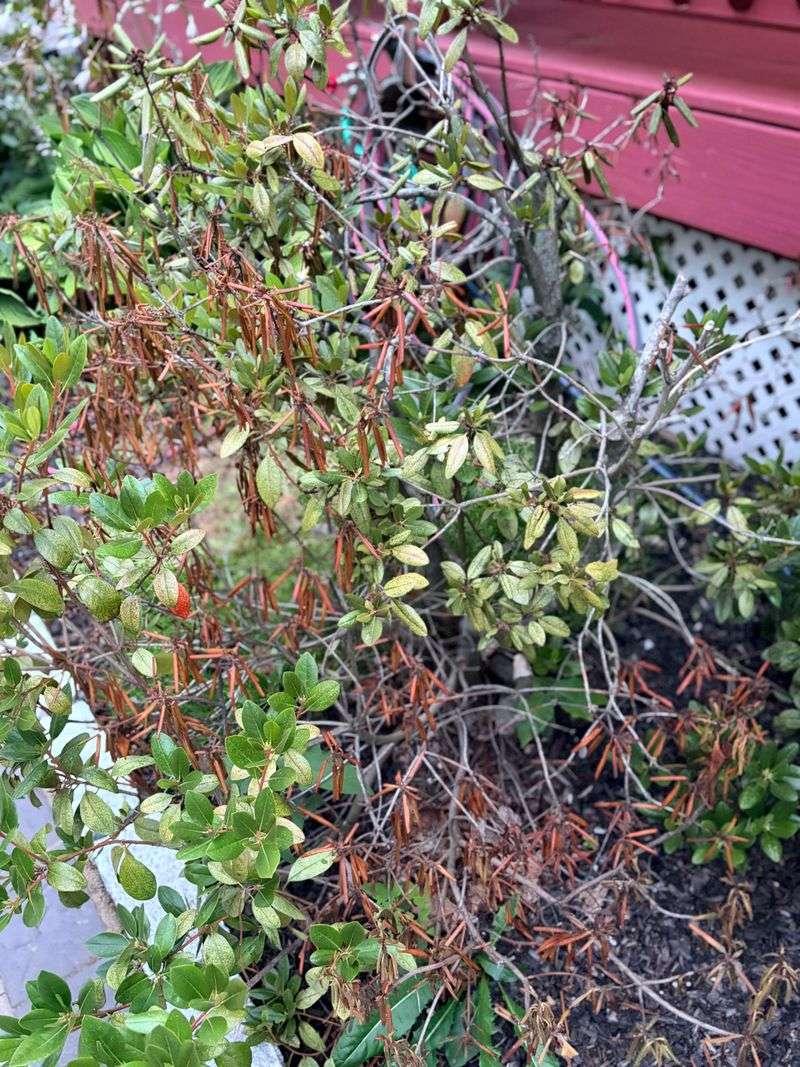
One branch turning brown while its neighbors look perfectly fine is a puzzle that drives many azalea lovers a little crazy.
Normal fall shedding spreads evenly across the shrub, so a single collapsing limb deserves a closer look right away.
Stem canker diseases, often caused by Botryosphaeria fungi, commonly produce this patchy branch wilt in Southern landscapes. The fungus enters through wounds or stressed tissue, then blocks water flow inside the stem as it spreads.
Leaves on the affected branch typically turn reddish brown and cling for a while before eventually dropping off. Scrape the bark lightly, and you may see brown streaks or discolored wood instead of healthy green tissue underneath.
Personally, I think of this disease as an opportunist, because it targets azaleas already weakened by drought or injury. Mower nicks and string trimmer scars give the fungus an easy doorway straight into the stems.
Prune out affected branches several inches below the discolored wood, cutting back into clean healthy tissue.
Wipe your pruners with a household disinfectant between cuts so you avoid spreading spores to healthy branches.
Fungicides offer little help against stem canker once it starts, so good care remains your strongest form of protection. Steady watering during dry periods keeps azaleas strong enough to resist infection in the first place.
If several branches decline at once, root rot may be the real culprit rather than a canker problem.
7. Brown Spotted Azalea Leaves Before They Fall
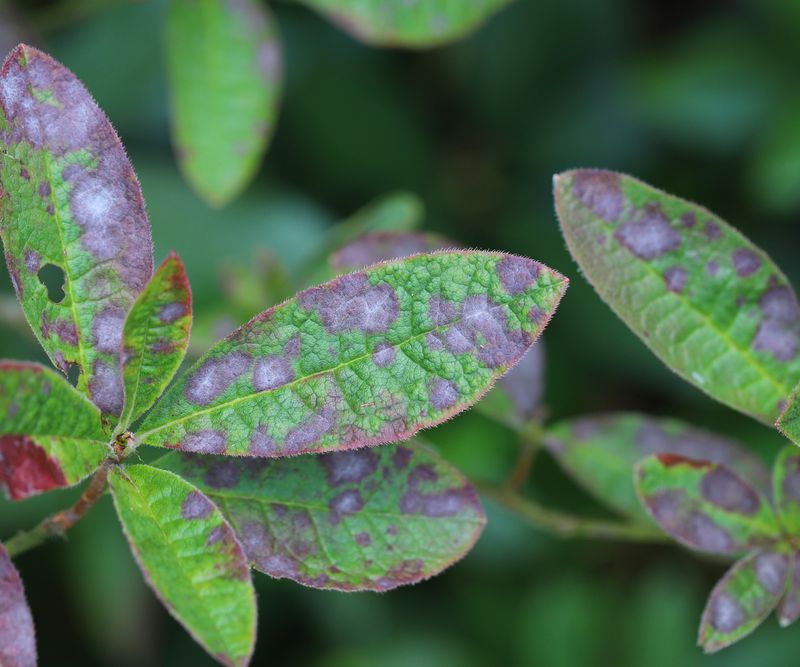
Freckles look adorable on people, but distinct spots on azalea leaves usually point toward a fungal leaf spot disease.
Cercospora and Septoria fungi are frequent offenders, and humid Georgia summers give them plenty of chances to spread.
Spots often start small and grow into angular or irregular blotches with darker reddish or purple borders. Many have tan or gray centers, which makes them look quite different from the even yellowing of normal shedding.
Infections usually begin on older, lower leaves and creep upward as rain splashes spores from one leaf to another.
Heavily spotted leaves frequently drop early, leaving lower branches thin and leggy by the time autumn rolls around.
What surprises me most is how rarely leaf spot threatens the shrub itself, even when it looks dramatic. Mostly it weakens plants by stealing leaf surface, which reduces energy stored for next spring’s blooms.
Overhead sprinklers keep foliage wet for hours, and that lingering moisture is exactly what these fungi crave. Switching to drip lines or watering at the base early in the day keeps leaves much drier overall.
Rake up fallen spotted leaves this fall, since spores can survive on that litter and return next season. Fresh mulch spread afterward creates a clean layer that helps stop old spores from splashing back onto foliage.
Thinning crowded neighboring plants improves airflow, letting leaves dry faster after summer storms and heavy morning dew.
8. Sticky Black Sooty Mold On Azalea Stems
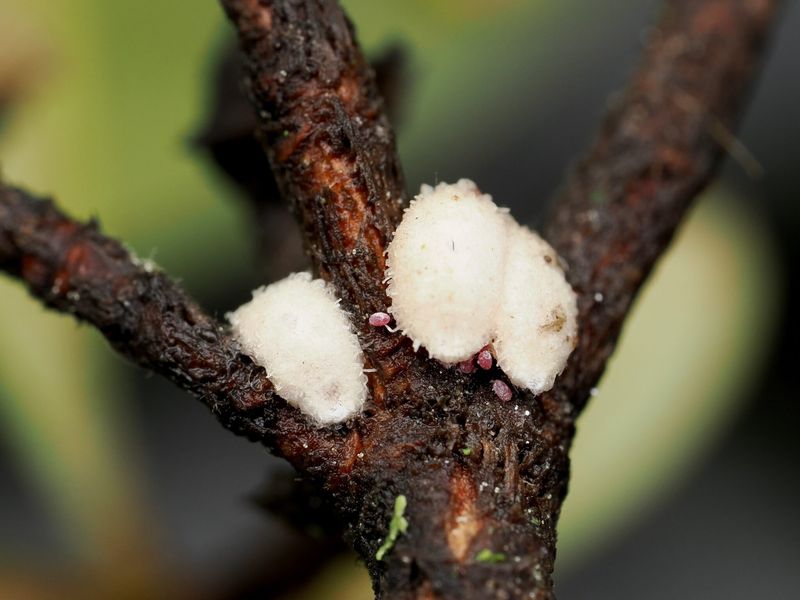
Running your hand along an azalea branch and coming away sticky is a surprisingly reliable clue to hidden pests.
That gummy coating is honeydew, a sugary waste that sap-feeding insects release as they feed on stems.
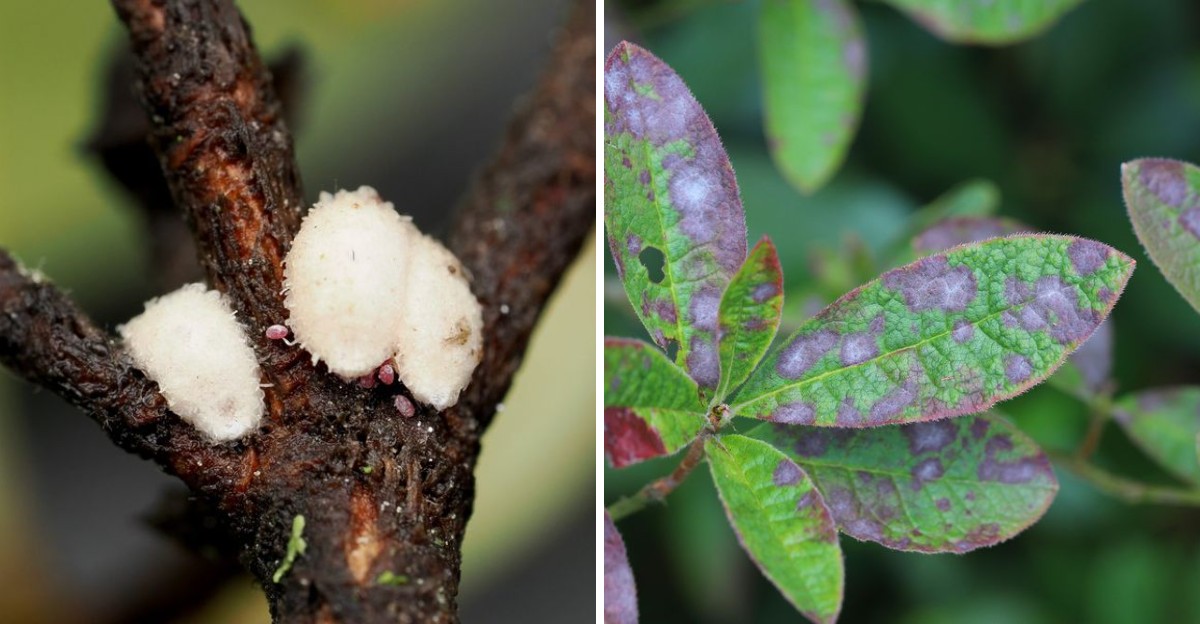
Azalea bark scale, Eriococcus azaleae, is a common source, forming white, felt-like sacs in branch crotches. Mealybugs can cause similar trouble, appearing as cottony white tufts tucked into crevices along the stems and leaves.
Black sooty mold grows on the honeydew itself, coating leaves and bark like a smudge of chimney soot. The mold does not feed on the plant, yet thick layers block sunlight and reduce food production noticeably.
Over time, heavily infested shrubs lose vigor and drop leaves early, sometimes showing branch decline in severe cases. You might also see ants marching up the stems, since they love collecting that sweet honeydew.
I believe the best tool here is a soft brush, because scrubbing scale off by hand works surprisingly well. Prune out branches that are heavily crusted with white sacs, and bag them instead of tossing them in compost.
Horticultural oil applied in dormant or cooler seasons smothers overwintering scale, so timing your spray matters quite a bit.
Follow label directions closely, and skip oil sprays during hard freezes or very hot afternoons to protect foliage.
Once the insects are under control, rain and time slowly wash much of the sooty mold away. Persistent infestations in Georgia landscapes may need systemic products, so ask your Extension agent about safe choices.