Indiana Vegetables That Need One Last August Push To Finish The Season Strong
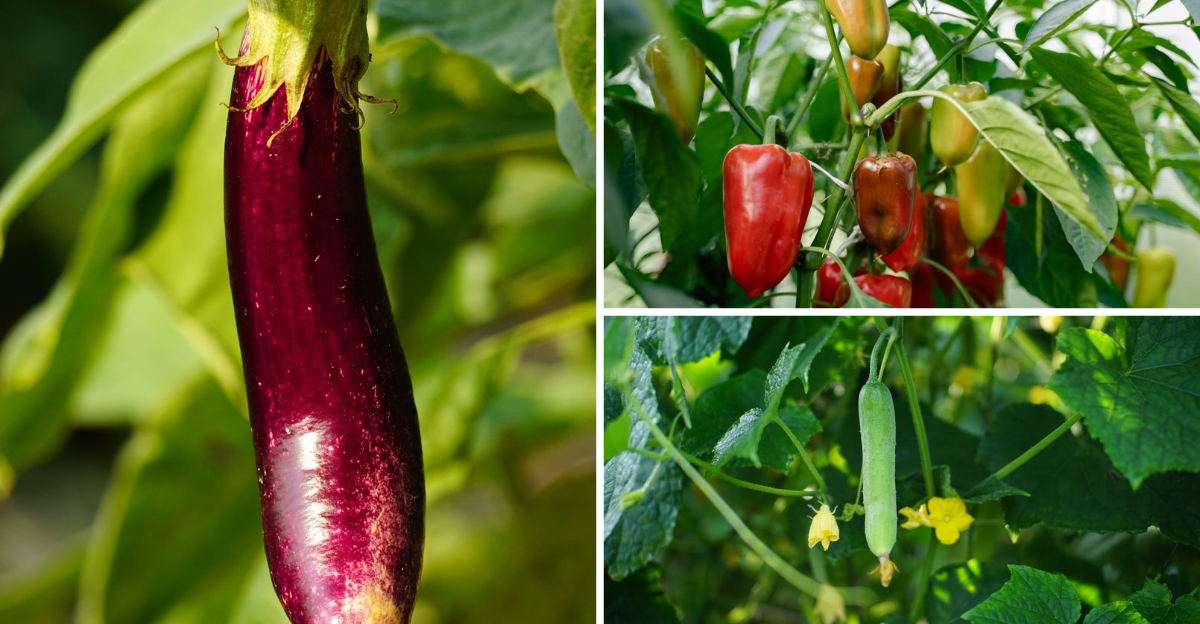
Indiana gardens hit a strange rhythm in August. The heat presses down all day, then the humidity holds on through the night, and your vegetables react to every shift, watched or not.
Some plants push through this stretch without missing a beat. Others stall out fast, and by the time you notice, the damage is already done.
This is the stretch where small choices ripple forward. Water at the wrong hour, skip a feeding, ignore a leaf that’s curling oddly, and September shows you the cost.
These eight vegetables are the ones asking the loudest right now. Give them what they need this month, and your harvest will show it.
1. Tomatoes Need Extra Support Right Now
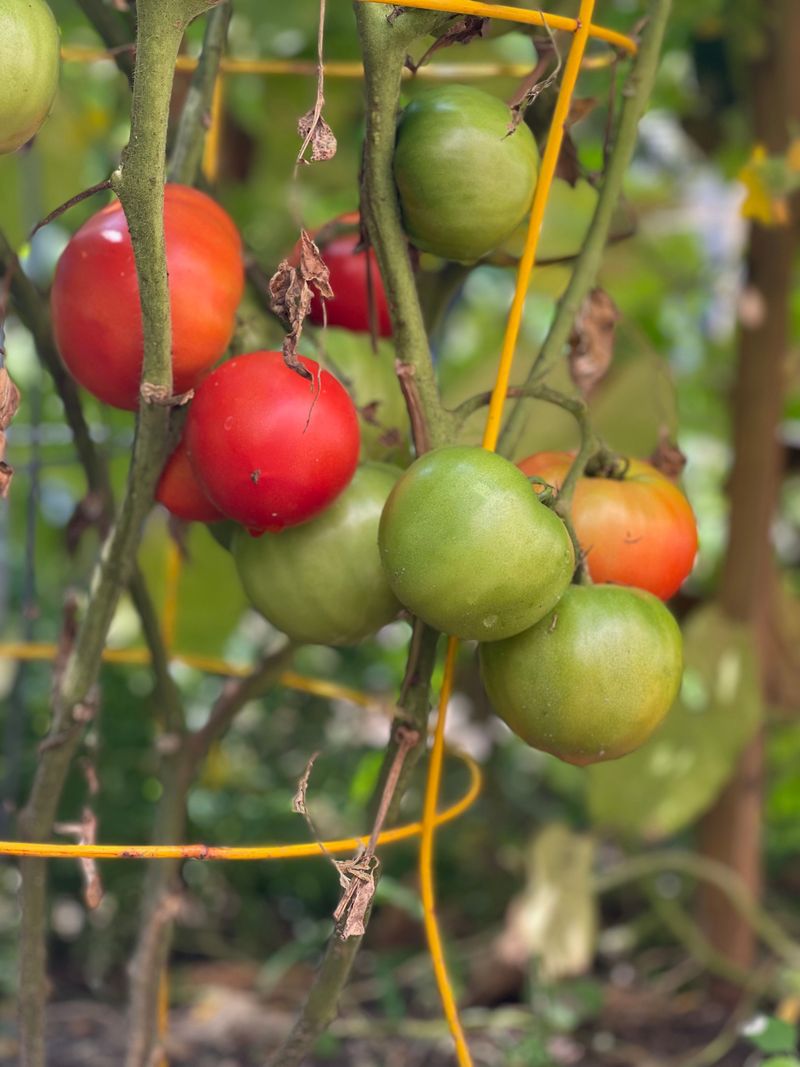
Your tomato plants are probably sagging under the weight of their own success right now. August in Indiana brings heavy fruit loads, and those branches need real support before they snap.
Grab some extra garden stakes or tomato cages and get them in the ground today. A broken branch in August means lost fruit you spent all summer growing.
Pruning out the suckers at this stage helps the plant focus its energy on ripening existing tomatoes. You want those green fruits turning red, not feeding new growth that won’t mature before frost.
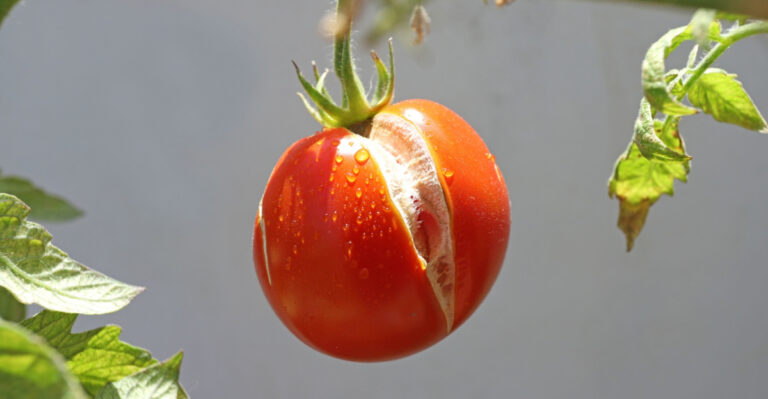
Water consistency matters more now than at any other point in the season. Uneven watering causes blossom end rot and cracked skin, two problems that ruin perfectly good tomatoes overnight.
Aim for deep watering two to three times per week rather than shallow daily sprinkles. Deep roots pull moisture from lower soil layers and stay stronger during Indiana’s unpredictable late-summer heat spikes.
A light application of a low-nitrogen fertilizer right now encourages fruit development without pushing leafy growth. Look for a formula higher in phosphorus and potassium on the label.
Consistent care through the rest of August pays off directly in your basket. Keep your tomatoes supported, fed, and hydrated, and they will carry you all the way to September.
2. Peppers Benefit From A Final Feeding
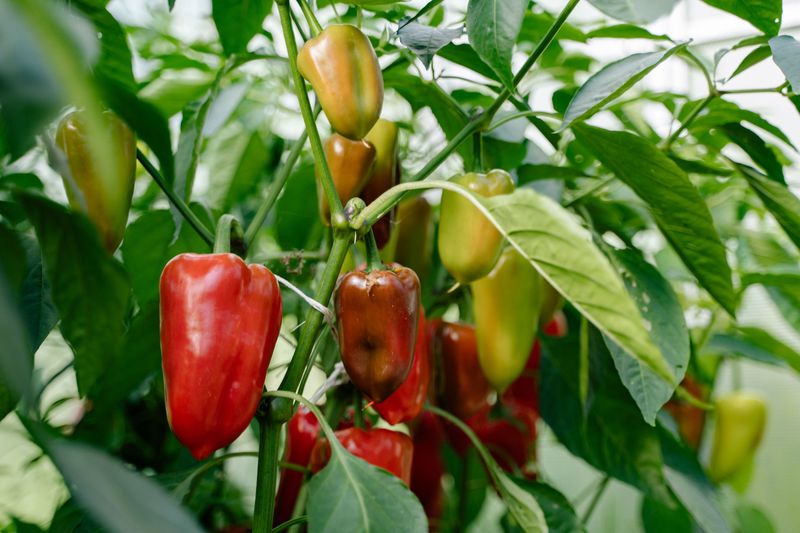
Peppers are quiet workers in the garden, but they have big needs in August. Most gardeners forget about feeding their pepper plants once summer gets busy, and that is a costly mistake.
A balanced fertilizer applied in early August gives pepper plants the fuel to finish ripening their fruit. Without that boost, peppers stall out and stay green well past their peak.
Hot peppers like jalapeños and banana peppers actually develop more heat when they are slightly stressed by warm, dry conditions. A little controlled stress in August produces that satisfying kick you want in your salsa.
Bell peppers, on the other hand, need steady moisture to size up properly. Irregular watering causes them to develop thin walls and bitter flavor, which nobody wants at the table.
Mulching around the base of each pepper plant helps lock in soil moisture during Indiana’s brutal August afternoons. A two-inch layer of straw or shredded leaves makes a noticeable difference within just a few days.
Your Indiana Garden Changes Every Week. Your Plan Should Too.
Gardening in Indiana changes quickly throughout the season. Every Friday you’ll receive a simple weekly plan showing exactly what to plant, prune, fertilize, harvest, and protect so you never miss the right timing.
Watch for aphid clusters on the undersides of leaves during this time of year. A quick spray of water or a diluted neem oil solution handles most infestations before they slow the plant down.
Peppers that receive proper care in August often produce a second flush of fruit before the season closes. That second wave is usually the sweetest, most flavorful harvest of the entire year.
3. Late Cucumbers Require Consistent Watering
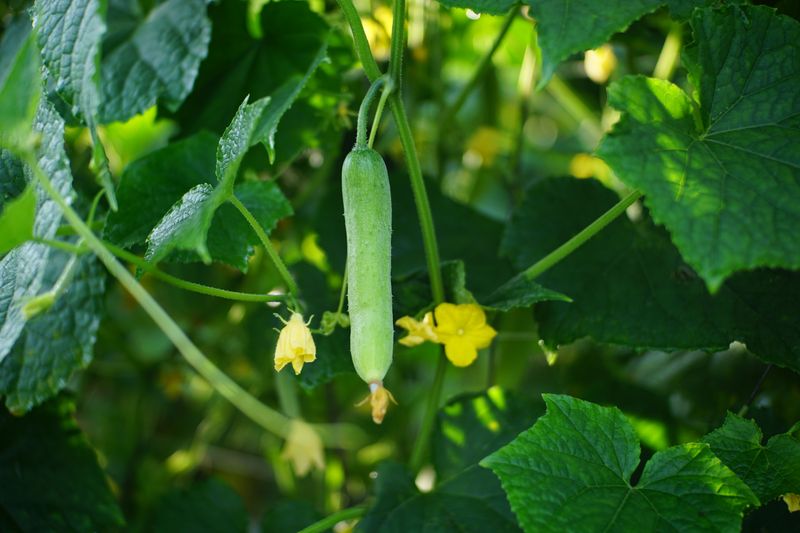
Cucumbers planted in late June or early July are hitting their stride right now, and water is everything to their success. Miss a few days of consistent moisture and those cucumbers turn bitter and hollow inside.
The trick with cucumbers is keeping the soil evenly moist, not soaking wet and not bone dry. Wild swings in soil moisture are the number one reason cucumbers taste terrible at the end of summer.
Drip irrigation or a soaker hose works far better for cucumbers than overhead watering. Wet foliage invites powdery mildew, which spreads fast in Indiana’s humid August air.
Pick cucumbers when they reach a usable size rather than waiting for them to grow massive. Oversized cucumbers signal the plant to slow fruit production, which cuts your total harvest short.
Check your vines every single day during peak season because cucumbers can go from perfect to overgrown in just 48 hours. A missed harvest day can set the whole plant back by a week.
If your cucumber leaves are yellowing from the bottom up, that is a sign of nitrogen depletion in the soil. A light side dressing of compost or a diluted liquid fertilizer gets them back on track quickly.
A little daily attention now keeps your vines productive instead of stalling out. Give them water, attention, and regular picking, and they will keep delivering until the first cool nights arrive.
4. Winter Squash Takes Time To Mature
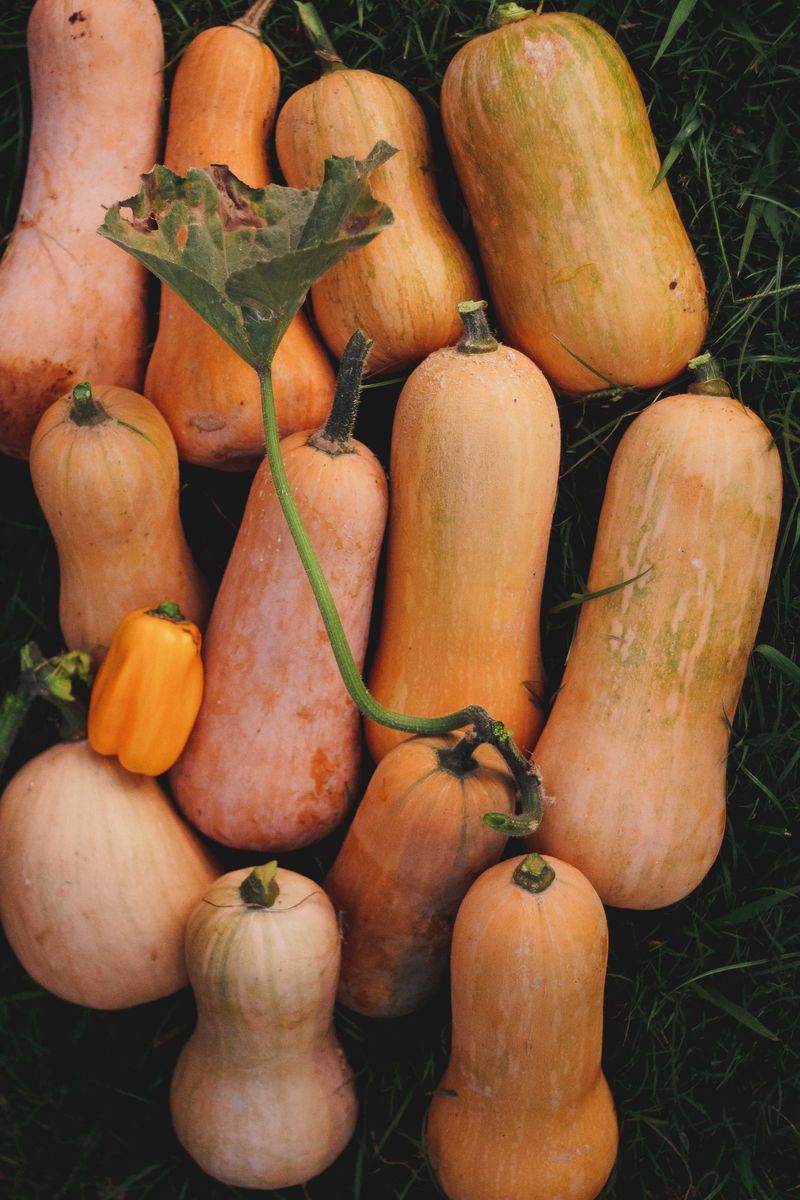
Butternut, acorn, and spaghetti squash planted back in late spring are entering their most important growth phase right now. The next six weeks determine whether you end up with hard, flavorful squash or soft, bland ones.
Winter squash needs heat to develop its signature dense flesh and sweet flavor. August in Indiana delivers exactly that, so let the sun do its job while you handle the basics.
Stop pruning vines at this stage and let the plant focus all its resources on the fruit already set. New vine growth in August rarely produces mature squash before frost, so it is wasted energy.
Watch for vine borers, which are a serious threat to squash plants across the Midwest in late summer. Check the base of stems for small entry holes and sawdust-like frass, which signals an active infestation.
If you catch borers early, you can carefully remove them and bury the damaged stem section under fresh soil. The plant will often re-root and recover well enough to finish the season.
Keep the soil consistently moist but not waterlogged, as standing water around squash roots leads to rot. A layer of mulch helps regulate soil temperature and moisture during hot August afternoons.
Patience is the most important ingredient when growing winter squash. The skin should resist a fingernail scratch before harvest, which tells you the fruit is fully cured and ready for storage.
5. Beans Keep Producing With Regular Picking
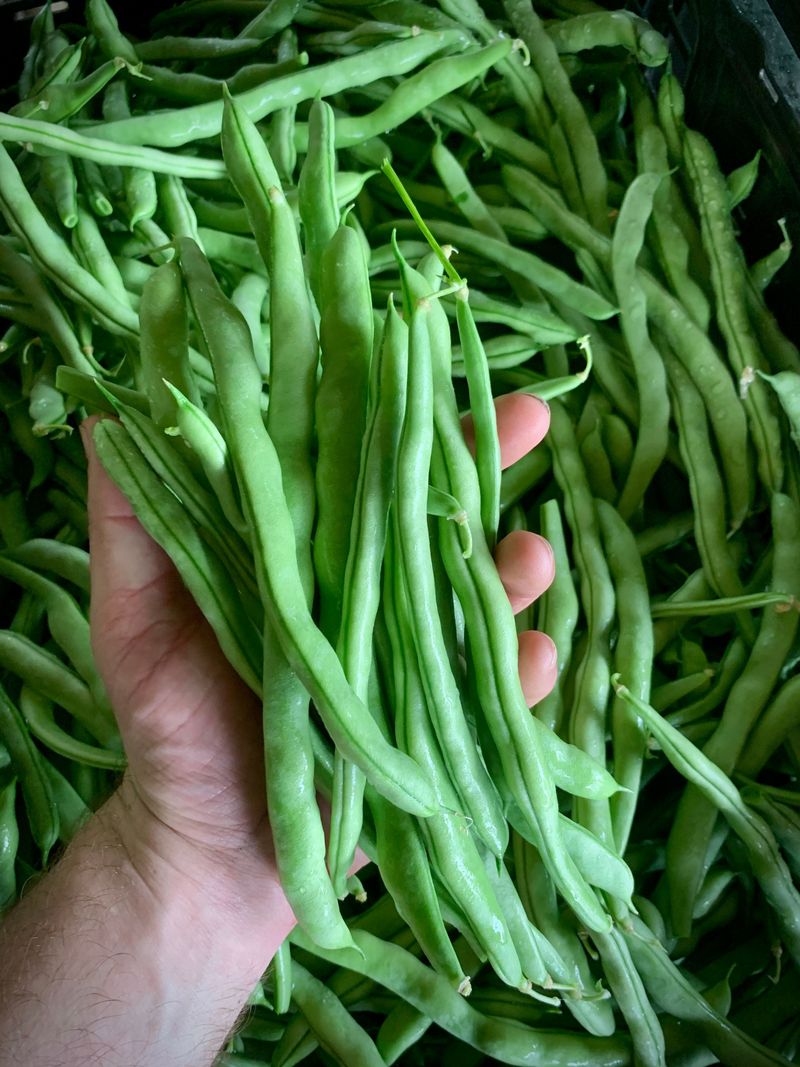
Green beans are one of those crops that rewards effort with almost embarrassing generosity. The more you pick, the more the plant produces, and August is prime time to take full advantage of that cycle.
Bush beans and pole beans both follow the same rule: a bean left on the vine too long tells the plant its job is done. Seed development inside that pod signals the plant to stop flowering and shut down production.
Pick every two to three days during peak season to keep the harvest coming through the end of August. Even beans that are slightly past their prime should come off the vine to encourage fresh blooms.
Beans fix their own nitrogen from the air, so they do not need heavy fertilizing the way tomatoes or peppers do. A light compost top dressing is all most bean plants need to stay productive.
Watch for Mexican bean beetles, which look like spotted orange ladybugs and can strip leaves in a hurry. Hand-picking the adults and egg clusters from leaf undersides is the most effective control method.
Overhead watering in the morning keeps foliage dry by afternoon, which reduces the risk of fungal issues on bean leaves. Wet leaves sitting overnight are an open invitation for rust and mold to take hold.
A well-tended bean patch in August is one of the more satisfying sights in a home garden. Keep picking, stay consistent, and your beans will carry you right through to September.
6. Eggplant Thrives With August Attention
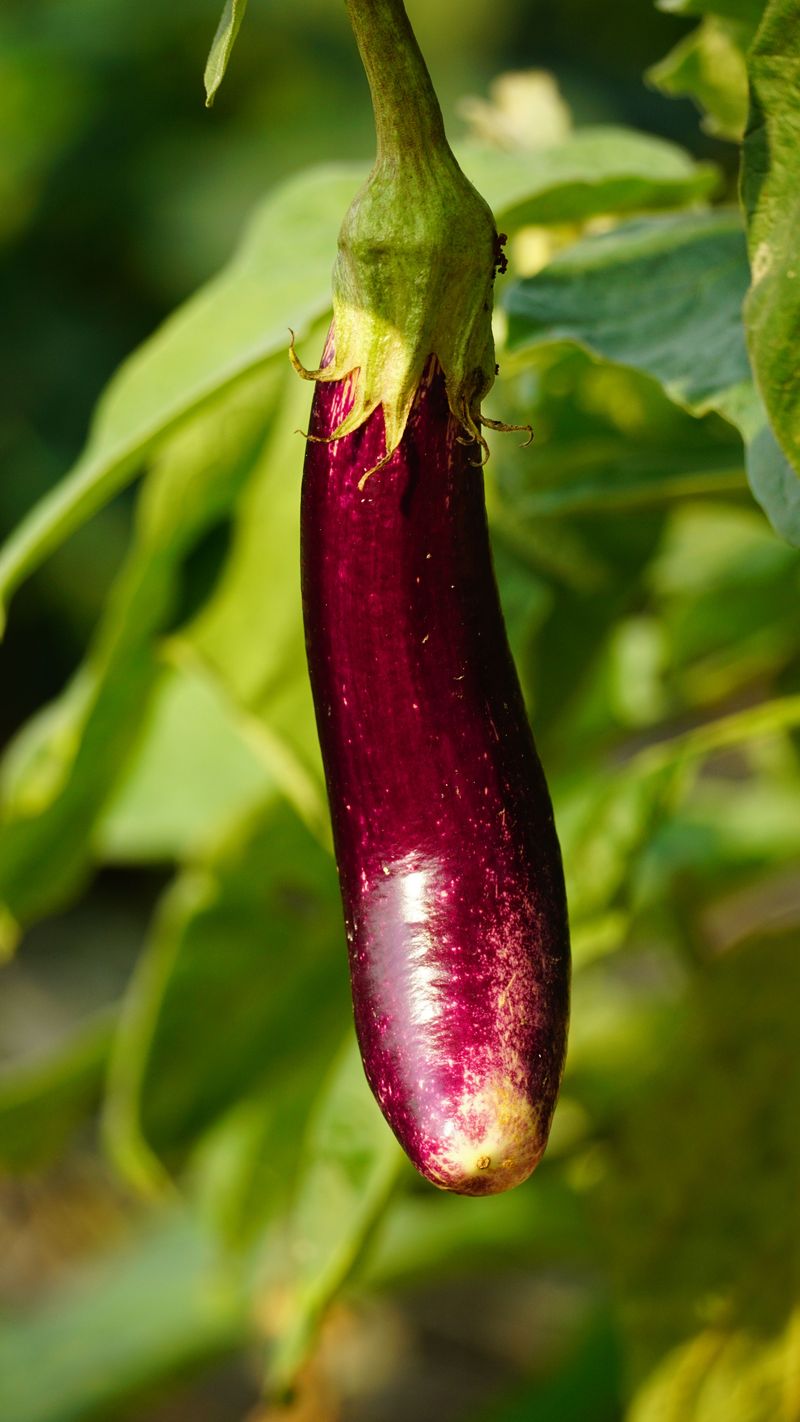
Eggplant is the slow-burn success story of the summer garden. It takes forever to get going in spring, but by August it hits its stride and starts producing gorgeous, glossy fruit almost faster than you can use it.
Heat is what eggplant craves, and Indiana’s August delivers that in abundance. This is the month when consistent care pays off in a big way for growers who stayed patient all season.
Keep the soil evenly moist because eggplant roots run shallow and dry out faster than you might expect. A missed watering on a 90-degree day can cause blossoms to drop before they ever set fruit.
Fertilize every two weeks with a balanced formula to keep fruit sizing up quickly. Plants that run low on nutrients in August produce small, seedy fruit with tough skin instead of the tender, meaty flesh you want.
Harvest eggplant when the skin is still glossy and firm, not when it turns dull or soft. Overripe eggplant develops bitter seeds inside and a spongy texture that makes it unpleasant to cook.
Flea beetles are the most common pest on eggplant and leave tiny holes scattered across the leaves. Row cover fabric or a light dusting of diatomaceous earth keeps their populations in check without chemicals.
An eggplant plant that gets proper August attention can produce fruit well into October in a mild year. A little focused care now stretches your harvest season by weeks.
7. Okra Pushes Through With Steady Care
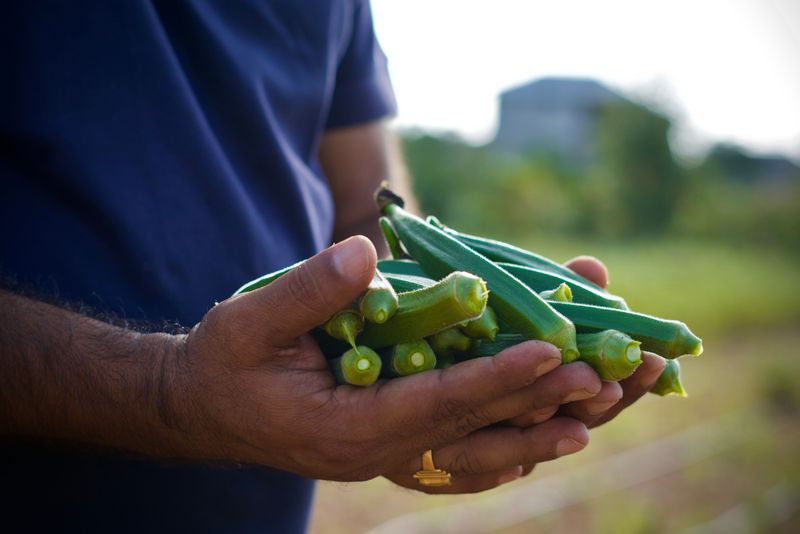
Okra is the toughest plant in most Indiana gardens, but even tough plants need a little help to finish strong. August is when okra really hits its stride, and the harvest can be almost overwhelming if you stay on top of it.
Pick okra pods when they are two to four inches long for the best texture and flavor. Pods left on the plant beyond that size turn woody and fibrous, making them nearly impossible to cook well.
Harvest every day or every other day during peak production because okra grows shockingly fast in August heat. A pod that is perfect on Monday can be overgrown by Wednesday afternoon.
Okra plants benefit from a mid-season feeding of a balanced fertilizer to support continued flowering. Without that nutritional boost, plants shift energy away from new blooms and the harvest slows noticeably.
If your okra plants have gotten very tall and are struggling to produce lower on the stem, try cutting them back by one-third to encourage fresh growth and a new flush of pods.
Stinkbugs and aphids are common late-season visitors to okra plants across the Midwest. Check stems and leaf undersides regularly and knock pests off by hand or with a strong stream of water.
Staying on top of these plants through the heat is what separates a strong finish from a stalled one. Steady picking, consistent watering, and a final feeding will carry your plants all the way to frost.
8. Sweet Potatoes Require Protection Before Harvest
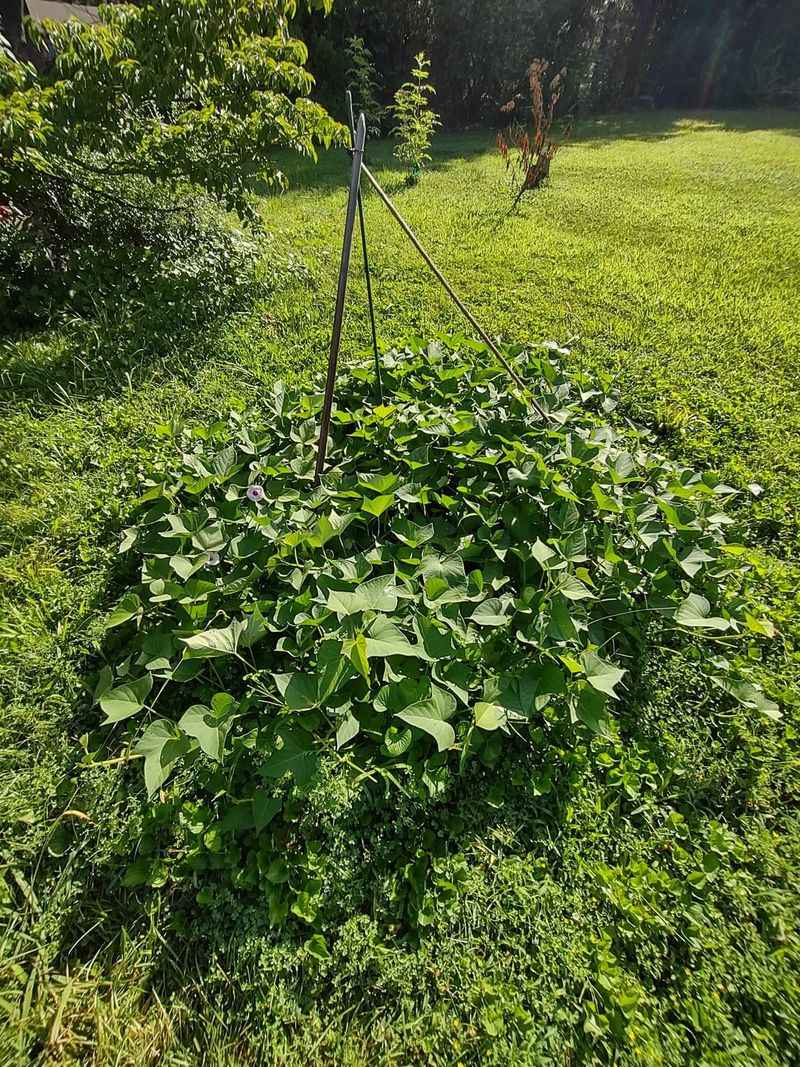
Sweet potatoes are underground all summer, quietly doing their thing while you tend everything else in the garden. August is the month to start paying close attention because harvest timing makes or breaks the quality of every single root.
Most sweet potato varieties need 90 to 120 days from planting to reach full size. If you planted slips in late May or early June, you are entering the home stretch right now.
Stop fertilizing sweet potatoes in August, especially with nitrogen-heavy formulas. Too much nitrogen at this stage pushes leafy vine growth instead of swelling the roots underground where the real prize lives.
Protect the vines from being damaged by foot traffic or garden equipment during August. Broken vines reduce the plant’s ability to photosynthesize and can slow root development at a critical moment.
Keep the soil moist but back off watering slightly in the final two weeks before harvest. Dry-down encourages the roots to develop thicker skin, which improves storage life after you pull them from the ground.
Watch for signs that the vines are beginning to yellow, which is a natural signal that the roots are nearing maturity. Harvest before the first frost because cold soil damages sweet potato roots and shortens their shelf life significantly.
Sweet potatoes are a rewarding finish to the season when handled with care in these final weeks. Protect those vines, time your harvest right, and you will have roots worth savoring all the way into winter.