8 Reliable Vegetables Indiana Gardeners Can Direct Sow In July
July in Indiana means cicadas, sticky air, and a garden that most people assume is done producing for the season. That assumption is wrong.
While the tomatoes are sprawling and the squash vines are taking over, there is still time to sneak in a second round of vegetables before autumn arrives.
Direct sowing right now, while the soil is hot and the daylight stretches long, sets you up for a fall harvest that catches most gardeners off guard.
This is not about babying seedlings indoors or fussing over trays. It is about dropping seeds straight into warm Indiana dirt and letting nature do the heavy lifting.
Some crops actually thrive in this heat, germinating faster than they would in spring’s cooler soil.
Others are quietly biding their time, waiting for the first cool snap to turn sweet and tender.
If you want a garden that keeps producing well into fall, here are vegetables worth planting right now, no matter how harsh an Indiana summer gets.
1. Bush Beans
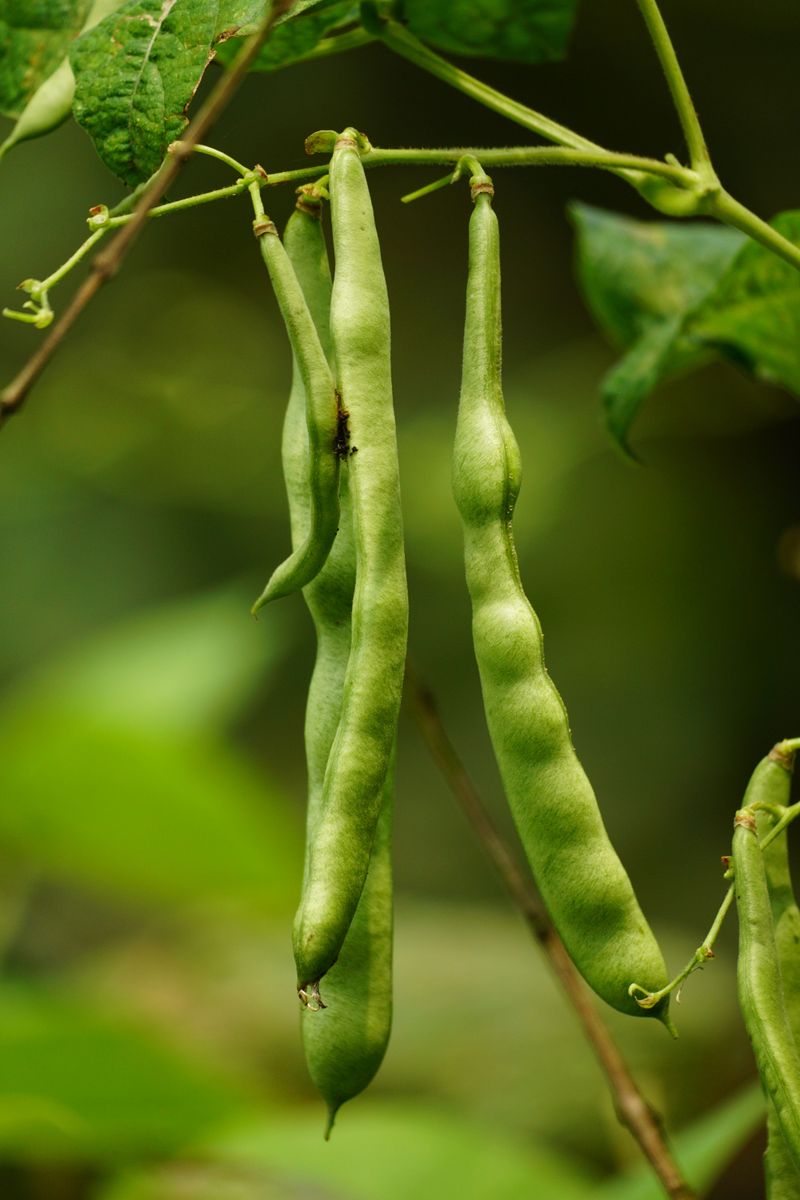
Few crops reward impatient gardeners as fast as bush beans do. You drop the seeds in the ground, and within a week, tiny green shoots are already pushing through the warm July soil.
Bush beans are one of the best vegetables to direct sow in July across the Midwest. They mature quickly, usually in 50 to 60 days, which gives Indiana gardeners a solid harvest window before the first frost arrives.
Plant seeds about one inch deep and two to three inches apart in rows. Keep the rows about 18 inches apart so air can circulate freely between plants.
Watering consistently is the key to plump, tender pods. Beans need about one inch of water per week, and dry spells can cause the pods to turn tough and stringy fast.
Unlike pole beans, bush varieties do not need staking or trellising. That makes setup quick and easy, especially mid-season when your energy is already stretched thin.
Look for fast-maturing varieties like Provider or Contender, which handle heat and humidity well. Both are trusted favorites among Midwestern gardeners who know how to work with summer conditions.
Harvest pods when they are about four inches long and snap cleanly. Leaving them on the plant too long causes seeds to swell and flavor to drop off sharply.
A July planting of bush beans can fill your kitchen with fresh produce just as your spring garden winds down. That back-to-back harvest rhythm is what smart gardening is all about.
2. Beets
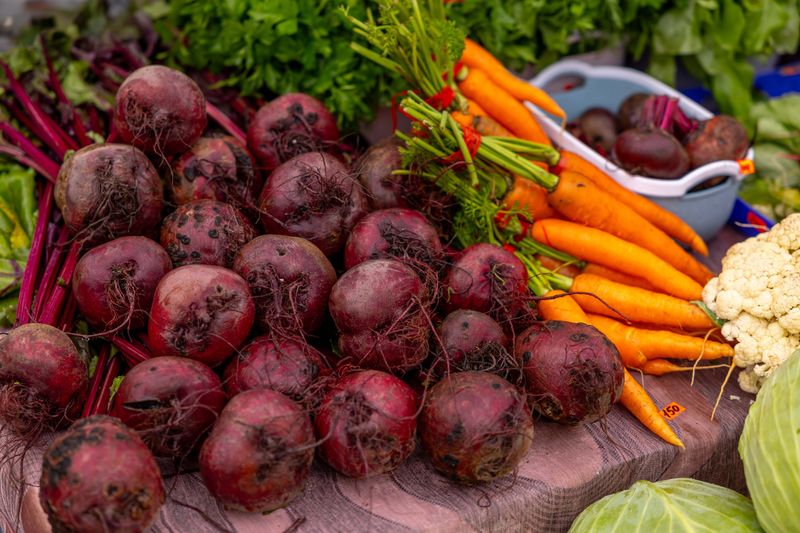
Beets are the quiet overachievers of the vegetable garden. While everyone fawns over tomatoes and peppers, beets are busy doing double duty underground and above it.
You get two harvests from one plant: the sweet, earthy root and the tender greens on top. Both are edible, nutritious, and genuinely delicious when cooked right.
Sow beet seeds directly into the soil about half an inch deep and two inches apart. Thin seedlings to about four inches apart once they reach two inches tall, because crowding stunts root development badly.
Your Indiana Garden Changes Every Week. Your Plan Should Too.
Gardening in Indiana changes quickly throughout the season. Every Friday you’ll receive a simple weekly plan showing exactly what to plant, prune, fertilize, harvest, and protect so you never miss the right timing.
One quirky fact about beets is that each seed is actually a cluster of two to four seeds. Thinning is not optional here; it is absolutely necessary for proper growth.
Beets prefer cooler conditions to develop their best flavor, and a July planting sets them up perfectly for fall harvest. Cooler temperatures during maturation generally produce sweeter, more complex roots.
Choose varieties like Detroit Dark Red or Bull’s Blood for reliable performance in Indiana. Both handle the transition from summer heat to fall chill without missing a beat.
Water regularly and evenly to prevent cracking, which happens when moisture levels swing wildly. Consistent soil moisture is the single most important factor in growing smooth, uniform beets.
Pulling a fat, jewel-toned beet out of the fall soil feels like finding buried treasure. Once you grow your own, store-bought beets will never quite measure up again.
3. Carrots
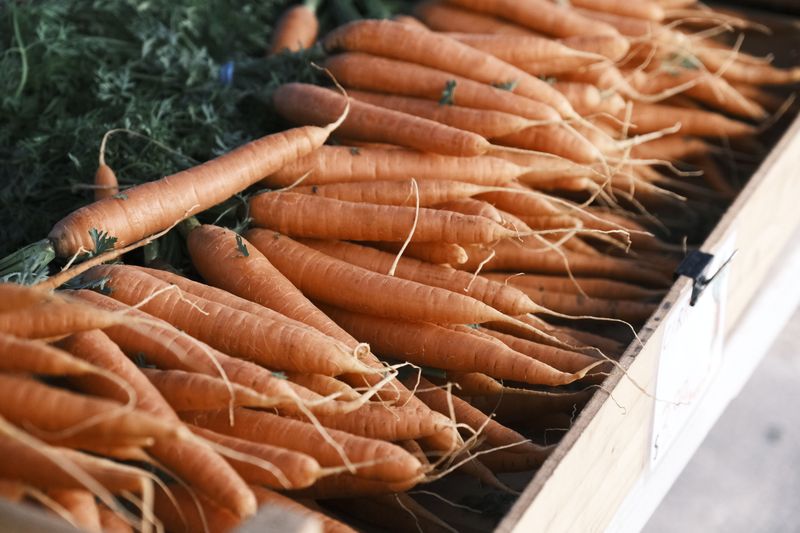
Carrots have a reputation for being fussy, but that reputation is mostly undeserved. Give them loose soil and consistent moisture, and they will reward you with crisp, sweet roots by fall.
July is actually a great month to direct sow carrots in Indiana. Seeds planted now will mature in the cooler temperatures of September and October, which is when carrots develop their best natural sweetness.
Prepare your bed well before planting. Carrots need loose, rock-free soil with good depth, so roots can grow straight without hitting obstacles. Longer varieties may need up to 10 to 12 inches, while shorter types need less.
Sow seeds thinly, about a quarter inch deep, across a wide row or in narrow bands. Carrot seeds are tiny, so mixing them with sand before sowing helps distribute them more evenly.
Germination can be slow, sometimes taking up to two weeks. Keeping the soil surface consistently moist during that window is critical, because dried-out seeds simply will not sprout.
Try varieties like Danvers 126 or Nantes for excellent Indiana performance. These types handle clay-heavy soils better than most and still produce beautifully shaped roots.
Once seedlings reach two inches tall, thin them to about two inches apart. Skipping this step leads to tangled, forked roots that are difficult to harvest and less flavorful overall.
A fall carrot pulled fresh from the ground, rinsed under the hose, and eaten on the spot is one of gardening’s purest pleasures. That first crisp bite makes every bit of patience worthwhile.
4. Kale
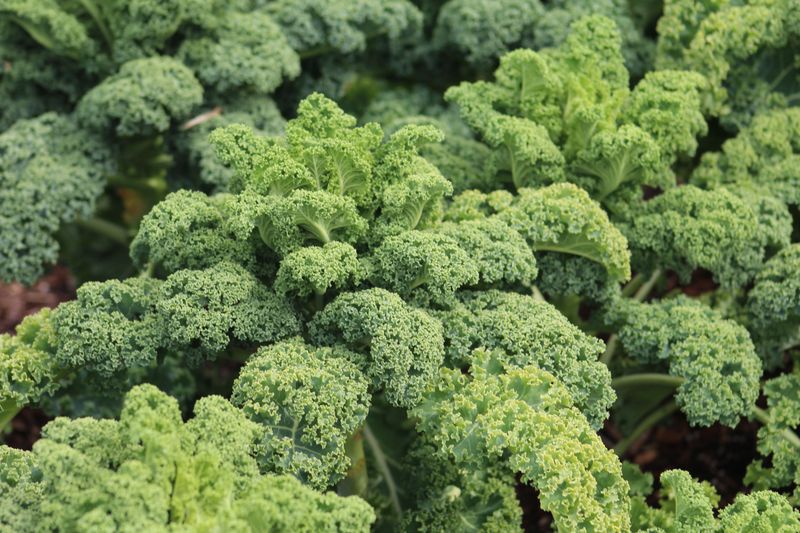
Kale is having a moment, and honestly, it deserves every bit of the spotlight. This leafy green is one of the most cold-tolerant vegetables you can grow, and a July start sets it up for peak fall production.
Frost actually improves kale’s flavor by converting starches into sugars. Plants started in July will hit their sweetest stride right around the first light frosts of October.
Sow seeds about a quarter inch deep and six inches apart in rows spaced 18 inches apart. Kale germinates quickly in warm July soil, often sprouting within five to seven days.
Once plants reach about four inches tall, thin them to 12 to 18 inches apart. Crowded kale plants compete for nutrients and produce smaller, tougher leaves than well-spaced ones.
Water kale deeply but not too frequently. About one inch of water per week keeps plants thriving without encouraging the shallow root systems that make plants vulnerable during dry spells.
Lacinato kale, also called dinosaur kale, is a top choice for Indiana gardens. Its long, dark, bumpy leaves hold up beautifully in both cooking and fresh salads.
Harvest outer leaves first, leaving the central growing tip intact. This approach keeps the plant producing fresh growth for weeks, sometimes months, extending your harvest season dramatically.
Growing kale in July is a low-effort investment with a huge payoff. By the time your neighbors’ gardens are bare, yours will still be bursting with deep green, nutrient-packed leaves.
5. Collard Greens
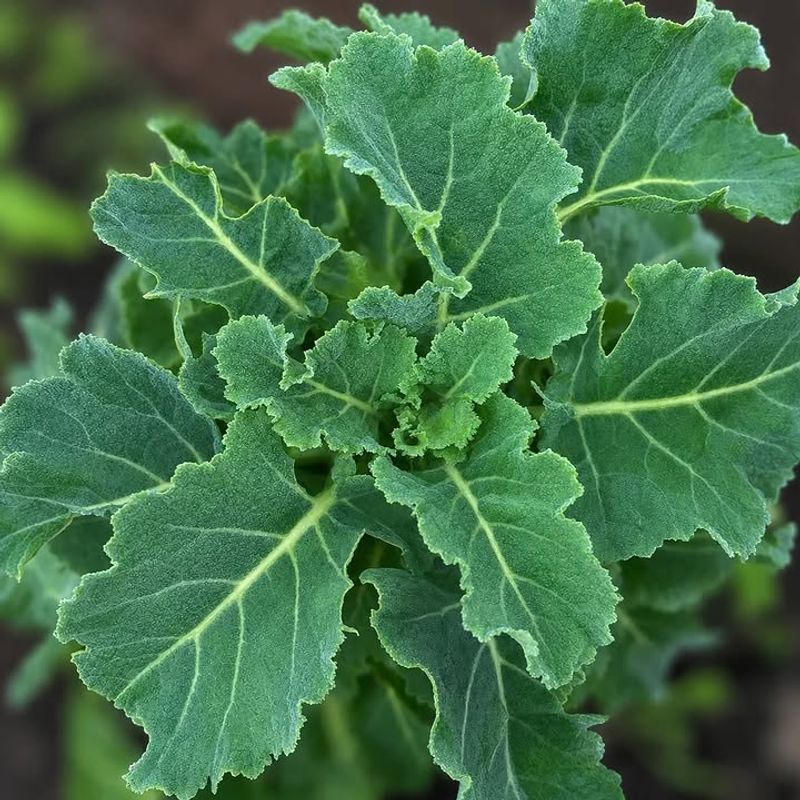
Collard greens have fed generations of Southern and Midwestern families through the toughest seasons. They are tough, reliable, and surprisingly well-suited to Indiana’s summer-to-fall growing pattern.
A July planting puts collards on track for harvest in September and beyond. Like kale, these plants taste better after a frost touches them, turning slightly bitter leaves into something genuinely sweet and satisfying.
Sow seeds about a quarter inch deep, spacing them six inches apart to start. Once seedlings are established, thin plants to about 18 inches apart so each one has room to spread its broad, bold leaves.
Collards are heavy feeders, meaning they benefit from a side dressing of compost or a balanced fertilizer about four weeks after germination. That nutrient boost pushes plants into lush, productive growth quickly.
Water regularly, aiming for about one inch per week. These plants are more drought-tolerant than many greens, but consistent moisture produces leaves that are tender rather than leathery.
Georgia Southern and Champion are two widely available varieties that perform well in Midwestern conditions. Both are vigorous growers that hold up through temperature swings without bolting prematurely.
Pick leaves from the bottom of the stalk upward, leaving the top growth undisturbed. This harvesting method encourages the plant to keep pushing out fresh leaves over a long season.
Collard greens cooked low and slow with a splash of apple cider vinegar are pure comfort food. Growing your own means you get that flavor at its absolute freshest.
6. Turnips
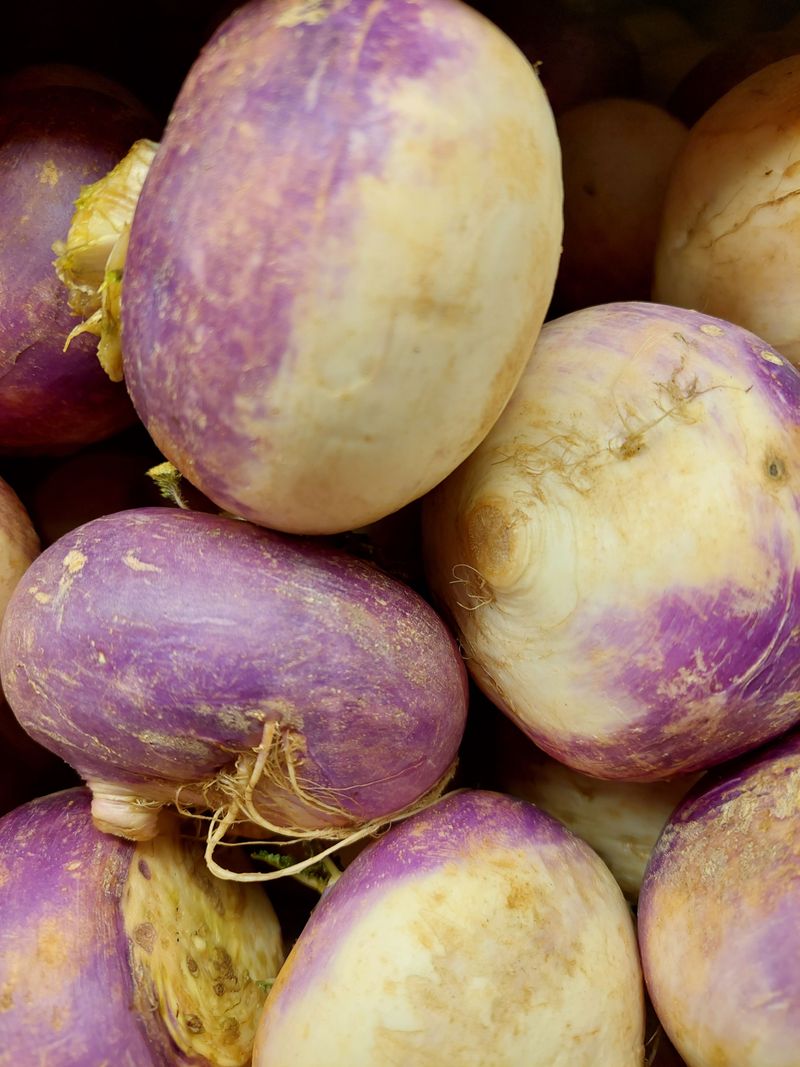
Turnips are one of the most underappreciated vegetables in the American garden. They grow fast, tolerate cool weather, and give you both a root crop and edible greens from a single planting.
July is the perfect window to direct sow turnips in Indiana for a fall harvest. Most varieties reach maturity in just 35 to 60 days, making them one of the quickest crops you can grow.
Sow seeds about a quarter inch deep and one inch apart in rows spaced 12 inches apart. Thin seedlings to about four to six inches apart once they reach two inches tall.
Turnip greens can often be harvested within a few weeks of planting, depending on the variety.
Snipping a few outer leaves while the root develops below gives you two harvests from one plant without sacrificing the root at all.
These plants prefer cooler soil temperatures for root development, which is exactly what they will get as fall approaches. Roots harvested after a frost are noticeably sweeter and more complex in flavor.
Purple Top White Globe is the classic variety found in most seed packets and garden centers. It is reliable, fast, and produces roots with that familiar mild, peppery bite that turnip fans love.
Avoid letting roots grow too large, as oversized turnips tend to become woody and bitter. Most varieties are best picked while still small to medium-sized. Check them regularly once they approach maturity and pull promptly.
Turnips prove that humble vegetables can carry a meal. A roasted turnip with olive oil and herbs might just change your perspective on this overlooked root.
7. Swiss Chard
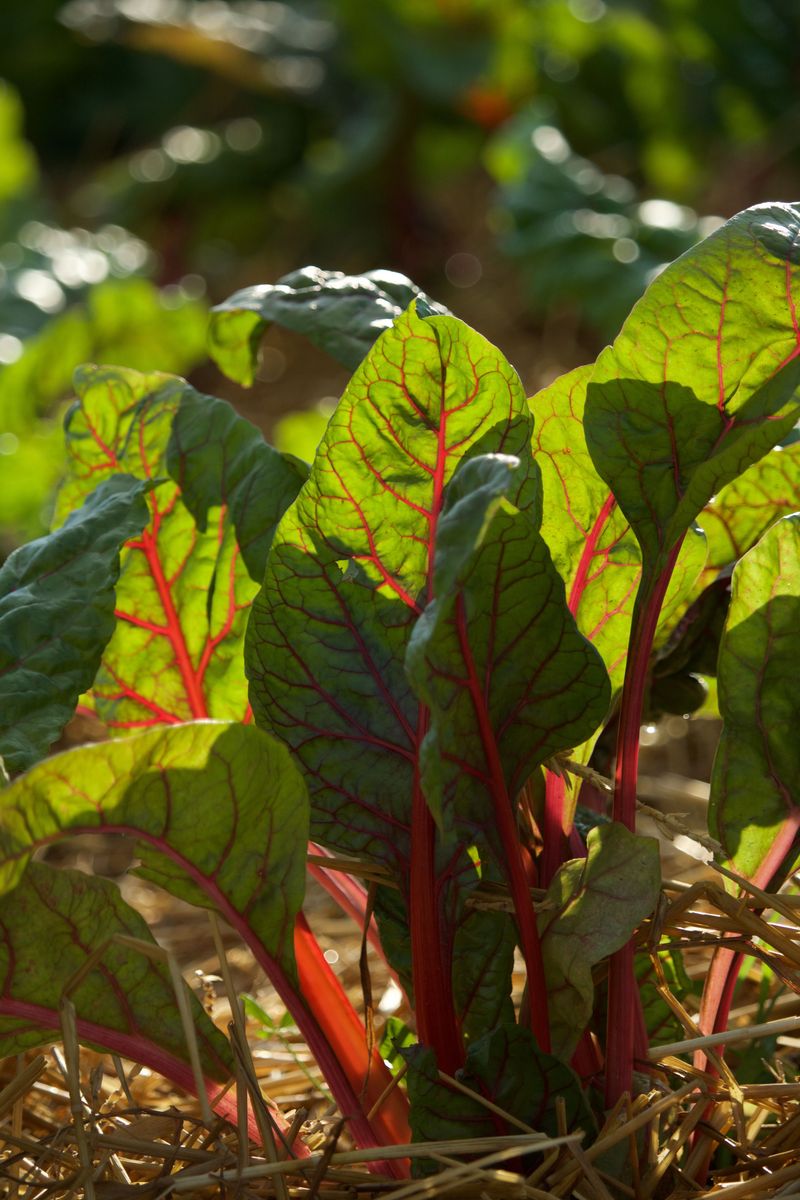
Swiss chard is arguably the most visually striking vegetable you can grow in a summer garden. The stems come in bold shades of red, orange, yellow, and white, making the bed look almost too good to eat.
Luckily, it tastes just as good as it looks. The leaves are mild and slightly earthy, while the stems have a satisfying crunch that holds up well in stir-fries and sauteed dishes.
Plant seeds about half an inch deep and two inches apart in rows spaced 18 inches apart. Like beets, chard seeds are actually seed clusters, so thinning to about six inches apart is necessary once seedlings emerge.
Swiss chard handles summer heat better than most leafy greens, which makes it ideal for a July planting. It bridges the gap between summer and fall harvests without bolting the way spinach or lettuce often does.
Keep soil consistently moist, especially during the hottest weeks. Mulching around the base of plants helps retain moisture and keeps the soil temperature stable during temperature swings.
Bright Lights is a popular variety that produces a rainbow of stem colors in one planting. Fordhook Giant is another excellent choice, known for its large, productive leaves and reliable heat tolerance.
Harvest outer leaves when they reach about 10 inches long, leaving the inner rosette to keep producing. Regular harvesting actually encourages the plant to push out more growth throughout the season.
Swiss chard in a July garden gives you a reliable advantage most gardeners overlook. It keeps giving long after most summer crops have called it quits.
8. Radishes
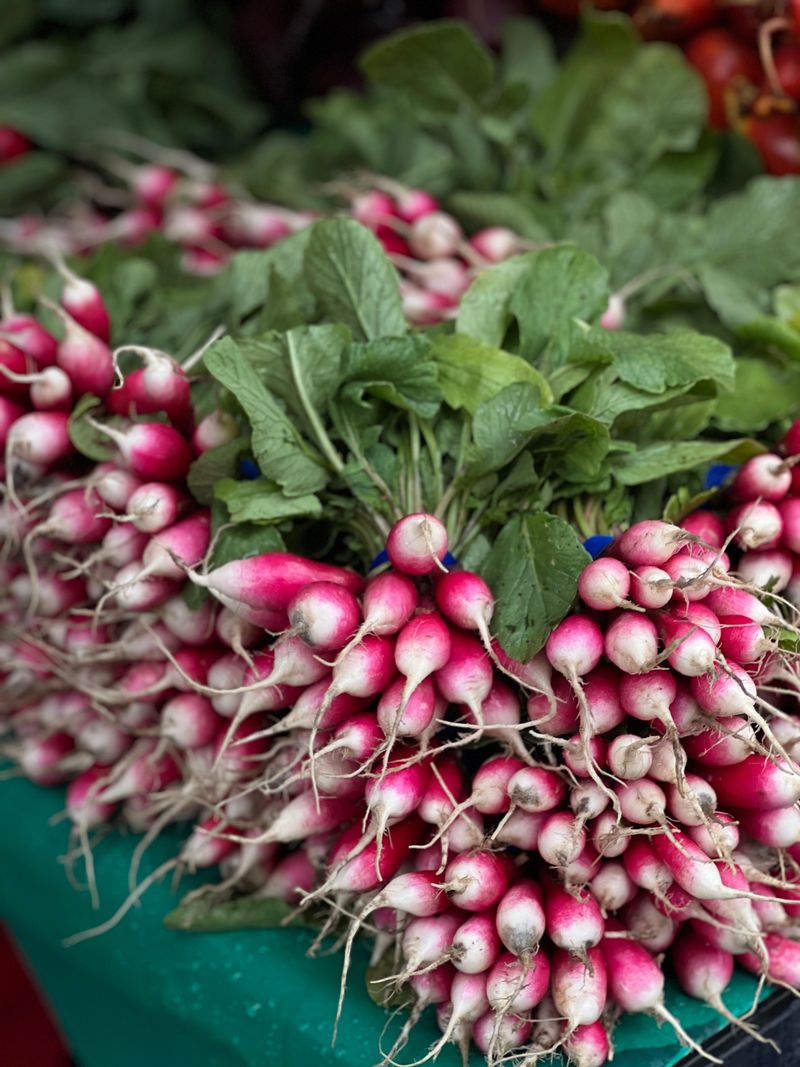
Radishes are the sprinters of the vegetable world. Plant them today, and you could be pulling crisp, peppery roots out of the ground in as little as three weeks.
For Indiana gardeners who want instant gratification, radishes are the answer. They are perfect for July sowing because they mature so fast they can be harvested before the heat has any chance to turn them pithy.
Sow seeds half an inch deep and one inch apart in rows spaced about six inches apart. Thin seedlings to two inches apart once they sprout, which usually happens within three to five days.
Consistent watering is the single biggest factor in growing crisp radishes. Irregular moisture causes them to crack or develop a hollow, spongy center that makes them unpleasant to eat.
Cherry Belle and French Breakfast are two varieties that perform well in warm soil. Both are quick to mature and hold their texture longer than some other types, giving you a slightly wider harvest window.
One fun trick is to use radishes as row markers for slower crops like carrots. Plant them in the same row, and they will pop up and get harvested long before the carrots need the space.
Pull radishes as soon as they reach their mature size, usually about one inch in diameter. Leaving them in the ground too long causes them to become hot, pithy, and unpleasantly tough.
Vegetables Indiana gardeners can direct sow in July do not get easier than radishes. They are the ultimate beginner crop and the perfect confidence booster for any new gardener.