7 Indoor Plants That Struggle During Texas Spring (Plus Simple Fixes)
Spring in Texas brings warmer days and longer sunlight, but for some indoor plants, this shift can feel a bit too much. The change in temperature, humidity, and the increased sunlight can put stress on certain houseplants that have been comfortably cozy during the cooler months.
If your indoor plants seem sluggish or their leaves are showing signs of stress, it might be due to the seasonal shift.
Luckily, these struggles don’t mean you have to say goodbye to your favorite plants. A few simple fixes can help them adjust and thrive.
Whether it’s adjusting their placement, tweaking the watering routine, or offering extra humidity, there are easy steps to make your plants feel at home again.
By addressing their specific needs, you can keep your indoor garden vibrant and healthy throughout the Texas spring. It’s all about giving your plants the right balance as the seasons change.
1. Fiddle Leaf Fig (Ficus Lyrata)
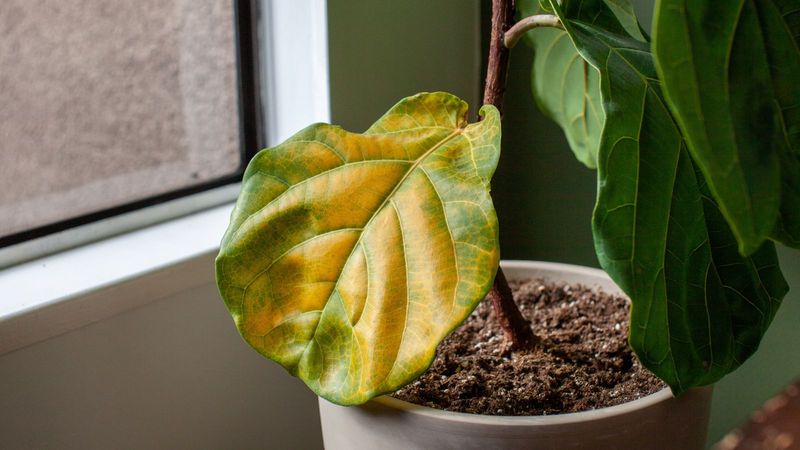
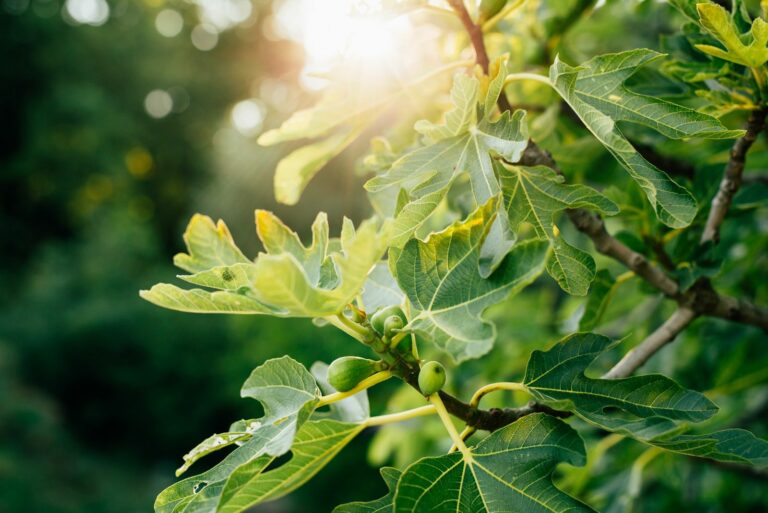
Few houseplants make as bold a statement as the fiddle leaf fig. With its huge, glossy leaves and tall, sculptural shape, it is easy to see why so many Texas homeowners love having one around. But here is the thing: this plant is a bit of a drama queen when it comes to change.
Texas spring brings fast temperature shifts, and that is exactly what fiddle leaf figs cannot stand. One day it is cool and breezy, the next it is warm and humid.
If your plant is sitting near a window or an air conditioning vent, those temperature swings can cause sudden leaf drop and visible stress. Even a small draft can trigger a reaction.
The fix is simpler than you might think. Move your fiddle leaf fig to a spot with stable temperatures, away from vents, drafty windows, and exterior doors.
A corner of your living room that stays at a consistent temperature is ideal. Avoid moving the plant around too often, since fiddle leaf figs prefer to stay in one place once they are settled.
Humidity is another factor to watch in Texas during spring. Indoor air can get dry when the AC runs, which is rough on these tropical plants.
Mist the leaves lightly a few times a week, or place a small humidifier nearby. Wiping the large leaves with a damp cloth also helps the plant breathe better and keeps dust from blocking sunlight absorption.
2. Snake Plant (Sansevieria Trifasciata)
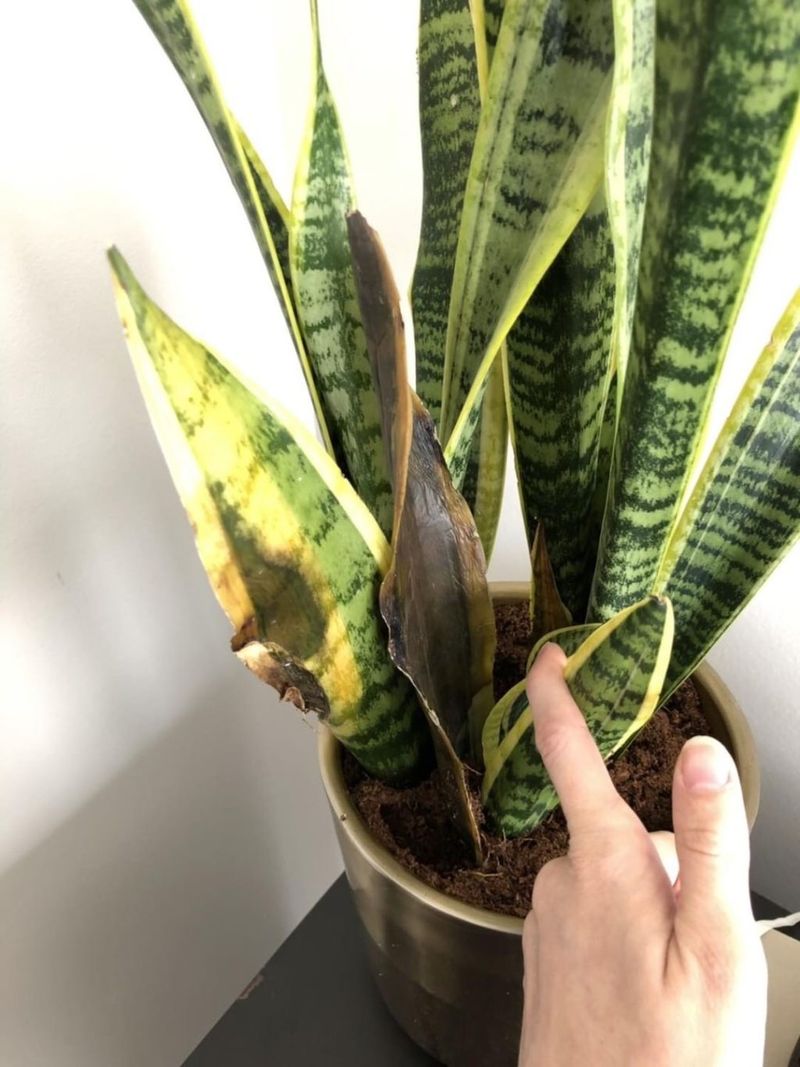
Snake plants have a reputation for being nearly indestructible, and most of the time that reputation is well earned. They can handle low light, irregular watering, and neglect better than almost any other houseplant.
But even the toughest plants have a weak spot, and for snake plants in Texas, that weak spot is spring.
As the season warms up and spring rains roll through Texas, indoor conditions can get wetter than usual. Humidity creeps up, and plant owners often water more frequently thinking their plant needs it.
That combination is a recipe for overwatering, which can lead to soft, mushy leaves and root rot. Too much direct sunlight during spring can also scorch the leaf tips, leaving them brown and crispy.
Letting the soil dry out completely between waterings is the most important fix you can make. Stick your finger about two inches into the soil.
If it still feels damp, wait a few more days before watering. Snake plants in Texas spring only need water every two to three weeks at most.
Light management matters too. Move your snake plant to a spot with bright but indirect light, especially as the Texas sun gets stronger in spring.
A north or east-facing window works well. Make sure your pot has drainage holes at the bottom so excess water can escape easily. These small changes can keep your snake plant looking sharp all season long.
3. Spider Plant (Chlorophytum Comosum)
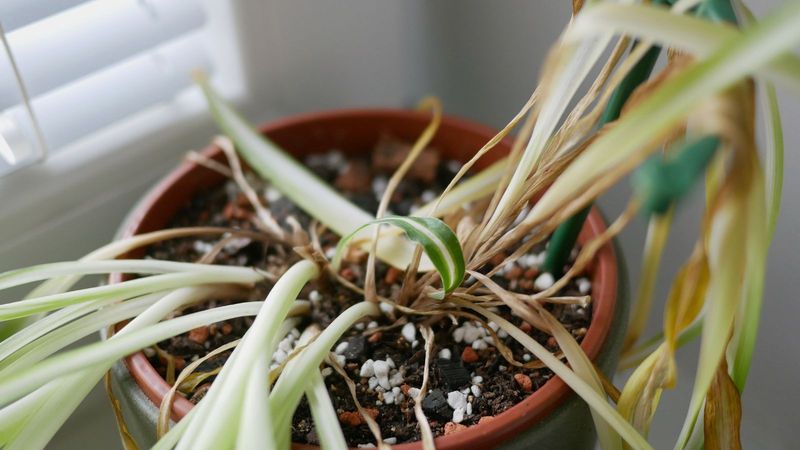
Spider plants are cheerful, easy-going, and incredibly popular in Texas homes. They grow fast, look great in hanging baskets, and produce adorable little offshoots called spiderettes.
But during Texas spring, this fast grower can actually become a little too fast for its own good.
Higher humidity levels in spring encourage spider plants to push out long, leggy stems that stretch toward the light. The result is a plant that looks thin and unbalanced rather than full and lush.
On top of that, owners who water on a regular schedule without checking the soil can accidentally overwater their spider plants. With Texas spring bringing extra moisture in the air, the soil stays wet longer than usual, which stresses the roots.
Trimming back those long, leggy shoots is a quick and satisfying fix. Use clean scissors to cut the overgrown stems back to the base of the plant.
This encourages new, fuller growth from the center. You can even pot up the spiderettes to create new plants for your home or to give away as gifts.
For watering, always check the soil before adding more water. Spider plants prefer to dry out a little between waterings.
Make sure your pot has good drainage, and empty the saucer after watering so the roots are never sitting in standing water.
In Texas, where spring humidity can be unpredictable, this simple habit makes a big difference in keeping your spider plant healthy and thriving all season.
4. Peace Lily (Spathiphyllum Spp.)
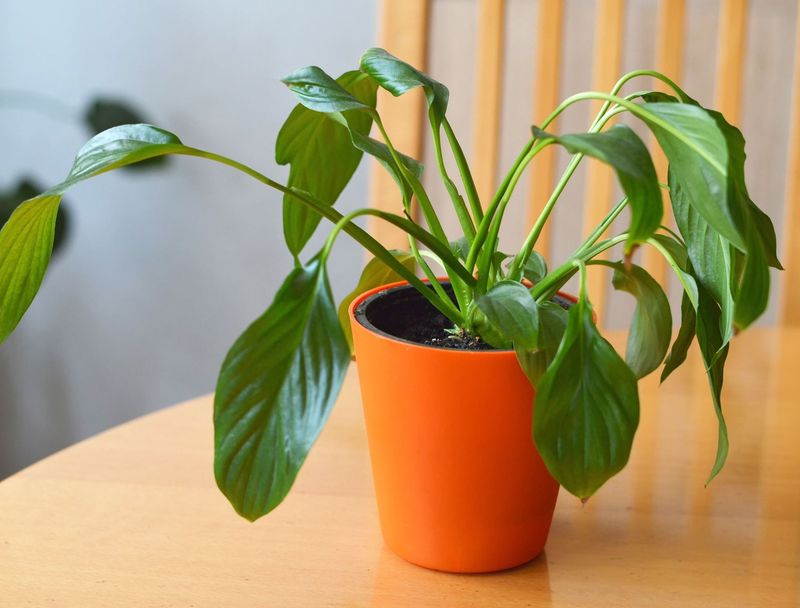
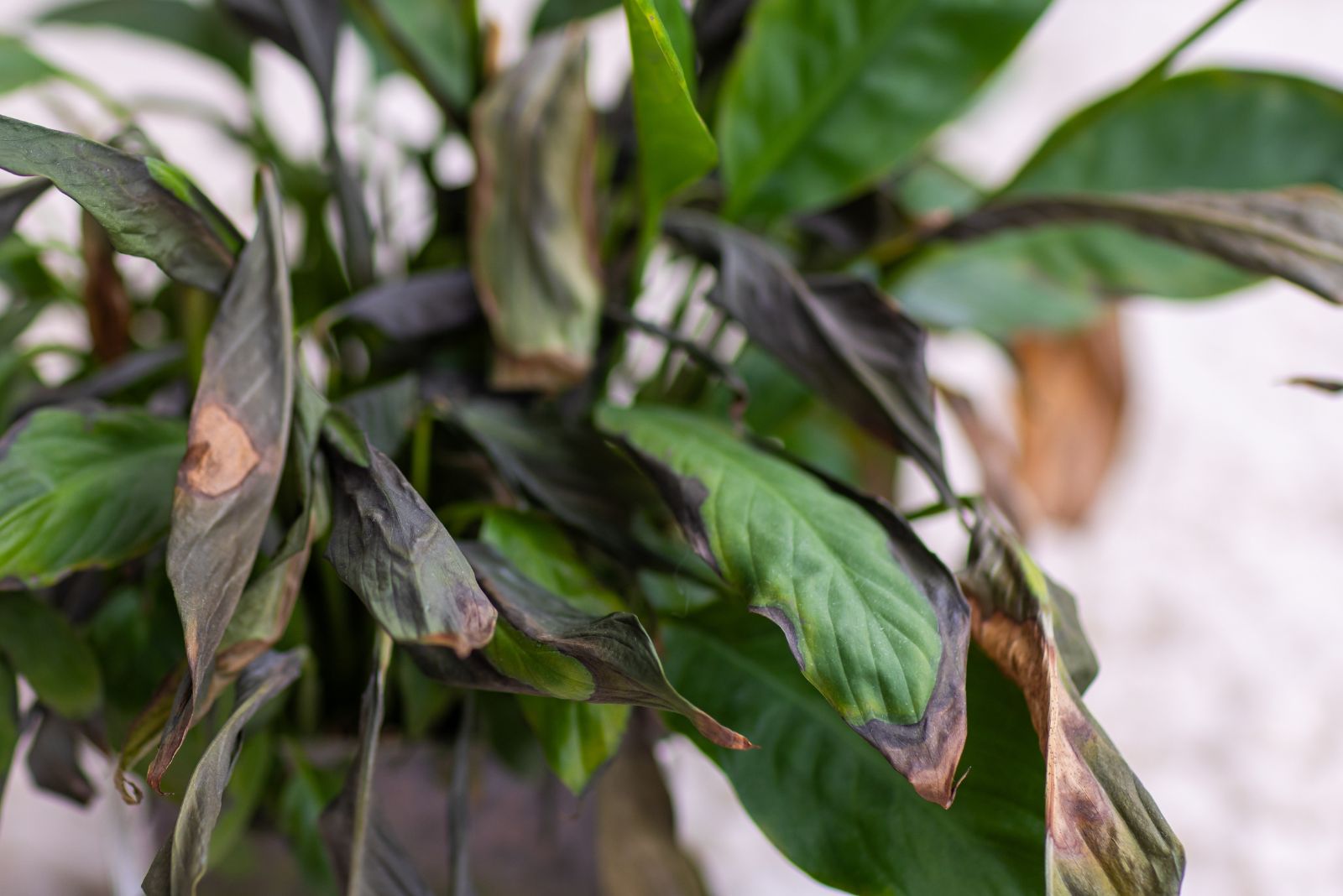
There is something elegant and calming about a peace lily in full bloom. The white flowers and glossy dark leaves make it one of the most beautiful indoor plants you can grow in a Texas home. But spring can be a surprisingly stressful time for this tropical beauty.
Peace lilies are sensitive to humidity swings, and Texas spring delivers plenty of those. When the air conditioning turns on earlier in the season, it pulls moisture out of the indoor air fast.
That sudden drop in humidity can cause the leaf tips to turn brown and crispy. On the flip side, too much humidity can cause yellowing leaves if the roots stay too wet for too long. It is a tricky balance to strike.
Keeping humidity levels steady is the key fix here. Place a small tray filled with pebbles and water beneath the pot, making sure the bottom of the pot sits above the waterline.
As the water evaporates, it creates a gentle humidity boost right around the plant. Misting the leaves lightly in the morning also helps without soaking the soil.
Position matters a lot for peace lilies in Texas homes. Keep them away from air conditioning vents, open windows, and exterior doors where temperature and humidity can shift quickly.
A bathroom or a spot near a kitchen sink often works well since those areas tend to stay more humid. Bright, indirect light and consistent moisture in the soil will help your peace lily stay lush and blooming through spring.
5. Aloe Vera (Aloe Barbadensis Miller)
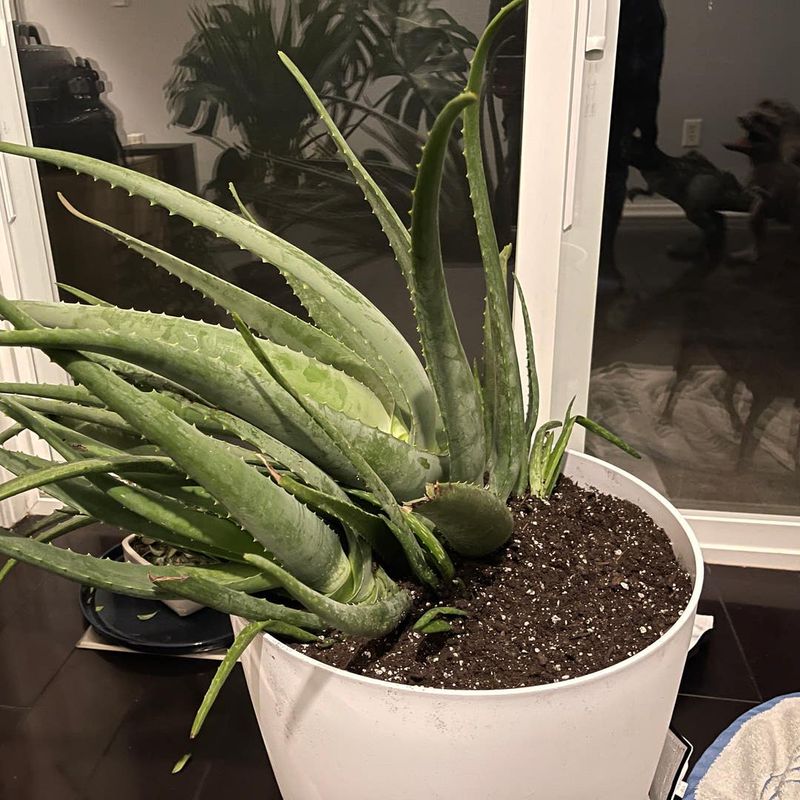
Aloe vera is one of those plants that almost everyone in Texas has tried growing at least once. It is useful, easy to care for, and looks great on a sunny windowsill.
Most people know that aloe loves dry conditions, but what catches many plant owners off guard is how tricky spring can be for this desert plant.
Texas spring brings more rain, higher humidity, and unpredictable weather. For aloe vera, that extra moisture in the air makes it much easier to overwater by accident.
The soil does not dry out as quickly as it does in summer or fall, so water that seemed fine last season can now sit around the roots too long. Overwatered aloe leaves turn soft, mushy, and pale, which is a clear sign something is wrong.
The most effective fix is to completely stop watering until the soil is bone dry, all the way to the bottom of the pot. This may take longer in spring than you expect, especially in a humid Texas home.
When you do water again, do it slowly and make sure the water drains out completely from the bottom of the pot.
Moving your aloe to a sunnier, drier spot in your home also helps a lot during spring. A south or west-facing window where the air stays warm and dry is ideal.
Avoid placing aloe near humidifiers or in bathrooms. If your pot does not have drainage holes, repotting into one that does is a smart move before the rainy Texas spring season gets fully underway.
6. English Ivy (Hedera Helix)
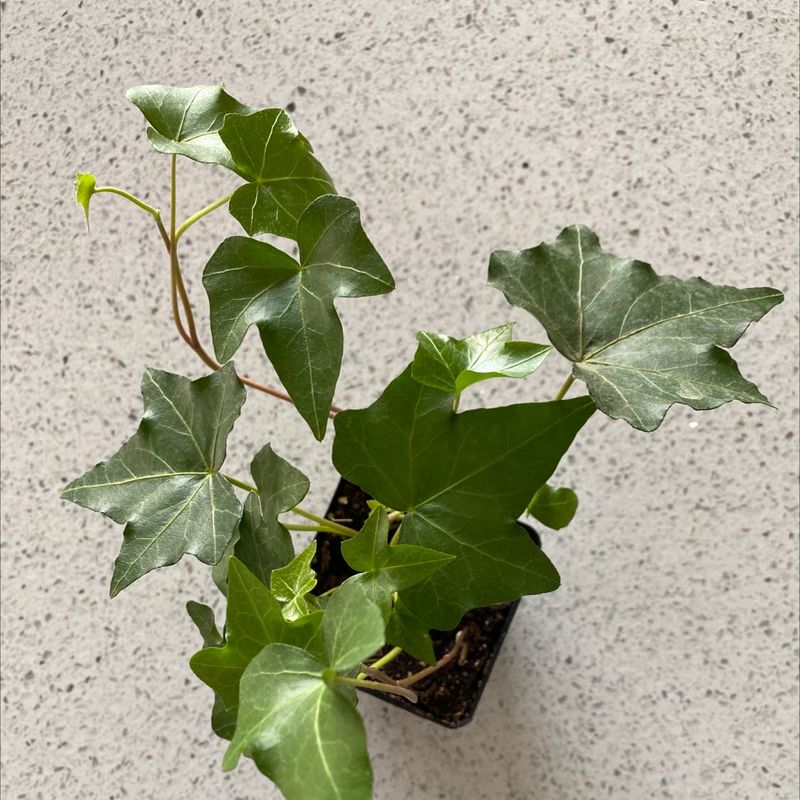
English ivy brings a lush, cottage-garden feel to any indoor space. Its trailing vines look gorgeous on shelves, in hanging baskets, or climbing a small trellis.
In cooler parts of the country, ivy thrives outdoors year-round. But in Texas, spring can be a real challenge for this plant, and many owners do not realize it until the damage is already visible.
English ivy loves cool, consistent temperatures. As Texas spring heats up, indoor temperatures can spike quickly, especially near windows that get afternoon sun.
That heat causes ivy to dry out faster than usual, leading to brown, crispy leaf edges and leggy, sparse growth. The plant stretches toward light but loses its full, lush appearance in the process.
Moving your ivy to a cooler area of your home is the first step. A north-facing room or a spot away from direct sunlight works best during the warmer months in Texas.
Keep it away from heating vents and appliances that generate warmth. English ivy does not need much direct sun to look good, so a bright but shaded corner is perfect.
Watering consistently but carefully is also important. The soil should stay slightly moist but never soggy.
Let the top inch of soil dry out before watering again. In Texas spring, check the soil every few days rather than following a fixed schedule.
Ivy also benefits from occasional misting to keep the leaves from drying out. A regular check for spider mites is a good habit too, since dry indoor conditions in spring can invite these pests.
7. Pothos (Epipremnum Aureum)
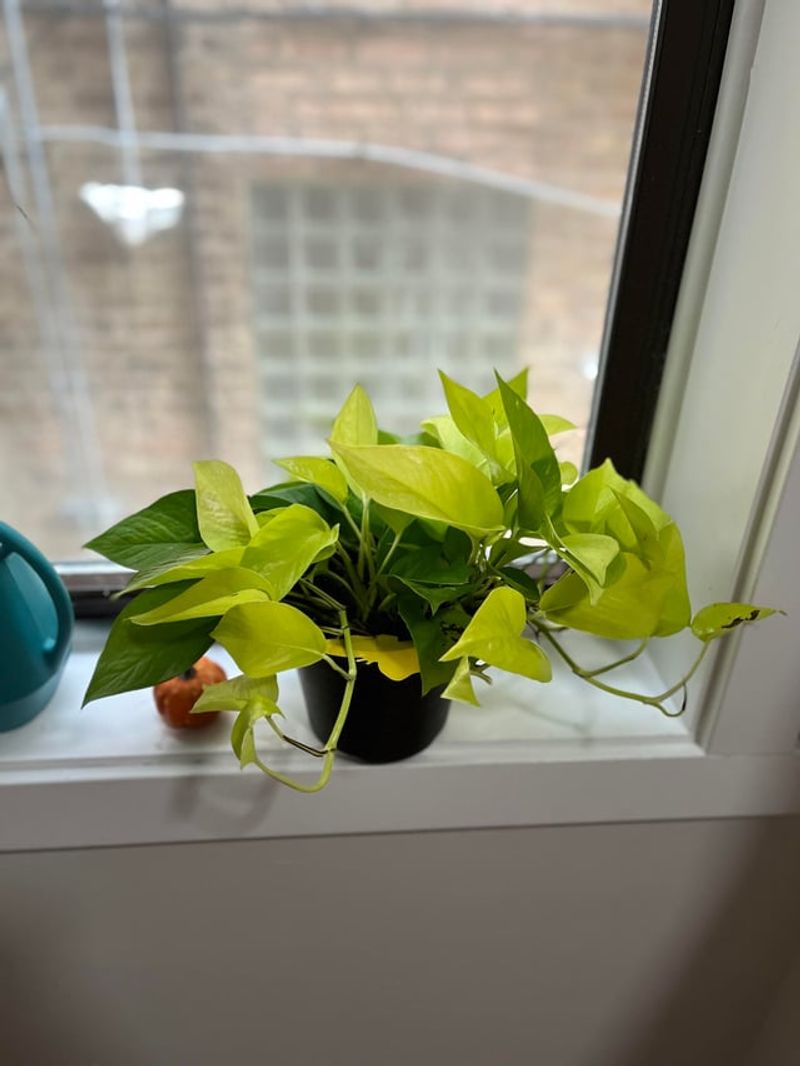
Pothos is the houseplant that almost never asks for much. It survives low light, skipped waterings, and even the occasional neglect without complaint.
For that reason, it is one of the most popular indoor plants in Texas homes. But even pothos has its limits, and Texas spring can push right up against them.
The main struggle for pothos during spring in Texas is root rot from overwatering. When spring humidity rises and indoor air stays moist, the soil in a pothos pot takes much longer to dry out.
Plant owners who water on a weekly schedule without checking the soil can unknowingly keep the roots sitting in wet conditions for too long. Over time, this causes yellowing leaves, a mushy stem base, and weak, slow growth.
Fixing this is straightforward. Water your pothos only when the top two inches of soil feel completely dry to the touch.
During Texas spring, that might mean watering every ten to fourteen days instead of every week. Always make sure water drains out of the bottom of the pot, and never let the plant sit in a saucer full of water.
If your pothos looks leggy or pale, moving it to a slightly brighter spot can help a lot. Indirect natural light encourages stronger, more vibrant leaf growth.
A spot near an east-facing window in your Texas home is a great choice in spring. Trimming back overly long vines also encourages bushier growth and gives the plant a fresh, healthy appearance heading into the warmer months ahead.