Invasive Plants California Gardeners Often Mistake For Natives
Not everything growing beautifully in a California garden belongs there. Some of the most common plants in yards across the state are actually invasive species that have gotten very good at looking like they fit in.
The problem goes beyond aesthetics. These plants are quietly outcompeting true natives and spreading into wild areas where the damage is much harder to undo.
The tricky part is that many of them genuinely fool people. They look natural. They attract some pollinators. They’ve been sold at nurseries for years without much warning attached.
A lot of California gardeners are tending to invasive plants right now with the sincere belief that they’re doing something good for the local environment.
Knowing the difference between a plant that belongs here and one that only looks like it does is more important than most people realize. The list of common offenders might genuinely surprise you.
1. Stinkwort
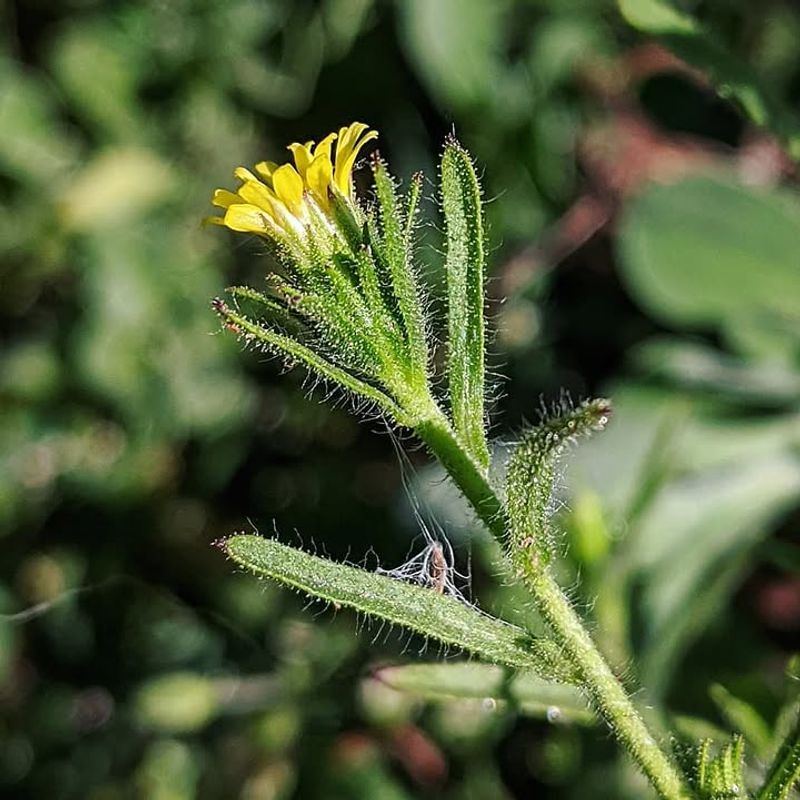
You might not have heard of stinkwort before, but chances are you have walked right past it. This low-growing plant produces small yellow flowers that look a lot like native California daisies.
It blends in so well with dry grasslands and roadsides that most people never give it a second look.
Stinkwort, known scientifically as Dittrichia graveolens, is originally from the Mediterranean region. It arrived in California relatively recently and has been spreading fast, especially in the Central Valley and foothill regions.
The plant gets its name from the strong, unpleasant smell it releases when touched or brushed against.
One of the sneakiest things about stinkwort is how it spreads. The seeds stick to clothing, animal fur, and vehicle tires, which helps it travel to new areas quickly.
It also causes skin irritation in some people and has been known to affect horses and livestock. If you spot it growing in your California yard or along a nearby trail, it is worth removing it before it sets seed and spreads further.
Native alternatives like goldfields or tidy tips can fill the same sunny, dry spots beautifully.
2. Italian Thistle
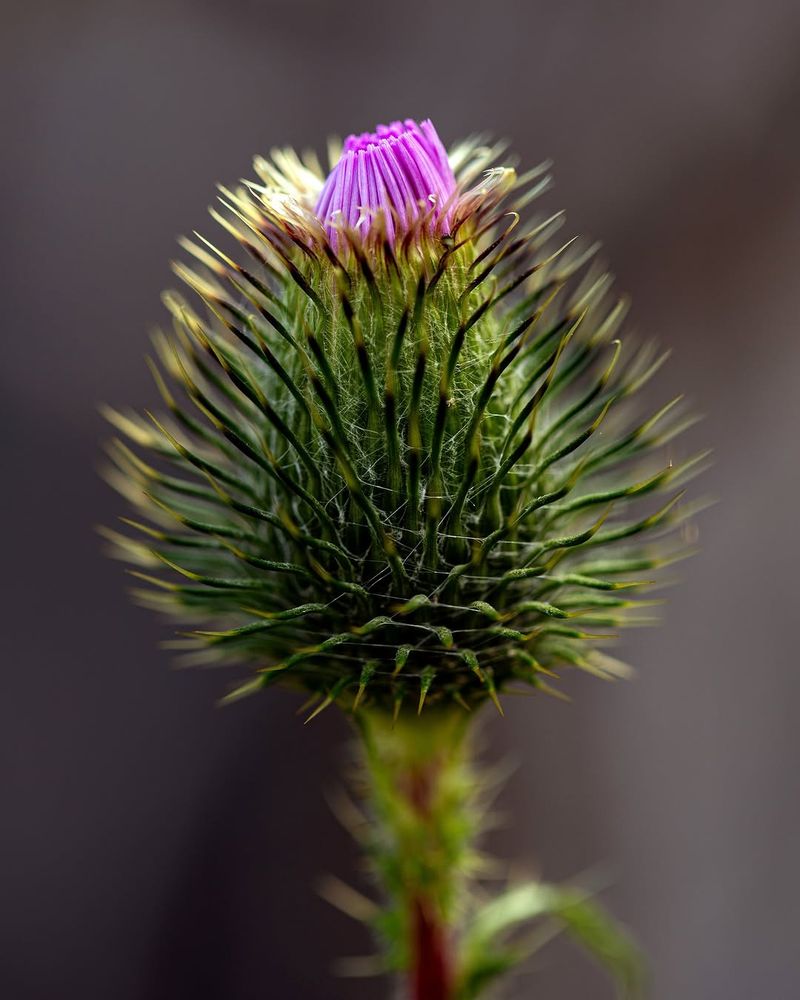
Tall, spiny, and surprisingly pretty when it blooms, Italian thistle is one of those plants that looks like it could belong in a wild California meadow. The pinkish-purple flower heads attract bees, and the dramatic spiny leaves give it a rugged, native look.
Many gardeners leave it alone thinking it is a native species, but that is a costly mistake.
Italian thistle originally comes from the Mediterranean region of Europe and has become one of the most widespread invasive plants in California. It thrives in disturbed areas, roadsides, pastures, and open fields across much of the state.
Once it moves in, it forms thick stands that are nearly impossible for native plants to compete with.
The plant produces an enormous number of seeds, and each one can stay viable in the soil for years. Animals and wind carry the seeds across wide distances, making it very hard to contain.
Removing Italian thistle before it flowers is the most effective strategy. Wear gloves and long sleeves because the spines are sharp.
Your California Garden Changes Every Week. Your Plan Should Too.
Gardening in California changes quickly throughout the season. Every Friday you’ll receive a simple weekly plan showing exactly what to plant, prune, fertilize, harvest, and protect so you never miss the right timing.
For California gardeners wanting a native thistle-like plant instead, cobweb thistle is a beautiful local option that supports native bees and birds without the invasive downside.
3. Pride Of Madeira
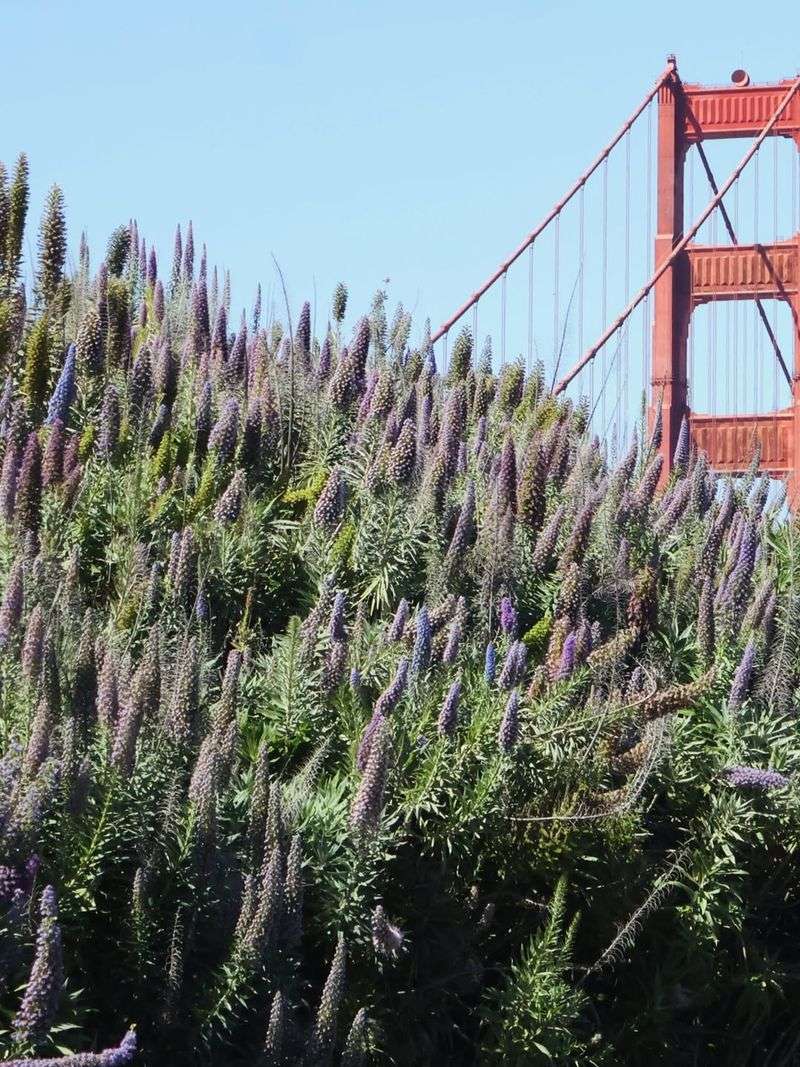
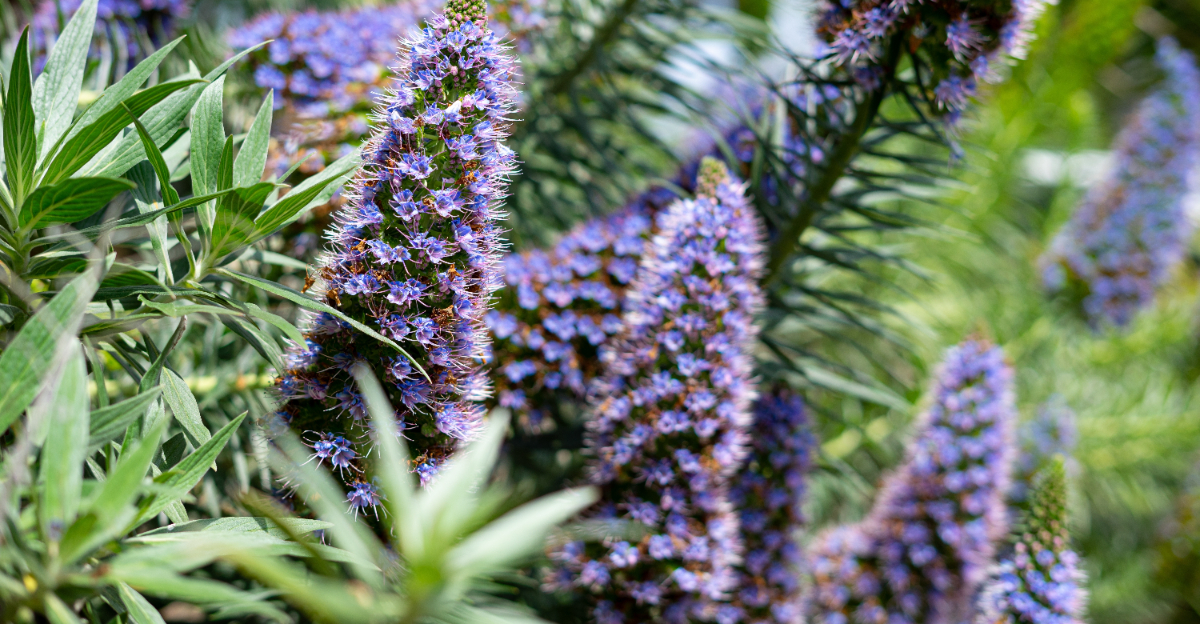
Few plants stop people in their tracks quite like Pride of Madeira. Those tall, cone-shaped spikes of blue-purple flowers look absolutely stunning against a California hillside, and most gardeners assume it must belong here.
But it actually comes from the island of Madeira, located off the coast of Portugal, and it has no natural place in California’s native ecosystem.
The plant spreads aggressively in coastal areas of California, especially in places like the Bay Area and Southern California. It crowds out native shrubs and wildflowers that local bees, birds, and butterflies depend on.
Because it grows so fast and produces so many seeds, it can take over open spaces and roadsides before anyone notices.
It looks especially convincing as a native because it thrives in dry, rocky California soil without any extra watering. That drought tolerance makes it popular with gardeners, but it also makes it very hard to control in the wild.
If you have it in your garden, consider replacing it with native options like Cleveland sage or woolly blue curls, which offer similar color and are actually good for local wildlife.
4. Blessed Milk Thistle
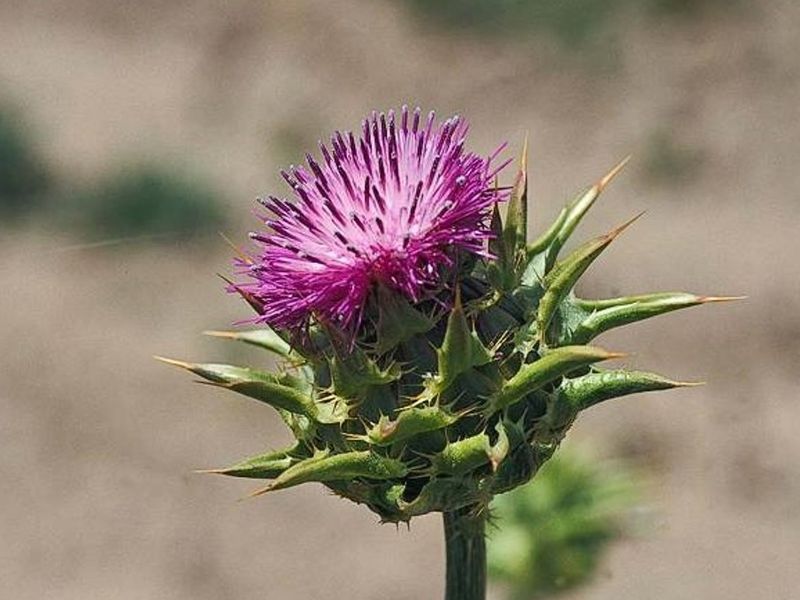
Walk past almost any sunny roadside or neglected garden in California and you will likely spot blessed milk thistle. Its large, glossy leaves with striking white markings look genuinely ornamental, and the bold purple flower heads are hard to miss.
Because it looks so dramatic and sculptural, many gardeners actually plant it on purpose, not realizing it is invasive.
Blessed milk thistle, or Silybum marianum, comes from the Mediterranean and has naturalized across much of California. It grows especially well in disturbed soils, roadsides, and pastures.
While it has a long history in herbal medicine, that does not make it welcome in California’s wild spaces, where it outcompetes native plants and reduces biodiversity.
Each plant produces hundreds of seeds that spread easily by wind. Once established, it forms dense patches that shade out native grasses and wildflowers.
Livestock generally avoid eating it because of the spines, which means it can take over pastures without much resistance. If you enjoy the bold, architectural look of milk thistle in your garden, consider replacing it with native plants like soap plant or wild cucumber, which offer visual interest while supporting California’s local ecosystem in a meaningful way.
5. Wild Fennel
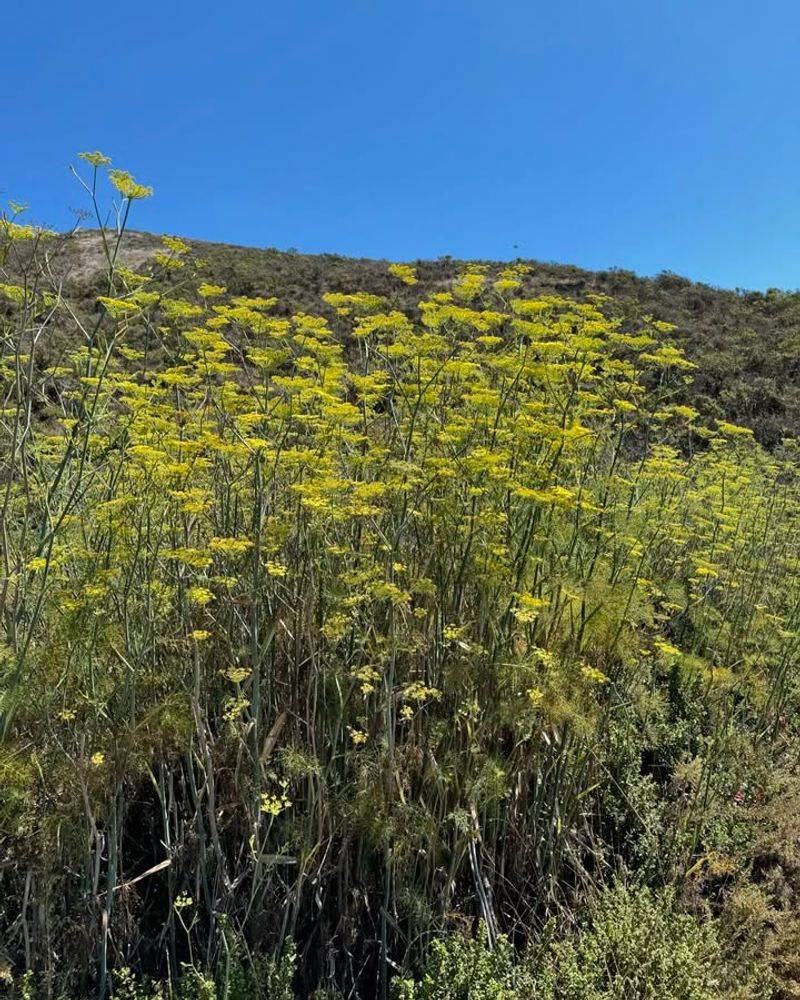
Wild fennel smells amazing. That sweet, licorice-like scent drifting through a California park or along a coastal trail is hard to forget.
Most people who encounter it assume it has always been part of the California landscape, and honestly, it has been here so long that the confusion is understandable. But wild fennel originally came from the Mediterranean region and has become one of California’s most persistent invasive plants.
It spreads rapidly along roadsides, creek banks, and open fields throughout California, especially in coastal counties. The feathery green foliage looks soft and harmless, but underground, the plant builds deep roots that make it incredibly difficult to remove.
A single plant can produce thousands of seeds in one season.
Wild fennel does support one native species worth mentioning: the anise swallowtail butterfly uses it as a host plant. Still, ecologists generally agree that its harm to native plant communities outweighs that benefit.
Native alternatives like purple needlegrass or blue wild rye can fill open spaces without the aggressive spreading. If you want to support the anise swallowtail specifically, planting native carrot family plants like yampah is a much better option for California gardens and natural areas.
6. Black Mustard
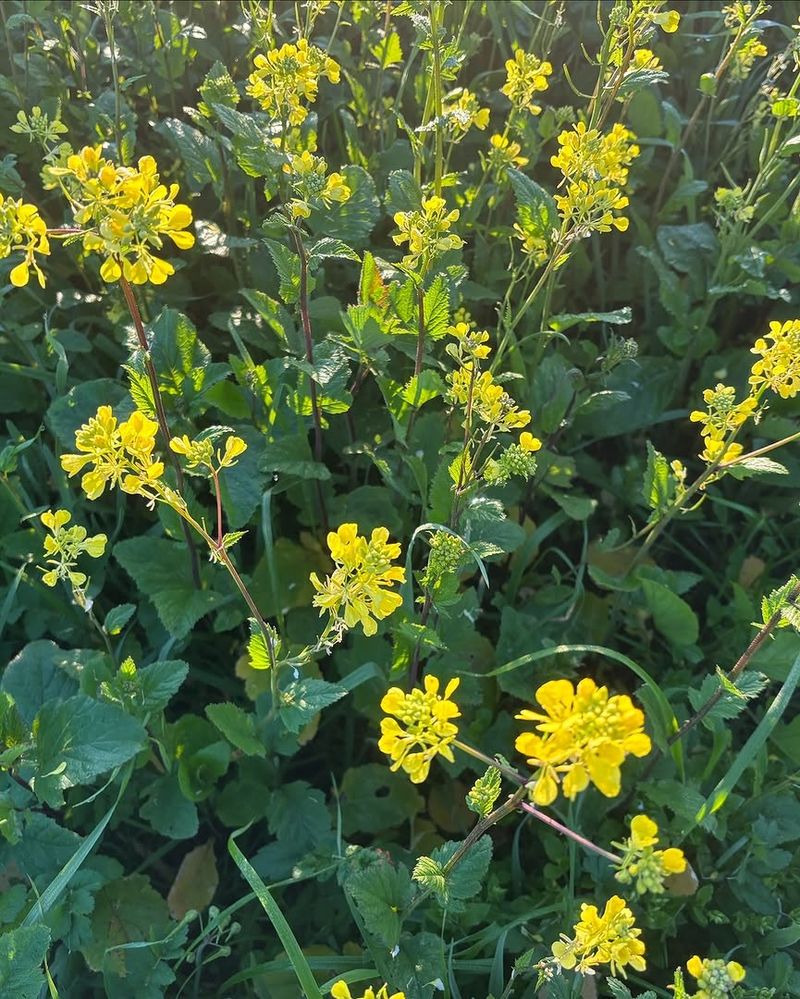
Every spring, California hillsides turn bright yellow, and most people think it is a breathtaking natural display. Some of it is.
But a huge portion of that yellow is black mustard, an invasive plant from the Mediterranean that has completely transformed California’s landscape over the past few centuries. It is so widespread now that many Californians genuinely believe it is native.
Black mustard was likely introduced by Spanish missionaries in the 1700s, possibly intentionally to mark trails. It spread quickly and now dominates roadsides, hillsides, and open fields across much of California.
The plant grows extremely tall, sometimes reaching six feet or more, and creates dense stands that shade out native wildflowers and grasses.
One of the most serious problems with black mustard is that it increases fire risk. The tall, dry stalks left behind after the plant finishes its cycle create a thick layer of fuel that burns hot and fast.
This changes fire patterns in ways that harm native plants adapted to California’s natural fire cycle. Removing it from your property and replanting with native wildflowers like California poppy, clarkia, or lupine can make a real difference for your local landscape and reduce fire hazard at the same time.
7. Gazania
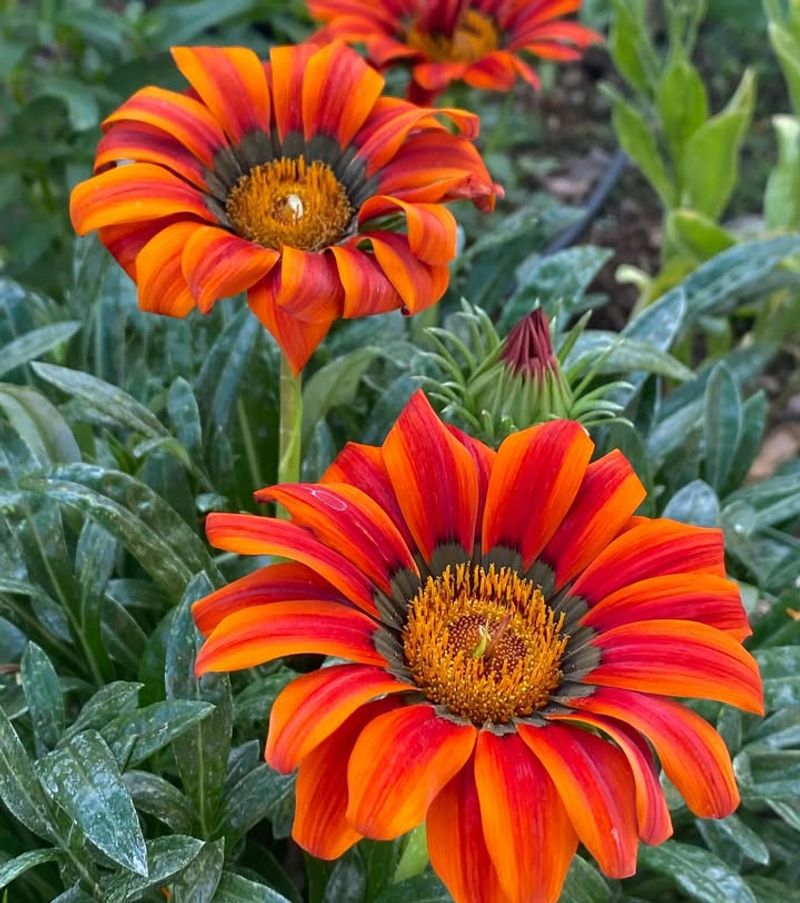
Gazania is practically everywhere in California. You see it lining highway medians, spilling over garden borders, and blanketing slopes in cheerful shades of orange, yellow, and red.
It is tough, colorful, and extremely easy to grow, which is exactly why it became so popular with landscapers and homeowners across the state. But gazania is not from California at all.
It originates from South Africa.
Because it looks so bright and natural against California’s dry, sunny landscape, most people never question whether it belongs here. The problem is that gazania spreads beyond gardens into natural areas, especially coastal scrub and grasslands.
Once it establishes in these spaces, it forms dense mats that prevent native plants from growing.
California’s coastal plant communities are especially vulnerable because they are already under pressure from development and climate change. Replacing gazania with California native ground covers is a straightforward switch with a big payoff for local wildlife.
Plants like beach strawberry, seaside daisy, or deerweed offer similar ground-covering habits and low water needs while actually feeding native bees and other pollinators. If you love the bold color that gazania brings to your yard, California native poppies can give you that same punch of orange without any of the ecological downsides.
8. Capeweed
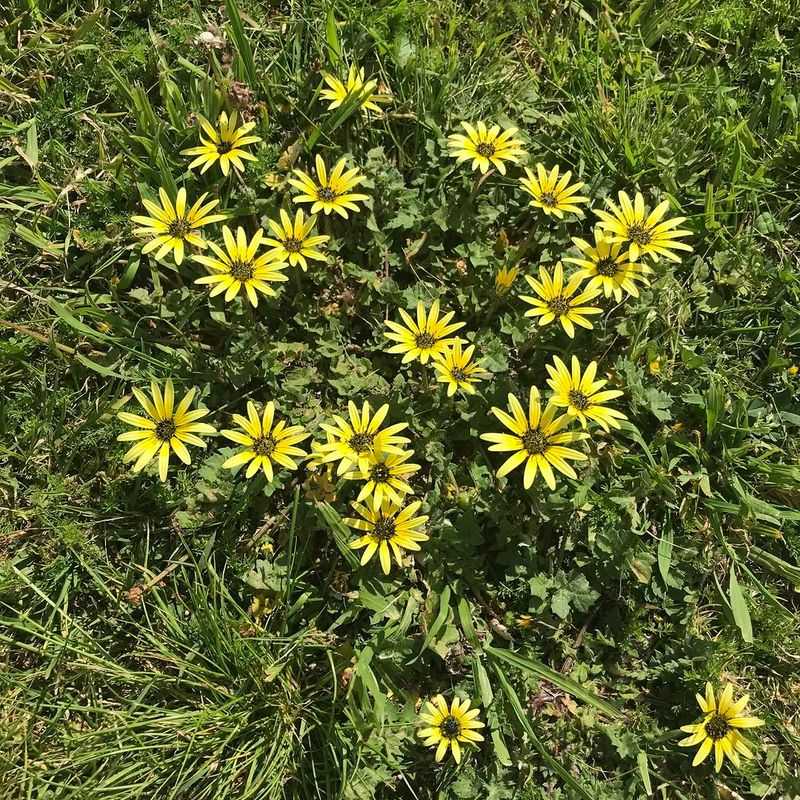
Capeweed is the kind of plant that sneaks into a California yard and makes itself completely at home before anyone notices. It spreads low along the ground in a flat rosette, producing cheerful little yellow and white daisy-like flowers.
Many homeowners see it pop up in their lawns or garden beds and assume it is just a harmless wildflower. It is not.
Originally from South Africa, capeweed has naturalized across coastal and inland parts of California. It is especially common in lawns, pastures, roadsides, and disturbed soils.
The plant spreads quickly through seeds and can form thick mats that outcompete grasses and native low-growing plants. In pastures, it can be a problem for grazing animals as well.
Capeweed is tricky to remove because pulling it up by hand often leaves root fragments behind that regrow. Getting it while it is young and before it sets seed is the most effective approach.
Mulching garden beds heavily can prevent new seedlings from getting established. For California gardeners who want a low, spreading native plant instead, options like yarrow, island alum root, or California fuchsia create beautiful ground-level interest while supporting the hummingbirds and bees that make California gardens feel truly alive.
9. Sweet Alyssum
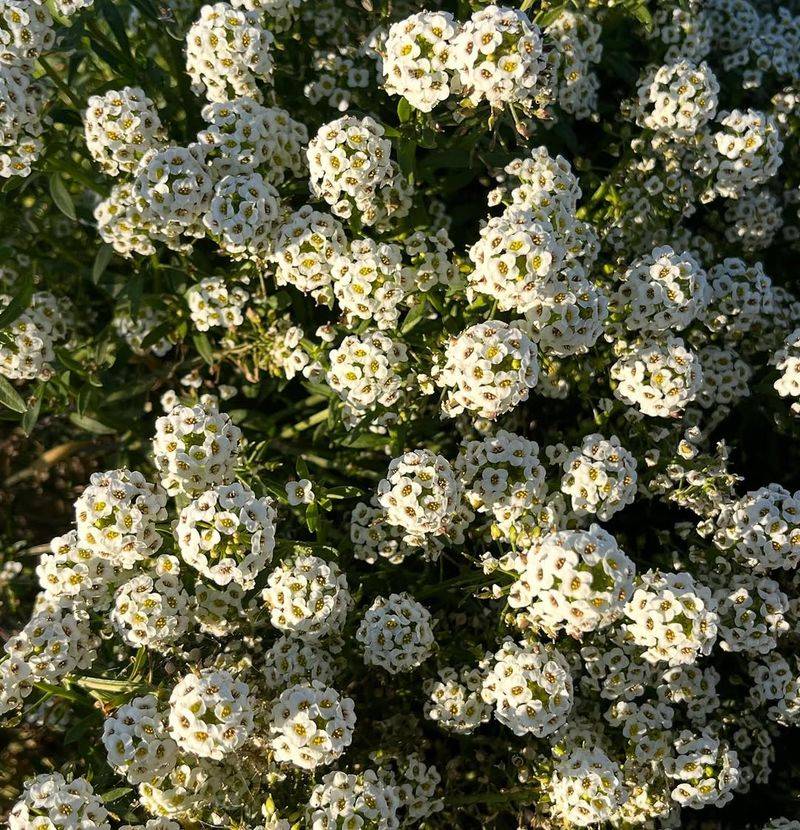
Sweet alyssum is one of the most beloved plants in California gardens, and it is easy to understand why. Those tiny clusters of white or purple flowers smell like honey, and the plant practically grows itself.
It reseeds freely, fills in gaps between stepping stones, and blooms for most of the year in mild California climates. It feels like a gift to any gardener.
But sweet alyssum comes from the Mediterranean region, and in California, it has started moving beyond garden borders.
Along the California coast, sweet alyssum has naturalized in coastal bluffs, disturbed areas, and open grasslands. It competes with native low-growing plants and can spread rapidly in the mild, frost-free conditions that much of coastal California provides.
Because it looks so delicate and harmless, very few people would ever suspect it of being invasive.
For gardeners who love what sweet alyssum brings to a garden, there are native California alternatives worth trying. Woolly sunflower, native phacelia, and clarkia species all offer similar low-growing, flower-filled habits with the added bonus of being genuinely native to California.
Making that swap is a small change that adds up to something meaningful when you think about how many California gardens are out there all doing the same thing at once.