9 Invasive Plants Florida Homeowners Regret Planting

What starts as a harmless plant choice can quickly turn into a headache for Florida homeowners.
Many invasive plants arrive with good intentions, promising fast growth, bold color, or easy care.
Before long, they spread like wildfire, crowding out other plants and taking over yards piece by piece.
In Florida’s warm climate, these plants often grow with no brakes.
Once established, invasive plants can be tough as nails.
They steal water and nutrients, damage soil health, and create extra work that never seems to end.
Some spread through seeds, others through roots, and a few do both at the same time.
What looked like a smart shortcut can turn into a long term battle.
These plants also cause trouble beyond the fence line.
They push out native species and disrupt local wildlife that depends on familiar food and shelter.
Removing them later can cost time, money, and patience.
Like opening a can of worms, planting the wrong species can create problems that linger for years.
Knowing which plants Florida homeowners regret most can save you from repeating the same mistakes.
A little foresight now keeps gardens healthy, manageable, and better suited to Florida’s unique environment.
1. Brazilian Pepper Tree
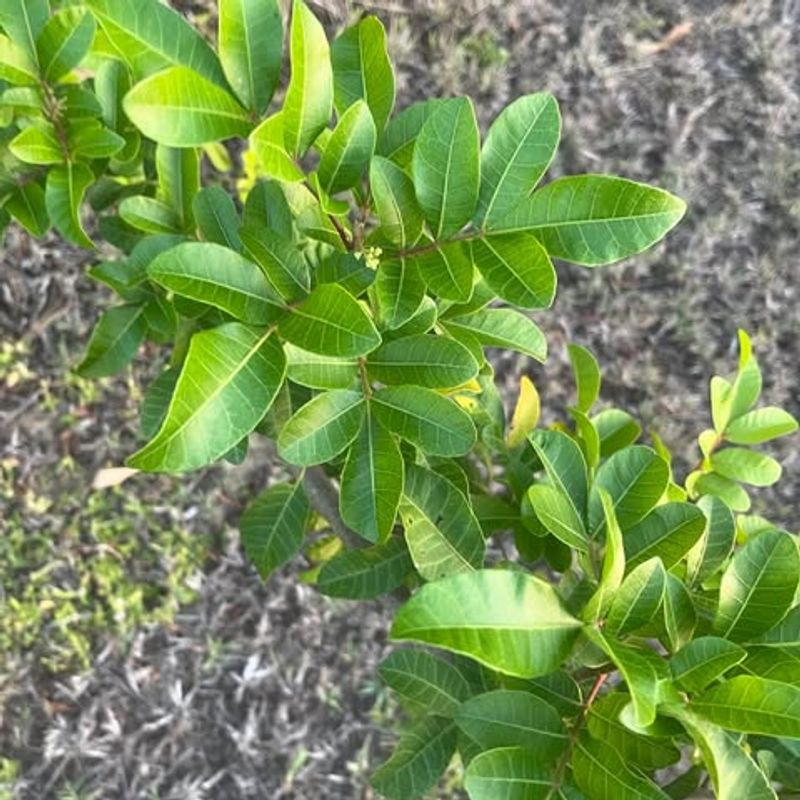
Planting this tree seemed like a smart choice for quick shade and pretty red berries during the holidays.
Many Florida homeowners discovered too late that Brazilian pepper spreads faster than almost any other invasive species in the state.
The berries attract birds who then spread seeds across neighborhoods, parks, and natural areas.
This aggressive grower forms dense thickets that block sunlight from reaching native plants below.
The tree produces chemicals that actually prevent other plants from growing nearby, creating barren zones under its canopy.
Florida wildlife suffers because native animals can’t find the food and shelter they need when Brazilian pepper takes over.
Removal requires serious effort since the tree resprouts vigorously from cut stumps and root fragments.
Professional removal often costs thousands of dollars for established trees.
The sap can cause skin irritation and respiratory problems in sensitive individuals, making DIY removal even more challenging.
Florida law now prohibits selling or planting Brazilian pepper in most counties.
Property owners who planted these trees years ago now face expensive removal projects.
Native alternatives like Simpson’s stopper or marlberry provide similar screening without the invasive problems that plague Brazilian pepper throughout Florida landscapes.
2. Air Potato Vine
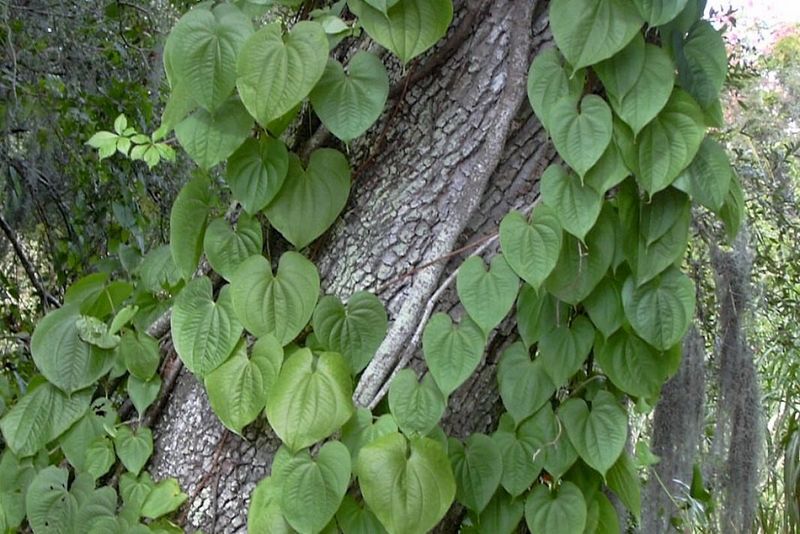
Gardeners initially planted this vine for quick coverage of unsightly fences and structures.
Air potato grows so rapidly it can cover an entire fence in just one season, which sounds perfect until you realize it won’t stop there.
The vine produces potato-like bulbils that drop to the ground and create new plants, spreading the invasion exponentially.
Florida’s native trees suffer tremendously when air potato vines climb up and over them.
The dense foliage blocks sunlight completely, preventing trees from photosynthesizing properly.
Entire forest canopies can disappear under blankets of this aggressive climber within a few growing seasons.
Each vine can produce hundreds of bulbils that remain viable in the soil for years.
Pulling vines down only solves the problem temporarily since new plants sprout from any bulbils left behind.
Chemical control requires repeated applications and careful timing to be effective.
The Florida Department of Agriculture has released biological control beetles to combat air potato, but homeowners still struggle with existing infestations.
Removing established vines requires persistent effort over multiple years.
Native alternatives like coral honeysuckle or crossvine provide beautiful coverage without threatening Florida’s natural areas and tree canopies.
3. Cogongrass
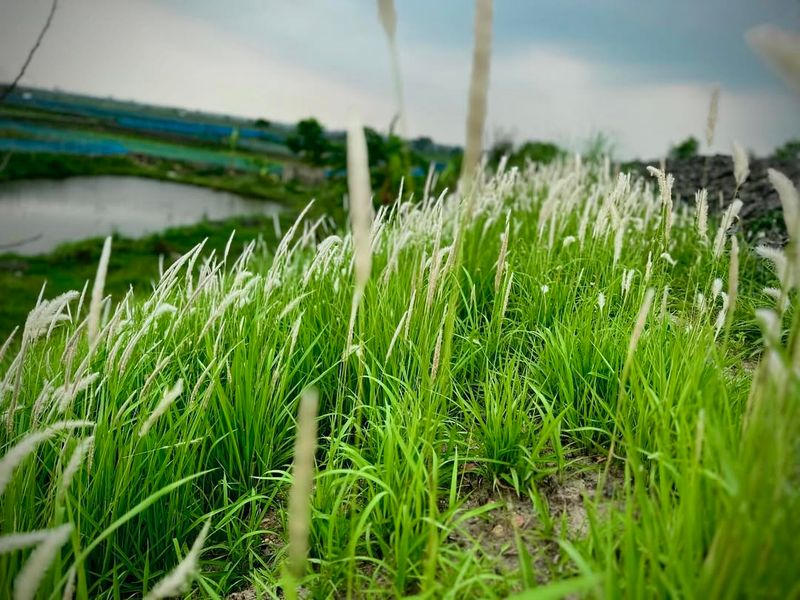
Some homeowners mistakenly thought this ornamental grass would make an attractive landscape feature.
Cogongrass ranks among the world’s worst invasive species and spreads through underground rhizomes that form impenetrable mats.
A single plant can expand into a massive colony covering several acres within just a few years.
Florida cattle ranchers particularly regret any cogongrass introductions because livestock won’t eat it due to its sharp, silica-filled leaves.
The grass outcompetes valuable forage plants and reduces property values significantly.
Fire actually helps cogongrass spread by triggering massive seed production and stimulating rhizome growth.
The extensive root system makes removal extremely difficult and expensive.
Digging out cogongrass requires excavating soil to depths of two feet or more to ensure all rhizome fragments are removed.
Even tiny root pieces left behind can regenerate entire colonies.
Chemical control demands multiple treatments with specific herbicides applied at precise times.
Many Florida homeowners have spent years battling cogongrass infestations that started from a single ornamental planting.
Native grasses like muhly grass or fakahatchee grass offer beautiful alternatives without the devastating invasive characteristics that make cogongrass such a nightmare throughout Florida.
4. Melaleuca Tree
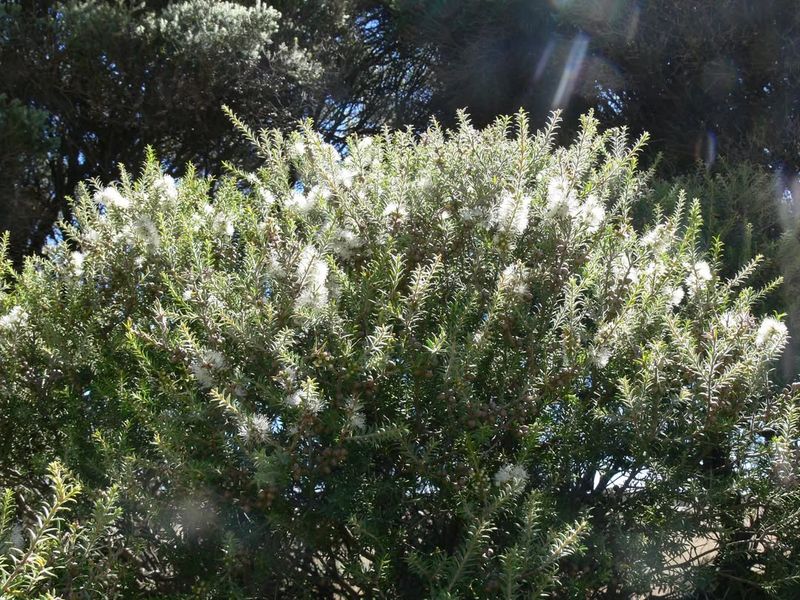
Developers and homeowners once planted melaleuca extensively for wetland drainage and windbreaks across Florida.
This Australian native seemed perfect for managing soggy areas until it began transforming entire ecosystems.
Each tree produces millions of tiny seeds annually, and the lightweight seeds travel long distances on wind and water.
Florida’s Everglades faced catastrophic invasion as melaleuca formed dense forests that displaced native sawgrass and other wetland plants.
The trees consume enormous amounts of water, actually lowering water tables in areas where they dominate.
Wildlife habitat quality plummets because native animals can’t use melaleuca forests for food or shelter.
Mature trees reach heights of 80 feet and create monoculture stands that resist natural fires.
The papery bark acts as a fire ladder, carrying flames into tree crowns and creating dangerous crown fires.
After fires, melaleuca resprouts vigorously while native plants struggle to recover.
Florida has invested millions in melaleuca control programs using herbicides, mechanical removal, and biological controls.
Homeowners who planted these trees decades ago now face removal costs and potential liability for spreading seeds to neighboring properties.
Native cypress or pond apple trees provide similar wetland benefits without threatening Florida’s precious water resources and natural areas.
5. Japanese Climbing Fern
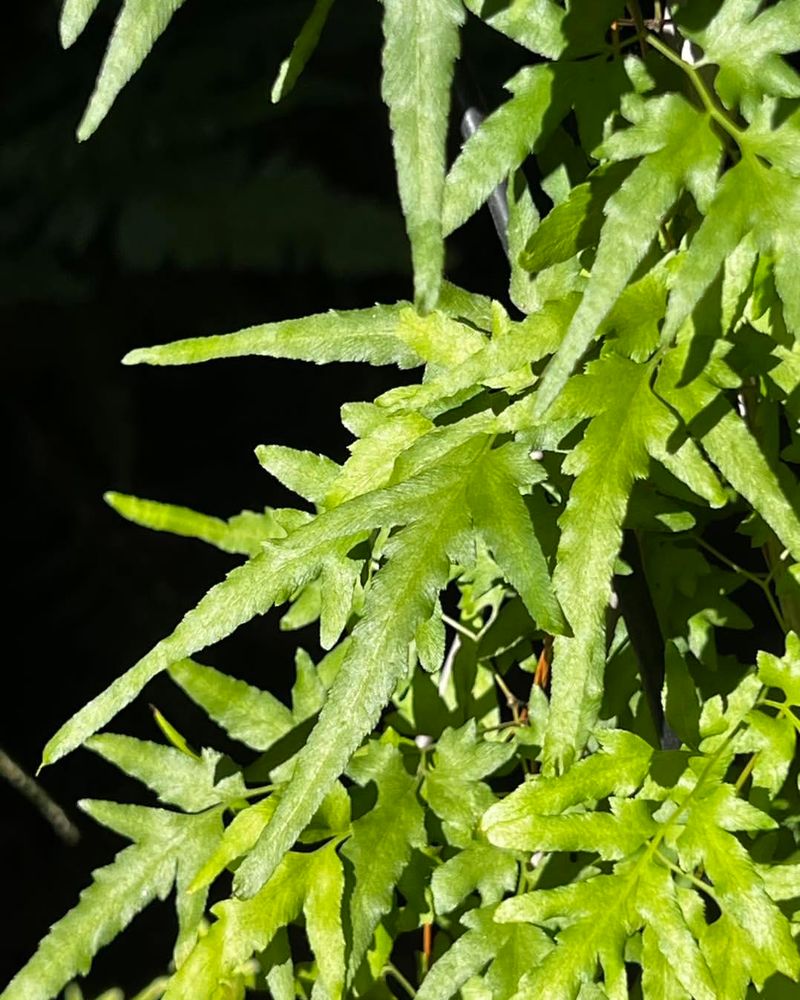
Garden centers once sold this delicate-looking fern as an exotic ground cover for shady areas.
Homeowners loved the lacy fronds and graceful appearance until the fern started climbing everything in sight.
Japanese climbing fern can grow up to a foot per day during Florida’s warm, humid summers.
The fern produces millions of microscopic spores that spread on wind, water, clothing, and equipment.
Once established, it forms thick mats over shrubs, trees, and even buildings.
Native plants smother under the dense coverage as the fern blocks all available light.
Florida’s natural areas have suffered extensive damage from Japanese climbing fern invasions.
The fern creates continuous fuel ladders that carry ground fires into tree canopies, changing natural fire patterns.
Forest managers struggle to protect native ecosystems from this aggressive invader.
Controlling established infestations requires herbicide applications or repeated manual removal over several years.
The microscopic spores make preventing spread nearly impossible once the fern establishes in an area.
Homeowners report spending countless hours pulling fern fronds only to watch them return within weeks.
Native ferns like southern shield fern or royal fern provide beautiful foliage without the invasive tendencies.
Florida gardeners now understand that Japanese climbing fern’s delicate appearance masks an aggressive nature that threatens both landscapes and wild areas throughout the state.
6. Mexican Petunia
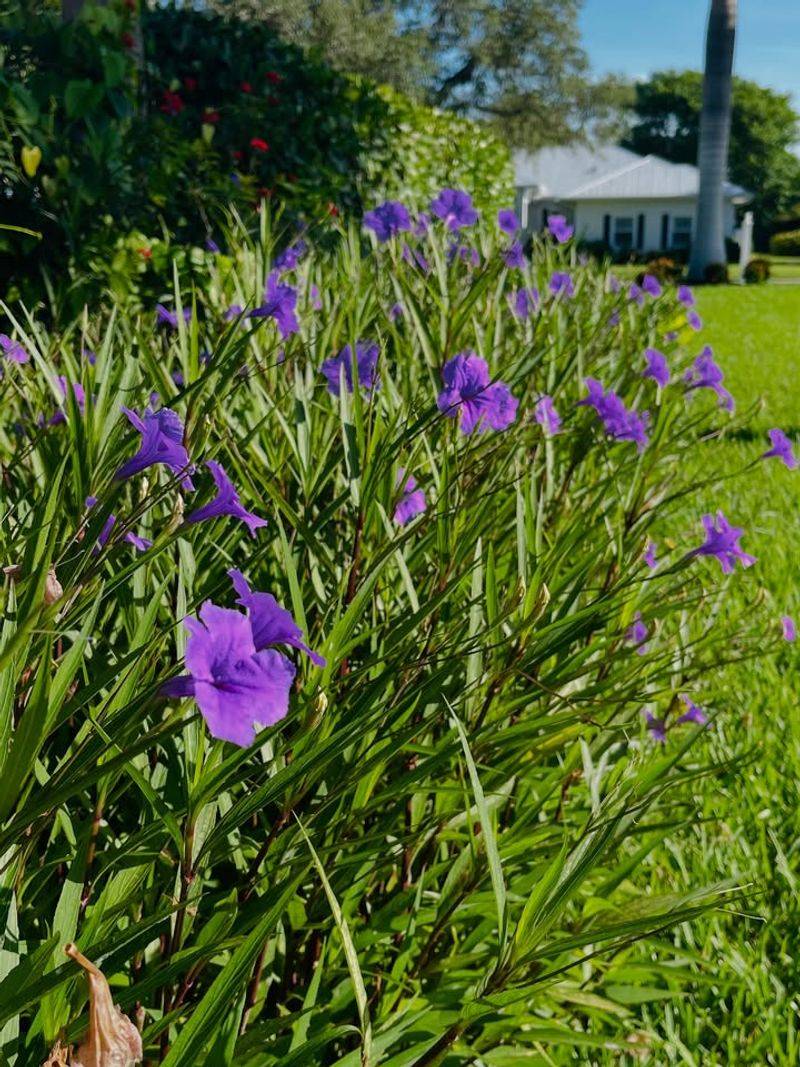
Nurseries marketed this plant for its pretty purple flowers and supposed low maintenance requirements.
Mexican petunia produces gorgeous blooms that attracted many Florida homeowners seeking colorful, easy-care landscaping.
Unfortunately, the plant spreads aggressively through underground rhizomes and prolific seed production.
Waterways throughout Florida now suffer from Mexican petunia invasions that started from landscape plantings.
The plant establishes easily along canal banks, pond edges, and wetland margins.
Dense stands crowd out native wetland plants that provide critical habitat for fish, birds, and other wildlife.
Removal proves frustrating because any rhizome fragments left in the soil generate new plants.
The seeds float on water and germinate readily wherever they land.
Homeowners report finding Mexican petunia sprouting in unexpected places far from the original planting site.
Florida’s native ecosystems face serious threats from Mexican petunia invasions in natural areas.
The plant alters wetland plant communities and reduces biodiversity significantly.
Many counties now prohibit selling or planting Mexican petunia varieties that produce viable seeds.
Sterile cultivars offer a safer alternative, though even these can spread vegetatively.
Native alternatives like blue flag iris or pickerelweed provide similar purple flowers without threatening Florida’s waterways.
Homeowners who planted Mexican petunia years ago now spend considerable time and effort trying to contain its relentless spread throughout their properties.
7. Lantana
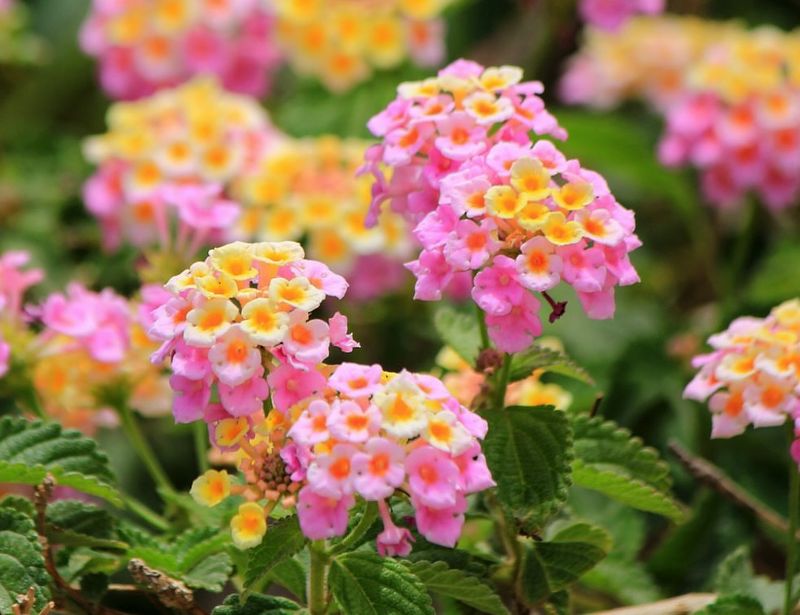
Butterfly gardeners embraced lantana for its colorful flowers and ability to attract pollinators.
The clusters of orange, yellow, pink, and red blooms make stunning additions to Florida landscapes.
Birds eat the berries and spread seeds throughout neighborhoods and natural areas, creating widespread invasions.
Florida’s native plant communities suffer when lantana establishes in wild areas.
The shrub forms dense thickets that exclude native vegetation and reduce habitat quality.
Lantana contains toxic compounds that make it unpalatable to most wildlife, so animals can’t control its spread through browsing.
Some lantana varieties prove more invasive than others, but distinguishing between them challenges average homeowners.
The plant thrives in Florida’s climate and tolerates drought, poor soil, and neglect.
These tough characteristics that make lantana attractive for landscaping also enable its aggressive spread.
Removing established lantana requires digging out entire root systems or applying herbicides.
The shrub resprouts readily from root fragments, making incomplete removal efforts futile.
Florida homeowners report battling lantana invasions that persist for years despite repeated control attempts.
Native alternatives like firebush or wild coffee attract butterflies and hummingbirds without invasive tendencies.
Some sterile lantana cultivars offer safer options for gardeners who love the colorful flowers.
Understanding the difference between landscape-friendly varieties and invasive types helps Florida homeowners make better planting choices that won’t threaten local ecosystems.
8. Torpedo Grass
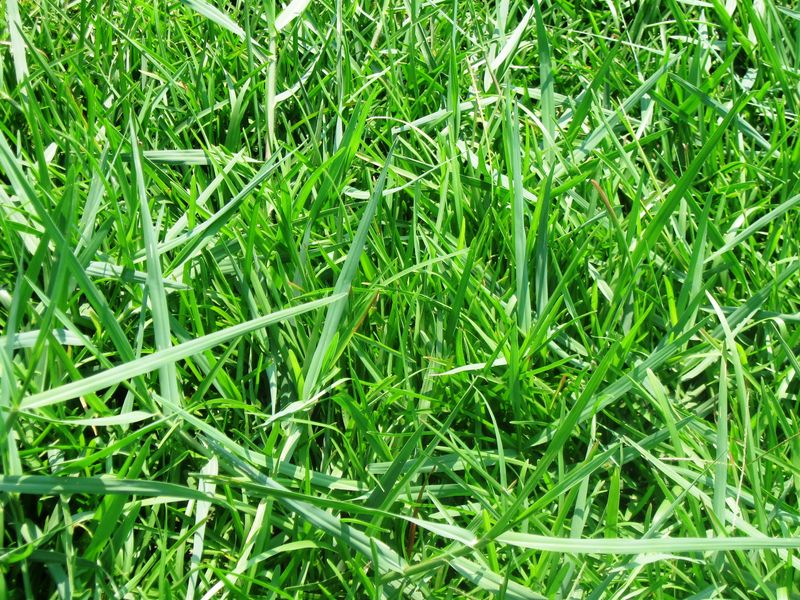
Landscapers once recommended this grass for erosion control along Florida waterways and ditches.
The sharp, pointed rhizomes that give torpedo grass its name pierce through soil, roots, and even landscape fabric.
These underground stems can penetrate several feet deep, making eradication nearly impossible.
Florida’s wetlands and waterways face serious degradation from torpedo grass invasions.
The grass forms dense monocultures that exclude native wetland plants.
Fish and wildlife lose critical habitat as torpedo grass replaces diverse native vegetation with uniform grass stands.
Homeowners discover that torpedo grass doesn’t respect property boundaries or garden beds.
The rhizomes travel underground and emerge in lawns, flower beds, and vegetable gardens.
Pulling the grass proves useless since rhizomes break off and regenerate from tiny fragments.
Chemical control requires persistent applications over multiple growing seasons.
Glyphosate-based herbicides work best but must contact green foliage to be effective.
Many Florida residents report spending years fighting torpedo grass that started from a small erosion control planting.
Native grasses like sand cordgrass or muhly grass provide erosion control without invasive characteristics.
The initial appeal of torpedo grass’s vigorous growth and soil-holding ability becomes a curse when homeowners realize they’ve introduced an undestroyable invader.
Florida environmental managers now work to prevent torpedo grass spread into natural areas where it threatens native plant communities and wildlife habitat.
9. Caesar Weed
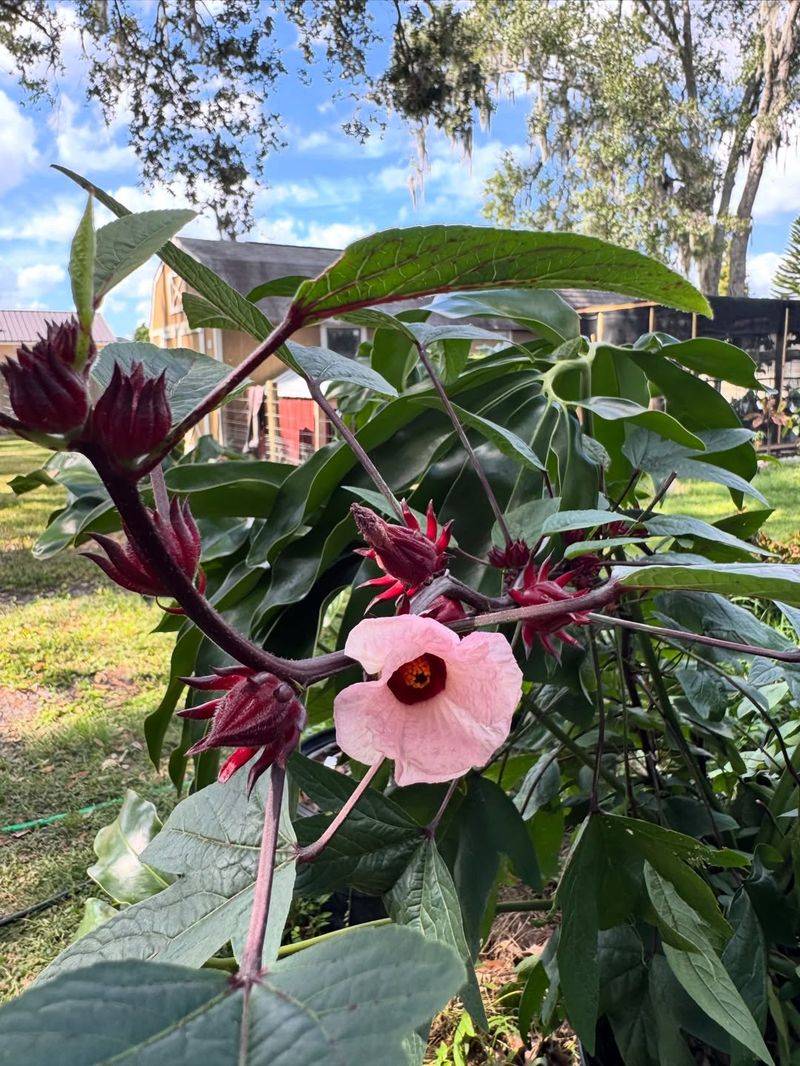
Homeowners sometimes mistake this plant for a native wildflower when it first appears in yards.
Caesar weed establishes quickly in disturbed areas and produces thousands of seeds that spread easily.
The plant contains compounds that can cause skin irritation and allergic reactions in sensitive individuals.
Florida’s natural areas face invasion threats when Caesar weed escapes from residential landscapes.
The plant tolerates a wide range of conditions from full sun to partial shade.
Dense stands form quickly and outcompete desirable native plants for space, light, and nutrients.
Seeds remain viable in soil for years, creating persistent seed banks that complicate control efforts.
Pulling plants before they set seed helps, but homeowners must remain vigilant since new plants emerge constantly.
The plant’s rapid growth from seedling to seed production happens in just weeks during Florida’s warm months.
Caesar weed spreads along roadsides, in pastures, and through natural areas wherever soil disturbance occurs.
Livestock avoid eating it, and the plant can become problematic in agricultural settings.
Florida residents who initially ignored a few Caesar weed plants often find their entire yards overrun within a single growing season.
Preventing seed production through regular mowing or hand-pulling controls Caesar weed effectively.
Native wildflowers like blanket flower or coreopsis provide similar color without invasive tendencies.
Understanding that Caesar weed poses both ecological and health concerns helps Florida homeowners prioritize its removal from their properties.