10 Invasive Plants Still Sold At Garden Centers That Spread Faster Than You Think
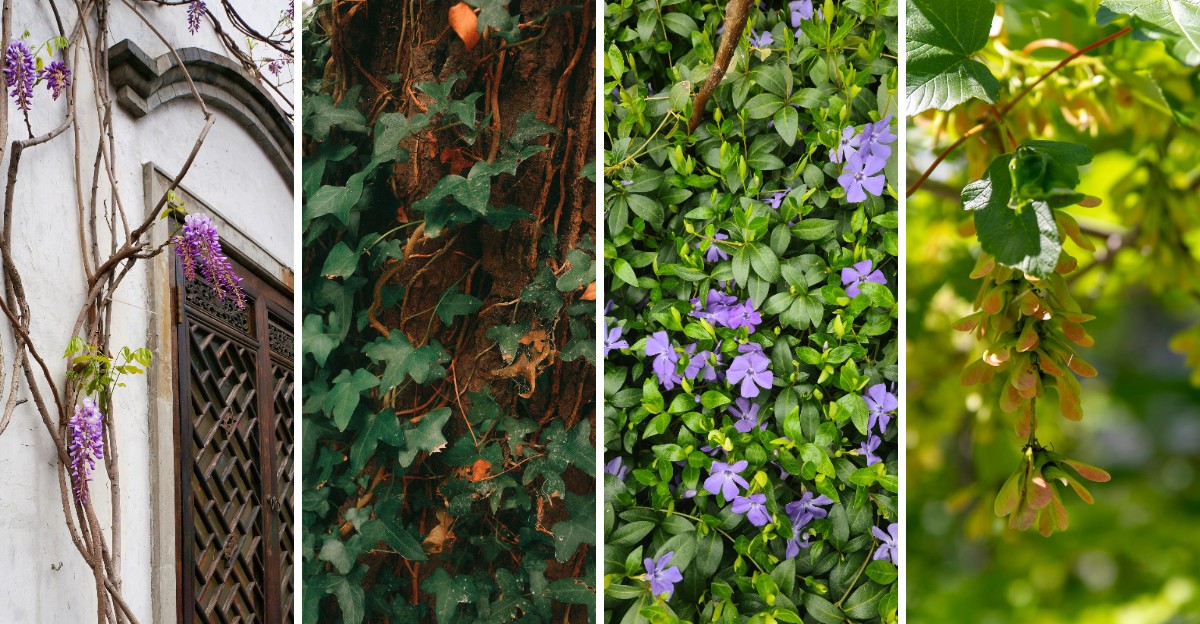
That bargain beauty in your cart is banned from sale in Massachusetts. Ohio banned a popular landscaping favorite too.
Yet you can still buy those picks at garden centers across America. Invasive ornamentals refuse to stay where you put them. Birds gulp their berries and drop the seeds miles away.
Mud on your boots ferries them onto hiking trails. Certain hedges sold to you as tidy borders create humid thickets where ticks thrive. Researchers in Connecticut found far more Lyme-carrying ticks inside those stands.
Climbing vines you chose for charm can topple mature oaks during storms. You paid for a pretty accent. Your neighbors, local parks, and public forests pay for the rest.
Native alternatives give you similar color without the invasive spread. Before you buy another pot, you need to know which popular favorites are secretly invaders.
1. Burning Bush Brings Fiery Fall Color With A Sneaky Side
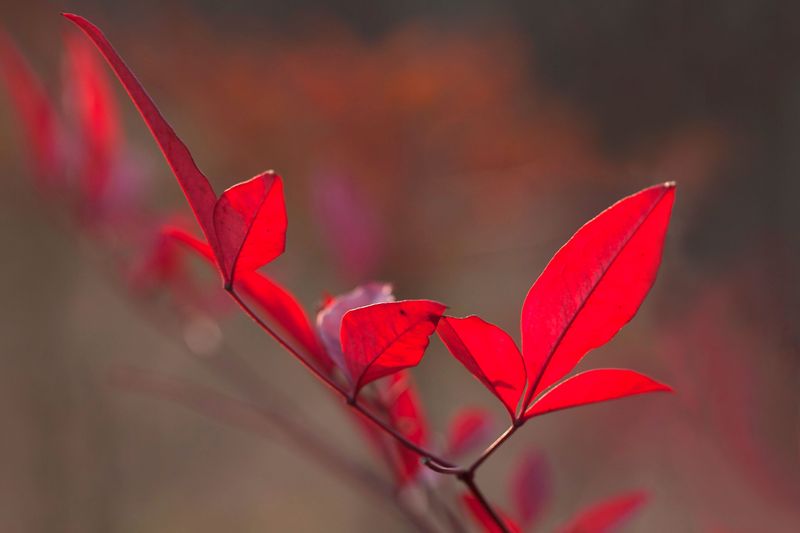
Come early fall, burning bush starts glowing like a giant stoplight parked in the front yard. Neighbors slow their cars just to stare at that blazing, candy apple red color.
The trouble hides in the tiny orange berries that show up right alongside those leaves. Birds gobble them up, fly off, and drop the seeds in woods miles away.
Once there, the seedlings pop up so thickly that they form a carpet under tall trees. Native wildflowers and baby oaks simply cannot get enough sunlight to grow.
Several states, including Massachusetts and New Hampshire, have already banned sales of this shrub. Still, you can find it in plenty of other stores, often labeled as a low maintenance favorite.
If you already have one, clip off the berries before birds find them each fall. You can also dig it out and replace it with something native and just as colorful.
Try highbush blueberry, fragrant sumac, or Virginia sweetspire for that same fiery autumn show. Your yard stays gorgeous, and the forest down the road gets to keep breathing easy.
Fall is a perfect planting season, so September swaps give new shrubs a cozy head start. Cool air and warm soil help roots settle in before winter arrives.
2. Japanese Barberry Charms With Thorns And Hides A Tick Problem
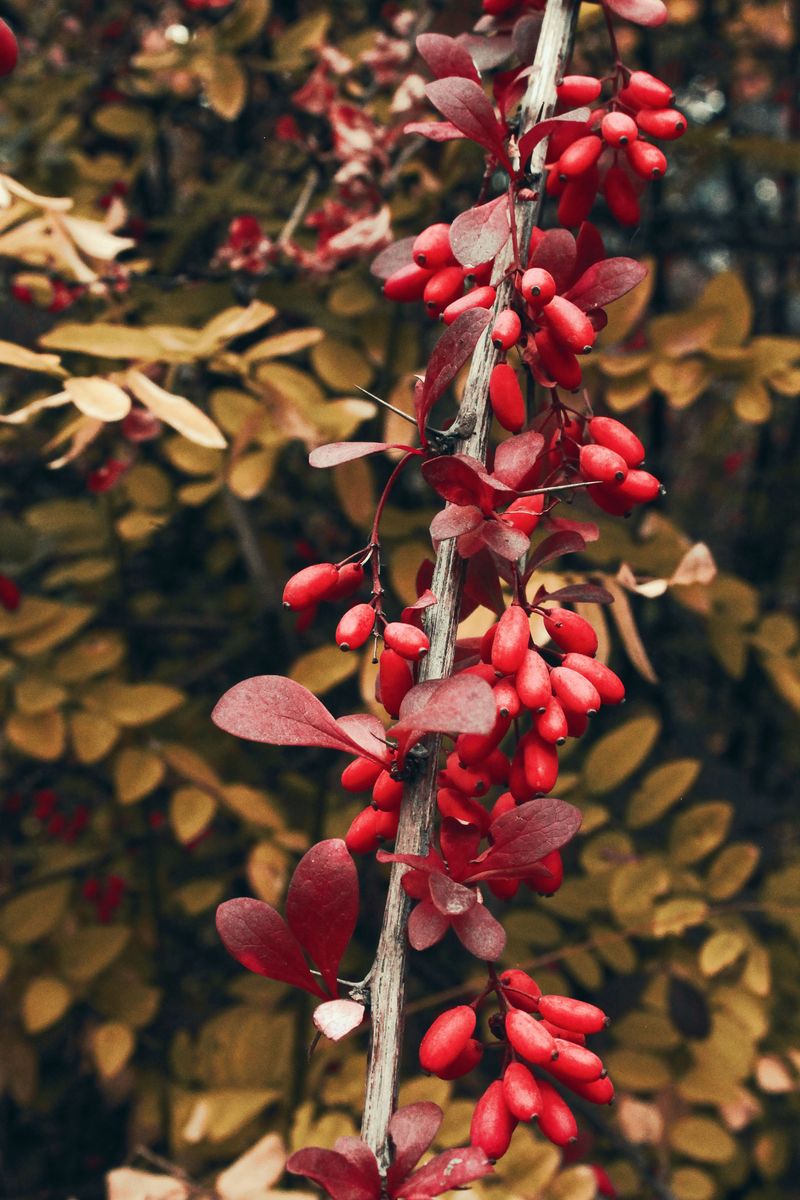
Picture a tidy little shrub with burgundy leaves that looks great beside any front walkway. Japanese barberry has earned that spot in thousands of yards across America.
Deer skip it because of the sharp thorns, which sounds like a win at first. The problem is that deer eat everything else around it, giving barberry room to take over.
Here is the creepy part that surprised researchers studying forests in Connecticut. Thick barberry patches trap humid air, and ticks love that damp, shady hideout.
Areas crowded with barberry can hold far more ticks carrying Lyme disease than cleared areas. That makes a simple hike or backyard game riskier for kids and pets.
Birds spread the bright red berries, which hang on the branches well into winter. Each seed can sprout into a new prickly bush wherever it lands. Pennsylvania has already added it to the state’s noxious weed list.
Wear thick gloves and long sleeves when removing it, since those thorns bite back hard. Pull small plants by hand and dig larger ones out, roots and all.
Want that same deep red look without the drama? Try ninebark varieties like Diablo, which bring rich purple foliage and pretty spring flowers to the party.
3. Butterfly Bush Draws Pollinators But Has A Wild Streak
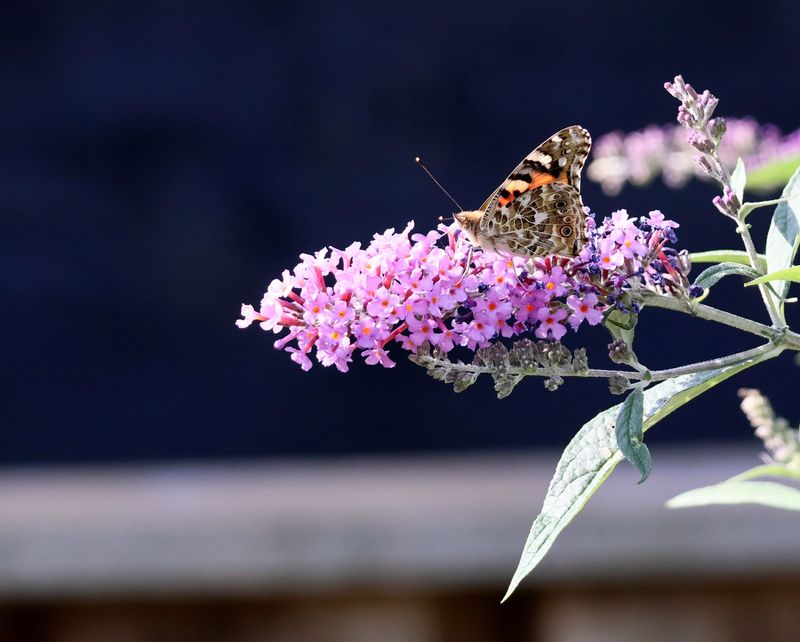
Honestly, it is hard not to love a plant that pulls in butterflies like a free buffet. Butterfly bush blooms in purple, pink, and white spikes that smell like honey.
Yet a single shrub can release millions of tiny seeds each year. Those seeds float on the wind and land along rivers, roadsides, and railroad tracks.
Oregon and Washington have listed it as a noxious weed because it chokes out native riverbank plants. Ironically, those native plants are the ones caterpillars need to eat and grow into butterflies.
So the adult butterflies get a snack, but their babies go hungry. It is a bit like a restaurant that serves only dessert and skips dinner.
Good news, though, since you do not have to give up the look. Plant breeders have created sterile types, like the Lo and Behold series, that make very few seeds.
If you keep an older variety, snip off the faded flower spikes before they turn brown. That quick chore in late summer and September stops seeds from drifting away.
Native swamp milkweed, joe pye weed, and New Jersey tea feed both adult butterflies and the caterpillars of several native species. Mix a few in, and your garden becomes a full nursery instead of a snack bar.
4. English Ivy Looks Classic While It Climbs And Covers Trees
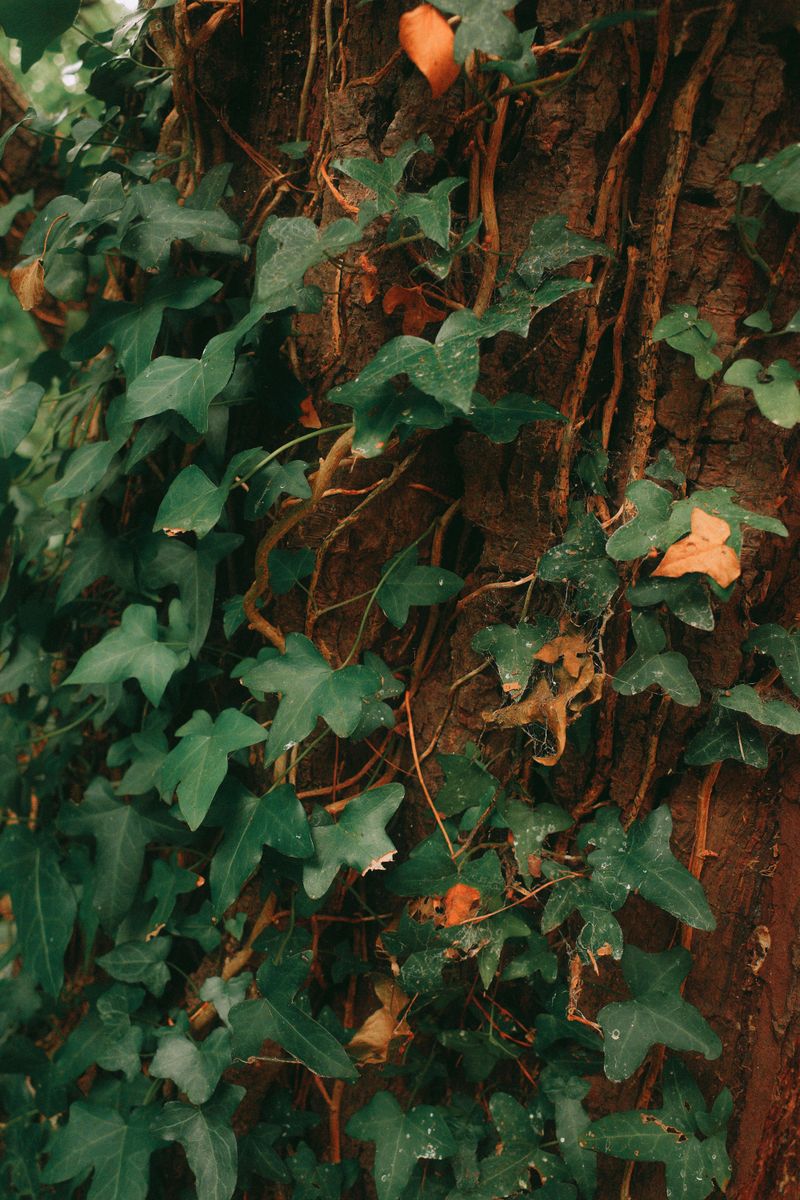
Old brick buildings covered in ivy look straight out of a storybook, right? That romantic green blanket is exactly why garden centers keep selling it in hanging baskets.
Behind the charm, English ivy is a real bully in the woods. Its vines creep across the ground and form thick mats where nothing else can sprout.
Then it climbs trees, wrapping trunks and branches until the leaves block out the sun. The heavy weight can make trees topple during storms and winter ice.
Once ivy reaches the top, it starts making dark berries that birds carry to new places. Ivy that stays low rarely flowers, so climbing vines cause the biggest trouble.
Fun fact: ivy walls can also trap moisture and loosen old mortar between bricks. That storybook look might cost you a pricey repair bill someday down the road.
For trees covered in ivy, try the life ring method that park volunteers use. Cut each vine at shoulder height, then pull ivy back three feet from the base.
The upper vines will slowly wither on their own over several weeks to a few months. For a friendly groundcover, swap in wild ginger, foamflower, or Pennsylvania sedge instead.
5. Asian Wisteria Dazzles In Spring And Holds On Tight
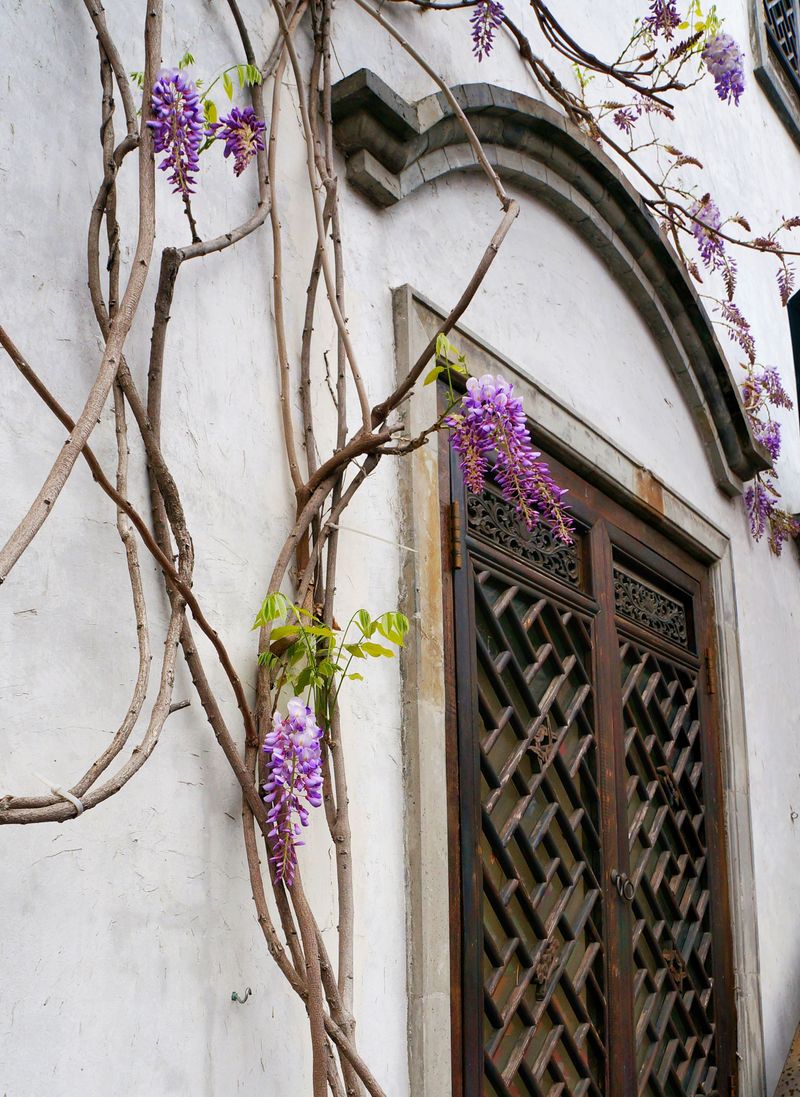
Every spring, social media fills with photos of purple wisteria dripping over porches and arbors. Few of those posts mention that the vine can pull gutters right off a house.
Chinese and Japanese wisteria grow woody stems as thick as a baseball bat. They twist around anything nearby, from fence posts to full grown trees.
In the wild, these vines can girdle trunks by squeezing so tightly that sap cannot flow. They also send out long runners that root and pop up yards away from the parent plant.
September is when you might notice fuzzy seed pods hanging like green velvet beans. Those pods can snap open with a loud pop and fling seeds several feet.
Pick the pods off now, before they dry and burst on a chilly autumn afternoon. Keep in mind that the seeds are toxic, so bag them up away from kids and dogs.
Pruning twice a year keeps an existing vine in check, but it takes steady effort. Many gardeners eventually decide the constant upkeep is not worth it.
American wisteria, especially the Amethyst Falls variety, offers the same purple drama with far better manners. It grows slower, blooms younger, and is far less likely to spread.
6. Callery Pear Blooms Beautifully With A Fertile Twist
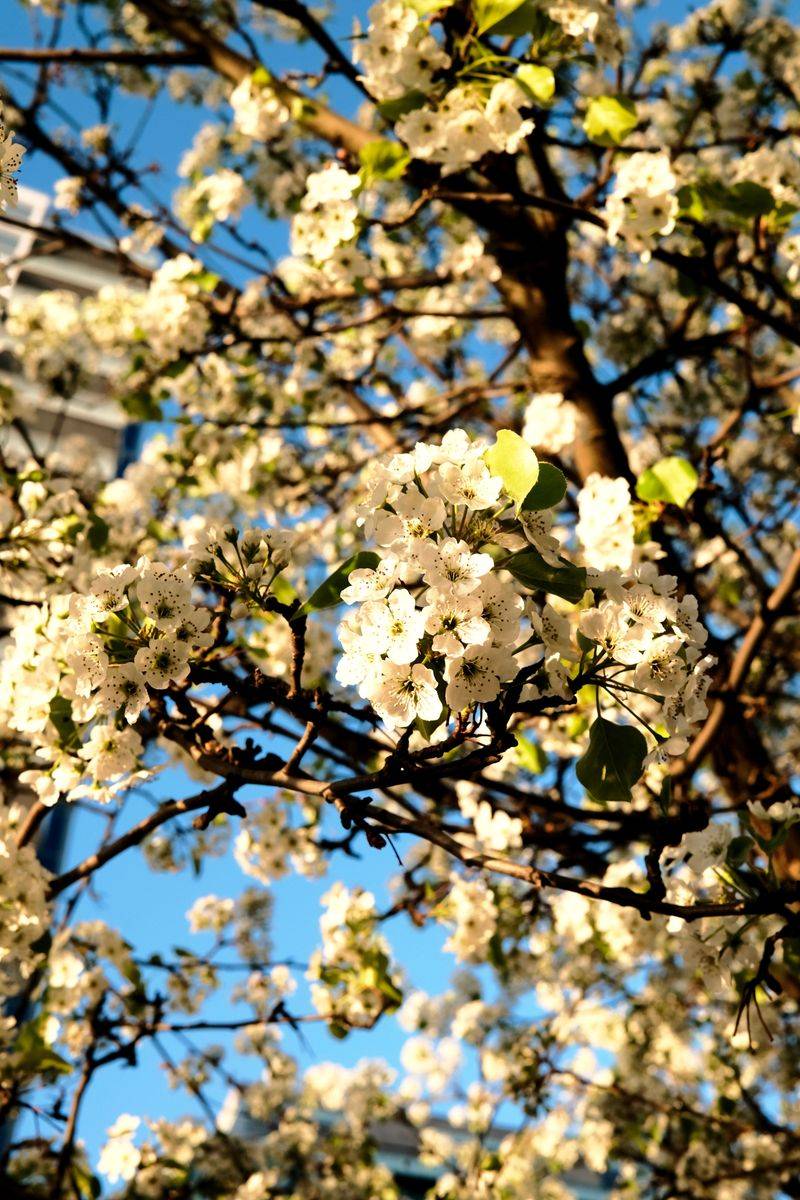
Anyone who has walked past a Bradford pear in April knows the smell. People often compare it to old fish, and honestly, they are not being dramatic.
Developers loved this tree in the 1960s because it grew fast and bloomed like a snow globe. Bradford pears cannot pollinate themselves, so on their own, they set little fruit.
The trouble started when other Callery pear varieties got planted nearby and cross pollinated. Suddenly those trees made small fruits packed with fertile seeds that birds adore.
Now wild pear thickets fill fields and highway edges across the South and Midwest. Those wild trees grow long, sharp thorns that can puncture tractor tires.
Ohio, Pennsylvania, and South Carolina have all banned sales in recent years. Some states, extension offices, and nonprofits even run bounty programs that trade a free native tree for a removed pear.
The weak branch structure also means these trees split apart in strong wind. Many homeowners find big limbs sprawled across their cars after just one summer storm.
Early fall is a smart time to remove one and plan a replacement. Serviceberry, redbud, and American fringetree offer spring blossoms without the fishy perfume.
7. Chinese Silver Grass Sways Gracefully But Carries A Fire Risk
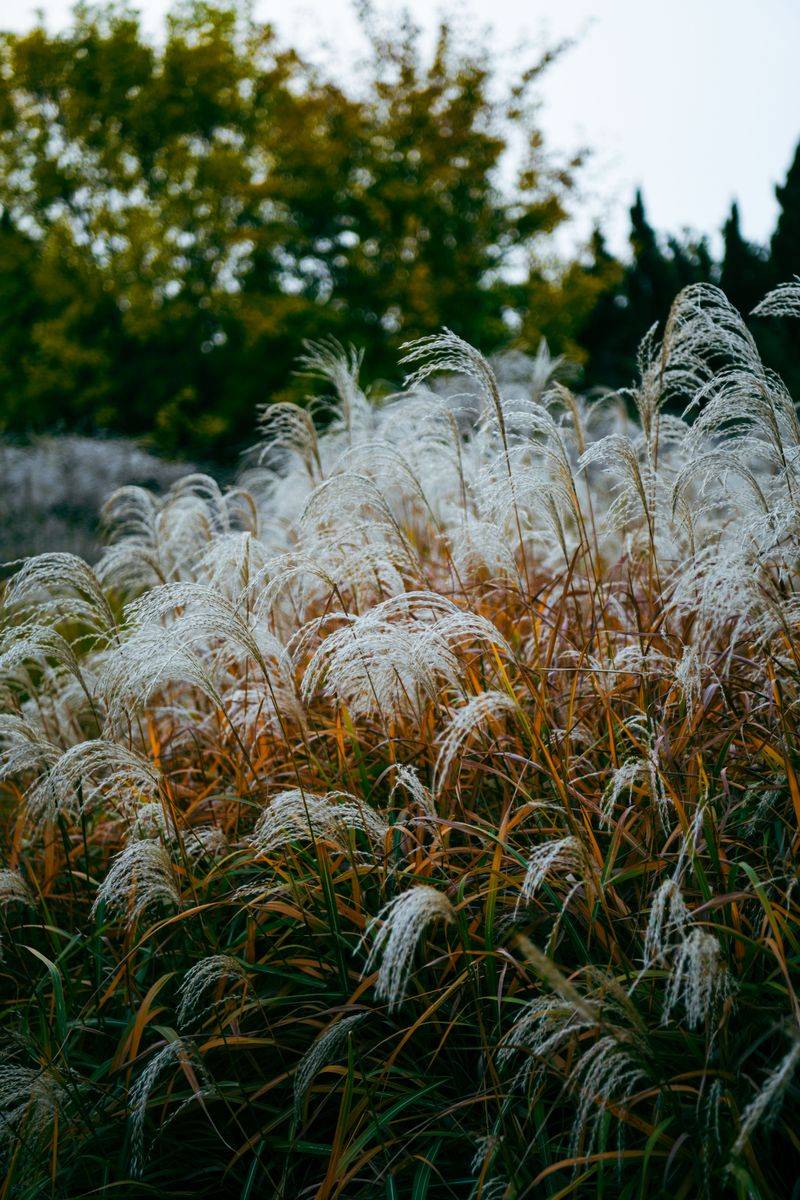
Tall, feathery plumes glowing silver in the September sun make this grass a fall favorite. Chinese silver grass, sold as miscanthus, sways in the breeze like a fancy ball gown.
Those gorgeous plumes are packed with seeds, and each one has a tiny fluffy parachute. Wind carries them into meadows, forest edges, and empty lots with ease.
Out in the wild, the grass forms dense clumps that crowd out native prairie plants. Wildlife gets very little food from it, so the land turns into a quiet green desert.
Here is a surprising bit worth knowing. Dry miscanthus burns hot and fast, especially in late fall and winter when the stems turn crispy.
Clumps planted right next to a house can act like kindling during a wildfire. Keep any ornamental grass a safe distance from siding, decks, and wooden fences.
If you love your clump, cut off the plumes as soon as they open this month. Some newer cultivars produce fewer seeds, so ask your garden center for tested low seed types.
Native switchgrass, little bluestem, and big bluestem bring the same swishy movement to borders. Plus, songbirds happily munch their seeds from the first frost until spring arrives.
8. Periwinkle Covers Bare Spots And Keeps On Wandering
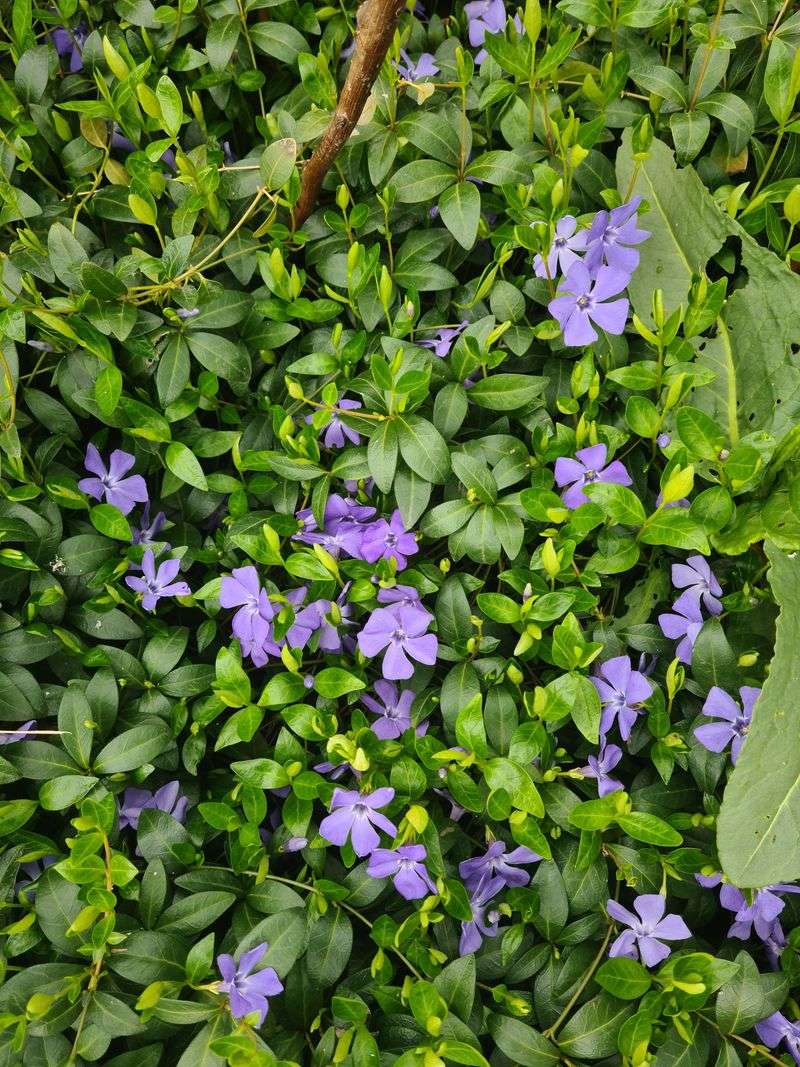
Plant a few pots of periwinkle along a shady path, and within a decade it can take over. It spreads across flower beds, creeps under fences, and wanders into the neighbor’s yard.
Also called vinca or myrtle, this evergreen groundcover has glossy leaves and sweet blue flowers. Garden centers sell it as the perfect fix for bare spots where grass will not grow.
Periwinkle rarely spreads by seed, which fools people into thinking it is harmless. Instead, its stems root wherever they touch soil, marching forward a few feet every year.
The bigger problem shows up when yard waste gets dumped at the edge of the woods. A single clipping can start a new colony that blankets the forest floor.
Spring ephemerals like trilliums and trout lilies cannot push through that thick mat. Over time, the woodland slowly loses its colorful and cheerful spring wildflower show.
Pulling it works best in early fall, when the soil is moist and roots slide out easily. Rake the runners toward you like a rug, then bag everything instead of composting it.
For shady spots, native green and gold or woodland creeping phlox make charming, well behaved replacements. Your neighbors will thank you for keeping your plants on your side of the fence.
9. Norway Maple Casts Deep Shade And Drops Seeds Everywhere
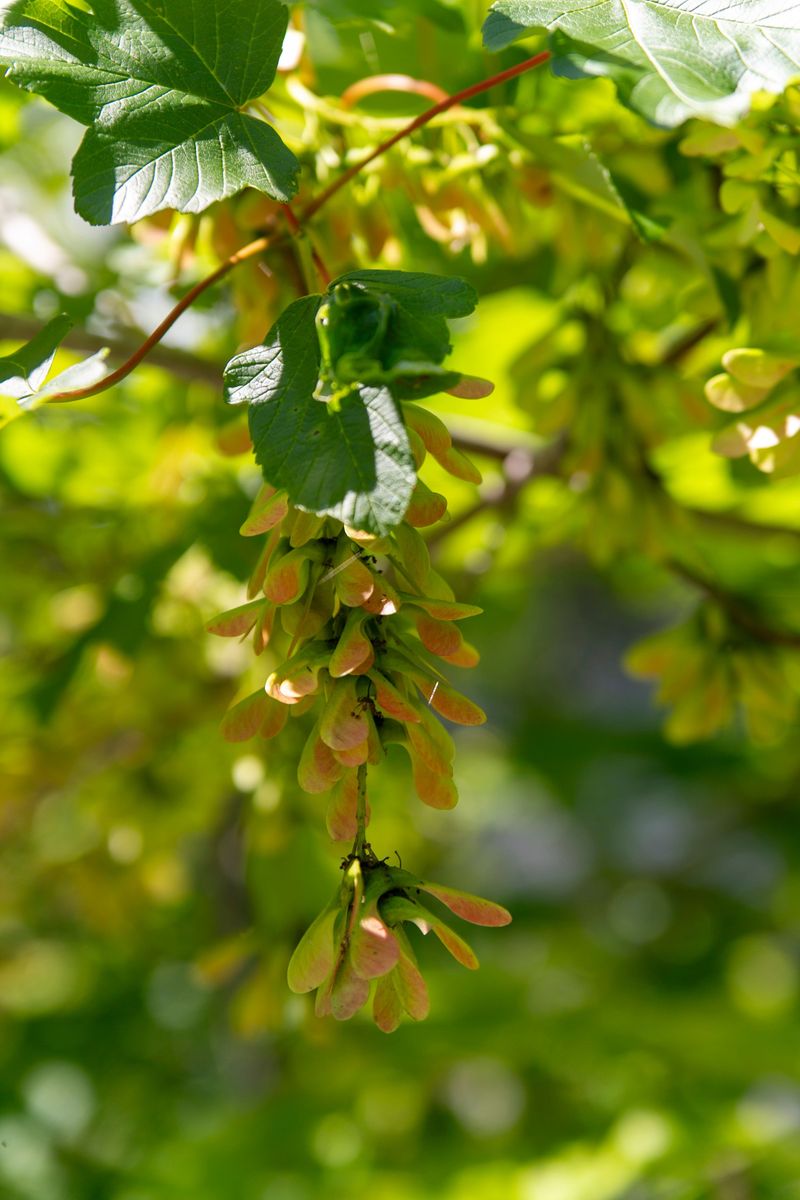
Did you know Norway maple was once planted along streets to replace elms lost to disease? Cities picked it because it handled pollution, salt, and tough city soil like a champ.
Sadly, that toughness is exactly what makes it a problem in natural forests. Each tree drops thousands of winged seeds, the helicopters kids love to toss in the air.
Those seedlings sprout in deep shade, where native sugar maples and oaks struggle. Once grown, the dense canopy casts shadows so dark that little can grow underneath.
Its shallow roots also crowd the surface, which makes growing grass below it a frustrating task. Many homeowners blame themselves for a patchy lawn when the tree is the real culprit.
Popular varieties like Crimson King still show up at nurseries with deep purple leaves. To identify one, snap a leaf stem and look for milky white sap oozing out.
Sugar maples have clear sap, so that simple test clears up any confusion quickly. Pull maple seedlings in September while they are small and the ground is soft.
Ready to plant a better shade tree in the cool days of fall? Red maple, sugar maple, and black gum give brilliant color and feed countless native insects.
10. Yellow Flag Iris Brightens Ponds And Floats Its Seeds Away
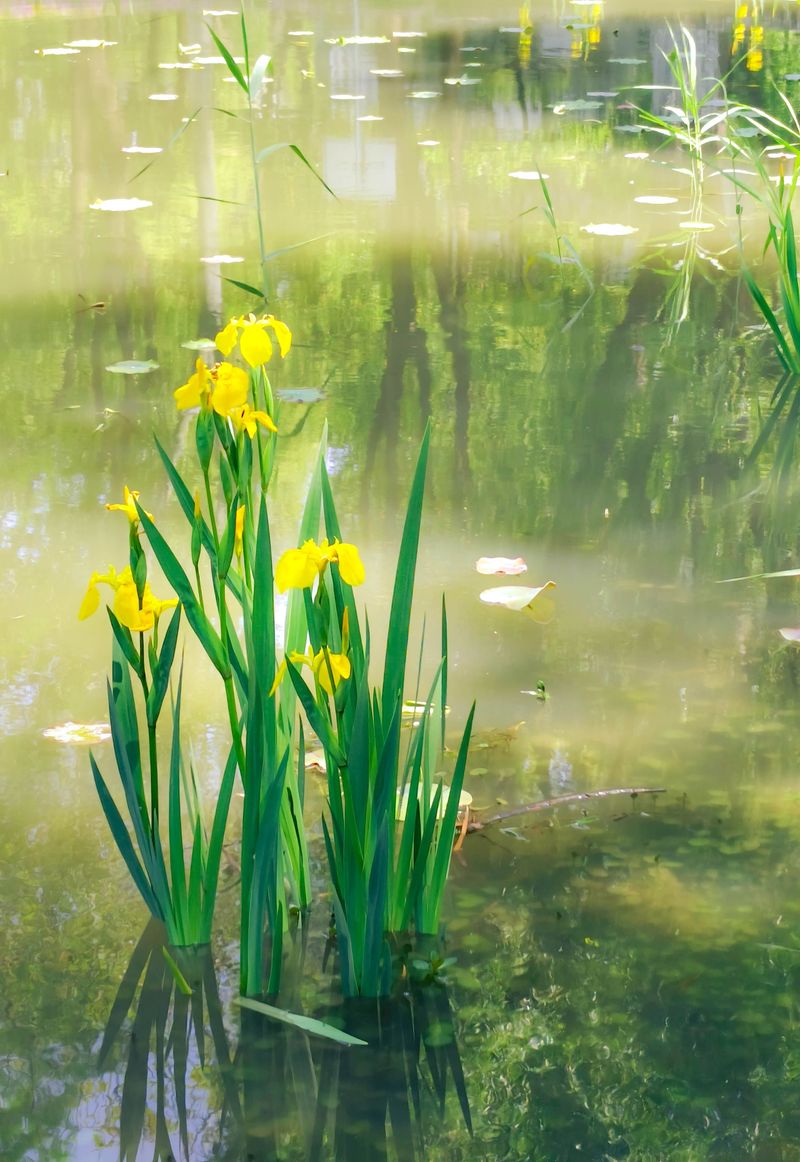
Water gardeners adore yellow flag iris for its bright, buttery blooms along pond edges. It looks cheerful and innocent, like a row of rubber ducks lined up at the water.
Its seeds, though, have tiny air pockets that work like little life jackets. They drop into the water and float downstream to new marshes, creeks, and lakes.
Thick underground stems called rhizomes spread outward and form mats so dense that cattails get pushed aside. Ducks, frogs, and fish lose the native plants they depend on.
Handle it with care, since the sap can irritate skin and cause an itchy rash. The whole plant is also toxic to livestock and pets that nibble it.
Several states list it as a noxious weed, yet online shops and some nurseries still sell it. Check plant tags carefully, because it sometimes hides under the name water iris.
If it already lives in your pond, snip off the green seed pods this month before they split. Wear gloves, dig out small clumps, and toss every scrap in the trash.
Blue flag iris, a North American native, gives you the same elegant shape in a lovely violet shade. Pickerelweed and marsh marigold add even more color without the runaway drama.